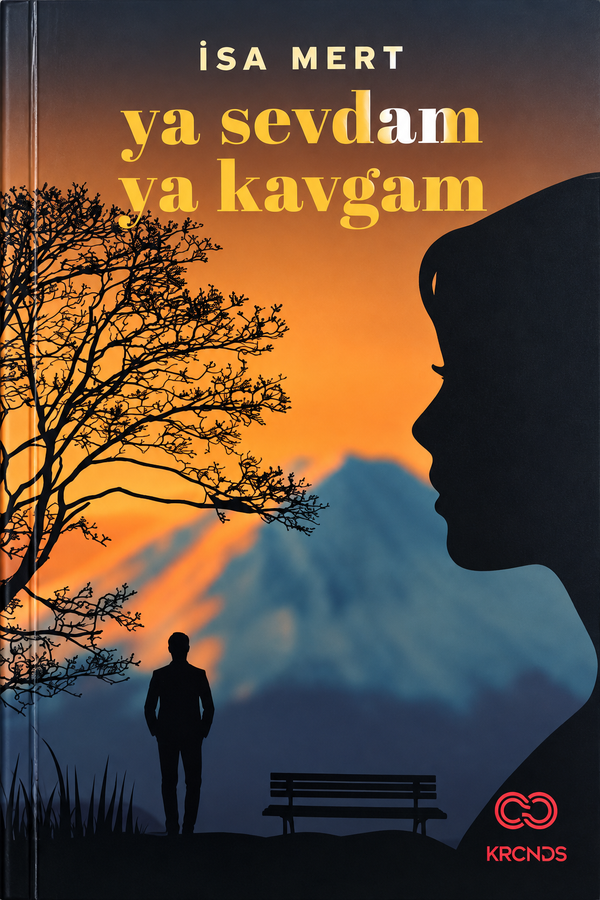
On İsa Mert's Novel "My Love or My Struggle"
This essay reviews İsa Mert's two-volume novel "My Love or My Struggle," exploring its portrayal of a generation's ideals, broken dreams, and unfulfilled loves amidst Turkey's turbulent 1970s and 1980s.
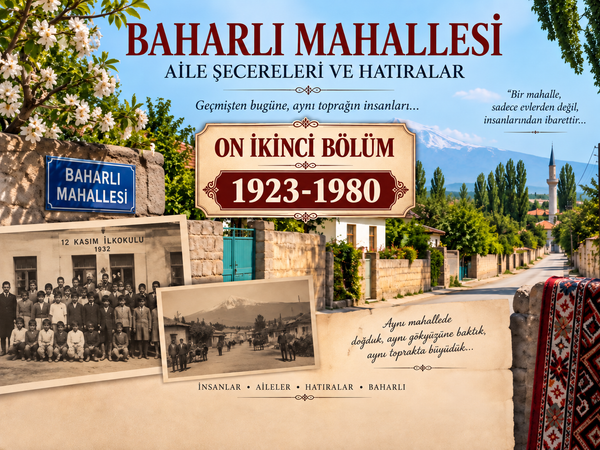
This article presents a collection of images and family genealogies from the Baharlı neighborhood, highlighting the enduring friendship between a Kurdish and an Azerbaijani family through generations.
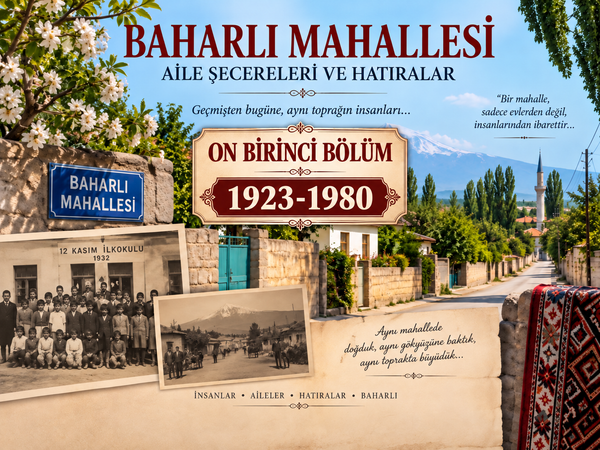
Seyran Yılmaz recounts her childhood memories of Baharlı Neighborhood, where her family settled after the Mount Ararat Rebellion, detailing their home, garden, and daily life.
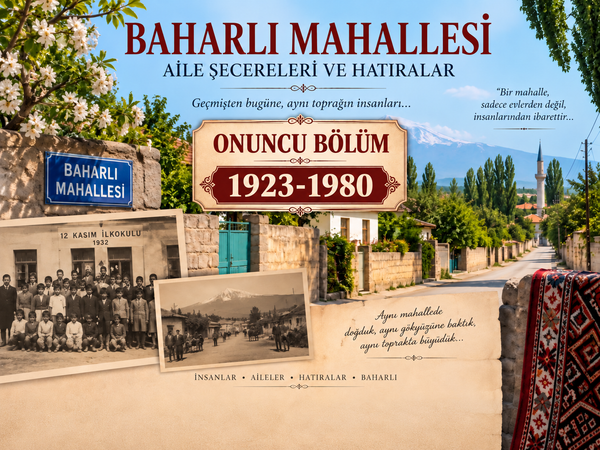
This is the tenth installment of a series of images depicting the Baharlı neighborhood.
This is the ninth part of a series of image galleries showcasing the Baharlı neighborhood.
This is the eighth part of a series of photo essays showcasing the Baharlı neighborhood, featuring various images of its streets, buildings, and daily life.
This is the seventh part of a series of image galleries showcasing the Baharlı neighborhood.
This is the sixth part of a series of image galleries showcasing the Baharlı neighborhood.
This is the fifth part of a series of image galleries showcasing the Baharlı neighborhood.
This is the fourth part of a series of image galleries showcasing the Baharlı neighborhood.
This article presents a collection of images from Baharlı Neighborhood, accompanied by personal narratives and historical context from its residents.
This article presents a collection of old photographs and family genealogies from Baharlı Neighborhood, aiming to preserve its collective memory and the interwoven lives of its diverse communities.
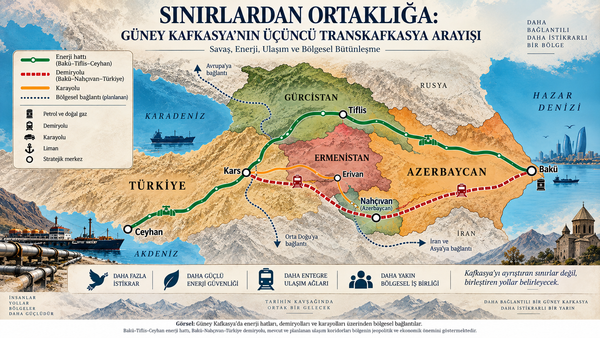
This essay explores the historical attempts at regional integration in the South Caucasus and proposes a new model for a "Third Transcaucasia" based on economic cooperation and shared interests, rather than political unification.
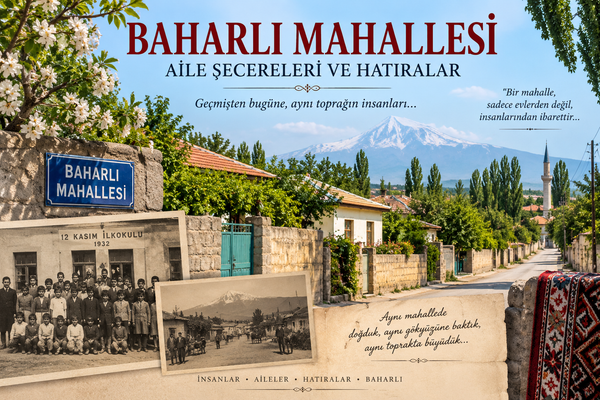
This fourth part of the series delves into the family histories and old photographs of Baharlı Neighborhood, aiming to reconstruct its collective memory and the interwoven lives of its residents.
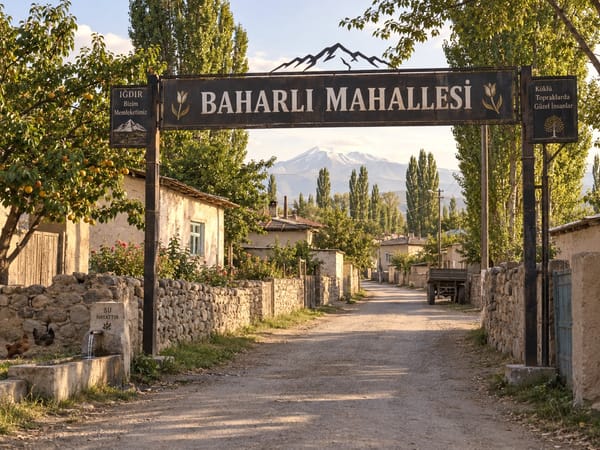
This essay argues that the renaming of Baharlı Neighborhood to 14 Kasım was a psychological punishment for its residents' political identity, urging the Iğdır Municipal Council to restore the original name.
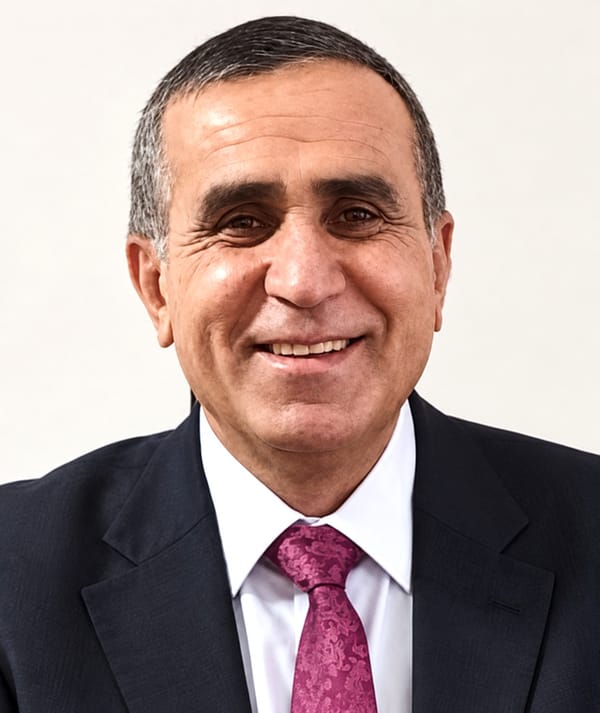
This second part of the series delves into the untold story of Baharlı Neighborhood's youth during the 1980 military coup, focusing on Necdet Karatepe's harrowing experiences of detention and torture.
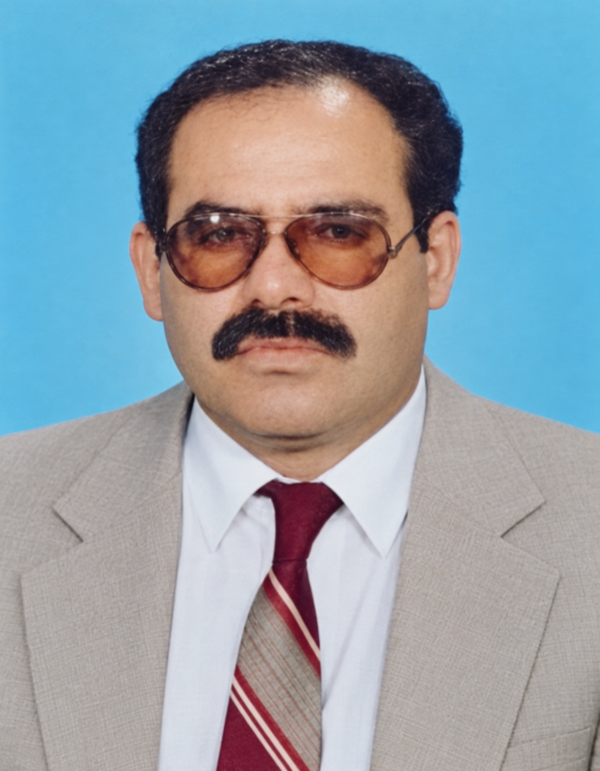
This article explores the history and memory of Baharlı Neighborhood in Iğdır through Mecit Taşan's poem, which meticulously records the lives and stories of its former residents.
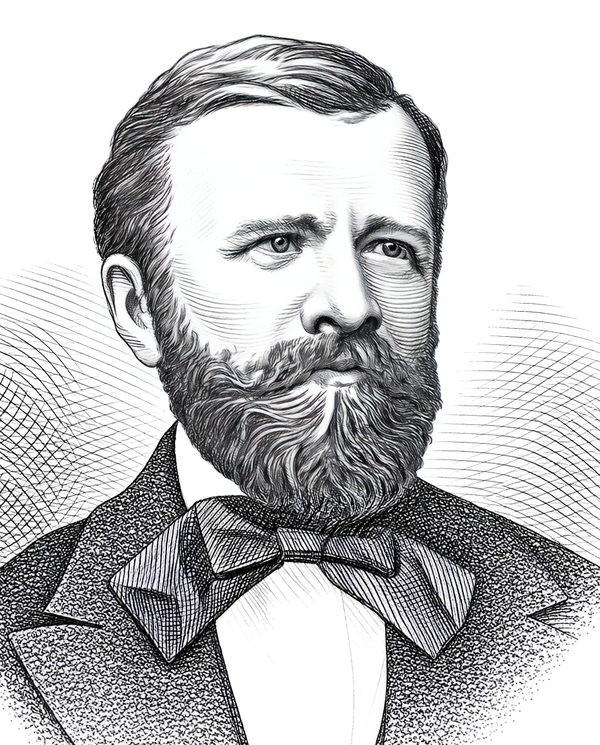
This article discusses Peter Lerch's pioneering work in recording Kurmanji and Zazaki using Latin characters, highlighting his efforts to capture spoken language and develop a systematic orthography.
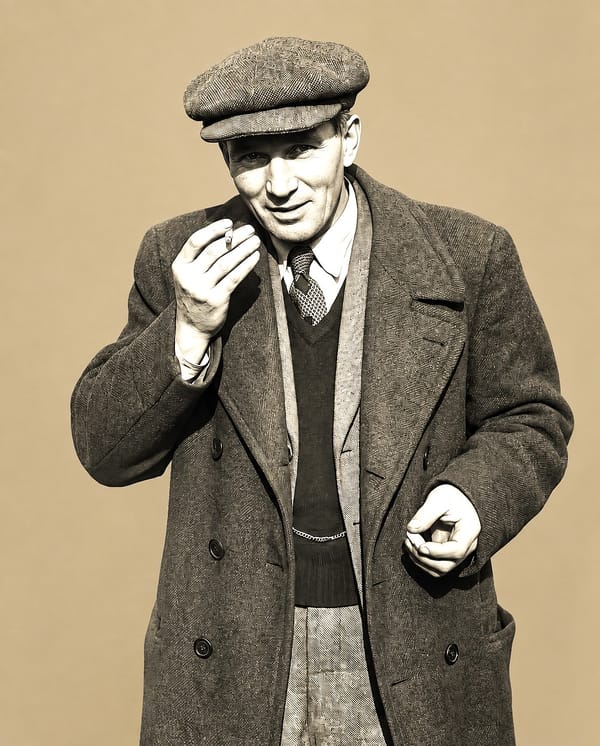
This article explores the life and historical context of Ali Eşref Başaran, a prominent Karapapak figure in Iğdır, through personal accounts and historical documents.

This article tells the multi-generational story of Prof. Dr. Hakan Alpay Karasu, a distinguished academic and dean, tracing his family's journey from Karxın to Iğdır and Ankara, highlighting their commitment to education, public service, and community.
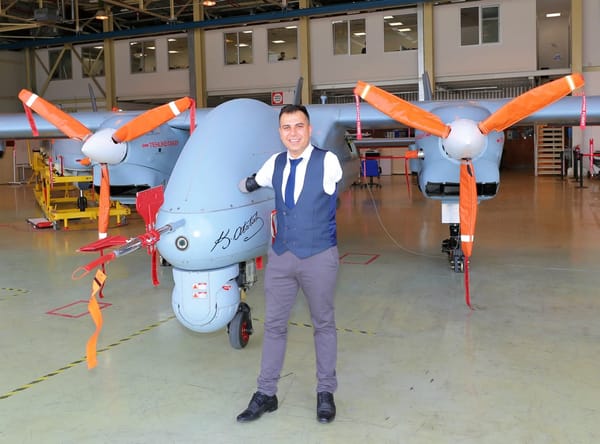
Yusuf Akgün, an Iğdır native who once filled exam papers with a pen held in his mouth, now uses the same pen to draw Turkey's national combat aircraft, KAAN.
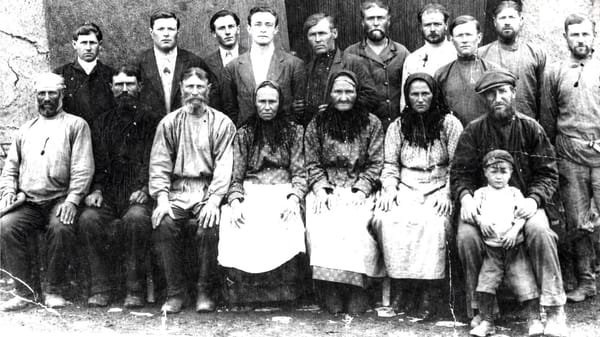
This article explores the history of the Molokans and Doukhobors, two spiritual Christian communities exiled from Russia to Kars, who built villages, cultivated the land, and later embarked on new migrations.
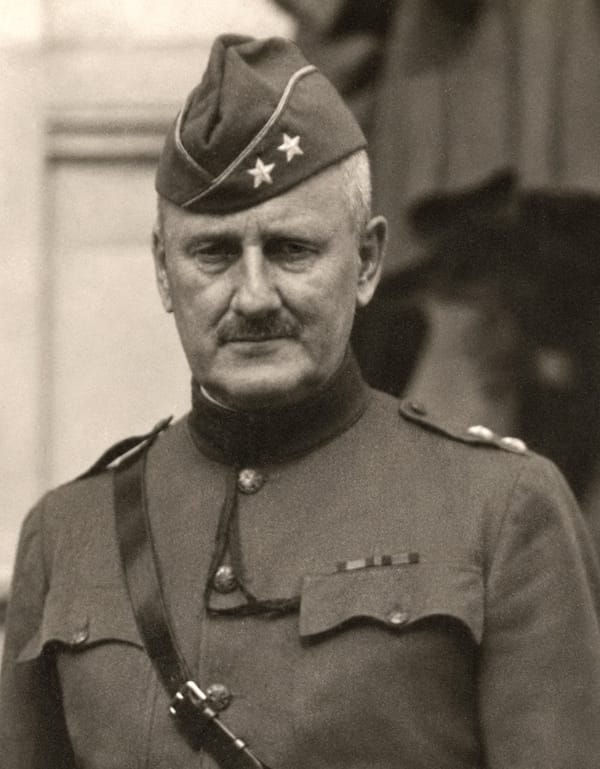
This article explores General James G. Harbord's 1919 mission to Anatolia and the Caucasus, focusing on his encounter with Mustafa Kemal Pasha and his observations of the Sürmeli Plain, revealing a complex human tragedy amidst post-war political turmoil.
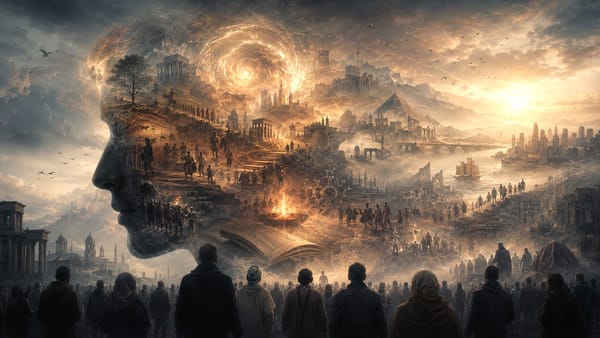
This essay explores how societies, like individuals, express their repressed desires, traumas, and fears through symbols, flags, anthems, and collective narratives.
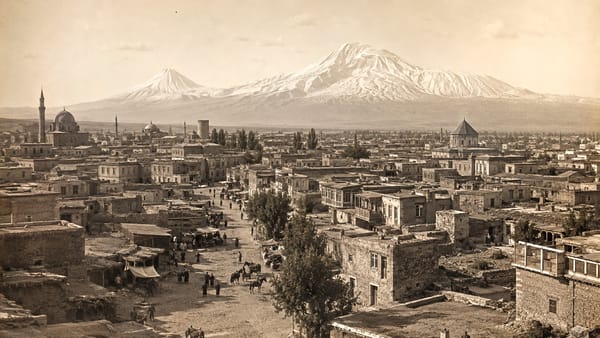
This article explores the 1905 Russian Revolution's impact on the South Caucasus, focusing on the ethnic conflicts in Yerevan and the surprising role of Prince Napoléon Louis Joseph Jérôme Bonaparte in restoring order.

This essay explores humanity's recurring fear and eventual adaptation to new technologies, from the printing press to AI, emphasizing the enduring importance of ethics and human values.
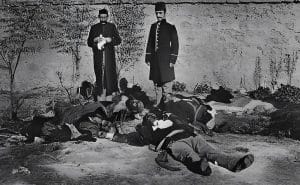
This article explores the dual political projects of 1918 Baku: the Azerbaijani Democratic Republic and the Baku Commune, highlighting their contrasting ideologies and historical significance.
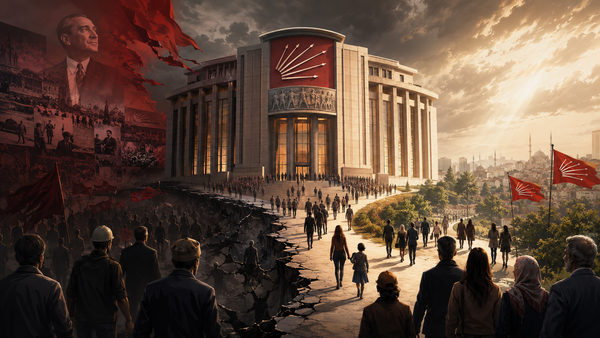
The CHP's internal struggles are not just about leadership; they reflect the party's historical role in Turkey's democracy and its future as a social democratic force.
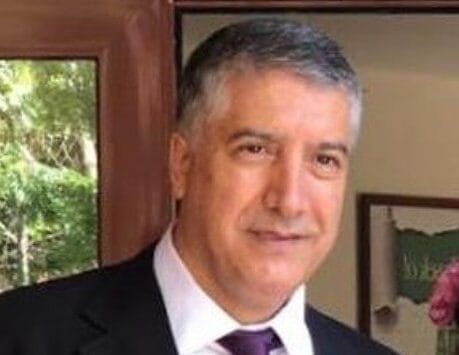
This essay argues that Turkish politics has devolved from serving the common good into a realm of self-interest, opportunism, and moral decay, undermining public trust and societal well-being.
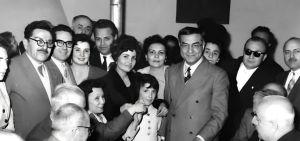
This essay explores the historical relationship between the CHP and the Kurdish question, arguing that the party must overcome its state-centric reflexes to embrace a truly social democratic vision for all of Turkey.
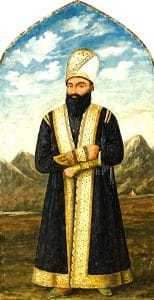
This essay explores the life and legacy of Huseyin Kulu Khan, the last ruler of the Revan Khanate, and his resistance against the encroaching Russian Empire in the early 19th century.
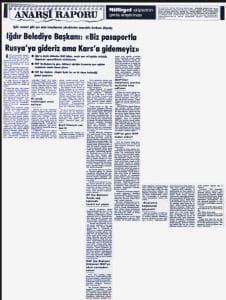
This article translates a 1980 Milliyet newspaper report on the political and ethnic tensions in Iğdır, Turkey, just before the 1980 military coup, highlighting the perspectives of local leaders.

This essay reflects on the 10th-century Ikhwan al-Safa's "Dispute Between Animals and Humans" to critique humanity's self-proclaimed superiority and its justification of violence, especially in current conflicts.
Despite rising global tensions and regional conflicts, World War III has not erupted because major powers are employing a strategy of sequential containment rather than simultaneous confrontation.
This article explores the tumultuous history of the South Caucasus from the 18th to the early 20th century, tracing its transformation from a system of khanates to Russian imperial rule and finally to the emergence of independent republics amidst ethnic conflict and mass displacement.
This article critiques the double standards and power-centric morality in international politics, urging the US to cease its interventionist approach towards Iran.
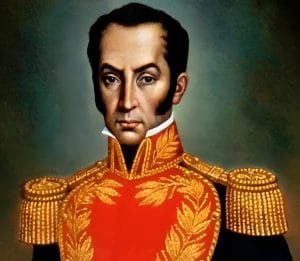
This article explores the historical continuity of intervention in Latin America, from Simon Bolívar's warnings against external influence to the recent US actions against Venezuelan President Nicolas Maduro, highlighting the enduring struggle for sovereignty against foreign powers.
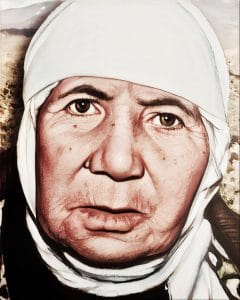
This article tells the tragic story of Hurç Cemile, a young girl who survived the Ağrı Dağı Rebellion by living with bears, and her eventual return to human society in Iğdır.
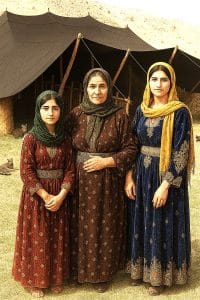
A tragic 1941 story recounts a nomadic family in Eastern Anatolia encountering a mysterious horseman, whose visit leads to unsettling events amid the chaos of World War II.
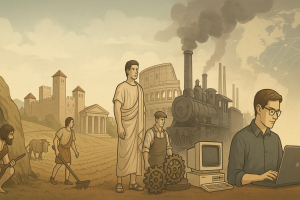
History's flow often appears as sudden leaps, but progress is actually the result of silent, gradual accumulation, with each stage preparing the next in an often unpredictable chain.
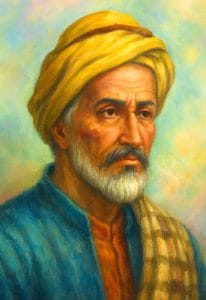
Melayê Cizîrî, a 17th-century Kurdish poet and philosopher, is celebrated for elevating the Kurmanji language to a high cultural and philosophical level, embodying the rich intellectual tradition of Cizre.
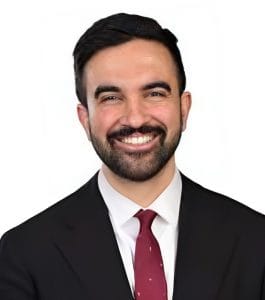
This article discusses the rising prominence of Indian-origin individuals in American business and politics, contrasting it with Columbus's historical journey to find India.
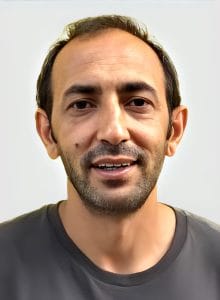
This article introduces Ömer Paçal, a PhD candidate from Iğdır studying the state's market-driven hegemony in Eastern Anatolia between 1970 and 1990, and calls for contributions to his research.
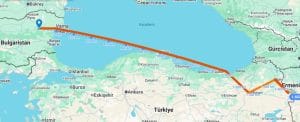
This article explores the 1937 migration of Bulgarian Turks from Deliorman to Iğdır, detailing their arduous journey, settlement, and integration into Turkish society, enriched by personal anecdotes and historical newspaper accounts.
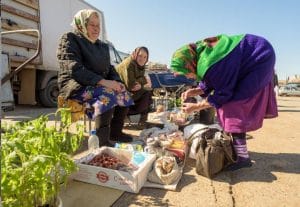
This article explores the author's lifelong connection with the Russian language and culture, from childhood in Iğdır to a poignant encounter in post-Soviet Leningrad, alongside a tribute to Iğdır's first American daughter-in-law and a humorous anecdote.
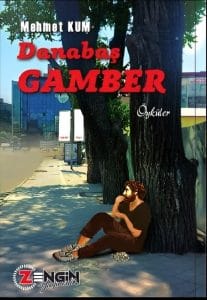
This essay explores the concept of "Iğdır Creole" as a linguistic and cultural hybrid born from the diverse communities of Iğdır, exemplified in the works of writers Mehmet Kum and Asım Keser.
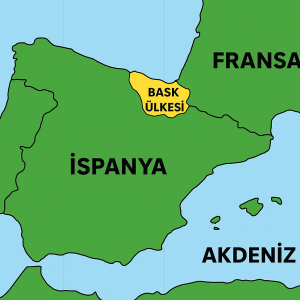
This essay explores the Basque experience in Spain and France as a model for Turkey's Kurdish question, weighing cultural versus political autonomy.