Medet Serhat, His Family, His Struggle, The Ararat Company
This article delves into the life and struggles of Medet Serhat, his family, and the Ararat Company, drawing on personal accounts and historical records.
(Note: I dedicate this article to the cherished memory of the late Lawyer Medet Serhat, one of Iğdır's great figures.)
Dear Readers:
Some journeys and unexpected conversations shed light on the past; in such cases, a past that seems distant draws closer and integrates with the present. The human journey through life is, in fact, nothing more than a repetition of this truth within itself. Another reality we know is that as time passes, humanity understands the past better, draws closer to it, and values it more.
In June, I made a trip to Iğdır. During my ten-day, intense journey, I had various visits. I visited my elder relative, Hacı Kadir Serhat, who had recently been ill, at his home in the 14 Kasım (Baharlı) neighborhood to wish him well. The fatigue of his illness was still upon him, but his memory was clear and strong. Our conversation deepened on various topics. In this article, I wanted to share some excerpts from my esteemed elder's narrative, in the sense of making a note in the history of Iğdır.
Although it adheres to a principle of continuity within itself, I found it appropriate to present this article to your attention in four sections:
Section 1: In this section, I included Hacı Kadir Serhat's narrative.
Section 2: In this section, I presented my views on the memoir "Hatıralarım" (My Memories) published in 2015 by Bekir Can, one of the shareholders of the Ararat Company.
Section 3: I brought to your attention some turning points in the life of the late Medet Serhat.
Section 4: I included, as is, the narrative of Mrs. Yurdanur Serhat, the wife of the late Medet Serhat, which I published in my book "IĞDIR SEVDASI" (Love for Iğdır) in 2002.
SECTION 1
THANKS TO MY UNCLE HACI KADIR SERHAT
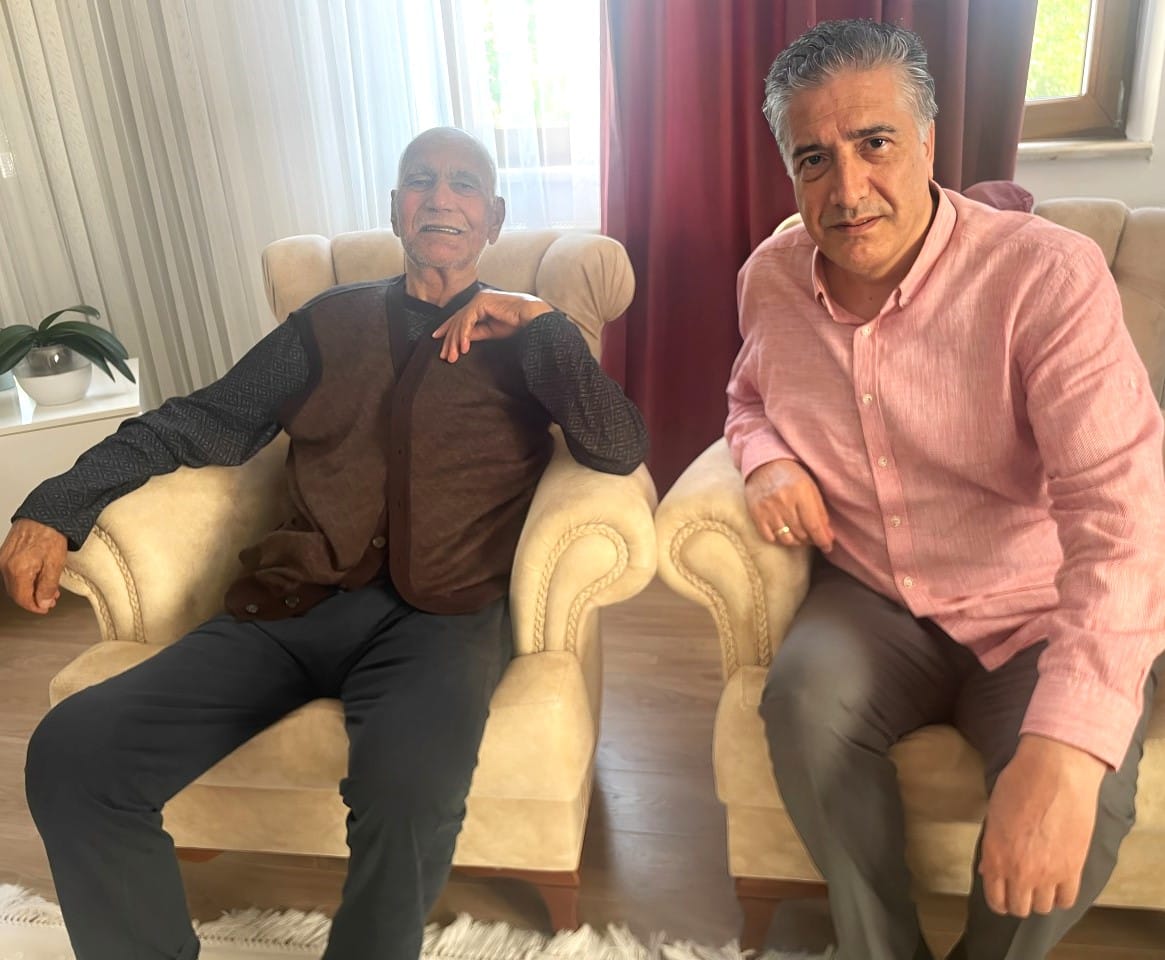
Since my childhood, I have always known and recognized Uncle Hacı Kadir. I often saw him with my father and never failed to show him respect and reverence. After moving abroad, I didn't have the chance to see him for many years. Our reunion was a moment where beautiful memories were refreshed for both of us. I am grateful to my Uncle Hacı Kadir for this fruitful conversation, which was often adorned with anecdotes and events from the past, and which I listened to with great interest.
HACI KADIR SERHAT NARRATES
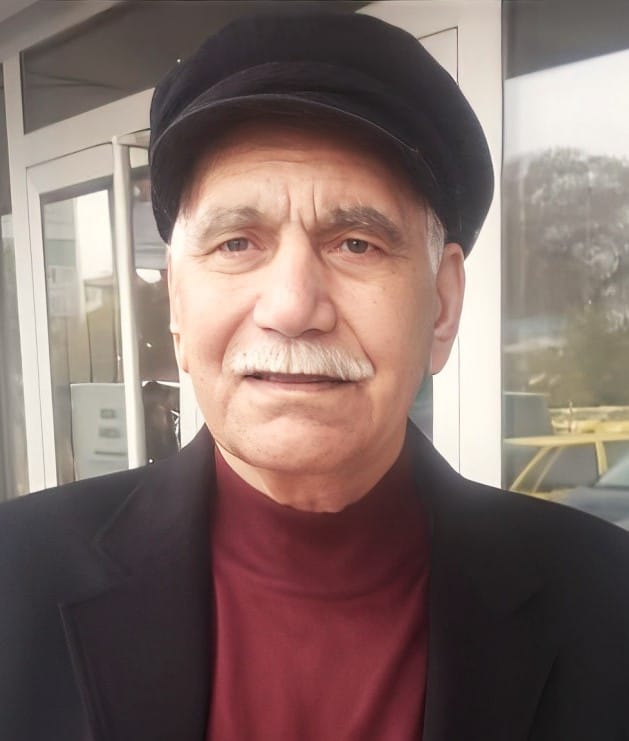
I was born in Alican village in 1937. My father, İsa Bey, had two wives. Interestingly, he had four sons and three daughters from each of his first and second wives.
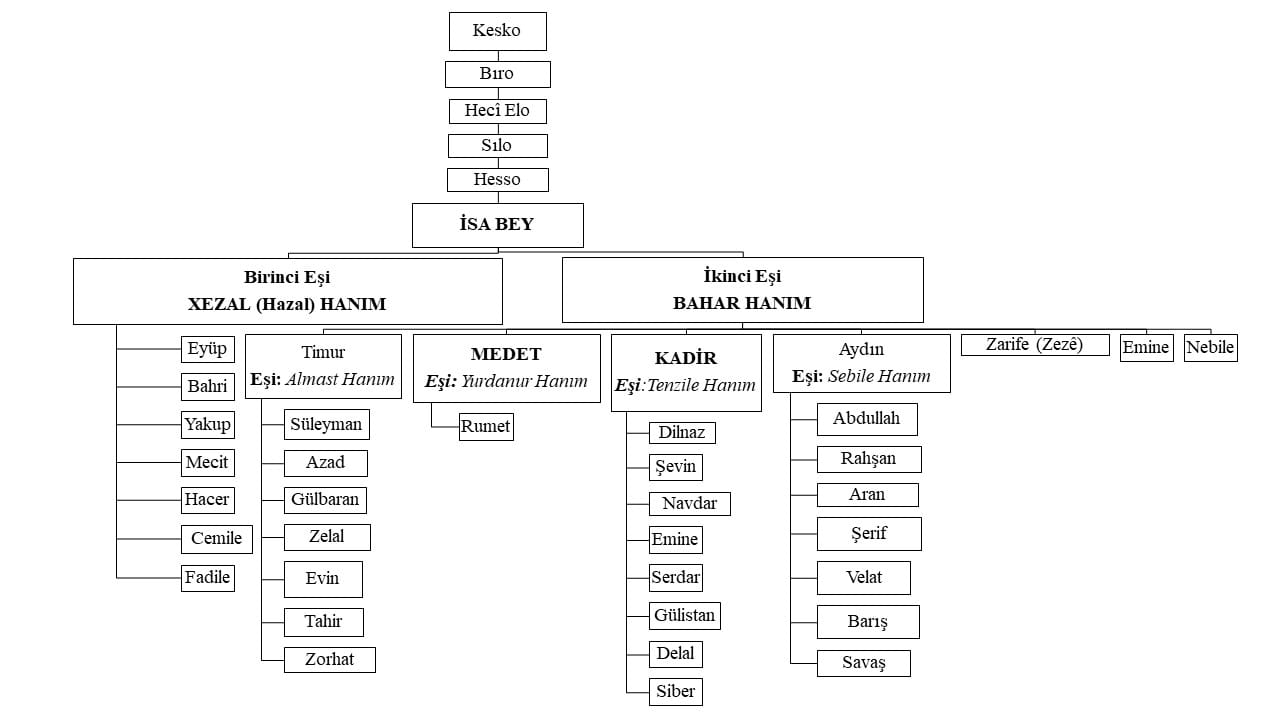
My mother Bahar was a member of the Toruna Malbatê tribe. Her family was from Köprüköy. Her father and brothers were wealthy.
My stepmother, Hezal Hanım, belonged to the Sileymanî (Hese Pêxas) branch of the Redkan Tribe. Mecit Yılmaz, who served as village headman (muhtar) of Mürşitali village for many years, was Hezal's nephew (son of her brother).
My father İsa was born in Alıkızıl (Aşağıtopraklı) village. His father, Hesso Ağa, was wounded in a conflict with the Iranians and died in the Armağan plateau. My father also died in a traffic accident in 1954.
(A thank you note was published in Pamukova Newspaper, owned by Mecit Hun, for the passing of the late İsa Yoş (Serhat). Mücahit)
PAMUKOVA NEWSPAPER 20 August 1954
Newspaper Owner: Mecit Hun
THANK YOU
We extend our thanks to our esteemed friends who offered their condolences by attending the funeral of our precious family head and father, İsa Yoş, whom we lost in a tragic truck accident, and by visiting our home. On behalf of the İsa Yoş family Eyüp YOŞ
THE YEARS OF KAÇAKAÇ (CIVIL WAR) AND THE MOUNT ARARAT REBELLION
In 1919, during the Kaçakaç (Civil War) in Iğdır, our tribe left the indefensible village of Alıkızıl, sought refuge in the Ottoman Empire, and settled in a village near Eleşkirt (Zêtka). After staying there for a few years, they returned to Iğdır.
During the years they were in Eleşkirt, my father İsa Bey had a falling out with Abdulmecit Bey. Abdulmecit Bey, commander of the Hamidiye Regiment, took my father and my uncle into the Hamidiye Regiment as militia forces. It was wartime. The detachment group, which included my father and uncle, was sent towards Digor. Upon their return from the war, they brought animals as spoils of war. They did not hand these goods over to Abdulmecit Bey. Thereupon, Abdulmecit Bey reported my father İsa Bey and my uncle Süleyman to the army. To prevent the soldiers from confiscating these goods, the animals were distributed among 5-10 villagers. The soldiers arrived but could not find the animals. They subjected one of my uncles to bastinado. He confessed what had happened. Thereupon, they returned to Iğdır. (My grandfather Hesso's wife, my grandmother Vezi, and my uncle died in Eleşkirt.)
Time passed. In 1926, the Law on the Exile of Agha and Beys was enacted. My father İsa Bey's name was on the list. My father resisted being exiled; somehow, his name was removed from the list.
Later, the Mount Ararat Rebellion gained momentum. My father İsa Bey refused to join the rebellion and opposed the war. When Alıkızıl (Aşağı Topraklı) village was declared a forbidden zone in the spring of 1930, our tribe stayed in Necefali village for a year, then settled in Alican, which had been vacated by Armenians. My father sent word to scattered relatives, and they came and settled in Alican.
When the Democrat Party (DP) came to power in 1950, the forbidden zone was lifted, and an amnesty was issued. My father resettled in Alıkızıl village. The houses, which had been empty for 20 years, were in ruins. Since the Azeri population was exempt from the forbidden zone decision, they continued to stay in the village. This time, a pasture dispute arose between our returning tribe and the Azeri population.
THE ORIGINS OF THE REDKAN TRIBE
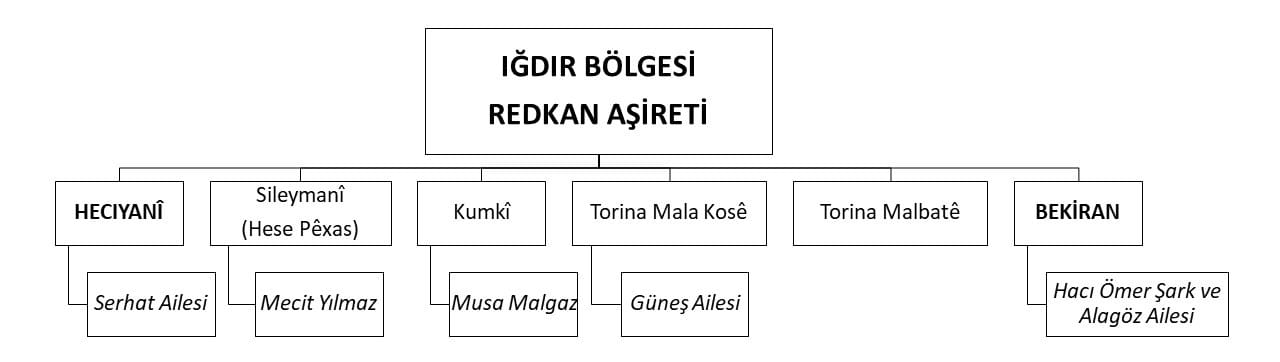
There has always been confusion regarding the Redkan and Bekiran tribes. According to some, the Bekiran Tribe is a branch of the Redkan Tribe, while according to others, the Redkan Tribe is a branch of the Bekiran Tribe.
I would like to clarify this matter:
In my youth, I spent a lot of time at the table of Hacı İsa Yiğit, son of Ali Mirze Bey. He knew the history of the Iğdır tribes best. I learned the history of the Redkan tribe from Hacı İsa Yiğit.
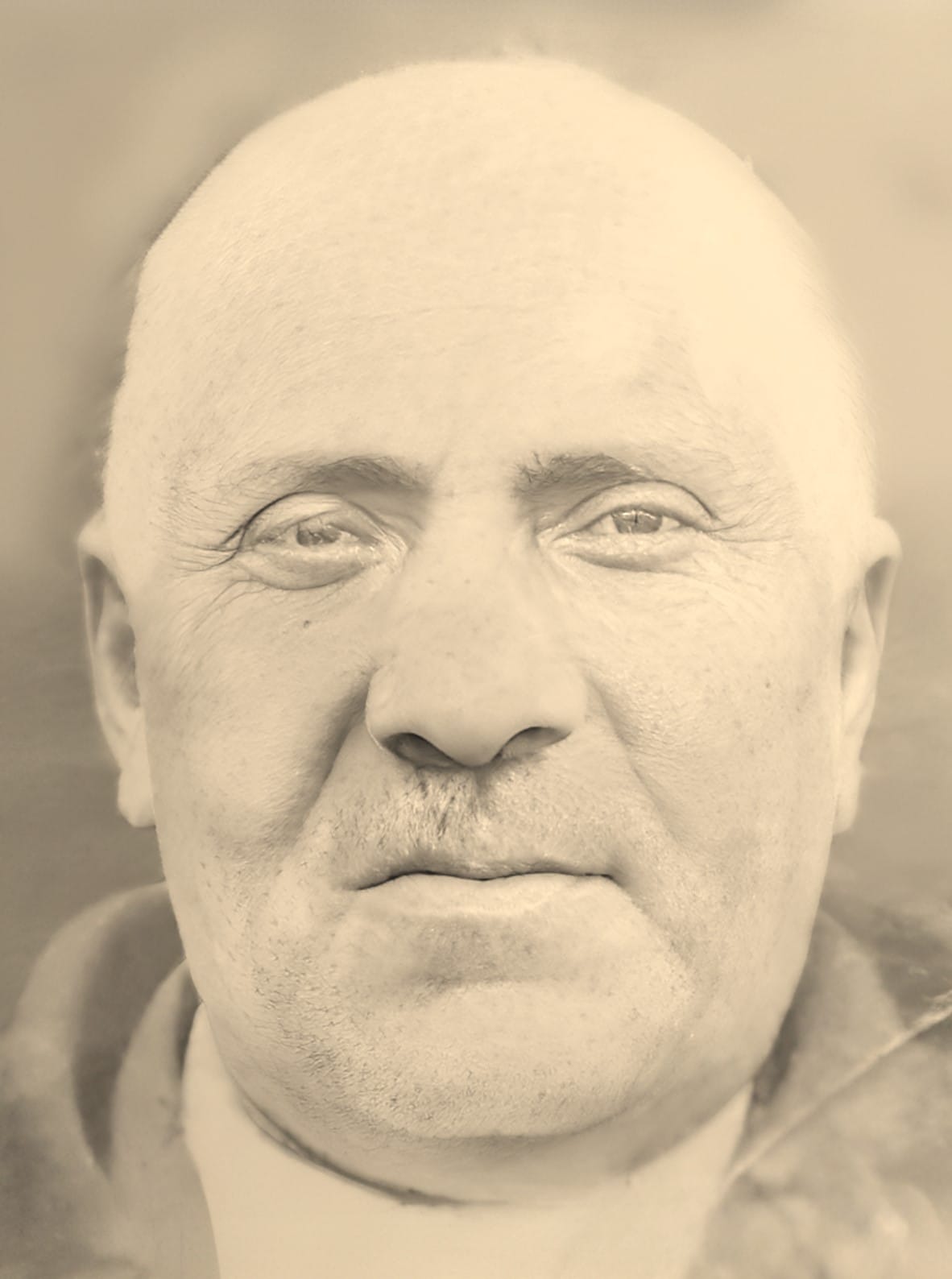
According to Hacı İsa Yiğit's narrative, the Redkan people once came from Diyarbakır.
Hacı İsa Yiğit used to tell a legend:
"Once upon a time, there was a tyrannical agha in the Diyarbakır region. Whichever young man got married, the bride had to spend the first night with this agha.
One day, a young man gets married. The agha sends forty horsemen to bring the bride. The horsemen arrive at the village. The tribe is disturbed by the arrival of the horsemen. They make an agreement among themselves. Everyone will host one horseman in their home and kill these unwanted guests at a predetermined time.
Night falls. At a moment of deep sleep, the hosts simultaneously kill their unwanted guests. The one who completes his task steps out of the house and asks his neighbor, 'Have you completed your task?' meaning 'Hûn red bûn?' (Have you been rejected/finished?). From that day on, the name of this tribe goes down in history as 'Redkî'."
Fearing the agha's revenge, the tribe left Diyarbakır without delay, arrived in Bitlis by morning, and sought refuge with the Bekiran Tribe settled there. After some time, the Redkan Tribe separated from the Bekiran Tribe and headed towards the Caucasus. Hacı Ömer Şark and his family are Bekiran. In the Iğdır region, the Bekiran people see themselves under the umbrella of the Redkan Tribe to feel safe. Similar situations are considered normal among tribes.
OUR SURNAME
When the surname law came into effect in 1934, my father first took the surname ALIKIZIL. Later, somehow, this surname became YOŞ. Since the word "YOŞ" means "incompetent, wild," my elder brother Medet Serhat applied to the court in 1964, and this time our surname became SERHAT instead of YOŞ.
MY DESIRE TO STUDY
Every child has a painful memory that gnaws at their mind and heart. Whenever those around me talk about "school," my heart aches involuntarily, and the trauma I experienced in primary school comes to mind.
My elder brothers Timur and Medet (Serhat) were attending primary school, staying at acquaintances' homes in Iğdır. My elder brother Timur was not very enthusiastic. He ran away from school in the fourth grade. My elder brother Medet, on the contrary, was extremely successful at school. Whenever he came to the village, everyone would gather around my elder brother Medet, watch him with admiration, and ask him questions. My elder brother Medet would give mature answers like an adult and win their hearts.
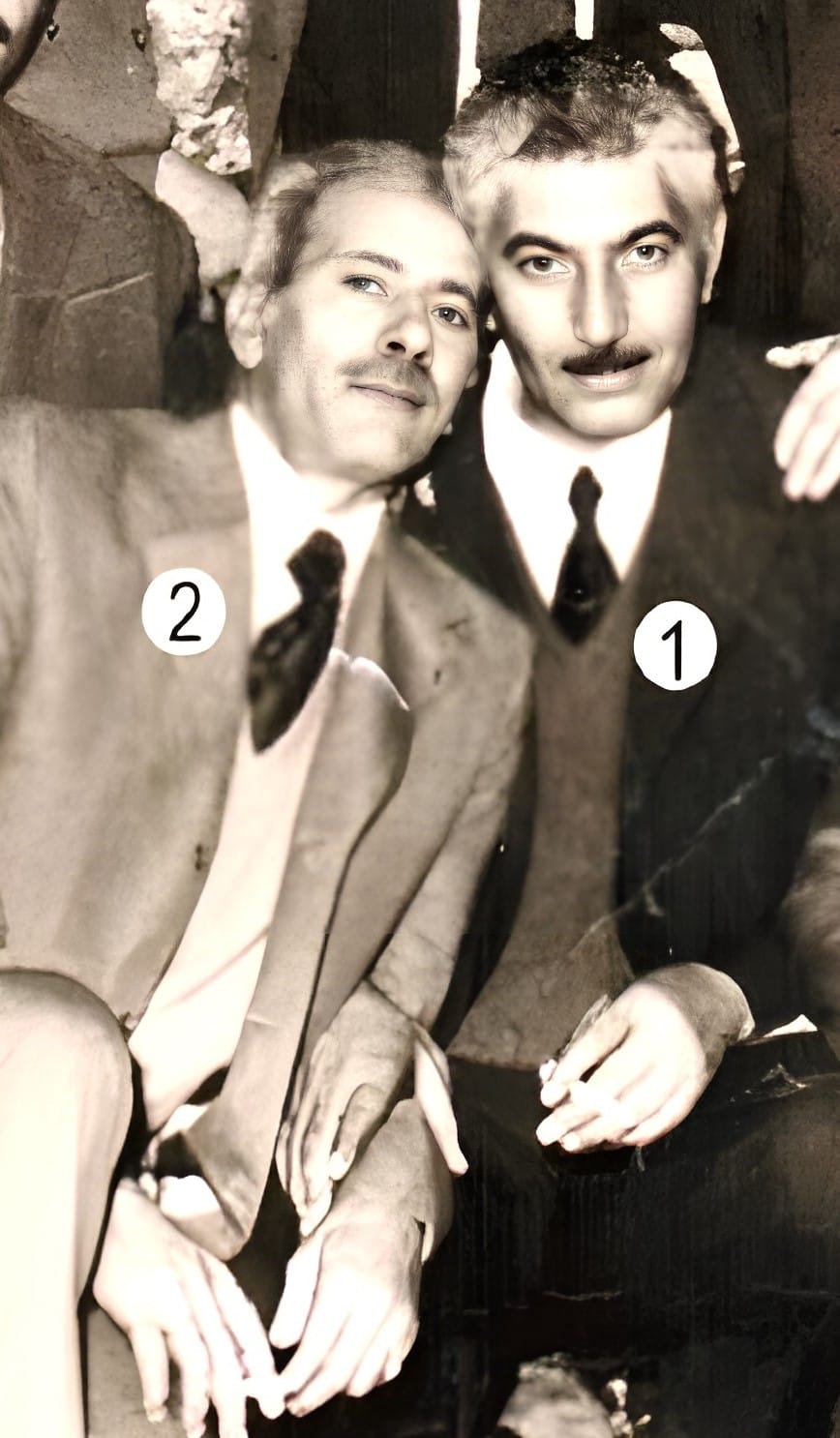
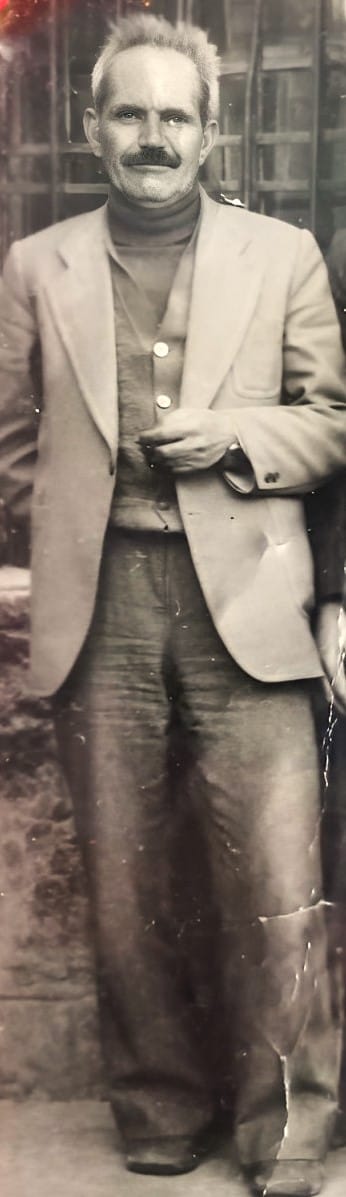
My primary school life began in Alican village but lasted only 2-3 months. My elder brother Eyüp, saying "Bahar's children are studying," envied my school life and prevented it. I would take the books I got for school with me and study by myself while grazing our animals. My heart was filled with the desire to study, but in a large family, there was no one to lend me a helping hand.
I wasn't idle. One of the shepherds had extraordinary mathematical knowledge. I learned mathematics from this shepherd. I was so interested that after some time, I started competing with the shepherd on math problems. Thanks to that shepherd, I learned mathematics and, thanks to mathematics, I became a successful businessman.
SMUGGLED SHEEP TRADE
We must accept one truth: every family living in the Doğubayazıt and Iğdır region and engaged in small livestock farming has certainly smuggled their animals into Iran. The reason for this was simple: the price of meat in Iran was 4-5 times higher than in Turkey. This meant a large capital and profit.
I was one of those who dedicated themselves to this business. Of course, my elder brother Medet was unaware of what I was doing. Somehow, Medet Abi found out about my smuggled sheep trade and forbade it. It was at such a time that the Ararat Company was founded.
ARARAT COMPANY
The Ararat Company had five shareholders, each with a 20% stake. The share distribution was as follows:
- 20% share Medet Serhat and Kadir Serhat
- 20% share Mecit Hun
- 20% share Aziz Güney
- 20% share Şevki Alagöz and Hacı Ömer Şark
- 20% share Bekir Can
One day, Mecit Hun and I went to Tehran for the Ararat Company's connections. Since my mind was on smuggled sheep trade, I was curious about meat prices. I found an opportunity and went alone to "Goştar," as it was known among the people, the center of live animal trade in Tehran. I learned the market prices.
When we arrived in Iğdır, Cihangir Turan came to me. He knew that I would somehow go to Goştar and find out the prices. There was a reason for his curiosity: Cihangir Turan had promised to sell sheep to an Iranian merchant and had received a deposit in return. When he learned the prices in Tehran, Cihangir Turan realized that he would sell his animals cheaply, and he made a request to me: "If I give you a flock, can you take them to Tehran?"
"Easy money" had knocked on my door again. Forgetting the promise I made to Medet Abi, I said, "Yes!" My cousin and I were doing the illegal animal business together. We met at a hotel and agreed on a price. It was at that very moment that the promise I made to Medet Abi suddenly came to mind. A cold sweat covered my body. I consoled myself: "Don't worry, Kadir, Medet Abi will be in Iğdır for a few more days; you can continue the smuggled sheep business when he returns to Istanbul."
In the evening, Medet Abi and I were returning to the village by taxi. Medet Abi, frowning, spoke harshly: "What were you talking about with Cihangir Bey, are you getting into the illegal animal business again?"
I denied it in a trembling voice: "Nothing!"
Medet Abi knew my soul better than I did:
"Don't lie, you're hiding something from me."
I was forced to tell him what had happened:
"Sorry, Abi! I forgot my promise to you."
When Medet Abi went to Istanbul, with the greed for money that youth brings, I smuggled Cihangir Bey's 400 sheep across the border to Makü and from there to Tehran by truck. It was the first time I was going to sell fattened sheep. Fattened sheep weigh 60% more than other sheep.
When we took the sheep to the weighbridge, it rained, and the sheep got wet. The weighbridge showed a heavier weight. There was a broker named Mehmet Üçgen. He approached me and whispered in my ear: "Kadir, I see luck is on your side!"
While I was weighing the sheep at the weighbridge, Baran Gozal arrived. He was also involved in the sheep trade. Somehow, he had learned that the sheep I was selling belonged to Cihangir Turan. He spoke as if giving advice: "Cihangir Turan sold the sheep to Ahmet from Tabriz, and he gave a deposit in return. If Ahmet from Tabriz knew that these sheep belonged to Cihangir Turan, he wouldn't stay calm and would cause you trouble."
I resisted, insisting that these sheep belonged to me. Soon after, Ahmet from Tabriz arrived. It was clear that Baran Gozal had sent him a message.
Ahmet from Tabriz threatened to take me to court. Finally, the police arrived and took me to the detention center. The broker, out of fear, couldn't help.
When they put us in detention, one police officer said to the other, "These are from Turkey." The duty soldier was Kurdish. They asked, "Are they Azeri or Kurdish?" When they learned we were Kurdish, he started speaking Kurdish with me. However, neither he understood my Kurdish nor I his. I learned that the duty soldier spoke Sorani. It was the first time I learned that Kurdish has different dialects.
The next day, I was brought to court with the broker. The broker was a smart man. He asked me to reject Ahmet from Tabriz's interpreter in court. I did so. Thus, an elderly person volunteered to be the interpreter. The prosecutor spoke clearly: "If I release you, will you pay Ahmet's money?" In response to this question, I took off my jacket: "Mr. Prosecutor, I have nothing else to give but my jacket. The sheep do not belong to me." I gave the name of the Iranian merchant who bought the sheep.
THE DISSOLUTION OF THE ARARAT COMPANY
The Ararat Company had many shareholders. It was difficult to find someone responsible when a problem arose. There was a high demand for Bursa apples, but we were experiencing organizational problems. I believe one day, while Mecit Hun was in Tehran, he witnessed that the apples coming from Bursa were of low quality, and he was disturbed by this situation and left the company. Soon after, Aziz Güney also took his share and left the company.
We were left with three shareholders. When we started to incur losses, we took out an export credit of about 2 million TL. However, Hacı Ömer Şark took about 600,000 of this money to set up a weighbridge in his factory. We also gave about 500,000 to Mecit Şek. The accounts were out of control.
Şevki Alagöz and Bekir Can went to Bursa for apple shipments. When I sold the sheep I had in the market and went to Bursa, the sight I saw disturbed me. Şevki Alagöz and Bekir Can had settled in a luxurious hotel and were enjoying themselves. While other companies were busily exporting apples to Iran, this indifferent attitude of our company made me feel hopeless. I managed to collect and send about 55 tons of apples with my own means, but this was not enough. I had to accept the truth: the company had dissolved, and I was left with a large debt. It would take me many years to recover.
SECTION TWO
HACI BEKIR CAN'S "SWEET TALK"
When my uncle Hacı Kadir Serhat gave detailed information about the past and especially the ARARAT Company, I conducted some research with the thought of whether I could find some information about Bekir Can. I came across Bekir Can's book "Hatıralarım" (My Memories), published in İzmir in 2015. I immediately ordered the 82-page booklet and eagerly began to read it.
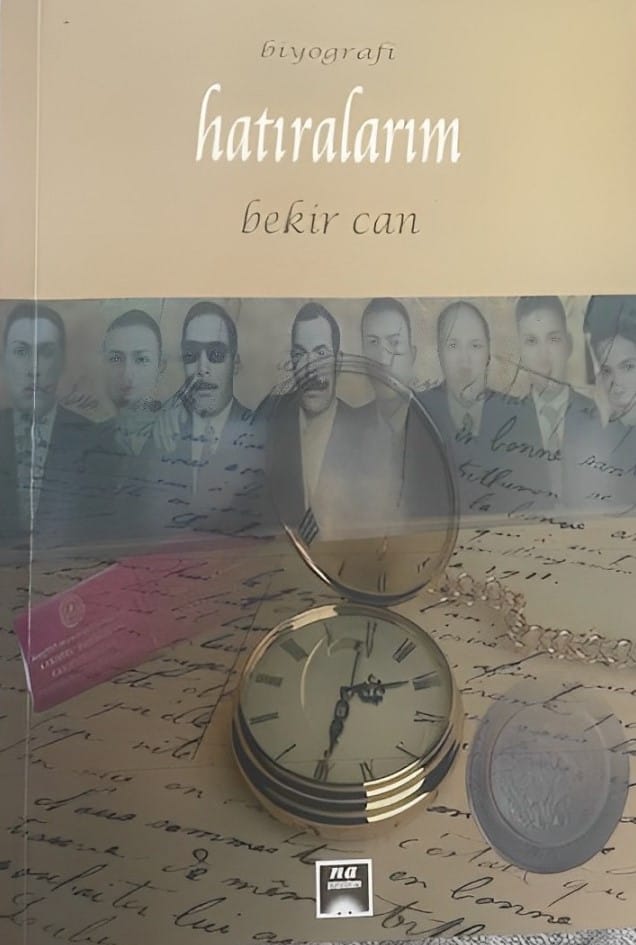
Bekir Can was born in 1938 in Güllüce village of Tuzluca. He begins his book with his family roots and enriches it with childhood memories. After finishing primary school, he had no further education. This time, his commercial life began; he traveled cities, married many times, settled in Iğdır, got involved in the illegal sheep trade to Iran, and one day, while smuggling animals from Gomu village to Iran, he received help from Medet Serhat's uncle, who lived there, and soon after, he met Hacı Kadir Serhat.
In the book "Memories," the narrative eventually turns to the years of the ARARAT Company. He describes those years as follows (page 39):
"In 1976, I, Mecit Hun, Aziz Güney, Ömer Şark and his brother Şevki, Medet Serhat and his brother Kadir Serhat, together founded a company named ARARAT. Ararat is the old name of Mount Ağrı. The company consisted of one hundred shares: twenty shares were mine, twenty shares were Mecit Hun's, twenty shares were Aziz Güney's, twenty shares were Ömer Topal and his brother Şevki Topal's (Note: Bekir Can meant Şevki Alagöz. Mücahit), and twenty shares were Medet Serhat and his brother Kadir Serhat's."
Bekir Can later mentions the company's activities in subsequent lines, and even emphasizes the information that Aziz Güney's son Mehmet and Şevki Alagöz's son Süleyman, who were hired, sabotaged the company by loading and sending low-quality apples, causing the company to incur losses. Bekir Can continues his memoirs as follows (page 41):
"We also had an export agreement for one hundred and twenty-five tons of apples with Tabriz. Hacı Shaku made this agreement with us in Tabriz. At that moment, Mecit Bey went to Iğdır to see his family. When he went there, he went to Iran without our knowledge and borrowed 150,000 tomans, which is 20,000 dollars, from Hacı Shaku, adding that our goods were at customs, and took the money, even though there was no such thing. Ten days later, Hacı Shaku calls me and asks when Mecit Bey is coming to Tabriz. When I asked the reason, he told me about the money he gave. Hearing this, when Mecit Bey came to Bursa from Iğdır, I gathered the other partners and explained the situation. I was very angry and said, 'This business won't work like this.' Mecit Bey said, 'This is my debt, I will pay it.' An argument ensued; we decided to separate. I wanted to take over the company. The late Medet Serhat and his brother said, 'We are with Bekir Can.' Şevki remained undecided, and in the evening, he also said, 'I am with Bekir Can.' In the morning, we settled the accounts and paid Aziz and Mecit Bey their money in cash, and we wrote a contract stating that we left this company to Bekir Can, Medet Serhat, Kadir Serhat, Ömer Topal, and his brother Şevki Topal (Note: Bekir Can meant Şevki Alagöz. Mücahit)."
Bekir Can continues his hateful rhetoric against Mecit Hun. There is, of course, a reason for this. Exactly in those years, enmity had arisen between the Şemkan (Şemkî) and Geloylu (Gêloî) tribes, and one person had died.
At one point in his memoirs, Bekir Can inserts a phrase about Mecit Hun, saying, "because he was my father's age." Mecit Hun was born in 1925; Bekir Can was born in 1938. The 13-year age difference is not enough to make Mecit Hun Bekir Can's father. Bekir Can, short, timid, a self-proclaimed killer of men, full of an inferiority complex, feels crushed by Mecit Hun's imposing presence and sees him as someone his "father's" age.
Bekir Can recounts the part where he accuses Mecit Hun of currency smuggling as follows:
"Here is the proof of currency smuggling in my hand, you who are my father's age, but you have done this, here is the paper in my hand, I said. At that time, currency smugglers were tried in Trabzon, I told him, 'Look, you will end up in Trabzon,' meaning, 'you will be tried there,' I said."
Come on, Bekir Can! With your short stature, you are not a man brave enough to say these words to Mecit Hun's face. The fact that you use such expressions when you wrote your memoirs in 2015, thinking that Mecit Hun had passed away in 1998 anyway, is actually another manifestation of your cowardice.
In 2006, when I was the General Manager of the İmişli Sugar Factory, you called me from Baku and asked for my help to get your son (or a relative) hired at the Sugar Factory. Assuming you were a family friend, I helped you. If I had known you were a venomous snake, I would have settled accounts with you back then.
A four-times married international playboy, with one foot in the PKK and the other in FETÖ, driven by the desire for illicit gains, dares to insult Mecit Hun's spiritual legacy.
At one point in your memoirs, I read that Mecit Hun called you "Hind oğlu Hind" (Son of an Indian), and that you took pride in this expression, interpreting it as "Someone who tries to learn everything." You read it wrong: Mecit Hun called you "Hin oğlu Hin" (Son of a cunning one). This means "Very cunning, someone who can adapt to the conditions of every era." First the PKK, then FETÖ, but what are you doing now, you shorty!
I hope this article catches Bekir Can, in his own words, "before death catches him," so that he faces his dark conscience before his interrogation in hell. Also, let me remind you that the word "ŞÜKR" (gratitude) that fills the book from beginning to end is not enough to forgive your sins, know that!
SECTION THREE
EXCERPTS FROM THE STRUGGLE OF THE LATE MEDET SERHAT
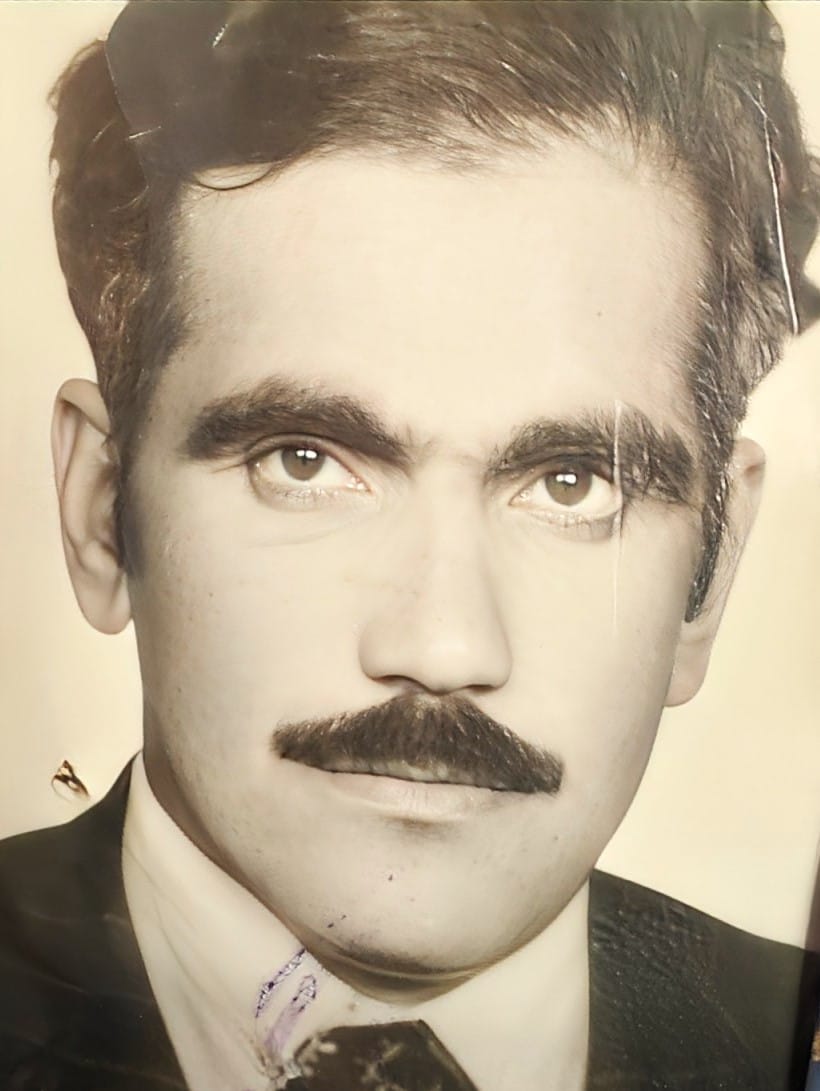
Medet Serhat was born in 1934 in Alican village, Iğdır. He completed primary school at 12 Kasım Primary School, staying at acquaintances' homes in central Iğdır. He continued his education at Iğdır Secondary School.
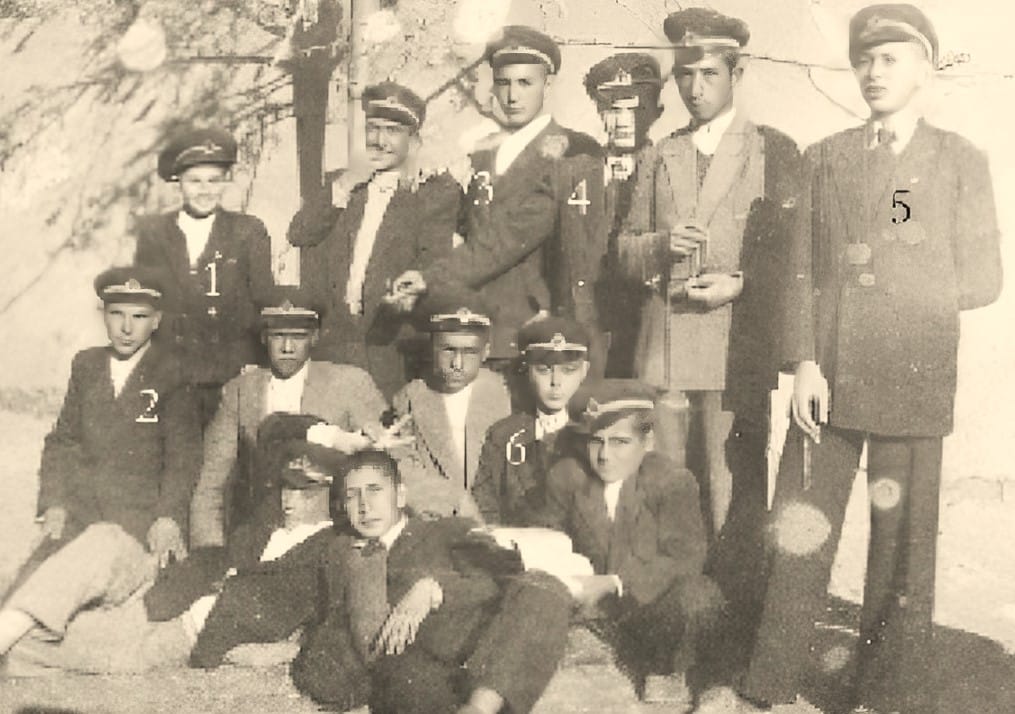
Iğdır Secondary School Years: 1. Fetullah Kakioğlu 2. Medet Serhat 3. Nizamettin Kaya 4. Oruç Demirel 5. Cengiz Taner 6. Fahrettin Karadeniz
Medet Serhat enrolled in Erzurum High School after middle school. His classmate from Iğdır, Kadir Baykal, describes his Erzurum High School years as follows:
"I started high school in Erzurum (1950). Among my classmates, I can name Medet Serhat, Dr. Kemal Karasu, Oruç Demirel, Nizamettin Kaya, and Fahrettin Karadeniz. In the first year, when Medet got into a fight with a group of foreign students, we, as the 'Iğdır group,' stood by Medet in the fight. Thereupon, the school administration exiled us to other high schools. Fahrettin and I went to Rize; Medet went to Trabzon; the others went to Kars High School."
Medet Serhat graduated from Trabzon High School and enrolled in Istanbul University Faculty of Law.
The Case of the 49
A lawsuit was filed against Musa Anter due to his Kurdish poem Qimil/Kımıl, published in the İleri Yurt newspaper. Kurdish university youth and intellectuals supported Musa Anter. Thereupon, arrests began against these individuals on September 22, 1959, and 50 people were detained. When Mehmet Emin Batu died of a stomach hemorrhage, 49 people remained, and the case became known by this number. Medet Serhat was among those arrested. In the first arrest, he remained in prison for 13 months. After the Court of Cassation overturned the decision, he was arrested a second time, this time serving 10 months and 20 days in prison.
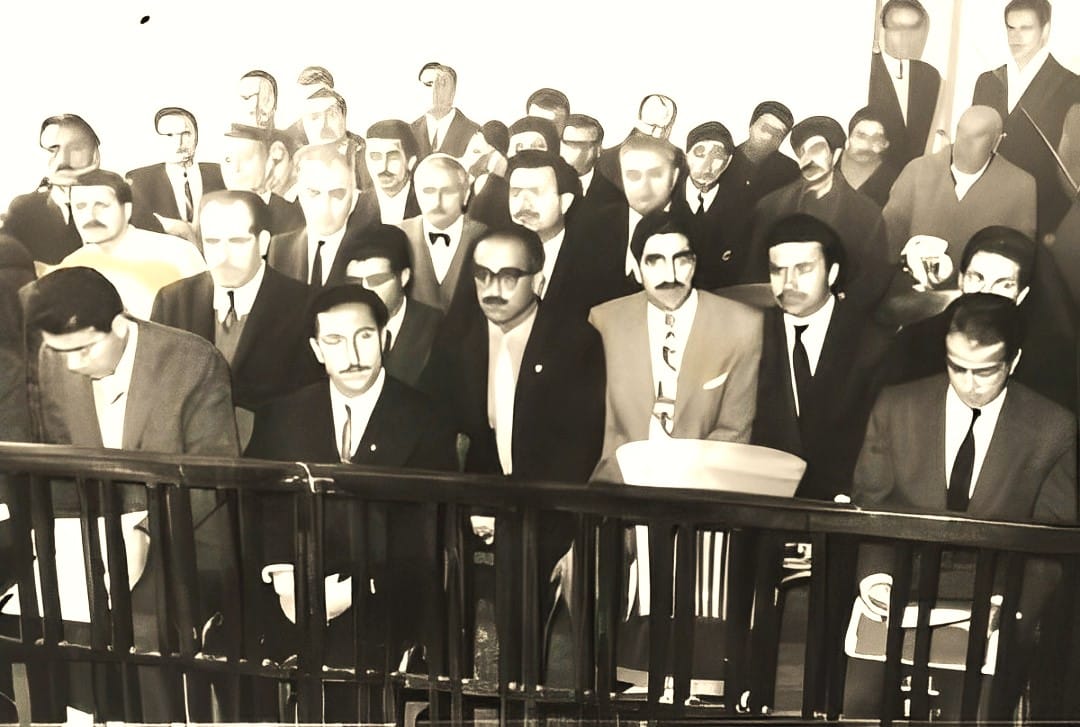
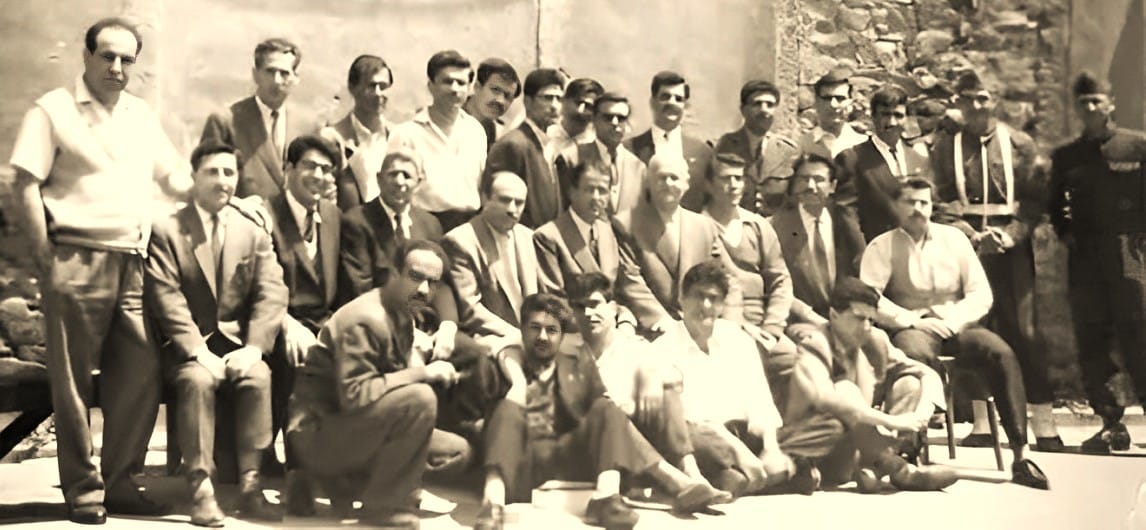
The Incident of the 23
From 1963 onwards, the publication of three Kurmanji/Zazaki/Turkish magazines and newspapers caused panic in the state. An operation was carried out. 23 Kurdish intellectuals were detained. This event went down in history as the "23." Medet Serhat, the editor-in-chief of DENG Magazine, was among those detained. The court concluded in 1965. Medet Serhat was sentenced to 1 year and 4 months in prison this time.
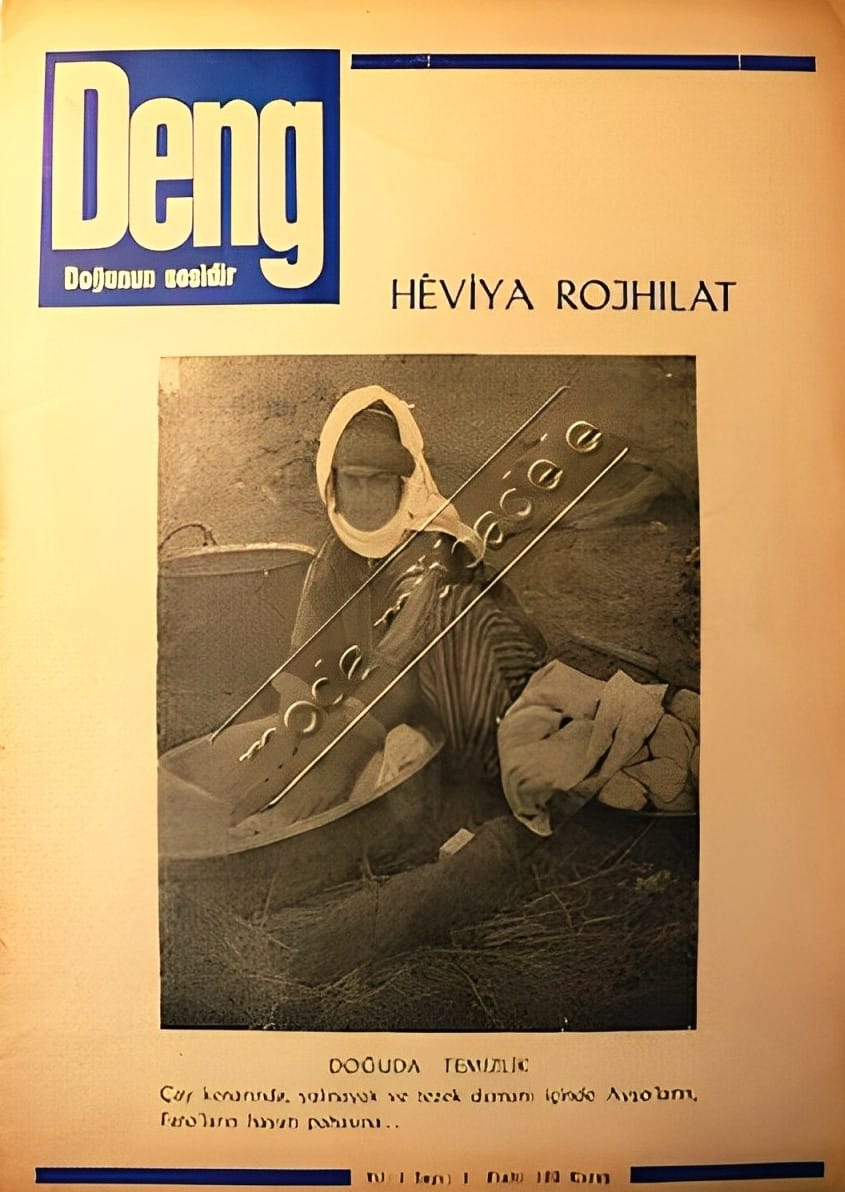
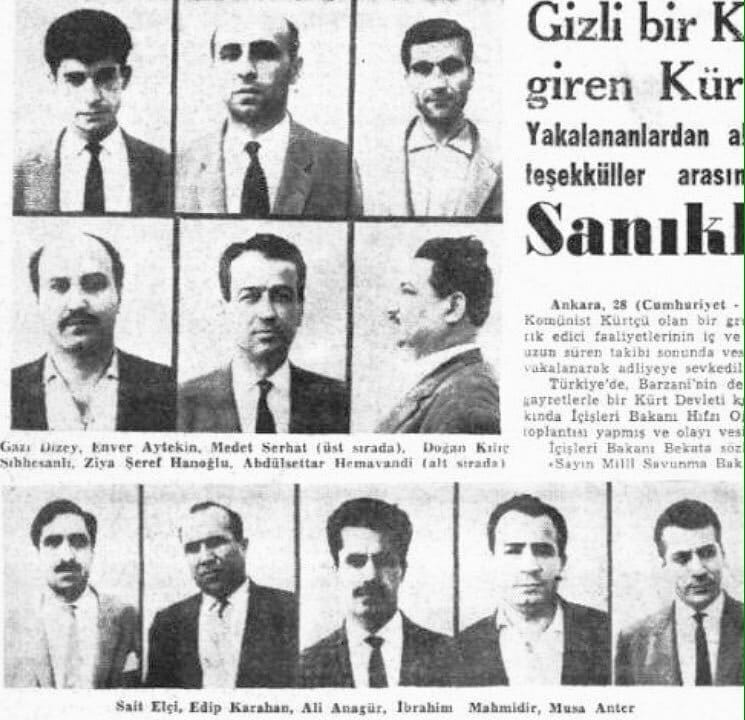
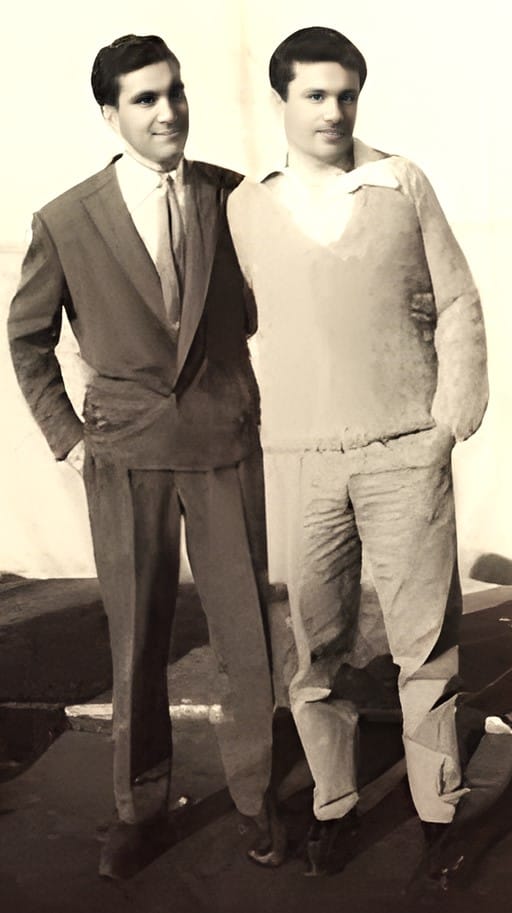
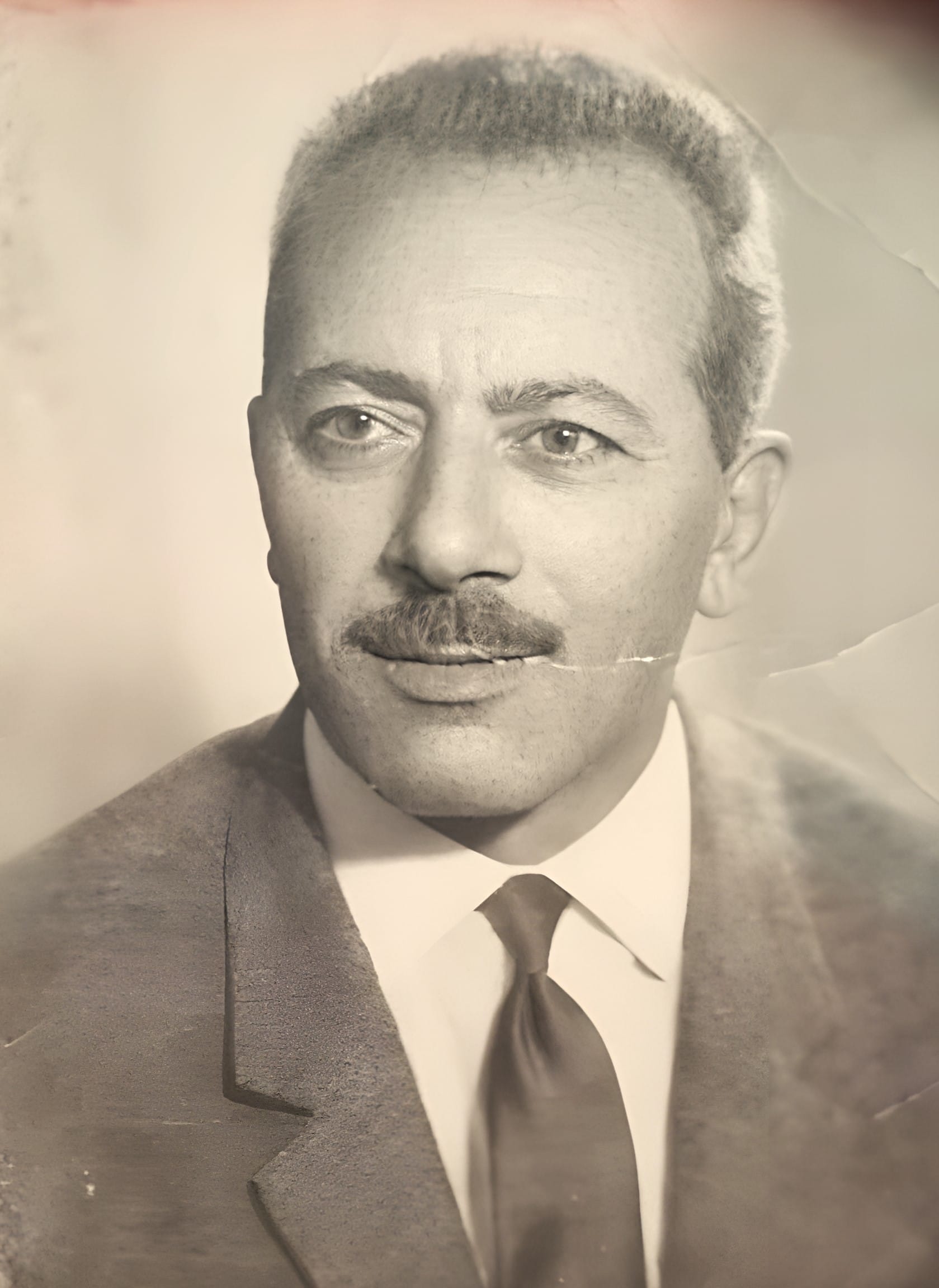
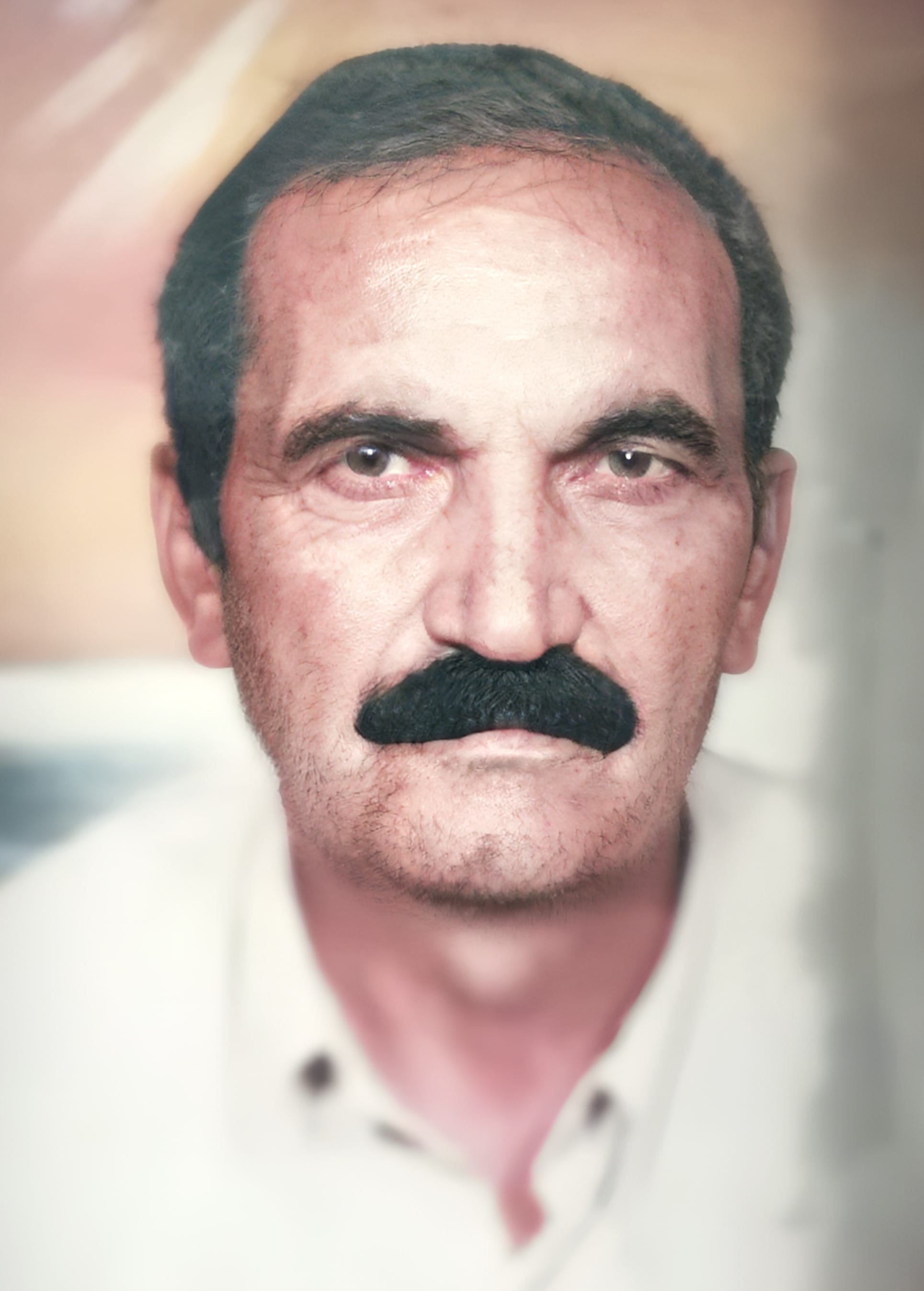
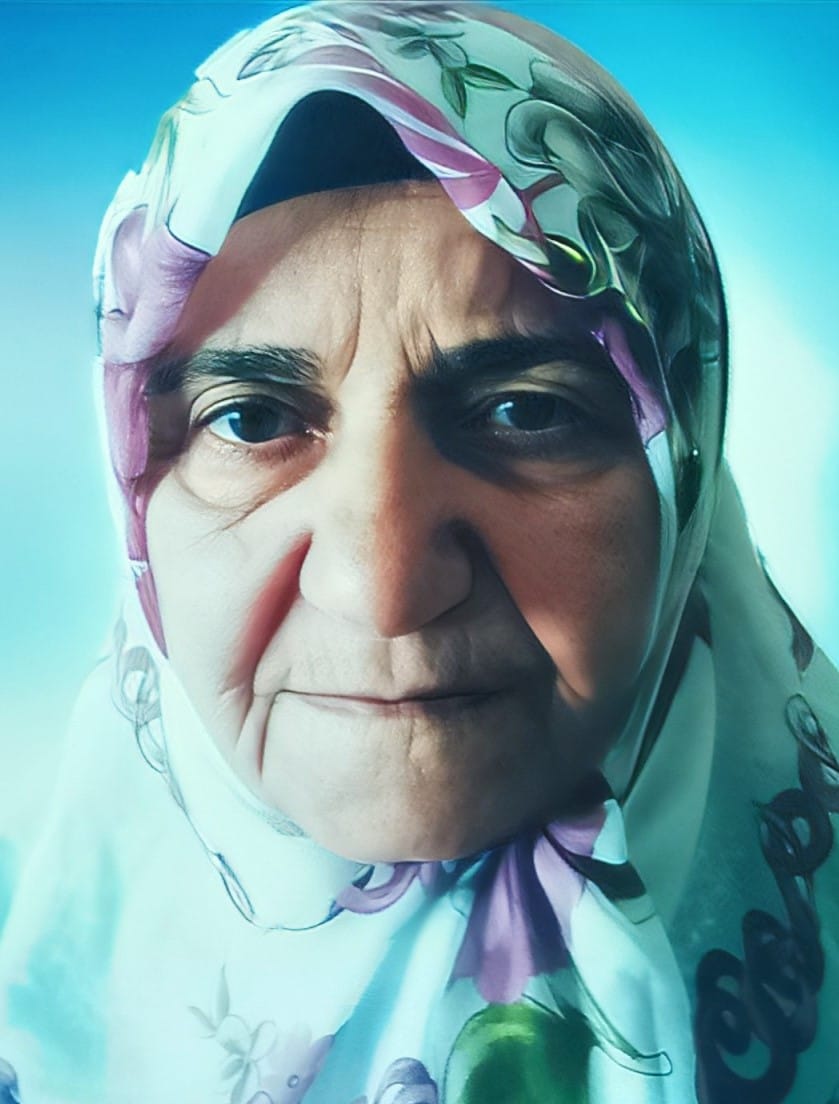
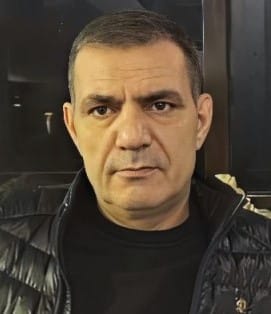
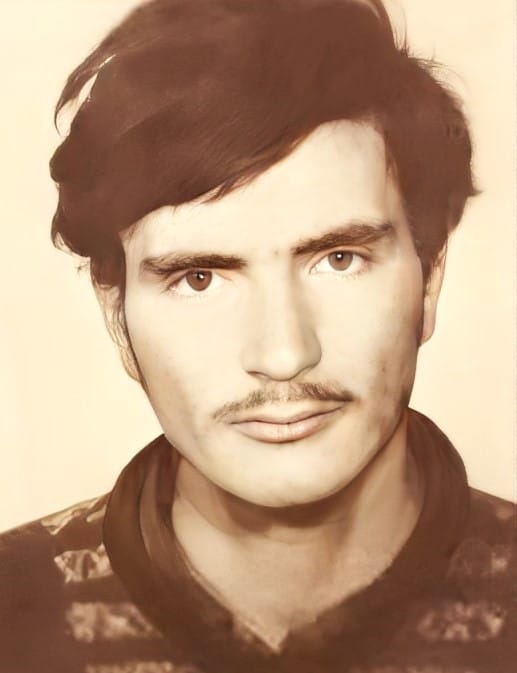
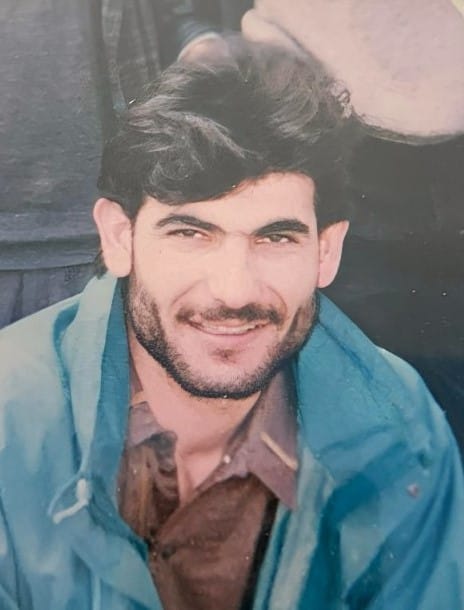
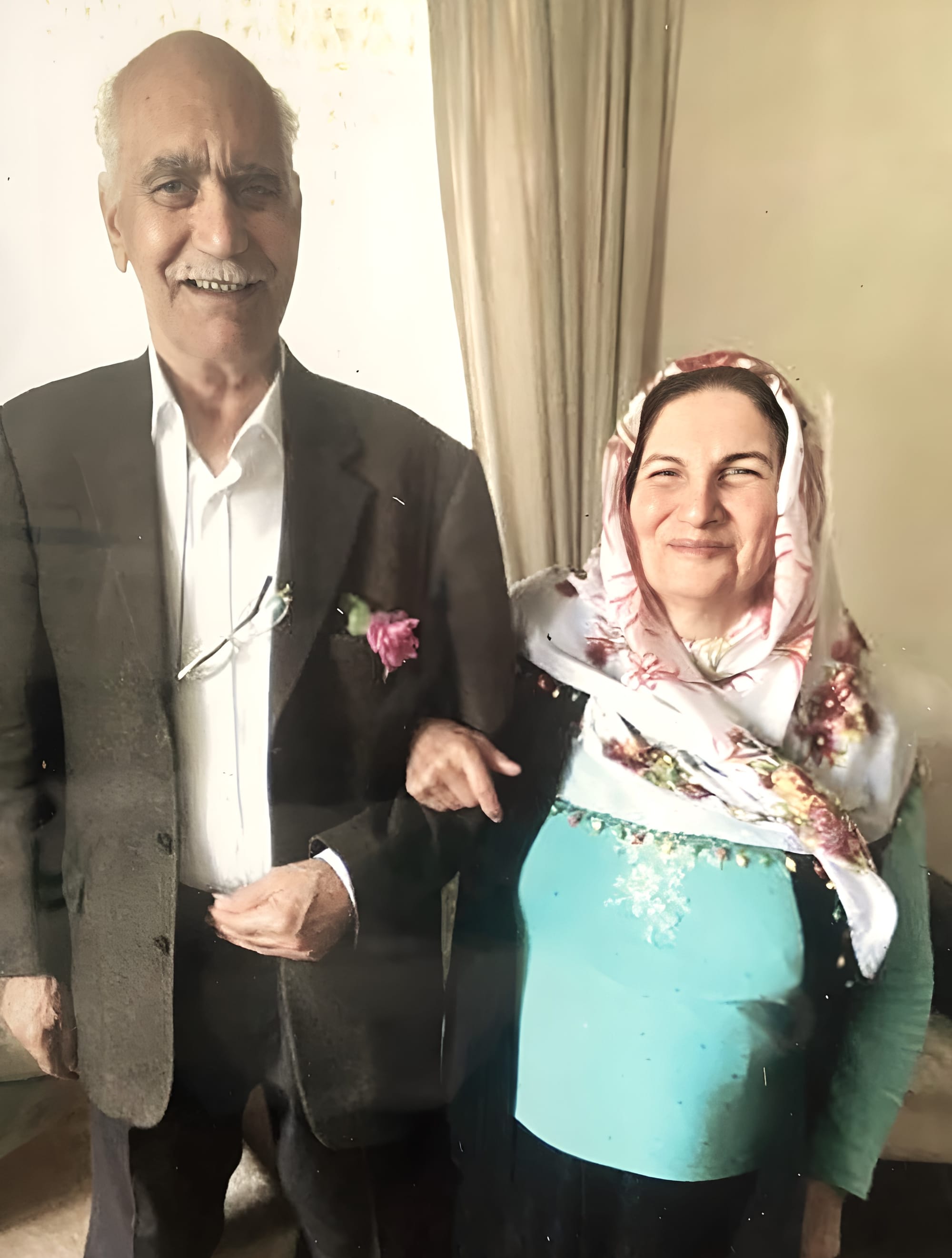
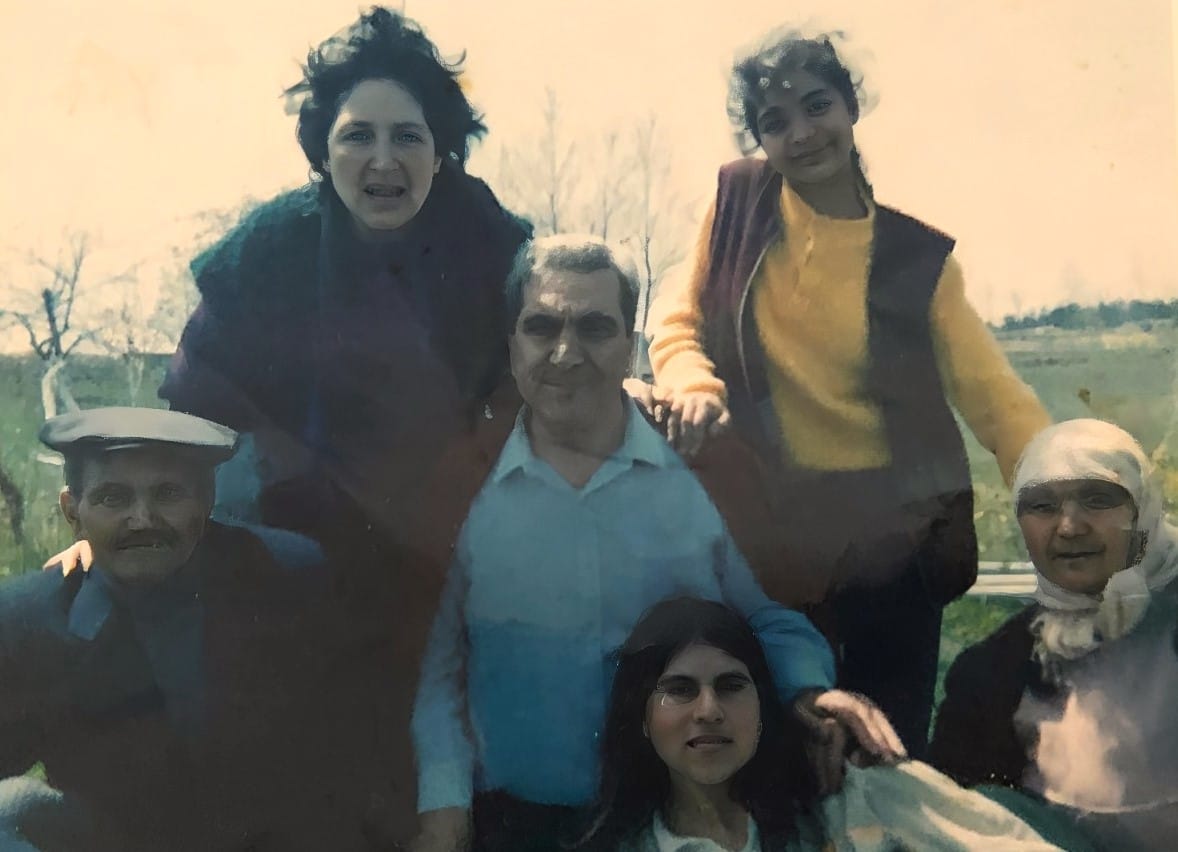
(From left to right) Medet Serhat's brother Timur Serhat's sons Tahir Serhat and Zorhat Serhat; Medet Serhat's brother Hacı Kadir Serhat's son Navdar Serhat
THE LATE MEDET SERHAT'S WIFE YURDANUR SERHAT NARRATES
(Note: This text is taken from the book IĞDIR SEVDASI (Love for Iğdır) published by Mücahit Özden Hun in 2002.)
Iğdır is a captive of an incomprehensible blind fate. It loses many of its valuable children prematurely. Just when it needs to fully benefit from their skills and experience, it goes to bid them farewell on their last journey, handkerchief in hand, with sorrow. One of those who departed from us in this way is the late Lawyer Medet Serhat.
Medet Serhat, with his charisma, knowledge, and talent, was at the pinnacle of his profession. But one day, the car he innocently boarded was followed by a "white car" lying in ambush, cornered in a secluded street; death machines spewed blood. He is no longer with us...
Mrs. Yurdanur, with courage and fortitude, relived that moment, full of pain and trauma, for us.
My Life
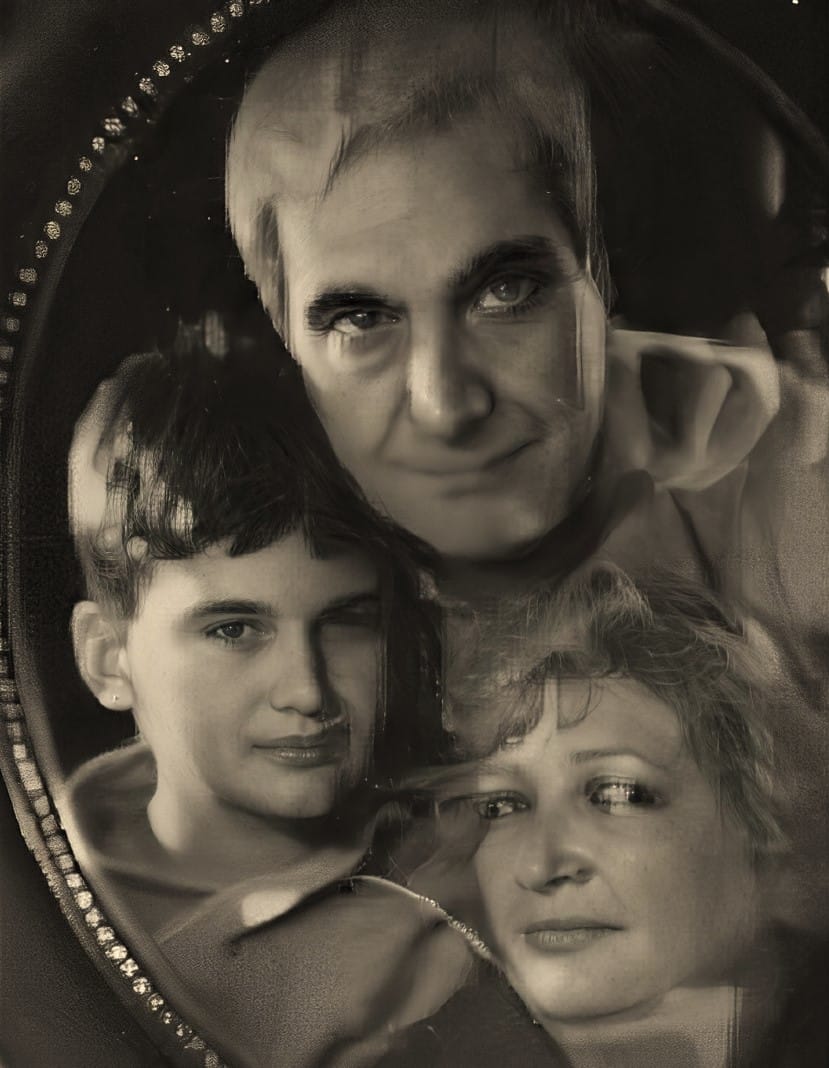
I was born in Zonguldak in 1940. On my mother's side, I am from the Caucasus. My mother's maternal side is Georgian, and her paternal side is of Circassian origin.
My father was from Malatya (I have no information about his ethnic origin.) My grandfather was known as "Topuz Şakir" among the people because he was short and round.
When my father lost his parents at a young age, he enrolled in a military boarding school. He only had a step-brother as a relative. When he also passed away without having children, my father was left without relatives or anyone.
While my father was a student at the Military Rüştiye (Middle School), World War I broke out, and he was taken from school and sent to the front. While rushing from front to front, he was captured by the British in Yemen. When he was released, he served on the Gallipoli front.
My mother's family came from the Caucasus and settled in Çorum. My mother married a well-known religious scholar in the region named Ali Rıza Saman, who had interpreted the Quran, and migrated to Istanbul. Soon after, my mother would witness the occupation of the capital by the French and British (March 1920).
Three years later (October 1923), when Turkish troops entered Istanbul, my father was serving in a military unit under the command of Rafet Pasha. By a twist of fate, my mother and father lived those years in Istanbul separately, without knowing each other.
After the war, my father left military service and went to Çorum as a teacher. My mother, divorced from her first husband, returned to her father's house in Çorum with her daughter. My father and mother met and married in Çorum.
"My father is a soldier again"
In 1939, when the danger of war arose at any moment, reserve units were formed, and my father was conscripted again. When he went to Samsun and reported to his unit, a classmate from the Military Rüştiye, serving with the rank of Lieutenant Colonel, said:
"Şükrü, we don't want you to leave Samsun," and kept my father in an administrative position at the Military Recruitment Office. My mother, my two elder brothers, and I moved from Çorum to Samsun and stayed there until the end of the war.
One of my elder brothers had started working as a police officer in Istanbul. In 1947, the year I entered second grade, my father passed away, and I went to Fatih, Istanbul, to live with my elder brother.
Institute of Maturation
I completed primary and secondary school in Fatih and continued at Cağaloğlu Girls' Institute (Olgunlaşma). I graduated from the sewing department. I wanted to be a teacher, but my family objected, so I gave up my wish and started earning a living as a tailor.
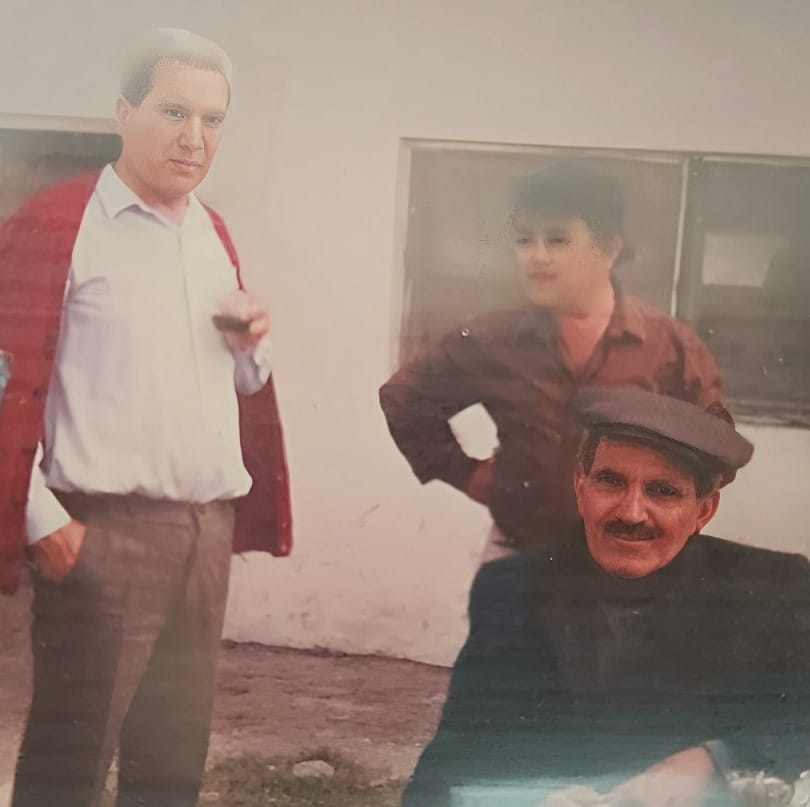
(Standing from left to right) Medet Serhat's wife Yurdanur Hanım, Seniha Önay (Emine Serhat Önay's daughter), (Sitting from left to right) Timur Serhat, Medet Serhat, Emine Serhat Önay and Timur Serhat's daughter Zelal
Politics in the Güven Party
In 1967, when Kayseri Deputy Turhan Feyzioğlu left the CHP and founded the Güven Party (GP), the path to politics unexpectedly opened for me. When friends pressured my elder sister, who had been residing in Kayseri since 1952, to join the GP, she said, "I cannot help you with this, but talk to my younger sister in Istanbul, maybe she might be willing to work with you." One day, I received an invitation to a meeting from the GP Fatih District Presidency. The speeches made during the meeting impressed me. Although a friend, seeing my eagerness to enter politics, warned me sweetly, saying, "Politics begins where morality ends, why are you so eager for this?" I decided to play the hand I was dealt.
I became the head of the women's branch of the GP Fatih district. After getting somewhat accustomed to politics, I was elected as the GP Fatih district president. Due to my duty, I would go to the Parliament and meet with figures such as Turhan Feyzioğlu, Ferit Melen, Emin Paksüt, and Fethi Çelikbaş, who formed the party's leadership. Since I was not seeking any personal gain, I was taken seriously, and my work was appreciated.
My Meeting with Medet
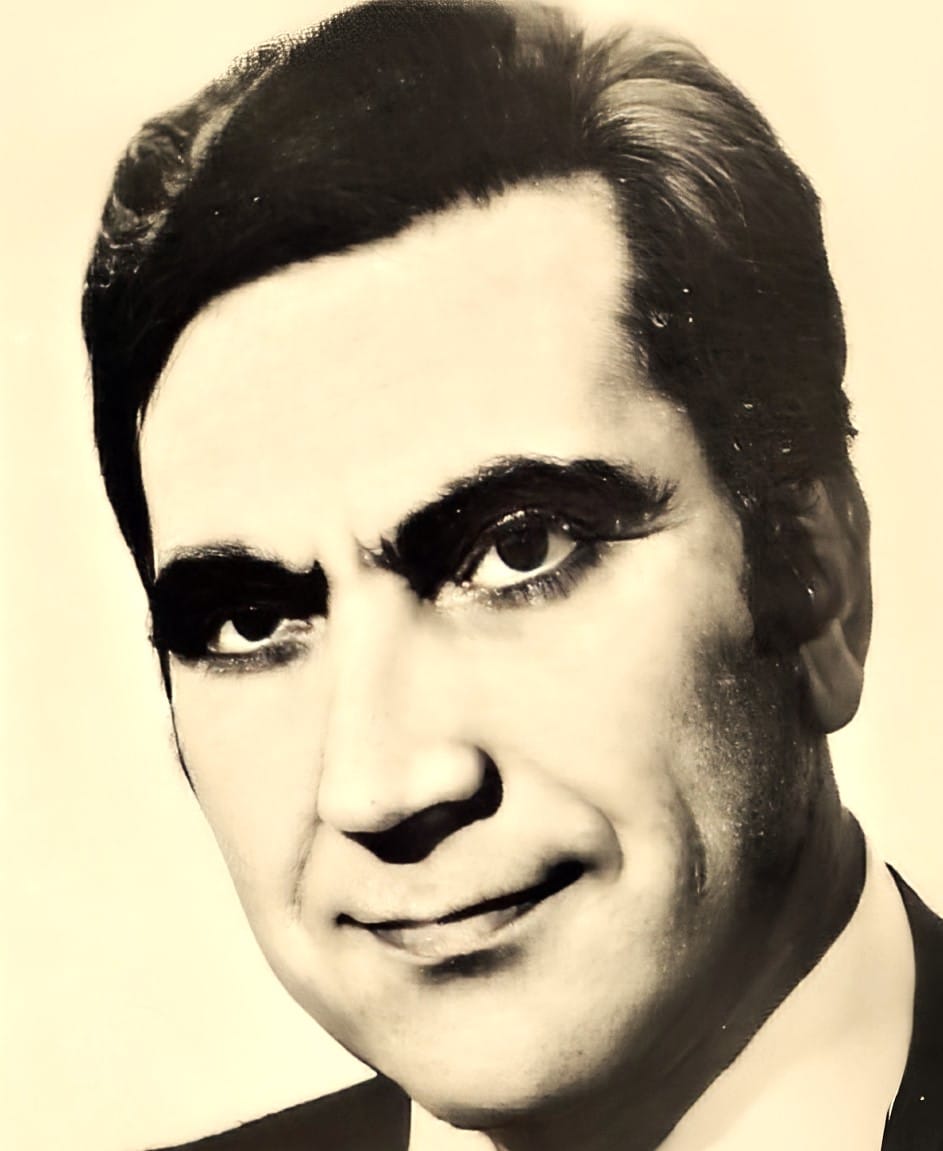
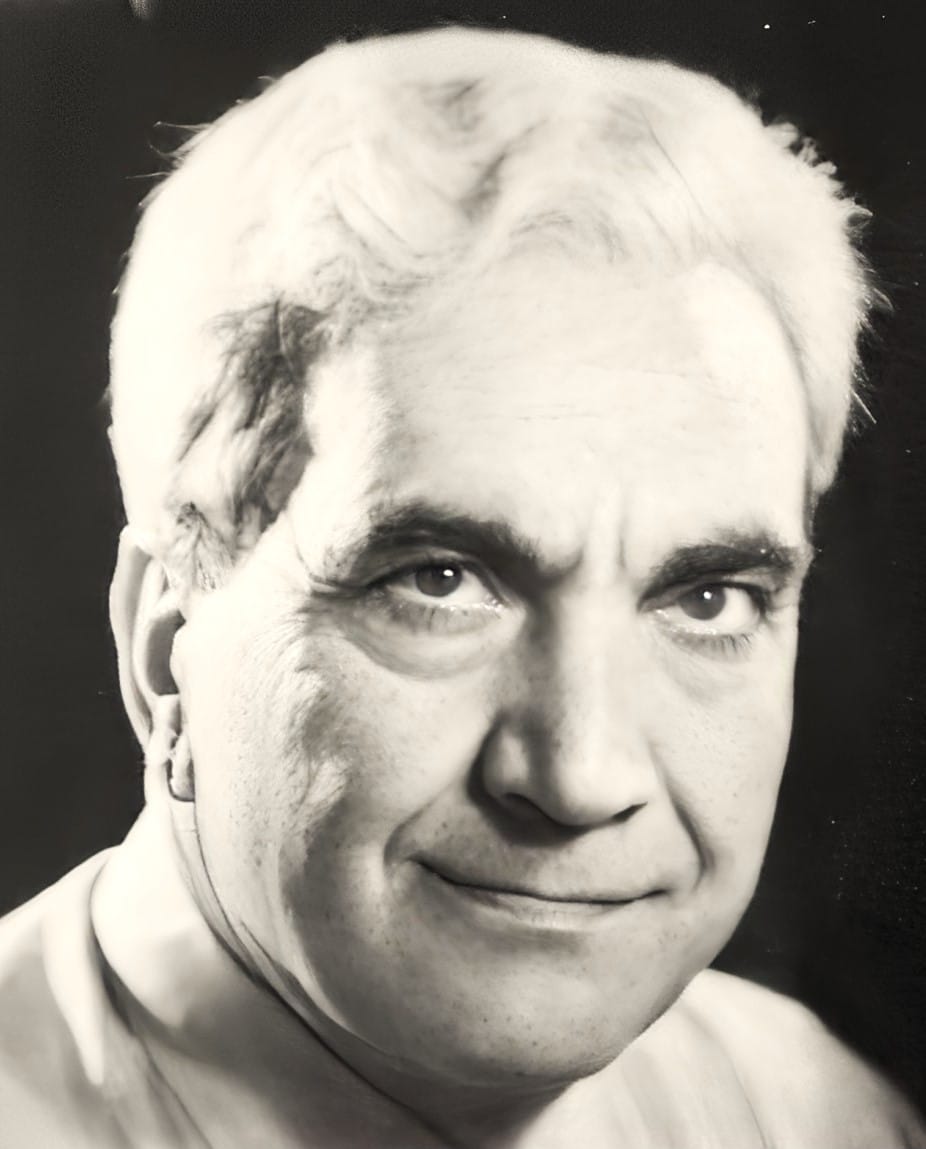
Meziyet Çınar (Kâmuran and Celadet Bedirxan's sister) was the head of the GP's Women's Branch. She often invited close friends to her home for dinner and organized discussion and conversation parties. Kurdish youth usually showed interest in these gatherings. Medet was among them. My first meeting with Medet was at such a gathering.
In the group of friends, Medet was described as, "Married but living separately from his wife, someone willing to divorce."
Medet was working as a lawyer and staying at Oğuz Bey's house in Balmumcu. Our friendship continued at a distance for a long time.
Seniha Hanım
I never had the chance to meet Seniha Hanım face-to-face. I know she was originally from Gümüşhane. During the years she worked as a lawyer in the same office as Ziya Şerefhanoğlu, she met Medet, then a law student, during his visits there. This friendship later turned into a romance, and they lived together for five years without being officially married. It was rumored among their friends that Medet married Seniha Hanım in defiance of Musa Anter and Eyüp Serhat telling him, "Don't be with a woman so much older than you." (There was a 17-year age difference between Seniha Hanım and Medet.)
"Was the GP girl there?"
Medet confessed to me in later years, "Seniha forced you into my head. When I came home and said, 'I'm coming from Sister Meziyet's place,' Seniha would ask in a cautious tone, 'Was that beautiful girl named Yurdanur from the GP there too?' Because of this questioning, my interest and curiosity about you grew day by day."
I was aware of Medet's closeness and interest in me. One day, as we were walking towards Taksim again, Medet —he was living separately from Seniha Hanım at the time— said, "I made a wrong marriage. I want to remarry and have children." This was a clear marriage proposal. I reacted to his words, saying, "Where did that come from! Look, we're such good friends. You won't find a village in me, and I won't find a town in you." As time passed, I realized my interest in Medet was growing. Finally, one day we got married and united our lives. We have a son named Rumet, born in 1978.
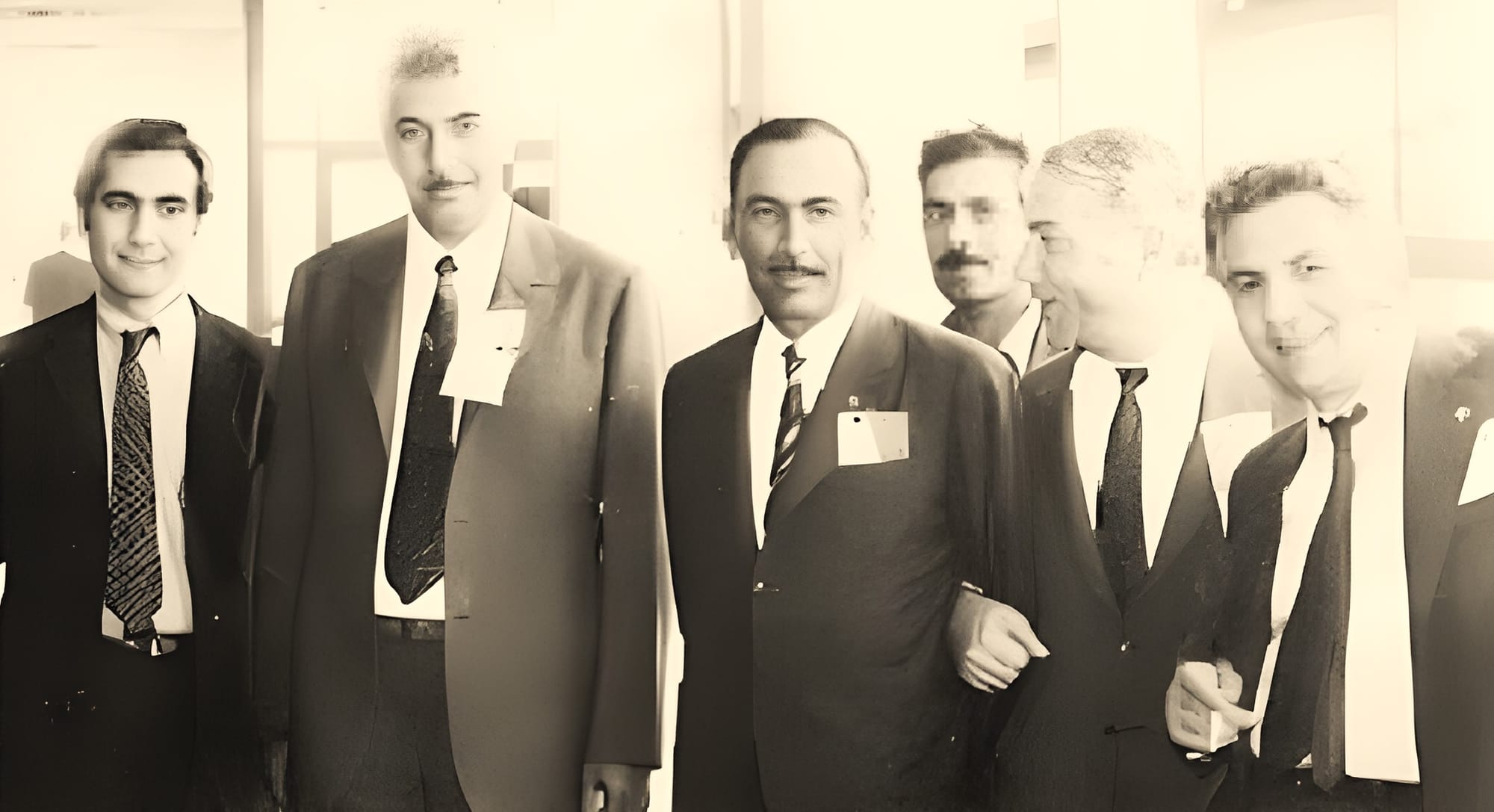
CHP Congress Ankara: (From left to right) Medet Serhat, Mecit Hun and Speaker of the Parliament Kars Deputy Kemal Güven (fourth in line)
"Medet was sweet-tongued"
Medet was handsome. His gentlemanly and sweet-tongued demeanor towards those around him enhanced his charm. During holidays in Avşa, I sometimes encountered amusing situations. When a lady came to our table, Medet would say, "My dear, my darling," and the woman would think this was a special compliment directed at her and get carried away; just then, when another lady arrived, Medet would address her with the same innocence and beauty, "My dear, my darling," and the first lady would be surprised to see Medet giving this compliment to everyone, and would walk away disappointed. I would watch them and be entertained.
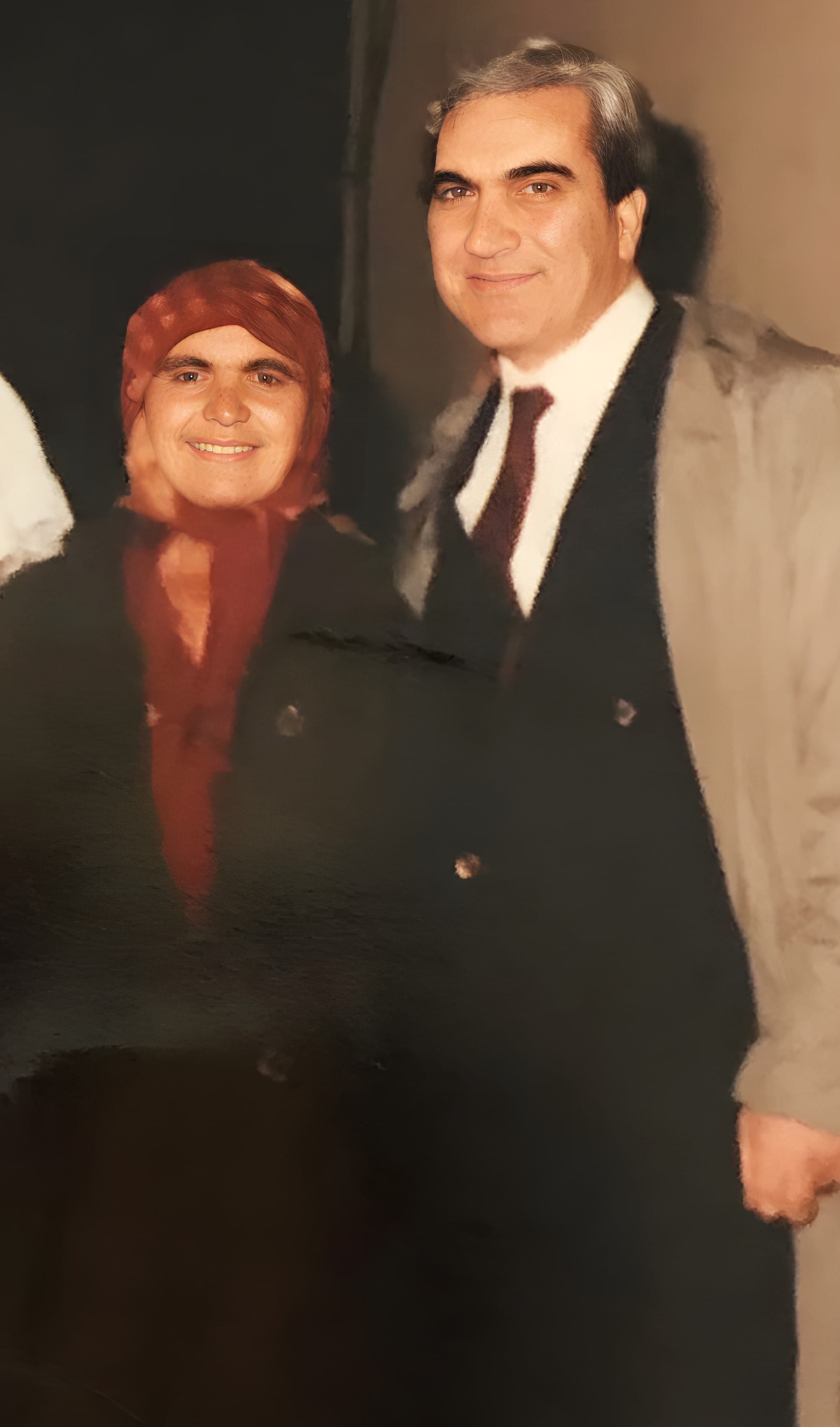
Politics
Medet ran for elections as a CHP Kars Deputy in 1977 and as a Senator candidate in 1979, but he did not win.
Medet was the Secretary of the Istanbul Bar Association. At the initiative of Bar Association President Orhan Apaydın, Medet became a member of the Peace Association, which included elite figures such as Ahmet İsvan, Zühal Olcay, and Lâle Mansur. When the September 12 Coup occurred, members of the Peace Association were arrested and sentenced to various prison terms ranging from 18 to 36 months. Medet found an opportunity to escape abroad and hid in London. The Peace Association case continued for nearly a year. When Medet returned, his sentence was converted to a suspended sentence without the need for arrest, and he was released.
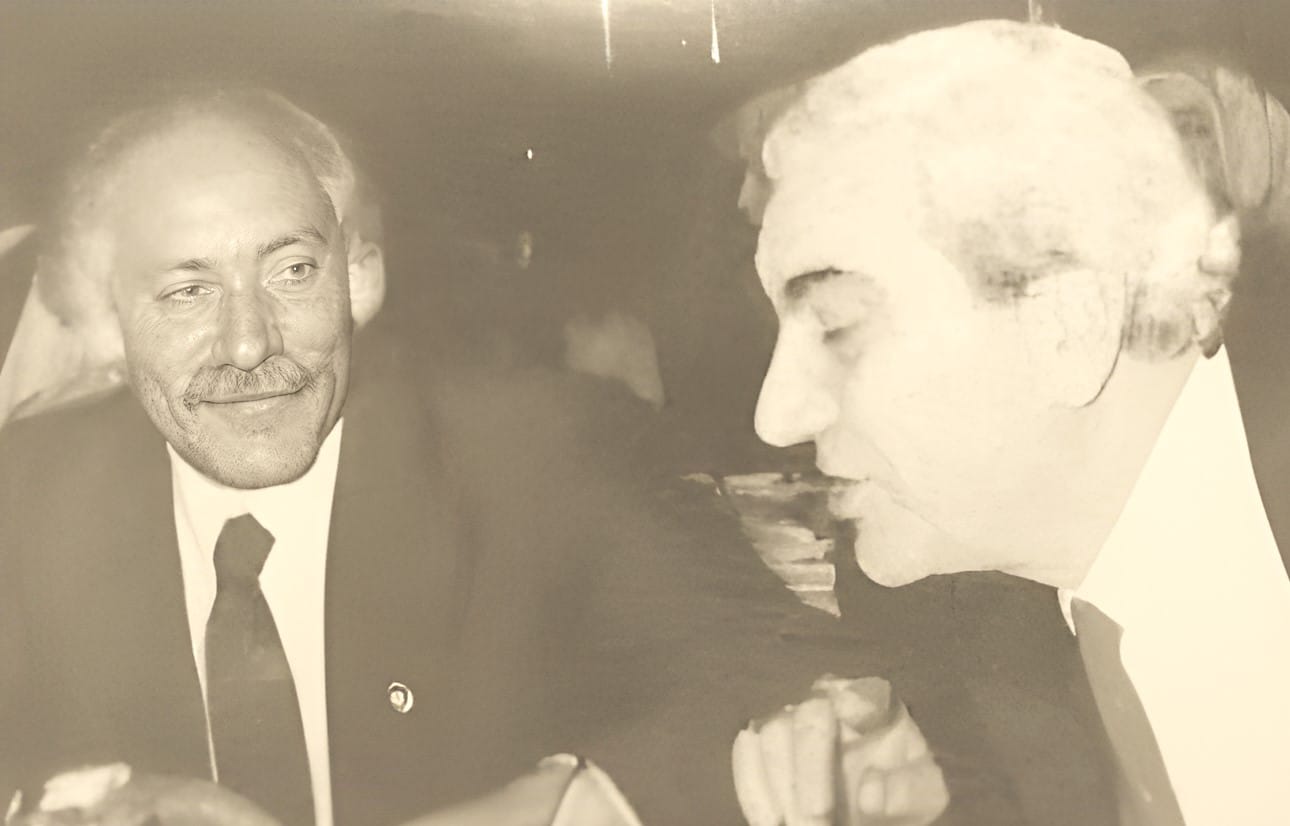
Trap for Medet (November 12, 1994)
Medet had a wide circle of friends. Among them were the owners of the "Cihanerler" company, which dealt in leather. This family from Antep had invited us to a wedding ceremony.
"Medet slept on my lap"
The magnificent wedding ceremony held at the Bakırköy Holiday Inn hotel was attended by senior executives from institutions such as the Court of Accounts, the Council of State, and the Court of Cassation.
The ceremony continued until late in the evening. To go home, I, Medet, and Edip Bey's (the judge's) wife, the three of us, went out in front of the hotel. Our driver İsmail, as soon as he saw us, pulled the car in front of the hotel. Medet impatiently threw himself into the back seat of the car without waiting for Edip Bey, so I was forced to sit in the back seat next to Medet, at the cost of disrespectfully leaving the woman alone.
When the car started, Medet said, "I feel very bad." I suggested, "Loosen your belt, you'll feel better!"
Medet did as I said, put his head on my lap, and immediately fell asleep.
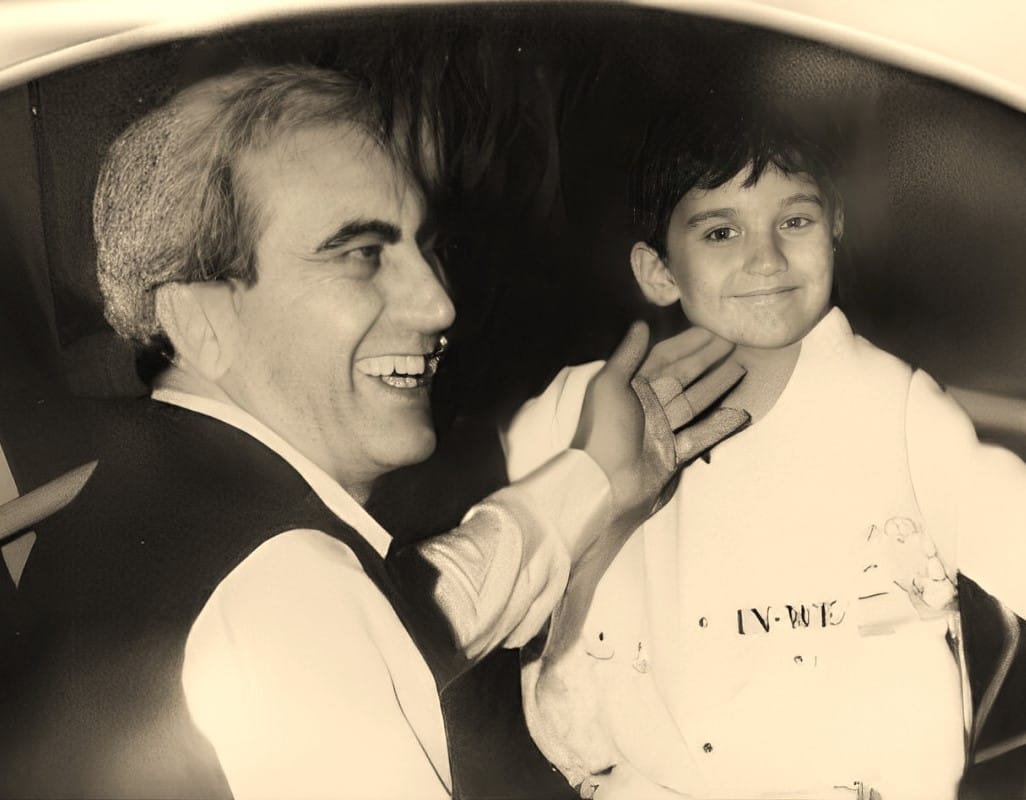
"A white car overtook us"
We arrived from Bakırköy to Bostancı without any traffic problems. After passing Maxim, the driver sped up even more. Thinking we were approaching home, I instinctively opened my bag and even took out the keys.
Medet continued to sleep on my lap. "I'll wake him up when we get home," I told myself... The car entered Noyan Street. As we turned left at the lights and entered Ethem Efendi, a white car pulled up on our left side. When our driver slowed down to turn into the small street on the left, the white car parked right at the mouth of this street. We were forced to stop and waited for the road to clear again. With tired eyes, I stared at the car, waiting for it to clear the way. Medet was still sleeping on my lap. The rear door on the driver's side of the white car opened, and a well-dressed young man emerged.
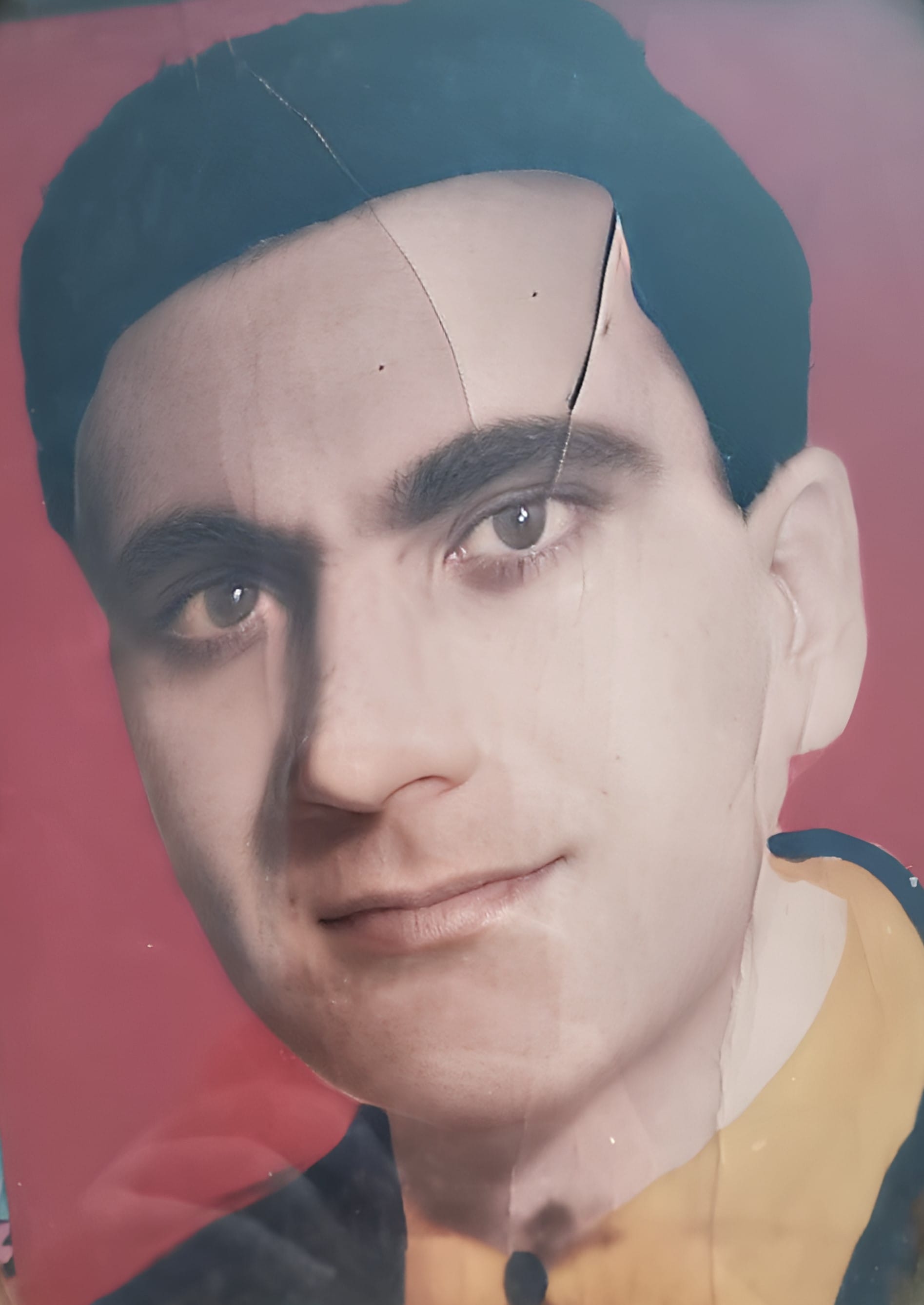
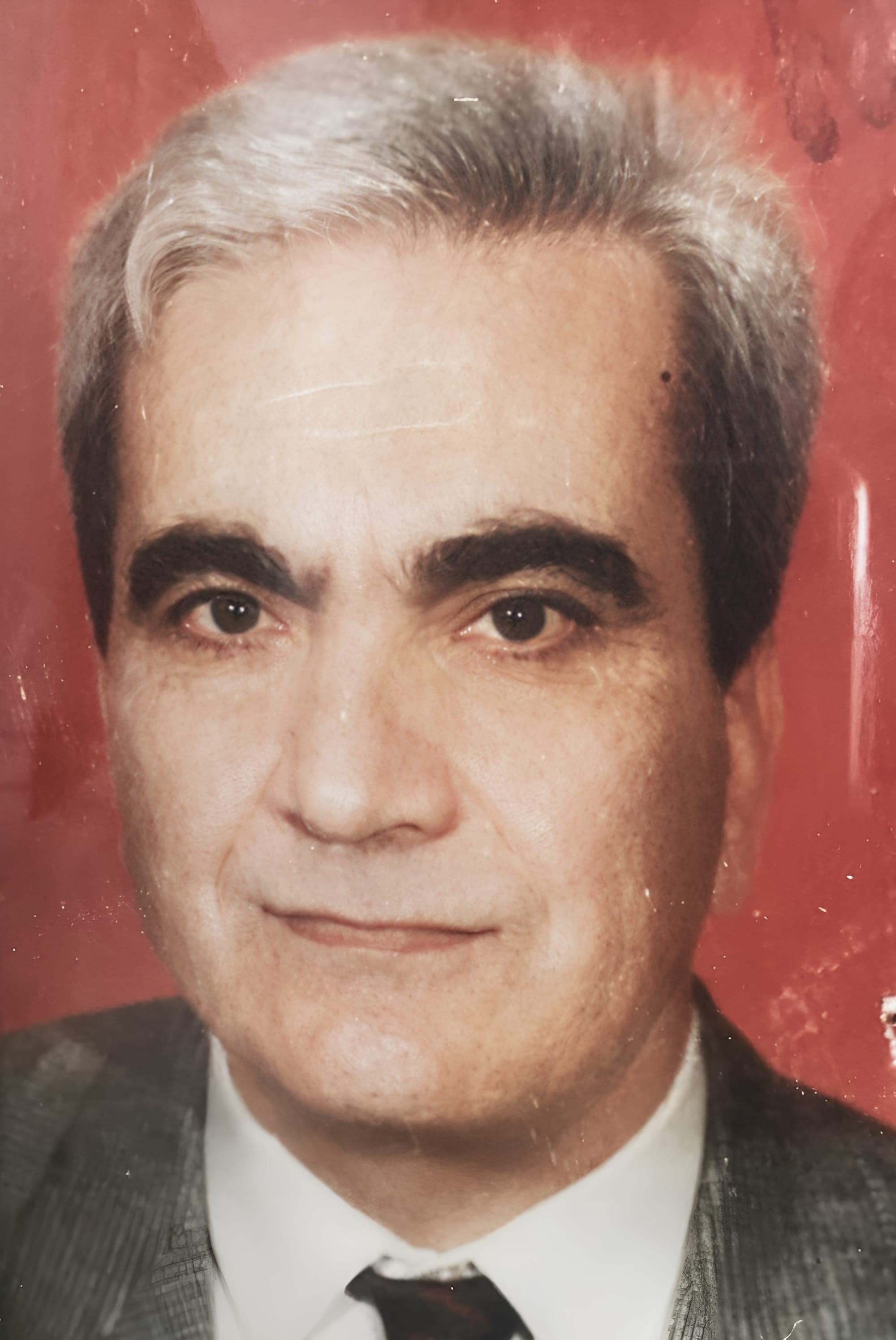
He had a short-barreled machine gun in his hand. He approached the driver İsmail. He fired a single bullet into his head. As İsmail threw his head back and then leaned forward as if to straighten up, the young man pulled the trigger a second time, and İsmail silently slumped sideways.
The young man turned to us in the back seat. Medet was still in a deep sleep. The young man aimed the gun at Medet and continuously pulled the trigger. I leaned over Medet to shield his head from the hail of bullets. I would later realize that I was too late in this action, learning that Medet had been hit by bullets that entered his eye and reached his brain during the first salvo. The young man continued to spew his death machine upon us.
With each shot of the pistol, I screamed, "Ay ay ay!" I was wounded, but my consciousness was intact. I watched what was happening with helpless eyes. The young man stopped firing and got into the back seat of the white car.
Since it was a dead-end street, the car had to move our car out of the way to exit. Indeed, when the white car pushed from the front, our car, with its engine stopped, slowly moved backward. The young man got out of the car one last time and continued to spray bullets through the front window.
I was leaning over, trying to see if Medet was breathing. This time, the bullets hit the back upholstery. If I hadn't leaned over Medet at that moment, I would have been hit by the bullets.
The white car sped away. Our car also crashed somewhere and stopped with a thud. Medet, unaware of all that had happened, had died in his sleep, his head on my lap.
Severely wounded, I shouted as loud as I could, "Help! Save us!" Every evening, this street would be full of cars. On the day of the incident, there were only three cars.
The young people ran to Bağdat Avenue and asked for help. A police minivan arrived at the scene. The police asked for my help to open the door from the inside, but I couldn't press the button due to a bullet wound that entered my finger and exited my nail. With difficulty, I opened the door, and they carried Medet into the minivan.
I took Medet's bag from the trunk and got into the minivan. It was then that I first realized Medet had passed away.
"The Young Man"
I had seen the young man who fired bullets at us from a distance of 1.5-2 meters. His facial features, his appearance, were strongly etched in my memory. They showed me pictures of Çatlı, asking, "Could it have been Çatlı?" No, it definitely wasn't Çatlı.
Çatlı's face was short, but this one's was longer and well-formed. He had neatly cut hair. He was wearing a suit with a gray or light green waistcoat.
"I received 14 bullet wounds"
14 of the bullets that rained down on us hit me. All my internal organs except my heart and kidneys were damaged. Since my stomach was completely shattered, they made a stomach from my large intestine. Similarly, my gallbladder and spleen were also damaged, so they removed them. 12 cm of my large intestine, which was hit, was cut and removed. 8 separate stitches were made in my small intestine. My lung was operated on in the same way. One of the bullets that hit my arm traveled through my body and, by great luck, passed millimeters away from my heart!
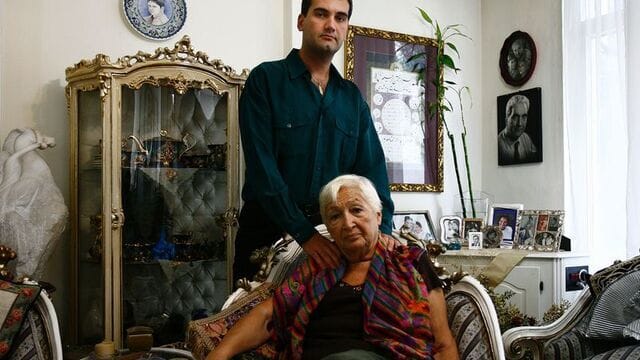
I had been discharged from the hospital. It was a day I went to the hospital for a check-up. The doctor was surprised to find me standing upright: "For God's sake, I can't believe it! If you hadn't called and said you were coming, I would never have believed that you were the woman who was in a coma with fourteen bullet wounds a few months ago."
Medet in Zincirlikuyu
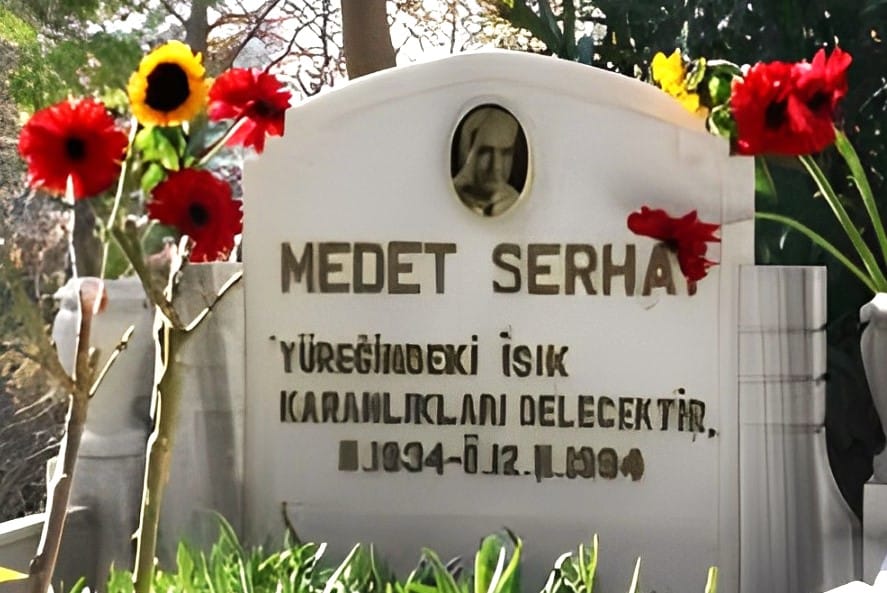
Medet was born in 1934. He was 60 years old when he passed away. While I was in a coma in the hospital, a funeral ceremony was held for Medet at Şişli Mosque. According to accounts, a large section of his compatriots, friends, and the public attended the ceremony.
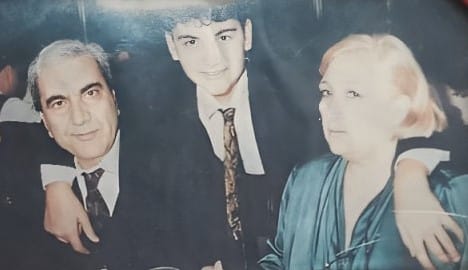
"The Young Man", Tevfik Ağasoy
After I was discharged, the police came to my house and gathered information about the details of the incident. When they conducted an investigation and learned how the trap was planned, they said, "If we had been here, we couldn't have done anything against the murderers in such an intense shooting."
About 1.5-2 years passed. One day, I was sitting in front of the TV watching the news. A young man named Tevfik Ağasoy was brought before the camera as a confessor. As soon as I saw his face, my whole body and arms began to tremble:
"Yes, this was the young man who shot at us, I had no doubt about it!"
One day, the dark organization invited Tevfik Ağasoy on the pretext of a secret meeting, found this young man, who knew important secrets, dangerous, and eliminated him.
Tevfik Ağasoy's grave is also in Zincirlikuyu, two rows below Medet's grave. Whenever I visit Medet's grave, I recite the Yasin prayer for Medet and his grave neighbors. Then I turn to Medet and say to myself, "Medet, look, Tevfik Ağasoy, who shot you, says, 'I killed Medet, but the aunt also sent me a Fatiha.'"