Iğdır History: 1945-65 – Part 2
This article, the second part of a series on Iğdır's history from 1945-65, delves into the political landscape of Turkey and Iğdır between 1950 and 1955, covering the rise of the Democrat Party, the "White Revolution," the establishment of the Millet Party, and the emergence of the Ülkücü

Dear readers! I published my article titled IĞDIR HISTORY: 1945-65 (PART ONE) on May 10, 2020. I kindly ask readers who have not had the opportunity to read this article to visit the link provided: (https://igdirabakis.com/igdir-tarihi-1945-651.html/)
Today, I will cover the period between 1950-55. However, if I were to cover this entire period, it would be an article of nearly 60 pages. Since this would be inconvenient for both me and my readers, I will follow this approach from today onwards: The section you read last week was titled IĞDIR HISTORY: 1945-65 (PART ONE), and today's article will be titled IĞDIR HISTORY: 1945-65 (PART TWO). I apologize for this confusion.
To express my sincere feelings, this article might be very boring and unnecessary for readers who are not interested in politics and the history of Iğdır. However, understanding what happened, especially between 1950-60, is very important to comprehend how we arrived at the present day.
These were dynamic years in politics. Things had not yet settled. Parties were opening and closing, and party administrations were constantly changing hands. If I say that the political maneuvering in Iğdır was unparalleled anywhere else in Turkey, I would not be exaggerating. Politicians were moving from one party to another, and animosities were increasing. Sometimes, rent-seeking, sometimes ethnic structure, and most interestingly, the "Those from That Side - Those from This Side" rivalry played a role in party changes. The Cotton Agricultural Sales Cooperative (PTSK) was Iğdır's most important commercial activity. Competition and rivalries to seize control of PTSK were at their peak. My narratives will not have a logical continuity. There is a spiral structure. I will inform you by presenting snippets and ask you to complete the overall picture in your minds.
THE JULY 12 DECLARATION
As you know, the Democrat Party (DP) remained a minority in the elections held on January 7, 1946. In those years, Iğdır was a district of Kars. Since the majority system was applied, the Republican People's Party (CHP) won all 10 parliamentary seats allocated to Kars.
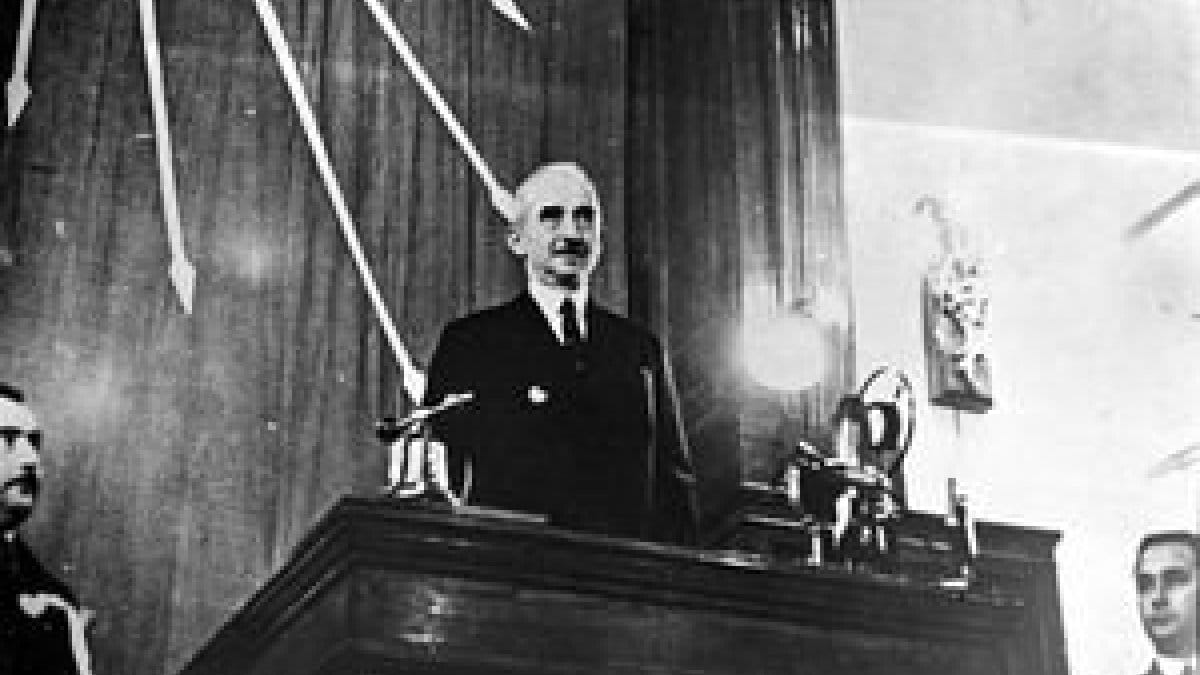
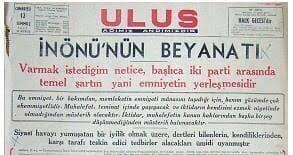
The DP held its first congress on January 7, 1947. This meeting was very important because the DP's roadmap was to be drawn. The DP emphasized its demands for freedom and democracy. The party's goals were adopted under the name "Freedom Pact." Following this, the CHP, which held power, began fierce attacks on the DP. In June, a series of meetings took place between President İsmet İnönü and Democrat Party Chairman Celâl Bayar, and finally, İnönü issued the famous 'July 12 Declaration' on July 12, 1947. In the declaration, İnönü emphasized that political parties were indispensable elements of Turkish democracy. Hardliner Prime Minister Recep Peker resigned and was replaced by Hasan Saka. Similarly, hardliners within the DP also left and formed the Millet Party.
FOUNDATION OF THE MILLET PARTY
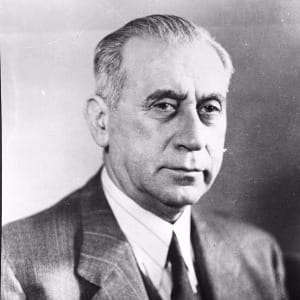
Between 1946-50, the DP was seething internally. Many opposition factions and groupings had formed. Especially the rapprochement with the government, i.e., the CHP, drew reactions from some members. Finally, a group of deputies within the DP argued that this was guided democracy and left the party. This group, consisting of Fevzi Çakmak, Yusuf Hikmet Bayur, Kenan Öner, Osman Bölükbaşı, Sadık Aldoğan, and Yusuf Kemal Tengirşenk, founded the Millet Party (MP) on July 20, 1948.
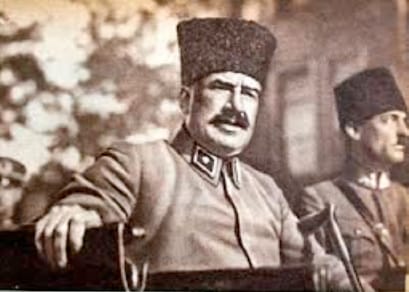
Marshal Fevzi Çakmak assumed the honorary chairmanship. Yusuf Hikmet Bayur became the party's first general chairman. The Millet Party nominated candidates in 22 provinces in the 1950 general elections. It only managed to get 3.11% of the total national votes and was not very successful. Of its nominated candidates, only Osman Bölükbaşı was elected from Kırşehir. Interestingly, in the 1951 by-elections, the party's vote share increased to 8%, but it did not win any parliamentary seats.
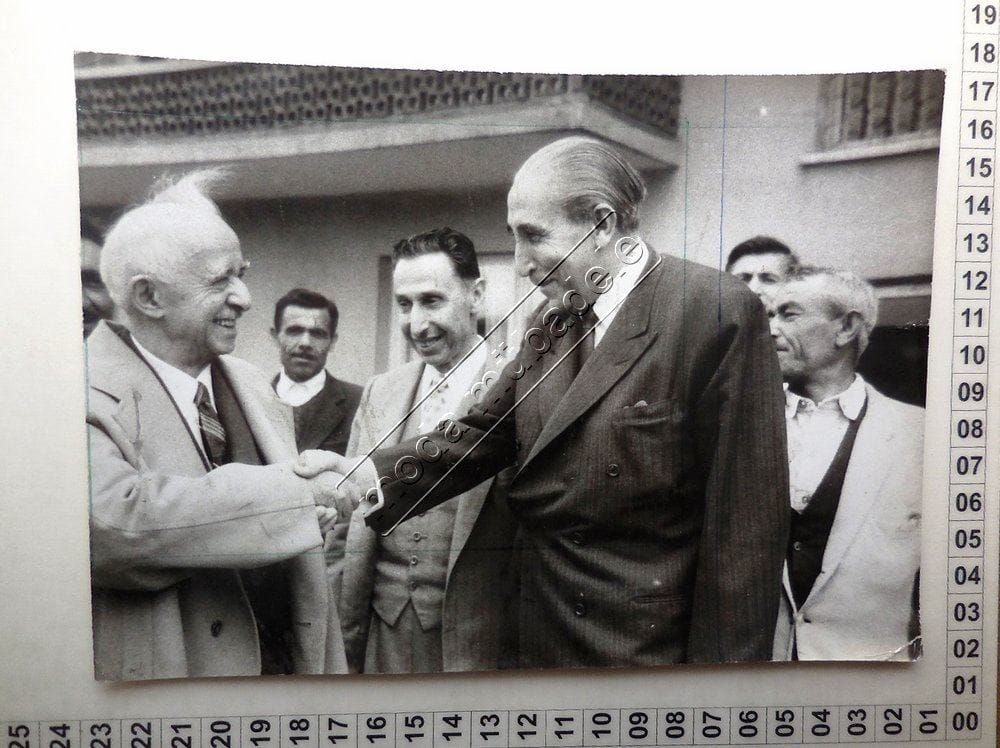
The Millet Party was gaining momentum. The DP was uncomfortable with this. To prevent it from participating in the next elections, the Millet Party was closed down by the Ankara High Criminal Court in 1954 on the grounds that it produced policies contrary to secularism.
MAY 14, 1950 GENERAL ELECTIONS
With the 'July 12 Declaration,' hardline groups within both the Republican People's Party and the DP separated. In the meantime, I would like to make a brief reminder: Between 1946-1950, two by-elections (to fill the seats of deceased or resigned deputies) were held. However, neither the DP nor the Millet Party (MP) participated in these by-elections.
In short, as Turkey headed towards the May 14, 1950 elections, there were three parties:
- Republican People's Party (Chairman İsmet İnönü)
- Democrat Party (Chairman Celal Bayar)
- Millet Party (Chairman Yusuf Hikmet Bayur)
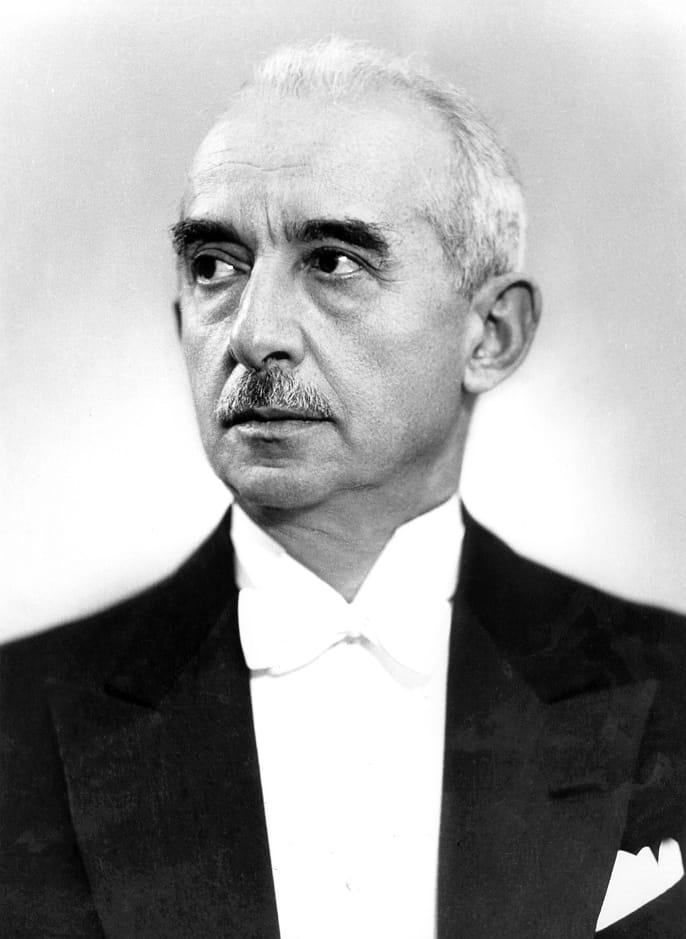
As the general election approached, the DP held its Second Grand Congress on June 20, 1949. It was agreed that 80% of the parliamentary candidates in the elections would be determined by the organization. On February 16, 1950, an election law was adopted that accepted secret ballot, open counting, and judicial supervision, and provided for a Supreme Election Board composed of members of the Court of Cassation and the Council of State. Despite the DP's great efforts, it could not include the principle of proportional representation in this law. Thus, the majority system meant that the party that received the most votes in a province won all the parliamentary seats for that province. Under these conditions, Turkey went to the May 14, 1950 elections.
The May 14, 1950 elections ended the 27-year single-party rule in Turkey. The Republican People's Party, which had governed the country alone since 1923, handed over power to the Democrat Party.
The election results were as follows:
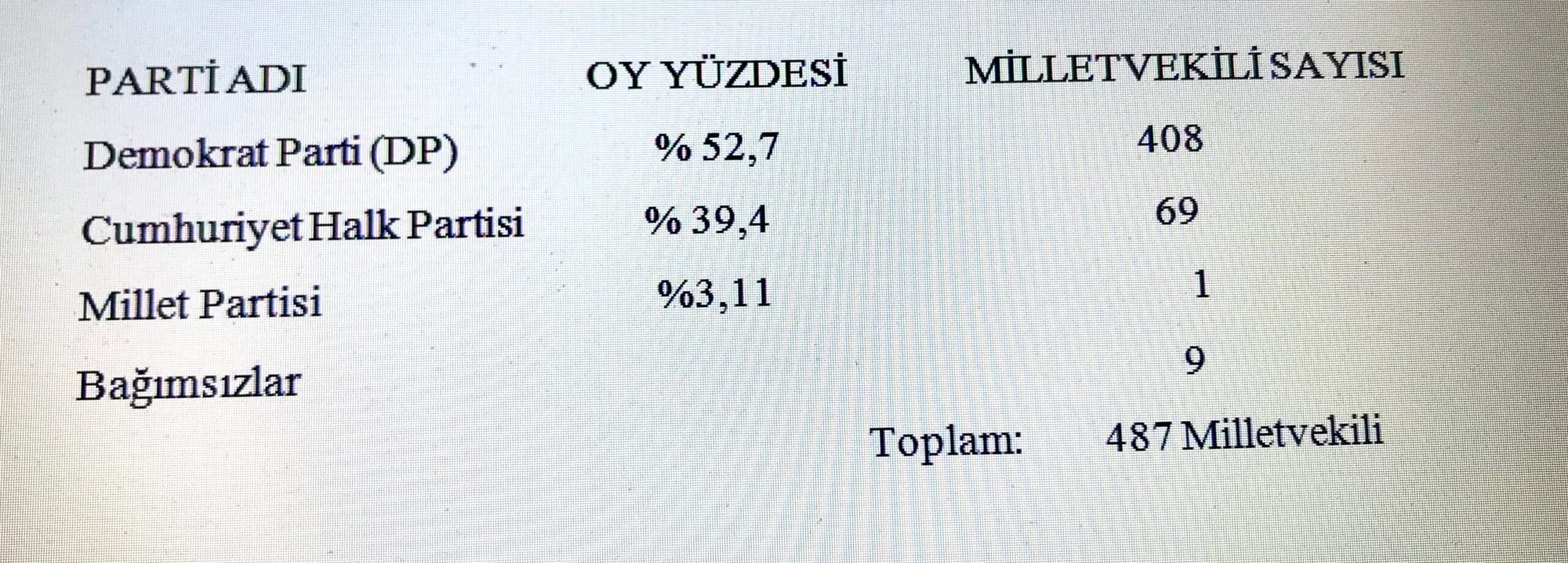
Here, I would like to inform my readers about one point. As the May 14, 1950 elections were taking place, the question of who were the Iğdır District Chairmen of these three parties might have crossed your mind:
1. Republican People's Party Bağır Aras
2. Democrat Party Nurettin Kirman
3. Millet Party Mecit Hun
Iğdır Mayor Mir Ali Ural
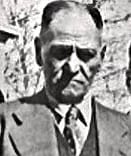
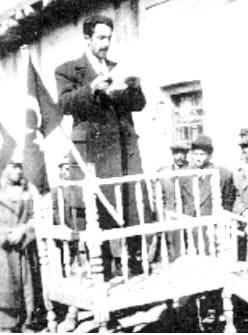
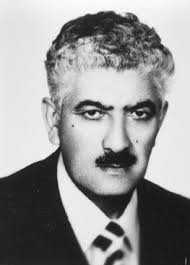
If Edip Koçkaya and Resul Taner had not passed away before the 1950 elections, Edip Koçkaya would have gone to the elections as the Democrat Party District Chairman and Resul Taner as the CHP District Chairman. My personal guess is that Resul Taner, with his charisma and intellectual prowess, would have been on the CHP's list of ten and could have been elected as a Member of Parliament.
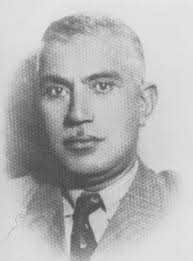
LIBERAL PEASANT PARTY
Founded on August 3, 1950, this political party promised more than the DP's liberal pledges. Since it was established after May 14, 1950, it could not participate in the elections. It was not successful because it lacked a conservative aspect and advocated Western-style liberalism, merging with the Turkish Peasant Party two years later. It was not organized in Iğdır. The Chairman of the Liberal Peasant Party was Ruhan Abdüssemat.
WHITE REVOLUTION
Thus, İsmet İnönü, who had served as president for 11.5 years after Atatürk, was now the leader of the main opposition. On May 22, 1950, the Grand National Assembly of Turkey (TBMM) opened. Refik Koraltan was elected Speaker of the Assembly. In the subsequent presidential vote, DP Chairman and İzmir deputy Celâl Bayar received 387 votes out of 453 participating deputies, becoming the third President of the Republic of Turkey. Adnan Menderes, DP Aydın deputy, was tasked with forming the government. The government formed by Menderes received a vote of confidence on June 2. On June 9, 1950, the DP General Administrative Board elected Adnan Menderes as the Chairman of the Democrat Party. An event rarely seen in the world had occurred. The government, which had ruled the country with its own authority for many years, had handed over its place to another party through a completely free, fair, bloodless, and fraud-free election. For this reason, the 1950 elections were named the "White Revolution" in the history of the Republic of Turkey.
The DP's first legal action was to lift the ban on the Arabic call to prayer (June 16, 1950). Bans on religious broadcasts on the radio and the broadcasting of mawlids were lifted. The neutrality policy, successfully pursued throughout World War II, had fostered favorable foreign trade relations. Therefore, the DP government succeeded in finding and utilizing foreign credit sources in its early years. Additionally, Central Bank reserves had reached a good level in terms of gold and foreign currency during the war. Sending troops to Korea and thus obtaining a NATO entry visa turned international conditions in Turkey's favor. The finding of customers for agricultural products at favorable prices in foreign markets and the money coming from abroad within the framework of the Marshall Plan brought about a significant economic relief in this early period. Mechanization in agriculture was achieved. The highway policy was accelerated, and villages and towns were quickly connected to cities.
The public had not yet forgotten the poverty experienced during World War II. Therefore, sympathy for the DP increased even further. A liberal economic understanding was adopted with economic programs prepared within the framework of US and World Bank reports. However, the growth of State Economic Enterprises (SEEs) was also ensured. The DP supported private entrepreneurship through SEEs. Agriculture was seen as the most important tool for development. After the decision to send a brigade to the Korean War, Turkey joined NATO in 1952. Since there was a period of economic relief and the DP's relations with the public were good, despite the DP's earlier promise that "no past regime would be held accountable," it suddenly began to relentlessly attack the main opposition party, the CHP.
THE BORALTAN BRIDGE FABRICATION
The Democrat Party had become a significant force within two years. The CHP was an unwanted, even hated, party. A significant segment within the DP began to turn this situation into an opportunity, seeking ways to send İnönü to the gallows. For this, an accusation was needed to incriminate İnönü.
DP Tekirdağ deputy Şevket Mocan took on this task. Şevket Mocan submitted a parliamentary question regarding the refugees returned to the Soviet Union to the Grand National Assembly in May 1951. The motion was put on the agenda on July 18, 1951. The purpose of this motion was to hold the Single-Party Period accountable. Şevket Mocan put forward the Boraltan Bridge claim. According to this, İnönü had returned Azerbaijani civilians who had taken refuge in Turkey via the alleged Boraltan Bridge (I had proven in my previous articles that such a bridge did not exist) on the Aras River to the Soviet Union, causing their deaths. Therefore, İnönü should be immediately tried, meaning sent to the gallows. At a time when the CHP had fallen out of favor with the electorate and the DP was soaring, there was only one obstacle to this demand: a significant portion of the military supported İnönü. The DP did not dare to do it.
When it was not possible to send İnönü to the gallows, the agenda shifted to confiscating İnönü's and the CHP's assets and closing down the People's Houses (Halkevleri). In 1953, CHP assets were transferred to the treasury. The People's Houses were closed. On January 28, 1954, the Village Institutes were closed. In 1954, the Millet Party was closed on the grounds that it had deviated from secularism.
TBMM 9th TERM KARS DEPUTIES
In the 1950 General Elections, the CHP won 54.8% of the votes in Kars, thus securing all parliamentary seats.
- Abbas Çetin
- Latif Aküzüm
- Hüseyin Cahit Yalçın
- Tezer Taşkıran
- Veyis Koçulu
- Esat Oktay
- Hüsamettin Tugaç
- Sırrı Atalay
- Mehmet Rüstem Bahadır
- Fevzi Aktaş
WHAT IS THE CONCEPT OF "O TAYLI-BU TAYLI"?
During the Russian administration, a dense Azerbaijani population lived in the lands where the present-day Armenian state is located. When the Republic of Armenia was established in 1918, Armenian committees began massacres on both sides of the Aras (the Sürmeli plain). When Iğdır became part of the Grand National Assembly's borders, the Azerbaijani people who had fled to Nakhchivan or Iranian Azerbaijan returned to the Sürmeli plain. Among the returning Azerbaijani people were also those who had once lived on the other side of the Aras. The term "O Taylı" (Those from That Side) was used among the people to refer to the Azerbaijani people who came from the other side of the Aras. The term "Bu Taylı" (Those from This Side) referred to the Azerbaijani people who had lived in the Sürmeli plain since ancient times. Interestingly, there was a significant difference between the two groups in terms of lifestyle, clothing, and other social habits. Marriages between O Taylı and Bu Taylı were also rare. The O Taylıs looked down on the Bu Taylı Azeris, treating them as villagers, because most of the O Taylıs came from the city of Yerevan, meaning they were accustomed to urban life. Their financial situation was good. They valued comfort and convenience. Soon, this began to reflect in politics. While the O Taylıs clashed with the Kurds based on the ideal of Turanism and Turkism, the Bu Taylıs were accustomed to living peacefully with the Kurds, away from ethnic conflicts. When we look at the CHP Kars list, four O Taylı deputies stand out:
- Abbas Çetin (Azerbaijani born in Yerevan)
- Latif Aküzüm (Azerbaijani born in Kars)
- Veyis Koçulu (Karapapak born in Tbilisi)
- Tezer Taşkıran (Azerbaijani born in Karabakh)
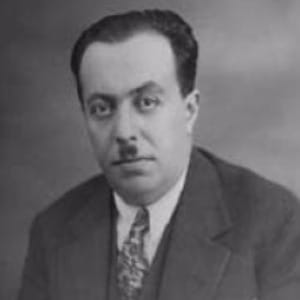
Abbas Çetin, as described by the late Hamza Aygün:
“Abbas Çetin’s mother and stepfather, Abdülali Bey, came from Çobankere as immigrants and settled in Iğdır. They had a house and land on the Hakveyis road. Abdülali Bey had a small booth in a hut at the corner of the shop belonging to Baker Memet, next to our restaurant in the 40s. Everything from needles and thread to cigarettes and sugar could be found there. Abdülali Bey would sometimes gather apples and pears from his own vineyard and sell them retail by setting up a small greengrocer's corner near the booth. In those years, Abbas Çetin was a student at the Faculty of Law. After graduating, he worked in Kars for many years. He married a girl from there. Since his wife passed away while giving birth to a son, Abbas Çetin married his sister-in-law, Hatice Hanım. From this marriage, he had two daughters named Ayla and Necla. Ayla married Hidayet Çelebi. In the 1950 elections, Abbas Çetin became a Member of Parliament from the CHP list.
However, soon after, when he, along with Latif Aküzüm and Veyis Koçulu, defected from the CHP in favor of the DP, he lost the chance to be re-elected as a Member of Parliament in subsequent elections. The DP Government gave Abbas Çetin important positions in the Retirement Fund and Latif Aküzüm in the Soil Products Office. Abbas Çetin retired from this position. Both Abbas Çetin and Latif Aküzüm always cared about the problems of their compatriots and extended a helping hand to them.
Abdülali Bey passed away in Iğdır. The Çetin Family liquidated their real estate in Iğdır and settled in Istanbul. Abbas Çetin's sister, Fatma Hanım, still lives in Istanbul. May God have mercy on the deceased.”
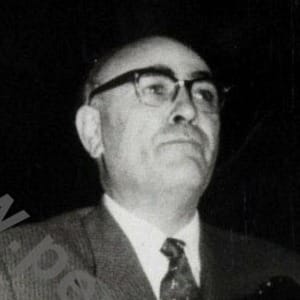
The late Hamza Aygün used to describe Latif Aküzüm as follows:
“I personally met Latif Bey in the 50s when he came to Iğdır for elections. After he settled in Ankara, I visited him at his home on the occasion of holidays or similar important events, and we had brief conversations. However, my main acquaintance with Latif Bey was based on a special friendship caused by an incident. I would like to elaborate on this sweet encounter:
My brother-in-law, Tevfik Sement, is a hunting enthusiast. One day he showed up with a brand new hunting rifle: "We're going hunting together!" he insisted.
Although I said, "Please don't, I don't know anything about this," I couldn't convince my brother-in-law; we set off towards Elmadağ, hoping to find partridges. Our car was speeding along. Suddenly, we saw Latif Bey and his wife, Pırlanata Hanım, standing by the roadside in a desolate place, and we stopped out of curiosity. We took Latif Bey and his wife, whose car had broken down, into our car and set off for Kırıkkale. When we arrived in the city, Mr. İskender Aküzüm insisted on keeping us for dinner. While we had prepared to eat partridge that day, we eagerly ate the turkey placed before us. Our conversation extended, and our hunting party had completely disappeared as I had wished. I remember that day with a special feeling, and I wish God's mercy upon all three of them.
The entire Aküzüm family lived in Ankara. İskender Bey was a department manager at the Kırıkkale Arms Factory. Cahit Bey had an office next to Latif Çınar Bey's tailor shop in the Ulus Retirement Fund Business Center. The late Fevzi Aküzüm Bey was also working at the General Directorate of Sugar Factories. I had known Fevzi Bey closely in the Azerbaijan Cultural Associations. We admired his work. Latif Bey's sister, Nazlı Hanım, is the wife of Şamil Bey's son, Ziya Ayrım Bey.
I had the chance to meet Şamil Bey in person. Şamil Bey, who loved hookah, would visit my grandfather Ağa Hasan whenever he came to Iğdır, rest the hookah hose on his knees, and enjoy his strong tea. May God have mercy on him.
My meeting with Latif Bey's son, İlhan Aküzüm, is again based on a coincidental and pleasant memory. İlhan Bey was a DYP (True Path Party) Ankara parliamentary candidate. One day, my wife Şükran Hanım and I were passing near Keçiören, İlhan Bey's electoral district. I hung one of the posters distributed on the windshield of my car, and with a feeling that blood attracts blood, I passed through the crowd, mostly from Kars, and met İlhan Bey. İlhan Bey could not have known me. I had to introduce myself:
"İlhan Bey, I was once your father's loyal voter. Now I have come to support you and convey my wishes for success," I said. We were happy when İlhan Bey won the elections that year. I wish mercy to the deceased of the Aküzüm family and long lives to those who remain.”
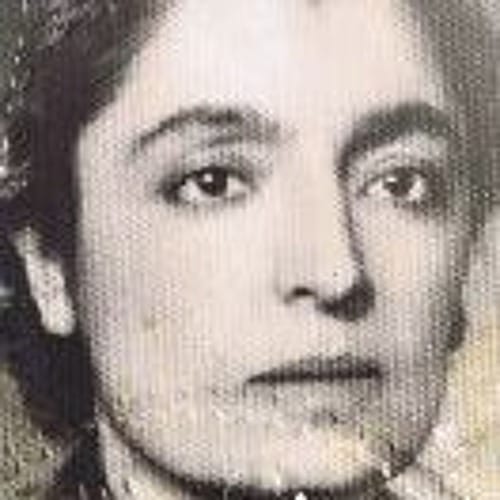
Although Latif Aküzüm was not an "O Taylı," he chose to act together with Abbas Çetin, who would later assume the leadership of this group. In the later parts of the article, we will witness how the formation of groups by the "O Taylıs" deeply affected Kars and Iğdır politics, and how Azeris would cluster around Abbas Çetin, and Kurds around Sırrı Atalay.
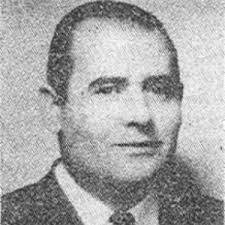
THE BIRTH OF THE IDEALIST MOVEMENT IN IĞDIR
In 1950, the idealist cadres within the ruling DP and the opposition Millet Party began to revive the Turanist ideology nationwide. As you know, political ideas always gather around a magazine or newspaper to acquire a unique structure and find a chance to develop. In Iğdır, the name of this magazine was ARAS. ARAS magazine is also the second magazine/newspaper published in Iğdır. The first was the IĞDIR magazine/newspaper published by Cengiz Ekinci, who was not from Iğdır, during his time as a lawyer. Therefore, ARAS, the first magazine/newspaper published by the people of Iğdır, gains importance in this respect. The first issue was published on October 30, 1950. The slogan "OUR FIRE COMES FROM THE IDEAL" was on the front page of the magazine in large print. Its price was set at 10 kuruş. It was also stated on the magazine that it was a bi-weekly publication, and its classification was given as LITERARY, POLITICAL, AND TURKIST NEWSPAPER.
The owner of the magazine is Ramiz Özler. The person responsible for the articles is Turgut Sungar. The magazine explains its political goal through the pen of Cafer Eroğlu: "ARAS, a poetry and ideas magazine, joins the publishing life with very modest means. Our goal is to publish and disseminate the literary writings, such as poems and stories, of the youth along the Aras, and to introduce talents. Our esteemed readers will read and understand the feelings and thoughts of our youth regarding the realities of our country in our magazine. The longevity and development of our magazine depend on the interest and help of our compatriots. We expect our esteemed readers to show the necessary closeness."
The newspaper began its publication life on October 30, 1950, but Turgut Sungar wrote an article to commemorate the anniversary of the Republic's establishment on October 29, which was celebrated the day before. The article reads:
OUR GREATEST FESTIVAL Written by: Turgut Sungar
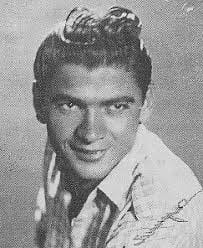
“The sun rises in the east, gilded with rosy hues, with a dignified air, just like us victorious Turks. How noble, how different this rising! O Lord, with this different rising, a new era begins in the glorious Turkish history.”
FREEDOM “O heroes of the homeland who rode horses along the Danube, who cooled your burning hearts in the Aras, may your souls be joyful. Here, we, your children, celebrate this great festival, the symbol of our heroism, with all our excitement.
Sleep peacefully in your graves, dear departed. We are the unwavering guardians of this unique country, every particle of which you kneaded with your noble blood. On this great day, our hearts, burning with love for the homeland, bow with reverence and respect before the souls of our great ATATÜRK and yourselves.
Fear not! These noble heads of ours bow only before your spiritual presence. At no other time do they bow before any force. They can bend our arms, tear out our hearts, take our lives, but they cannot separate us from our faith, they cannot extinguish our fire. Because instead of lullabies, we listened to the hoofbeats of your sturdy horses, and instead of fairy tales, we listened to your heroic epics. How fortunate are the histories that adorned their pages with your names.
O noble Turkish woman, whose place is among the heroes of the homeland! You did not cry when you lost your husband, brother, son, or grandson, but on this sacred day, your eyes well up. You are right, it suits you to endure in the face of suffering, and to smile in the face of joy. May your shoulder, calloused from carrying bombs, not collapse before any force!
Sleep peacefully in your place, GREAT ATATÜRK! This homeland you entrusted to us is our heart. We recognize it as the most sacred of beings. May your soul not suffer; neither will foreign boots trample these lands, nor will our Grand Flag be lowered. Because our greatest weapon is our faith.
How happy we are to celebrate this great and sublime festival with all our citizens, with all our hearts. May your festival be blessed and happy!”
OUR UNDERSTANDING OF NATIONALITY Written by: İ. Ethem ÖZGÜVEN
Every nation considers itself superior to all other nations. From primary schools onwards, in school life, military service, and all educational institutions, the same thing is told and instilled through media such as radio, newspapers, and magazines.
Indeed, in some nations, like the Turkish nation with its glorious past, the youth feel, hear, read, and listen to the opinions of foreign nations about their own nation, and thus understand and believe that they possess a character superior to other countries. However, in any case, all nations do not want to harm their nationality in the slightest and believe that they are of the highest nationality. Only enemies can sow discord in this belief.
While this is the case, witnessing some facts in our social life that unconsciously offend our nationality and thus pain us, we inflict upon ourselves the torture and insults that only an enemy could do.
Every nation moves from the periphery to the center, gathering and drawing things to themselves from the surroundings. We move from the center to the periphery, tearing ourselves away and distancing ourselves. Let's consider our immediate environment: we classify Turks as Kurds, Persians, and Turks. According to what? Of course: nothing. Those we call Kurds are people who speak Turkish and preserve all the pure characteristics of Turks. The only fault of the Persians is that they are of true Turkish tribes and, having stayed in Iran for a while, reflect the language and influence of their environment. This is merely necessity and fate. After all, haven't these citizens, who know they are Turkish and speak Turkish, shown us that they are one of us by leaving their lands, goods, and properties there and coming to our country?
If someone comes from the Black Sea coast, they are a Laz. However, Laz identity begins beyond Kemer Cape, after Rize, and is a people of a few districts. Such a misunderstanding of the vast Eastern Anatolian and Black Sea Turkishness is, to say the least, tragic.
Those from the southeastern provinces are Arabs. Because they live on the borders (...). We still do not hesitate to brand the Turks of Maraş, Antep, Urfa, and Antakya as Arabs. We push them towards Arabness. Those from Rumelia are as if they are Albanians. How sad it is that even among us, there are those who do not look at the Turks who came to the homeland from Romania, Bulgaria, and Greece, struggling with "my homeland, my nation, my country, the Turkish nation," as Turks, and who want to despise them. In Bulgaria, besides these, there are 350,000 more Turks, making a total of 800,000, who constitute 18% of the Bulgarian population and who want to escape the clutches of the Red monsters and come to our homeland these days. We just need to show them our Turkishness. We need to know how to warm them to us. We do not believe in the racial theory that seeks a bundle of papers and a genealogy to prove one's nationality up to fifteen or twenty generations. It is clear how ridiculous such a thing is.
Everyone who speaks Turkish, works for the advancement of Turkishness, pursues the ideal of the Turk, and shows the loyalty to the country that we expect from a Turk, is a Turk. Conversely, those who, despite speaking Turkish and living on the bread and water of this country, have hearts beating elsewhere and whose ideals are inspired by foreigners, are not Turks, even if they show a Turkish genealogy up to their hundredth ancestor. These are corrupt individuals who need to be cleansed.
Similarly, those who sit precariously within our lands, who will gather whatever they have at the first disaster and seek a homeland outside the Turkish homeland, are not Turks.
Turks are those who believe that their duty is to die heroically on the last stone of the homeland.
Just as it is tragic to see those who are Turkish as foreigners, it is even more tragic to brand those who say "I am Turkish" as foreigners. Let us be conscious in distinguishing Turks from non-Turks, let us know ourselves. Let our motto be:
A Turk is one who serves Turkishness. One who works for Turkishness.
A CRY Written by: SEYFİ TAŞPOLAT
In these days when humanity is writhing in the birth pangs of a third war, what is established under the name of a peace-loving association is nothing but a vulgar policy that, under the guise of peace, in reality aims to drug nations and thus, in a moment when they dream of sweet hopes in a manner suitable for their own digestive capacity, to pounce and devour them with the hunger of a carrion crow.
But while the Kremlin was happy and joyful with some local successes of its dirty policy within this pleasant illusion, a nightmare-like state fell upon it. And why shouldn't it?
Turkey decided to send a combat unit of 4500 fighters to Korea. It was right. Because this was the sublime expression of the Turkish bayonet's vow to block the red imperialist invasion ambitions, like the plan of Mad Peter, who for centuries could not overcome the valley of illusion with the magnificent assaults of the Turk. You reds (communists) know what this means more than any other nation.
O Kremlin!
How many fools could you find in Turkey to listen to the sophistries of the three or five degenerates you put among us? Be sure of this: no Turk, who feels the excitement and pride of Turkishness with every beat of his pulse, would condescend to this disgrace.
If you want to see this truth with your blind eyes, turn your squinting gaze to Korea. There, see how the noble sons of this nation dig your grave with their cannons, rifles, bayonets, rifle butts, nails, and teeth. See how they fight against twenty thousand people. See how they fix bayonets and attack your lines with the majesty of an eagle. See how they flatten your siege like carded cotton. And finally, see how your fighters flee before the Turkish bayonet. And understand that in this land of lions, no one listens to fox tales!
AN ANECDOTE Author: Talat Gürel Date: January 15, 1951
BUSINESS IS SLOW!
During the time of Abdülaziz, a navy commander one day announced that hay was needed for the navy. Soon after, the purchase of hay began, and tons of hay were bought for the navy. The Minister of Marine, hearing this news, was astonished. Thereupon, he ordered the navy commander to be summoned. The commander, taking the plans of the ships and battleships with him, went to the Minister of Marine.
Minister: "Hey fellow, what's the need for hay for the navy?"
Commander: "Your Majesty, please be gracious," he said, opening the plans of the ships and battleships, and said:
"Look, all our battleships are 375 horsepower. I bought this much hay for the navy to feed this many horses," he replied.
OUR TURKISM Author: Cafer Eroğlu Date: January 15, 1951
Today, Turkism is a magnificent world stretching from the middle of Europe all the way to China. A European scholar says, "I traveled from the Danube to China, speaking Turkish all the way." It is Western historians who proved that Central Asia is the homeland of the Turks. It is also they who established the principle that nations should determine their own destinies. If we turn our eyes to the situation of nations today, we see that every nation is free and independent. Nations that just opened their eyes yesterday, those who came to them yesterday, are fighting for their freedom. As for us, millions of Turks, excluding this last remaining Turkey, are under subjugation, enslaved. They are suffering oppression. Is it a sin for us, who feel concern for the humiliation of blacks in America or for the freedom and autonomy of Hindus, to feel closeness for those who are entirely of us? Today, Bulgaria is expelling 250,000 Turks, hungry and naked. In Azerbaijan, we hear from time to time that trainloads of Turks are being sent to the ice hell of Siberia, condemned to absolute death. For these, the closest concern is certainly a national duty.
We are not saying, "Let's march to Iran, or Turan, or the Caucasus." Nor are we clenching our fists and gnashing our teeth at neighboring nations. We only demand the right to life and independence for our kinsmen under subjugation. I conclude my words with this sentence from Ziya Gökalp: "Today, the Turks who are easy to unite culturally are especially the Oghuz Turks, that is, the Turkmens. Just like the Turks of Turkey, the Turks of Azerbaijan, Iran, and Khwarazm belong to the Oghuz tribe. Therefore, our immediate ideal in Turkism is the Oghuz union or the Turkmen union."
What is the purpose of this union? We cannot make a judgment about the future today. But our current ideal is only the cultural union of the Oghuz."
POEMS
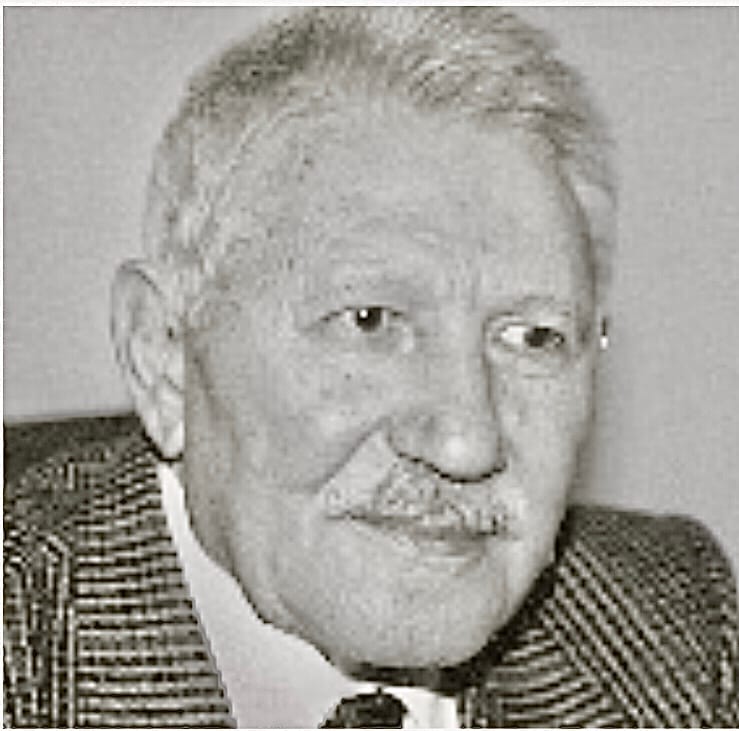
TRAIN Written by: Ahmet Karaca
It is the first fire of separation that burns
Separating the soul from the body
The beloved from the heart,
Like a force,
The train,
Opened the horizon with the sun,
Inside me,
A rumbling gathering,
And darkness falls upon me layer by layer,
That light is gone,
Everything is night in my eyes now
THERE IS WAR Written by: M. Remzi Güler
Our sword has rusted in its sheath,
Let's draw it, let's march to the frontier,
There is war, battle, raid, O Turk, soon,
Go save, join your own kin…
Who said I was subdued, dead?
I will destroy, I will surge from within,
Think, from whom is this homeland a gift?
I see my ancestor, I rush to war.
If the fire in my breast dies in battle,
If the setting sun sinks on the horizon,
A peer of Turkishness will rise one day,
I will cross mountains and passes without stopping.
SHE LEFT Written by: Turgut S. Sungar
I withered with my sorrow like a rose
What will become of my heart without her?
Like a nightingale escaped from its cage
She fled without looking back
Leaving wounds in my heart…
With her hair falling on her shoulder
With her lip curling like a leaf
Ah, with that smile that killed me
She left without smiling at me once
She left without saying "I love you"
I built the greatest dream with her
I branded my soul with her love
I cried after her as she left
She left without wiping my tears
She left without knowing my greatest love
My love, come now, enough of separation,
Separation is worse than death, worse than anything,
If you return to my heart, separation will end,
She left without picking flowers from my garden
This heart left without reaching its desire
TO THE CAUCASUS Written by: Ahmet Tekin
Stop, let me tell my sorrow to the wound,
You are a storm, blood to those mountains,
You are my crown jewel, I will not bind black,
Let the lands bind, O beautiful Caucasus…
You will be saved, you will be saved,
You are a single corner in the great world,
You are smoking, a burning hearth,
You are only Turk's, O beautiful Caucasus.
You are the Turk's saz, the Turk's tongue,
You are the Turk's essence, the Turk's land,
You are the Turk's rose garden, the Turk's rose,
Even if the world collapses, O beautiful Caucasus.
KARS Written by: Ahmet Karaca
O rugged rock of the East, covered in snow,
With the waters of Borluk, we wiped the rust from our chests,
The first ray of sun kisses your ramparts
Let the sun wrap the shroud it wove for the martyrs,
Veteranship, the graceful crescent, that is the ideal of Kars.
With the epic of Malazgirt, your wish was granted,
Ninety-three bombs, your wing was not broken,
O great Turkish nation, history is your name
Let the sun wrap the shroud it wove for the martyrs,
Veteranship, the graceful crescent, that is the ideal of Kars.
The Oghuz mock death at every age,
Martyrs lie without shrouds under every stone you lift,
I boasted of my Turkishness in the last world war
Let the sun wrap the shroud it wove for the martyrs,
Veteranship, the graceful crescent, that is the ideal of Kars.
One arm extends from Attila to Atatürk,
No share for the Muscovite from the snowy land of the Grey Wolves,
This is an eagle's nest, it only suits the Turk
Let the sun wrap the shroud it wove for the martyrs,
Veteranship, the graceful crescent, that is the ideal of Kars.
Let the world know that I am stronger than granite,
My roaring voice is mixed with the cries of veterans,
Karabekir, Halits, this is October thirtieth today
Let the sun wrap the shroud it wove for the martyrs,
Veteranship, the graceful crescent, that is the ideal of Kars.
THE FOUNDING FATHER OF THE IĞDIR IDEALIST MOVEMENT: RAMİZ ÖZLER
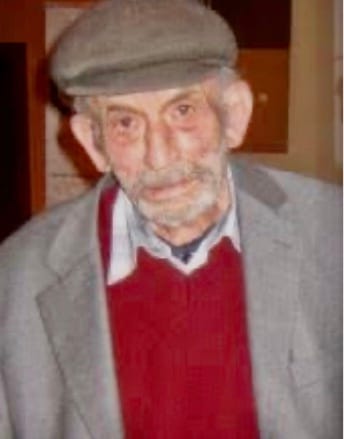
Ramiz Özler, with his poems and his role as the owner and editorial board member of ARAS magazine (October 30, 1950), has taken his honorable place in Iğdır's press and literary history as a valuable compatriot. The Idealist movement in Iğdır found its true dynamism thanks to Ramiz Özler. Ramiz Özler summarizes a certain period of his life as follows: "I was born in Ganja, Azerbaijan, in 1920. My family left the city of Ganja in 1925 due to civil war and security issues in the region, went to Kars, and after staying there for six years, for reasons I do not know, came to Iğdır and settled in the 14 Kasım neighborhood.
From my primary school years, I began to develop a special interest in poetry. My passion and discipline for writing poetry continued uninterrupted until six years ago. Some of these poems were published in various magazines. One of the poems that had the opportunity to be published in this way was a 'farewell' poem I wrote about the late MIT inspector Hüsnü Bingöl, affected by his death. This poem was published in Pamukova newspaper, which Mecit Hun published at the time, under the title 'Following Hüsnü Bingöl.' I did not have the chance to talk to or meet Hüsnü Bingöl, but the sad people and the void of love left behind by a person who had served Iğdır and the homeland deeply affected my poetic soul. The person who wrote poems under the pseudonym 'Deryami' in Pamukova was a minstrel poet named Ali Erdoğan from Kars. Ali Erdoğan would occasionally come to Iğdır and organize minstrel festivals with his saz.
In my middle school years, I was in the same class as Mecit Hun. Mecit Hun had an exceptionally strong memory. An unforgettable memory is that one day our history teacher gave us an assignment: 'Memorize the chronology table at the back of the history book exactly as it is!' Mecit Hun was the only one in the class who managed to complete this difficult task flawlessly. After finishing middle school, I ended my education and engaged in agriculture and farming. Later, I opened a grocery store and continued this profession for many years."
IĞDIR TURKISH NATIONALISTS ASSOCIATION
As the idealist movement developed in Iğdır, the need arose to establish an association. Names such as Ahmet Karaca, Turgut Sungar, Hamza Mızrak, Hamit Dönmez, Celal Açıkgöz, and Ramiz Özler were among the founders. The association organized an event on November 12, 1952, on the occasion of Iğdır's liberation. The President of the association was Celal Açıkgöz.
DİL NEWSPAPER REPORT (Mecit Hun)
Especially the night organized by the Turkish Nationalists Association concluded with appreciation as it fully represented the folklore and life of Iğdır. Iğdır and its people were truly full of excitement with the joy of liberation.
***
Dear readers! (Mücahit)
With the DP coming to power, the Idealist and Turanist movement in Iğdır gained momentum, but there was one name they forgot: Misak-ı Milli (National Pact) Regional Director Major Hüsnü Bingöl. Hüsnü Bey immediately launched an investigation into the event. According to the report he received, the Azerbaijani Flag or its colors were used as decoration during the night's program. Hüsnü Bey, who had waged a relentless struggle against Turanists alongside İsmet İnönü in the 1940s, intended to make the association's executives pay the price for this behavior. I will now quote from newspaper reports of that period:
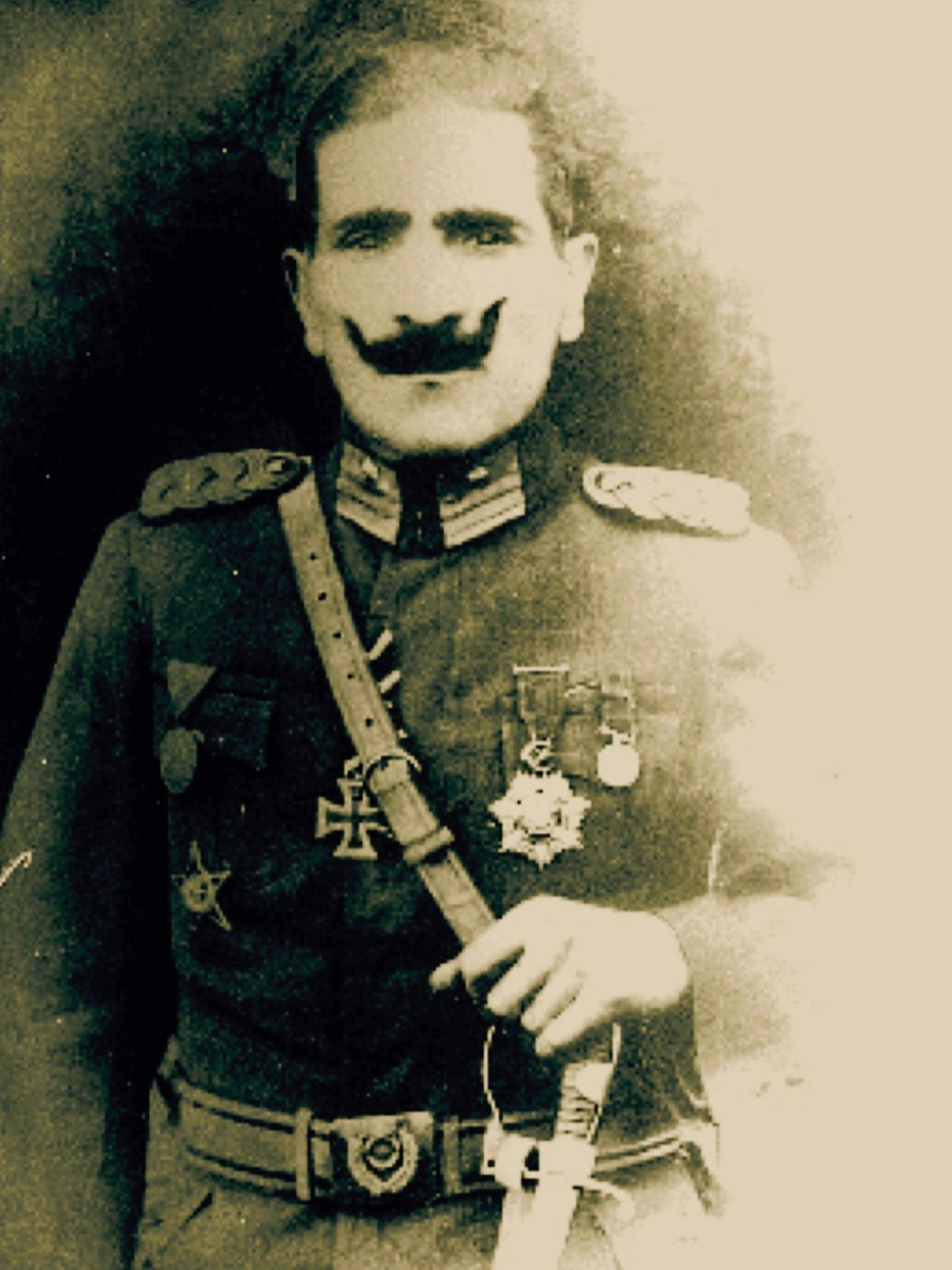
DİL NEWSPAPER (Owner Mecit Hun November 15, 1952)
I SAY THAT Written by: Hamza Mızrak
Matthew has a saying: "If a blind man leads a blind man, both will fall into a pit."
In Iğdır, a few blind people leading each other suddenly fell into a pit. As you all know, we prepared a night on the occasion of the 32nd anniversary of Iğdır's liberation. On the night of November 12, the Aras Cinema hall witnessed hours of excitement. Volunteers gathered in this hall, from our Edirne borders to our southern borders, all the way to Iğdır's borders, were filled with the great love of Turkishness. It was as if the Grey Wolf was once again trying to unite the Turks around a single goal. It was as if Ergenekon was once again present in all its glory. The Turkish Nationalists Association was proud of the sublimity achieved by the night it organized. Each of the Turkish youth had become a Şamil, a Begüm Hanım. I was proud of the share of pride that fell to me as a young man from Iğdır in this success. Alas!
A few colored papers we used to cover the back of empty poles led to our homes being searched. As a result of very serious denunciations and attempts, the homes of myself (Hamza Mızrak), Celal Açıkgöz, Ramiz Özler, and Hamit Dönmez were searched.
The prosecutor's office and law enforcement officials are quite right. We trust their good intentions. In any case, our homes are always open to the law. Do you know what the reason was? Apparently, the papers placed between the poles represented the Azerbaijani flag. Let me immediately answer the accusations as the person responsible for that night:
There were not two, not three, but four colored papers between the two poles. However, the Azerbaijani flag has three colors. Furthermore, the star was five-pointed, not eight-pointed as in the Azerbaijani flag. To see a five-pointed crescent and star floating in our dawns, one must not have the eyes of slanderers. Then, which flag is subjected to so much insult? The flag of the Azerbaijani Turks who stood against the Muscovite hordes on May 28, 1918. The flag that fell victim to Russian atrocities after waving for 23 months, the flag carried at the forefront of those who waged jihad to liberate Iğdır. That flag symbolizes Islamization, Turkification, and modernization.
I cry out. If I had known that flag, I would have said, "Here, my Iğdır brothers, this is the Turkish flag that is now deprived of waving in the skies of Azerbaijan," and shed tears.
In the wars of 1870, the French, who lost Alsace-Lorraine, used to write "Do not forget Alsace-Lorraine" on their children's cradles. We are a nation that rushed to the aid of the French under the most unfavorable conditions. Can't we even be as much as them?
If such a thing happened (I assure you it did not cross our minds), is it a crime to remember Azerbaijan and the national Azerbaijani flag with sorrow?
Why do we carry the Grey Wolf on our chests? Why did Enver Pasha wage jihad in Turkestan? Why did Kemal Atatürk say "a Turkish homeland of forty centuries" for Hatay?
Why did we embrace our Turkish brothers from China, Bulgaria, and Greece who fled atrocities? In an era when Jews are creating a new Israel, why can remembering Azerbaijanis with interest and longing be a cause for accusation for us?
Which Turkish heart does not wish? That instead of a hammer and sickle Azerbaijan in the East, an eight-pointed national Azerbaijani flag waves. For today, Azerbaijan is groaning under the hammer and sickle.
What was your intention with your attempt and accusation? To discredit an association working for national unity? To not accept Azerbaijanis as Turks? Or did you want to make yourselves famous with this action?
At a time when even Eisenhower is working to save the enslaved people behind the Iron Curtain, what is the reason for their disdain for the national Azerbaijani flag, which fought against the Russians for months?
Let us inform you that nothing came out of our homes except books that cried out the voice of Turkishness, heroism, and nationality. We will continue to consider it our most honorable duty to fight against attacks on Turkish culture and currents contrary to nationalism through ideas.
Our main goal will be to work for the youth to grow up as exemplary Turkish nationalists.
We are absolutely certain that God and the Consciousness of Turkishness will help us.
DİL NEWSPAPER (Owner and Author: Mecit Hun November 20, 1952)
DEPUTY CHAIRMAN OF THE TURKISH NATIONALISTS ASSOCIATION IS COMING
According to the news we received, the Deputy Chairman of the Turkish Nationalists Association, Seyhan deputy and Chairman of the Turkish Peasant Party, Prof. Remzi Oğuz Arık, will visit our district in the coming days to inspect the branch activities and meet with the association members.
On this occasion, it is expected that the flag issue, which has been the subject of rumors recently, will also be discussed and examined.
***
Dear Readers! At this stage, I want to provide information about the Turkish Peasant Party, which was the first step of the Idealist movement in Turkey. (Mücahit)
TURKISH PEASANT PARTY
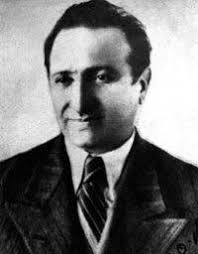
The Turkish Peasant Party was founded on May 19, 1952, by a group that separated from the Democrat Party. Its chairman was Remzi Oğuz Arık. The Liberal Peasant Party also joined this party. The Turkish Peasant Party, which submitted its party charter to the Ministry of Interior on May 16, 1952, was officially established on May 19. At the first meeting, attended by 77 founding members from Adana, Eskişehir, Konya, Kastamonu, Çanakkale, and Istanbul, the party charter and program were discussed and approved. Remzi Oğuz Arık was elected chairman, while the executive board consisted of prominent Turkists such as Ethem Menemencioğlu, Tahsin Demiray, Hakkı Kamil Beşe, Süreyya Endik, Cezmi Türk, Yusuf Ziya Eker, Cemil Kandemir, Asaf İlbay, and Asım Günç.
The Turkish Peasant Party, which did not show much presence in Turkish political life, was unsuccessful in the 1954 elections. After the early elections in October 1957, it merged with Osman Bölükbaşı's Republican Nation Party and changed its name to the Republican Peasant Nation Party in 1958.
DİL NEWSPAPER Owner and Reporter: Mecit Hun
CELAL AÇIKGÖZ'S STATEMENT November 15, 1952
Celal Açıkgöz, High Agricultural Engineer and President of the Iğdır Branch of the Turkish Nationalists Association, who could not be present on the night of November 12 due to being in Kars, made the following statement to us regarding the incident:
“When I opened my eyes in bed this morning, I learned with sorrow that the delegation had come to search my house. I especially advise the senile and inexperienced individuals to act with moderation in matters that are very sublime and do not accept demagoguery.”
Ramiz Özler, whom we approached, merely recited the following poem:
“I am full of fire, do not make me speak, O tyrant,
Tyrant, do not make me speak, what is within me
Do I not know what you have done, do not deny it
Tyrant, do not make me speak, what is within me”
DİL NEWSPAPER Author: MECİT HUN
THE NIGHT ORGANIZED ON THE OCCASION OF NOVEMBER 12
(Dear readers! Mecit Hun, as an impartial and courageous intellectual, presents his opinion on this event in the second paragraph. Mecit Hun states that the action taken was against the law and supports the Turkish Nationalists Association. The fact that a Kurdish intellectual stated that the Turkish Nationalists Association was unfairly persecuted, despite the presence of Hüsnü Bingöl, reflects Mecit Hun's understanding and worldview. Mücahit.)
On the night of November 12, organized by the Turkish Nationalists Association on the occasion of Iğdır's liberation, the matter was referred to the prosecutor's office with the allegation that an independent Azerbaijani flag was made on both sides of the stage.
The nature of the allegation is as follows:
That evening, green and blue crepe papers were pasted on both sides of the stage, above and below the Turkish flag made of paper, to cover the wooden parts or to decorate the stage. This color sequence was likened to the independent Azerbaijani flag by some people, and the matter was reported to our newspaper with a letter. Since this letter of denunciation, written in the nature of an open letter to the Turkish Nationalists Association, was referred to the prosecutor's office before being examined by our newspaper, the letter was seized by the prosecutor's office, and an investigation was initiated. For this reason, some friends' homes were searched, and it was deemed necessary to compare it with the actual form of the Azerbaijani flag.
In our examination, this coincidental resemblance could never represent the Azerbaijani flag. Because while the star on the Azerbaijani flag is eight-pointed, the star on the stage was made five-pointed. Secondly, no malicious intent was observed in the matter. In fact, the display of the independent and national Azerbaijani flag on national days should not be considered a crime in any way.
The sorrow felt by the Iğdır community at the Turkish Nationalists Association being subjected to such an accusation on such a national day of ours is very great. Our acting so mercilessly towards National Azerbaijan, which fell victim to Russian atrocities, is completely incompatible with our national feelings.
We are pleased to learn that the relevant authorities have shown the prudence to act very sensitively on this issue. Public opinion has responded with regret to such actions that are contrary to our national feelings.
REORGANIZATION OF THE REPUBLICAN PEOPLE'S PARTY
In the May 24, 1950 elections, İnönü suffered a great defeat. Everyone, as if fleeing from fire, left the CHP and turned to other parties. İnönü immediately convened the party's 8th Congress. Kasım Gülek took office as general secretary. He continued this duty uninterruptedly between June 29, 1950, and September 28, 1959. Gülek became known as a politician who engaged in politics closely with the people through his intensive country tours and was nicknamed the 'sandaled politician.'
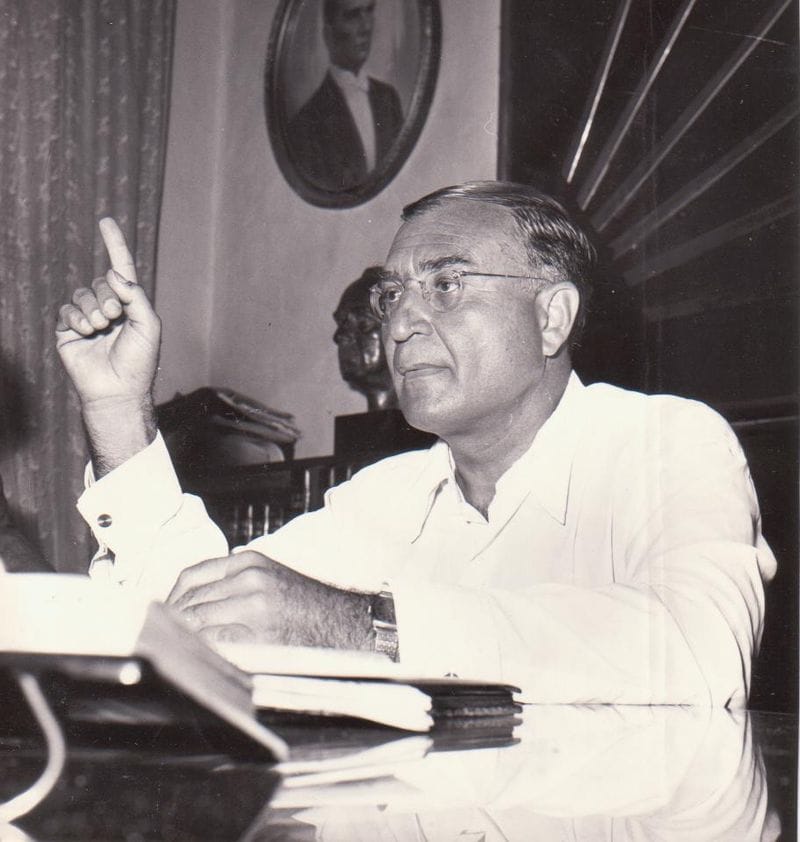
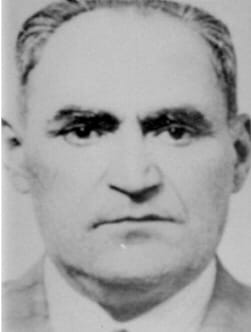
Rıza Yalçın's son, Lawyer Ataman Yalçın, recounts his arrival in Iğdır during his country tour to reorganize the CHP:
“It was sometime in the late 1950s. The DP, which came to power alone, was trying to close down the People's Houses, which it saw as the CHP's stronghold, with the laws it enacted, and at the same time, it was blockading the CHP nationwide. The CHP, which had suffered the biggest defeat in its history, had fallen out of favor and lost its importance.
CHP General Secretary Kasım Gülek hoped to get things back on track with a counter-campaign that he would later summarize as "we put on sandals and hit the road." He was traveling everywhere, trying to reorganize the party. The first person he visited in Iğdır for this purpose was my father.
That summer, I had gone to the Zor plateau with my sister and brother-in-law. On a hot August day, I came down from the plateau to Iğdır. My body was burning with the heat of Iğdır. I was impatient for a cold shower.
Hoping to cool down a bit in the scorching summer heat, I had set up a rustic shower in a secluded corner of our garden, mounting a water tank and a tin funnel on the wall.
I quickly passed through the garden gate and headed towards the shower area. Oh, what did I see? Someone I didn't know at all was taking a shower, completely naked! For a moment, I couldn't help but wonder, "Did I come to the wrong house?" I came to the front of the house and sat on the stairs. Just then, my father entered through the open garden gate. It turned out that this man was Kasım Gülek, the General Secretary of the CHP! He had come to talk about politics with my father!
My father accepted the position of CHP district chairman and rolled up his sleeves to reorganize the party in the Iğdır region. He continued this duty uninterruptedly until 1954, when he was elected as a Member of Parliament from the CHP.”
One of those who took responsibility for the reorganization of the CHP was Bağır Aras. (Mücahit)
KARS Newspaper April 10, 1953
Bağır Aras, one of the well-known merchants of our district, had previously given one of his buildings to İş Bank. This time, he also gave the building adjacent to the same building to the CHP.
KARS Newspaper May 3, 1953
On Sunday, CHP District Administrative Board Chairman Rıza Yalçın, accompanied by Administrative Board Members Bağır Aras and Mehmet Ali Kutlay, visited Hakveyis village and were met with expressions of love and affection by the villagers.
KARS Newspaper August 17, 1953
(…) A very crowded delegation, led by Iğdır CHP District Chairman Rıza Yalçın, met CHP General Secretary Kasım Gülek in Kiti village, and thus, with a convoy of 10 cars, they went to Iğdır at 18:00. Amidst the shouts of "Welcome! Long live!" from hundreds of Iğdır residents, they arrived at the city park. After a period of rest, a banquet for 100 people was given at Bağır Aras's house. This banquet, also attended by DP members, continued in a sincere atmosphere until late at night.
KARS NEWSPAPER January 29, 1953
DP'S SITUATION IN IĞDIR IS BAD
The DP has fallen into a very bad situation here. The number of citizens resigning from this party is increasing day by day. In this context, today, many prominent merchants of Iğdır, such as Hacı Ekber Çöllü, Ali Yardım, Timur Demirci, and many others whose names have not yet been announced, have resigned. Mehmet Gülten has been appointed as the DP Chairman. A delegation from Kars, who came to follow the DP Congress being held in this district, returned after seeing the party in this state and not finding what they expected.
MEHMET GÜLTEN, AS TOLD BY AHMET GÜLTEN
“My elder brother Mehmet Gülten was born in 1920 (1336). The year he started primary school (1928), Arabic letters were replaced by Latin letters throughout Turkey. My brother was a hardworking and successful student. He learned to read and write Latin very well. He did not continue his education after primary school, but he had a successful career as one of Iğdır's first legal representatives, along with Feyzullah İnan. In later years, he opened the "Gülten Book and Stationery" shop. Meanwhile, he entered politics by being on the DP's first founding list. In the 50s, he briefly deputized for Mayor Ali Ural. (Mehmet Gülten served as DP Iğdır District Chairman between January and June 1953. Mücahit) My elder brother Mehmet Gülten passed away in Istanbul in 1990 due to heart disease.”
HISTORICAL CONSEQUENCES OF THE INVESTIGATION INTO THE TURKISH NATIONALIST ASSOCIATION (Mücahit)
Dear readers! I kindly ask readers who have not had the opportunity to read the Hüsnü Bingöl article series to either purchase the book or visit the link (http://hunacademy.com/). In that article series, I extensively explained that during World War II, there was sometimes a veiled, but after the German defeat became certain, an open, deadly struggle between the Misak-ı Milliciler (National Pact supporters) (İsmet İnönü and Hüsnü Bingöl) and the Turanists in the country. Hüsnü Bingöl found the idea of Turanism or Turkism so dangerous that he was extremely disturbed by the use of the Azerbaijani Flag or its colors as decoration during the organized event. Two important events emerged from Hüsnü Bingöl's behavior: The Idealists, the O-Taylıs, and the Turanists took action to get rid of Hüsnü Bingöl. A year later, an investigation was launched against Hüsnü Bingöl. The reason was that while MAH (National Intelligence Organization) executives were required to wear civilian clothes, Hüsnü Bingöl went to the market in his Major's uniform. The great Hüsnü Bingöl took it as a matter of pride to be interrogated by the prosecutor's office like an ordinary citizen. He was very upset. In 1954, he suffered a heart attack. He retired. He passed away in 1955. My readers should know that Hüsnü Bingöl, along with İnönü, remained committed to the Misak-ı Milli view continued by Mustafa Kemal and resolutely maintained it. As I wrote before, Mustafa Kemal had no close connection with Turanism and Turkism, and when necessary, he openly expelled important figures like Mehmet Emin Resulzade from the country (1931). Mehmet Emin Resulzade, who had contacted the Nazis for a while, came to Turkey in 1947 at the invitation of DP deputies after the 1946 elections and founded the "Azerbaijan Cultural Association" in 1949. He passed away in Ankara on March 6, 1955. The investigation into the Turkish Nationalist Association is a turning point in the ongoing struggle between the Misak-ı Milliciler and the Turanists in Turkey, in a sense, shifting increasingly in favor of the Turanists. The Misak-ı Milli principle, to which Mustafa Kemal, İsmet İnönü, and Hüsnü Bingöl were strictly committed, was now wounded, and the void was filled by Islamists and Turanists.
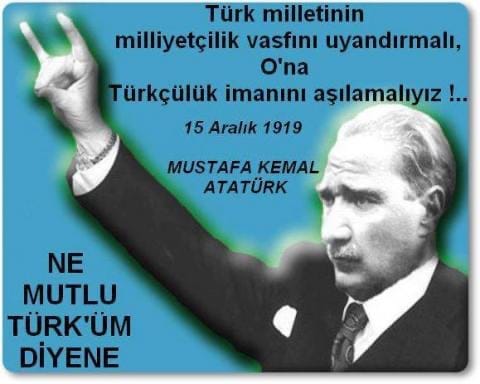
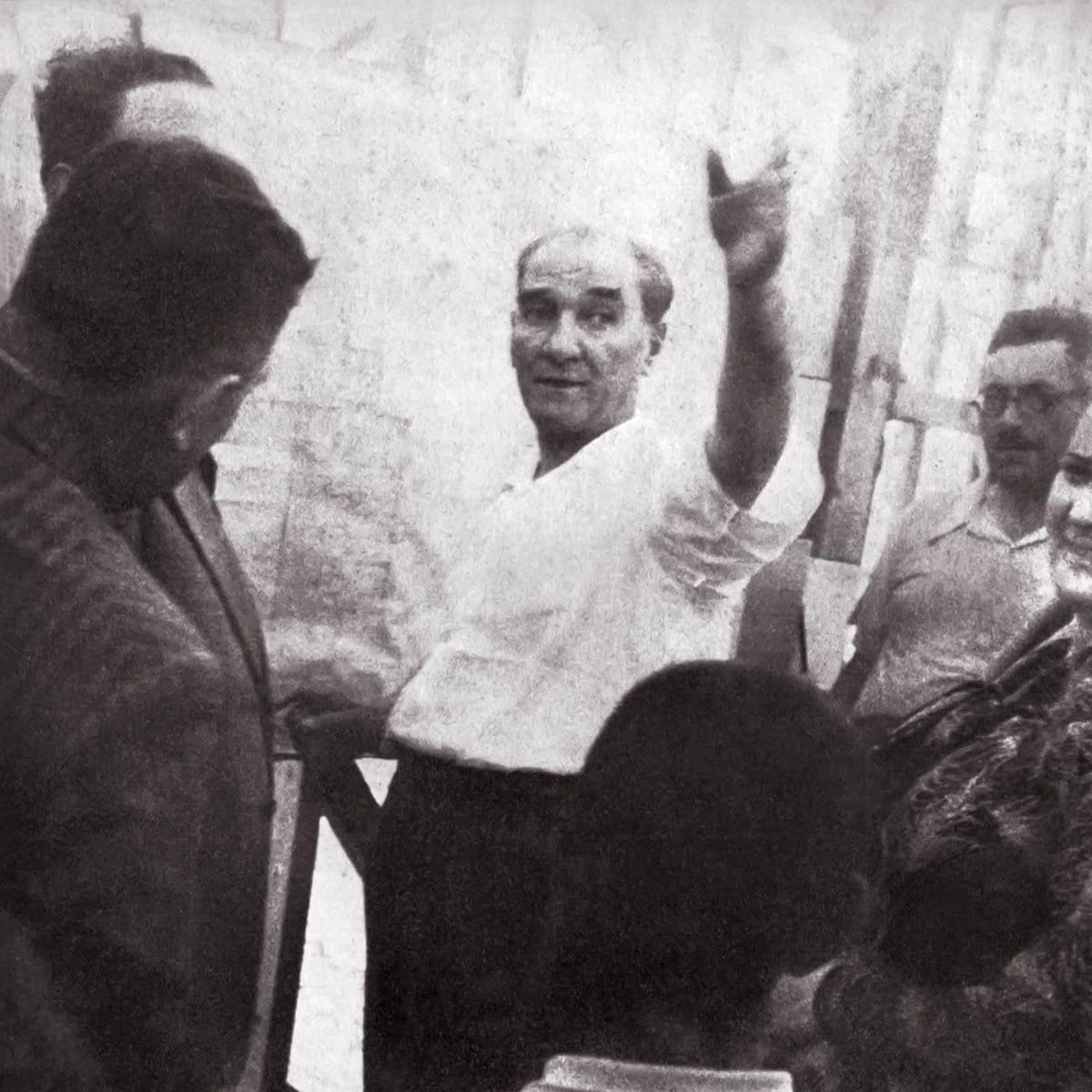
Today, some political parties distort facts by depicting Mustafa Kemal with the Grey Wolf emblem. These images have no connection with true Kemalist thought. Mustafa Kemal never posed with a Grey Wolf or hung a Grey Wolf picture in his room. Also, another photomontage shows Mustafa Kemal making the Grey Wolf sign. We know that a Kemalist Right organization, hiding behind Atatürk's name, is rapidly developing in Turkey and is presented as the only alternative solution to political governance. Six principles were adopted in the CHP founded by Atatürk: Republicanism, Populism, Nationalism, Secularism, Statism, and Revolutionism. Mustafa Kemal did not feel the need to add a principle such as Turkism or Turanism.
Did you know that the three crescent symbol, used as the MHP's party emblem, was accepted at a meeting with the suggestion of an Armenian? Levon Panos Dabağyan was born in Fatih in 1933. He was a Turkish Armenian researcher-writer. He was the first Armenian to write a book about Alparslan Türkeş and the Nationalist Movement Party. Dabağyan passed away in Istanbul on May 7, 2017.
TO BE CONTINUED