American General Harbord and the Silence of the Sürmeli Plain (1919)
This article explores General James G. Harbord's 1919 mission to Anatolia and the Caucasus, focusing on his encounter with Mustafa Kemal Pasha and his observations of the Sürmeli Plain, revealing a complex human tragedy amidst post-war political turmoil.

The year 1919 was not only one of defeat for the Ottoman Empire but also a year when borders, memories, and neighborly relations were shattered in Eastern Anatolia and the Caucasus. The war seemed to be over; however, the anger, hunger, migration, vengeance, and distrust left behind by the war had not yet ended. The maps being drawn in the halls of the Paris Peace Conference struggled to comprehend the human reality on the ground. The Armenian question, the future of the territories remaining from the Ottoman Empire, the new republics emerging in the Caucasus, the possibility of an American mandate, and the true state of relations between Turks, Armenians, Kurds, and Azerbaijani Turks had become impossible to understand from behind a desk.
It was at this breaking point that the American military mission, led by General James G. Harbord, was sent to the region. This was not a courtesy visit. Washington wanted the land to speak, not just the files. General Harbord’s mission was to examine on-site the political, military, geographical, administrative, economic, and social conditions America would face if it were to assume potential responsibility in the region. In other words, General Harbord set out not only to see the situation in Armenia but also to understand whether America could undertake a mandate, and how much military personnel, money, administrative capacity, and time such a responsibility would require.
General Harbord was no ordinary officer. He had served in the high command of the American expeditionary forces during World War I; he was a disciplined individual, attentive to detail, and capable of combining military observation with administrative assessment. America was looking for not only a brave soldier but also a man of cool judgment to understand a complex geography like the Near East. General Harbord was chosen for this reason.
The composition of the delegation also indicated the gravity of the mission. It included generals, staff officers, engineers, doctors, cartographers, economic experts, transportation experts, lawyers, interpreters, and clerks. Because the issue was not merely a matter of security. This was an inventory of all the wreckage that emerged after the collapse of an empire.
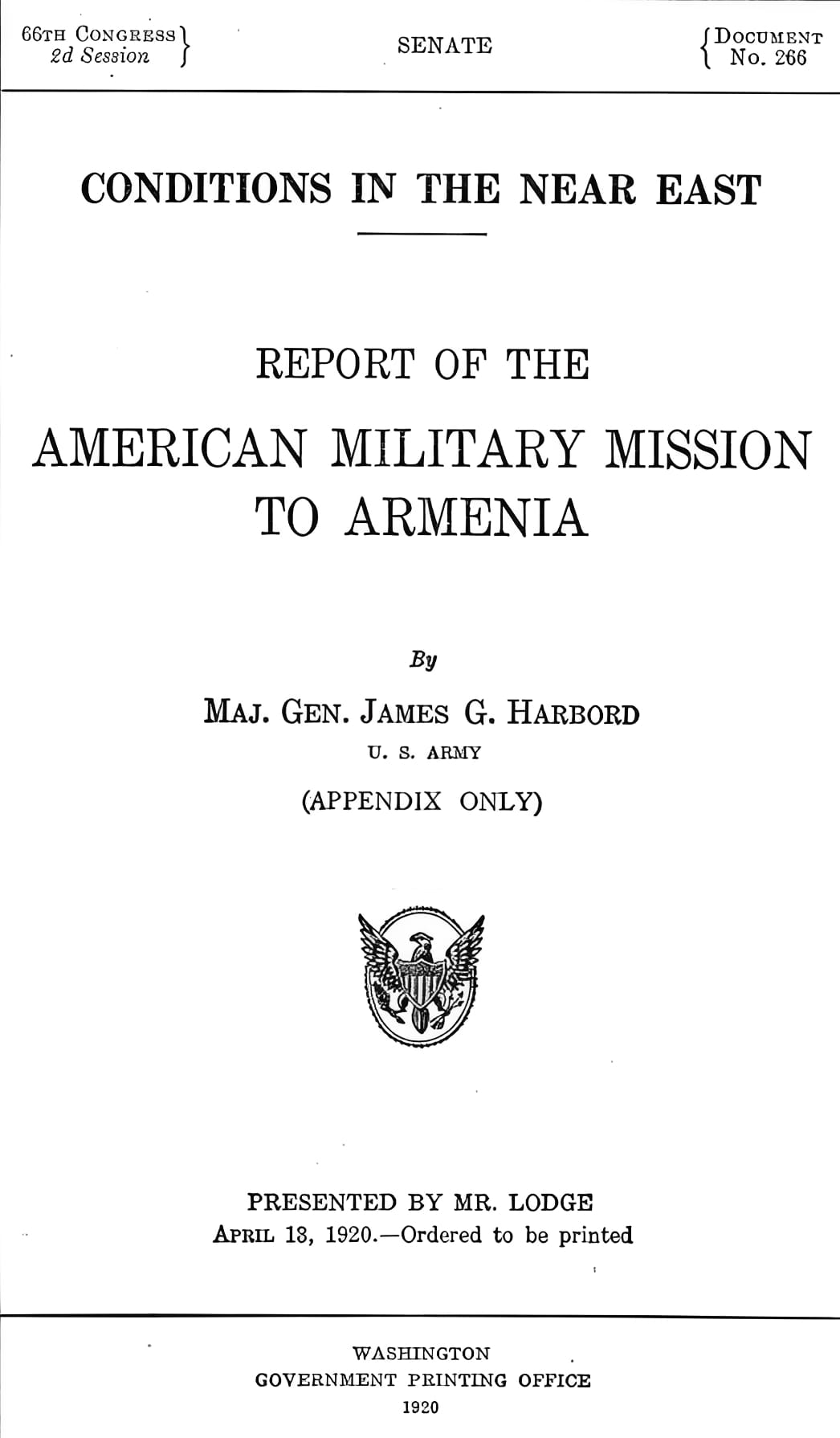
The official name of the report prepared by General Harbord was "Conditions in the Near East: Report of the American Military Mission to Armenia". The report was prepared and submitted by Major General James G. Harbord on October 16, 1919, aboard the U.S.S. Martha Washington. It was later printed by the Government Printing Office in Washington in 1920 and presented to the U.S. Senate on April 13, 1920. Thus, General Harbord's journey did not remain merely a military observation trip; it became one of the important documents of American foreign policy, the Armenian question, the Turkish War of Independence, and the history of the Caucasus.
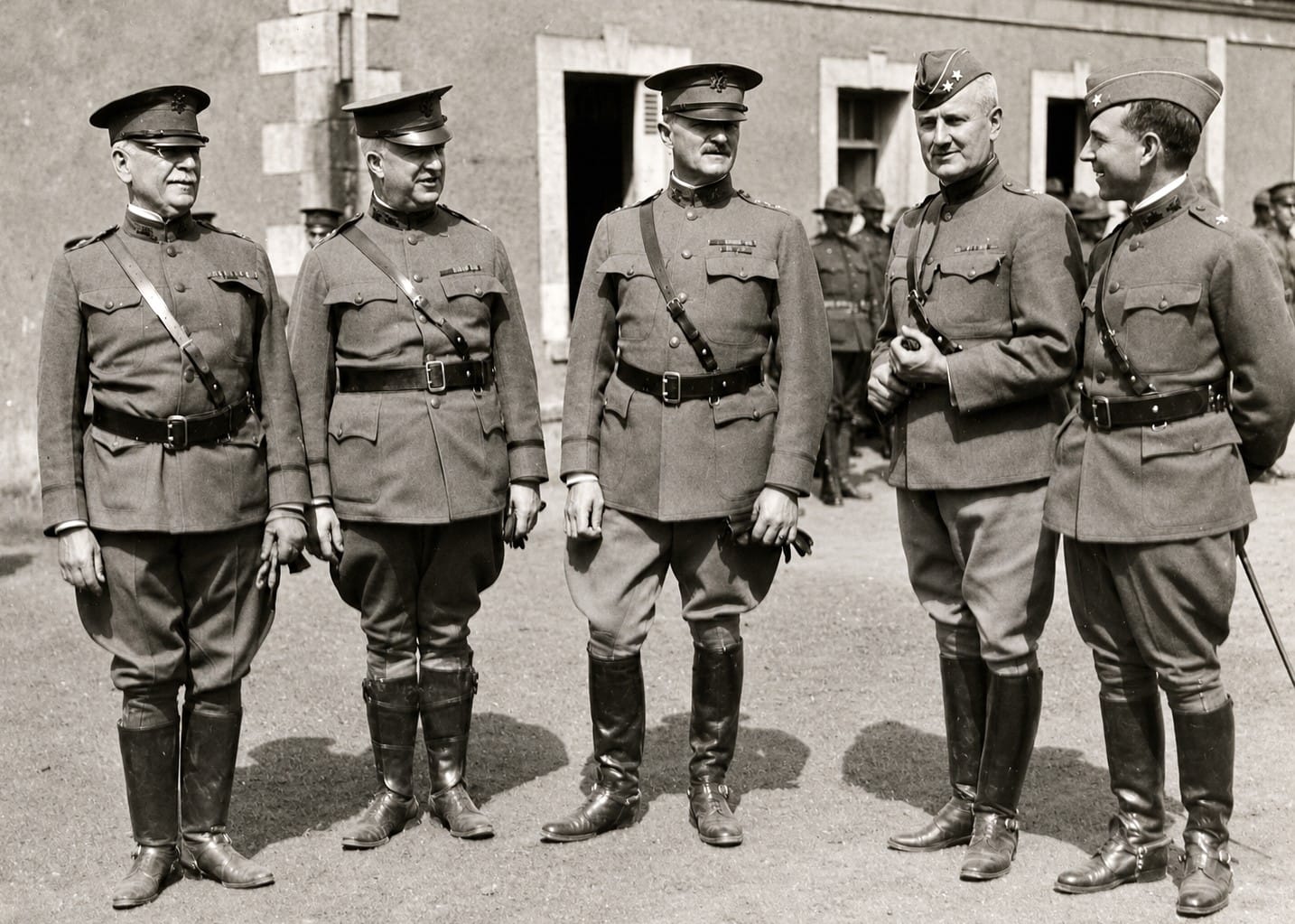
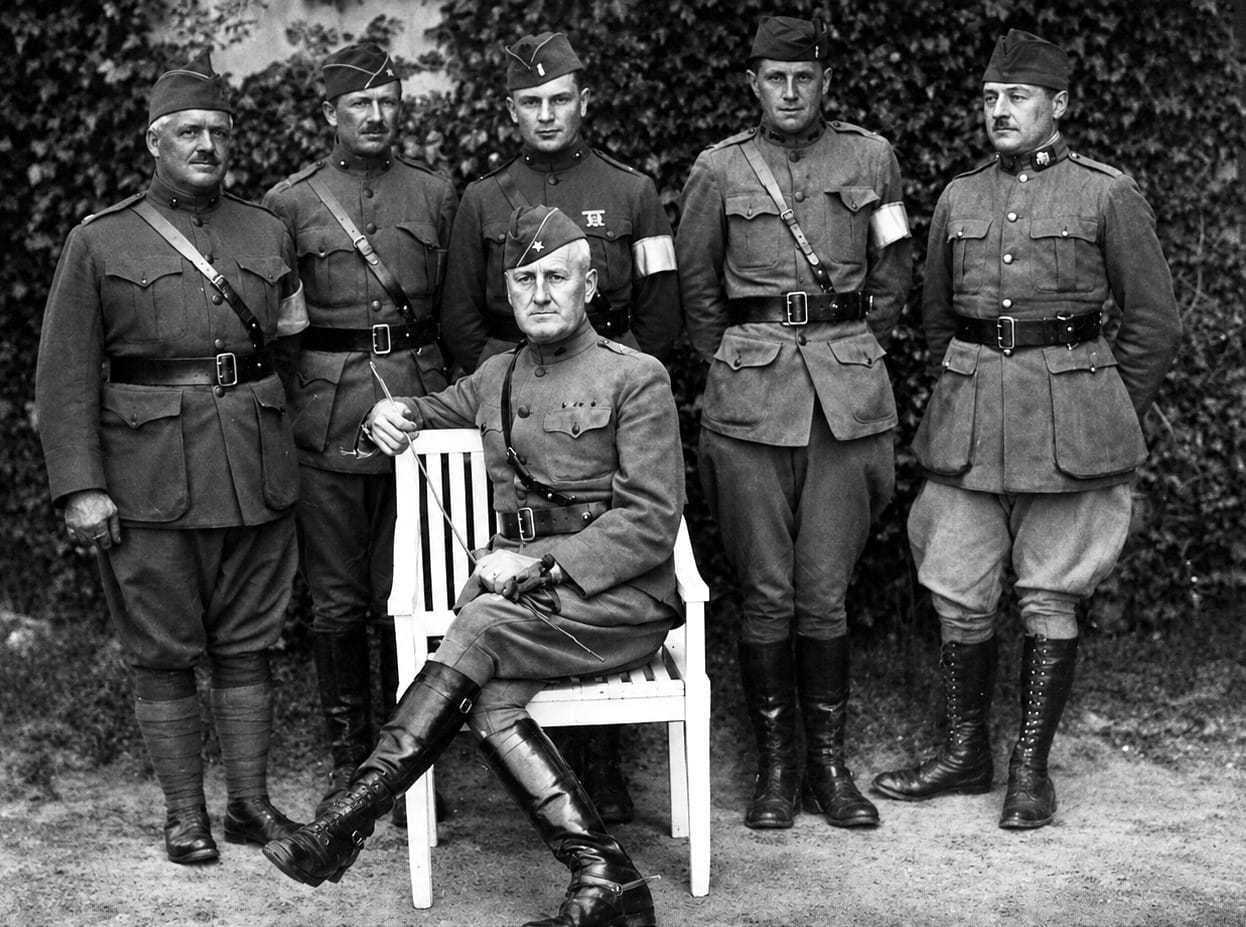
General Harbord's delegation first reached Istanbul by sea. The city still appeared to be an imperial capital; however, its harbors held foreign warships, and the silence of defeat echoed through government offices. They then proceeded to Adana via the Baghdad Railway. Tarsus, Ayas, and Mersin were visited. Afterwards, the route through Aleppo, Mardin, Diyarbakır, Harput, Malatya, Sivas, Erzincan, and Erzurum was followed. This itinerary was not accidental. General Harbord was tracing the veins of collapse.
Harbord's Stop in Sivas: Historic Meeting with Mustafa Kemal Pasha
On General Harbord's journey to Yerevan, Sivas was not an ordinary transit point. When the delegation arrived in Sivas, Anatolia was no longer merely the interior region of a defeated empire, but had become one of the political centers of the Turkish War of Independence. The Erzurum Congress had been held, followed by the Sivas Congress, and a new national will had emerged under the umbrella of the Society for the Defense of the Rights of Anatolia and Rumelia. Therefore, General Harbord's arrival in Sivas should be seen not only as a stop for an American military delegation on its Anatolian route but also as one of the first significant contacts between the Turkish War of Independence and America.
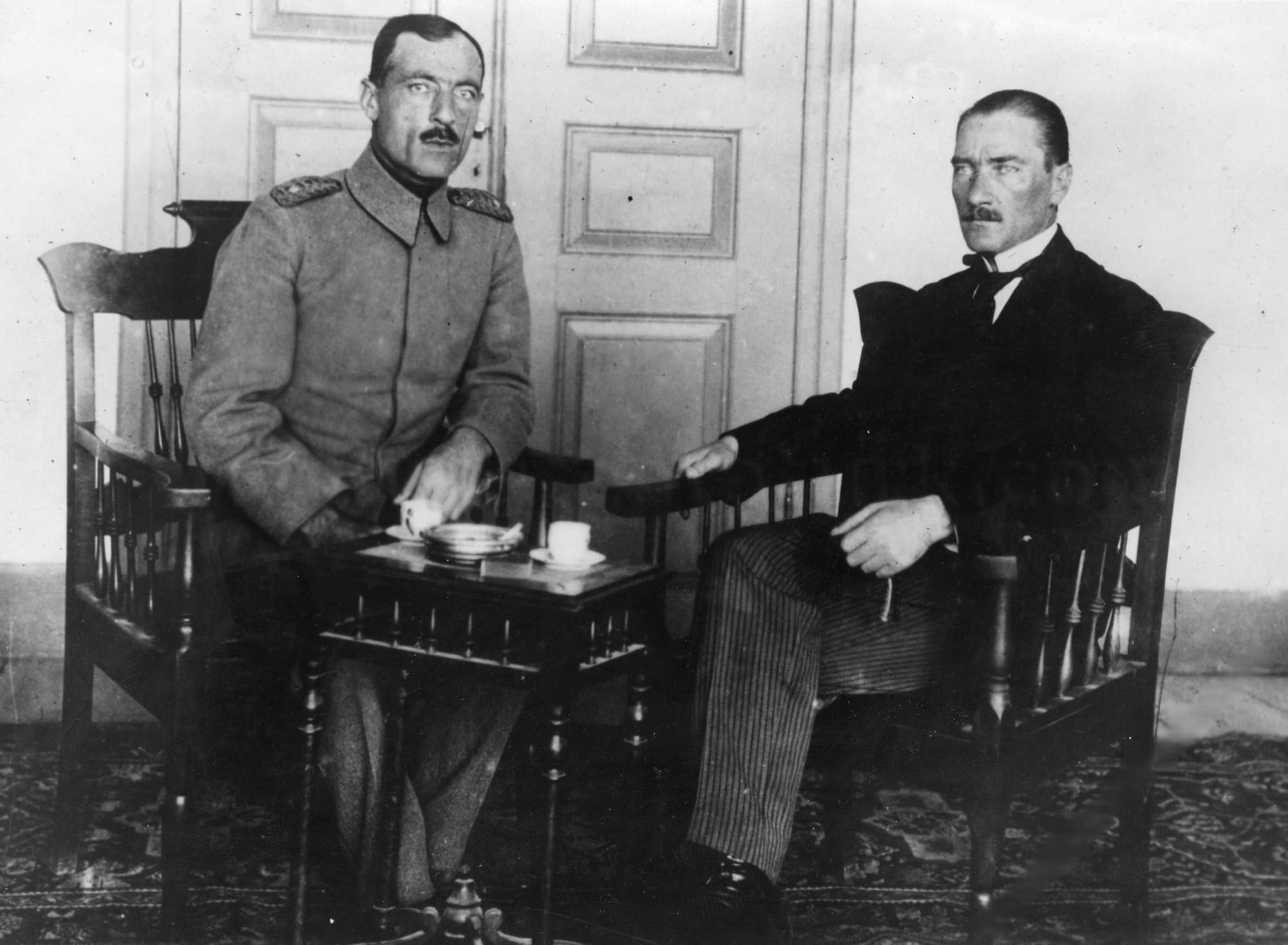
In Sivas, the Harbord Delegation was no longer facing official representatives of the Istanbul Government, but Mustafa Kemal Pasha and the Representative Committee, who had effectively established a new political center in Anatolia. This situation is extremely important. Because General Harbord had set out to examine the Armenian question, the possibility of an American mandate, and the political balances in the Caucasus; but in Sivas, he encountered a new movement that resisted the fragmentation of Anatolia and derived its legitimacy directly from the will of the nation.
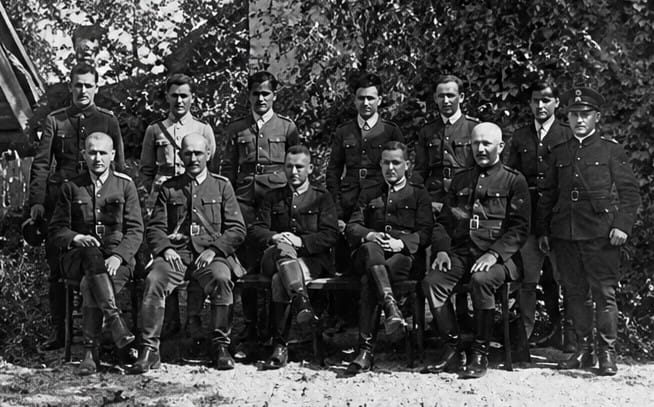
Mustafa Kemal Pasha specifically mentions this meeting in his Nutuk (The Great Speech). He states that the Harbord Delegation came to Sivas, that he had a long meeting with General Harbord, and that he explained in detail the purpose of the National Struggle, why the national organization was established, and the reasons behind the resistance in Anatolia. These explanations were not merely verbal defenses; Mustafa Kemal Pasha confronted General Harbord with documents, political justifications, and historical reasoning.
One of the most striking aspects of the meeting was General Harbord's question about the probability of success of the National Struggle. General Harbord asked Mustafa Kemal Pasha what would happen if, after the nation made all sacrifices, success still could not be achieved. Mustafa Kemal Pasha's answer summarized the spirit of the National Struggle: A nation achieves success after making every conceivable effort and sacrifice to save its existence and independence; to say "what if it fails" means to accept that the nation is dead. As long as the nation lives and maintains its will to sacrifice, failure cannot be an issue.
This answer is important for understanding the political will General Harbord encountered in Anatolia. Because in General Harbord's report, Mustafa Kemal Pasha is described as a young military leader who had achieved success at Gallipoli, and possessed a strong and sharp intellect. The report records that meetings were held with the leaders of the National Struggle in Sivas and that this movement was shaped by the Erzurum and Sivas congresses. Thus, as General Harbord proceeded to Yerevan, he directly observed not only the Armenian question but also the rising Turkish national movement in Anatolia.
It is clear that this meeting influenced General Harbord's overall assessments. General Harbord, while traveling to Eastern Anatolia and the Caucasus, also wanted to investigate claims of new attacks, mass acts of revenge, and the concentration of the Turkish army along the border. However, the scene he witnessed while passing through the interior of Anatolia showed that many opinions formed at desks did not align with the reality on the ground. His meeting with Mustafa Kemal Pasha in Sivas was a decisive contact in this regard. General Harbord now saw before him not a scattered, leaderless, and merely reactive movement, but an organized national movement that had held congresses, made decisions, formulated its political goals, and was trying to explain itself to the outside world.
Therefore, General Harbord's stop in Sivas is not merely a geographical link in his journey to Yerevan. Sivas is the place that changed the framework of the Anatolian question in General Harbord's mind. The National Struggle, which was presented as a "public order problem" when viewed from Istanbul, appeared before General Harbord in Sivas as a popular movement with a political program. The Armenian question, the mandate debate, and the future of Eastern Anatolia would now be evaluated not solely through Armenian demands or the plans of the Paris Peace Conference, but by taking into account the existence of the national will in Anatolia.
This point is also important for understanding the journey extending to the Sürmeli Plain and the Iğdır line. After meeting Mustafa Kemal Pasha in Sivas, General Harbord proceeded towards Erzincan, Erzurum, Kars, and from there to Yerevan. So, by the time he reached the Sürmeli region, he was an observer who had already heard the claims of the national movement in Anatolia, recorded Mustafa Kemal Pasha's theses, and realized that the Eastern question could not be understood solely through one-sided narratives. Therefore, General Harbord's passage through the Iğdır/Sürmeli line is not merely a route followed by the American delegation to reach Yerevan; it is the extension of the great political reasoning that began in Sivas to the Eastern borders.
In this respect, General Harbord's path to Yerevan is not merely a road passing through Harput, Malatya, Sivas, Erzurum, and Kars; it is also a historical path where Anatolia's will to defend its own destiny came face to face with the American observation delegation.
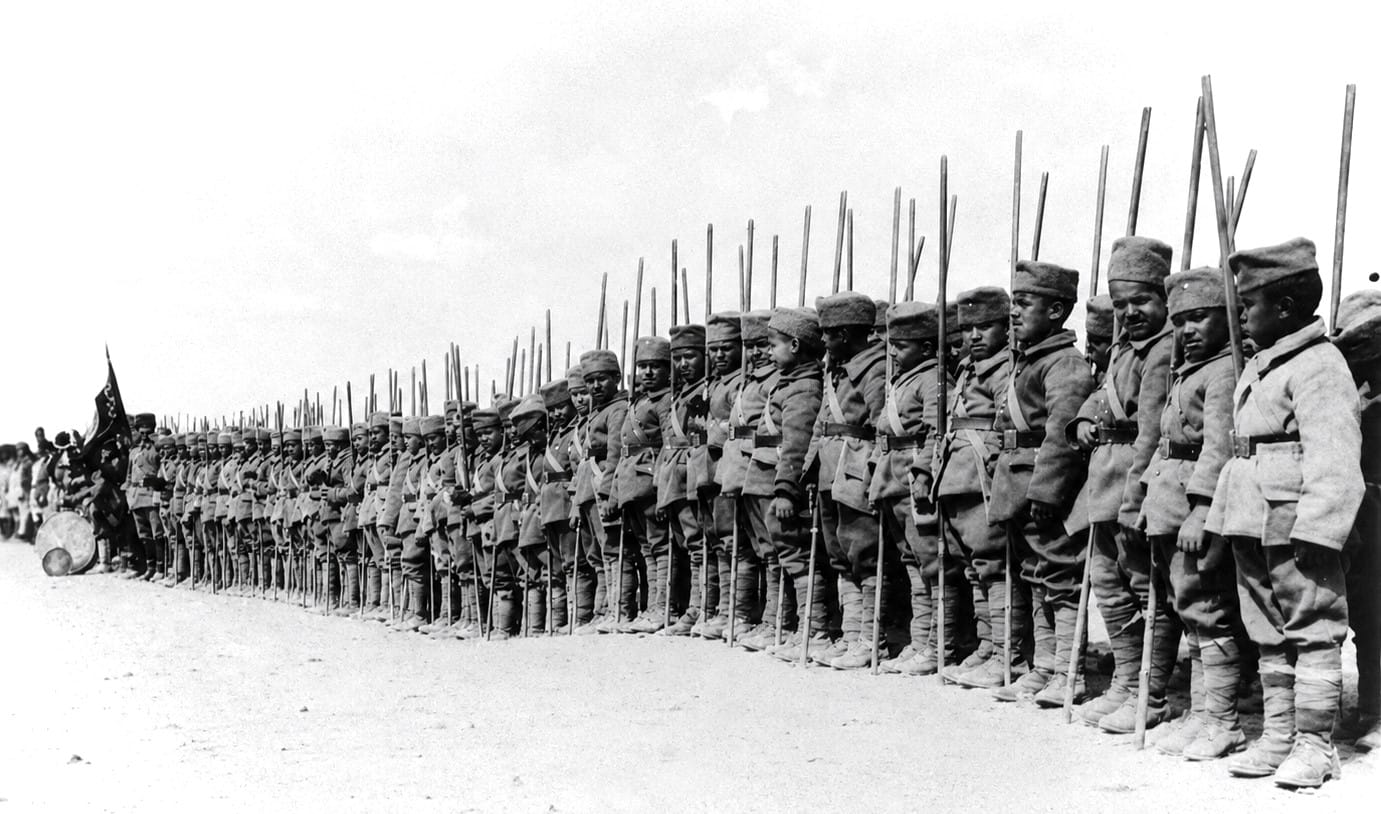
After Erzurum, the journey entered a more critical phase. Because now they would pass not only through Ottoman provinces but also through border regions directly shattered by the war. General Harbord's Delegation arrived at the Horasan line on September 25, 1919. Here, a part of the delegation split off to conduct investigations in the direction of Bayezid. The main delegation proceeded towards Kars and the Republic of Armenia.
On September 27, 1919, General Harbord's Delegation reached Kars. Kars stood out with its stone buildings, barracks, regular roads, and military presence remaining from Russian administration. But no matter how solid the city appeared, its political future was uncertain. General Harbord did not just see a city here; he saw the traces of Russian administration, the new quest for dominance by the Republic of Armenia, and the military fragility of the region all at once. In Kars, there were ceremonies, welcomes, official contacts, and activities of American aid organizations. But behind this official facade lay poverty, migration, hunger, and fear.
On the evening of the same day, General Harbord's Delegation left Kars and headed towards Kağızman. The road was not easy. Rain, bad roads, mechanical breakdowns, and security concerns made the journey difficult. The delegation reached Kağızman towards midnight. This point is important. Because after Kağızman, General Harbord would enter directly into the Aras line, that is, the region opening up to the Sürmeli geography.
On the morning of September 28, 1919, General Harbord's Delegation departed from Kağızman and moved towards Yerevan via Kulp. Kulp here is today's Tuzluca. Therefore, General Harbord's entry into the Tuzluca line was on the morning of September 28, 1919. This date is not just a route detail. Because after Tuzluca, the road opens up to the Aras basin and the Sürmeli Plain, that is, the Iğdır region.
General Harbord's arrival in Iğdır should be understood not in the sense of being officially welcomed in the city center, but in the sense of actually entering the Sürmeli/Iğdır geography. The historical route clearly shows this: General Harbord's Delegation reached Kars on September 27, 1919, Kağızman on the same night, the Kulp/Tuzluca line on the morning of September 28, 1919; and passing through the Sürmeli and Iğdır region between September 28 and September 29, arrived in Echmiadzin on September 29, 1919, and Yerevan on the same day.
This phase is the most important and least understood part of General Harbord's journey.
Because the Sürmeli Plain before General Harbord was not an ordinary agricultural region. This was a historical transit area connecting the two banks of the Aras River, Kars, Kağızman, Nakhchivan, Bayezid, and Iranian Azerbaijan. On the map, it looked like a plain; but in reality, it was a fault line. Throughout history, armies had passed through here, villages had changed hands, roads had been cut, and people had become afraid of each other.
In those years, Iğdır was within the borders of the Republic of Armenia, established on May 28, 1918. When General Harbord left Ottoman territory behind and entered the domain of the Republic of Armenia, he was not only advancing towards Yerevan; he was also passing through the traces of the great catastrophe that Iğdır, Sürmeli, and the Aras region had recently experienced.
The great catastrophe that occurred in the Iğdır region in August 1919, known as Kaça-Kaç in local memory, is at the center of this scene. My field research and the documents I have accessed show that in August 1919, armed and organized elements of the Dashnak-led Republic of Armenia initiated a severe process of violence and massacre against the Muslim population settled in the plain, particularly Azerbaijani Turks and Sunni Kurds. This process was not merely a military conflict; it was a great wave of forced migration that led to the emptying of villages, the fragmentation of families, and the disintegration of the social fabric.
The directions of this catastrophe were also shaped by faith and geography. Azerbaijani Turks, due to their Shiite identity and historical ties, headed towards Western Azerbaijan, which they saw as close to them, i.e., the Iranian side. Sunni Kurds, on the other hand, took refuge in Ottoman territories, which they considered closer. Behind them remained Kurdish and Azerbaijani Turkish militia forces who had retreated to the mountains from the plain, entrenched themselves, and continued their resistance.
Therefore, when General Harbord passed through the Sürmeli line in the last days of September 1919, there was no Muslim population before him. In the Iğdır city center or on the plain, there was no established Muslim gentry to welcome General Harbord, hold ceremonies, or host the delegation. The Muslim population had either retreated to Iran, to the Ottoman side, or to the mountainous regions. What was visible on the plain was not the ordinary flow of life, but a silence that had settled after recent catastrophes.
This point is extremely important historically. In some local heroic texts in later years, it is claimed that when General Harbord came to Iğdır, he was met by some prominent Muslims who explained the situation of the region to him. This narrative does not align with historical conditions. After leaving Tuzluca, General Harbord proceeded directly to Yerevan via Iğdır without losing time. On the contrary, the route and the course of events indicate that General Harbord and his delegation were met by the authorities and military elements of the Republic of Armenia.
To be clearer: General Harbord did not have the opportunity to meet with local Muslim notables in the Iğdır region.
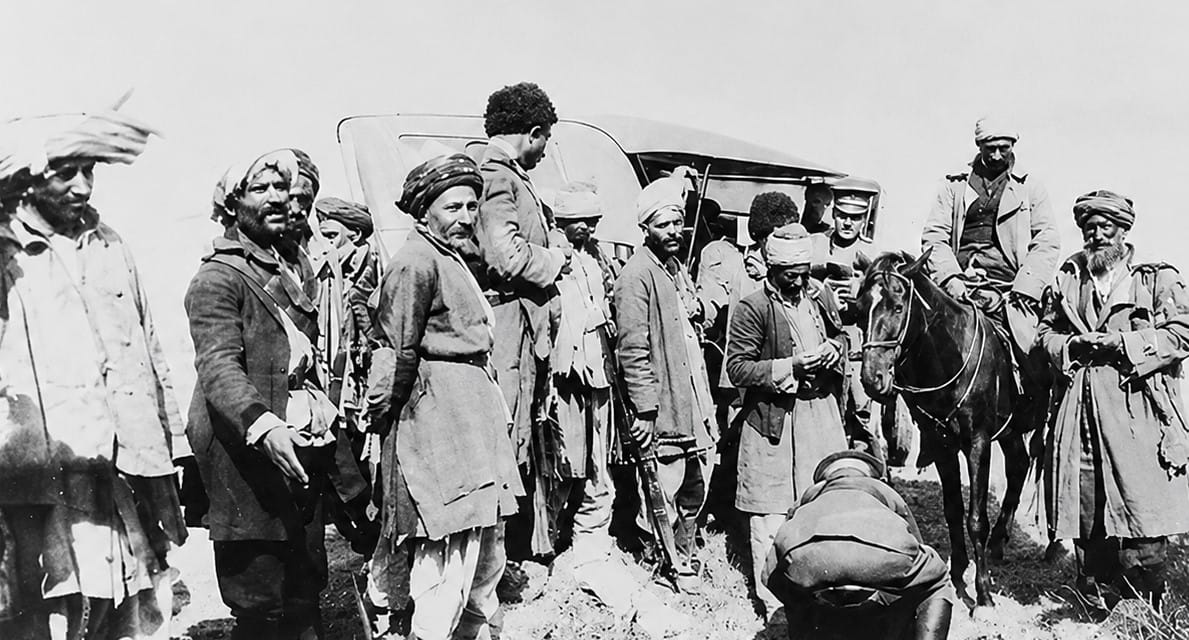
The security vacuum in the region is clearly felt in General Harbord's report. While the delegation traveling on the Ottoman side did not encounter serious obstacles, it was observed that in the regions that had emerged from Russian administration, life and property security had ceased to exist in many places. The fact that the delegation came under fire in some places, that cars were hit by bullets, and that some members were detained by armed Muslim groups is also a sign of this collapse. These Muslim groups claimed that they had been driven from their villages by Armenians. This statement shows that the rupture in the Sürmeli and Aras basin cannot be understood solely through one side's narrative.
This is where the silence of the Sürmeli Plain begins.
This silence is not the silence of an empty geography. This is the silence of a plain whose villages were burned, families scattered, people fled, and mountains filled with militias just a few months ago. Yesterday, refugee convoys passed through the paths where herds once roamed. Today, only the wind wandered through the squares where threshing floors once stood. Yesterday, open doors were closed today not from within, but from absence.
General Harbord entered the Aras valley not as a conqueror, but as a witness to a collapsed world. What General Harbord saw was not just the Armenian question. Before General Harbord was the entire shattered soul of post-war Caucasus.
On September 29, 1919, General Harbord's Delegation reached Echmiadzin. He was received by Catholicos Kevork V in Echmiadzin, the historical center of the Armenian Church. On the same day, they proceeded to Yerevan. At the entrance to Yerevan, there was a different scene: Armenian administrators, orphans, students, official functionaries, and crowds welcomed General Harbord. This welcome took place in Yerevan, not Iğdır.
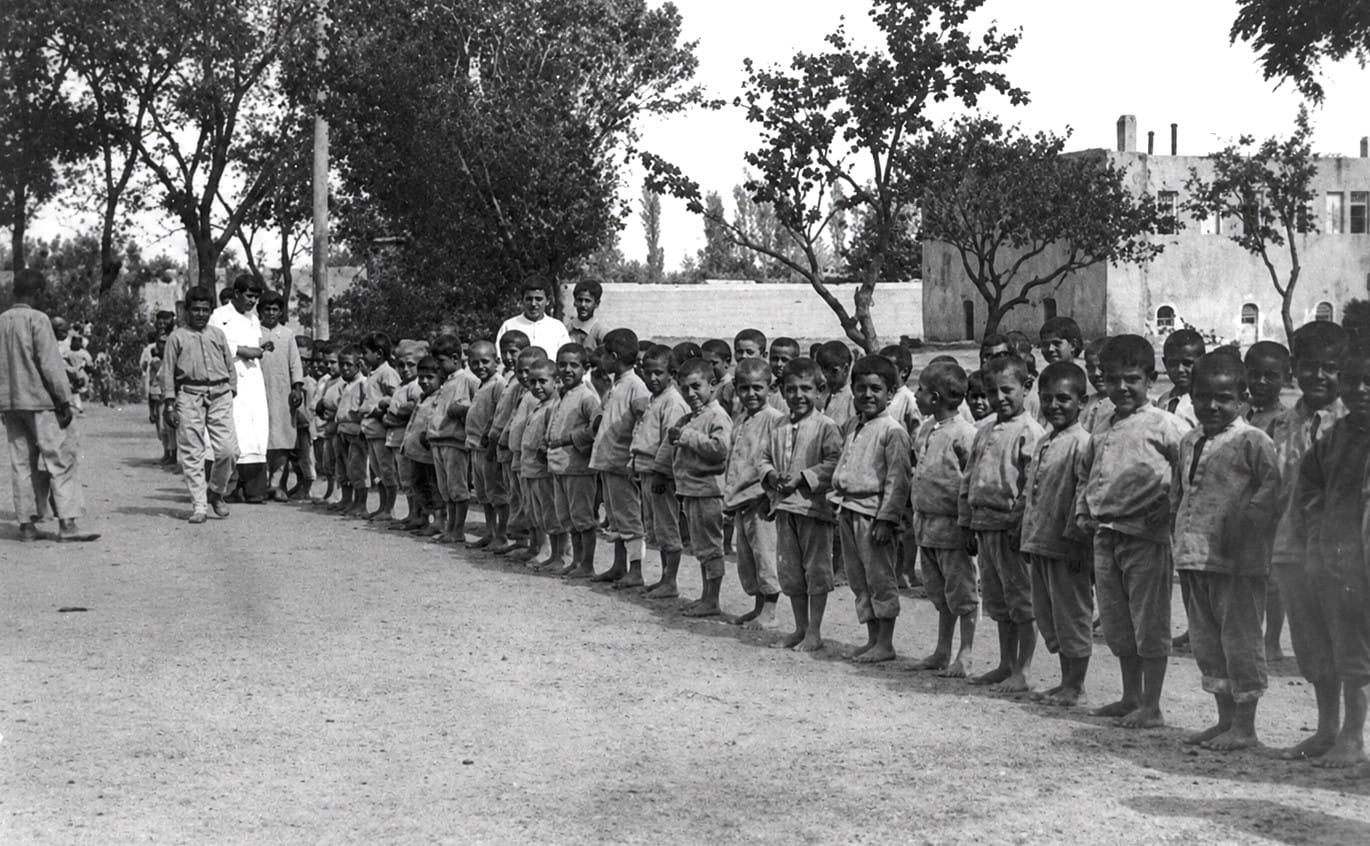
In Yerevan, General Harbord was presented with demands for security, aid, recognition, and a mandate. The newly established Republic of Armenia was grappling with hunger, masses of refugees, epidemics, economic collapse, and border tensions. However, General Harbord was measuring not only the demands but also the state's capacity. Armenian leaders expected aid and protection from America; General Harbord, on the other hand, was calculating how much military personnel, money, administrative responsibility, and time this protection would require.
The historical value of General Harbord's Report emerges here. This report is not a monophonic propaganda text. It describes the great catastrophe suffered by the Armenian people in grave and striking terms. But at the same time, it also records that Muslim peoples were killed, displaced, their villages burned, that Kurds appealed to the delegation for protection from Armenians, and that mutual massacres occurred between Azerbaijani Turks and Armenians.
General Harbord's conclusion is clear: there are no easy solutions in this geography.
Borders drawn from outside will not be enough to resolve the intertwined lives within. Villages are mixed. Markets are shared. Rivers are common. Mountain roads have been used together. Sufferings are not one-sided. General Harbord clearly saw that the Armenian question could not be resolved solely within the borders of Armenia. According to General Harbord, there was a question that needed to be answered: What would Turkey and Russia do?
Today, re-reading General Harbord's journey from Kars to Kağızman, from Kağızman to Tuzluca, from Tuzluca to the Iğdır/Sürmeli line, and from there to Yerevan, does not only mean remembering the route of an American general. It also means purifying local memory from heroism and fabricated heroic stories produced later.
The lines of General Harbord's Report describe Armenia, Anatolia, the Caucasus, and the debate over an American mandate. But the silence of the Sürmeli Plain whispers another truth between the lines of that report: in these lands, the issue was not just land. It was a human tragedy, where humanity remained on the land, with its soul and self shattered.
Who was General James G. Harbord?
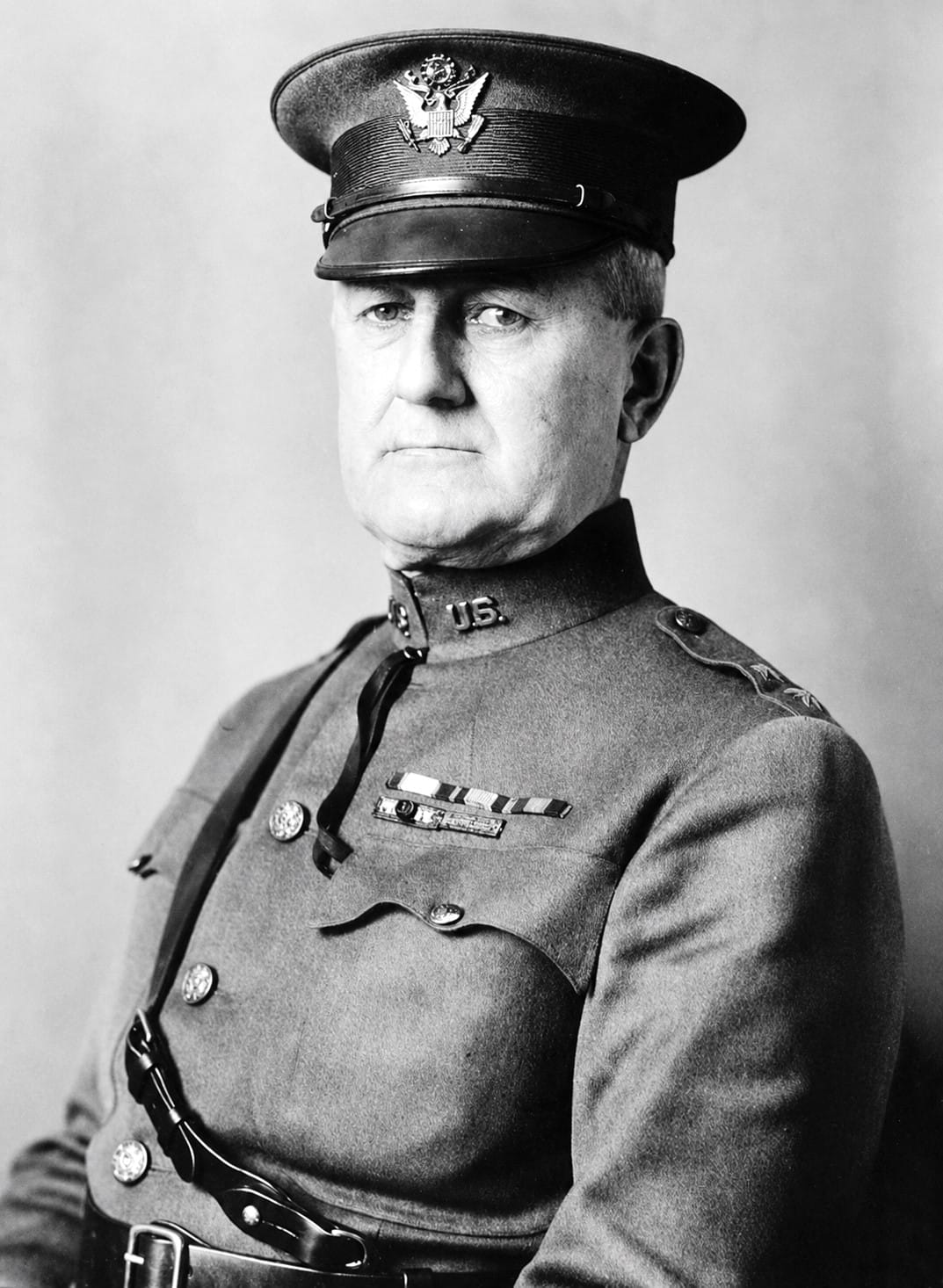
James G. Harbord was born on March 21, 1866, in Illinois, United States. He rose from a modest life. He first worked as a teacher, then joined the American army as an enlisted man. His rise to officer rank through his own efforts was the first major characteristic that defined him.
He was trained in the cavalry. He gained experience in the Spanish–American War, the Philippines campaign, and duties on the Mexican border. He quickly rose through the ranks thanks to his discipline, organizational skills, and composure.
During World War I, Harbord's star shone. He was appointed Chief of Staff of the American Expeditionary Forces in Europe by John J. Pershing. He played a decisive role in the colossal organizational task of moving, supplying, and deploying millions of soldiers to the front in France. He later commanded brigades and divisions at the front. His name came to prominence particularly during the battles of Belleau Wood and Soissons.
After the war, he was seen not only as a soldier but also as a diplomat. His dispatch to the Near East in 1919 was a result of this. Harbord prepared his famous report by examining a wide region from Armenia to Anatolia, from the Caucasus to Palestine. This report became one of the documents frequently referred to in post-war Eastern policy for a long time.
After leaving the army in 1922, he transitioned to civilian life. In America's new age of technology, he became the head of RCA, a company operating in the field of radio and communications. Thus, a general trained on the battlefields transformed into one of the executives of the modern communication era.
He died on August 20, 1947, near New York. He was buried in Arlington National Cemetery. Harbord's life is an example of how a soldier can be effective not only on the battlefield but also at the diplomatic table and in the establishment of the modern world. He was a representative of a generation that completed a career that began with a rifle with reports, strategy, and institution building.