A Young Man from Iğdır in the USA: Ömer Paçal
This article introduces Ömer Paçal, a PhD candidate from Iğdır studying the state's market-driven hegemony in Eastern Anatolia between 1970 and 1990, and calls for contributions to his research.
Dear Readers,
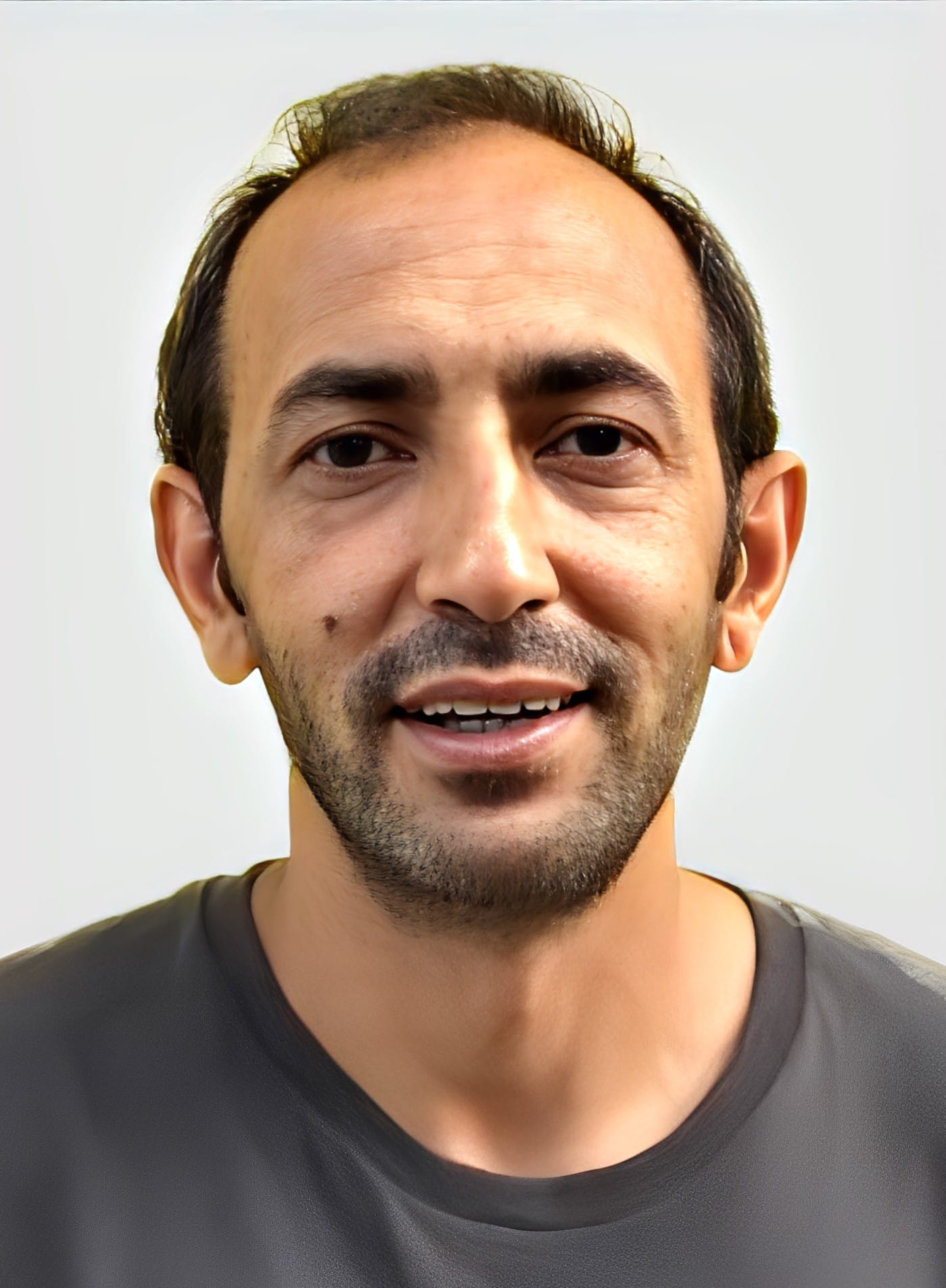
The other day, I received an email from Washington. The sender was Ömer Paçal. He was born in Teraş (Yazlık) village in Iğdır, a member of the Gelturan (Gelturî) tribe. He is now pursuing a PhD in sociology at George Mason University. In his email, he mentioned that he is researching "how the state constructed the market in the mountainous border region stretching from Kars to Van between 1970 and 1990." As I read his sentences, I felt that a fellow countryman, sitting in a distant land, was trying to reconstruct the sociology of his own homeland.
At one point in his email, Ömer Paçal states:
“Before 1970, the state was not hegemonic in these regions; it was merely an external force. But after the 1980s, it infiltrated society through the market, establishing new networks for itself.”
This line, in fact, summarizes the story of Eastern Anatolia over the last fifty years. That period was when nomadic tents were replaced by tractors, herds of animals were crammed into truck beds, and the dairy system made villagers dependent on the market. The state now existed not only through gendarmerie stations but also through milk prices, feed credits, and cooperative contracts.
Hegemony now spoke the language of the market.
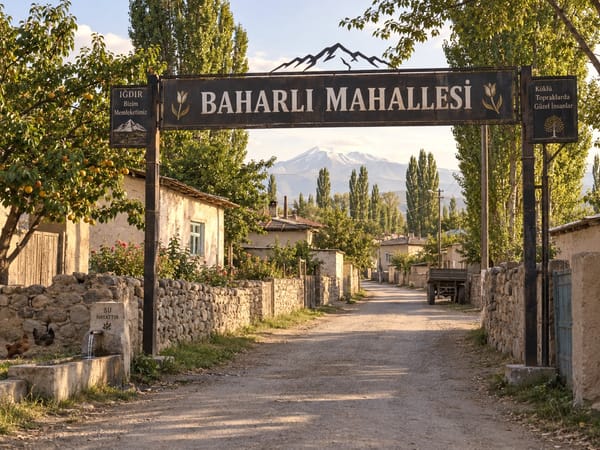
Iğdır underwent a major transformation in those years. Plateau roads were asphalted, electricity arrived, and television entered village coffeehouses. As the old semi-nomadic order dissolved, traditional authorities gradually receded. Their place was taken by new intermediaries connected to the state: dairy owners, cooperative presidents, merchants, contractors.
The market priced not only goods but also human relationships.
But this change was not only economic. Iğdır's cultural structure was also deeply shaken. Turks, Kurds, Terekemes; all revolved around the same market, while old solidarities were replaced by debt ledgers. Villagers now had to trust the bank, not their tribe.
The "market hand" of the state brought modernization on one hand, and eroded social memory on the other.
Ömer Paçal's thesis looks precisely at the heart of this rupture. He examines how, after the 1980s, the state established "hegemony" not only through military means but also through economic relations. This concept, which some academics call "dominance without hegemony," finds a concrete application in his work. That is, the state is no longer external; it exists in milk purchase prices, debt ledgers, feed sacks, and the daily lives of villagers.
The term "Dominance without Hegemony" can generally be translated into Turkish in the following ways:
- “Hegemonyasız egemenlik” (Sovereignty without hegemony)
- “Rıza üretmeden kurulan hâkimiyet” (Domination established without producing consent)
- “Toplumsal meşruiyeti olmayan iktidar” (Power without social legitimacy)
This concept was introduced by the Indian-born historian and thinker Ranajit Guha. According to Guha, the British administration in colonial India established strong military-administrative control,
but it could not become a "legitimate authority" in the consciousness of the people. The state always remained external, foreign, and alienating in the eyes of the people.
In later years, the Italian thinker Gramsci's proposition reinforced this concept. Gramsci states: A power survives not merely by force, but by gaining the consent of society. Without consent, dominance can be maintained but cannot be permanent.
Therefore, there is dominance, but there is no hegemony (consent and legitimacy).
This has become a key concept for analyzing the fundamental structure of colonial or authoritarian states. Today, it is used not only for colonial states but also for understanding the relationships that modern nation-states establish with peripheries (border regions).
Ömer Paçal develops a very original framework by applying this concept to the semi-nomadic Kurdish tribal society along the Iğdır–Kars–Ağrı–Van line.
The years 1970-90 were a period when the state strengthened its military presence on the eastern border but failed to produce social consent.
Ömer Paçal's finding is that before 1970, the state was not "hegemonic" in this region, but merely an "external" force. The state existed in gendarmerie stations, schools, and military posts, but not in the lives of villagers. The people viewed the state with fear and distance. The laws of the state did not coincide with the daily norms of the people. Therefore, the state-society relationship of that period was entirely "dominance without hegemony."
However, after 1980, the state began to penetrate the region not only with gendarmerie stations and soldiers but also through market mechanisms:
- The dairy system, the milk market, credit debts, cooperative networks.
- New market relations that indebted villagers with interest-bearing loans.
- New dependencies created by "economic tools" such as village roads, tractor loans, and feed subsidies.
The Importance of Ömer Paçal's Work:
- There are few studies in Turkish sociology that examine the state-market-tribal relationship within the same model.
- Ömer Paçal reads the modernization of Eastern Anatolia as a "forced capitalization process" using this concept.
- The state's infiltration into society through the market creates a form of "dependency that produces consent," different from classical hegemony.
- This model has explanatory power applicable not only to Eastern Anatolia but also to similar border societies (e.g., Kurdish regions of Iran–Iraq–Syria).
It is a form of power where the state rules by force, but society does not internalize it or consider it legitimate.
Ömer Paçal explains the transformation along the Iğdır–Kars–Ağrı–Van line between 1970 and 1990 using this concept as follows:
- The state was initially an external force.
- Then it penetrated society through market and economic relations.
- During this process, old tribal structures dissolved, and a new economic dependency order was established.
Dear Readers,
Such studies remind us of this: The story of a homeland is sometimes rewritten beyond its borders, in a quiet university room. Young people from Iğdır now set out not only with longing for their homeland but also with scientific curiosity. In a research room in Washington, they are trying to unravel the sociology of the pastures on the slopes of Mount Ararat. This could be a new form of Iğdır's intellectual heritage.
As I read Ömer Paçal's email, I felt both proud and emotional. Proud, because such a question emerged from the soil of Teraş: "How were the relations between the state, the market, and society established?"
Emotional, because that question still awaits an answer. We are still in the midst of the same market, the same state, the same rupture in these lands.
Perhaps the work of young people like Ömer Paçal will allow us to re-examine our own memory. The story of Iğdır is no longer just about "what happened to us," but about "what kind of society we have become."
And the trace of that transformation is sometimes hidden in a milk bucket, sometimes in a credit ledger, and sometimes in an email from Washington.
OPEN CALL: FOR THOSE WHO WISH TO CONTRIBUTE TO THIS WORK
Ömer Paçal is looking for field anecdotes, dairy system experiences, cooperative records, local price series, oral history testimonies, and archival documents from the 1970–1990 period. This is a call to academics, researchers, and people from the region who wish to contribute. You can send your information and documents to Ömer Paçal via his email address:
CONTACT: Ömer Paçal’s email address: pacalomer@gmail.com
This thesis, written by Ömer Paçal in his room in Washington, is not just an academic work; it is a mirror held up anew to the memory of Iğdır, Kars, Ağrı, and Van. It sheds light on questions that are still being sought at this border line where the state, the market, and humanity intersect. Perhaps it is time to answer those questions, together with the new voices rising from our homeland.