1945-65: Iğdır's Political History: The Footsteps of Menderes's Fascism and the Coup
This article explores the political history of Iğdır between 1945 and 1965, focusing on the rise of Menderes's authoritarianism, the 1960 military coup, and local political dynamics.
(Note: Dear readers! Due to book distribution, I was in Iğdır, causing a delay in the publication of my article. I apologize!)
Dear readers!
The Turkish Language Association defines the word "paradox" as "contradictory thought." This explanation is insufficient. A paradox refers to a situation that occurs contrary to our expectations. For example, we expect someone who eats excessively to be fat. If this person, despite such gluttony, still possesses a very slender physique, this situation is called a paradox because a situation contrary to our expectations has arisen. Every paradox must have an explanation. Probably, the reason why someone who eats a lot still has a very slender, dry physique can be explained by a metabolic problem or a similar biological condition. As you can see, every paradox must have a logical explanation.
THE FIRST PARADOX
If you ask what the biggest paradox in the political history of the Republic of Turkey is, my answer is as follows:
On the one hand, İsmet İnönü, who was unanimously elected President by the Grand National Assembly of Turkey (TBMM) on November 11, 1938, following the death of Mustafa Kemal Atatürk, and declared "National Chief" by his party, governed the country with an oppressive and authoritarian regime for 12 years. Contrary to expectations, he peacefully transferred power to the Democrat Party through elections on May 25, 1950, and subsequently embarked on a struggle for democracy.
On the other hand, the Democrat Party (Celal Bayar/Adnan Menderes), which came to power by igniting the people's hopes for democracy, increasingly moved towards a more oppressive regime than the "National Chief" from 1950 onwards. The only difference was that while İsmet İnönü consolidated his oppressive and authoritarian regime, he did not organize civilians or incite them against his rivals. However, the Democrat Party increasingly supported and promoted a violence-based organization in every province, district, town, and even village across Turkey, giving the green light to civilian resistance groups to consolidate its power, thus taking the first step towards a fascist regime. This situation is a first in the history of the Republic of Turkey.
In other words, İnönü, who was a "dictator," became a "democrat," while Menderes, who was a "democrat," became a "dictator." What a paradox!
Here I need to open a parenthesis: It is not correct to describe military coups as "Fascism." They are oppressive and authoritarian regimes. They neither seize power by relying on armed civilian forces nor do they create civilian resistance groups to support them after a coup. In short, Turkey experienced an unsuccessful but impactful attempt at fascism between 1957 and 1960. This was the first and last attempt at fascism.
WHAT IS FASCISM?
I do not intend to delve into a detailed examination of the historical development of fascism. The most distinctive feature of fascism is either seizing power by force, relying on organized (and armed) civilian forces, or organizing armed forces by its own hand to maintain its existence while in power. Mustafa Kemal Atatürk and İsmet İnönü governed the state based on the civilian army and police, which are the essential elements of the state. Celal Bayar/Adnan Menderes deviated from this approach, gradually organizing civilians and bringing them onto the streets.
TWO EXAMPLES OF FASCISM
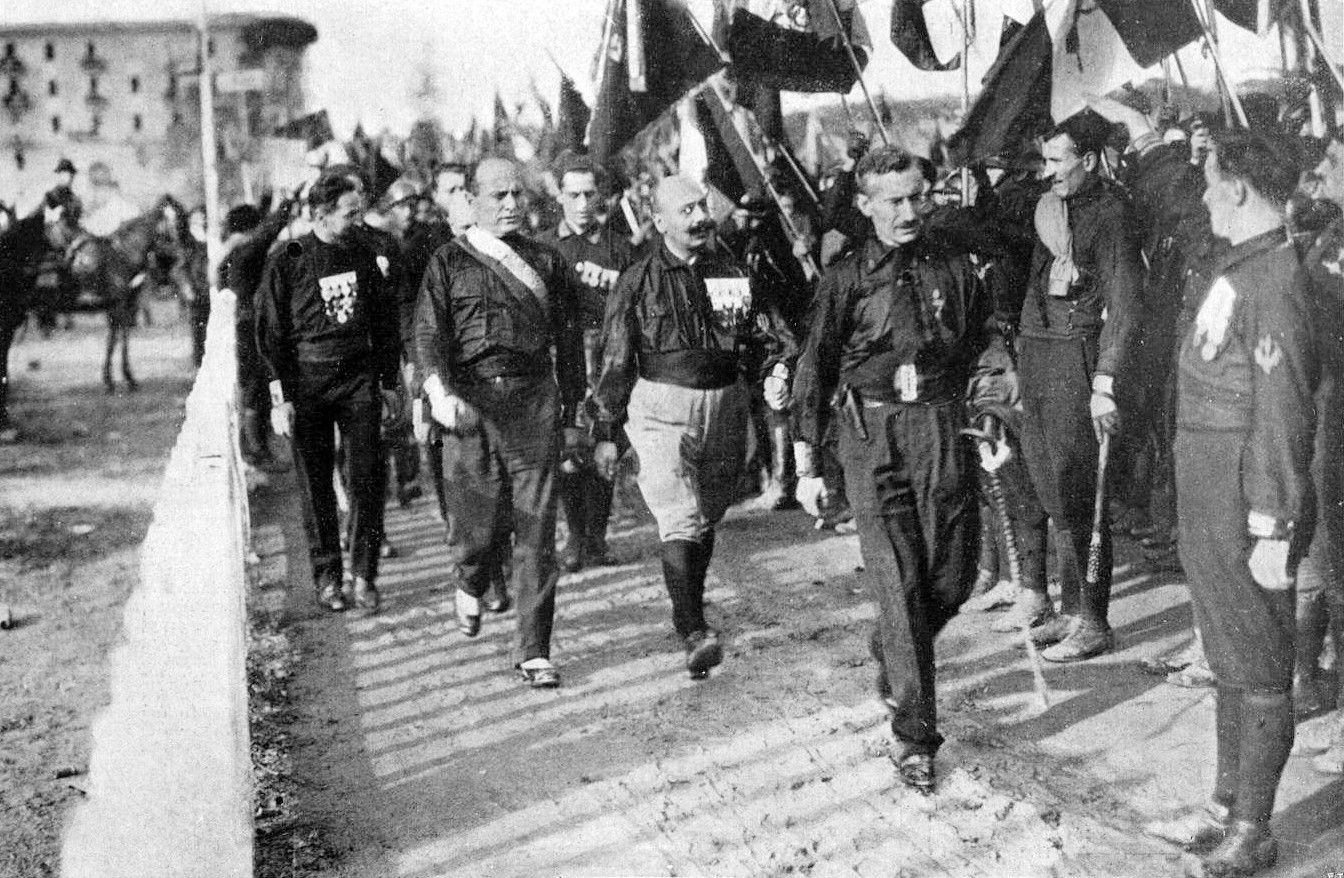
The first example is Mussolini, leader of the Italian National Fascist Party. He established the Blackshirts, an armed paramilitary militia force loyal to the party. In October 1922, the fascists led by Mussolini decided to march from Naples to Rome with a total of 26,000 people. The King was forced to appoint Mussolini as Prime Minister on October 31, 1922. In short, Mussolini seized power and consolidated it with the civilian militia force known as the Blackshirts.
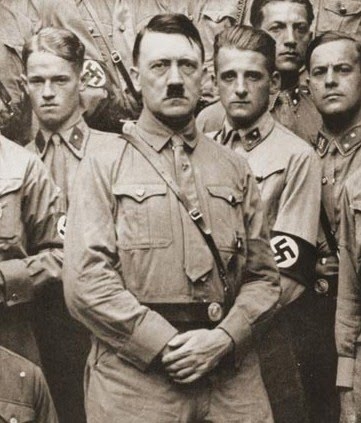
The second example is Hitler. Hitler established the Sturmabteilung (SA, or Assault Division), a paramilitary civilian force. While Mussolini's civilian forces wore black shirts, Hitler's civilian militia forces became known as the Brownshirts because they wore brown shirts. Hitler seized power and consolidated it thanks to the Brownshirts. My readers might think I have exaggerated the importance of civilian militia forces. I can give this example: After 1934, the SA's personnel strength was about 3.5 million. They also possessed heavy weaponry. In contrast, the German army had only 100,000 soldiers. The Assault Division (SA) became a second army within Germany and played a significant role in suppressing the political rivals of the National Socialists.
THE SECOND PARADOX
Interestingly, the second paradox also occurred between 1946 and 1960. When the Democrat Party was founded, it advocated for the Proportional Representation system. The CHP insisted on the majority system. In the May 27, 1950 elections, the DP came to power thanks to the majority system advocated by the CHP.
Again, interestingly, on the eve of the 1957 elections, the CHP advocated for the proportional representation system, while the DP insisted on the majority system. If the elections had been held on time in 1958, the CHP would have come to power alone thanks to the majority system advocated by the DP.
1957 ELECTIONS AND IĞDIR (KARS)
By 1957, the Democrat Party was rapidly losing its base and supporters, while opposition parties were gaining strength every day. Adnan Menderes, fearing that he would lose votes if he waited for the general elections scheduled for 1958, decided to bring them forward. Thus, a decision was made to hold the first early election in Turkish political history on October 27, 1957.
After the decision for early elections was made, political parties quickly moved to complete their provincial and district congresses and prepare their candidate lists. When the decision for early elections was made, Hacı Nağdali Parlar was the Iğdır Democrat Party District Chairman. Nurettin Kirman, the founding chairman of the DP in Iğdır, planned to run for the chairmanship in the upcoming Democrat Party District Congress and, if possible, wanted to be on the Democrat Party Kars parliamentary list. It was amidst this turmoil and rivalry that Nurettin Kirman (from the "This Side" faction) began his election campaign and was martyred on March 25, 1957, in what was disguised as an ordinary murder by his opponents (from the "That Side" faction) within the party. Nurettin Kirman's death marked a peak in the rivalry between the "That Side" and "This Side" factions. Soon after, Hacı Nağdali Parlar, who was the DP District Chairman, was removed from office, and Eşref Kaya, of Karapapak origin, was elected as the DP District Chairman in the district congress. Eşref Kaya continued in this position uninterrupted until the May 27, 1960 Revolution.
Here I would like to draw my reader's attention to an important point. After the "That Side" - "This Side" rivalry culminated in the murder of Nurettin Kirman, Eşref Kaya, a Karapapak, was brought to head the DP, and Cezmi Öztekin from Bitlis was appointed to head the PTSK.
Between 1950 and 1960, Iğdır experienced three significant ruptures in social, political, and societal terms. These can be classified as follows:
- In the 1954 elections, Abdürrezak Güneş was removed from the DP parliamentary list by the "That Side" Azeri political group, resulting in all Kurds in Iğdır uniting to nominate Abdürrezak Bey as an Independent Candidate. This event was the first step in the Kurdish-Azeri polarization.
- The second event was the trial of CHP Kars Deputy Sırrı Atalay in Iğdır between 1955 and 1957. DP member Enver Sever fabricated a report claiming Sırrı Atalay had insulted the government at a meeting and filed a criminal complaint. Since deputies did not have immunity in those years, Sırrı Atalay frequently came to Iğdır to appear before the court. When Sırrı Atalay was acquitted on July 18, 1957, all Kurdish tribes flocked from their villages to Iğdır city center, carrying the Kurdish-origin Sırrı Atalay on their shoulders in a victory tour. This event was the second step in the Kurdish-Azeri polarization.
- With the murder of Nurettin Kirman on March 25, 1957, the polarization between the "That Side" and "This Side" Azeris reached its peak, and a serious rift occurred between the two groups.
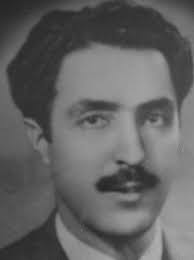
WHO IS MUSA TURAN?
When Rıza Yalçın was elected Kars Deputy from the CHP list in 1954, Bağır Aras and Mehmet Ali Kutlay successively took over the vacant Iğdır CHP District Chairmanship. In the CHP District Congress held in 1957, Musa Turan was elected District Chairman, and Mecit Hun, who had left the Democrat Party, was elected Vice Chairman. At the end of 1958, with Musa Turan's voluntary departure, Mecit Hun was elected CHP District Chairman in the congress and continued in this position uninterrupted until the 1980 Military Coup. (When he became a parliamentary candidate in 1977, Aziz Güney briefly took over this duty). Mecit Hun was removed from politics in the 1980s due to a political ban. When the CHP, which was banned by the September 12, 1960 Military Coup, reopened on September 9, 1992, Mecit Hun assumed the Provincial Chairmanship of Iğdır, which became a province on May 27, 1992.
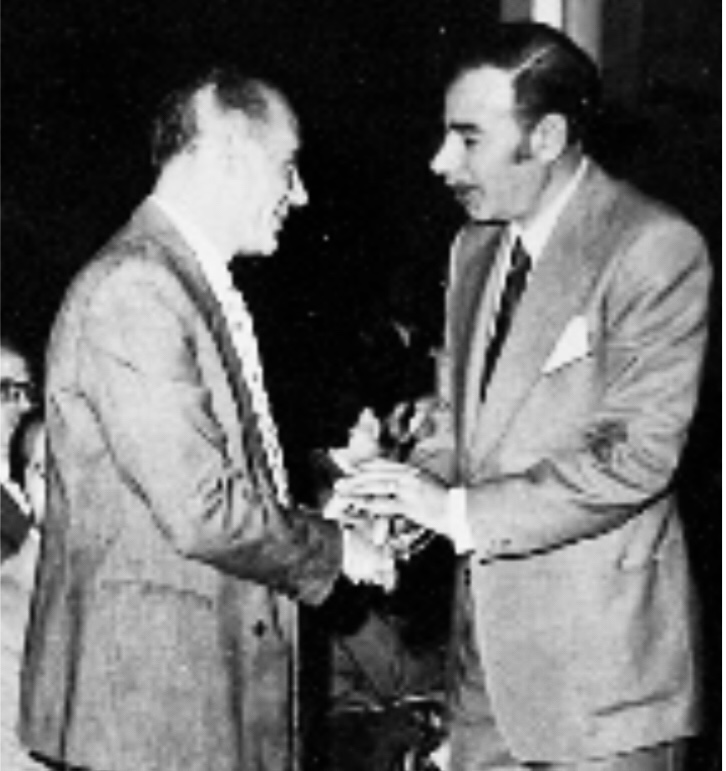
Musa Turan is the paternal uncle of the late Hacı Cihangir Turan, one of Iğdır's leading notables. He was a prominent figure of the Gelturan tribe. He was a mature, sagacious personality with strong leadership qualities. His nephew, Hacı Cihangir Turan, summarizes his views on the CHP in the 1950s as follows:
"As far as I remember, in 1950, the year I returned to Iğdır after completing my military service, the CHP district organization was under the control of the Azeris. Kurds were also in the administration, but their power was not significant. At one point, Bağır Aras was elected district chairman.
When CHP Deputy Chairman Kasım Gülek visited Iğdır, he was hosted for a lavish lunch in the large garden of Bağır Aras's house. Hasan Çetiner was briefly appointed as the CHP district chairman. (Note: Later, Rıza Yalçın took over this duty. When he was elected Deputy in 1954, Bağır Aras and Mehmet Ali Kutlay continued as CHP District Chairmen. Mücahit)
The result of the 1957 general elections revealed a clear situation. The Kurds had cast their votes for the CHP because of Sırrı Bey. Therefore, it was natural for the party's district organization to be in the hands of this ethnic group. With an arrangement that would not offend our Azeri friends, my uncle Musa Turan was elected district chairman. He continued in this position until 1958.
My uncle wanted to withdraw from politics, citing his advanced age. Mecit Hun's name was circulating for the new district chairmanship. The Azeris were concerned that Mecit Hun would practice "discrimination," so they focused on my name. They conveyed these wishes to Mehmet Hazer, the CHP Deputy they considered close to them.
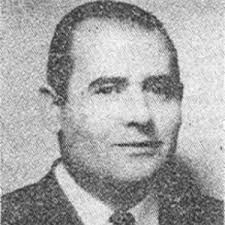
One day, Mehmet Hazer and Sırrı Atalay called me to them and offered me the district chairmanship.
"If Mecit Hun's name hadn't been put forward, I would have accepted," I said. Not content with that, I expressed my opinion by saying, "If you look for someone other than Mecit Hun within the tribe, you won't find anyone." Thus, Mecit Hun took over the CHP Iğdır district chairmanship in 1958. I was also elected to the executive board. Eyüp Serhat, Aziz Güney, Mecit Yılmaz, and Ferzende Armağan also joined the administration representing the tribe.
Tribalism had not yet revived among the Kurds. Therefore, no one would even think of asking, "Why are Aziz Güney and Mecit Hun from the Gêloî tribe!" There was a great bond of love and friendship between us. This positive balance among the Kurdish community continued for many years.
Because a good balance could not be established between the ethnic parties, the weight of the tribe in the party was very high. The Azeris remained in the minority. Our Azeri friends who worked with us truly worked with a spirit of "partisanship."
Mehmet Ali Kutlay, of Tuzluca origin, was responsible for the party's secretariat. Esat Ogan (Enver Ogan's father) from Melekli village, his uncle Şah Hüseyin, and Kadir Erol were individuals who kept our party alive and acted with a complete party spirit. For them, there was no difference between a "Kurd" like Sırrı Atalay and an "Azeri" like Doğan Araslı."
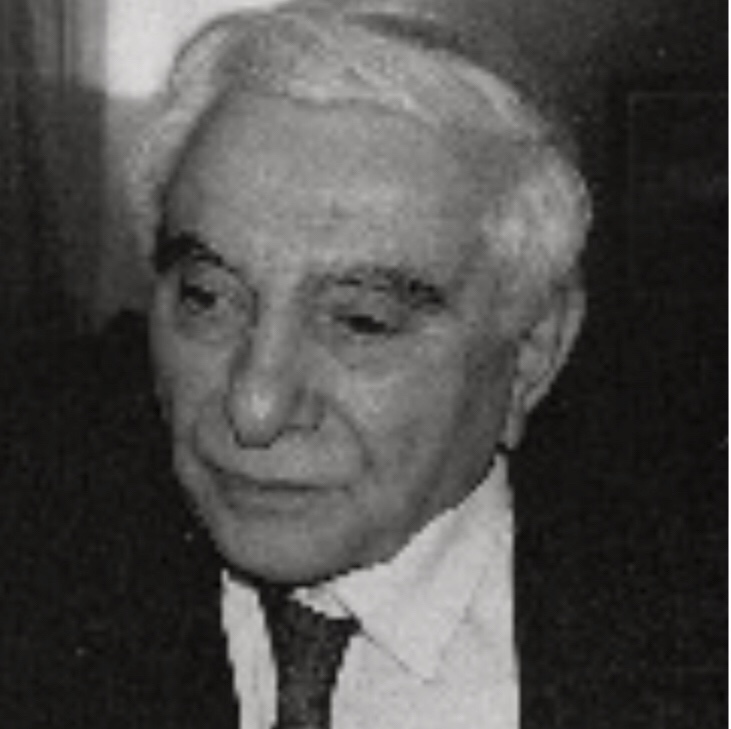
HAMZA AYGÜN NARRATES: MUSA TURAN'S PISTOL
Musa Turan was a far-sighted, enlightened man. His walk, speech, and demeanor commanded seriousness and respect. He owned a haberdashery shop in the town center. His business was quite good. Musa Turan was a regular customer at our coffee house and restaurant.
One day, he was sitting in our coffee house, sipping his tea. Just then, gendarmes entered the coffee house and, in a sudden raid, began searching the customers. That day, Musa Turan had an unlicensed pistol on him!
Seeing the gendarmes slowly approaching, Musa Turan, troubled and anxious, glanced at my father behind the counter, conveying an implicit message meaning, "I have a pistol on me, do something!"
Understanding the seriousness of the situation, my father, anxious to help, picked up a backgammon box and went to Musa Turan's table. "Did you want backgammon?" he asked, placing the backgammon in front of Musa Turan. He slightly opened the box and gestured with his eyebrows and eyes. Musa Turan, understanding my father's intention, took out the pistol from his waist and secretly placed it inside the backgammon box. My father, putting the backgammon box under his arm, returned to his counter.
Finding an opportunity, he took the pistol out of the box; he tightly placed it inside his right sock, and as if he needed to leave the coffee house for some business, he headed for the door. The gendarmes, knowing my father was the owner of the coffee house, allowed him to pass through them without suspicion or searching him.
As soon as my father stepped out onto the street, he rushed home. His intention was to hide the pistol in a safe place at home and then return to his work.
But as he quickly turned the corner of the street, it happened: the pistol flew out of his sock and violently hit the hard ground. The safety-off pistol fired with a loud noise; the bullet that flew out lodged in my father's right calf.
The first to help took my father to the doctor for treatment, but the police immediately launched an investigation into this strange (!) incident. Although my father did not claim ownership of this pistol, the court case against him continued for many years and eventually resulted in acquittal. But the bullet remained hidden in his calf until his death.
THE FOOTSTEPS OF CIVILIAN FASCISM
It all began with irregularities during the 1957 elections. Menderes was gripped by great fear. İnönü had suddenly become the hope of the people, significantly closing the gap in votes. Menderes had only one option left: irregularities. While the elections were still ongoing, the Democrat Party, which monopolized the radio, announced at 2:30 PM through Fatih Rüştü Zorlu that the Democrat Party had won the elections by a clear margin. Their aim was to demoralize CHP voters and prevent them from going to the polls. The irregularities did not stop there. Ballot boxes that would determine the fate of the election disappeared. Votes from areas where CHP voters were in the majority were found floating in the waters of the Bosphorus. Menderes was experiencing the most difficult moment of his life. When it was announced on election night that the DP had won through fraud, Menderes uttered these words:
"May God never let me experience a day like the night of October 27 again!"
Despite the DP taking away the opposition's right to speak on the radio in the 1957 elections, the CHP emerged stronger in parliament. The votes received by the Democrat Party in 1957, compared to 1954, had dropped from 57% to 47%. If the elections had not been brought forward and had been held in 1958, the CHP would have come to power alone. Knowing this, the DP chose to hold early elections.
Menderes gradually tries to organize Fascism:
- The radio is a state monopoly. The opposition has no right to speak.
- He imposes censorship on the press and turns the press against him.
- He organizes party members in provinces and districts, forming armed resistance forces. The aim is to prevent İnönü from traveling through Anatolia, and if necessary, to lynch and kill him. İnönü, with incredible courage and determination, risked his life to try to enter every province and district, but these efforts were met with organized incidents, stone-throwing, and gunfire to suppress him. As in Hitler's and Mussolini's cases, violent civilian organizations were encouraged and empowered. The police remained spectators.
In 1957, the CHP's demands can be listed as follows:
- Parliament should function as a Constituent Assembly and prepare a new CONSTITUTION.
- Transition to a Proportional Representation System.
- Grant trade union rights to civil servants and workers.
- Grant the right to strike to workers.
- Universities should be autonomous.
- Principles of the Rule of Law should be adopted.
- Planned economy.
- Reorganization of MIT (National Intelligence Organization).
- Regional cooperation.
- Establishment of the State Institute of Statistics.
- Development of Southeastern Anatolia.
- Courts should be independent.
- Radio should be impartial.
Therefore, the CHP's election slogans in the 1957 elections were: "End partisan administration," "Establish a rule of law state," "Independent courts, judicial security," "Impartial radio," "Right to strike for civil servants," "Proportional representation in elections."
The DP turned a deaf ear to these suggestions, hiding behind the slogan "'Towards bright horizons."
Hürriyet newspaper reported on the October 27, 1957 elections as follows:
"Election results cause great controversy in Istanbul. Incidents occur during the counting of votes. Unsealed ballot boxes in Beyoğlu lead to objections. Despite voting continuing until midnight in some polling stations, the radio's declaration of the definitive result much earlier is reflected in the press. The CHP objects to the Istanbul elections, along with other provinces, on the grounds that illegal interventions were made during the elections and election results were announced while counting was still ongoing.
The Provincial Election Boards accept the CHP's objection in Bilecik and Diyarbakır but reject it in Istanbul. After hours of deliberations, the CHP organization's objection that the Istanbul elections were "flawed" is rejected by eight votes to three. The first eight articles of the CHP's 15-point objection are not examined, and the remaining seven articles, although examined, are not deemed sufficient for the annulment and rerun of the election, and are therefore not accepted."
If the National Unity Committee, which carried out the 1960 Coup, had waited one more year, the CHP would have come to power alone in the 1961 elections, and there would have been no need for a coup. For this reason, İnönü was always angry and distant towards the coup plotters. "The military coup saved the DP, which was about to be defeated by democracy, from being pinned down, and by creating an unnecessary victimhood, it caused the injustices committed by the DP's oppressive regime to be overlooked."
KARS 1957 ELECTION RESULTS FOR MEMBERS OF PARLIAMENT
1. Democrat Party (DP) 0
2. Republican People's Party (CHP) 12
3. Republican Nation Party (CMP) 0
4. Freedom Party 0
5. Homeland Party 0
TOTAL: 12
ELECTED CHP MEMBERS OF PARLIAMENT (WITH 58% OF THE VOTES)
1. Fevzi Aktaş
2. Sırrı Atalay
3. Şemsettin Ataman
4. Kemal Güven
5. Hasan Erdoğan
6. Turgut Göle
7. Mehmet Hazer
8. Rasim İlker
9. Behram Öcal
10. İbrahim Us
11. Osman Yeltekin
12. Ali Yeniaras
1957 KARS DP LIST OF DEFEATED MEMBERS OF PARLIAMENT
1. Latif Aküzüm
2. Zeki Aras
3. Zarif Akman
4. İsmail Alaca
5. Abbas Çetin
6. H. Dursunoğlu
7. Mecit Gezer
8. Veyis Koçulu
9. C. Nuri Koç
10. Alaaddin Metan
11. Rüştü Öktem
12. İsa Taşdemir
TURKEY GENERAL
Total Electorate 12,078,623
Total Votes Cast 9,250,949
Turnout Rate 76.6%
Number of Deputies 610
STEP BY STEP TO FASCISM
By the 1960s, discussions between the CHP and DP intensified. In addition, attacks were carried out against leading members of the CHP, especially İnönü. Newspapers supporting the CHP were successively shut down, and opposition journalists were arrested. Following this, in April 1960, the DP proposed a law to establish an Investigation Commission to investigate the press. This law proposed granting the commission the authority to close newspapers and arrest journalists, which is why CHP deputies strongly opposed it. During the discussions, some restrictions were imposed on CHP deputies. İnönü himself was banned from attending 12 sessions. İnönü then delivered his historic speech in parliament in response to the DP's anti-democratic stance: "You are going down the wrong path! Even I cannot save you! It has been enshrined in the declaration of human rights how those in power, those who hold power, force nations into revolution. If an administration does not recognize human rights and establishes a regime of oppression, there will be an uprising in that country. To prevent this, it is essential for administrations to be democratic and for human rights to be in effect. This idea constitutes the spirit of the Declaration. Now, the issue at hand is this. Is the democratic regime, are human rights being implemented or not? This is one thing. If human rights are not implemented, if citizens' rights are violated, if a regime of oppression is established, a revolution will inevitably occur. Listen to me... We will not be part of such a revolution, we cannot be. Such a revolution will be carried out by those outside us, by those who have no connection with us. We said democratic regime, a democratic regime has been established. Deviating from this democratic regime and turning it into a regime of oppression is a dangerous thing. If you continue on this path, even I cannot save you."
DEMAND FOR MASS EXECUTION OF 1000 KURDISH INTELLECTUALS
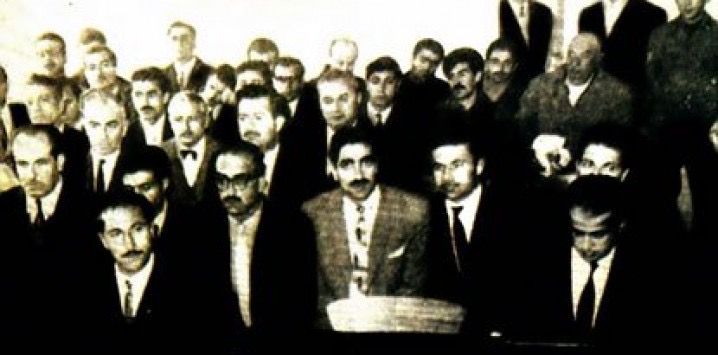
In Iraq, in 1958, General Abdul Karim Qasim staged a coup against the Royal family and declared a republic. Mullah Mustafa Barzani returned to Iraq from the Soviet Union, where he had lived for 11 years, at the personal invitation of Abdul Karim Qasim. As you know, after the failure of the Mahabad Republic experiment in 1947, Barzani had sought refuge in the Soviet Union with hundreds of armed fighters. Barzani's arrival led Kurdish students studying in higher education institutions in Turkey to take an interest in the Kurdish issue.
At that time, civilians, including Turkmens, lost their lives in Kirkuk as a result of chaos actually caused by Arabs. The incident was portrayed in Turkey as "Kurds killed Turkmens," and attributed to the Kurds. In parliament, a coup-plotting deputy of military origin named Asım Eren presented a motion, stating, "Abdul Karim Qasim had our Turkmen brothers killed by his allies, the Kurds. As a government, will you retaliate in kind? If they killed 100 Turkmens, let's hang 1000 Kurds." He urged the government to use violence against the Kurds. This proposal was approved by the government and immediately put into practice.
Kurdish students reacted strongly. "Kurdish Higher Education Students" protested the proposal to kill Kurds by telegram. This incident happened in 1959. Instead of 1000, 50 Kurdish intellectuals were arrested and tried for execution. When one of the detainees died in the Harbiye detention center, 49 remained. Therefore, this event is known as "The 49." While these 49 young intellectuals were about to be unjustly executed by the Menderes Government, the 1960 Military Coup occurred. This event can be considered another proof of Menderes's turn towards racism and fascism after the planned attacks against Greeks in Istanbul on September 6-7, 1955.
THE INVESTIGATION COMMISSION, TURAN EMEKSİZ AND NEDİM ÖZPOLAT
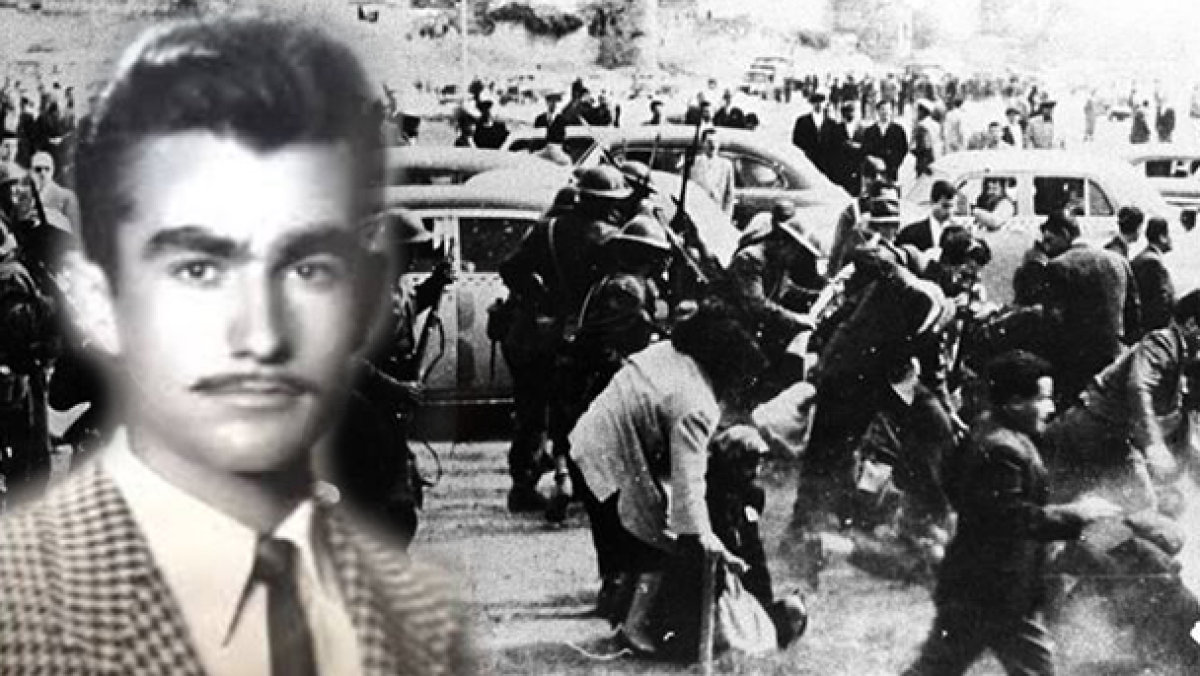
The Investigation Commission is the name of the 15-member parliamentary commission established by the Democrat Party on April 18, 1960. It was established to investigate the activities of the opposition and the press and to restrict freedoms. The commission consisted only of Democrat Party deputies.
The motion was accepted by a large majority in the Parliament on April 27, 1960. It was published in the Official Gazette on April 28, 1960, and came into force. Accordingly, an Investigation Commission would be formed, and this commission would investigate the actions of the opposition and the press for three months.
Upon the acceptance of the law establishing the Investigation Commission proposed by the Democrat Party, a protest rally against this fascist practice was organized by students in the garden of Istanbul University on the morning of April 28, 1960. Turan Emeksiz, a 20-year-old forestry student from Malatya, was shot by police and died. High school student Nedim Özpolat was crushed under the tracks of a police tank. Menderes, in addition to the civilian violence groups he formed in provinces and districts, rapidly moved towards fascism with the support of the police force. The witch hunt had begun.
CIVILIAN FASCIST ATTACKS ON İNÖNÜ
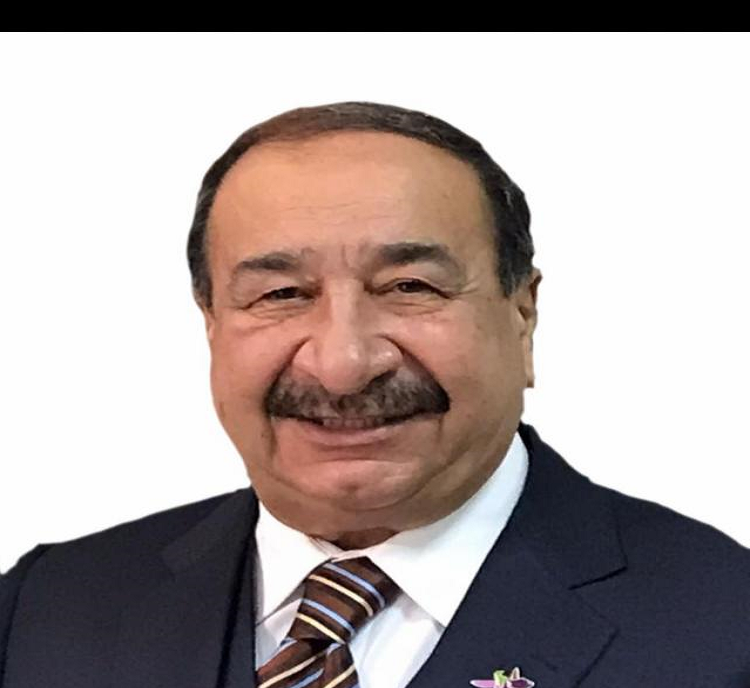
On May 1, 1959, İnönü embarked on a country tour. Menderes, through the DP provincial and district party members, secretly sought to lynch or kill İnönü with weapons and stones, just as Mussolini had done. If İnönü were killed, Menderes would be ready to establish a fascist dictatorship. His party members were armed and organized. Menderes had achieved a power that could bypass the police and military.
When the DP suffered a severe blow, almost a defeat, in the 1957 elections, political tensions rose sharply. Prime Minister Menderes, on the one hand, approached Russia to pressure the US, which was cutting credit to the constantly deteriorating economy, and amassed troops on the Syrian border to divert attention abroad, while on the other hand, he was suffocating the opposition. İsmet İnönü, who had begun touring, decided to launch a "Spring Offensive" in the Uşak-İzmir direction.
Minister of Interior Namık Gedik stated that the government could not take responsibility for protecting İsmet Pasha and demanded that the Pasha abandon this journey.
At Ankara train station, police prevented those who came to see İnönü off. When the Pasha wanted to address the public at the Eskişehir stop, the whistles of construction machinery began to blow. Freight trains were placed between the greeters and the train.
A few days before the trip, 15 DP deputies, led by Manisa Deputy Muzaffer Kurbanoğlu, came to Uşak and met with the governor, who was known to be very close to the government. Their aim was to prepare a conspiracy together.
When the train arrived in Uşak, things became more intense. Announcements were made over loudspeakers, reminding people of the Law on Meetings and Demonstrations. Fascist gangs were transported from villages to the city by trucks belonging to the Ministry of Public Works.
As İnönü's open-top vehicle passed in front of the DP provincial building, the District Chairman threw a teacup at İnönü, injuring a journalist on the forehead.
At the CHP youth branch congress, the Pasha gave a speech, talking about the deteriorating economy and criticizing the partisan radio and administration.
He planned a visit to the house where Atatürk had stayed and met with Greek General Trikoupis. The Uşak Police Chief and Gendarmerie Regiment Commander, acting on orders from the governor, went and requested that the visit be canceled.
The Police Chief later stated in the lawsuit filed due to the incidents that the governor had ordered him, "You will not let İnönü go; if necessary, you will shoot him." The governor, when arrested on June 1 after the May 27 military coup, would say, "Minister Namık Gedik gave me the order; how can I prove it now?"
Again, according to the statement of the Uşak Public Prosecutor, the governor asked his driver if he could shoot İnönü, and when he received the answer "I have no weapon," he forcibly took the pistol of a gendarmerie private next to him and handed it over. When the gendarmerie private reported the situation to his commander, the driver was found, and the pistol was taken back. The governor, who dismissed the police chief and the gendarmerie regiment commander, would later state in the lawsuit filed that he had not given such a shooting order.
On the night connecting April 30 to May 1, a fire broke out in the basement of the house where İ. İnönü was staying and was immediately extinguished.
They set off towards the train station. The vehicle's path was blocked. İ. İnönü walked towards the crowd, telling the CHP deputies who wanted to clear his way, "Leave it. I know how to clear my own path!"
At that moment, a stone hit his head. He threw himself onto the train. The wagon he was in was also being stoned, and stones were hitting journalists. Meanwhile, the Uşak CHP district chairman was stabbed in both thighs. One of Uşak's notorious thugs was about to punch İnönü in the head when he was stopped at the last moment.
11 journalists participating in the trip prepared a joint statement protesting the insults and assaults. Reporters from the pro-government newspapers Zafer and Haber did not sign. Istanbul newspapers other than Hürriyet published it.
A news blackout was imposed. Neutral newspapers were published with blank columns that day. One of these newspapers was Dünya. The famous columnist F. R. Atay wrote: "If İsmet İnönü had delivered a hundred speeches against the government, and all newspapers had published these speeches verbatim, there is no doubt that it would not have been as effective as the whiteness of the blank columns due to publication bans, not even one-tenth or one-hundredth of it."
Interior Minister Namık Gedik shamelessly blamed the CHP for the incidents: "There is no doubt that the organizers themselves conceived and put into practice the great Aegean offensive. No one has the right to make such arrangements, thus jeopardizing the peace and security of the country."
A parliamentary inquiry motion was filed against this minister, but it was rejected by DP votes. On the contrary, some CHP deputies were given penalties of expulsion from sessions and warnings. A motion was submitted to lift İsmet İnönü's immunity, but the May 27 coup would prevent it from being debated.
The CHP went on the offensive, filing criminal complaints against DP members due to the incidents. In the ensuing trial, a Chief Commissioner from the Uşak Police Department testified that DP provincial officials incited the crowd by shouting, "Why are you standing there, go on!"
FORMER KARS DEPUTY OSMAN YELTEKİN NARRATES:
(Dear readers! Menderes is marching step by step towards fascism. If İnönü were killed, he would close all parties and declare a civilian dictatorship. İnönü, the heroic son of the War of Independence, disregarded Menderes's fascist threats and traveled the country step by step, trying to strengthen hope for democracy. If İnönü had been killed, the May 27, 1960 coup would not have happened, and Turkey would have continued its path with a fascist administration. Mücahit)
OSMAN YELTEKİN NARRATES:
Between 1957 and 1960, the DP government launched a nationwide campaign to block and prevent İsmet Pasha from touring. The government used its affiliated civil and administrative officials to harass the Pasha everywhere and prevent him from engaging in political propaganda. I endured these attacks alongside the Pasha on many of these trips.
We received news that the Pasha's convoy was not allowed to pass through the İncesu district to return to Ankara, and he was therefore stranded in Kayseri city center. A group of party deputies set off towards Kayseri to help the Pasha. However, the scene awaiting us was not very pleasant. The mayor, governor, and gendarmerie regiment commander, hand in hand, were disrespecting the Pasha and us to the point of insult, threatening hotels and restaurants not to accept us. Finally, the Pasha settled in the provincial chairman's house. We, too, tried to provide security by guarding the house. In the morning, party friends from the province and districts hosted breakfast in honor of the Pasha and the 40 deputies there. As we happily ate our breakfast, the provincial chairman entered.
He had a lady and a little girl with him. The provincial chairman said:
"Pasha, the wife and daughter of the gendarmerie regiment commander who blocked your way yesterday have come to kiss your hand." The lady respectfully approached the Pasha and kissed his hand.
"Pasha, rest assured, I am very upset by my husband's behavior towards you.
Last night, I didn't let him into bed," she said.
The Pasha smiled at the woman and, as if to console her, said:
"Your husband is a mere subordinate. He carried out the order given to him. Now, my request to you is to go home and apologize to your husband!"
OSMAN YELTEKİN NARRATES
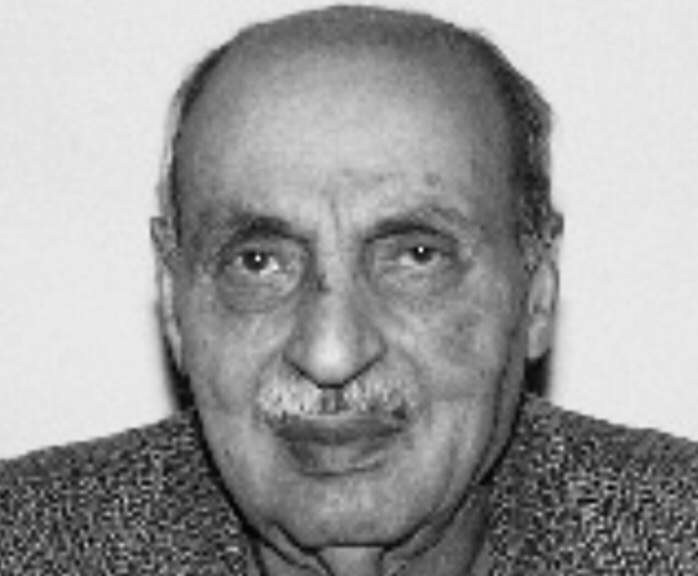
A phone conversation was held with Interior Minister Namık Gedik at the municipality building. The Minister withdrew, saying, "This situation is beyond me now. It concerns the Prime Minister and the President." At that moment, Governor Ahmet Kınık, the planner of this disgusting conspiracy against the Pasha, arrived at the meeting place. Our friend Kamil Sürenköy couldn't stand it and stepped forward:
"Oh Governor! In 1949, you had a statue of the Pasha erected in Malatya. Now you are blocking his way and preventing him from traveling. Honestly, if I were in your place, instead of taking on such a task, I would put my wife in a brothel and sit in front of it, cutting tickets myself. That would be a more honorable job."
This speech created a tense atmosphere. Our party convoy was kept waiting in the city center until 9 PM, after which we set off towards Ürgüp. However, since the Pasha was unwell, we took him to the government doctor. When the doctor said, "Pasha, your condition is not good. You are my guest tonight," we had to spend the night there. Neither hotels nor hosts wanted to accept us. Hungry and thirsty, we set off for Ankara the next day. As our convoy approached Gölbaşı, a van full of bread and cheese, sent by Mevhibe Hanım for us, appeared before us. We attacked the food like hungry chickens and filled our stomachs."
MILITARY COUP
İnönü was not in favor of a military coup because he knew that he would come to power with the majority system in the next elections. For ten years, he had fought for this, reorganizing the CHP within the framework of democratic rules with tooth and nail. As I wrote before, if the elections had been held within their normal period, i.e., in 1961, the CHP would have come to power alone, and by adopting all the changes proposed by the Constituent Assembly into its party program earlier, it would have initiated a new civilian era in Turkey by drafting a new Constitution. İnönü and Mustafa Kemal Atatürk are the founding fathers of the Republic of Turkey. Both of them never bowed to any imperialist power. İnönü had defeated the imperialists at the table in Lausanne. America, consolidating its world hegemony, intervened in Turkey. It found Menderes, who was increasingly approaching the Soviet Union, dangerous. It carried out a coup by convincing the soldiers, not İnönü. In this way, it, in a sense, cast aside İnönü, who carried the belief in a fully independent Turkey in his heart. It established a loyal administration in Turkish politics. İnönü knew that America was behind the coup. In short, America killed two birds with one stone. It prevented Turkey from approaching the Soviets and shattered the spirit of 'full independence' that İnönü represented.
US PRESIDENT AND İNÖNÜ FACE TO FACE
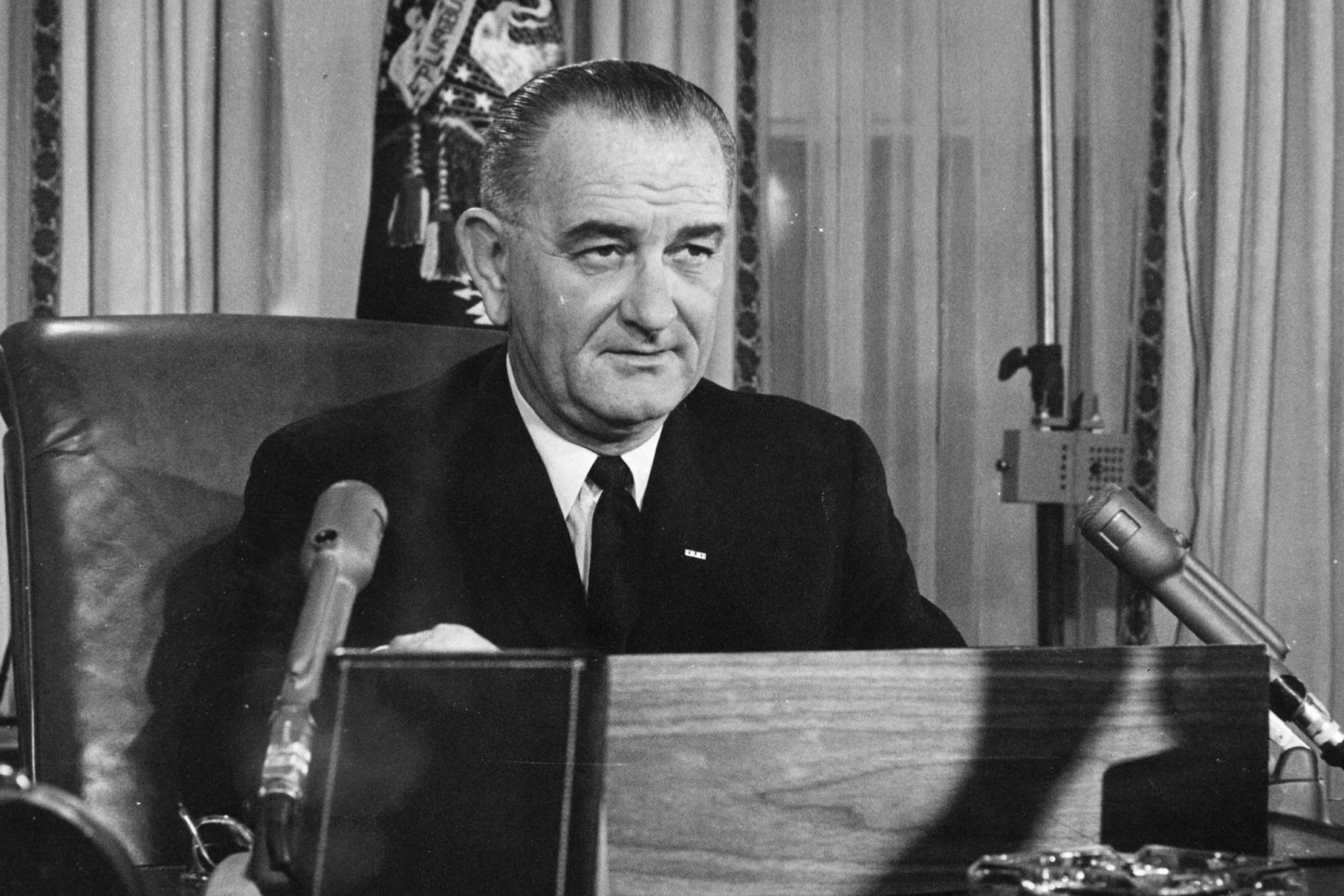
In 1964, US President Lyndon B. Johnson sent a letter to Turkish Prime Minister İsmet İnönü containing harsh statements and veiled threats. Johnson's letter was written to prevent Turkey's intervention in Cyprus. Soon after, İnönü fearlessly penned a letter: "I want to assure you in the most definitive and clear manner that if Turkey is ever forced into the agony of military intervention in Cyprus, this will be done entirely in accordance with the provisions and objectives of international treaties."
However, the National Committee formed within the military brought the coup option to the forefront. The DP was removed by the May 27, 1960 coup, and the Constituent Assembly was opened. All the articles previously envisioned by the CHP were accepted one by one. Although the CHP could not secure a majority to form a government alone in the general elections of October 15, 1961, it emerged as the first party and was tasked with forming the government as prime minister again after 24 years. During this period, he presided over CHP-AP, CHP-YTP-CKMP, and CHP-Independent coalition governments. He strived for the healthy functioning of the newly established political system.
İnönü also dealt with the problems arising from the May 27 Coup, assisting President Cemal Gürsel, along with Chief of General Staff Cevdet Sunay, in efforts to prevent the February 22, 1962 uprising and the May 20, 1963 uprising attempts. During the 1964 Cyprus events, when the US prevented Turkey's intervention on the island, he sought multi-faceted foreign policy alternatives. On February 21, 1964, an assassination attempt was made on İsmet İnönü in Ankara. The assassin was caught at the scene, and İsmet İnönü escaped unharmed from this incident.
İnönü's government resigned when the no votes exceeded the yes votes in the budget vote in Parliament, and on February 20, 1965, it was replaced by the Suat Hayri Ürgüplü government. After his party lost the elections on October 10, 1965, internal party disagreements deepened. Despite the CHP adopting İnönü's "left of center" policy, the party also lost the general elections held in 1969.
Dear Readers!
Here I would like to draw your attention to an important point. Both Süleyman Demirel, Turgut Özal, and now Recep Tayyip Erdoğan have exploited the execution of Menderes and his friends by the coup plotters for years, building their politics on this demagoguery. I am not in favor of the execution of any person. Even watching the execution scene of Saddam Hussein, who killed thousands of people with chemical gases in Halabja, disturbed my soul. Of course, the executions of Menderes and his friends, Sheikh Said and his friends, Seyit Rıza and his friends, and Deniz Gezmiş and his friends are disgraceful events in Turkish political history. However, while accepting all this reality, I want to particularly emphasize one point: between 1957 and 1960, Menderes moved towards a civilian fascist administration, while İnönü fought fearlessly against Menderes within the rules of democracy. The true Hero of Democracy is İnönü, not Menderes, as we have been led to believe. The reason Menderes gained importance in later years is that voters' choices were consciously influenced by emotional exploitation caused by his "execution," and this continues to be the case.
KARS AND IĞDIR BETWEEN 1960-65
Rıza Yalçın, elected Kars Deputy from the CHP list in the 1954 General Elections, joined the New Turkey Party after the Military Coup and became a Deputy for the YTP in the 1961 elections. This distinguished figure of Iğdır politics passed away in Ankara in 1966 while preparing to return to Iğdır permanently.
Although the late Rıza Yalçın was a YTP Deputy, he harbored a deep love for İnönü in his heart. His son, the late Ataman Yalçın, expresses this situation as follows:
"My father was as if born a CHP member. He dedicated himself to the values of the party, sacrificing his property and wealth for this cause. During his first term as a deputy (1954-57), he took me with him to the Parliament and introduced me to İnönü. I respectfully kissed the Pasha's hand and stood shyly beside him.
My father had a special affection for İnönü. In fact, in the 1960s, during his second term as a deputy for the YTP (1961-1965), when signatures were being collected to initiate an investigation against İnönü, my father firmly stated, 'He is a historical figure, I will not sign for him to be brought low!' and opposed it."
(NOTE: Dear Readers! As you know from my previous writings, in 1951, Adnan Menderes wanted to send İsmet İnönü to the gallows based on the lie of 'Boraltan Bridge' voiced by Tekirdağ Deputy Şevket Mocan in the Parliament, but he abandoned his plan when discontent arose within the army. It is very interesting! History repeats itself. In 1964, Süleyman Demirel, who became the General Chairman of the AP, similarly embraced the 'Boraltan Bridge' lie and began collecting signatures for İnönü's execution, but failed. My dear readers should know that the Boraltan Bridge incident is completely fabricated. A bridge with this name has never existed on the Aras River.)
KARS IN THE 1961 GENERAL ELECTION: PARTIES AND DEPUTIES
Party Name Votes Received Rate
CHP 83.806 48.16
YTP 53.365 30.66
AP 38.115 21.90
KARS DEPUTIES ELECTED IN THE 1961 GENERAL ELECTIONS
Hasan Erdoğan Republican People's Party
Kemal Güven Republican People's Party
Kemal Okyay Republican People's Party
Bahtiyar Vural Republican People's Party
Kemal Kaya New Turkey Party
Sırrı Öktem New Turkey Party
Rıza Yalçın New Turkey Party
Necmettin Akan Justice Party
Latif Aküzüm Justice Party
MECİT HUN AND FİKRET EKİNCİ CRISIS
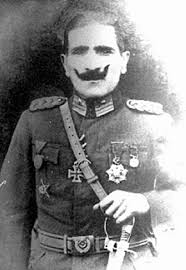
Three days after the coup, on Monday, May 30, 1960, Colonel Alparslan Türkeş, a powerful member of the National Security Council (MGK), took the seat of the Undersecretary of the Prime Ministry. Türkeş had appointed himself to this position. Since he was not actually the Prime Minister, the Undersecretary position was the country's second most important office. General Cemal Gürsel served as President with the title of Head of State. The second man was Colonel Alparslan Türkeş. Military Judge Fikret Ekinci, son of Pasha Ekinci from Iğdır, also served as Special Advisor to the Secretary-General of the MGK. In a sense, he was one of the key figures in the coup-making cadre. İsmet İnönü tried to win over the coup-making cadre to the party by nominating them as candidates as much as possible in the upcoming elections. One of these names, perhaps the most important, was Military Judge Fikret Ekinci, originally from Aralıklı. In the October 15, 1961 elections, Fikret Ekinci participated in the CHP's preliminary primary in Kars. Let's hear the rest from the late Ali Yiğit's own account:
THE LATE ALİ YİĞİT NARRATES
Fikret Ekinci was one of the prominent figures in the group of Movement Officers who directed the 1960 Revolution. Fikret Ekinci (son of the late Pasha Ekinci), originally from Aralıklı, won İsmet Pasha's heart with his behavior and work. As the 1961 General Elections approached, İsmet Pasha summoned two important figures of Kars CHP politics, Sırrı Atalay and Mehmet Hazer:
He gave a veiled order to "do whatever it takes to get Fikret Ekinci into parliament from the Kars list." Sırrı Atalay conveyed İsmet İnönü's important request to the Kars and Iğdır party organizations. Mecit Hun was serving as the CHP Iğdır District Chairman. In the primary election, although Fikret Ekinci received the full vote of the Iğdır and Aralık party delegates, he could not enter the list because he did not receive enough votes from the northern districts. Fikret Ekinci blamed Mecit Hun for the defeat. Everywhere he sat, he started a negative propaganda campaign, saying, "Mecit Hun made me get full votes in his own constituency, but he secretly worked against me in the northern districts." He even went further, making a political statement to the party headquarters, saying, "If Mecit Hun is not removed from his position, I will leave the party."
Sırrı Atalay, to avoid the wrath of İsmet Pasha, who was fond of Fikret Ekinci, took on the task of managing the operation to remove Mecit Hun from the CHP District Chairmanship.
Sırrı Atalay first delicately referred this matter to Saffet Tiryaki, the CHP Kars Provincial Chairman, but Saffet Tiryaki, a Laz by origin who knew his limits well, not only rejected the proposal but also secretly sent a message to Mecit Hun, informing him of Sırrı Atalay's conspiracy.
"Oh, Mecit Bey! Don't let anyone take the district chairmanship seal I gave you!" he also warned him kindly.
When the desired outcome did not come from Saffet Tiryaki, Sırrı Atalay decided to handle the matter himself. He took Mehmet Hazer with him and set off for Iğdır.
Fikret Ekinci met the delegation in Tuzluca and reiterated his determination:
"As long as Mecit Hun is the district chairman, I will not set foot in Iğdır."
After agreeing on Kadir Erol from Melekli village as the new district chairman, the delegation set off.
In those years, the CHP District Chairmanship was located where Mecit Hun's Picnic Pastry Shop would later be.
One afternoon, the car carrying Sırrı Atalay and Mehmet Hazer unexpectedly stopped in front of the CHP party local. Party members greeted and hosted their renowned politicians with affection. After drinking tea and chatting, Sırrı Atalay got to the point:
"Mecit Bey, as you know, in politics, duties are rotational. You have served as our party's district chairman for many years and you are very tired. We believe it is time for you to rest a bit and hand over this duty to another friend."
While these conversations were taking place, Kadir Erol, dressed in a suit and tie, was pacing excitedly in the municipality garden near the party local. He was expecting Sırrı Atalay to call him at any moment and offer him the district chairmanship.
Mecit Hun listened to Sırrı Atalay's speech silently but attentively. As soon as Sırrı Atalay finished speaking, Mecit Hun, without losing his politeness, replied to Sırrı Atalay:
"Sırrı Bey, you have also been a deputy for over ten years. The same applies to you. You are also tired, and you may need to rest. If you, in front of the party members here, swear that you will not run again in the next elections, I will immediately resign from the district chairmanship."
Sırrı Atalay realized he had hit a hard rock. In a trembling voice, he tried to answer,
"Well, Mecit Bey, that depends on the conditions of that day..."
When Mecit Hun saw that Sırrı Atalay was unwilling to compromise when his own political career was at stake, he roared:
"Sırrı Bey! You did not entrust this party seal to me! People like Rutto Yusuf – at that moment, he pointed with his finger to Rutto Yusuf, who was in the crowd – entrusted this duty to me. I am their district chairman. I will only resign from my duty if they wish. The party's district congress will convene soon. If you have the power, let's settle accounts there."
After this incident, Fikret Ekinci decided to continue his political reckoning against Mecit Hun through his own efforts. To take the CHP district chairmanship from Mecit Hun, he sent letters to important people he knew in the Iğdır region, asking for their help in this matter.
One of the individuals to whom the letter was sent was the Chief Physician of the State Hospital. This private letter fell into the hands of a young man named Ferit Ayrım, the doctor's chauffeur. The chauffeur read the personal letter and secretly delivered it to Mecit Hun.
The letter contained a serious political conspiracy. The letter reportedly stated, "As long as Mecit Hun is the district chairman, it is impossible for me to become a deputy. Let's do whatever it takes to make one of us (Azeris) the district chairman."
Mecit Hun took the letter to a notary, had it duplicated, and sent one of the certified copies to the party headquarters and the deputies.
He also added a harsh note: "How can our party accept such a person as a member, who engages in factional propaganda for his own parliamentary ambitions?" The letter quickly circulated from hand to hand and reached İsmet Pasha. The Pasha was very sensitive about such matters.
"Let the party inspector investigate the veracity of the incident as soon as possible!" he ordered. The first thing the inspectors who came to Iğdır wanted to know was whether such a letter had actually been written.
As soon as they saw the original letter, they prepared their report against Fikret Ekinci. Based on this report, the CHP General Headquarters promptly expelled Fikret Ekinci from the party.
THE LATE HAMZA AYGÜN NARRATES: WHO IS PAŞA EKİNCİ?
Iğdır's first mayor was Hacı Hanlar Bey from the Sultanabat Beys. The second to hold this position was Paşa Bey from Başköy. Paşa Ekinci, the father of military-origin Fikret Ekinci, who held important positions during the 1960 Revolution years, had a very high organizational and leadership ability.
His most important characteristic and greatest contribution to the people of the region was more spiritual; he mobilized his authority and financial power to gather war-orphaned children and took them under his wing. Many valuable children for the country grew up from this group of children, known as "Paşa Bey's Orphans" among the people.
He made great efforts to protect especially girls aged 12-16 from the harassment and attacks of ill-intentioned people. Most of these girls were married off by Paşa Bey himself and reunited with their families.
Rıfat Ilgaz and Ali Çavuş, valuable sons of the country who were among the military forces that liberated Iğdır, married from this "orphan girls" school and settled in Iğdır. Ali Çavuş was the soldier who first raised the Turkish Flag on the Municipality building during the Liberation of Iğdır. For this heroism, he was awarded the Medal of Independence. After marrying, he was given a vineyard and a house and settled in Iğdır.
Kemal and Yusuf, the children of Ali Ilgaz, made great contributions to Iğdır as civil servants.
When the government issued the "Law on the Exile of Aghas and Beys" (1926), prominent members of the Torun Family from the Iğdır region and a few individuals like Paşa Bey from the Azeri community were subjected to exile. Paşa Bey was sent to exile in Tokat. This loyal son of the homeland, who had rendered great services to Iğdır, passed away in loneliness during his years of exile in an undeserved manner.
When Paşa Bey was sent into exile, the "Orphans' School" he had founded was disbanded. Only 10-15 of these students managed to find a way to continue their education at Kâzım Karabekir Pasha's school of the same name.
But soon after, when Karabekir Pasha was dismissed, the school also closed. Many important figures from the Celayir tribe of Azeri origin in Başköy were also exiled to Izmir. Similarly, some names from Hasanhan village were included in this exile convoy. As a strange twist of fate, the children of these "exiled families" had the opportunity to study in the cities they went to and later played important roles in Turkey's destiny. One of them is İsmet Sezgin, a politician whose father was from Hasanhan village.
MECİT HUN AND HÜSEYİN AKBULUT
Local elections were held nationwide on November 17, 1963. Hacı Nağdali Parlar was the Iğdır Justice Party District Chairman. He convinced Hüseyin Akbulut to run as a candidate. The CHP's candidate was Mecit Hun.
THE LATE HÜSEYİN AKBULUT NARRATES:
During my university years, I wasn't very interested in politics. After coming to Iğdır as a veterinarian in 1961, I started my duty with great enthusiasm and determination. Iğdır was a small place after all, so my speech and demeanor attracted the attention of some politicians.
One day, AP District Chairman Hacı Nağdali Parlar and Sadık Tezel Bey came with an offer for me to be a candidate for mayor in the local elections in November 1963. I immediately accepted. Facing me were the late Mecit Hun from the CHP and Yakup Tuncer from the YTP.
When Yakup Tuncer withdrew his candidacy due to a disagreement with his party's Executive Board, the political arena was left to me and Mecit Hun.
Mecit Hun had been well-known in the region since 1950, loved by everyone, Azeri or Kurd. I should add, not to forget, that there was also an independent candidate in those elections. He was from Kayseri. This gentleman, who came to Iğdır and opened a shop, was distributing chocolates to everyone to win the election. At one point, they even teased him, "We don't understand you! Hüseyin Akbulut has distinguished and respected politicians like Sadık Tezel and Hacı Nağdali Parlar behind him. Mecit Hun is someone who can get votes from everyone, Azeri or Kurd. So, who are you relying on to participate in these elections?"
"I've done my calculations! These elections will be very competitive, maybe one will kill the other. One will go to the grave, the other to prison. And I will become mayor!" he reportedly replied.
The election campaign had begun with excitement and enthusiasm. Everything proceeded within the rules of decorum and politeness. There was no cursing or offending. Everyone paid attention to this even in ruthless platform speeches.
Interesting events occurred on voting day. According to rumor, Mecit Hun's mother voted for me! Also, by mistake, my sister-in-law cast her vote for Mecit Hun!
Mecit Hun received 1700 of the votes cast. I received close to 2000. I was elected mayor at the age of 34. I looked even younger than my age. I even had an anecdote about it.
After the elections, I went to Ankara with the District Governor. During a meeting, when the District Governor introduced me as "Mayor," the Minister's eyes widened, almost as if to say, "Impossible, you're still a child!" Then he couldn't help but say, "Indeed, you are very young, Mr. Mayor!"
I took over the mayoralty from the District Governor. The District Governor, who had been acting in the position since the 1960 revolution, was Mecit Hun's classmate from Erzurum high school.
AYDIN URAL, SON OF THE LATE ALİ URAL, NARRATES
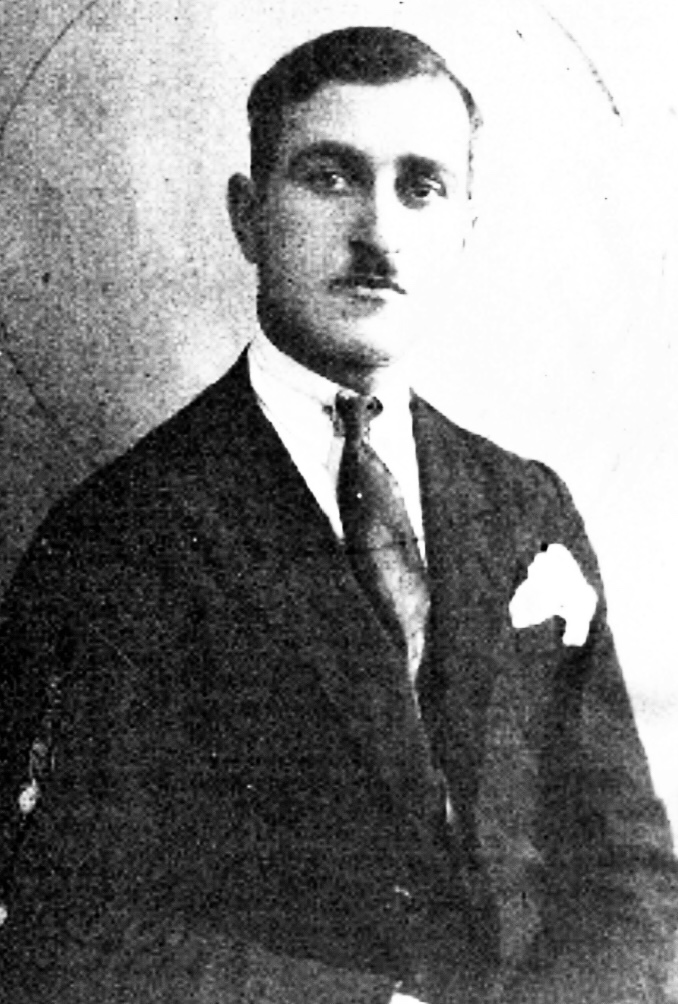
The 1963 local elections were upon us. The AP's candidate was Hüseyin Akbulut. My father had also paid the necessary 250 liras to participate in the elections from the CHP and had started working. However, an unexpected event would force my father to withdraw his candidacy.
On the eve of the elections, Constituent Assembly members Sırrı Atalay, Mehmet Hazer, and Turgut Göle came to Iğdır. Where Halk Bankası stands today, there was a restaurant called İmren Lokantası, run by people from Gümüşhane in those years. The deputies invited my father to the restaurant to make some evaluations in preparation for the upcoming elections.
CHP district chairman Mecit Hun also wanted to run for mayor. The three deputies said, "Ali Bey, let Mecit Hun run this time!" My father replied, "Let me run for chairman. My victory means Mecit Hun's victory. And don't forget, I have a strong point against Hüseyin Akbulut to win the election. I can gain public support by saying, 'I am his father.'" (A note: This refers to Hz. Ali and his son Hz. Hüseyin. Ali Ural and Hüseyin Akbulut, from a Seyit family, were loved and respected by the people. Mücahit)
Despite all my father's warnings, the deputies chose Mecit Hun, and my father withdrew his candidacy. People flocked to the shop and home, trying to persuade my father again, saying, "Ağa, we heard you withdrew. We don't accept this!" However, my father had made his final decision: "I am not a candidate. Do as you see fit!"
Hüseyin Akbulut won the 1963 local elections.
My father suffered from heart disease. He had neglected his illness for many years. One day, he went to Russia as an interpreter for protocol meetings. In the middle of his work, his feet suddenly swelled, and he became unable to walk. His friends from the Russian delegation asked, "Ali Bey, do you know what this foot swelling means?" My father said, "No!" The Russian official said, "Your heart is unwell! You need serious treatment immediately. If you want, stay here and get the necessary treatment," but my father politely declined this offer.
My father passed away in 1964 from a sudden heart attack.
Five or six years had passed since my father's death.
We had just left the wedding ceremony of Hacı Nebi Gölalı's daughter, and with Mecit Hun and Hacı Ekber Gökçe beside me, we were heading towards the town center. The roads were impassable due to mud. Hacı Ekber Gökçe complained, "Mecit Bey, how muddy the roads are!" Mecit Hun, with a sad tone, said,
"What can I do, I poked my own eye with my own finger. If I had let Mireli Ağa (Ali Ural) become mayor, it would be my turn now! But because of my mistake, even his son Aydın Ural is not with me today."
NİZAMETTİN ONK NARRATES

I was in Iğdır on the day of the 1960 Revolution. As soon as I heard the news, I went out into the street and started walking around like a hero. I embraced Lieutenant İsmet and chatted with Battalion Commander Osman Hisarcıkoğlu. Branch Chief Colonel Hayri Armağan, as the martial law commander, took over military and civilian administration.
Soon after, I was reassigned to Iğdır. On June 30, a large celebration ceremony was held in Taşburun. Mecit Hun, Nejat Birdoğan, and I gave speeches, stirring up the crowd.
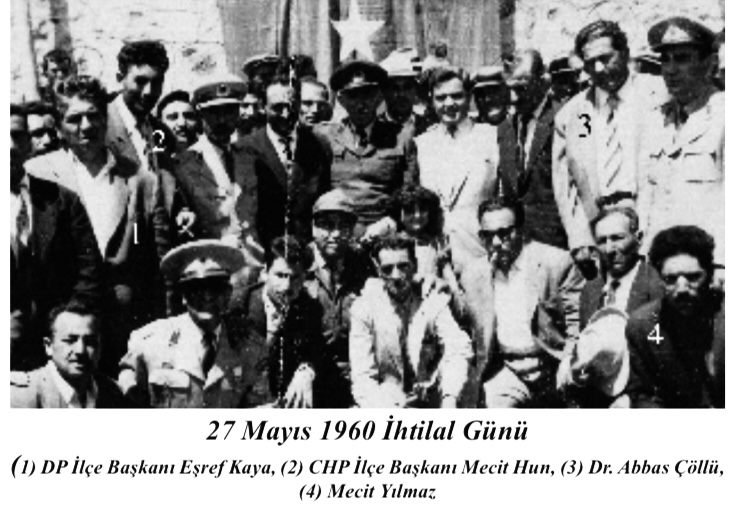
When the revolution occurred, Mecit Hun was the CHP district chairman, and Mehmet Ali Kutlay was the vice chairman. Eşref Kaya was the DP district chairman. Vahap Akar was serving on the district administrative board.
In 1963, I was working in Adapazarı. At the end of the same year, I was in Iğdır for the local elections. Hüseyin Akbulut won the hotly contested mayoral elections.
It was a beautiful sunny day. I was standing and chatting with my brother-in-law Mehmet Kavrut in front of the municipality. Mecit Hun was coming tiredly from the other end of the street. Mehmet Kavruk asked, "Aren't you going to wish your friend well?"
At that moment, Hüseyin Akbulut appeared at the other end of the street. The crowd rushed towards him. They wanted to lift him onto their shoulders, but Hüseyin Akbulut prevented it. He did not want his election victory to turn into a humiliating show of force. I have always appreciated Hüseyin Akbulut's gesture.
Mecit Hun came and took my hand, saying, "Come, Nizamettin, let me tell you my troubles." We slipped into the restaurant under the Erzurum Hotel. We started emptying the rakı bottles in front of us. Mecit Hun said, "Nizamettin, you weren't around here. You wouldn't know what happened. I wish I hadn't been a candidate, I wish I hadn't opposed Mir Ali Ural's candidacy," expressing his regret.
At that moment, Sefer, a street vendor from Karakoyunlu, entered, wanting to sell something. Mecit Hun said, "Sefer, don't be a nuisance!" This Azeri idiom meant, "Don't bother us." Aziz Güney and Eyüp Serhat also joined us, and our conversation continued late into the night.
1965 GENERAL ELECTIONS AND KARS
Party Deputy
AP – Justice Party 3
CHP – Republican People's Party 3
Independent 2
TİP – Workers' Party of Turkey 1
AP: Abbas Çetin
AP: Celal Nuri Koç
AP: Latif Aküzüm
CHP: Muzaffer Şamiloğlu
CHP: Osman Yeltekin
CHP: Turgut Göle
Independent: Cengiz Ekinci
Independent: Fatma Sevinç Düşünsel
END