The Sleeping Giant: Iğdır – Part 1
This essay explores the unique historical and sociological tapestry of Iğdır, highlighting its diverse ethnic and cultural heritage and the challenges and opportunities it presents.

Dear Reader;
First of all, I would like to state that I find it a great honor to be with you in this column. I will feel happy if I can share my thoughts on Iğdır's historical journey from past to future and contribute, even if a little, to Iğdır's cultural and intellectual development.
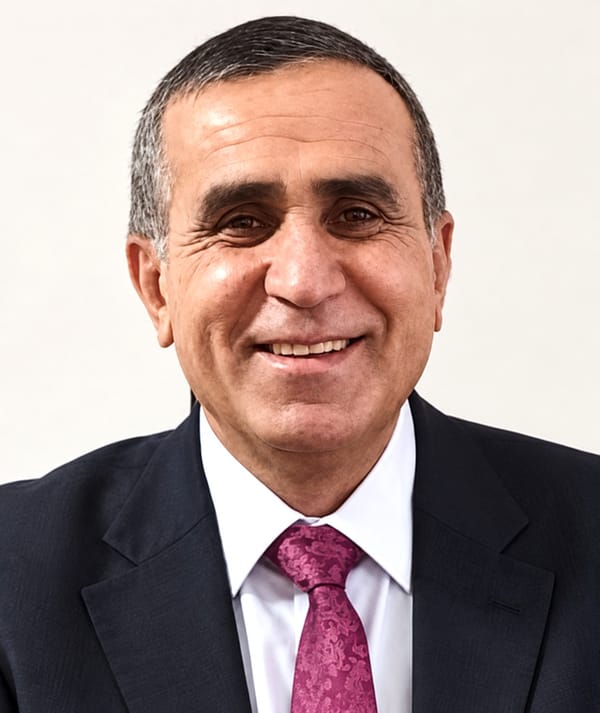
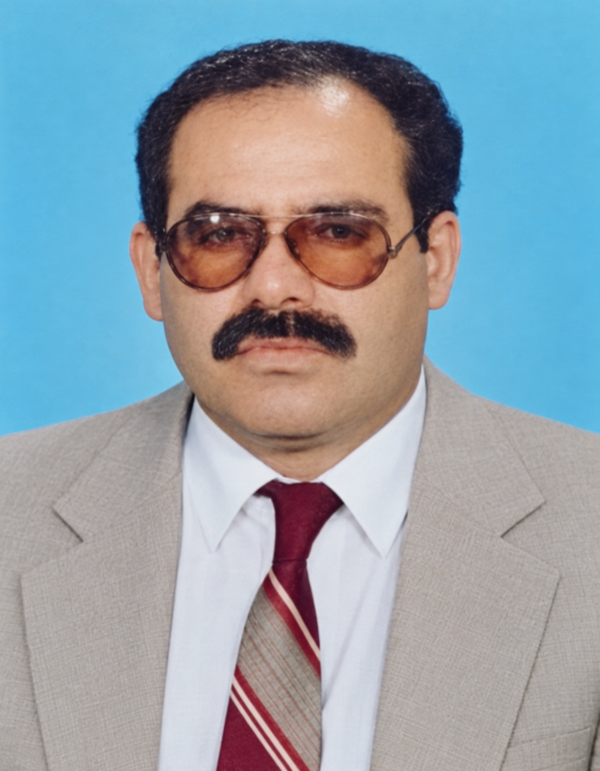
When Mr. Cabbar Şıktaş invited me to join the editorial board, a vague excitement arose within me. Although I do not live in Iğdır, Iğdır has always lived in my heart and will continue to do so. Five of my ten published books are directly related to Iğdır and its history. What a coincidence that the children and close family members of two important figures who started their journalism careers in Iğdır in the 1950s (the late Fazıl Şıktaş and my late father Mecit Hun) are now gathered under the same roof, continuing to serve Iğdır.
I would like to thank Mr. Cabbar Şıktaş in your presence for the favor and closeness he has shown me.
A CENTURY OF TURMOIL (UPHEAVAL)
In terms of population exchange intensity, sociological changes, and cultural richness, Iğdır is by far the leading province in Turkey. However, this reality is not well known. In fact, this reality is not much valued or is overlooked even by the people of Iğdır. I know many researchers who tell me that they first read about the presence of Yazidi Kurds in Iğdır in my book titled Iğdır Sevdası (Iğdır Love).
Now, let's help our esteemed reader, who may not know Iğdır, to look at the sociological structure of 20th-century (1900-2000) Iğdır in all its nakedness:
- Russian Administration (until 1917). Russian population. Christian-Orthodox denomination;
- Eastern Armenian-speaking population: Armenians living in Iğdır before World War I (1914) spoke Eastern Armenian;
- Population speaking Western Armenian who came to Iğdır from Ottoman territory after World War I (1917-1920), even if for a short period (Note: The two languages have serious difficulty understanding each other. Besides, there are significant sociological differences between the two communities. Therefore, they cannot integrate. The tension between them continues to this day.);
- Yazidi Kurds: Their language is Northern Kurdish, i.e., Kurmanji, their religion is Yazidism or the Yazidi belief system;
- Muslim Kurds: Their language is Northern Kurdish, i.e., Kurmanji, their religion is Muslim Sunni-Shafi'i;
- Azerbaijani Turks (Azeris): Their language is Azerbaijani Turkish, their religion is Muslim Shi'a-Ja'fari;
- Karapapaks (Terekemes). Their language is Azerbaijani Turkish, their religion is Muslim Sunni-Hanafi;
- Kurdish tribes (Xelkî-Helikanlar) who came from Iran and settled in Iğdır (1930-32);
- Tribes (Kızılbaşoğulları) who had to leave Iğdır due to the Ağrı Rebellion, went to Iran, and then returned;
- Tribes (Brukî-Burukanlılar, Redkî-Redkanlılar) who could not withstand the pressure of Armenian committees in 1919, left Iğdır for Ottoman territory (Van and Muş), and then returned;
- Iranian Azerbaijani Turks who came from Iran and settled in Iğdır;
- Bulgarian Turks (Immigrants) who came as muhacirs (immigrants) to Iğdır in 1936 and settled. Their language is Turkish, their religion is Muslim Sunni-Hanafi;
- Ahiska Turks who came as muhacirs from the Caucasus (Georgia) and settled in Iğdır after the collapse of the Soviet Union in the 1990s. Their language (or dialect) is Ahiska Turkish. Their religion is Muslim Sunni-Hanafi;
- Caucasian Azerbaijani Turks who fled from Soviet Russia in the 1920s and 30s;
- Turks, Laz, Arabs, and other ethnic and sociological groups who came and settled in Iğdır after the establishment of the Republic;
- Dozens of different tribes among Kurds;
- Turkmen-Alevi population;
- Dozens of different tribes, clans, and obas among Azerbaijani Turks (Azeris);
- Azeri population who left their villages during the "Kaça-Kaç" (flight) period, settled in safe areas in Iranian Azerbaijan, and were forced to settle in other villages upon their return;
- Kurdish tribes who, after the Ağrı Rebellion (1930), were located in the Ağrı Mountain region, which was declared a forbidden zone, and had to leave their own villages and settle in others;
- Kurdish population who came from Ağrı, Van, and other regions in the 1990s;
- Azeri population who came and settled in Iğdır from the neighboring Nakhchivan Autonomous Republic or interacted with it after the collapse of the Soviet Union in the 1990s;
- Civil servants, soldiers, teachers, and other public officials sent by the state.
The sociological turmoil listed above existed in 20th-century Iğdır as an objective reality, whether we like it or not. Iğdır's history cannot be written without setting aside political, sectarian, ethnic, historical, and all kinds of prejudices and considering this magnificent sociological and cultural richness. Iğdır's loneliness and silence are, in a sense, due to its own children being crushed under this sociological richness and failing to understand it.
Such riches and differences are like an invaluable boon for ill-intentioned politicians. We must stand against those who fuel discrimination, embrace this richness without prejudice, prevent dangers, and create a self-confident Iğdır.
Iğdır must now learn to turn this magnificent sociological richness into an advantage and become a regional power. In upcoming articles, we will discuss together what needs to be done for the awakening of the Sleeping Giant, Iğdır.