The Terekemes and a Colorful Figure of Iğdır: Ali Eşref Başaran
This article explores the life and historical context of Ali Eşref Başaran, a prominent Karapapak figure in Iğdır, through personal accounts and historical documents.
Dear Readers,
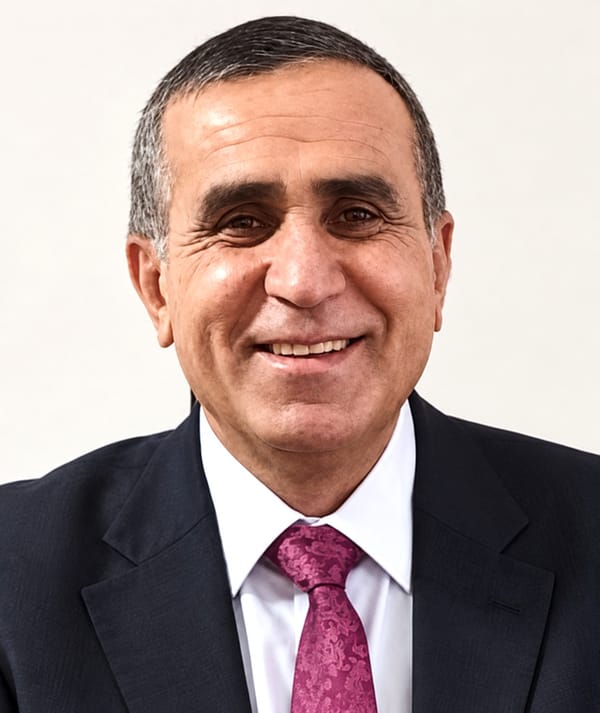
The history of a city does not live solely in official records, old newspapers, election minutes, and yellowed photographs. The true memory of cities is hidden in the stories of the people who left their mark on its streets. Some people are merely witnesses to the era they live in. Others become intertwined with the flow of the times, influencing those around them and contributing to the formation of their city's character. Ali Eşref Başaran held such a place in the history of Iğdır.
The world is changing rapidly. Iğdır is also getting its share of this change. Streets, neighborhoods, habits, and human relationships are transforming. New generations often grow up without knowing the people who lived on these lands before them, busy building their own futures. But there comes a moment in one's life when the past becomes as important as the future. Then, one asks oneself these questions: "Who am I? Who were my grandfather, my grandmother, my great-grandfather? Who lived in this city before me?" The name of Ali Eşref Başaran will undoubtedly be mentioned in these questions today and tomorrow. The main purpose of this article is to introduce him to new generations and to make his place in Iğdır's social memory visible.
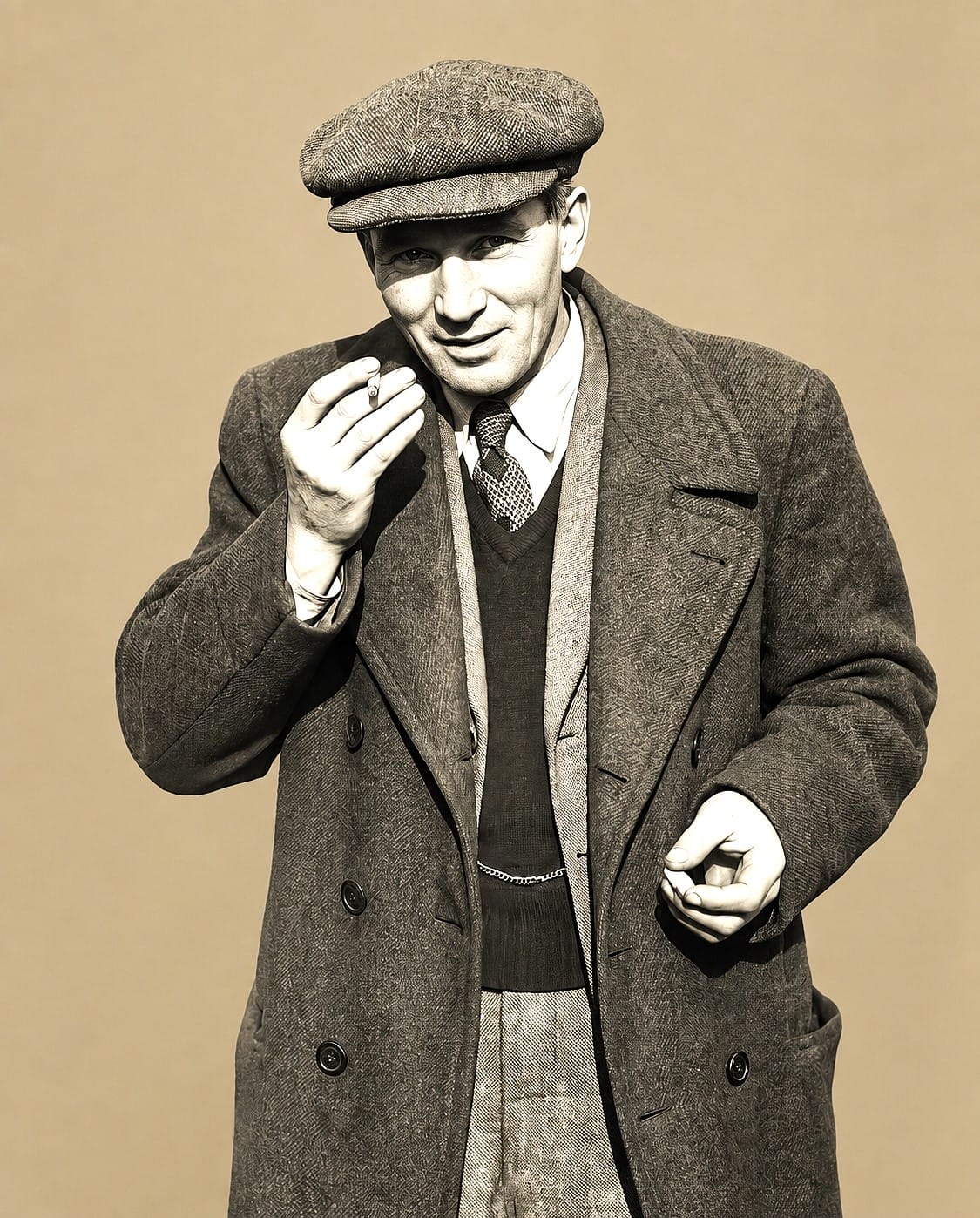
Ali Eşref Başaran was not just a person remembered for his colorful personality in Iğdır's recent history. He was an important actor who influenced the city's political, economic, and social life for many years. He served in a wide range of capacities, from neighborhood headman (muhtar) to municipal council and executive board member, from the management of the Cotton Agricultural Sales Cooperatives to political party ranks. His ability to establish relationships with people from all walks of life and maintain friendships with different circles made him one of the most recognized figures of his era.
However, what makes people important in history is not solely the duties they undertake. Positions pass, titles are forgotten. What remains is the mark a person leaves on their surroundings. Ali Eşref Başaran's true strength emerged here. He was enterprising. He was intelligent. He was quick-witted. He had a strong ability to understand people and foresee the direction of events. Even in the most difficult situations, he would find a way out, surprising his interlocutor by combining humor with intelligence when cornered. The countless stories and anecdotes told about him demonstrate not only his wit but also how well he understood human nature.
Ali Eşref Başaran was a strong personality who could understand the social relations of his time and carve out a wide scope of action for himself within these relations. He knew how to establish close ties with the bureaucracy. He could speak the same language as government officials, merchants, farmers, neighborhood residents, and politicians. He understood people's temperaments and intuitively grasped how to speak to each person.
Especially in an environment where polarization between political parties intensified after the 1950s, it was striking that Ali Eşref Başaran had friends in almost every political circle. In years when people drifted apart and friendships were tested by party affiliations, he managed to maintain his connections with people from different camps. This quality made him not only a master politician but also a balancing figure who could build relationships between different segments of society. His understanding of friendship encompassed a broader humanity than party lines.
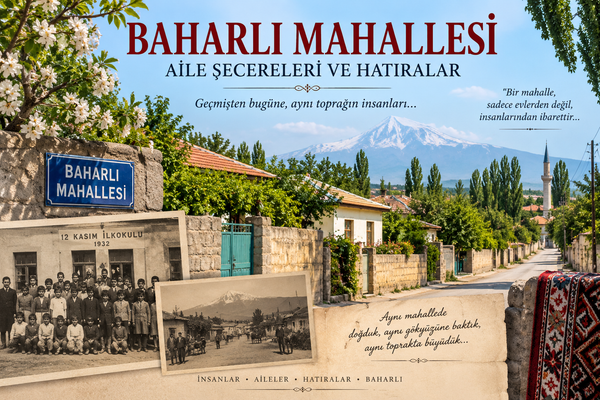
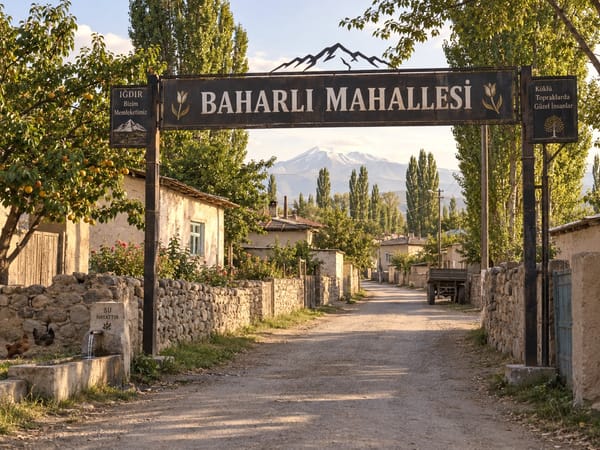
Eşref Başaran lived in Baharlı Neighborhood. Our house was in the same neighborhood. However, Baharlı Neighborhood in those years was not a cohesive, integrated settlement like it is today. Its front, middle, and back parts were almost like three separate, distant regions. Baharlı Neighborhood was not just a place where houses were lined up side by side. It was a small example of Iğdır's multi-layered social structure. Azerbaijani Turks, Karapapaks (Terekemes), and Kurds would encounter each other in daily life, trade, argue, form friendships, and create the common story of the same neighborhood. Ali Eşref Başaran had risen from within this life. It is impossible to separate his success in human relations from the colorful structure of the neighborhood he lived in.
The years I remember Uncle Ali Eşref Başaran best date back to the period between 1970 and 1973 when our family operated the Piknik Patisserie. My father, Mecit Hun, would often sit at one of the tables in front of the patisserie, surrounded by his friends. When Ali Eşref Başaran appeared from a distance, my father's expression would change. A place would immediately be made for him at the table, and after greetings, a warm, cheerful, and sometimes profound conversation would begin.
At that age, I didn't know how far back this friendship went. I could only sense that the joy they felt when they saw each other was beyond a mere acquaintance. Sometimes Paşa Turan, Aziz Güney, Cihangir Turan, or Talat Tufan would also join that table. The conversation would grow, old days would be remembered, witty remarks would follow one another, and laughter would spread from in front of the patisserie into the bazaar. That table was like a small Iğdır assembly. The city's politics, trade, people, and past would be discussed anew there.
As Ali Eşref Başaran left the table, my father would bid him farewell with great affection and respect. This special closeness my father showed him had given Ali Eşref Başaran a distinct place in my childhood world. I sensed that he was not just my father's friend, but an old comrade who had shared difficult and eventful years with him. For this reason, when I met him in the bazaar, I wanted to kiss his hand. However, each time he would respectfully withdraw his hand, not allowing it. Even this small gesture revealed much about his personality. He accepted people's love but did not place himself above them.
To describe Ali Eşref Başaran is not merely to recount the life story of one person. To describe him is also to describe an era when Iğdır's neighborhoods were still separated by dirt roads, when cotton cooperatives were at the center of the city's economic and political life, and when friendships and rivalries were intertwined. In his story, Iğdır's trade, politics, neighborhood life, bureaucracy, friendships, conflicts, and humor appear together.
Every era has its own unique people. Some pass silently. Others embody the spirit of their age in their own personality. Ali Eşref Başaran was one of those people who carried the spirit of an era with his intelligence, initiative, wit, friendships, political connections, and public duties.
Therefore, his name should not be remembered merely as a colorful memory from the past. Ali Eşref Başaran is one of the personalities whose social history of Iğdır must be understood. Because without knowing some people, it is impossible to fully understand the past of a city. To describe Ali Eşref Başaran is, in a way, to describe the Iğdır of an era.
KARAPAPAK MIGRATIONS AND THE ALI EŞREF BAŞARAN FAMILY
To accurately evaluate the family story of Ali Eşref Başaran, it is necessary to briefly look at the history of the Karapapaks in the Caucasus. Because the information passed down from generation to generation by family elders, while bearing traces of past events, can sometimes confuse histories and migration routes.
The Karapapaks, also known as Terekemes, are one of the ancient Turkic communities of the South Caucasus. They are believed to have Oghuz-Turkmen and Kipchak elements in their origins. Their historical homeland is particularly the Borchaly region. However, over time, they spread to a wide geographical area extending from Borchaly to Qazakh, Ganja, Lori, Göyçe, Yerevan, Kars, Ardahan, Iğdır, and Ağrı.
One of the important turning points in this mobility was the 1828 Treaty of Turkmenchay. Russia's consolidation of its dominance in the South Caucasus by seizing the Yerevan and Nakhchivan khanates disrupted the region's old demographic and settlement order. Some of the Karapapaks remained in Borchaly and around Qazakh within the borders of today's Republic of Azerbaijan. Some communities moved towards Yerevan and Göyçe, some to Sulduz in Iranian Azerbaijan, and others towards the Ottoman borders.
The second major turning point was the Ottoman-Russian War of 1877–1878, also known as the 93 War. New Karapapak migrations occurred due to the war and the subsequent changing borders. Karapapak settlements increased around Kars, Ardahan, Iğdır, Bayezid, and Ağrı. The village of Mengeser in Ağrı was also one of the known villages settled by Karapapaks.
The Karapapaks also had a significant population around Yerevan. Records from the 19th century show hundreds of Karapapak households in the region. Settlements such as Seyidkənd/Qarapapaq, Qaracalar, Sarvanlar, Yuxarı Sarvanlar, Qullar, Dəlilər, Uzun Abdallı, Bəzəkli, and Abdallar are associated with Karapapak or Borchaly-Qazakh origin communities. Therefore, it is historically normal for a Karapapak family to have lived around Yerevan in 1916.
After World War I, the region experienced an even more severe upheaval. In 1919, in the Surmeli Uyezd, which covered almost the entire area of today's Iğdır province, a great wave of flight and migration known as "Kaça-Kaç" (Run-Run) occurred among the people. Due to the attacks of Armenian Dashnak armed forces and the war environment, the Muslim population of Surmeli, namely Azerbaijani Turks, Karapapaks, and Kurds, were largely forced to leave the region. Some took refuge in Iranian Azerbaijan, and some in Ottoman territories. Kaça-Kaç remained a great social catastrophe recounted for generations in the collective memory of the people of Iğdır.
Karapapak villages in and around Yerevan also suffered attacks from Armenian Dashnak forces in the same years. However, the process here was not the same as the Kaça-Kaç experienced in Surmeli. Not all of the Karapapak population around Yerevan collectively left the region in 1919. A significant portion remained in place despite the attacks and pressures and continued to live in their villages until the early years of Soviet rule.
In these years, the demographic structure of Iğdır city center was quite different from the surrounding rural areas. In the 1897 Russian census, 3,934 of the 4,680 people in Iğdır city center were Armenian. This shows that approximately 84% of the city's population consisted of Armenians. The remaining population included Russian military and civilian officials and Azerbaijani Turks.
After the 1917 Russian Revolution, a large part of the Russian military units, officials, and civilian Russian population left Iğdır and the Surmeli region. Thus, the Russian population element in the city center largely disappeared. Even if there was not a proportional increase in the Armenian population, its share in the total population rose from around 84% to over 90%. The large-scale withdrawal of the Muslim population during the 1919 Kaça-Kaç also made this ratio more pronounced.
Therefore, by November 12, 1920, Armenians constituted the overwhelming majority of Iğdır city center. Baharlı Neighborhood was also one of the settlements primarily inhabited by Armenians.
In the autumn of 1920, the political and military balances in the region changed again. On November 12, 1920, the Turkish Army, Hamidiye Regiments, and Tribal/Azerbaijani Turk Volunteer Units entered Iğdır. In the same period, the Republic of Armenia ended, and Soviet rule was established in Armenia.
With the withdrawal of Armenian forces, a large part of the Armenian population in Iğdır city center moved north of the Aras River, towards Yerevan. Thus, a significant number of empty houses and settlement areas emerged in the city, especially in Baharlı Neighborhood.
From 1923 onwards, families from Karapapak villages in and around Yerevan began to cross the Aras River illegally and come to Iğdır. A significant portion of these immigrants settled in Baharlı Neighborhood, which had been vacated by Armenians. Some of the Karapapak families who had taken refuge in Iranian Azerbaijan and the Ottoman side from the Surmeli Uyezd (today's Iğdır province) during the 1919 Kaça-Kaç returned to their old villages after the war ended. Thus, Baharlı Neighborhood quickly became one of the important Karapapak/Terekeme settlements in Iğdır city center.
The family story of Ali Eşref Başaran also gains meaning within this great historical movement. Ali Eşref Başaran was born in Yerevan in 1916 into a Karapapak family. Family memory speaks of a village or hamlet near Yerevan, referred to as Ezine, Ezin, or Əzin, inhabited by Karapapaks. Due to the different ways place names are recorded in Russian, Armenian, and Turkish sources, and the change of many village names during the Soviet era, it is not yet possible to definitively determine the current equivalent of Ezine.
According to family members, Ali Eşref Başaran briefly attended a Russian-language primary school in his childhood. Since he was born in 1916, this education must have taken place in Soviet Armenia in the 1920s, not during the Tsarist period. Although his education did not last long, this short school period enabled him to learn to read and write. The fact that he was literate in his later life also indicates the traces of this basic education.
This information also suggests that the Başaran family did not immediately leave the Yerevan area during the events of 1919. According to family narrative, the Başarans likely came to Turkey from Yerevan, crossing the Aras, between 1928 and 1930. They first settled in the village of Mengeser in Ağrı, where there was a Karapapak population. After some time, due to unrest there, they left Mengeser and moved to Baharlı Neighborhood in Iğdır, where their relatives lived.
In this respect, Ali Eşref Başaran's family story is not merely the migration story of one family. It is a small but meaningful part of Karapapak history, extending from Borchaly to Yerevan, from Yerevan to Ağrı, and to Iğdır. The traces of major historical upheavals such as Turkmenchay, the 93 War, the 1919 Kaça-Kaç, the conflicts in Yerevan, Sovietization, and the establishment of the new Turkey-Armenia border converge in the memory of the Başaran family.
PART ONE
EYÜP BAŞARAN, SON OF ALI EŞREF BAŞARAN, RECOUNTS
I was born in Iğdır in 1962. I am the youngest of Ali Eşref Başaran's fifteen children, meaning I am the last cradle. My wife's name is Sevda. I have two sons and one daughter. My daughter's name is Betülcan Başaran. She is an emergency doctor. Saruhan Başaran. He is a dentist at Yeşil Elma Dental Polyclinic. My son Batuhan Başaran is an audiometrist. I ran a market for many years. I am currently living as a Bağkur retiree.
My father was married twice. He made his second marriage in 1937 to Nevriye Hanım, a Bulgarian immigrant who settled in Iğdır. He had 15 children from two marriages. Our family tree is as follows:
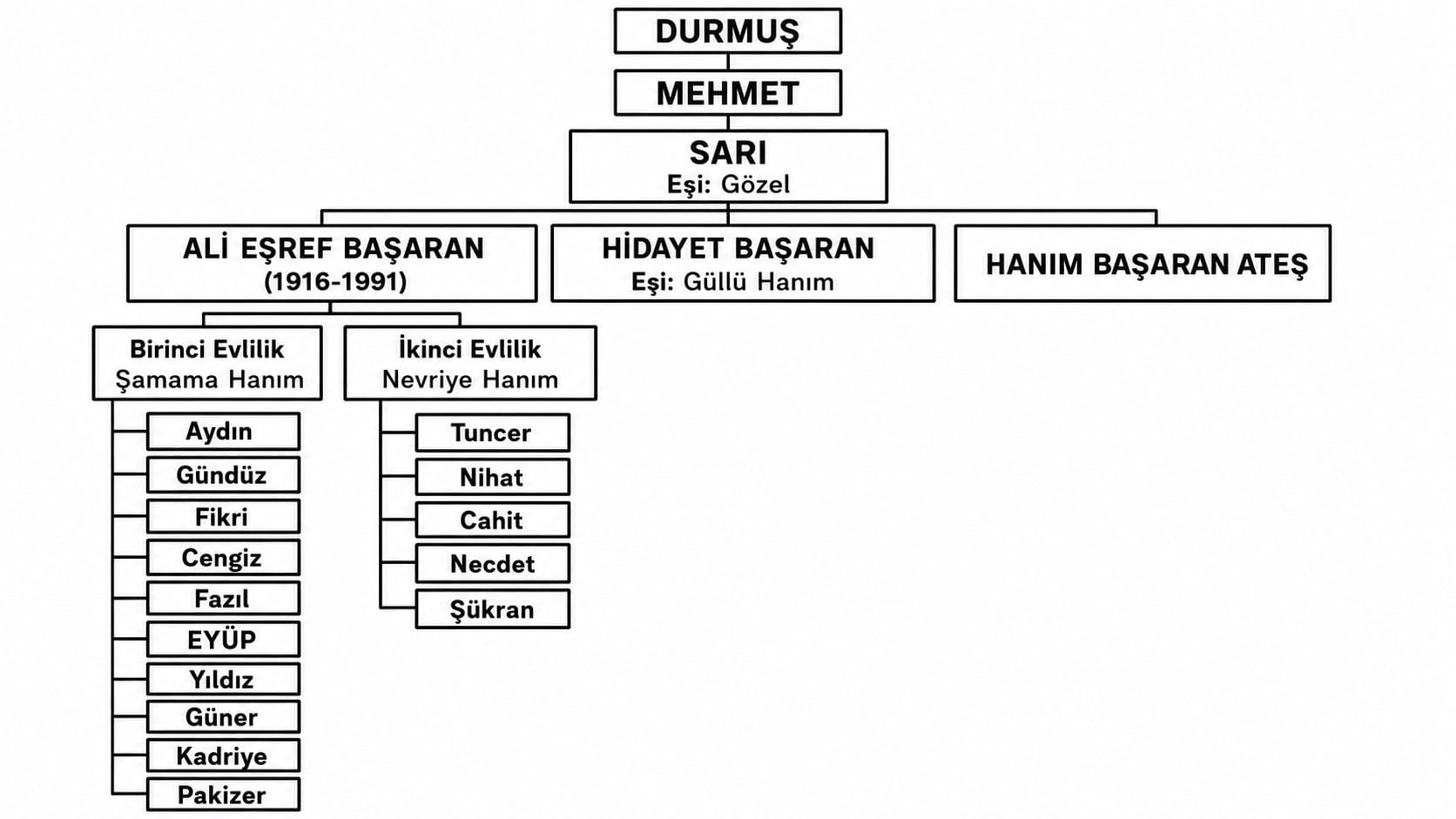
My father was born in Yerevan. His tombstone indicates his birth year as 1332 (1916). My father passed away on October 31, 1991. My father's death left a deep impact on me.
My Father's Passing
My father was living with me in those years. I was also running a market. My elder sister, who lived in Doğubayazıt, had come to visit our father's home for a while. When it was time for her to return, she said to my father: "Father, I am going to Doğubayazıt."
My father looked at my sister's face with emotional eyes and, unexpectedly, said: "Don't go! I will die!"
His saying such a thing out of the blue deeply affected everyone in the house. Suddenly, a heavy sadness fell over the house. Everyone had withdrawn to a corner, crying silently. Since my sister's family was in Doğubayazıt, she had no choice but to leave. As she left that house, my father's words, "Don't go! I will die!" echoed in our ears, and we all saw her off with tears in our eyes.
To comfort the family a little, I would sometimes say: "My father is old. He doesn't know what he's saying."
But no one listened to me, and the heavy atmosphere of mourning in the house did not dissipate. My Uncle Hidayet's wife, Aunt Güllü, turned to me and said: "Son, this is Ali Eşref Bey. Let everyone cry!" At that point, I gave up trying to console the family members.
One morning, I left home to go to the market. Not long after, my mother called: "Your father isn't waking up. Come home quickly!" she said.
Right next to my market was the clinic of Dr. Tuna Vural, originally from Aralıklı. I quickly went home, taking the doctor with me. Dr. Tuna Vural examined my father and put him on an IV. I later learned that as the doctor left the house, he had told my mother and sister that my father's condition was not good and that they should be prepared for anything. Knowing how devoted I was to my father, he had chosen not to share this bitter truth with me.
After a while, I returned to the market. Soon after, my mother called again. This time, she said my father was on his deathbed. Taking Dr. Tuna Vural with me again, I rushed home in a great hurry.
When I reached my father, I clasped his hands. Crying, I pleaded: "Father, please don't leave us!"
At that very moment, my father took his last breath and passed away. It was as if he had waited for my arrival before leaving.
We buried him in Iğdır Asri Cemetery. Even though years have passed, that last moment remains vivid in my memory.
May his soul rest in peace, and may his place be in heaven.
Terekemes of Baharlı Neighborhood
Approximately 90% of the Terekeme families settled in Baharlı Neighborhood are directly or indirectly related to each other. Families with the surnames Başaran, Gülbaşaran, Aslan, and Akaslan belong to the same extended family. When the Surname Law was enacted in 1934, family members adopted different surnames. Hacı Muharrem Aslan, one of the prominent figures of Baharlı Neighborhood, and my father were first cousins. We are also related by marriage to families bearing the surnames Coşar and Karatepe. Our roots with Hasan Alkazak extend back to the Qazakh (Kazakh) region, likely within the borders of today's Republic of Azerbaijan.
When our family lived in Yerevan and its surrounding villages, they were engaged in animal husbandry. They had summer pastures in the Elegez (Alagöz) Mountains. According to our elders, there were 17 Karapapak villages around Yerevan in those years. My grandfather Sarı was one of the leaders of this community.
When my father and his family left the village of Mengeser in Ağrı and came to Iğdır, they settled in a place opposite the building known today as the Governor's Mansion. In those years, both my father and his cousin Hacı Muharrem Aslan were engaged in camel transportation, so they later moved to the inner parts of Baharlı Neighborhood, to our current locations.
Our family members today live scattered across Turkey, Armenia, and Azerbaijan. My grandmother is originally from the Qazakh region of the Republic of Azerbaijan. Her maternal uncle İsmail and his five sons lived there. In 1997, I had the opportunity to visit Azerbaijan and see them. One of İsmail Dayı's sons is named Kürt. My cousin named Kürt also has five sons.
My Father's Friendship with Hüsnü Bingöl
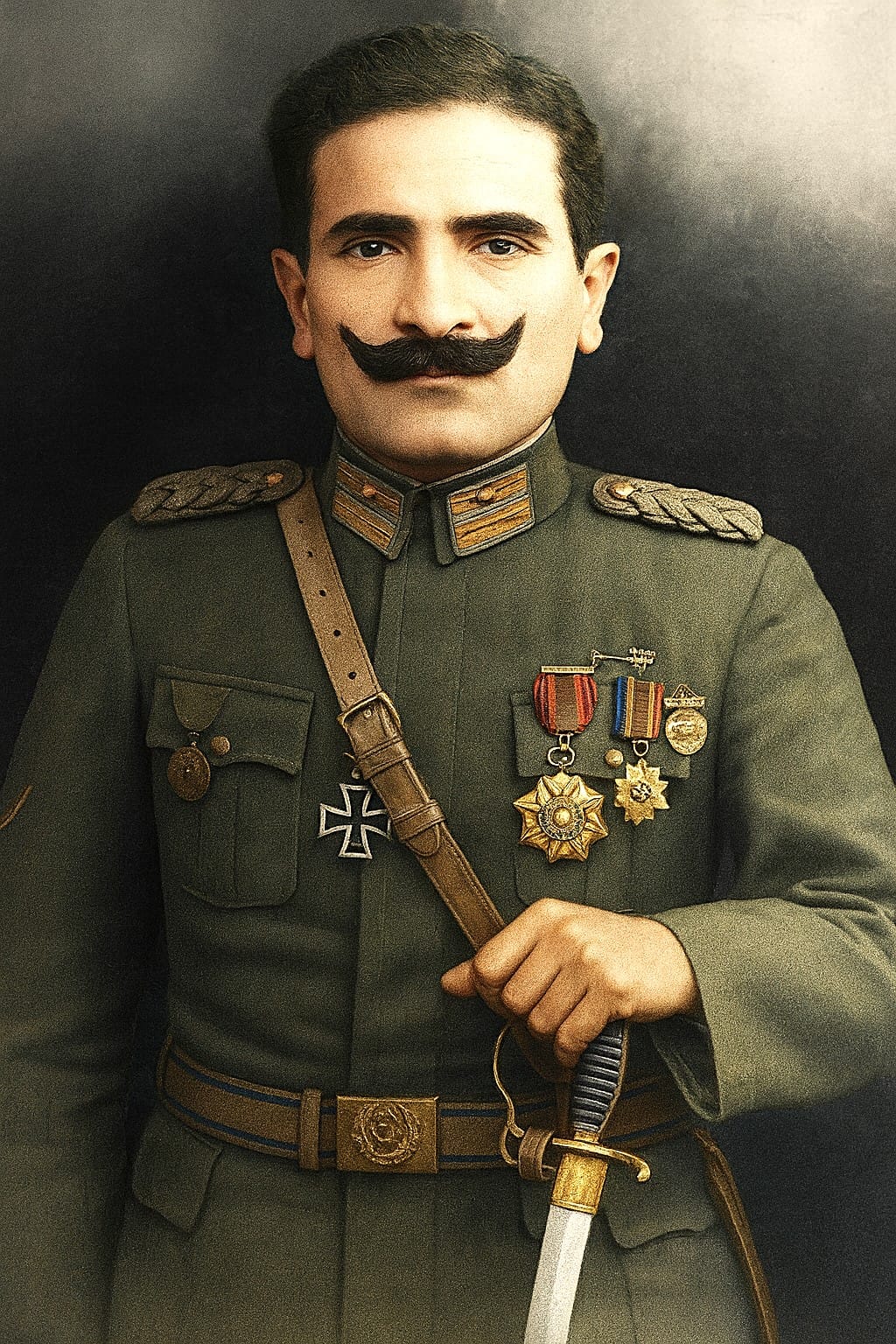
My father was one of Hüsnü Bingöl's most trusted men. Hüsnü Bingöl was a frequent guest in our home. My father could speak Russian. Hüsnü Bingöl would send my father as an agent across the Aras, into the Soviet Union. One day, he sent him on a mission with a relative named Hamit. When Hamit was shot on the way back, Hüsnü Bingöl never sent my father to the other side again.
One of Hüsnü Bingöl's most important characteristics was to test the agents he would assign beforehand and try to understand whether he could trust them. An uncle named Kasım, whom we knew well, had told me an interesting incident he experienced.
We used to have a large mulberry tree in our garden. There was also a fountain under the tree. One day, Hüsnü Bingöl and my father were sitting in the cool shade of the mulberry tree, drinking raki and chatting. They told Uncle Kasım: "You will cross the Aras. You will go to such and such a mosque. You will lift the plank in such and such a place. There is a note there. You will take it and bring it back."
Uncle Kasım set off to carry out the task. When he arrived at the mosque and reached the said plank, what did he see? My father was there, waiting for him.
Uncle Kasım, in astonishment, thought to himself: "How can this be? I left them at the drinking table a few hours ago. Now, how can the man in front of me be waiting for me here?" He didn't know what to do at the sight he saw.
In our house, there is an old Quran from my father's time. In the past, there was such a tradition in families. The birth and death dates of children and other family members were noted on the back pages of the Quran. My father also made various notes on these pages from time to time. Some he wrote in Russian and the Cyrillic alphabet, some in old Turkish, meaning the Arabic alphabet, and some in new Turkish, meaning the Latin alphabet.
My father, at one point, opened one of Iğdır's first restaurants on Doğubayazıt Street, across from the mosque. In those years, this area was one of Iğdır's central and busiest places. Hüsnü Bingöl's house was only a street away from the restaurant.
Encounter with Atatürk
In the years before 1950, my father was engaged in both animal breeding and transportation with camels. Animals were sent to the summer pastures in spring and taken to Trabzon and sold in autumn. Camels were primarily used for military transport. In those years, camel caravans were one of the most reliable transportation methods in the region. Sometimes, cotton bales were also loaded onto camels and taken to Trabzon. Both animals and cotton bales were transported from Trabzon Port to various parts of Anatolia.
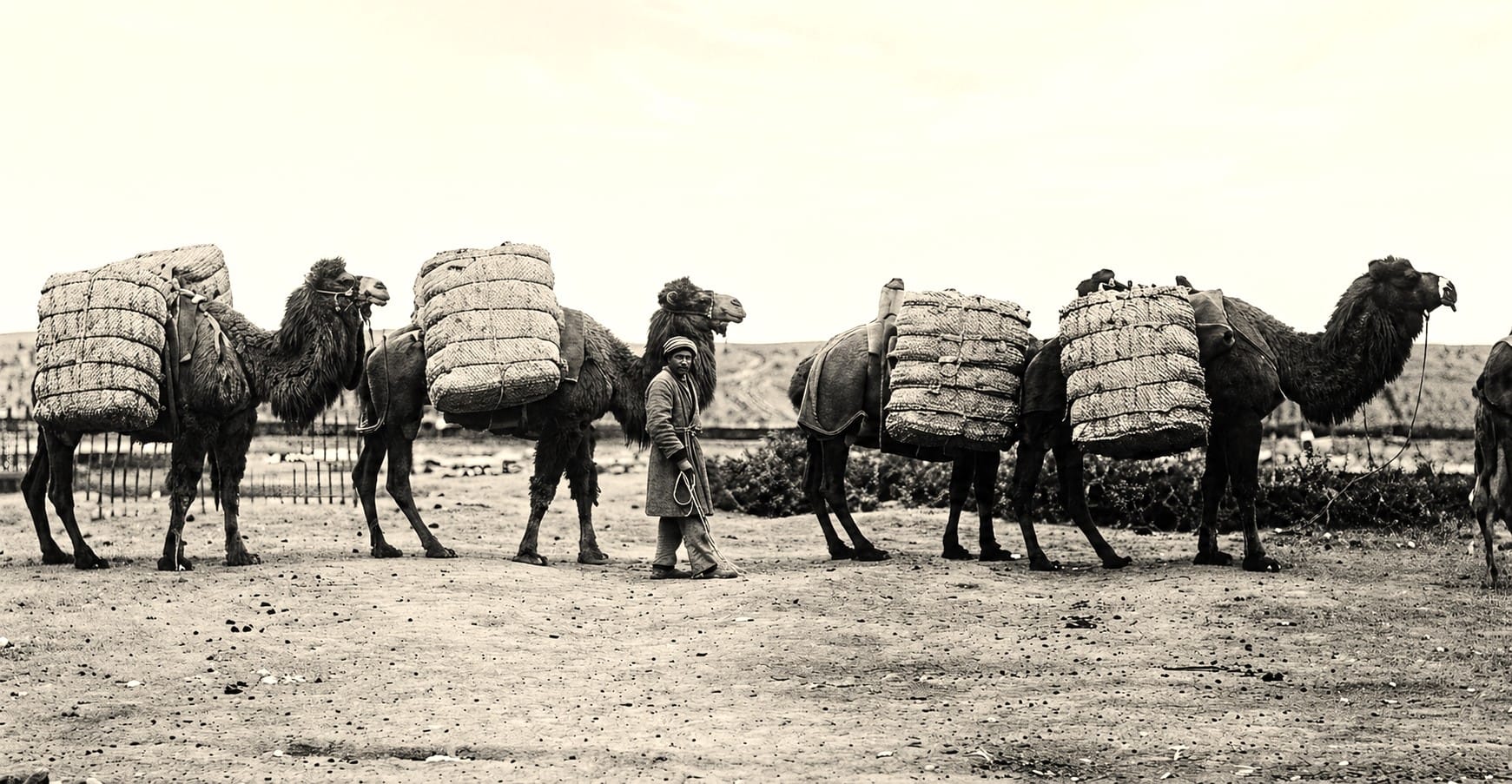
It was during such a period that my father encountered Atatürk in Trabzon. Atatürk visited Trabzon between June 10-12, 1937. My father was also in Trabzon at that time. My father spoke Turkish flawlessly. He had no distinct accent. A short conversation took place between him and Atatürk.
Atatürk made him the following suggestion: "Ali Eşref Bey, come and settle in Adapazarı. Be close to me!"
Ali Eşref Başaran replied without hesitation: "Pasha, let's say I came and settled in Adapazarı. But what will happen to the Terekemes?"
Towards the end of the 1920s, my father and some relatives crossed the Aras and went to the village of Mengeser. In those years, my grandfather was imprisoned. After some time, one of his Armenian neighbors opened the prison door and helped my grandfather escape. My grandfather then went to Mengeser and reunited with his family.
Even during Russian rule, Terekemes lived in Pırço and Saraçlı. Additionally, Terekeme families were found in villages such as Ahura, Tezharaba, Gödekli, Hacıağa, and Tezeköy. On the Iğdır side, Terekemes lived in the villages of Hakveyis and Evci.
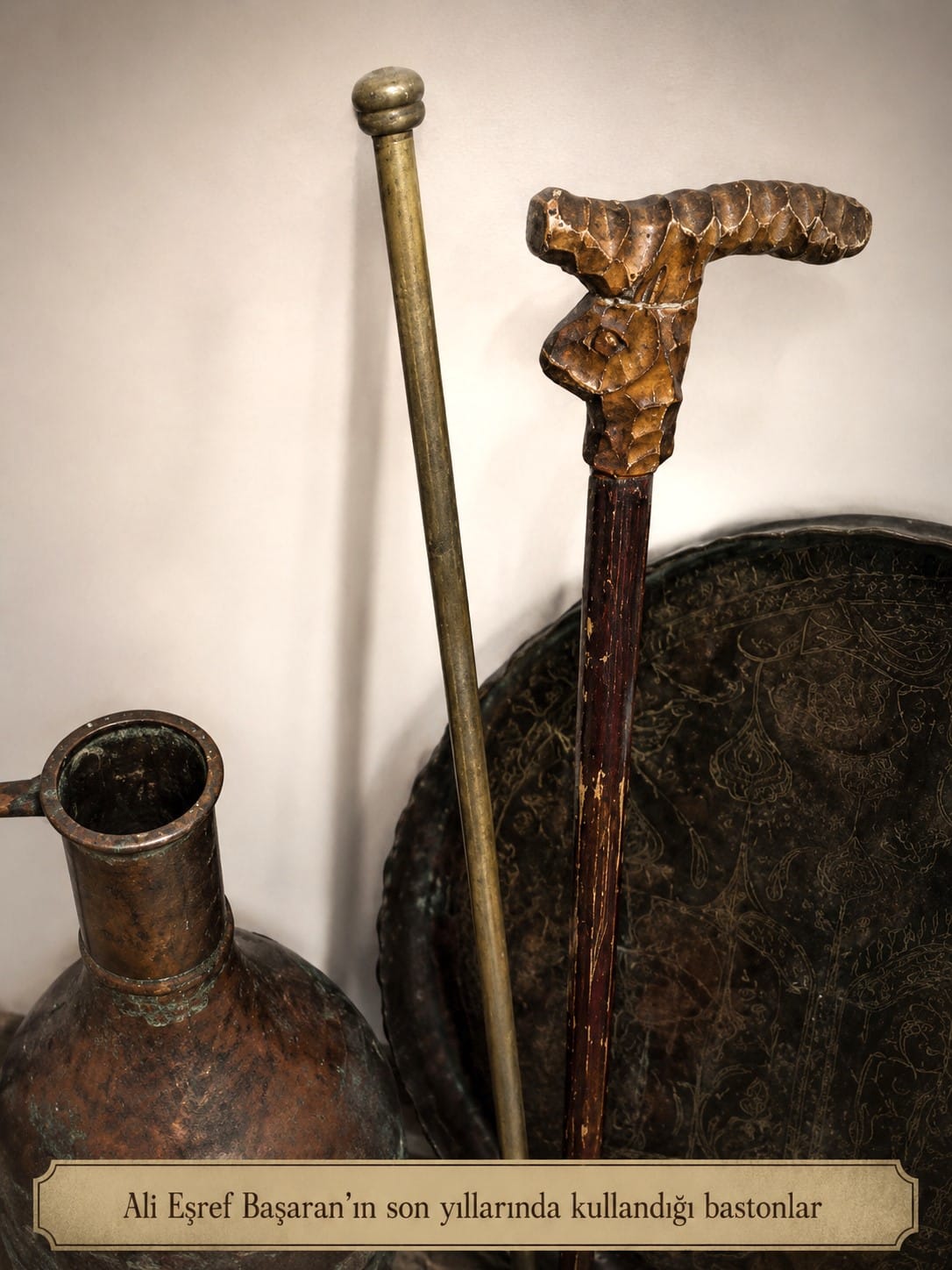
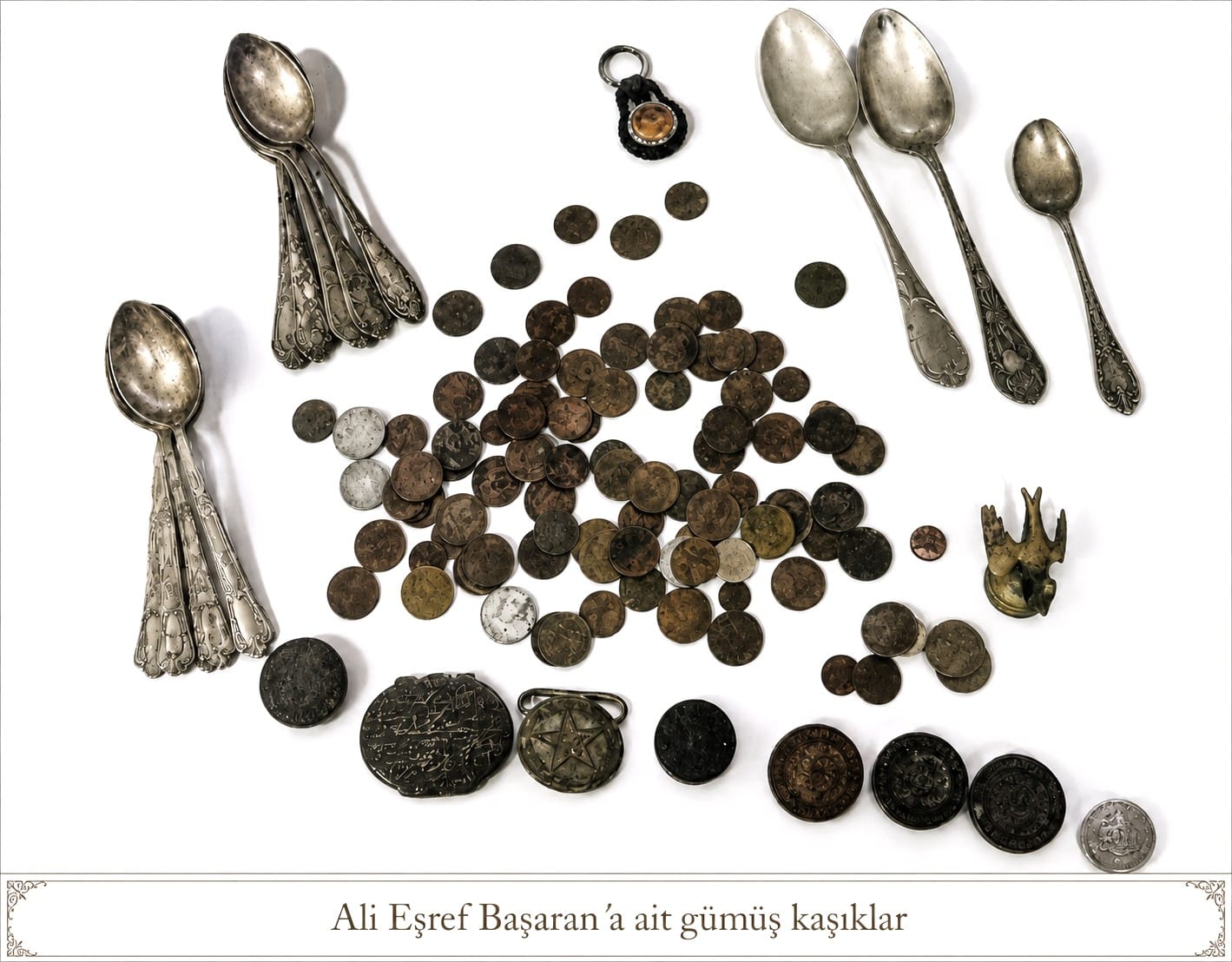
I am interested in historical items and antiques. For this reason, I carefully preserve everything from my father's time, such as plates, carpets, samovars, radios, and the like. Some plates, in particular, hold a special meaning for me. Knowing that my father hosted high-ranking bureaucrats, members of parliament, and ministers with these plates, I see them not just as old objects, but as witnesses to our family history and an era.
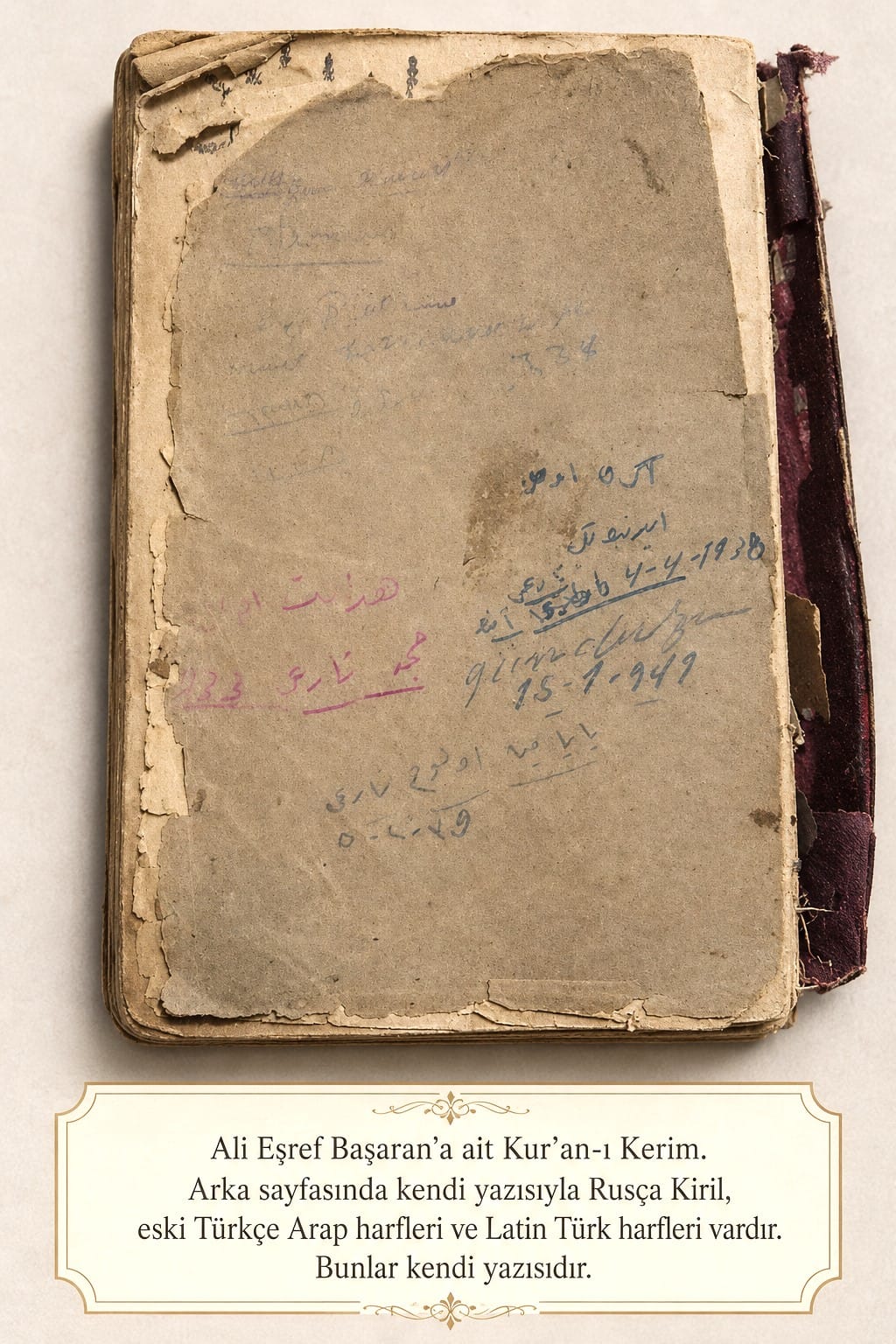
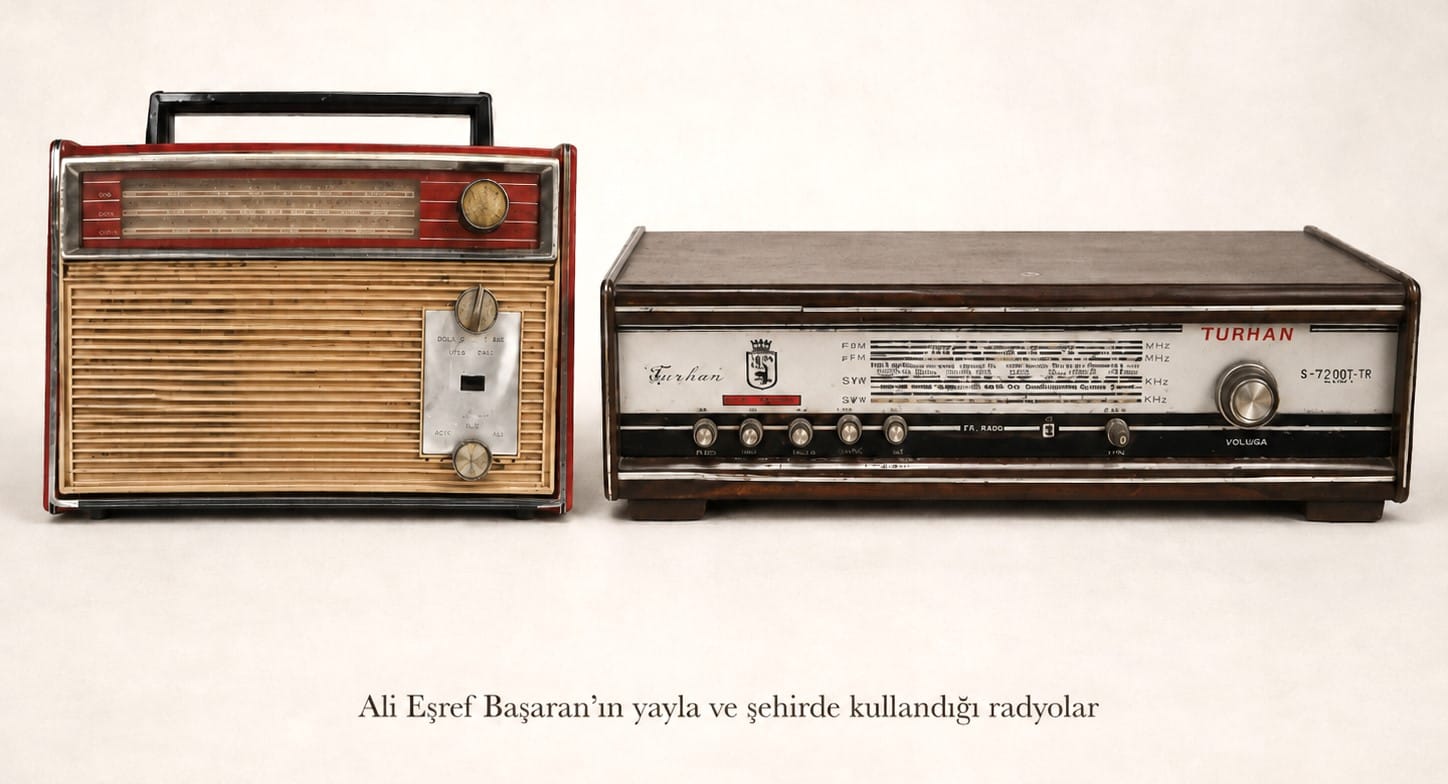
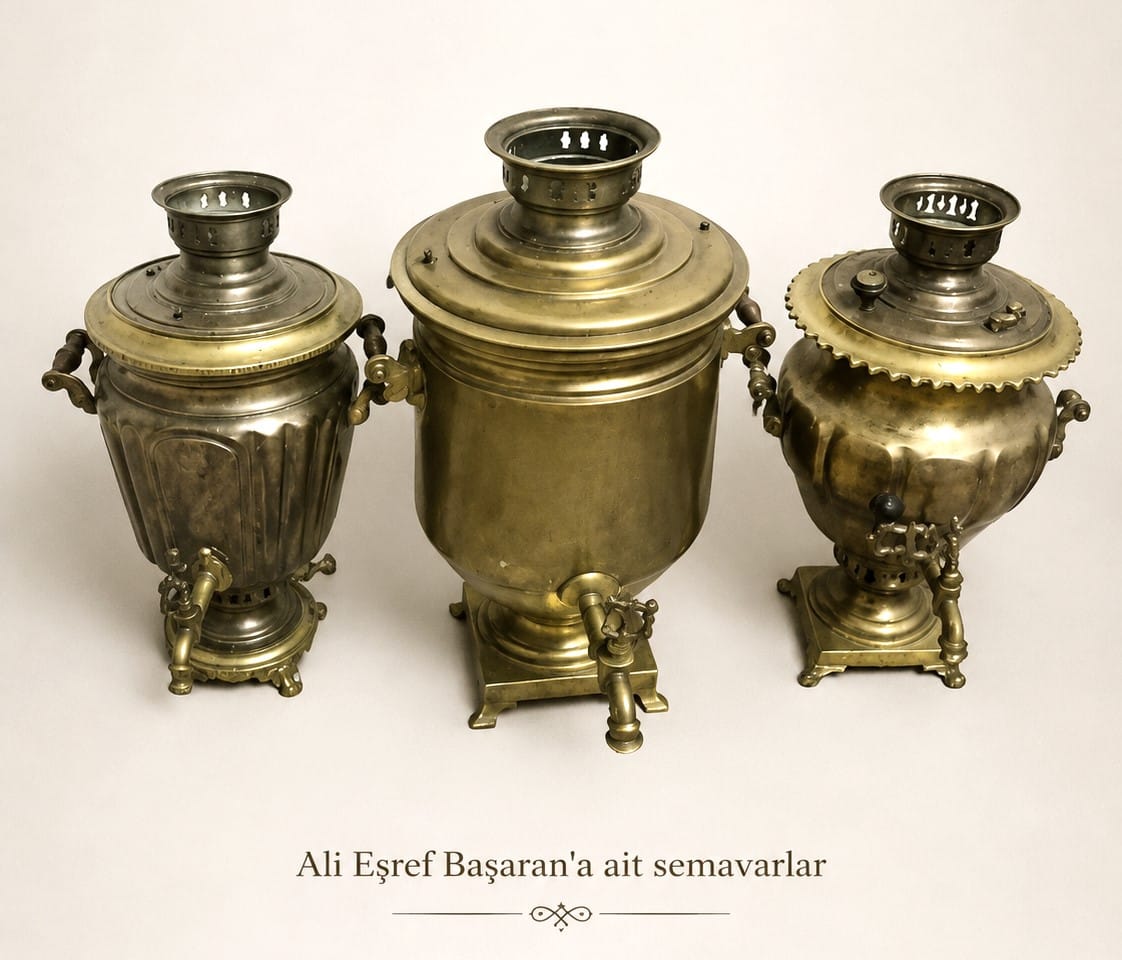
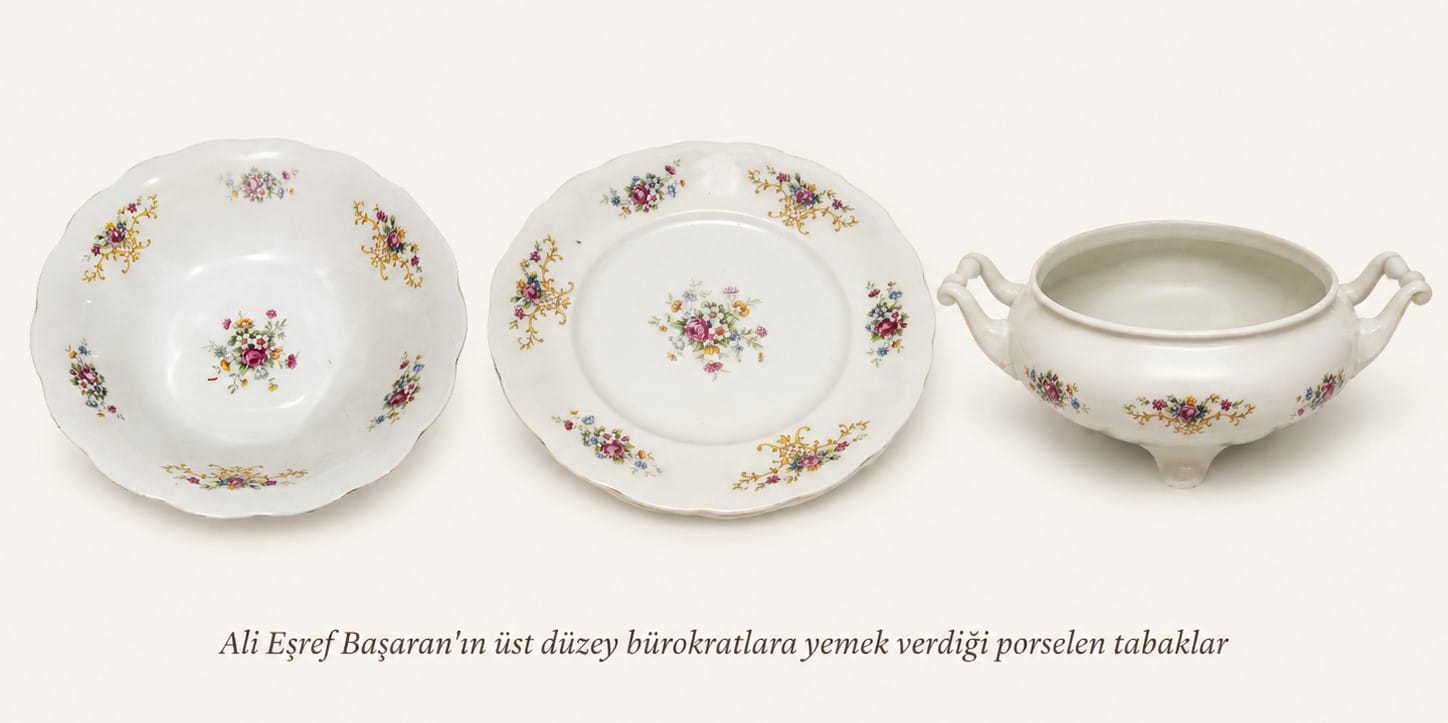
"Bring my testicles, let them eat..."
While talking about my father's feasts, an interesting and pleasant anecdote came to mind.
One day, my father invited Kars Senator Sırrı Atalay and Member of Parliament Musa Doğan to our house. My father was very fond of ram testicles. Among the people, the word "taşak" (testicle) is generally used for ram testicles.
That day, a ram was sacrificed. Kebabs were prepared and eaten with relish. The ram testicles were left in the embers to cook. When cooked this way, they first brown, then burst. My father would eat them with great pleasure and wanted his guests to taste the same delicacy.
However, cooking ram testicles takes some time. My father, impatient, would often call out to the household: "Quickly bring my testicles, let them eat!"
Sırrı Atalay and Musa Doğan, not knowing what my father meant, perceived these words as an insult directed at them. They looked at each other angrily.
Just then, the ram testicles cooked in the embers were brought to the table on a plate. Ali Eşref Başaran, with great delight, said: "Here are my testicles! Please, enjoy!"
Sırrı Atalay and Musa Doğan understood the matter at that moment and began to laugh. Then they said to my father: "If the service hadn't been on time, we would have considered this an insult and beaten you!"
The incident thus ended with laughter. It was said that this anecdote was told for many years in the corridors of the Parliament in Ankara and was listened to with great pleasure each time.
Our Camel Named Kara Nêr
We had a camel. Its name was Kara Nêr. Its color was black.
One winter day, a friend of my father's came to the house. The hay they had collected for the animals was in a village in Ardahan. However, it was almost impossible to reach the village because everything was covered in snow. If that hay could not be brought, the animals being fattened in Iğdır would suffer from a lack of feed.
My father called the camel driver and said, "Put Kara Nêr at the very front. Take the caravan, go to the village, and bring the hay."
According to what they told, Kara Nêr was advancing at the front of the caravan on the village road, which was closed due to heavy snowfall, literally clearing a path by pushing through the snowdrifts with its chest. The caravan reached the village by following the path it had opened. There, it loaded the stranded hay and brought it to Iğdır.
My father's friend, who participated in this journey, would speak with admiration about Kara Nêr's strength and courage even years later. He could not hide his admiration when describing how it advanced through the snow, clearing the way for the caravan.
I also loved our camels very much. One day in 1973, my father and his cousin Hacı Muharrem Aslan sold their camels to Iranians. I can never forget that day. My mother and I were constantly crying, pleading with my father, "Please don't sell them!"
Our camels had extremely ornate and valuable headpieces. Each one was like a work of art. The value of one headpiece was almost more than the price of a camel.
Years later, we only had one camel headpiece ornament left. We kept it as a priceless family heirloom. Unfortunately, while we were at the summer pasture, thieves broke into the house through the window and took this last memento.
Hasanhan Village Title Deed
In Hasanhan village, there was a widowed woman named Cemê (Cemile) Hanım. She was influential in the village, and everyone held her in deep respect. When Cemê Hanım had her sons circumcised in my father's lap, we became kirve (a type of ritual kinship).
In those years, Hasanhan village did not have a title deed. My father went to Ankara, engaged his bureaucrat friends, and returned with the title deed for Hasanhan village.
The land registry official made a suggestion to my father: "Ali Eşref Bey, at least take 1000 decares for yourself!"
My father rejected this suggestion with a firm tone: "Did I eat my own property that I should lay hands on theirs? Distribute all the land to my kirves."
PART TWO
ALI EŞREF BAŞARAN IN MEMORIES AND DOCUMENTS
(Mecit Hun and Ali Eşref Başaran were two close friends who maintained their friendship for many years. Especially in the 1950s, this bond grew stronger, and they shared many memories within Iğdır's social and political life.
Mecit Hun passed away in Ankara on January 29, 1998. Before his death, he had started to write his memoirs, but this work remained unfinished. In his unfinished memoirs, he also included his dear friend Ali Eşref Başaran, who held a special place in his life.
Below, I present Mecit Hun's writing about Ali Eşref Başaran as it is. Mücahit Özden Hun)
ALI EŞREF BAŞARAN FROM THE PEN OF MECIT HUN
(Note: Mecit Hun used the generally accepted name "Eşref Başaran" in his writing instead of "Ali Eşref Başaran." Also, the modern Turkish equivalents of old Turkish words in the text have been added by me in parentheses. Mücahit)
One of the colorful figures of Iğdır was Eşref Başaran. Of Terekeme (Karapapak) origin, he came as an immigrant from the Caucasus with his relatives and settled in the villages of Mengeser and Yoncalı in Karaköse, Baharlı Neighborhood in Iğdır, and Pirço (Saraçlı village) in Aralık district. Despite being uneducated, he had an intelligent, enterprising, and sympathetic personality. He undertook various duties in Iğdır and managed to remain constantly on the agenda. (Note: Ali Eşref Başaran received his education in a Russian Primary School in Yerevan. He also learned Old Turkish and the Latin Turkish alphabet on his own. Mücahit)
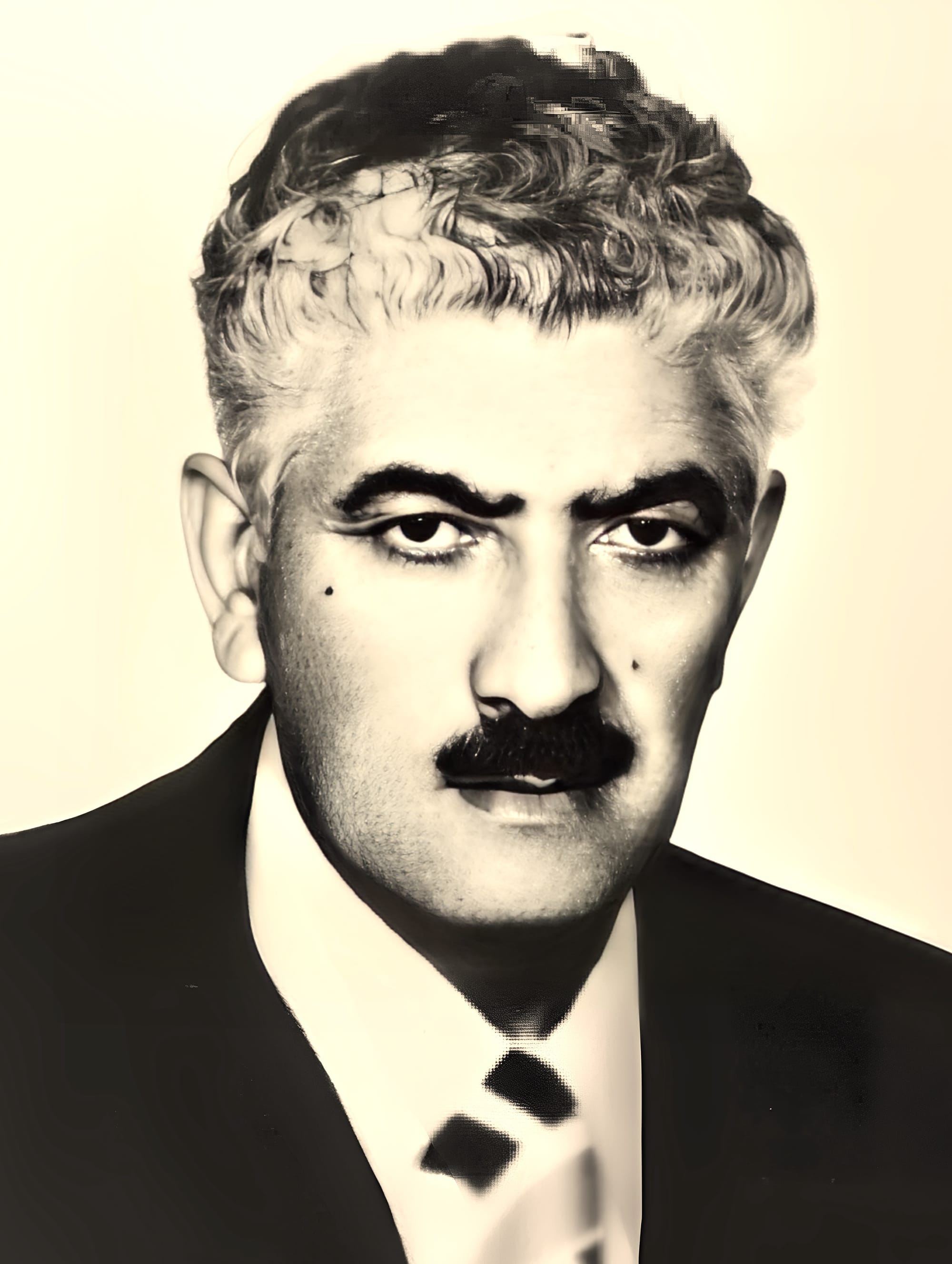
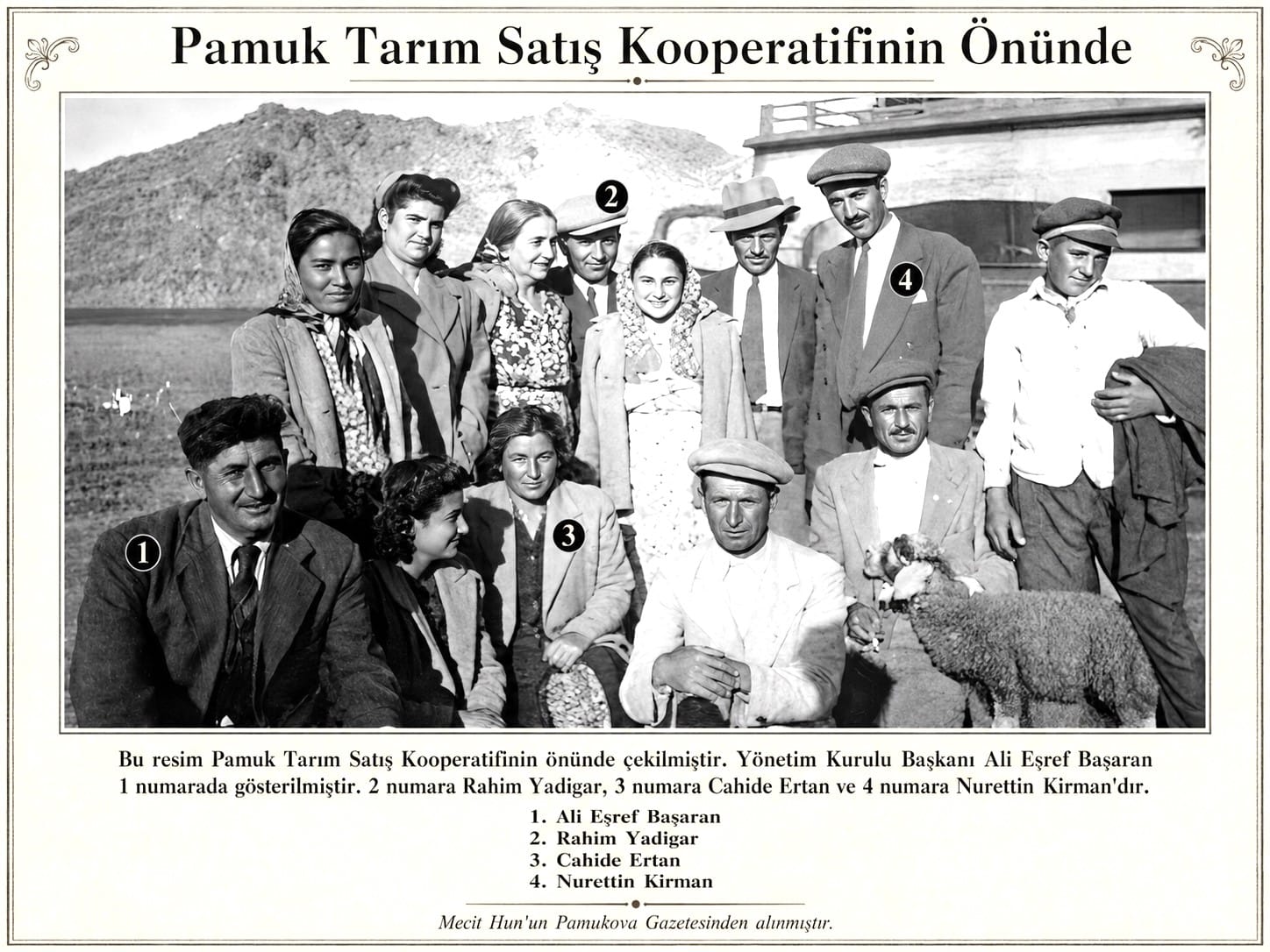
He held positions such as neighborhood headman, municipal council and executive board member, board member and chairman of the Cotton Agricultural Sales Cooperatives, and political party executive committee member. He managed to establish relationships with people from all walks of life and remain friends. His life was full of interesting and humorous events. In the years he was involved in politics, he tried to manage both sides without offending his friends in the Democratic Party and the Republican People's Party.
A funny incident occurred during an election meeting when judicial oversight was introduced for primary elections. Eşref Başaran's name was on the delegate lists of both the Justice Party and the Republican People's Party, which were held under the supervision of a judge in the same hall. Eşref Başaran, realizing his deception would be exposed, had hidden. Our mischievous friends, who realized what was happening, convinced Eşref Bey that he would be immediately imprisoned if he did not vote. He trusted me very much. I was one of the first friends he turned to in difficult times. He came to me and asked me to find a solution. I made a decision immediately. Eşref Bey would provide lunch for the primary election board and officials of both parties, and he would vote in one of the parties he preferred. Eşref Başaran, who accepted our conditions to avert disaster, chose to vote in the CHP ballot box and cast his vote for Muzaffer Şamiloğlu, who was of Karapapak origin.
We were having fun with Eşref Bey, whom we had outsmarted despite all his cunning, and wanted to know the bill for the meal. Eşref Bey answered us very calmly. "I swear, I don't know, because I made Muzaffer Bey's men pay for it."
Eşref Başaran, who was very proud of being Karapapak, was doing his paid military service in the "paid soldiers" company attached to the Infantry Regiment in Iğdır when a new commander arrived at the company. To get to know the surroundings, he gathered the company and lined them up in a single file. He ordered those of Azerbaijani origin to step forward 5 paces, and those of Kurdish origin 3 paces. Only one person remained behind. This was Eşref Başaran. The commander asked, "What are you?" Eşref Bey got excited. Instead of saying Karapapak, he said "Alapapak." The commander slapped him in the face. "I don't want ala bula (mixed colors), you will be one color..." he said. Eşref Bey, who told us this incident, started using the word TEREKEME instead of Karapapak after that date...
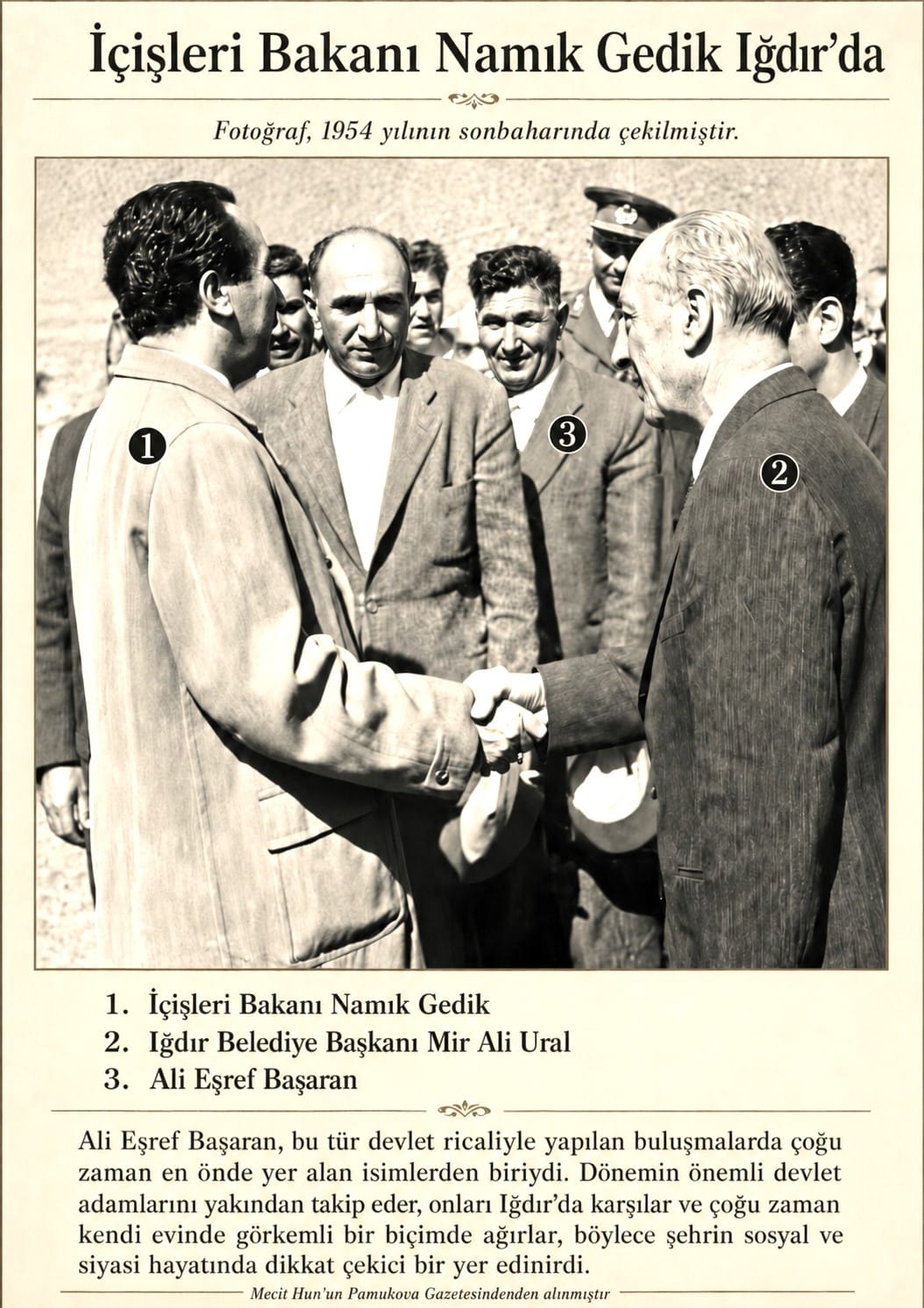
In 1950, he was the chairman of the board of directors of the Iğdır Cotton Agricultural Sales Cooperatives Union. The managers of this giant organization, which produced 3000 tons of cotton annually and had 7000 members, were always subjected to justified and unjustified complaints. Similar complaints were made to the Ministry of Commerce about Eşref Bey, and an investigation inspector was sent to Iğdır. The inspector's behavior and the questions he asked created suspicion and prompted Eşref Bey to seek a solution.
That year, the DP came to power, and Samet Ağaoğlu, the son of Ahmet Ağaoğlu of Azerbaijani origin and a Member of Parliament for Manisa, was included in the cabinet as Minister of State and Deputy Prime Minister some time after the formation of the first DP government. This event coincided with the date the inspector came to Iğdır. Eşref Başaran did not miss the opportunity. He carefully and skillfully filled out a blank telegram form he obtained from the post office and turned it into a telegram sent to himself. He gave it to Şevket Efendi, one of the post office delivery staff, and arranged for the telegram to be delivered while he was with the inspector. When the telegram was handed to him, he handed it to one of the cooperative officials present and asked him to read it aloud, as he did not have his glasses with him. The content of the telegram was as follows:
Dear Eşref BAŞARAN
Chairman of Agricultural Sales Cooperatives IĞDIR
I received your congratulatory telegram on the occasion of my appointment as Minister of State and Deputy Prime Minister. I confirm my feelings of love and loyalty to you, express my thanks, and offer my respects. Your cousin Samet Ağaoğlu
The inspector, who listened carefully to the telegram, immediately changed his attitude. He made Eşref Bey sit next to him. After being thoroughly convinced of his kinship (!) with Samet Bey, he stated that the complaints were nothing but malicious gossip, as he had understood from his two-day investigation, and asked for a seat to be reserved for him on tomorrow's bus.
Eşref Bey convinced the inspector. The next day, while the people of Iğdır and the complainants were still asleep, he saw the inspector off to Ankara in a taxi in the early hours of the morning.
Eşref Başaran was a good evening drinker. He enjoyed being with his unchanging table companions. In addition to his evening drinking, he never missed the tarawih prayers on Fridays and during Ramadan.
He had endeared himself to everyone with his helpfulness and generosity. He was a valuable fellow townsman whose place could not be filled. May Allah have mercy on him. (Source: Iğdır Sevdası)
HAMZA AYGÜN RECOUNTS
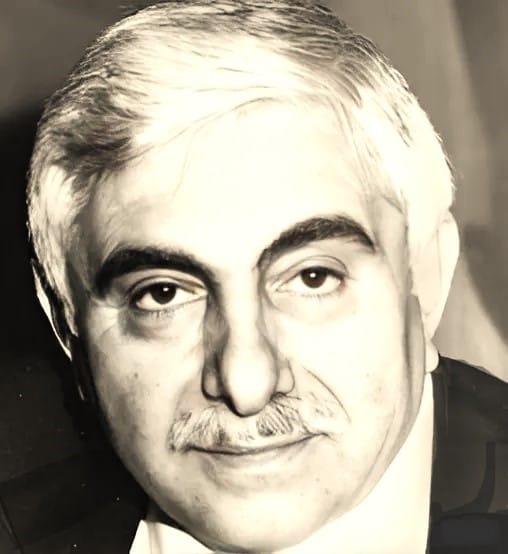
From 1923 onwards, Terekemes came and settled in Iğdır in groups. I don't know exactly where the group that settled in Iğdır came from, but there was a distant kinship between them and the Terekemes in Gödekli.
In those years, wealthy, well-to-do families mostly came and settled in Kars Street and Karaağaç Neighborhood, which were referred to as Iğdır's "Ürek (heart) location." Baharlı Neighborhood was both very scattered and a low-quality settlement. But when the immigrant Terekemes predominantly preferred Baharlı neighborhood, there was a serious population explosion in this neighborhood very soon. Eşref Başaran led all these incoming Terekemes. Until 1955, he was the unchanging headman of Baharlı neighborhood. In addition, he served as both a board member and chairman of the Agricultural Cooperative. Eşref Başaran was very rich in the years 1935-36. He owned a truck. Eşref Başaran cultivated half of the lands in Baharlı neighborhood.
Eşref Başaran was a clean person. He didn't bother anyone, didn't seek evil. Hüsnü (Bingöl) Bey also loved and protected Eşref Başaran. Eşref Başaran's brother Hidayet was also a good person. May Allah have mercy on both of them. (Source: Iğdır Sevdası)
YUSUF ÇAKMAZ, AKA "RUTTO YUSUF," RECOUNTS
(Rutto Yusuf often crossed into Iran, selling smuggled goods he brought from there in Iğdır. This activity attracted the attention of Hüsnü Bingöl, the head of the MAH (National Intelligence Organization) at the time. Bingöl suspected that Rutto Yusuf might be an agent working for Iran. He had him interrogated and thrown into the dungeon next to his house on Doğubayazıt Street. Rutto Yusuf found an opportunity to escape from there and had to hide for a while. The following narrative is about his days after this escape. It is an interesting twist of fate that Rutto Yusuf would later become one of Hüsnü Bingöl's most trusted men. Mücahit)
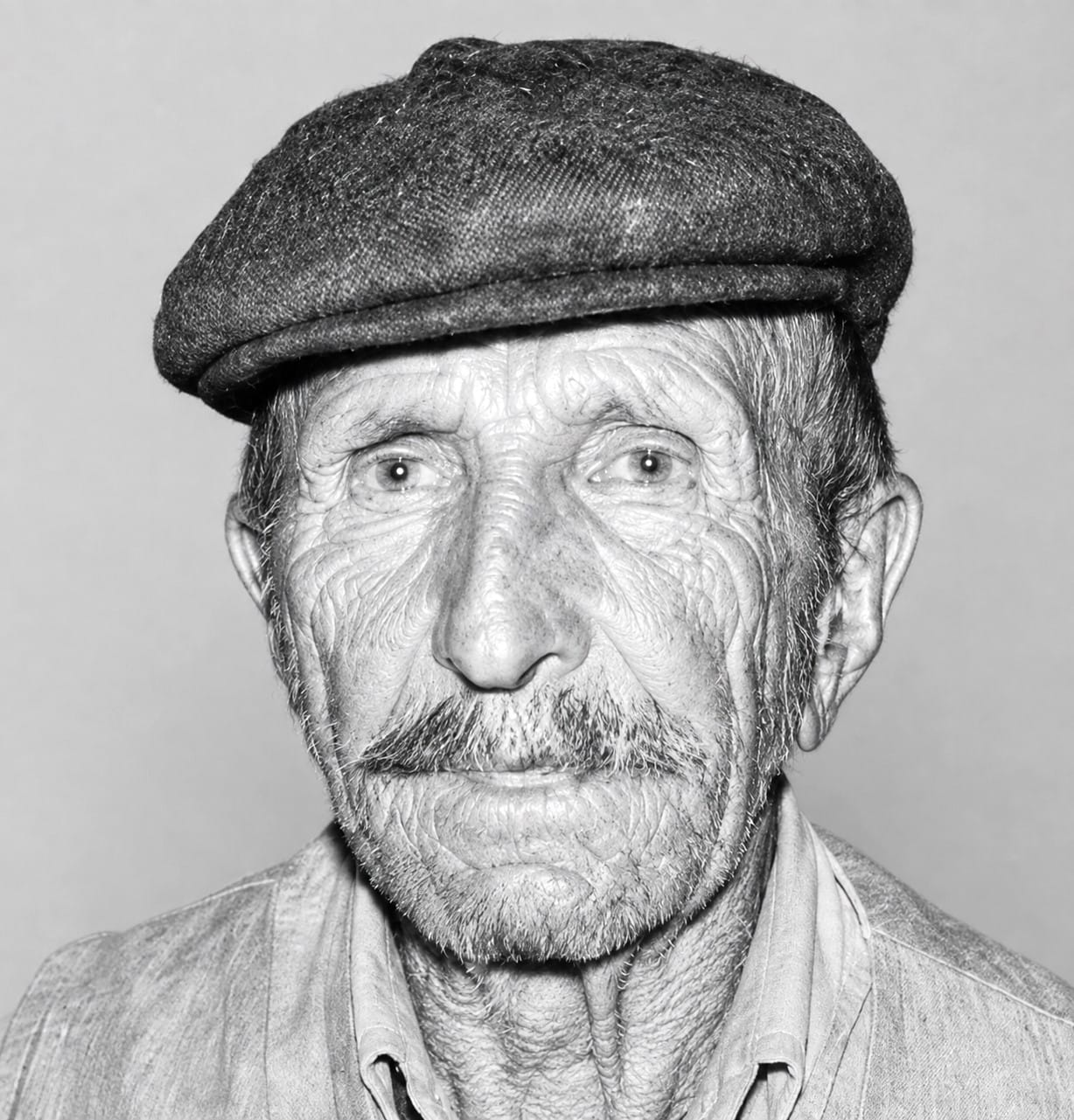
In the early morning, unseen by anyone, I crossed İdirmava from end to end and went to a place near Asri Hamam. In the vicinity, there was a two-story, ruined Armenian building. I was eager to hide there. When I peeked inside, I changed my mind, thinking I would find a safer place, and ran through the gardens of Baharlı neighborhood towards unfamiliar houses. A group of houses appeared before me. As I wondered, "Where can I hide?", a hay stack on the roof of a house caught my eye. "Perfect place to hide!" I said to myself. I silently climbed onto the roof without startling the dogs and disappeared among the hay stacks.
There was a rusty nail on the wooden beams of the roof. I managed to open the handcuffs in my hand with a laborious effort.
The midday sun was scorching. Hunger, fear, and the oppressive heat had taken hold of me, and I was left half-fainting among the hay stacks. In the afternoon, hoping to find food, I emerged from my hiding place. There was a huge mulberry tree next to the house. I gathered the crushed mulberries that had fallen on the roof and ate them with appetite.
The evening coolness filled the air. I peered out from among the hay stacks, watching the comings and goings. A little further on, Eşref Başaran, whom I knew well, was coming towards the roof I had been perched on all day, walking on the dusty road with a group of friends. When Eşref Başaran entered the house, I was surprised. I said to myself, "Wow! Of all places, you found Eşref Başaran's roof, Yusuf!"
In the garden, a large table had been set under the trees. Eşref Başaran and his friends were gathered around the table, eating with appetite. The smell of food and lion's milk (raki) reached my nose, making me give in. Trying to control myself, I listened to their conversation. The word "cooperative" was repeated frequently, the conversations grew heated and turned into arguments, and soon after, glasses clinked amidst laughter.
Towards midnight, I jumped from the roof and disappeared from sight. (Source: Iğdır Sevdası)
HACI CİHANGİR TURAN RECOUNTS
(Hacı Cihangir Turan, one of Iğdır's first high school graduates, leader of the Gelturî (Gelturan) Tribe, politician, and merchant, summarizes Hüsnü Bingöl's family history and emphasizes the importance he attached to Ali Eşref Başaran. Mücahit)
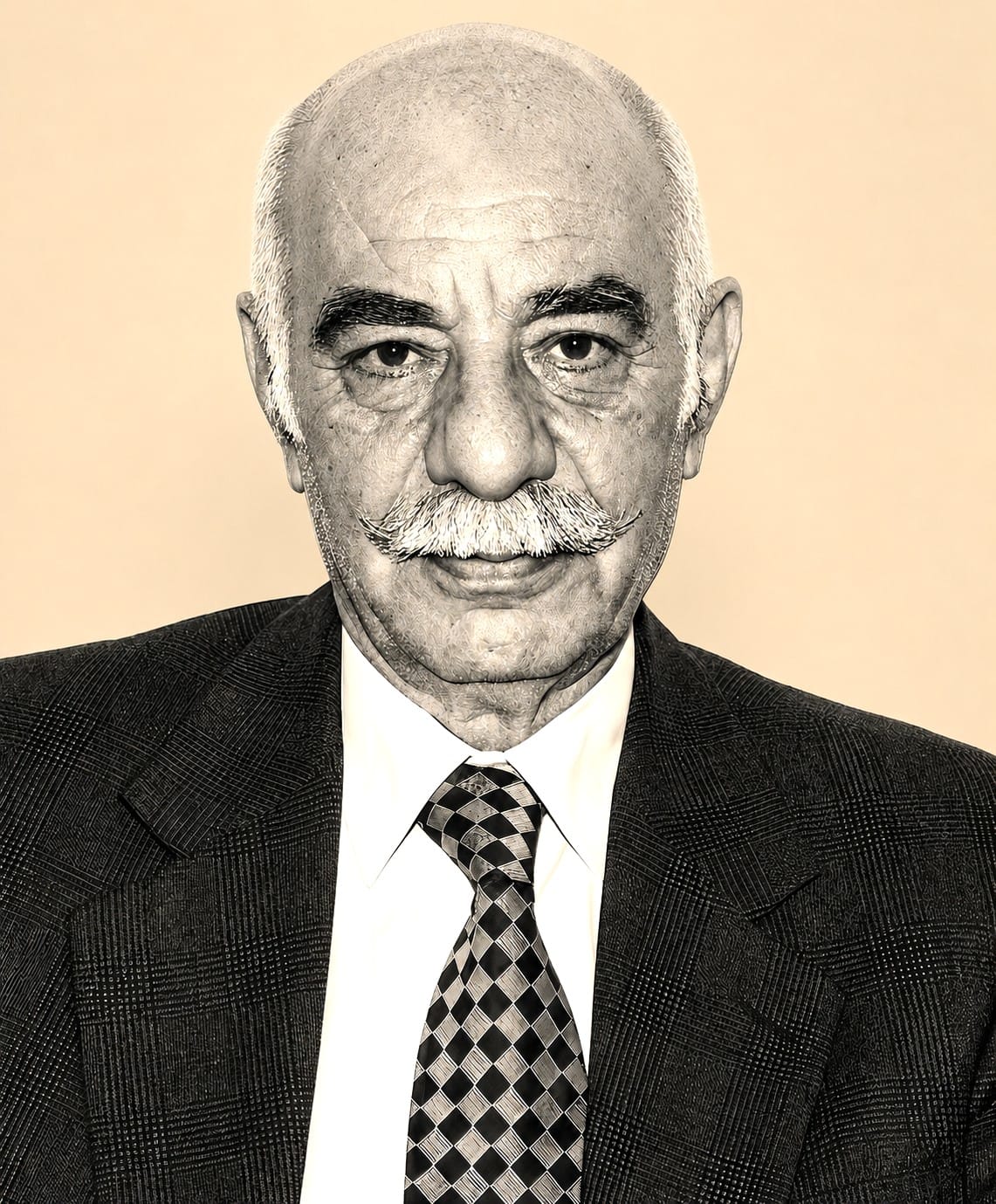
Hüsnü Bingöl was related to the Karapapak on his father's side and to the Kurdish-origin Sheikhs on his mother's side. When his family came as immigrants from Russia, they settled in the village of Poxenk, attached to Ağrı. Some of his relatives went to the district of Tutak.
After retiring from the army, he came to Iğdır responsible for intelligence affairs. He was loyal to his relatives. He had assigned most of the Karapapaks from Tutak to various levels of the National Security.
He had three important close friends in Iğdır: Eşref Kaya, Ali Eşref Başaran, both of Terekeme origin, and my father-in-law Paşa from Bayburt. Besides them, he had loyal and trusted personnel. Among them were Timur Demirci, Hacı Abdullah, and Hacı Abdulhadi.
Hüsnü Bingöl meant the state. He was handsome and tall. He had long boots. His walk and gaze instilled fear in people.
He frequented two places in the city: He would either sit in front of my father-in-law's shop or go to the casino owned by Fazıl Baykal. This casino had Iğdır's only radio. Hüsnü Bingöl would go to this radio and sometimes listen to broadcasts in a language we didn't understand. For us, radio simply meant a device that only Hüsnü Bingöl understood.
Hüsnü Bingöl had established a special system of pressure and control, especially over immigrant families.
An incident I witnessed from afar still remains vivid in my memory. We had a teacher named Zekeriya. His nickname among the students was "Yahya Kemal" because his beard resembled Yahya Kemal's. One day, I saw this man coming out of the private prison adjacent to Hüsnü Bingöl's house. Various rumors circulated among the people about the fate of teacher Zekeriya. (Source: Iğdır Sevdası)
AZİZ GÜNEY RECOUNTS
(His real name was Hamit Ünver. However, among the people, he was known as "Piç Hamit" (Bastard Hamit) due to his devilish ideas, endless slanders, and disruptive claims. One of the people he bothered the most was Ali Eşref Başaran. Ali Eşref Başaran was the Chairman of the Board of Directors of the Iğdır Cotton Agricultural Sales Cooperatives Union in 1950. This large institution, with approximately 7,000 members, had become a very suitable ground for Piç Hamit to make new claims, spread rumors, and put the managers in a difficult position. The allegations made by Piç Hamit, especially about Ali Eşref Başaran and the cooperative management, eventually turned into official investigations and lawsuits. Although Piç Hamit was removed from Iğdır by Hüsnü Bingöl in 1952, the effect of the accusations he made did not immediately end. The lawsuits filed and the investigations conducted continued for years. Mücahit)
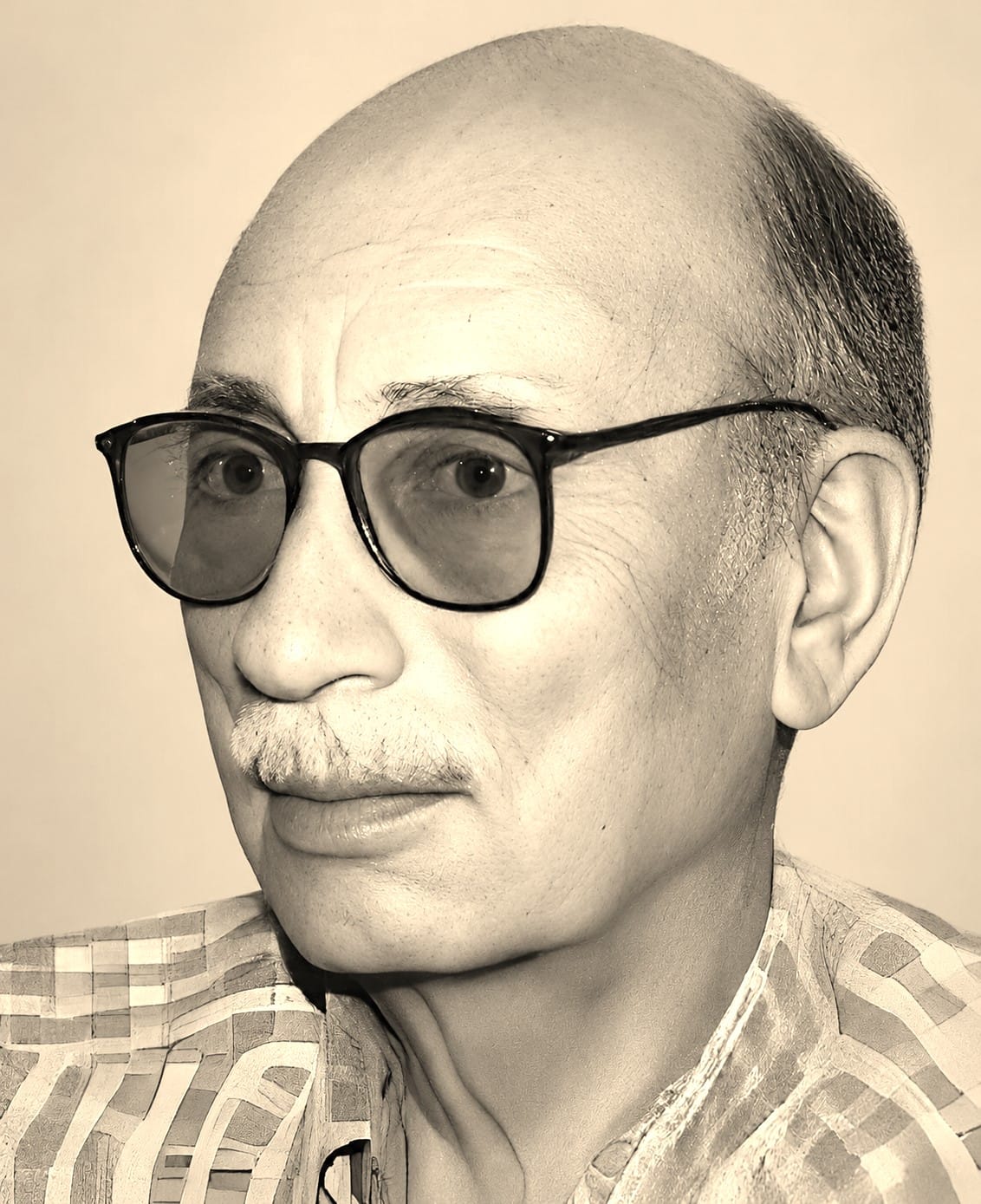
Piç Hamit's real name was Hamit Ünver. The reason he was nicknamed 'Piç' (Bastard) was that nothing escaped his notice. For example, he was not a member of the Cooperative, but he knew what was going on there. He had ears everywhere. He was sharp-witted, a cunning son of a bitch. So who was this Piç Hamit?
Piç Hamit had come as a refugee from Russia. He was not an uneducated, ordinary person. He had received higher education in Russia and was quite cultured.
Since he had not applied for anything, he had neither a refugee identity nor a T.C. passport. He also had no fixed income. He lived off handouts. He would follow up on other people's business and take commissions. Sometimes he would sell the 'secret' information he possessed. Piç Hamit had ears especially in places where large sums of money were changing hands. In those years, large sums of money changed hands in the Cotton Sales Cooperative.
The cooperative chairmen, Eşref Kaya and Eşref Başaran, were both Terekemes, like Hüsnü Bingöl, the regional head of MAH (MIT), and received great support from him. Piç Hamit gave no peace to Eşref Başaran and Eşref Kaya. To shut Piç Hamit's sensitive ears, they asked Hüsnü Bingöl for help: "This man is a nuisance! Please investigate who he is!"
Hüsnü Bingöl conducted an investigation into Piç Hamit. When he found no record of him anywhere, he prepared a report stating, 'The harmful person should be expelled from the country!'
In the winter of 1952, they put Piç Hamit on a camel and sent him to the Iranian border gate with police escort. When Iran did not accept him, they set off towards Iraq this time.
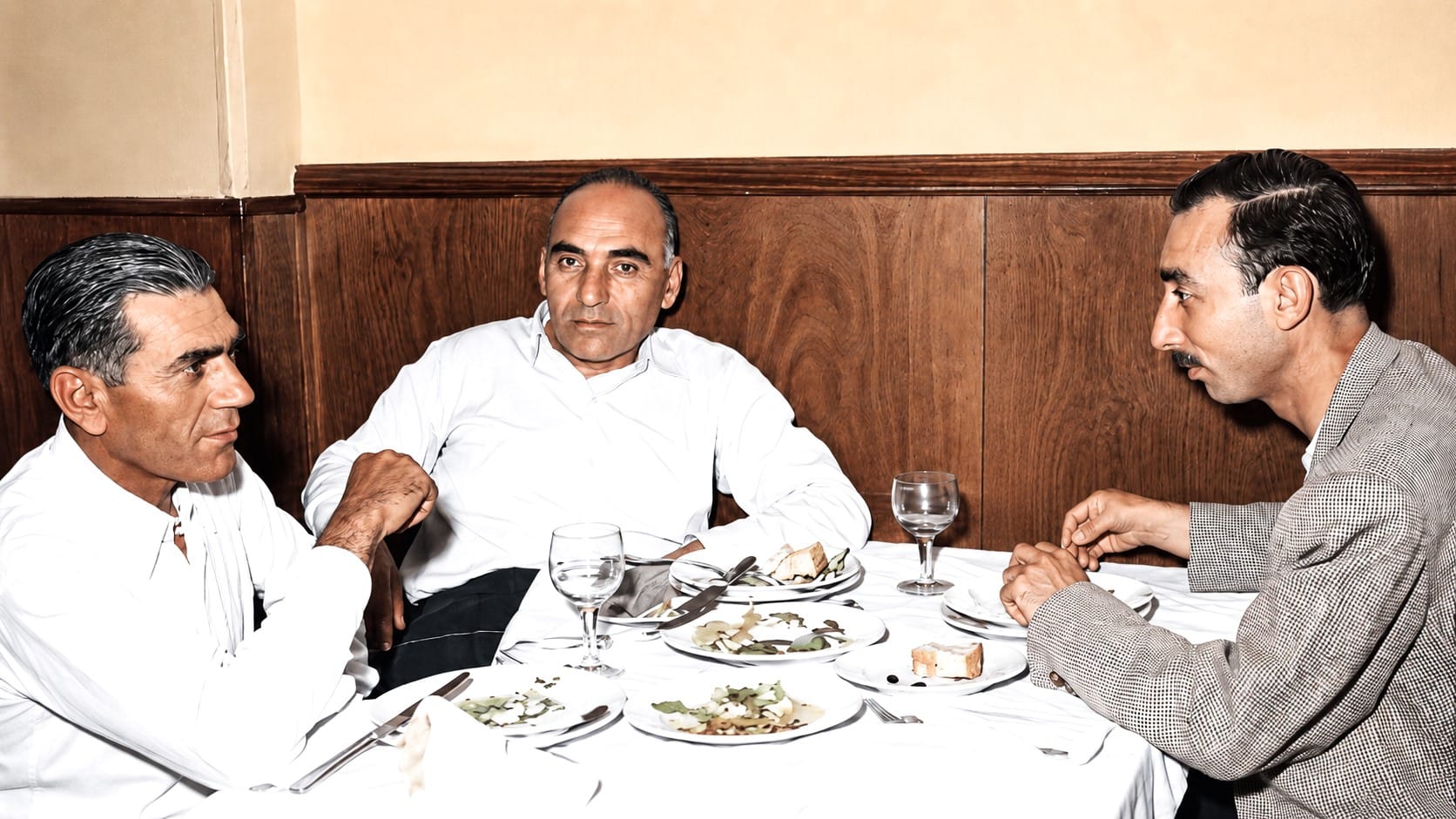
(Piç Hamit reports to the state, alleging corruption in the construction works of the Cotton Agricultural Sales Cooperative. At that time, Ali Eşref Başaran, the Chairman of the Cooperative's Board of Directors, is in Istanbul. The state assigns Mecit Hun and Nurettin Kirman as controllers, or auditors, to investigate the allegations. The task of the two friends is to go to Istanbul, conduct an investigation concerning Ali Eşref Başaran, and prepare a report. Aziz Güney, in his narrative below, recounts this event in his unique style. However, the matter does not end there. Later, the state files a lawsuit against Mecit Hun and Nurettin Kirman, alleging that they did not properly perform their duties. After years of litigation, everyone is acquitted. Mücahit)
It must have been the first cooperative elections. Mecit Hun and Nurettin Kirman had been appointed as auditors. Their duty was to investigate and clarify the slightest misuse. Eşref Başaran was also the chairman of the board of directors.
One day, Piç Hamit reported the management, claiming "misuse occurred!" According to the allegation, 100-200 tons of cotton were sold illegally to a company named Panikoğlu in Istanbul.
Two keen detectives, the auditors, took charge of the case. However, Chairman Eşref Başaran was in Istanbul. The auditors, full of zeal for their duty, set off without delay. Finally, they cornered Eşref Başaran in a hotel. Eşref Başaran did not deny his guilt. Mecit Hun would recount the rest as follows: "We started staying and eating at the same hotel. It was impossible for us to get the money back. Nurettin and I would go to an entertainment venue every night, thinking, 'At least let him pay for the expenses!' After a few days, Eşref Başaran gave up.
"By God, there's no money left!"
Nurettin and I were in one room, and Eşref Başaran was in the adjacent room... That night, we all retired to our rooms. Nurettin, towards midnight, said: "Eşref hasn't slept. He'll go again!"
We looked through Eşref Başaran's keyhole; the room was empty! The bed was empty! Eşref Başaran had disappeared!
We immediately got dressed and set off for Beyoğlu. We knew where he went. We went inside, and what did we see! Eşref Başaran had set up a large table, with beautiful women next to him, drinking.
"Eşref, you said there was no money left! The money had run out! What is this situation!"
"Welcome! Come and sit down!"
We sat at the table. Towards morning, we were walking from Beyoğlu towards the hotel. Just as we were crossing the Galata Bridge, Nurettin grabbed Eşref and pressed him:
"We're going out to have fun again tonight!"
"By God, there's no money left!"
"You're lying!"
"I sold the goods, that's true, but I haven't received the money!"
"You're lying!"
"I swear. May everyone who crosses this bridge attest to my honor that I am not lying."
We believed him again. We arrived at the hotel this way.
That evening, Eşref Başaran disappeared again. It turned out he was at another bar. We found the bar's address and dropped in. We caught Eşref Başaran in an inappropriate situation again!
"Eşref, what is this! And you swore on your honor!"
"That was an empty oath! When I swore, I looked around carefully, and everyone crossing the bridge was a woman!"
(The court case regarding this incident finally concluded in 1955. Mecit Hun announced the news to his readers in the PAMUKOVA GAZETESİ dated June 21, 1955, as follows. Mücahit)
PAMUKOVA GAZETESİ June 21, 1955
By: Mecit Hun
PTS Cooperative members tried on charges of gin-press misuse acquitted.
The lawsuit filed against the then cooperative members in the Iğdır High Criminal Court regarding the repair of two presses and one gin lost in a fire that occurred in the Iğdır PTS Cooperative building in 1950 was concluded yesterday with an acquittal.
Based on the investigation conducted by Hasan Mirza, one of the inspectors of the Agricultural Bank, and the documents prepared, the Cooperative's board of directors and members Eşref Başaran, Kurban Akar, Esat Ogan, Ahmet Armağan, Cooperative Manager Rahim Yadigâr, Accountant Kasım Özel, Treasurer Paşa Turan, Machinist Ali Sivri, and Controllers Mecit Hun and Nurettin Kirman, who were initially sent to the Kars High Criminal Court on charges of embezzlement, were subsequently tried in the Iğdır High Criminal Court for two years on charges of forging documents.
In the last session, the Public Prosecutor Fuat Eribol, who presented his opinion, requested the punishment of Eşref Başaran and Ali Sivri for forging documents; Kurban Akar, Esat Ogan, Ahmet Armağan for negligence of duty; Rahim Yadigâr for abuse of official duty; and the acquittal of Mecit Hun, Nurettin Kirman, Kasım Özel, and Paşa Turan.
In yesterday's hearing, after the final defenses were made, the Court Panel declared that the defendants did not commit the alleged crime and decided to acquit all of them.
AZİZ GÜNEY RECOUNTS
Again, one day, Piç Hamit reported the situation, alleging irregularities in the cooperative's construction works.
According to this, the records showed a hangar built in the garden, but in reality, there was no such building. The Ministry intervened. To locate the building that appeared to have been built on paper, the inspector and Chairman Eşref Başaran went out to the garden together. In a distant corner of the garden, there was a pile of ruins from a very old building. Eşref Başaran, confident, pointed to these ruins:
"This is our hangar, Mr. Inspector!"
"I don't see any building here!"
"Mr. Inspector, you don't know Iğdır! A wind blew from Elegez (Alagöz mountains), hit it, and carried it away!"
"Well, it took the roof, but what about its walls?"
"It took all of them, Mr. Inspector."
MUZAFFER ŞAMİLOĞLU RECOUNTS
(Muzaffer Şamiloğlu, former CHP Kars Senator of Karapapak origin, recounts his research on Terekeme/Karapapak as follows. Mücahit)
There is no such tribe as "Terekeme." "Terekeme" is the name given to a type of folk dance performed by the Karakalpaks. This word, over time, found a wrong application among the people and came to be used in the sense of "Karakalpak/Karapapak."
When the historical Karakalpakistan state, which is within the borders of present-day Turkmenistan, disintegrated, approximately 2.5 million people migrated to Afghanistan. 3500 families crossed Iran and settled in Azerbaijan and the Caucasus. Over time, those who remained in Iran adopted the Shiite sect. Most of those who migrated to the Caucasus remained adherents of the Sunni sect.
Karapapaks entered Turkey in 1810, following a sheikh named Sheikh Şirazettin. Most of them settled in the Amasya region. Today's Karapapaks in Iğdır (Eşref Başaran) belong to this group. The Karapapaks to whom my family belongs came to Turkey twice, with a 300-year interval. The first wave came in 1604, following my grandfather Nuri, and settled in Han village, attached to Tutak district of Ağrı. I had the opportunity to meet this group, whose surnames are generally "Cengiz," during my years as a prosecutor in Diyadin. The leader of this group, Bedir Bey, was shot and killed by militia forces loyal to Halis Öztürk due to a dispute. Although the incident occurred in my region, I wrote a letter to the Ministry, requesting that "this duty be entrusted to another prosecutor due to my kinship with the murdered Bedir Bey." The Taşlıçay prosecutor conducted the investigation regarding this incident. The second wave to which my family belongs came to Turkey in 1918. Since some of them lived among my Kurdish-origin compatriots – in Susuz and Digor – they gradually adapted to their language and customs. When I visited these relatives, who had become Kurdish, during my election campaigns, they would speak Turkish with difficulty and tell me, "Who else would we vote for but you! You are our brother's son."
DİL GAZETESİ By: Mecit Hun
The general assembly meetings of the Iğdır Cotton Agricultural Sales Cooperatives are continuing. In the meantime, new elections have been held in the sub-districts of Başköy and Taşburun and in the district of Tuzluca, and Union delegates have also been determined.
According to the letters sent to our newspaper with the signatures of many members, it is understood that due to the illness of the esteemed district governor, who should have participated in the meeting held in the Taşburun sub-district as a commissioner of the Ministry of Commerce, the Taşburun sub-district director Nuri Atasever, who was deputized, took sides, and this matter was presented to the district governorship in the form of a report prepared by 6 village headmen, and the Taşburun elections were objected to. Furthermore, since the information given to us verbally confirmed this matter, we anticipate that the Taşburun election will be held again before the Union general assembly meeting and that delegates will be re-elected in this sub-district.
On the other hand, in the general assembly meeting held two days ago in Iğdır center, a new board of directors and Union delegates were elected. According to the news we received, Ahmet Armağan, Ali Rıza Bagana, Mehmet Sönmez, and Cihangir Erkut were appointed to the Iğdır central cooperative board of directors, and Talat Tufan, Ahmet Armağan, Esat Ogan, Mustafa Gülmez, Timur Turan, Mehmet Sönmez, Hasan Şimal, Mustafa Şimşek, İsmail Aktaş, Ali Kızılay, Kadir Erol, Hasan Turan, Hasan Güneş, İsmail Ağırkaya, Kasım Turan, Sadık Tezel, Hasan Çetinel, Ali Rıza Bagana, Hüseyin Bağcı, Muhtar Yıldırım, Necef Yıldız, Hasan Yıldız, Mehmet Duman, Kurban Akar, Rahim Aydın, Hüseyin Turan, Eşref Başaran, İsa Yiğit, İbrahim Aras, Muharrem Varol, Nağdali Turan, Esadullah Aras, İbrahim Aksoy, İsa Karakuş, Bekir Akkuş, Abdullah Armağan, Cevat Han, Abdulhadi Kuş, Mehmet Ali Haçadağ, Şabap Alagöz, Cihangir Aras, Kerem Turan, Ahmet Işıkçelebi, Sultan Yıldız, Ziyadeli Eroğlu, Yahya Kızılkaya, Caferkulu Sönmez, Ahmet Bakış, Abdullah Yıldırım, Celil Aras, Rıza Taş, Celil Orhun, Ali Kum, Süleyman Demirel, Allaverdi Gül, İsa Karakuş won the delegacy for the Union general assembly.
It was learned that Enver Sever was also elected as a delegate while our newspaper was being duplicated. The date of the Union General Assembly meeting will be announced soon.
ŞARKIN DİLİ GAZETESİ December 18, 1952 By: Mecit Hun
Because we tried to explain in our last issue that it was essential for the Union to go to new elections, we have alienated a few cooperative friends. However, despite this resentment, it is felt that the eager ones, including these friends, have become fully active for the Union elections.
It is observed that our interim chairman Talat Tufan is making his last efforts to become permanent, and it is not overlooked that Eşref Başaran is still trying to appease the parties with his well-known politics. The second group, which lost the Taşburun elections, is busy gathering new supporters. Considering that strong individuals like Sadık Karasu, known for his seriousness and honesty, have also emerged, it is certain that the upcoming Union elections will be quite heated. Eşref Başaran, whose affiliation is unclear from the election results, seems hopeful.
ŞARKIN DİLİ GAZETESİ December 19, 1952 By: Mecit Hun
UNION ELECTIONS CONTINUE WITH INTENSITY
Propaganda and efforts for the new board of directors elections of the Union, to be held on January 3, 1953, have reached their peak. For now, every means is being resorted to for all representatives, who are eager, to sit in this 7-lira seat. Among the candidates are individuals such as Talat Tufan, Eşref Başaran, Ali Karasu, Sadık Karasu, and Sadık Tezel. Representatives continue to group around these individuals.
It is estimated that money will play an important role in the elections. The representatives elected by the Tuzluca and Başköy cooperatives are expected to arrive in Iğdır in a day or two.
The preparations for the election entering a new phase every day is causing one candidate to despair each day.
ŞARKIN DİLİ GAZETESİ January 3, 1953 By: Mecit Hun
UNION ELECTIONS
The preparations for the Iğdır Union of Cotton Agricultural Sales Cooperatives elections, which have occupied the public opinion of Iğdır for days, entered their most heated phase last night.
The fact that Ali Karasu from Taşburun gave his proxy to his uncle Sadık Karasu and that Sadık Karasu was nominated as a candidate for the new board of directors along with Talat Tufan, Kadir Erol, and Muhtar Yıldırım, prompted the opposing group to work even harder. Despite the agreement and unity in this group, there was disagreement on the other side.
The inability to determine the other two board members who would join Ahmet Armağan and Kadir Günde, who were nominated as candidates, and Kurban Akar's opposition to Eşref Başaran's nomination, played into the hands of the Talat Tufan group. Initially, the Başköy delegates, who supported the Başaran group, were forced to unite with Talat Tufan due to this duality. The people of Tuzluca continued to shuttle between the two groups until midnight.
For propaganda, the Tufan group chose Feyzullah Zengi's tea house, and the Başaran group chose Baykal's casino. The people of Tuzluca seemed very pleased with the formation of the two groups. They acted with the aim of both getting their travel expenses and securing a board membership by negotiating with both sides. However, it was understood that despite the promises and assurances given by both groups, they did not trust the well-known situation of these district delegates. The meetings and propaganda of the groups continued with all their excitement and intensity until midnight. The bluff made by the Democratic Party Chairman Nurettin Kirman, who had lost his credibility with the strengthening of the opposition parties, by occasionally pulling some delegates to the political street, constituted the best scene of the day. Kirman, who supposedly aimed to make the political party idea effective in the cooperative elections, could not escape falling into a ridiculous situation.
In the early hours of the morning, the propaganda continued with the excitement and intensity of the evening. The Tufan group made its strength felt at first glance. The Tuzluca and Başköy delegates had left Başaran's tail and gathered around Tufan. Even before the elections began, the Başaran group began to disintegrate. The list, which had not been decided until 9 o'clock, was finally prepared. However, the continuation of the duality and disintegration prevented this group from entering the election and even the congress hall. We will present the election results and the impressions of the congress in our tomorrow's issue.
ŞARKIN DİLİ GAZETESİ February 4, 1953 By: Mecit Hun
MUNICIPAL COUNCIL MEETING
In these days when our municipal council holds its annual meetings, it is our right and also our duty to express some wishes on behalf of our town.
(...) They were able to hold the first meeting by securing a majority in the municipal office.
Ali Ural, Celil Cantürk, Ali Işık, Hüseyin Yaycı, Asker Yıldırım, Eşref Başaran, Tevfik Solmaz, Nebi Yaşar, Muharrem Aslan, Musa Turan, Haydar Tekin, Eşref Kaya, Timur Toksöz participated in the meeting. The remarkable aspect of the meeting was that the council members were gathered from outside and invited by sending people to their workplaces.
First, it was announced and read that a congratulatory telegram had arrived from the Tuzluca municipality. Afterwards, on the occasion of the opening of the council, without any speech, the income and expenses and the preparation of the 1953 budget were presented to the council.
The share to be allocated to the Bank of Provinces was determined, and it was decided that 12 thousand liras would be paid from the municipal income this year.
During the discussion on municipal revenues, particular attention was paid to slaughterhouse and sign fees. Tevfik Solmaz stated that illegal animals were being slaughtered in the slaughterhouse without the municipality's knowledge, and some animals slaughtered outside were secretly sold in butcher shops, and that the municipal police turned a blind eye to this. President Ali Ural, supposedly to answer Mr. Tevfik Solmaz, took the floor and stated that "he and the municipal police could not manage this matter, and that the 17 council members should join them." The president's words were met with laughter in the council, and Eşref Başaran took the floor and stated that "although he was a member of the municipal executive board, he forgot that at that moment and said that despite paying for the lighting and cleaning services of his neighborhood, the municipality did not comply with these matters, and that since camels were slaughtered in their neighborhood, the illegal slaughter fee could not be valid for Baharlı."
The council members, who took the floor on the sign fee, engaged in a heated discussion. Ali Işık stated that the sign fee was too high, that many tradesmen were suffering from paying this tax, and therefore requested a more equitable limit. Eşref Başaran demanded its complete abolition, and at these words, the council erupted. Everyone, including the president, was talking to him. As a result, the presidency requested that 1500 liras be allocated for all sign fees and distributed among the tradesmen according to the situation, but this was not accepted. 3000 liras were determined and it was decided to distribute it according to classes.
The subsequent work of the council could not be followed.
In yesterday's meeting, it was easily observed that there was a heated atmosphere among many of the council members, especially the president. Many proposals could not be explained with the maturity of the council. In particular, the fact that Eşref Başaran, despite being an executive board member, complained about municipal services caused everyone's astonishment.
As an experienced municipal official, Hüseyin Yaycı's proposals on revenues were always met with approval. The council meetings will continue thereafter.
|
PAMUKOVA
GAZETESİ
August 2, 1954 Mecit Hun |
After some opposing currents emerged in the last CHP provincial congress, resignations from this party occurred within Kars province, and in our district, the district executive board chairman Hasan Tezel, executive board member Eşref Başaran, and Kurban Akar withdrew from the CHP, preferring to remain independent for now. The resignations of Tezel and his friends were published in Kars newspapers, and the reason for their departure was stated as differences of opinion within the party. In addition, widespread resignations occurred in the province and other districts.
DP Won the Municipal Executive Board and Deputy Mayor Elections
|
PAMUKOVA
GAZETESİ
October 11, 1954 Mecit Hun |
The Democratic Party succeeded in winning the Iğdır Municipality Executive Board and Deputy Mayor elections held on Thursday, October 7, 1954, and Eşref Başaran, Eşref Kaya, Hasan Tezel, and Ali Işık were elected as Executive Board members; Nebi Akar and Timur Toksöz were elected as Deputy Mayors. Among those elected, Timur Toksöz and Eşref Kaya are former members of the DP. Hasan Tezel, Nebi Akar, and Eşref Başaran resigned from the CHP following the Kars CHP congress and joined the DP. Ali Işık also changed parties on election day, thus ensuring that the election resulted in favor of the DP.
In our contacts regarding the reaction of CHP opponents to this situation on the eve of the municipal elections, it was concluded that the opposition was not suspicious. The new executive board members will serve until the November elections.
|
PAMUKOVA
GAZETESİ
October 29, 1954 Eşref
Başaran Could Not Be Elected as a Delegate for the Union General Assembly Mecit Hun |
In the Iğdır PTSK General Assembly meeting held yesterday, Eşref Başaran lost the election and could not become a delegate, despite his name being among the delegate candidates determined for the Union.
The fact that only Eşref Başaran among the 60-person list could not win is met with astonishment among the members specializing in cooperative elections, and it is claimed that Başaran was deliberately removed from the list by his rivals because he was one of the strong candidates for the chairmanship or membership of the Union Executive Board.
Eşref Başaran, whom we interviewed, stated that he was not affected, but would object on the grounds that the election day was not announced according to the main contract, and if this objection was not taken into consideration, he would try to replace one of his delegate friends by having them resign, as he was in reserve, and said that he would definitely participate in the Union election.
|
PAMUKOVA
GAZETESİ
Year: 1 Issue: 37
October 29, 1954 People of Iğdır Want a Hospital Mecit Hun |
The people of Iğdır want the Iğdır Health Center to be converted into a Hospital.
The directive of the Ministry of Health and Social Assistance, which changed the organization and staff of health centers, was discussed yesterday in the district health council.
As is known, according to the new directive, there will be no specialist doctors in the staff of Health Centers from now on, and no operations will be performed under any circumstances. However, if seriously ill patients requiring surgery arrive, their transfer to the nearest hospital will be ensured.
If we consider the situation of a patient who urgently needs surgery in a place like Iğdır, which is far from hospital centers and especially deprived of transportation facilities in winter, together with the new directive put into effect by the Ministry of Health and Social Assistance, the seriousness of the situation becomes evident by itself.
Nevertheless, we are by no means of the opinion that such a directive is unnecessary. Indeed, in the face of the current doctor crisis and the fact that existing doctors are concentrated in large centers such as Istanbul and Ankara, we are aware of the conditions under which the government finds doctors for hospitals and health centers. For this reason, it is undoubtedly a necessary requirement and not without benefit to place health centers, the majority of which are very close to hospital centers, under such a restriction. However, it is necessary to differentiate places like Iğdır, which show exceptional characteristics, from this general requirement. For this reason, the idea that the Iğdır Health Center should definitely be converted into a hospital prevailed in the Health Council held the day before yesterday, and it has led the people of Iğdır to make rightful wishes and applications in this regard.
On this occasion, the following telegram was sent to the Provincial Governor's Office two days ago:
To the Esteemed Governor's Office of Kars
KARS
The directive for health centers, which stipulates that the staff of health centers will consist of general practitioners and that operations will no longer be performed in health centers, with such patients being referred to the nearest hospitals, will be put into effect in today's district health council. Stop. Considering Iğdır's population density and its distance from hospital centers, and especially the impassability of roads in winter, the application of the said directive to our health center will be a disaster and calamity for the health of the people of Iğdır. Stop. For this reason, we have serious concerns about our health. Stop. We respectfully request and implore the esteemed Governor's Office, acting as the voice of the people of Iğdır's feelings and thoughts, and based on the authority granted by the said directive, to initiate efforts with relevant parties to convert the Iğdır Health Center into a small-scale hospital:
Mayor: Ali Ural
DP Chairman: Nağdali Parlar
Chamber of Commerce Chairman: Abdurrezak Güneş
Municipal Executive Board Member: Hasan Tezel
General Council Member: Eşref Kaya
General Council Member: Musa Doğan
Manufacturer: Osman Ataman
Executive Board Member: Ali Işık
Executive Board Member: Eşref Başaran
Union Chairman: Talât Tufan
Merchant: Fazıl Baykal
Journalist: Mecit Hun
We are convinced that the DP government, whose every action aims solely at the peace and interests of the people, will fulfill this rightful and important wish of the people of Iğdır.
PAMUKOVA GAZETESİ April 5, 1955 By: Mecit Hun
MUNICIPAL ELECTIONS
(Eşref Başaran served for many years in the Iğdır Municipal Council and executive board. In the municipal council records of 1953, he is seen actively speaking. He criticized the municipality by stating that Baharlı Neighborhood did not adequately benefit from cleaning and lighting services, and demanded the complete abolition of the sign tax collected from tradesmen. What is interesting is that he did not hesitate to openly criticize the municipality's services despite being a member of the municipal executive board. The newspaper of the period specifically noted this attitude. His political life continued in later years. He again served in the Iğdır Municipal Council formed after the 1973 municipal elections. In the distribution of duties on December 29, 1973, he was elected as one of the deputy chairmen of the municipal council. Thus, his public life, which began with headmanship in the young Republic era, continued with duties in the municipal council decades later. Mücahit)
Consultations among political party members have already begun for the municipal elections to be held in June.
Although it is not yet definitively known what kind of list the DP will participate in these elections with, the fact that the DP administrators pursued a very flawed policy and sidelined the party founders on the eve of the last district congress has completely weakened the party's chances of winning.
It is estimated that strong and influential individuals such as Hacı Ekber Çöllü, Abdurrezak Güneş, Ali Yardım, Rahim Akyüz, Nurettin Kirman, Eşref Başaran, and Fazıl Baykal in the center will not be on the Democratic Party list.
In this case, it will be an indisputable fact that the elections will be won by a large majority by these former members of the party, and the Democratic Party administrators will suffer the consequences of their mistakes. On the other hand, Kars deputy Rıza Yalçın will arrive in a few days to determine how the CHP will enter the elections. It is evident from the early start of consultations that the elections will be heated between the DP, CHP, and former Democrats.
According to news leaking from DP circles, the administrators, who feel very weak in the current situation, intend to make a mixed list by agreeing with the old democrats they battered at the congress, and the DP founders we contacted state that they will not be able to enter the party list in the face of the policy pursued. The situation will become clear very soon.
YEŞİL IĞDIR GAZETESİ December 31, 1973
IĞDIR MUNICIPAL COUNCIL CONVENED
(Hüseyin Akbulut won the mayoral elections held on December 9, 1973, but could not take office due to a criminal record. The Municipal Council convened and elected Mecit Hun as the Acting Deputy Mayor from among themselves. Mücahit)
President Hüseyin Akbulut Did Not Attend the Meeting The Iğdır Municipality, which had been leaderless for over a month, finally began its activities with our winning fellow citizens.
The 24-member Municipal Council, which won the Municipal elections held on December 9, 1973, convened on December 29, 1973, upon the invitation of the Governorship, and elected its organs.
In the election held, Mecit Hun was elected as Deputy Mayor, Cafer Yaycılı and Feridun Aras as Executive Board members, Hüseyin Günaydın and Eşref Başaran as Council Deputy Chairmen, Bayram Seran and Temel Ural as Council Chairmen, Ahmet Iğdır to the finance objection committee, and Ekber Gökçe to the finance appraisal committee.
Hüseyin Akbulut, who won the mayoral election in the same election, could not take office due to a 6-month sentence being served and being on sick leave for 2 months.
During this period, the mayoral duties will be carried out by Deputy Mayor Mecit Hun.
We wish the new council and the elected Deputy Mayor Mr. Mecit Hun and his friends good fortune and success for our district and our nation.