Narin Nadirova and Kichimatsu Kishi
This essay explores the profound sense of displacement and longing experienced by communities in exile, drawing parallels between the Kurdish diaspora and the Japanese-American internment during WWII.
Dear Readers:
One of the most difficult things in this world is the feeling of being an expatriate, or in exile. I am not talking about the exile of an individual, but of a community. You see a few families, voluntarily or forcibly migrating (or being exiled) to another country where they are strangers to the language and culture. Years pass, the family grows into a large community, and returning becomes impossible. Traditions and customs are passed down to the next generation through continuous conversation within the family.
Let's admit that it is not easy for the new generation. On one hand, they try to adapt to the language and culture of the country where they were born and raised, and on the other hand, they bury the deeply rooted feeling of "exile" in their hearts. Only those who experience it can truly understand how difficult this dilemma is.
HEZ-KURD MEETING
I would like to briefly explain why I am writing this essay:
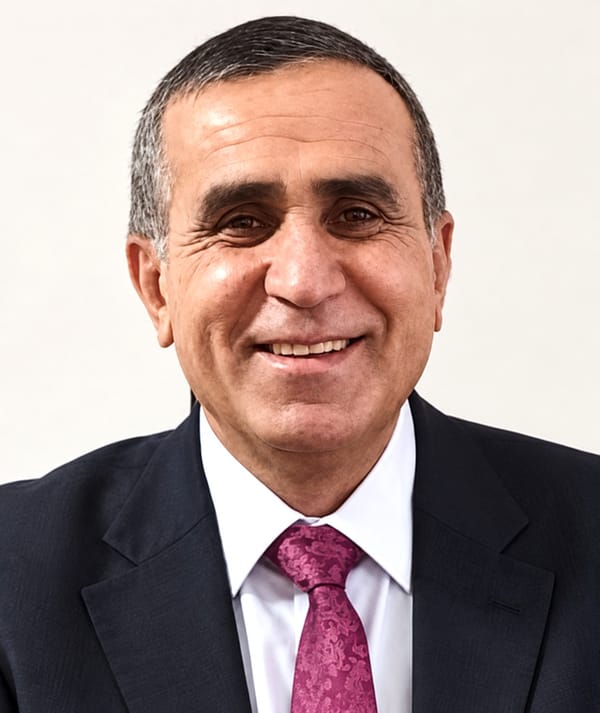
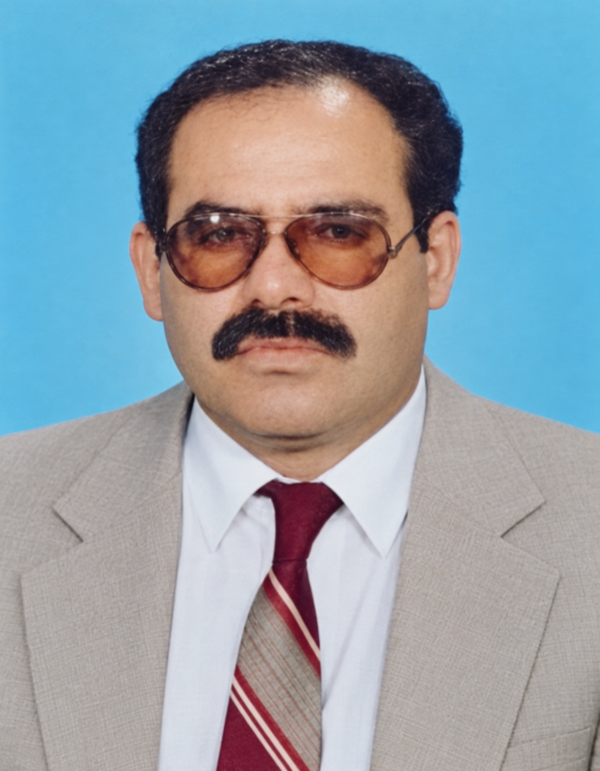
My dear friend Fevzi Bulgan, founder of the HEZ-KURD organization, organized an honorable meeting. To commemorate and honor three of the most important figures of the Kurds of Georgia and Kazakhstan—Prof. Dr. Nadir Nadirov, Prof. Dr. Kinyazê Îbrahim Mîrzoyev, and Keremê Angosî—he organized a meeting in Iğdır on April 19. Mrs. Narin Nadirova, daughter-in-law of Prof. Dr. Nadir Nadirov, was also present at the meeting. Fevzi Bulgan honored these "century-old" Kurdish figures in exile and diaspora by presenting plaques. I congratulate him and his assistant Ramazan Taşdemir.
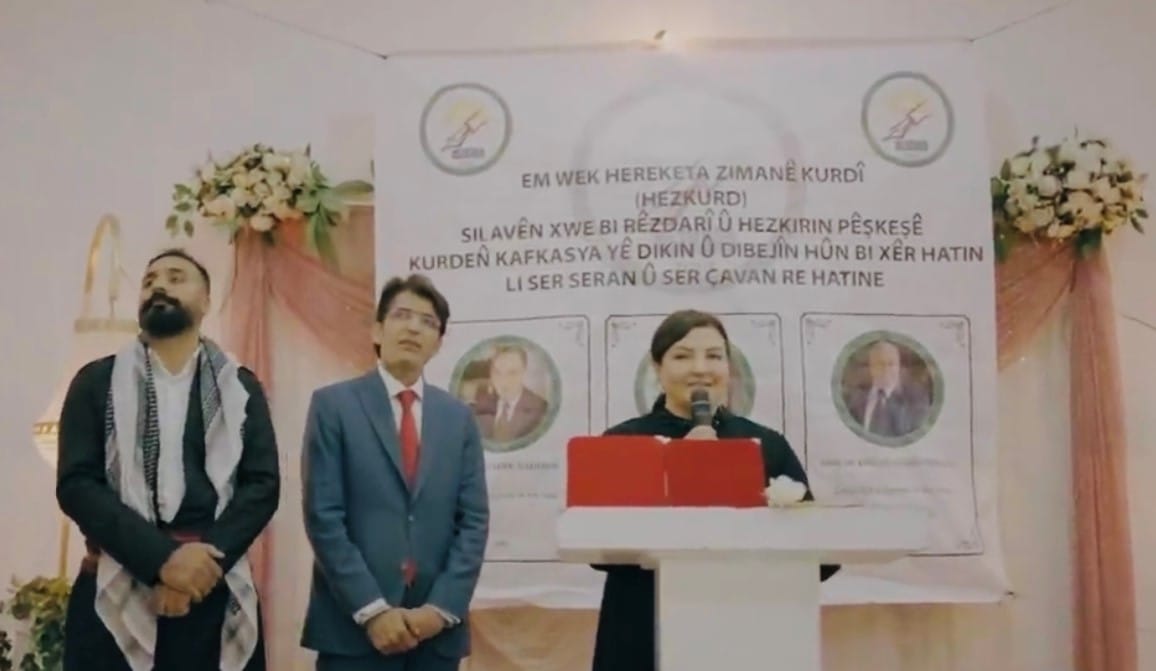
HEZ-KURD Meeting: (From left to right) Ramazan Taşdemir, Fevzi Bulgan, and Narin Nadirova
I was invited to the meeting but could not attend due to an excuse. I watched a short video recording of the meeting. I was saddened. Iğdır could have provided better attendance. Whenever the "Kurdish and Kurdistan" cause was mentioned, those who would make a big fuss (!) were either absent or sat in a corner with an unwilling attitude, as if they had been brought there by force. We now know that the name "Kurdistan" is an unfortunate tool for political gain, not a sacred cause. Therefore, Iğdır should not forget that it owes an apology to the three great Kurdish figures in the person of Mrs. Narin Nadirova.
If one day your path takes you to the Caucasus and Central Asia, and you visit a Kurdish family, you will see the "century-old" pain of exile in their hearts, and only then will you be able to understand the suffering of Kurds whose lives have been spent in exile and diaspora.
As I write these, my memories take me through a time tunnel to a similar event.
KICHIMATSU KISHI
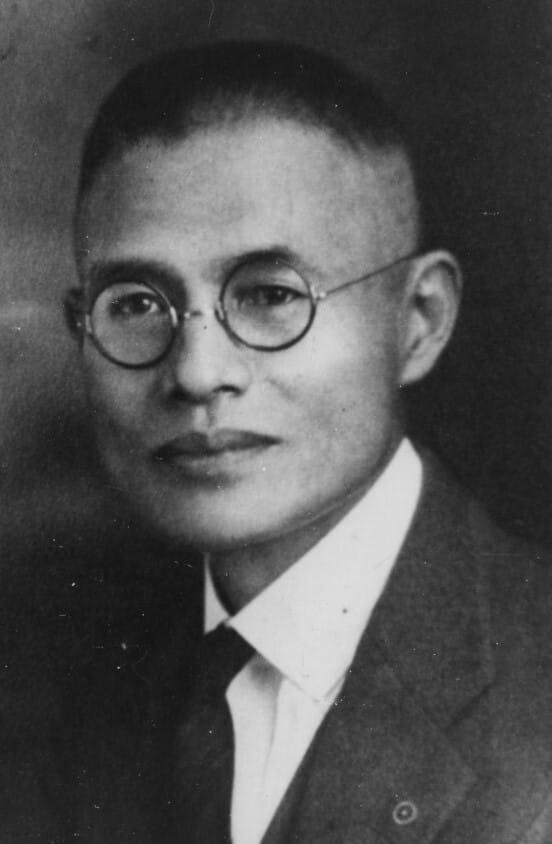
Kichimatsu Kishi
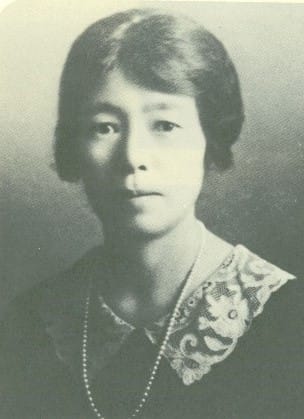
Fuji Kishi
The year was 1993. I was a student in Berkeley, California. On May 25, I married a Chinese-American woman named Marianne. Since Marianne had lived in San Francisco for many years, she had many friends, especially those from the Far East like herself. One of them was Hina, of Japanese descent. Hina was married to an artist from the Imperial family. Her husband was world-renowned for his calligraphy. Marianne had taken calligraphy lessons at their home in the past. Their friendship had started that way.
My ability to speak Japanese made Hina and her husband very happy. Our friendship deepened.
One day, Hina recounted at length how her family and other Japanese Americans were rounded up in internment and isolation camps during World War II, just like the Nazis did to the Jews, and how their property was confiscated. Hina kept wiping away her tears, talking about her mother Toki, her uncle Taro, her grandmother Fuji, and her grandfather Kichimatsu Kishi. It was then that I first learned that internment and death camps, similar to those of the Nazis, had been established in the USA.
Hina told us that one day she would take us to Kishi Colony in Texas and show us the house where she was born. (Note: The word "Colony" refers to the Great Kishi Family and Clan. Some unfortunate minds will accuse me of tribalism again because I said 'Clan'.)
To be honest, when Hina said this, I never thought such a possibility would materialize.
We moved to Philadelphia in August of that year for my MBA education at the University of Pennsylvania. I graduated in 1995. I started working at an oil company in Dallas, Texas. The Atlanta Olympics were in July 1996. I had no intention of missing such an opportunity.
On such a day, I had a phone conversation with Hina. When she learned that we were going to Atlanta, she said she could host us in Orange on our way back. Kishi Colony had taken root near this city. We gladly accepted.
I loved driving. We completed the 1250 km journey with breaks and had the opportunity to witness the splendor of the Olympics. On our way back, we changed our route and arrived in Orange via New Orleans. Hina and her husband hosted us in their home. This was also the house where Hina was born and raised. Her mother stayed in this house with her cousins.
At breakfast, Hina began to recount her family's arrival in the USA from Japan in an emotional tone:
"My grandfather's (Kichimatsu Kishi) father was a banker in Japan. My grandfather was studying at university in Tokyo when the Russo-Japanese War (1904) broke out, so he dropped out of his studies and was conscripted. When Japan occupied the Manchuria region of China, he served there.
In those years, the Japanese consul in the USA prepared a report. According to this, there was a great void in rice cultivation in the USA. My grandfather, who read this report in a newspaper, came to the USA alone in 1906. Since rice cultivation requires a lot of water, my grandfather traveled along the Mississippi River looking for a suitable place. Thus, he came to Orange. There is an area called Terry between Orange and Beaumont. I will take you there tomorrow. My grandfather bought 14,000 acres in Terry. He opened canals from the Sabine River and cultivated rice. He also brought 16 immigrants from Japan as helpers. In a sense, my grandfather was the first to cultivate rice on such a large scale in the USA. My grandfather's grandfather was a big landowner in Japan. Perhaps because of this, my grandfather borrowed money and continuously bought land. When his wife, Mrs. Fuji, and his four-year-old son Taro from his deceased first wife arrived from Japan in 1908, the family grew even larger.
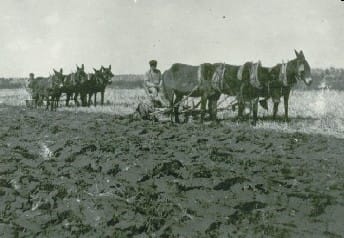
Plowing the land with mules for rice cultivation in the Terry Region
He plowed the land with plows pulled by mules. When my grandfather also used steam-powered dredging machines, productivity increased. He earned good money from rice cultivation.
During World War I, the US Department of Defense chose the Orange region to build warships. As a result, the salty seawater filled the Sabine River, making rice cultivation difficult. My grandfather was lucky. Just at such a time, in 1919, oil gushed from his land. He became a millionaire overnight. He established a joint company with Japanese investors, paid his debts, and bought more land.
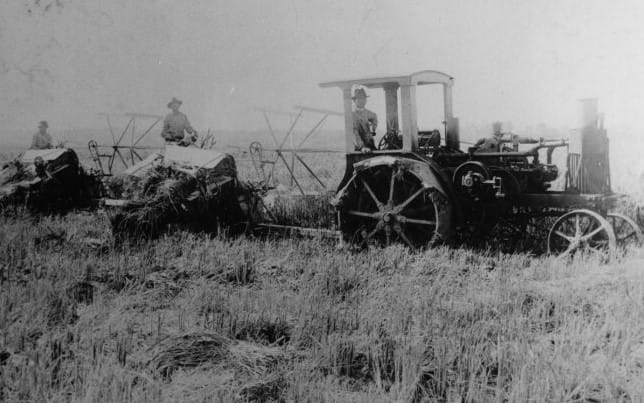
Kichimatsu Kishi personally operating a steam-powered dredging machine
My grandfather was also affected by the Great Depression in 1929, but he maintained his wealth. By selling his lands, he bought this farm we are currently in, in this city (Orange). Then World War II began. When the Japanese attacked Pearl Harbor in Hawaii, the US Government viewed all Japanese living in the country as "traitors" and placed them in internment camps. My grandfather and his family were also placed in a camp near San Antonio. They were released again after the war. I was born in this house in 1949."
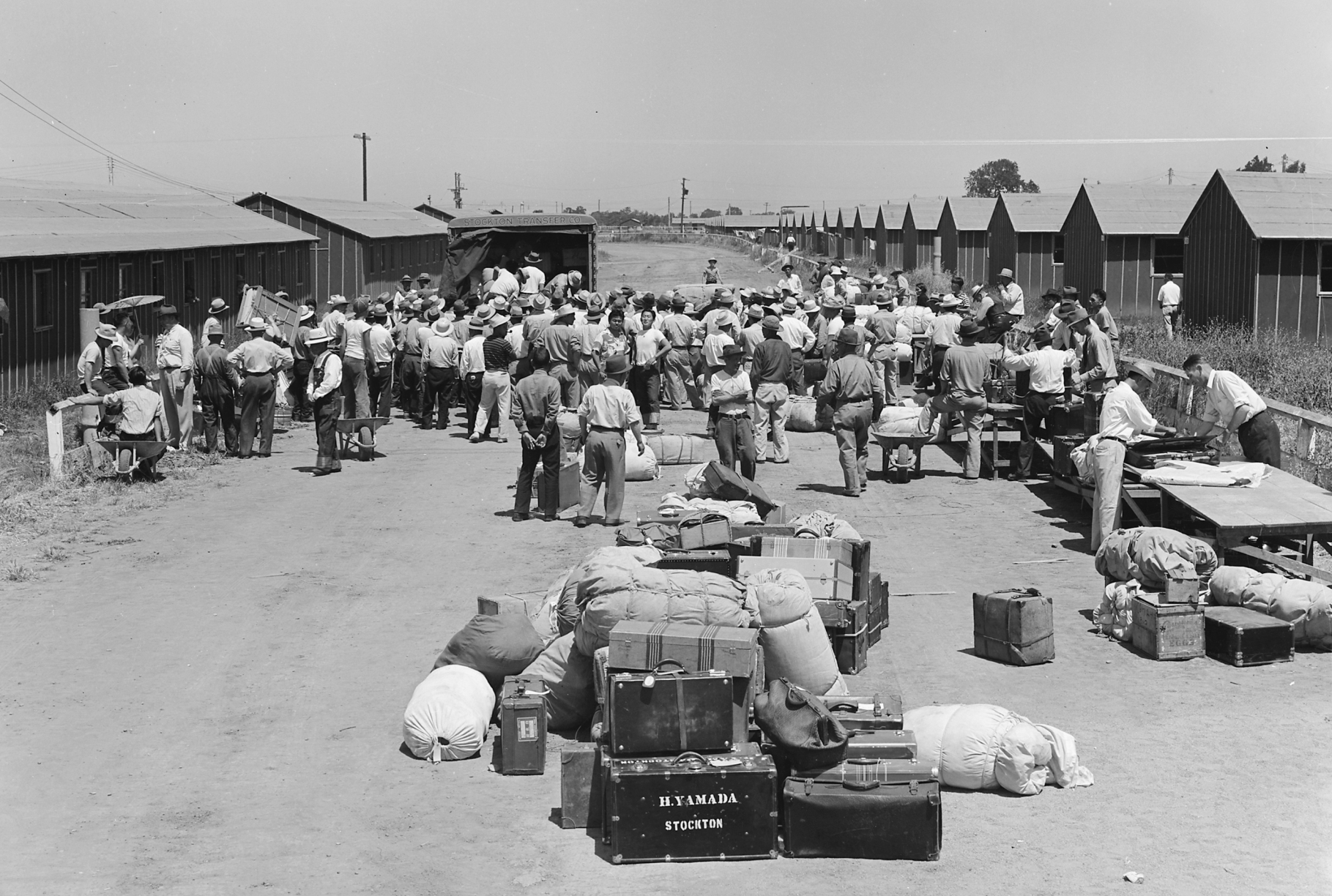
One of the Japanese Internment camps established in the USA during World War II (All Japanese in the USA were placed in similar camps throughout the war.)
As Hina recounted this, her mother sat hunched over on a distant couch, listening, occasionally wiping away tears, and affirming her daughter with "Hai, sono yo ona (Yes, that's how it was)."
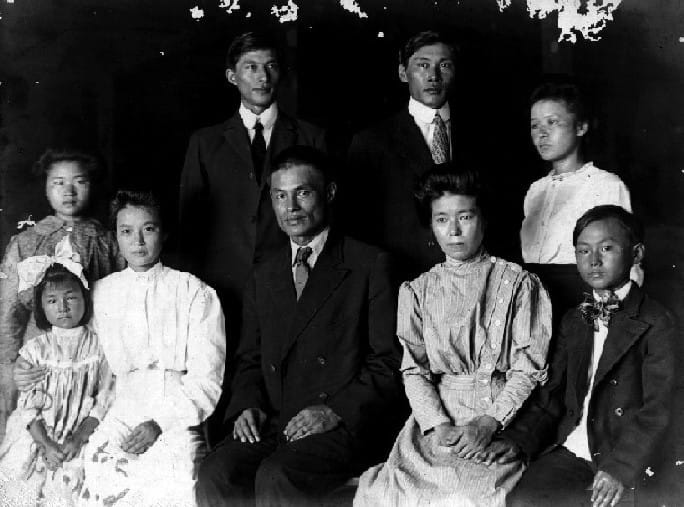
The Great Kishi Family (Clan): (Front center) Kichimatsu Kishi, his wife Fuji (to his left), and his son Taro from his first marriage (1912)
The next day, Hina took us to the lands where the first large-scale rice production in the USA once took place. There were abandoned oil wells everywhere. Later, we visited the cemetery known as "Kishi Colony Cemetery." Hina embraced her grandfather Kichimatsu Kishi's tombstone and remained there for a long time.
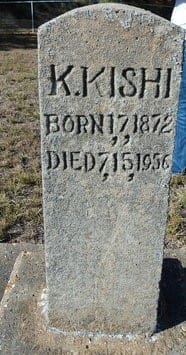
Kichimatsu Kishi's tombstone
CONCLUSION
Whether you are Kurdish or Japanese, whether you live in exile for a few years or a few centuries, hearts are always filled with pain and longing.
The following two tabs change content below.