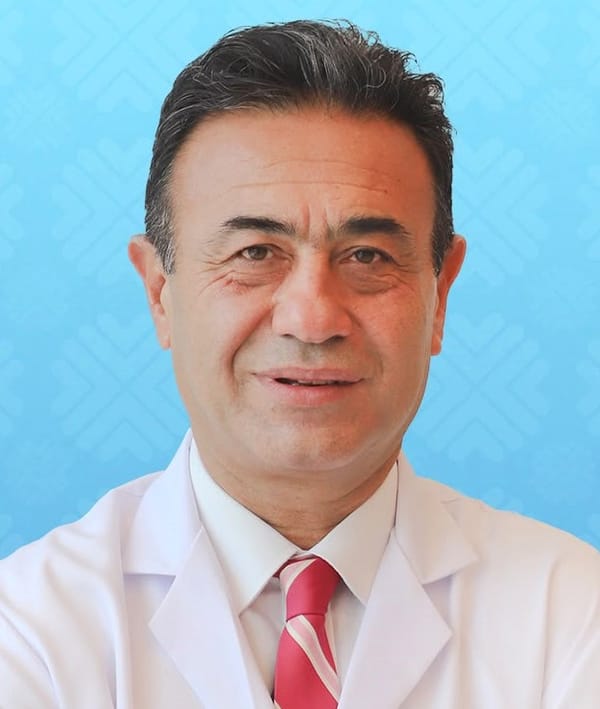
An Iğdır Success Story from Karxın to Ankara: Prof. Dr. Hakan Alpay Karasu
This article tells the multi-generational story of Prof. Dr. Hakan Alpay Karasu, a distinguished academic and dean, tracing his family's journey from Karxın to Iğdır and Ankara, highlighting their commitment to education, public service, and community.
Dear Readers,
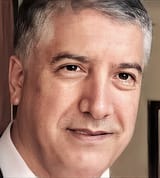
Sometimes, one lives in the same city for many years, moves in the same circles, yet has to wait for a chance encounter to get to know a valuable fellow townsman living right next door. My meeting with Prof. Dr. Hakan Alpay Karasu happened just like that.
When I first saw him, I knew that the person before me was a successful dentist, scientist, and university administrator. But as our conversation progressed, I learned that he was from Iğdır on both his mother's and father's sides; that his family came from the Azerbaijani Turks of Iğdır, and that he personally united the history of two deeply rooted families of our city.
On his father's side, he belonged to the large Karasu family, known as "Karxınlılar" in Taşburun. His mother, Ms. Gülsen, was the daughter of Hüseyin Yaycı, a prominent figure in Iğdır, and his maternal grandmother, Ms. Sure, belonged to the Türkdönmez family.
He was born in Ankara, pursued his education there, conducted part of his scientific work in London, ascended all academic ranks, and spearheaded the establishment of a Faculty of Dentistry. However, behind all these achievements lay a multi-generational family story extending from across the Aras River to Taşburun, from Yaycı village to Iğdır's public life, from family tables where politics and public service were discussed, to Ankara and the world of science.
As I listened to him, I felt I was discovering not just a scientist, but a cultivated son of Iğdır whom the city had not sufficiently recognized. His knowledge, measured speech, unpretentious demeanor, emphasis on merit, and sense of responsibility towards his homeland impressed me. As an Iğdırlı, I felt proud.
This is the purpose of writing this article: to introduce Prof. Dr. Hakan Alpay Karasu and his family to the people of Iğdır; to record this story stretching from Karxın to Taşburun, and from there to Ankara and the world of science.
From a Village Name to Family Identity: The Karxınlılar
The Karasu family is known as "Karxınlılar" in Iğdır. This name is not a surname but the name of the village from which the family originated. The family elders left the village of Karxın, which is now within the borders of Armenia; from 1927 onwards, at different times, they crossed the Aras River and settled in Taşburun. The migration did not happen all at once and en masse, but with families arriving in stages. Over time, the name of their village became the common identity of this large community in Taşburun.
My historical and geographical research on Karxın indicates that the place name, which lives on in family memory as "Karxun" or "Karxın," strongly overlaps with the village of Jrarat in Armenia's Armavir region today. The village's name before 1946 was Verin Karkhun, meaning Upper Karhun.
Karxın, Karkhun, Karhun, Qarxun, and Kargın are largely different spellings of the same place name in various alphabets and dialects. The "x" sound used in Iğdır and Azerbaijani Turkish has been represented by different letters in other writing systems. Therefore, variations in spelling do not always imply different villages.
The oral history preserved in Taşburun also shows that migration from villages north of the Aras began in 1927 and continued in subsequent years. The term "Karxınlı" has lived on in Taşburun not only as a geographical origin but also as a vibrant identity expressing a strong sense of community belonging.
One of the most vivid testimonies regarding the Karasu family's migration was left by Hacı Ali Karasu, Prof. Dr. Hakan Alpay Karasu's father's cousin.
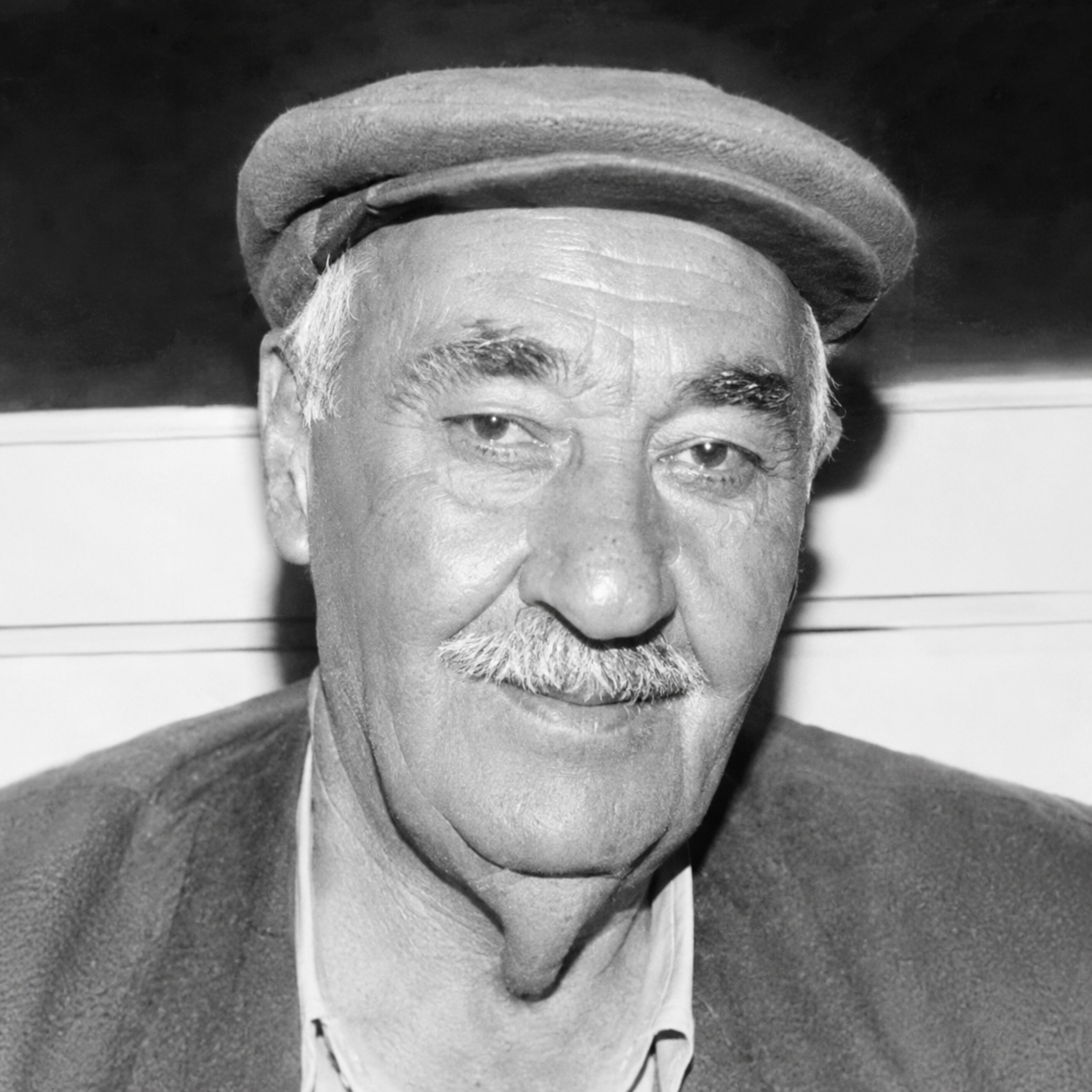
In the book Iğdır Sevdası (Love of Iğdır), which I published in 2002, Hacı Ali Karasu described his childhood and his crossings of the Aras with these words:
“I was born in 1921 in the village of Karxın, connected to Yerevan. Yerevan was once a city where 90% of the population was Azeri and 10% Armenian. Over time, due to Armenian migration from Turkey and other regions, the demographic balance was disrupted. The population of Karxın village was also increasing in favor of Armenians day by day. Finally, when 30-40 Armenian families settled in our village, my family decided to flee to Turkey.
I was about to start the second grade of primary school. In 1930, we illegally crossed the Aras River and arrived at Dize village. Armed individuals organized the escape. They stood guard along the border, ensuring the safe passage of groups from one side to the other. Dervişoğlu Mehmet Ali from Gökçeli village played a significant role in our group's crossing of the border.
After staying in Dize village for a year, we settled in Taşburun the following year. Taşburun was completely empty. When the primary school opened in 1933, my school life resumed. I continued the third grade at 12 Kasım Primary School. I finished Iğdır Middle School and enrolled in Erzurum High School. However, I left high school in my second year before graduating and returned to Iğdır.”
Hacı Ali Karasu's narrative also shows that the migration did not occur on a single date or with a single group. While some branches of the Karasu family crossed the Aras from 1927 onwards, Hacı Ali Karasu's family reached Dize in 1930 and settled in Taşburun a year later.
In this respect, the name "Karxınlılar" signifies not only a village left behind in the past but also the act of displacement, establishing a new life, and carrying family memory from generation to generation.
Sadık Emmi as narrated by Hamza Aygün
The Karxınlılar are one of the largest family communities in Taşburun and Iğdır. The late Hamza Aygün, in my book Iğdır Sevdası published in 2002, specifically stated that this family was too extensive to be contained in a single article. He listed the names of Meşe İsa Karasu, Cafer Karasu, Sadık Karasu, and Mehmet Tağı Karasu among the family heads.
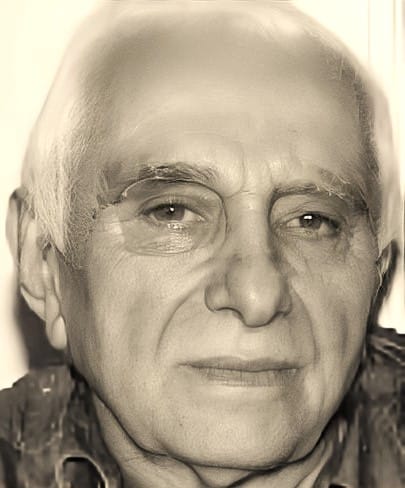
Prof. Dr. Hakan Alpay Karasu's grandfather, Sadık Karasu, was one of the most renowned figures of this large family in Taşburun. Those who knew him in Iğdır often referred to him as "Sadık Emmi" (Uncle Sadık).
Hamza Aygün's description of Sadık Karasu portrays not only a person but also the culture of neighborliness and solidarity in old Iğdır:
“He was a cheerful person with an open table, sharing every bite with the people.”
He then delivers this powerful sentence summarizing Sadık Karasu's place in Taşburun:
“There isn't a single Iğdırlı who came to Taşburun village and didn't sit at Sadık Karasu's table.”
This open table was not merely a sign of ordinary hospitality. It was a safe space where the village, the city, and different social segments came together. Sadık Karasu's name was one of those remembered and inquired about years later even by former public administrators who had left Iğdır.
The late Hamza Aygün describes him as a showy and athletic man, a skilled horseman, a master of Caucasian dances, and a person with extremely strong social connections. He served as the president of the Cotton Agricultural Union for many years; he was involved in farming, particularly known for his vineyards. At weddings, he would lead the halay dance, and with his wit and lively personality, he would bring joy to any environment he was in.
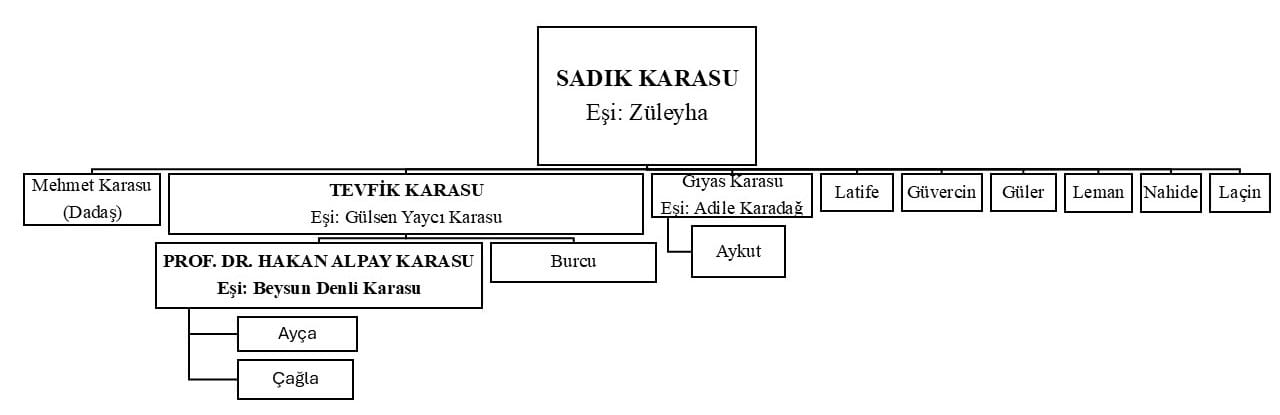
According to the updated family tree, Sadık Karasu had nine children: Mehmet Karasu (more commonly known as Dadaş), Tevfik, Gıyas, Latife, Güvercin, Güler, Leman, Nahide, and Laçin. Prof. Dr. Hakan Alpay Karasu is the son of Tevfik Karasu.
I believe that the most important legacy Sadık Emmi left to his children was not just land, vineyards, or a prominent family name. His true legacy was to open his doors to people, take responsibility within the community, not remain indifferent to the issues of his homeland, and be able to connect with different people.
This legacy continued in different forms in subsequent generations.
Tevfik and Gülsen Karasu: From Taşburun to Ankara
Prof. Dr. Hakan Alpay Karasu's father, Tevfik Karasu, was born in Taşburun in 1937. He studied at Ankara Atatürk High School with his cousin Kemal Karasu. After graduating from high school, the paths of the two cousins diverged into different fields. Kemal Karasu chose medicine, attending Ankara University Faculty of Medicine. Tevfik Karasu, however, found a civil service career more attractive under the conditions of that period and began working at Etibank.
Starting civil service did not mean the end of Tevfik Karasu's education. To advance in his career and develop himself, he enrolled in Ankara University Faculty of Language, History and Geography. He first started in the French Philology Department; later, he transferred to the Archaeology Department and graduated from there. His ability to combine work life with university education demonstrates the importance he placed on education and his personality that was not content with existing circumstances.
His civil service career, which began at Etibank, later continued at the Turkish Electricity Authority (TEK). He served at TEK for many years and rose to the position of finance manager. In later years, he served as a prime ministerial advisor during the Süleyman Demirel era. His life, which began in Taşburun, continued with responsibilities he undertook in important state institutions.
Prof. Dr. Hakan Alpay Karasu's mother, Gülsen Yaycı, was born in 1947. After completing her primary and secondary education in Iğdır, she graduated from Kars Teacher Training School. Tevfik Karasu and Gülsen Yaycı married in 1967 and established a life in Ankara. The couple had two children, Prof. Dr. Hakan Alpay Karasu and Burcu.
Prof. Dr. Hakan Alpay Karasu's sister, Ms. Burcu, is an archaeologist who graduated from Ankara University Faculty of Language, History and Geography, Department of Archaeology, and is a mother of one daughter.
A Family Raised in Politics
Although Prof. Dr. Hakan Alpay Karasu has not been involved in active party politics, he grew up in an environment where politics was not a distant topic remembered only during election periods, but a natural part of family life. In the Karasu family, national issues were discussed in homes, at open tables, and during family gatherings; family members with different political leanings would deliberate on the future of Iğdır.
His grandfather, Sadık Karasu, was involved in the Democratic Party in the 1950s. His extensive social circle in Taşburun, his presidency of the Cotton Agricultural Union, and his open table made him an influential figure not only in village life but also in the local politics of the time.
His father's cousin, Ali Karasu, was a political doyen who left his mark on Iğdır politics. Especially in the 1980s, as the Iğdır District Chairman of the Motherland Party (ANAP), he shaped local politics. During election periods, his shop and home became centers where politicians, candidates, and fellow townspeople gathered. The late Hamza Aygün did not call him "Iğdır's professor of politics" for nothing.
This political interest continued with Tevfik Karasu. Despite living in Ankara, he did not sever his ties with Iğdır; in the 1990s, he became a candidate for parliamentary deputy from Iğdır for the True Path Party. However, in his understanding, serving the homeland was not merely about obtaining an elected position.
The following thought expressed by Prof. Dr. Hakan Alpay Karasu regarding his father summarizes the family's view on public service:
“One does not need to be a member of parliament to be beneficial to the homeland.”
This statement expresses an understanding that does not evaluate politics solely through positions and titles. A person can serve their homeland to the extent that they are honest, productive, and useful in their assigned role. Tevfik Karasu was interested in Iğdır politics, but he did not tie his responsibility towards his homeland to an election outcome or an official title.
This tradition of politics and public service, extending from his grandfather Sadık Karasu to Ali Karasu and his father Tevfik Karasu, ensured that Prof. Dr. Hakan Alpay Karasu grew up in a family environment where national issues were discussed and debated from an early age. It would not be wrong to think that such a family atmosphere lies behind the moderation, sense of public responsibility, and understanding of merit that I observed in his personality.
A Prominent Figure of Iğdır on His Mother's Side: Hüseyin Yaycı
Prof. Dr. Hakan Alpay Karasu's mother, Ms. Gülsen, is the daughter of Hüseyin Yaycı, a well-known figure in Iğdır. Hüseyin Yaycı, from Yaycı village in Iğdır, was born in Yerevan in 1893. His father's name was Hacı Mehmet. Since the family owned land in Yaycı village during the Russian administration, it is known that they traveled between Yerevan and Iğdır.
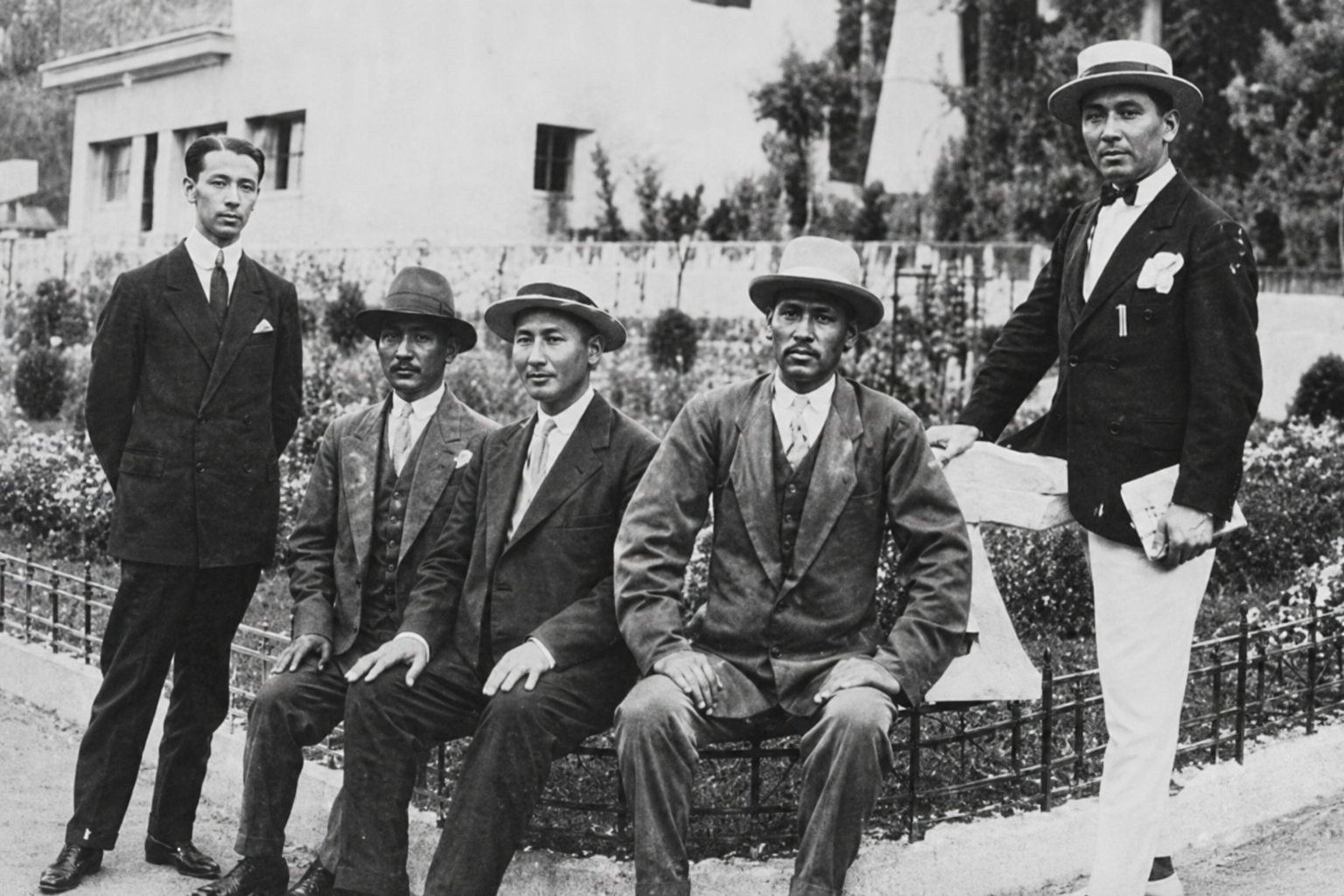
Hüseyin Yaycı studied in various cities of Russia and graduated from a Russian gymnasium (high school). He spoke Russian like his native language. He stood out as a well-educated, knowledgeable, and cultured person for his time. He was remembered as a tall, handsome, elegantly dressed gentleman who maintained composure in all his actions.
During the years of the "Kaça-Kaç" (flight and escape), he was engaged in trade in Tbilisi. As the threat of civil war grew, he went to Istanbul. His elder sister, Sakine Hanım, had gone to Iran with a group of relatives. Later, learning that his sister had returned to Iğdır via Iran, Hüseyin Yaycı also decided to settle in Iğdır.
Ms. Gülsen's maternal grandfather, Veli Türkdönmez, settled in Iğdır with his family during his time in Iran, encouraged and assisted by Hacı Ekber Tufan. In their initial days, the family was hosted at Esat Kuban Bey's house.
Hüseyin Yaycı later married Ms. Sure, Veli Türkdönmez's eldest daughter. He bought the building adjacent to Cihangir Turan Bey's house and settled there with his family. Thus, on Prof. Dr. Hakan Alpay Karasu's maternal side, the Yaycı and Türkdönmez families were united.
Hüseyin and Sure Yaycı had four children: Birsen, Ergün, Ersan, and Gülsen. Ms. Birsen was a housewife and later took the surname Sayan; Mr. Ergün worked in banking, Mr. Ersan in engineering; and Ms. Gülsen became a teacher and joined the Karasu family by marrying Tevfik Karasu.
Hüseyin Yaycı served several terms in the Kars Provincial General Assembly during the years when Iğdır was part of Kars. He was a member of the provincial council; he was also a municipal council member. For a short period, he also acted as the mayor. These duties show that he was not only a merchant but also a local administrator who was interested in Iğdır's issues and took on public responsibility.
After 1950, he focused more on his trade career. He became the regional dealer for threshing machines and various agricultural tools in the Iğdır region. At a time when agriculture formed the backbone of Iğdır's economy, he contributed to the arrival of modern agricultural tools in the region and continued this work until his death.
Hüseyin Yaycı passed away on June 5, 1955, at the age of 62. His death caused great sorrow in Iğdır. Aras Cinema, owned by Aziz Güney, suspended its screenings for three days as a sign of respect for him. The fact that a city's cinema closes for three days after a person's death is enough to show that he was not only known but also loved and respected.
Thus, Prof. Dr. Hakan Alpay Karasu embodies, on his paternal side, the tradition of open tables, fellow townsmen, and social responsibility of the Karxınlı Karasu family; and on his maternal side, the accumulation of education, trade, local governance, and public service from Hüseyin Yaycı and the Türkdönmez family.
A Son of Iğdır Born in Ankara
Prof. Dr. Hakan Alpay Karasu was born in Ankara on April 12, 1968. He completed his primary, middle, and high school education at TED Ankara College. He then gained admission to Ankara University Faculty of Dentistry and graduated in 1991.
He began his doctoral studies in Oral and Maxillofacial Surgery at Ankara University. After two years of work, he won a scholarship from the Council of Higher Education and went to England. Between 1994 and 1998, he conducted his doctoral research at the Royal London Hospital, affiliated with the University of London. After returning to Turkey, he completed his compulsory service; in 1999, he performed his military service at Gülhane Military Medical Academy.
He then worked for many years as a faculty member at Ankara University Faculty of Dentistry. He taught theoretical and clinical courses in Oral and Maxillofacial Surgery and Anesthesia in Dentistry; he advanced through the ranks of associate professor and full professor. He not only educated students but also contributed to the training of new academics by advising on doctoral and advanced specialization studies.
His academic life is not merely a career journey where titles follow one another. It is a long working life where scientific research, patient treatment, student education, and institutional management responsibilities are carried out simultaneously.
Scientist and Founder of a Faculty of Dentistry
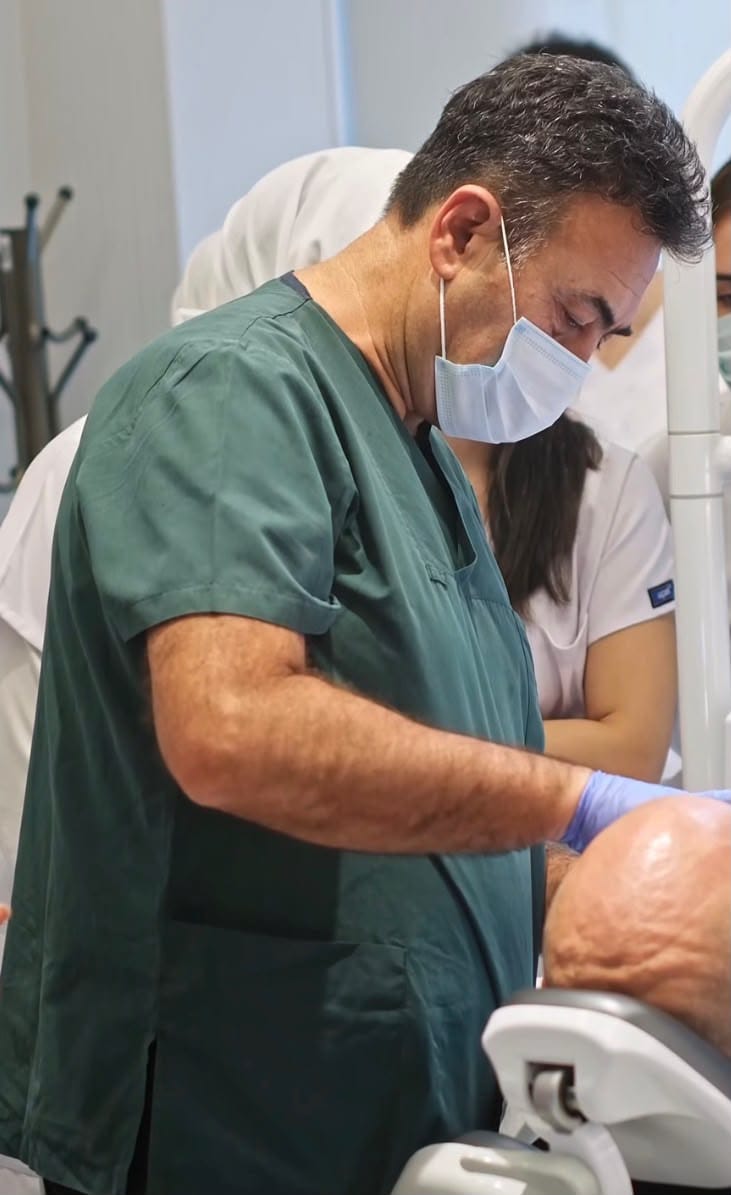
Prof. Dr. Hakan Alpay Karasu is currently the Dean of Ankara Medipol University Faculty of Dentistry, Head of the Clinical Sciences Department, and a faculty member in Oral and Maxillofacial Surgery. He also continues his clinical work at the university's dental hospital.
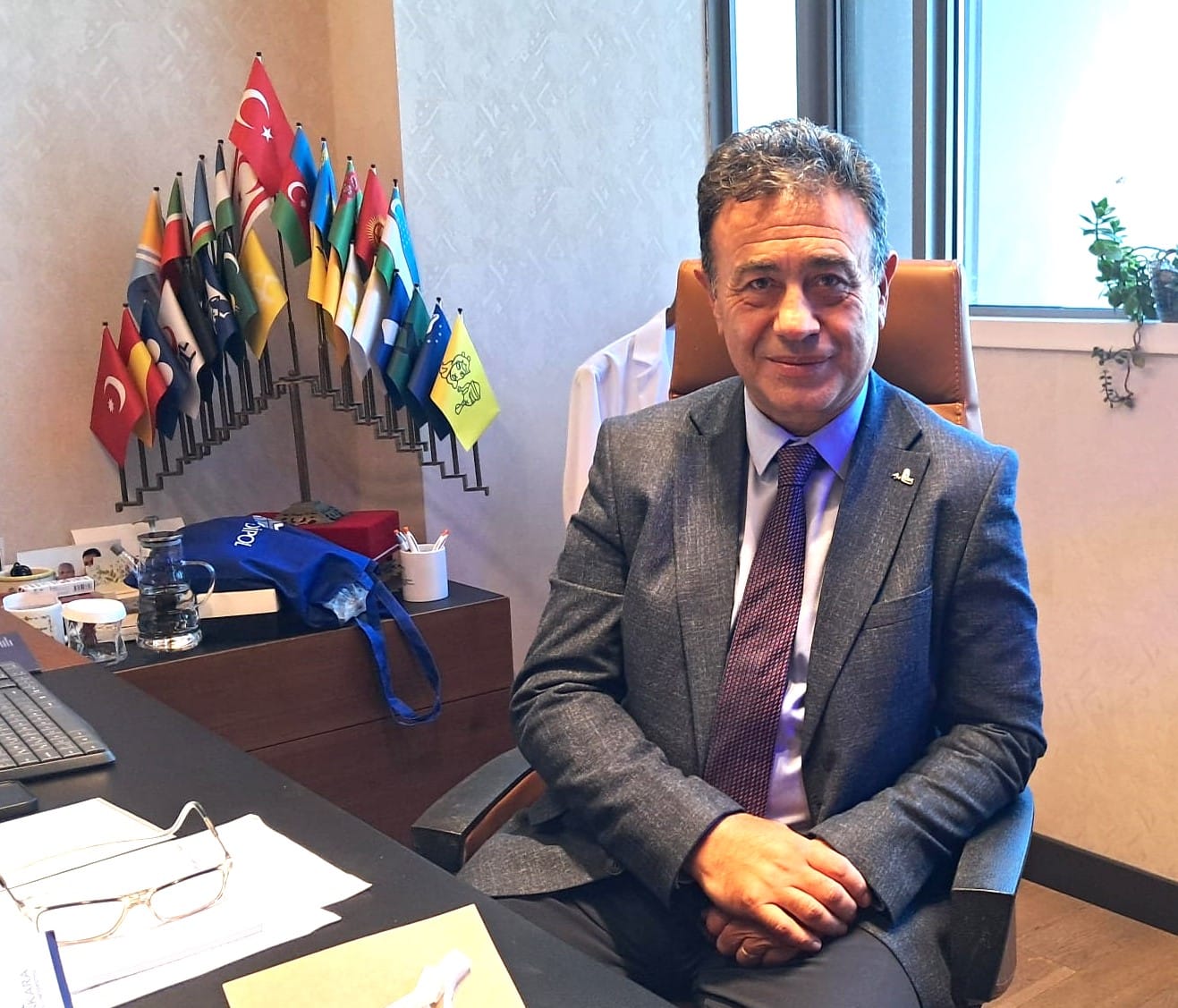
One of the most important features that distinguishes him in his academic life is that he was not content with merely working in an existing institution, but took direct responsibility for the establishment of a new faculty.
He is the founding dean of Ankara Medipol University Faculty of Dentistry. He has successfully continued this duty for six years. The faculty was established in 2018, began admitting students in the 2020–2021 academic year, and transitioned to clinical education activities related to patient treatment in December 2022. It produced its first graduates in the 2024–2025 academic year.
Establishing a faculty is not just about creating buildings, classrooms, or clinics. It requires building the academic staff, defining the educational philosophy, gaining the trust of students, considering the needs of patients, managing quality and accreditation processes, and creating an institutional culture that will endure for many years.
In Prof. Dr. Hakan Alpay Karasu's understanding of management, scientifically based education, intensive clinical practice, utilization of digital technologies, adherence to ethical values, and patient-centered healthcare services stand out. He emphasizes that students should be trained not only as technically proficient dentists but also as healthcare professionals with human and social responsibilities.
His direct involvement in the faculty's quality, strategy, and accreditation efforts shows that he does not view management solely as a representative position. In addition to his deanship, he chaired the Quality and Strategy Development Commission and the Accreditation Commission; he also took responsibility for coordinating the university's social contribution activities.
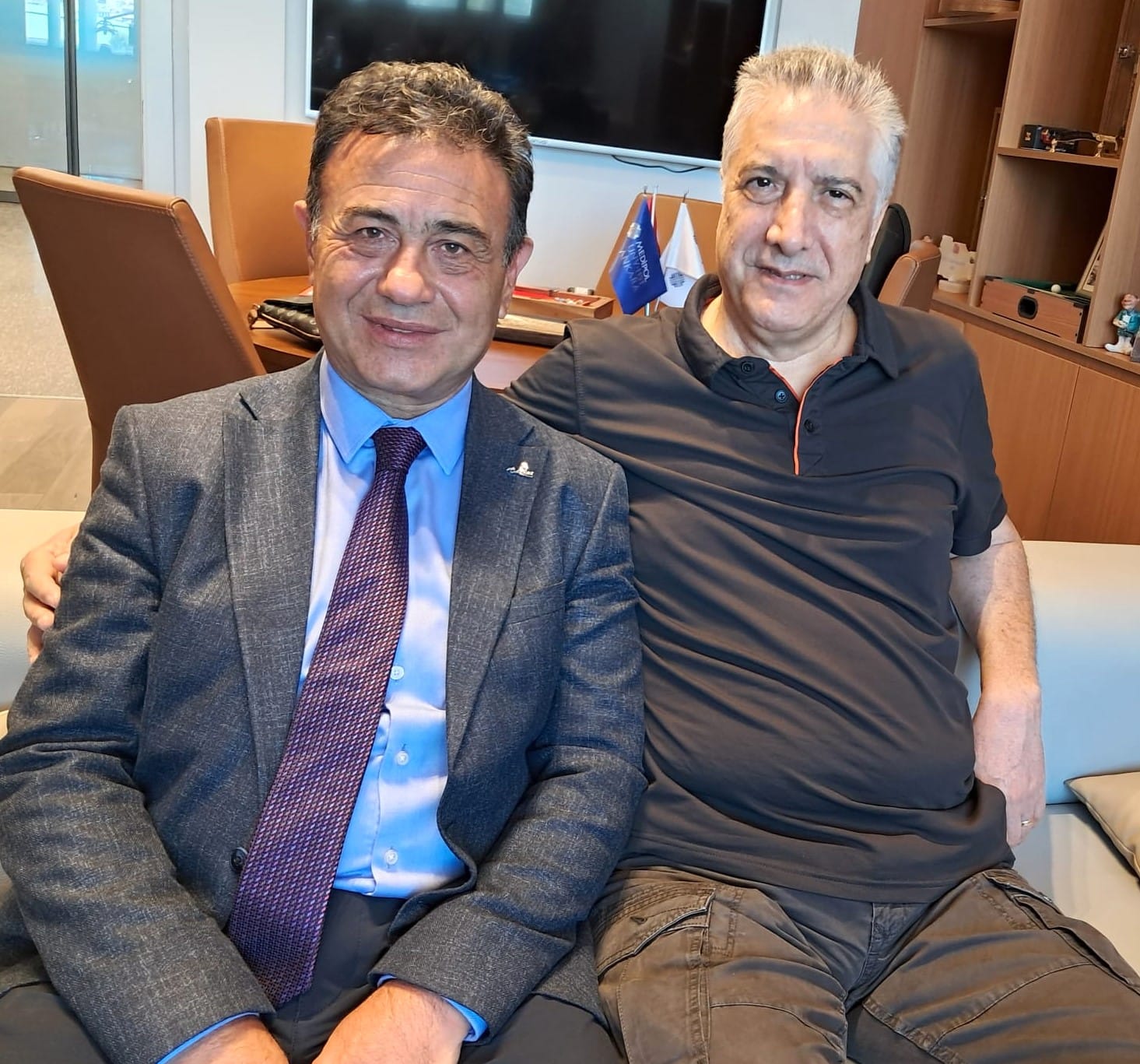
He has numerous articles published in national and international journals, papers presented at scientific meetings, book chapters, and academic studies for which he served as an advisor.
In short, before us is not just a successful maxillofacial surgeon, but an experienced academic who trains students and researchers, contributes to international scientific production, and takes responsibility for the establishment and institutionalization of a faculty.
Family Life and the Importance of Education
Prof. Dr. Hakan Alpay Karasu married chemical engineer Beysun Denli Karasu in 1999, the year he completed his military service. Ms. Beysun is one of three siblings. Her mother is from Giresun, and her father is from Istanbul; her father is a retired brigadier general from the Turkish Armed Forces.
The couple had two daughters, Ayça, born in 2002, and Çağla, born in 2005.
Ayça and Çağla studied at the Lycée Français Charles de Gaulle in Ankara from the age of three. Their early exposure to the French education system not only enabled them to acquire a strong foreign language but also to grow up immersed in different cultures.
Both successfully completed the baccalauréat examination, which qualifies for French high school graduation and university admission. They then went to Toulouse, France, for their university education. Ayça is studying pharmacy, and Çağla is studying biology.
From Sadık Emmi's open table in Taşburun to Hüseyin Yaycı's education at the Russian gymnasium (high school); from Tevfik Karasu's university studies while pursuing a civil service career to Prof. Dr. Hakan Alpay Karasu's doctoral studies in London, and from there to Ayça and Çağla's education in Toulouse, the unchanging core value is for individuals to cultivate themselves and be beneficial to the society they live in.
In this family, education is not just a means of personal advancement but part of a sense of responsibility passed down through generations.
Iğdır in Prof. Dr. Hakan Alpay Karasu's Memory
Although Prof. Dr. Hakan Alpay Karasu was born in Ankara, he maintained his connection with Iğdır during his childhood years. This connection was not only established through visits to Iğdır; the large Karasu family circle in Ankara ensured that the memory of their homeland remained vibrant in daily life.
During his childhood, the Karasu family living in Ankara was quite large. Family elders and relatives would gather almost every weekend at a different family home; during these meetings, Iğdır, Taşburun, Karxın, relatives, politics, elections, and national issues would be discussed. Prof. Dr. Hakan Alpay Karasu explains that these conversations instilled Iğdır in his mind and heart from a young age.
On holidays, the large Karasu family would gather for a picnic in Söğütözü. Prof. Dr. Hakan Alpay Karasu remembers these gatherings as some of the warmest and most beautiful memories of his childhood.
Until the end of his primary school years, he frequently visited Iğdır with his parents. However, over time, changing conditions in the region, the migration of relatives to other cities for economic reasons, and the dispersal of the extended family to various places, especially Ankara, led to a decrease in these visits.
He recounts that during his university years, he occasionally went to Iğdır as an exam supervisor, but there were significant differences between the Iğdır he remembered from his childhood and the city he saw in later years.
Despite this, Iğdır is not a city he views from afar. It is his homeland, where the memories of his family elders, his childhood, and a strong sense of fellow townsmen live on.
In our conversation, he specifically spoke about Iğdır's cultural richness. He views the city's social structure, which accommodates different communities, not as a problem but as a value to be preserved. Although he believes that external interventions sometimes damage this mosaic, he trusts that the people of Iğdır are inherently kind, warm, and inclined to live together.
When discussing politics, he particularly emphasized that the most important factor that can change a city's destiny is leadership. According to him, Iğdır has very significant opportunities with its border neighbors, cultural mosaic, and agricultural potential. However, it is the right leadership that will transform these opportunities into a visible, productive, and lasting power, bringing Iğdır to the agenda of Turkey and the world. Therefore, leadership holds a decisive importance for the city's future.
Prof. Dr. Hakan Alpay Karasu believes that Iğdır can reach a much stronger economic and social level than it currently has, in terms of its border location, agricultural lands, human resources, and regional trade opportunities. However, he is of the opinion that the city's potential is not sufficiently met with proper planning, qualified management, and a long-term vision for the future.
While expressing these thoughts, he is not advocating for any particular political view. He states that there are many people in the Karasu family with right-wing and left-wing views, close to different parties; and all these people are equally valuable to him. His criterion is not which party a person belongs to, but whether they do useful work for the country, the nation, and Iğdır.
If "the goal is a better Iğdır," he believes that everyone working towards that goal should be supported. He does not limit politics to party membership, parliamentary representation, or mayorship. He reminds us that every person already holds a political position in life through their choices, attitudes, and social responsibilities.
I believe this approach is important. Because what Iğdır has needed most for many years is not new boundaries that separate people, but an understanding that can unite them around common goals.
Prof. Dr. Hakan Alpay Karasu as I Know Him
What impressed me most during my meeting with Prof. Dr. Hakan Alpay Karasu was his reluctance to highlight his titles and achievements.
It was striking that a person who had become the founding dean of a faculty, educated students for years, published international works, studied in London, and served in important institutions remained extremely calm and measured while speaking about all these accomplishments.
He possessed not an artificial modesty, but the natural confidence of having done his work.
He also did not use the feeling of being a fellow townsman as a tool for superiority or privilege. He loved being from Iğdır, valued his family's memory; but he did not judge people solely by their hometowns, ethnic origins, or political preferences. For him, what mattered was merit, honesty, work discipline, and being beneficial to society.
These qualities are not only found in a good academic but are also necessary attributes for every person who carries public responsibility.
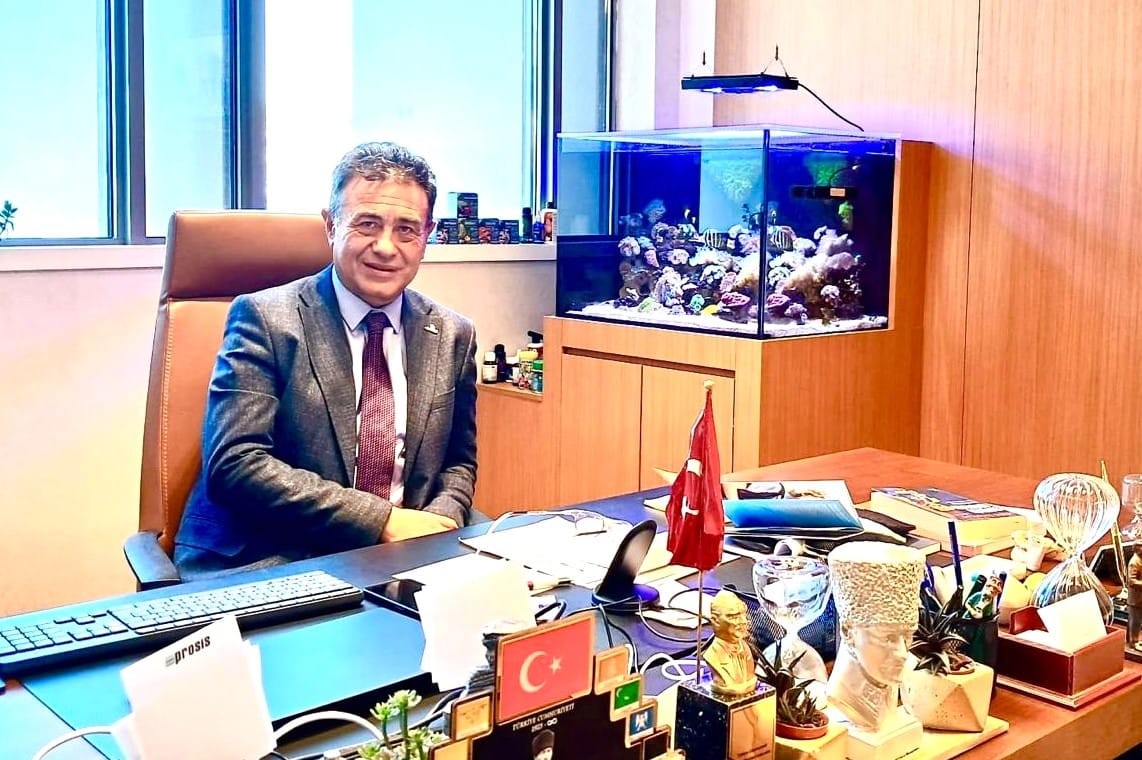
The love for humanity inherited from Sadık Emmi, the political experience of Ali Karasu, the understanding of public service from Hüseyin Yaycı, and the state experience and passion for education from Tevfik Karasu seem to have re-emerged in Prof. Dr. Hakan Alpay Karasu's life in the form of science, management, and social responsibility.
Representing a city is not merely speaking from platforms or appearing before the public during election periods. Representation means raising people, establishing institutions, managing resources correctly, listening to different segments, following global developments, and prioritizing the benefit of society over personal gain.
When I look at Prof. Dr. Hakan Alpay Karasu's life journey, I see a significant portion of these qualities combined.
His international education did not distance him from his homeland; on the contrary, it enabled him to evaluate Iğdır's opportunities from a broader perspective. His academic titles did not alienate him from people; they increased his responsibility in his relationships with students, patients, and colleagues. Growing up in a large family with relatives of different political views instilled in him the habit of evaluating people by their personalities and their work before their opinions.
It is no coincidence that he places such importance on leadership in a city's destiny. He grew up among elders who experienced different political periods; he has come to the conviction that Iğdır's potential can only be activated with competent, unifying, and long-term thinking leadership.
Today, the profile of the manager and representative that Turkey and Iğdır need is precisely this: knowledgeable but not arrogant; experienced but not detached from the people; familiar with the world but not forgetting their homeland; aware of party differences but able to prioritize the common good above them.
Iğdır Must Recognize Its Own Cultivated People
Prof. Dr. Hakan Alpay Karasu's story is not merely the autobiography of a successful academic.
This story is a multi-generational tale of effort, beginning with a migration from Karxın across the Aras to Taşburun; from Sadık Emmi's open table to Hüseyin Yaycı's local governance and trade life, from Tevfik and Gülsen Karasu's life in Ankara to the world of science, and to the education of new generations in Europe.
It is also the story of a family tradition that views politics not as personal advancement but as a responsibility to serve the homeland, extending from Sadık Karasu's activities in the Democratic Party in the 1950s to Hacı Ali Karasu's chairmanship of the ANAP Iğdır District in the 1980s and his father Tevfik Karasu's candidacy for the True Path Party.
It also reminds us of this fact: there are many people from Iğdır who hold important positions in different parts of Turkey and the world; but we do not know these people enough, nor do we benefit from their accumulated experience as much as we should.
A city's human resources are not limited to those living within its borders. Political parties, universities, professional organizations, and civil society organizations that care about Iğdır's future should find, listen to, and integrate the accumulated knowledge of our fellow townsmen who have grown up in different cities and countries into the city's common strength.
Because the future of cities is built not only by those who speak loudly but by people who inspire trust with their knowledge, ethics, management experience, and unifying language.
This is why I felt proud when I met Prof. Dr. Hakan Alpay Karasu. Before me was not just a successful scientist, but a valuable fellow townsman who was devoted to Iğdır, valued merit, respected different views, and had serious managerial experience.
Iğdır should not merely applaud such people from afar; it should recognize them, listen to them, and make room for their knowledge and experience in its common future.
Prof. Dr. Hakan Alpay Karasu, as a rooted, meritorious, humble, and experienced manager, is one of Iğdır's important assets.