A Samaritan from Iğdır
This essay recounts the story of Selçuk Ayrım, a selfless taxi driver from Iğdır who, in the 1970s, risked his own life to save a pregnant woman in a race against time to Erzurum.
A SAMARITAN FROM IĞDIR
My dear readers!
The word "Samaritan" is not a word that is part of our daily lives. It is almost never used. It means a helpful person. With one difference: a Samaritan is a helpful person who is ready to sacrifice their own life to save someone else's.
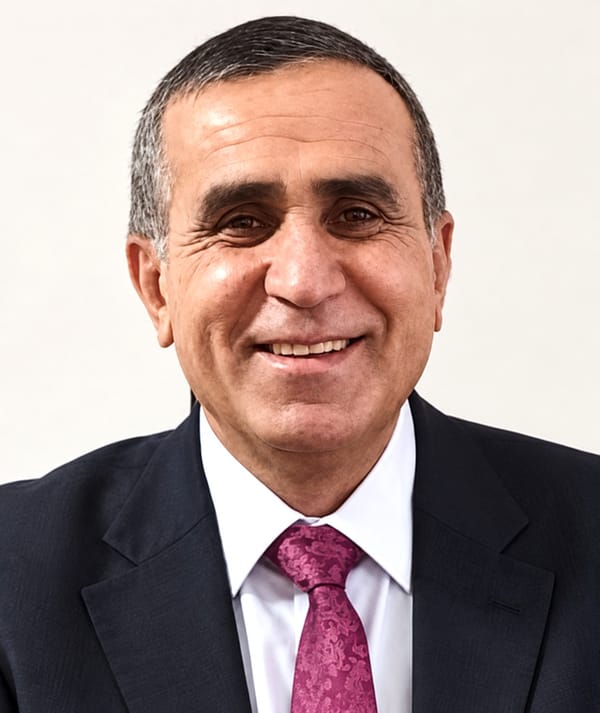
In my childhood, I knew such a Samaritan: Selçuk Ayrım. His father, the late Uncle Ferit, was originally from Pernavut (Gaziler). He was from the family of our national hero, Şamil Ayrım. Uncle Ferit had come to Iğdır for some reason and settled in this charming district. It must have been 1971. In those years, I was a student at Iğdır Secondary School. One of my classmates was Selçuk, Uncle Ferit's son.

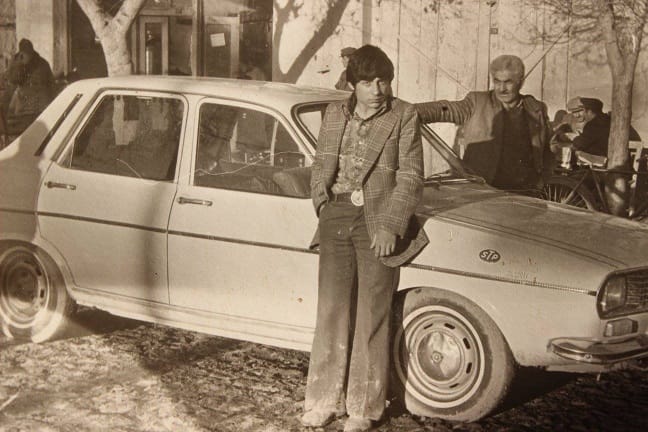
From the 1970s onwards, there was a change in the urban passenger transport sector in Iğdır. In those years, phaeton (horse-drawn carriage) driving was the only popular means of passenger transport. Young people also had the chance to rent bicycles. Somehow, one day, phaeton owners started selling their phaetons, buying cars, and becoming taxi drivers. One of them was the late Uncle Ferit.
My father often came to our farmhouse near Karakuyu village, which we called "Çimen," in Uncle Ferit's taxi. Uncle Ferit was like one of the family. My mother would always pack cheese and butter and insist that he take them home.
In the summer months, I was responsible for keeping our patisserie in the city center open until midnight. Selçuk had somehow convinced his father to buy a car on installments and had started working as a taxi driver. He worked tirelessly almost until morning, paying off his debts with the money he earned. He managed to pay off all his bank debt in six months. This was a record!
Selçuk was an extraordinarily skilled driver. He was 15-16 years old. In those years, there were no traffic police or license checks. I had the chance to travel with Selçuk many times. He calculated very well when to speed up and when to slow down. I admired his ability to anticipate dangers. I never witnessed him having an accident. He would go to and from the muddy and dusty village roads, but his car was spotless.
One day, Selçuk, who had spent the whole night working, lifted his head from the steering wheel where he was dozing off towards morning, to the tearful voice of a villager from Karakuyu:
"Yes, kirve (a term of address for a close friend or relative)!"
"My wife is pregnant. The child has died in her womb. If we don't take her to Erzurum, she will die!"
At that hour of the morning, there are no other taxis. Moreover, Selçuk has not slept for almost 24 hours. He takes the villager with him and sets off for Karakuyu village. The sick woman is laid in the back seat. Now, the patient needs to be taken to Erzurum as quickly as possible. In those years, the roads to Erzurum were not asphalted as they are now. It was a wide, stone and pothole-filled highway. A normal journey takes at least 10 hours.
After passing Tuzluca, a heavy sleep overcame Selçuk. He was tired. His eyes remained half-asleep for a while, but he realized that the risk of an accident was high. He pulled the car to the bank of the Aras River:
"Kirve! Give me 10 minutes! If I don't wake up in 10 minutes, prick me with a sack needle and wake me up!"
Selçuk had heard from a teacher that sometimes a clean 10-minute sleep is worth 8 hours of sleep! Selçuk wrapped himself in his blanket and fell into a deep sleep. 10 minutes later, the villager from Karakuyu shook Selçuk awake. Selçuk, in a panic, immediately jumped up from where he was, threw off his clothes, and dived into the Aras River; the cold water gave his body strength and vitality. He quickly got behind the wheel. He knew that the patient he was carrying was struggling with death. The woman's screams were shaking the earth and sky. Selçuk raced against time. He made quick maneuvers, calculating very well where to speed up and where to slow down, and got the patient to Erzurum in 6 hours. In a way, he had achieved the impossible.
As the patient was taken to the operating room on a stretcher, the villager from Karakuyu and Selçuk sat on the bench in front of the operating room, eagerly awaiting the outcome. 2-3 hours later, a doctor, wiping the sweat from his forehead with the back of his hand, emerged from the room: "Who is the patient's owner?" he called out. The villager stood up in fear. He thought he would receive "news of death." The doctor spoke in a somewhat angry tone: "If you had been 2-3 hours later, the woman would have died. She's saved! Her condition is good. She will stay in the hospital for three days. Go to the cashier and make your payment!" The villager was happy that his wife was alive, but he didn't have a single penny in his pocket: "Doctor, I have no money!" he said. Selçuk intervened and summarized what had happened: "Doctor, I have 260 TL on me. If I give this to you, I won't have gas money to return to Iğdır!" The doctor put his hand on the shoulder of this self-sacrificing driver: "Don't worry! We will cover the expenses from the hospital's cash register. You won't need to make a payment. You can return to Iğdır."
Selçuk had raced against time to take a dying patient from Karakuyu village to Erzurum and saved her life. He hadn't charged a fee, but his conscience was clear. He thought, "Not everything in life is about money."
Some time passed. The woman recovered. On their return from the yayla (highland pasture), the villager brought a tulum cheese and a lamb to the city center and gave them to Selçuk: "I wish I could give you more, but I am a poor villager." Selçuk was touched by this gesture: "What is important to me is that your wife's life was saved. Money is not important at all!" He gratefully accepted the cheese and lamb given to him.
This Samaritan, Selçuk Ayrım, now lives in Bodrum and always remembers Iğdır with longing. We wish him and his family health and well-being.