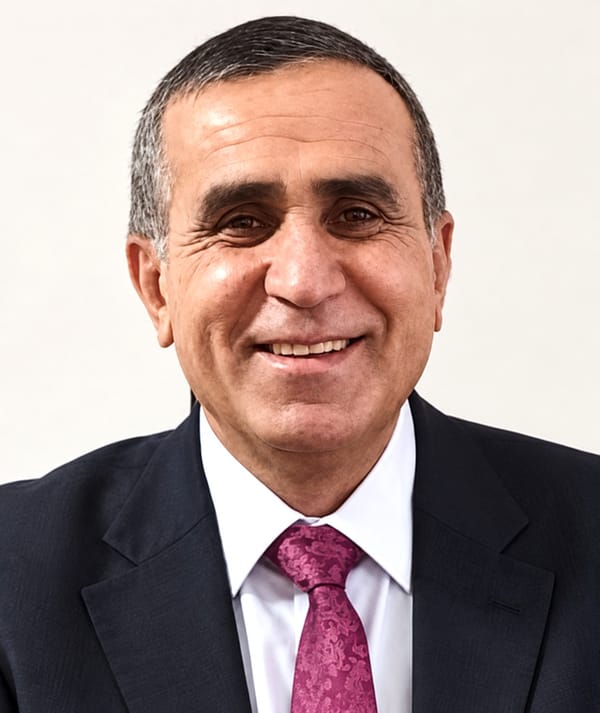
The Kurds of the World Lost a Leader: Prof. Dr. Kinyas İbrahim Mirzoyev
This article commemorates Prof. Dr. Kinyas İbrahim Mirzoyev, President of the Kurdish Union of Kazakhstan, who recently passed away, and highlights his life and historical role in the Kurdish identity struggle, along with the history of Kurds in Kazakhstan.
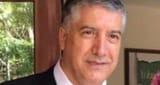
Today (August 8, 2021), I received the news that Prof. Dr. Kinyas İbrahim Mirzoyev, President of the Kurdish Union of Kazakhstan, passed away after contracting COVID. I was deeply saddened. Just a few weeks ago, we had a phone conversation, and we said goodbye with the hope that he would be with us in Iğdır very soon. The Kurds of the world and humanity have lost a great figure. The life of the late Prof. Dr. Kinyas İbrahim, and especially the historical role he played in the struggle for Kurdish identity, will remain an unforgettable and instructive spiritual legacy for all of us. The unexpected passing of this great personality, whose family roots extend to Iğdır, has plunged us into deep sorrow. My condolences to his family, friends, the peoples of the Caucasus, the people of Kazakhstan, and the Kurds of the world! (I respectfully present my article titled "A KURD IN KAZAKHSTAN: KINYAS İBRAHİM MİRZOYEV," published in Iğdır’a Bakış newspaper on July 10, 2021, to the attention of my readers, in memory of Prof. Dr. Kinyas İbrahim Mirzoyev.)
Mücahit Özden-Şeval Hun
A KURD IN KAZAKHSTAN: KINYAS İBRAHİM MİRZOYEV
Dear readers!
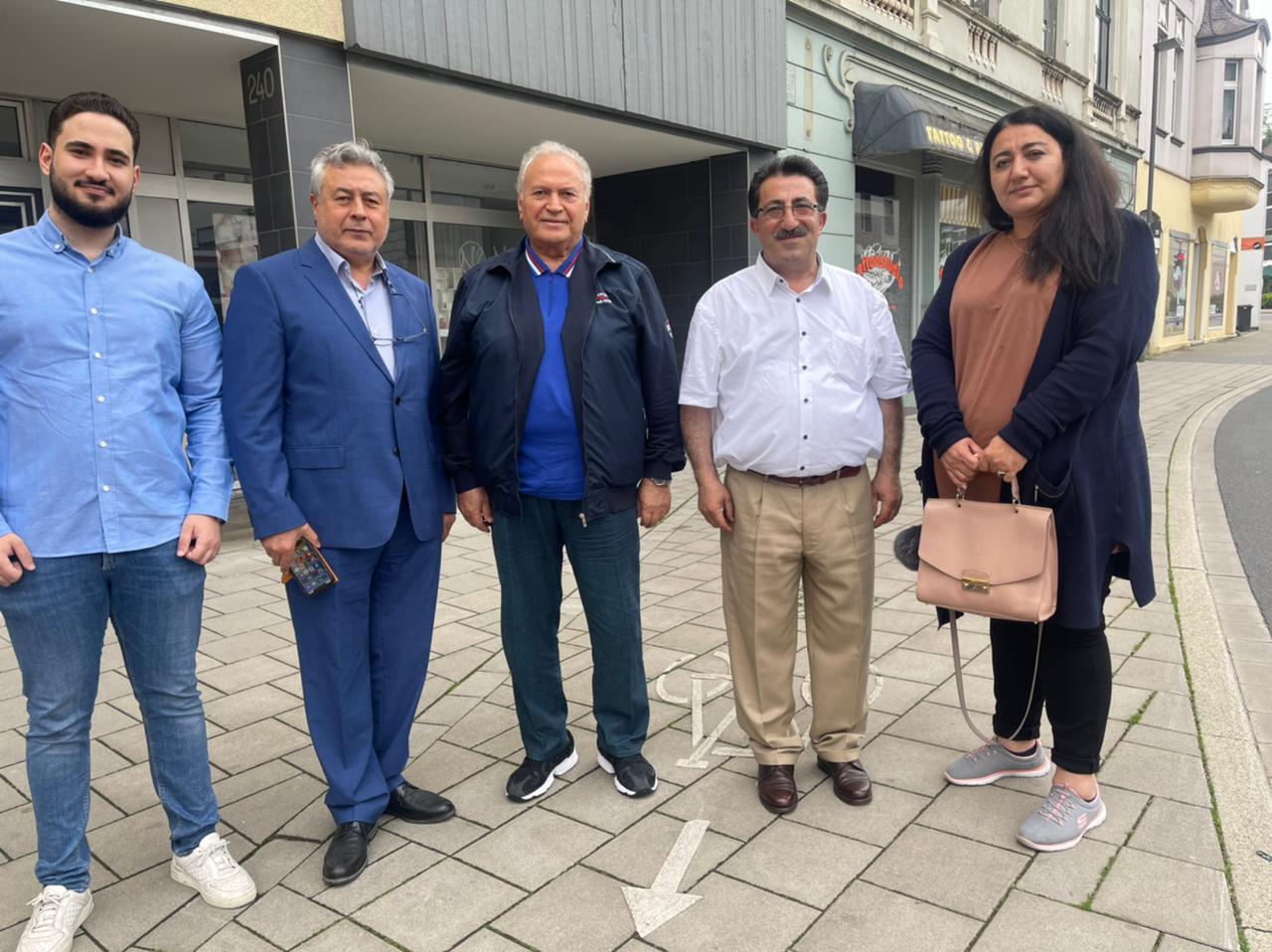
In this article, I would like to briefly introduce you to the Kurds in Kazakhstan and two important Kurdish personalities living there. Approximately two weeks ago, Prof. Dr. Kinyas İbrahim Mirzoyev (Kinyazê Îbrahîmê Mîrzoyev / Kinyas, son of İbrahim from the Mirzo lineage), the leader of the Kurds of Kazakhstan, was hosted in Germany at the invitation of his friends in Europe. One of those who welcomed and honored him was my very dear cousin, my elder brother Yılmaz Tırpan. Through Yılmaz Abi's reference, I had the chance to correspond and communicate with the highly esteemed scientist Prof. Dr. Kinyas İbrahim on social media.
MY YEARS IN KAZAKHSTAN
Between 1997 and 1999, I had been to Kazakhstan many times due to the investments of an American oil company. In those years, the republics left behind by the collapse of the Soviet Union in 1991 were groaning under a great ruin, and people were struggling for daily survival. Poverty was heartbreakingly severe.
Chevron, a multinational American energy company headquartered in California, was sending its Russian-speaking employees to former Soviet Union countries. Kazakhstan was one of them. I had the chance to travel to Russia, Kazakhstan, and other countries many times through this opportunity.
A company named Tengizchevroil was established in 1993 with a 50-50 sharing agreement between the Government of Kazakhstan and Chevron. Our task was to efficiently bring the Tengiz field, located in the west of the country, back into service.
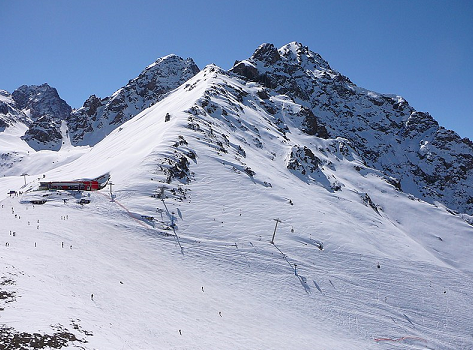
In those years, the capital of Kazakhstan was Alma-Ata. (Today, Nur-Sultan is the capital.) Half of the country's population was of Russian origin. Russian was spoken everywhere. Since my work was intense, I did not have time to explore the city except for a few small trips. The ski facilities we reached by cable car satisfied my longing for the mountains. Due to migrations to Russia and especially Germany, the proportion of the Russian population to the total population is around 20% today. Especially the German Kazakhs (Kasachstandeutsche) living in Kazakhstan chose to leave Kazakhstan and settle in Russia or Germany after the collapse of the Soviet Union.
What caught my attention in the city center was the dense Korean population. I remember going to the Korean market and buying Kimchi, a traditional Korean dish (or pickle) made from fermented red pepper and Chinese cabbage, which I loved very much. According to what they told me, there were over 100,000 Koreans in the country. The vast majority of them had fled the famine that broke out on the Korean peninsula in the mid-19th century. To be honest, in those years, I did not know that there was a strong Kurdish diaspora in Kazakhstan. In later years, I would learn this fact and become aware of the existence of a strong Kurdish diaspora not only in Kazakhstan but also in Turkic Republics such as Kyrgyzstan and Uzbekistan. Based on the fact that Kurds and Turks lived intertwined in a geography extending from Central Asia to Europe, I wrote an article discussing how this unity could be transformed into a political and economic power under the leadership of the Republic of Turkey. Interested readers can access this article by clicking or typing the link below. (http://hunacademy.com/turk-kurt-sentezi-ve-kuresel-guc-turkiye/)
KURDS OF KAZAKHSTAN
Perhaps you are wondering when, from where, and why Kurds went and settled in Kazakhstan? Today, the Kurdish population in Kazakhstan is estimated to be around 100,000. Since most of the Kurds came from Armenia and Azerbaijan, they carry the passports of these countries and have been registered in the population not as "Kurdish" but as "Azeri" or "Armenian." This has led to an underestimation of the Kurdish population. Therefore, it is possible to say that the actual Kurdish population is over 150,000.
Kurds were migrated to Kazakhstan from the South Caucasus region in three waves. The dates of these forced migrations are as follows:
- 1937
- 1944
- 1989
Here, I should note that sometimes there were mass exiles as above, and sometimes exiles on a family basis. For example, the family of the famous Prof. Nadir Nadirov was sent into exile as a small group in 1933.
THE 1937 KURDISH EXILE
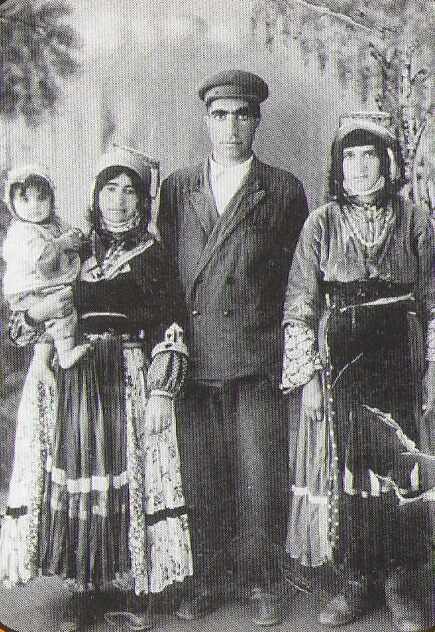
These were the years when Stalin's harsh and ruthless rule continued. A fierce espionage-counter-espionage struggle was ongoing between Turkey and the Soviet Union. On the Turkish side, Hüsnü Bingöl, the Regional Head of MAH (MIT), had taken control of the border region. Since the Celali, Redkan, and Brukan tribes were located on both sides of the Turkish and Soviet borders, Hüsnü Bingöl built a wide counter-espionage network relying on the Kurds. Stalin was disturbed by this situation. Realizing that he could not deal with Hüsnü Bingöl, Stalin one day loaded the Kurdish tribes settled along the Aras River onto a train and sent them to Kazakhstan. In addition, since the existence of Red Kurdistan (Kurdistan Uyezdi), established with its center in Lachin and ruling between 1923-29, was ended, a small Kurdish population from this region was also included in this forced migration. (I recommend my book "Black, White, and Gray: Hüsnü Bingöl," which describes Hüsnü Bingöl's counter-espionage activities, to my readers interested in the subject.)
THE 1944 KURDISH EXILE
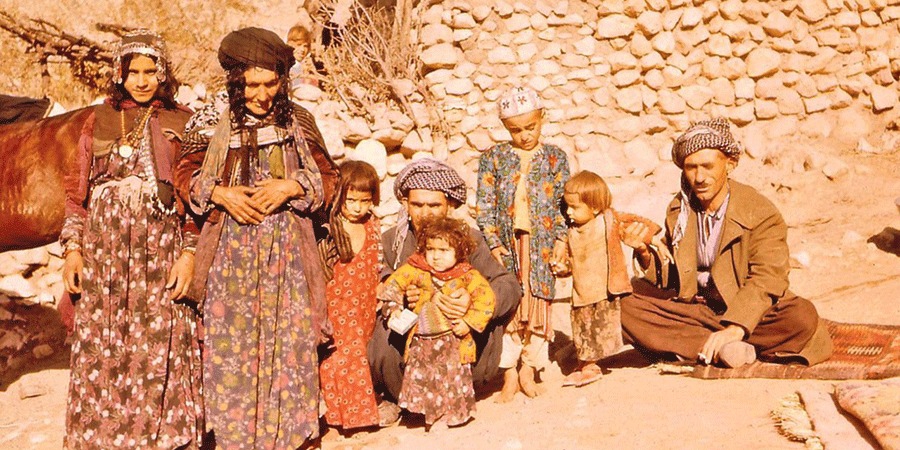
The most critical moment of World War II was the Battle of Stalingrad. The Germans aimed to capture Stalingrad and quickly move south to the Caucasus to seize the Baku oil fields. The Germans formed Nazi battalions from Soviet soldiers of Azeri, Armenian, Georgian, Uzbek, etc. origin who had fallen captive to them, promising these nations independence if the Soviet Union was defeated. Stalin was filled with deep hatred for these battalions collaborating with the Nazis and the peoples they belonged to. In 1944, Stalin exiled a considerable population from the South Caucasus to Central Asia to prevent them from further collaborating with the enemy or to punish them. A certain Kurdish population also received its share of this exile. Those exiled were dispersed to countries such as Kazakhstan, Uzbekistan, and Kyrgyzstan.
THE 1988-90 KURDISH EXILE OR VOLUNTARY MIGRATION
The majority of Kurds living in the Red Kurdistan region were adherents of the Shiite sect. When the Karabakh War broke out between Armenia and Azerbaijan, the Kurds in the Lachin region, once called "Red Kurdistan," were attacked by Armenians. The Shiite Kurdish population migrated to Azerbaijan. They assimilated over time by adopting an Azeri identity. Sunni Kurds, on the other hand, were not wanted by either Armenia or Azerbaijan, so they voluntarily left the war zone and mostly migrated to Kazakhstan, wanting to start a new life there.
Thus, a strong Kurdish diaspora was formed in Kazakhstan, with Kurds who arrived during three different periods intertwining. In the tolerant environment provided by the Kazakhstani state, they found the opportunity to preserve their identity and mother tongue. As you can imagine, in difficult times, personalities and important people emerge who lead every community like a locomotive. The most important figure who gave a new spirit to the Kurds of Kazakhstan and provided them with every opportunity to develop their identity is Prof. Dr. Kinyas İbrahim Mirzoyev. Prof. Dr. Kinyas İbrahim, who once served as the Deputy President of Kazakhstan, is today at the forefront as the undisputed leader of the Kurds of Kazakhstan.
PROF. DR. KINYAS İBRAHİM
(The struggle for life of the Kurds of the Caucasus is not well known. Everything happened behind closed doors. Among the Kurds of the world, who spent the 20th century fragmented and unaware of each other, the Kurds of the Caucasus, in particular, experienced heartbreaking separations, were exiled from country to country. Even their graves were separated. Kinyas İbrahim, whose childhood was spent in the Caucasus, walked the plateaus like every Kurdish child, chased after lambs, sat in a corner of his father's house and listened carefully and with pleasure to dengbêjs (Kurdish bards). The feeling of serving the development of Kurdish identity developed in his soul at a very early age. From his doctoral work onwards, he dedicated all his books and scientific works to Kurdish identity. In Kazakhstan, where he went as an exile, he assumed the position of Deputy President with his Kurdish identity. He served as the head of the world languages department at Kazakhstan's most established university. Not content with this, he founded the BERBANG (Dawn) Kurdish association and brought up the issue of education in the mother tongue for Kurdish children. When there were 5-6 Kurdish children in a class, he secured the right to choose Kurdish as an elective course, and also secured the right for Kurdish children in villages with a high Kurdish population to receive education in their mother tongue up to the 12th grade. He contributed to the development of the Kurdish language with the Kurdish magazines and newspapers he published. With the television channel named Yekbûn, he made a serious effort to bring new vitality to Kurdish folklore and language in changing world conditions. All Kurds of the world accept it as their duty to respectfully bow before the person and work of Prof. Dr. Kinyas İbrahim. All that remains for us is to say, Her bijî Mamoste Kinyas İbrahim (Long live Teacher Kinyas İbrahim).)
Kinyas İbrahim is from the Brukan (Brukî) tribe on his mother's side and from the Geloylu (Gêloî) tribe, a branch of the Celali Confederation, on his father's side. Kinyas İbrahim described himself and his family in this way in his speeches in Germany. For us, Prof. Dr. Kinyas İbrahim is a personality above tribes and states, embraced with praise by all Kurds of the world.
I want to insert an interesting anecdote here. The late Kinyas Kartal was the undisputed leader and an important figure of the Brukan tribe. My uncle Hamit Hun's stepmother, Zeynep Hanım, was the daughter of Derbaz Ağa, a relative of Kinyas Kartal. Thus, Hamit Hun named his firstborn son 'Kinyas' (1945 / 1949 was mistakenly written on his tombstone). Two years passed. This time, Kinyas İbrahim, whose mother was from the Brukan tribe, was born (1947). He was also given the name 'Kinyas' in reference to Kinyas Kartal. The interesting thing is the incredible similarity between the three "Kinyas"s.
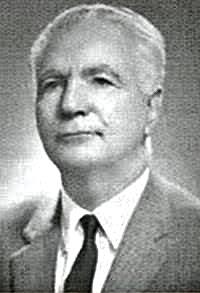
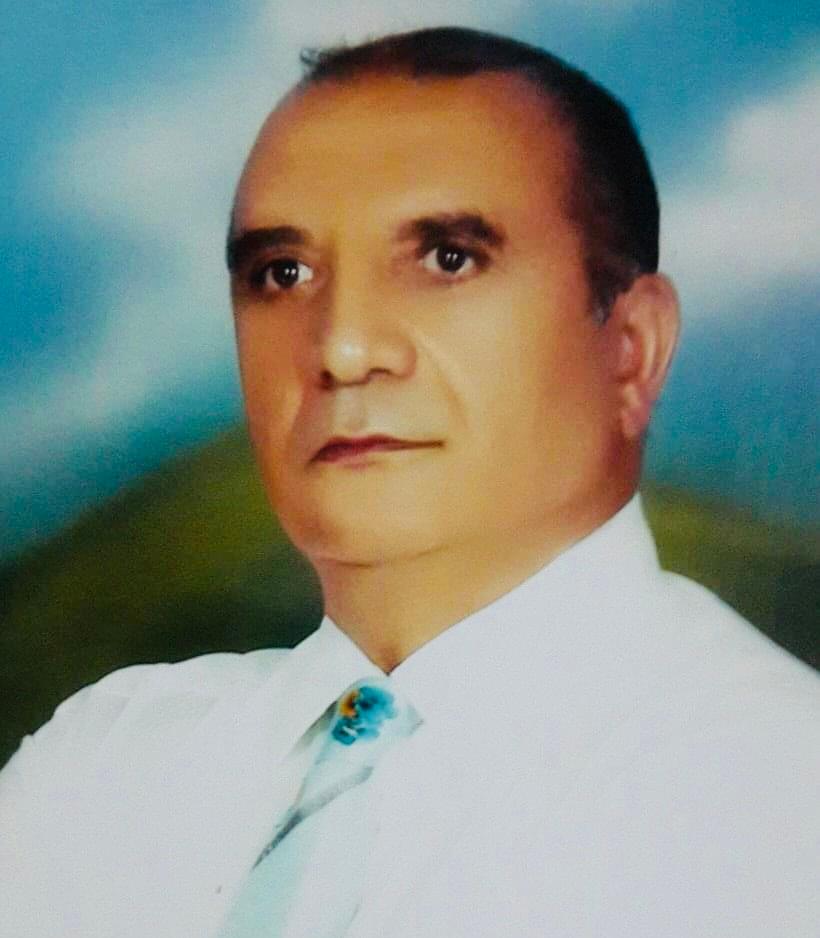
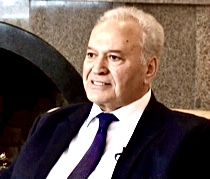
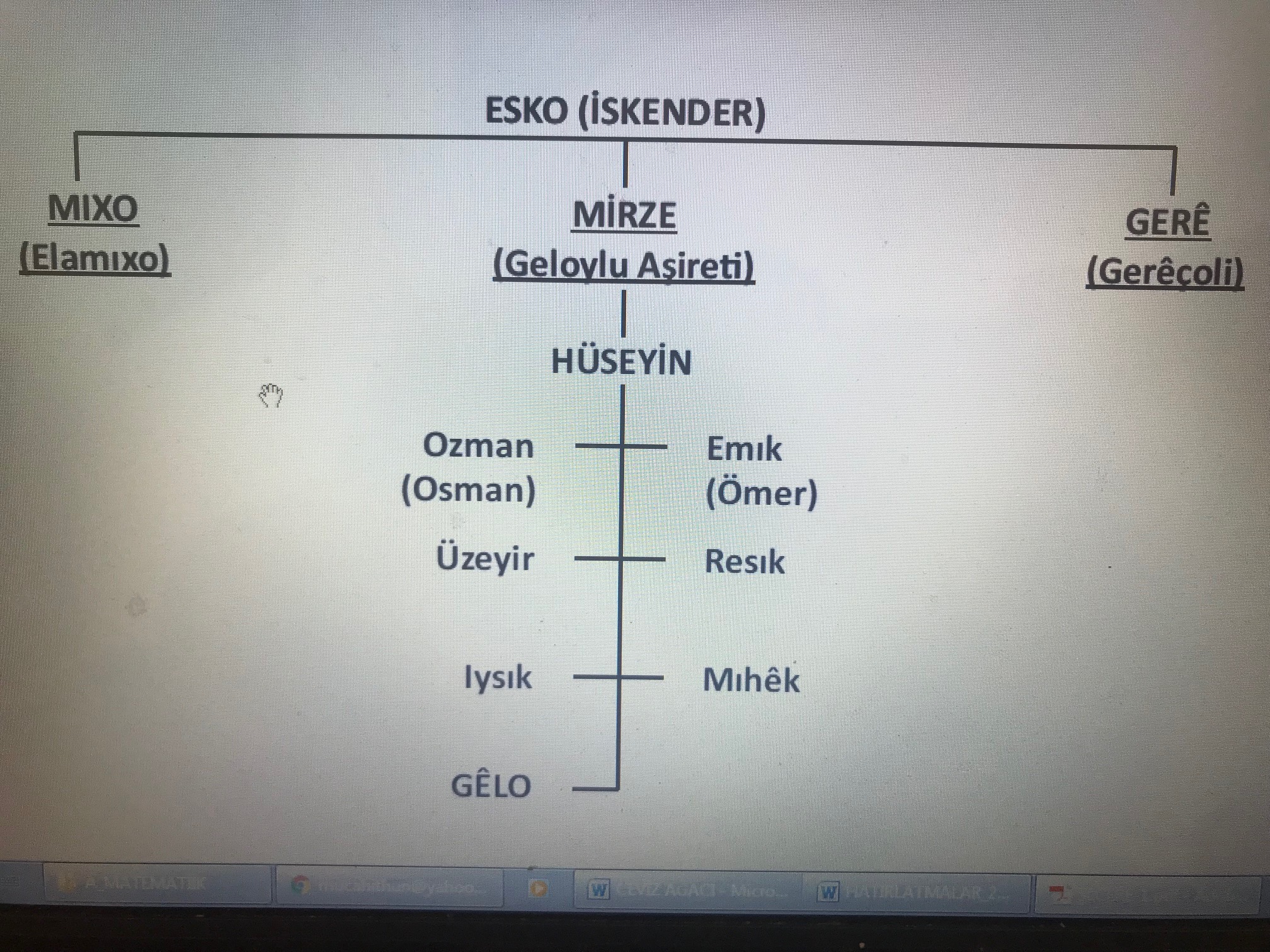
In 1926, the elders of the family crossed the Aras River from Turkey and settled in Nakhchivan. After living in Nakhchivan for a while, his family and other Kurds were exiled by Stalin from the banks of the Aras River to Kazakhstan, and some to Siberia, in 1937. Kinyas İbrahim's family settled in Kazakhstan. When World War II broke out, his father, uncle, and some of his family returned to Armenia. His maternal uncle, serving as the head of the Soviet military intelligence department in the South Caucasus, gathered Kurds around him. In fact, when the Soviet Army entered Northern Iran in August 1941, this intelligence organization formed by Kurds became quite effective. Thanks to this, Kinyas İbrahim's family escaped the exile of 1944 and continued to live in Armenia.
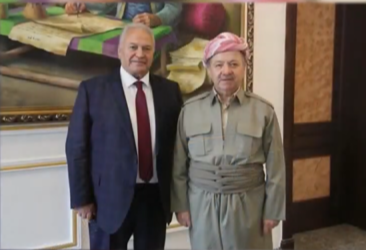
Kinyas İbrahim was born on May 1, 1947, in the village of Uluhanlı (Zengibasar / Masis). He attended the village primary school until the eighth grade. He then went to Yerevan. Between 1963 and 1966, he graduated from the high school named after the famous Azeri statesman Ahundov. He enrolled in the Faculty of Language and Literature. After completing his master's degree, he continued his doctoral studies. He completed his doctoral thesis on Kurdish and Azeri Literature. In his own words, Kurdish and Azeri literature have been intertwined and have experienced a historical interaction. For example, Nizami Ganjavi states in his writings that his mother was from the Shaddadid Kurds.
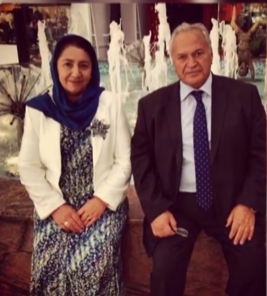
Kinyas İbrahim continued his work on Kurdish Language and Literature as a lecturer. He published nearly 25 original books and hundreds of scientific papers. Misfortunes did not leave the family alone. In 1988, the Karabakh War broke out between Azerbaijan and Armenia. Azeris expelled Armenians, and Armenians expelled Azeris from their countries. About 20-30 thousand Kurds were caught in the middle. They had no choice but to leave the region.
Like birds without a nest and as orphans of history, some of these migrating Kurds dispersed to Kazakhstan, and some to Russia and other republics. The graves of their ancestors remained in three or four different countries. Kinyas İbrahim married Gögercin Hanım in 1974. Prof. Dr. Kinyas İbrahim has five children, two of whom are daughters.
Kinyas İbrahim, who received the title of professor in Philology in Saint Petersburg, returned to Kazakhstan after 1990 and served as vice-rector at the State University.
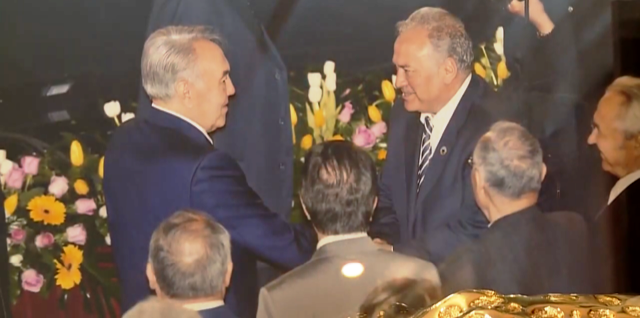
Prof. Dr. Kinyas İbrahim attracted attention with his work, leading to deep respect and interest in him worldwide, especially among Kurds. Kinyas İbrahim speaks eight languages: his native Kurdish, as well as Azeri, Armenian, Persian, Turkish, Russian, Kazakh, and English.
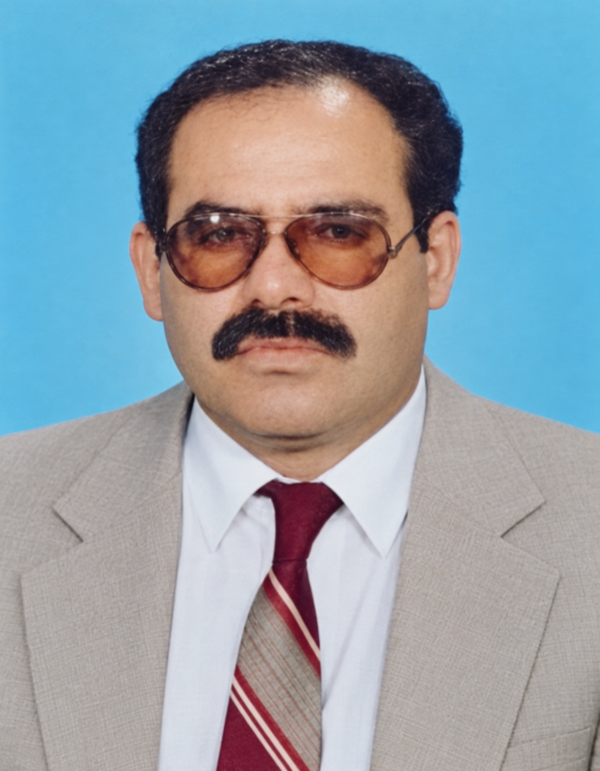
Prof. Dr. NADİR NADİROV
Another prominent figure among the Kurds of Kazakhstan is Prof. Dr. Nadir Nadirov. His family was originally settled in Nakhchivan. Nadir Nadirov was born in 1932 in the city of Sederek, Nakhchivan. His father passed away in 1933 before Stalin exiled the family. Nadir Nadirov grew up in a family with nine siblings. His family was exiled to Kazakhstan in 1933 on suspicion of espionage. He recounts his memories of those days as follows:
"We were sent to an unknown place. They handed us shovels and told us to build a house for ourselves. It was an empty land. It probably didn't even have a name. No cars, no roads, no planes, no communication... Just an endless steppe... A year later, they came to visit us. They went from house to house asking who the head of the family was. My eldest brother was Abdullah, 22 years old. He had just gotten married. I was about 5 years old. They took Abdullah away. My older sister was married and lived in a house next to ours. They took her husband too. Neither of them ever returned.
After the collapse of the Soviet Union, my sister's son began to trace his father. He wrote to archives. Finally, one day, an answer came. His father had been imprisoned in 1938, tried on charges of being an 'Iranian spy,' and executed. Poor man! He was illiterate. He didn't even know where Iran was. Unfortunately, despite all my efforts, I could not find any information about my brother Abdullah, who disappeared the same night."
(Dear readers! Here I want to make a note. Whether in the Republic of Turkey or the Soviet Union in the 1930s, both countries, as if in agreement, subjected the Kurdish population to forced resettlement. To give an example from the Iğdır region, members of the Helikan tribe were taken by ships via Trabzon to Thrace and Western Anatolia, Kurdish families were broken up and dispersed, with no more than 2-3 families per village, and they were subject to special permits to leave the villages. A similar situation was applied in the Soviet Union.)
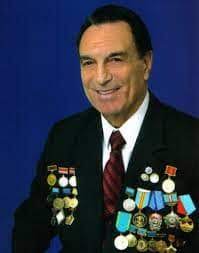
Prof. Dr. Nadir Nadirov served as the president of the Kurdish Association (Berbang) in Kazakhstan and the first vice-president of the Kazakhstan Engineering Academy. He also served as the director of the Petroleum Science Center. In 1992, he became interested in the history of the mass deportation of Kurds in the former Soviet Union in the 1930s and 1940s, and he made his findings public. Prof. Nadir Nadirov became known in Kazakhstan as the 'MARSHAL OF SCIENCE' or 'LOMONOSOV.'
(Note: Lomonosov is one of the greatest scientists Russia produced in the 18th century. In addition to being an encyclopedist, natural scientist, physicist, and chemist, he also has important works in linguistics and history.)
Prof. Dr. Nadir Nadirov also served as an advisor to the President of Kazakhstan in the 2010s. In an interview with him, Nadirov stated that Kurdish education is provided in schools in all cities where Kurds live, and he added:
"Kurdish teachers are being trained. This is necessary not only for the language but also for the development of the Kurdish language so that it is not forgotten and for children to be educated in their mother tongue. In the Parliament, we express that we are Kurds with our culture and language. We are not assimilated. Despite living away from our homeland for 80 years under the influence and pressure of the old Soviet culture, we have not forgotten our culture and language. The Parliament of Kazakhstan allows us to preserve our values.
In the Parliament, of course, we also undertake political responsibilities concerning the whole country, but we have always prioritized the fact that culture, art, and language are the most important issues. The most important thing is language. When a nation loses its language, it also loses itself. For us, the most important thing is to be able to preserve our language and to express this desire in the Parliament. 70 different nationalities live in Kazakhstan, and each nation can freely speak its own language and develop its culture. The newspaper JiyanaKurd (Kurdish Life) is also published in Kazakhstan. There are also Kurdish magazines. Important work is being done under the leadership of Mamosta Kinyas İbrahim."
NARİN NADİROVA, THE PRIDE OF THE KURDS
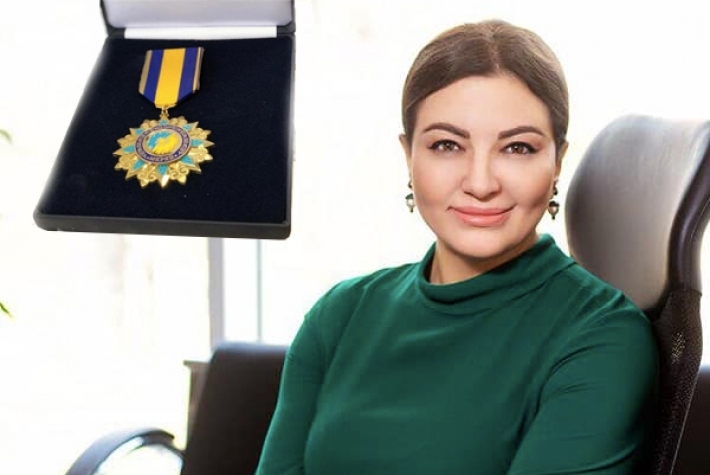
In the Assembly of Peoples of Kazakhstan, chaired by the President of Kazakhstan, a member from one of the peoples living in Kazakhstan assumes the position of vice-chairman each year. Since the establishment of the Assembly of Peoples, Kurdish members have also served in the Assembly every year. In this context, it is worth briefly mentioning Narin Nadirova. Narin Nadirova is a promising Kurdish female politician who was awarded the Kazakhstan People's Unity award, the highest state award of the Republic of Kazakhstan, in 2017.
Narin Nadirova is also a famous businesswoman. Narin Nadirova, who serves as the CEO of Home Credit Bank, which has offices and branches in Kazakhstan and worldwide, advises Kurdish women as follows: "The importance given to the education of Kurdish girls should be further increased. Let's not forget that the mother is the first to teach the child their mother tongue. The woman is the foundation and everything of the family. Also, it is the mother who instills love for the homeland in the child."
MOTHER TONGUE EDUCATION IN KURDISH
In Kazakhstan, Kurdish education was first provided in the village of Drejne in 1968, at the initiative of Kerim Nadirov. In later years, in line with public demands, efforts gained momentum, and the elective Kurdish language education, whose foundations were laid in Kazakhstan in 2000, was later reorganized to provide education in the mother tongue up to the 12th grade. Today, Kurdish education in the mother tongue is provided in schools opened in 20 villages. Teachers who teach Kurdish language are trained on the curriculum within the Ministry of National Education of Kazakhstan. Wherever in Kazakhstan there are 5-6 Kurdish students in a class, according to the curriculum, these students are entitled to 4-8 hours of elective Kurdish language lessons per week.
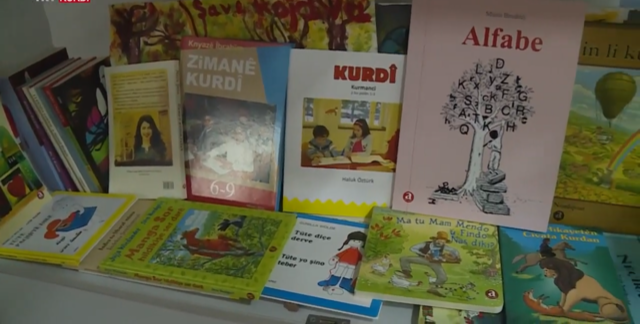
From here, I want to make an appeal to the Republic of Turkey: While Kazakhstan grants the right to education in the mother tongue or at least elective Kurdish to 150,000 Kurds, who are exiles, the Republic of Turkey is making an extraordinary effort not to bring this issue to the agenda. Until when, I wonder?
NEW CENTER FOR KURDISH LANGUAGE STUDIES: ALMA-ATA
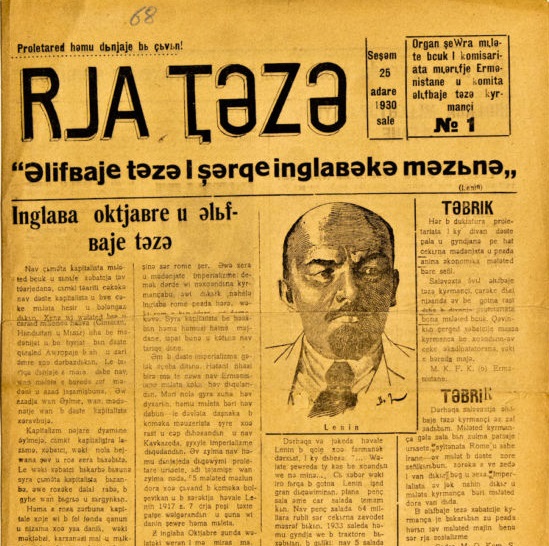
Once, Armenia was the center of Kurdish studies. The first Kurdish newspaper in Latin script, Riya Teze (New Way), began its publication life in 1930 and continued to meet its readers until 2003, with some interruptions.
In the meantime, the importance of Yerevan Kurdish radio should also be noted. The radio, which started test broadcasts in Kurdish in 1955, initially broadcast news for 15 minutes three days a week. In later years, the radio broadcast was reorganized to reach wider audiences with two hours daily.
The radio created a unique opportunity for Kurdish language and folklore. The Kurdish writer, poet, translator, educator, and compiler Casimê Celîl included Kurdish oral culture and literature and dengbêjs (folk bards) in the radio broadcasts, along with Kurdish music. It is known that there are approximately two thousand Kurdish songs and melodies recorded in the radio's archive. In addition, it is known that more than ten thousand songs and melodies have been recorded and archived within the scope of Kurdish folklore compilations. Among the famous names, one can count dengbêjs such as Aram Tigran, Fatma İsa, Egîde Cimo, Feyzoyê Rizoyî, Ayşe Şan, Meryem Xan, and Karapetê Xaço.
Today, Alma-Ata is considered one of the important centers for Kurdish studies in the world. It seems that the Federation of Kurdish Unions is doing important work and will continue its efforts without slowing down. The saddening aspect is that the government of the Republic of Turkey is pressuring the Republic of Kazakhstan to close down established Kurdish associations, claiming they serve the PKK, and is constantly pressuring to end Kurdish language education. To equate 150,000 honorable Kurds living in Kazakhstan and preserving their identity with the PKK is a blatant insult. Even if Kurds went to Mars and received education in their mother tongue there, the Republic of Turkey seems to be engulfed in an unnecessary fear syndrome, making it a problem for itself. A regrettable situation!