Once Upon a Time in Baharlı Neighborhood (PART TWO)
This second part of the series delves into the untold story of Baharlı Neighborhood's youth during the 1980 military coup, focusing on Necdet Karatepe's harrowing experiences of detention and torture.

NECDET KARATEPE AND THE UNWRITTEN SEPTEMBER 12 OF BAHARLI NEIGHBORHOOD
Dear Readers,
Today is September 16, 2026.
Four days ago was the forty-sixth anniversary of the September 12, 1980 military coup. Once again, we have left that day behind on the calendar. But not everything left behind on the calendar is also left behind in one's heart. The years that have passed are not enough to heal some pains. People age, they continue their lives; but they carry with them what happened to them in their youth.
As I think about the youth of Baharlı Neighborhood in those years, I also think about the silence that surrounds their anniversaries. There might not be a commemoration. A meeting might not be organized. No one might come forward to tell their experiences. But the silence outside does not mean that the pain inside people has also been silenced.
Sometimes people are silent not because they have forgotten, but because it still hurts when they remember.
I, too, am a child of Baharlı Neighborhood.
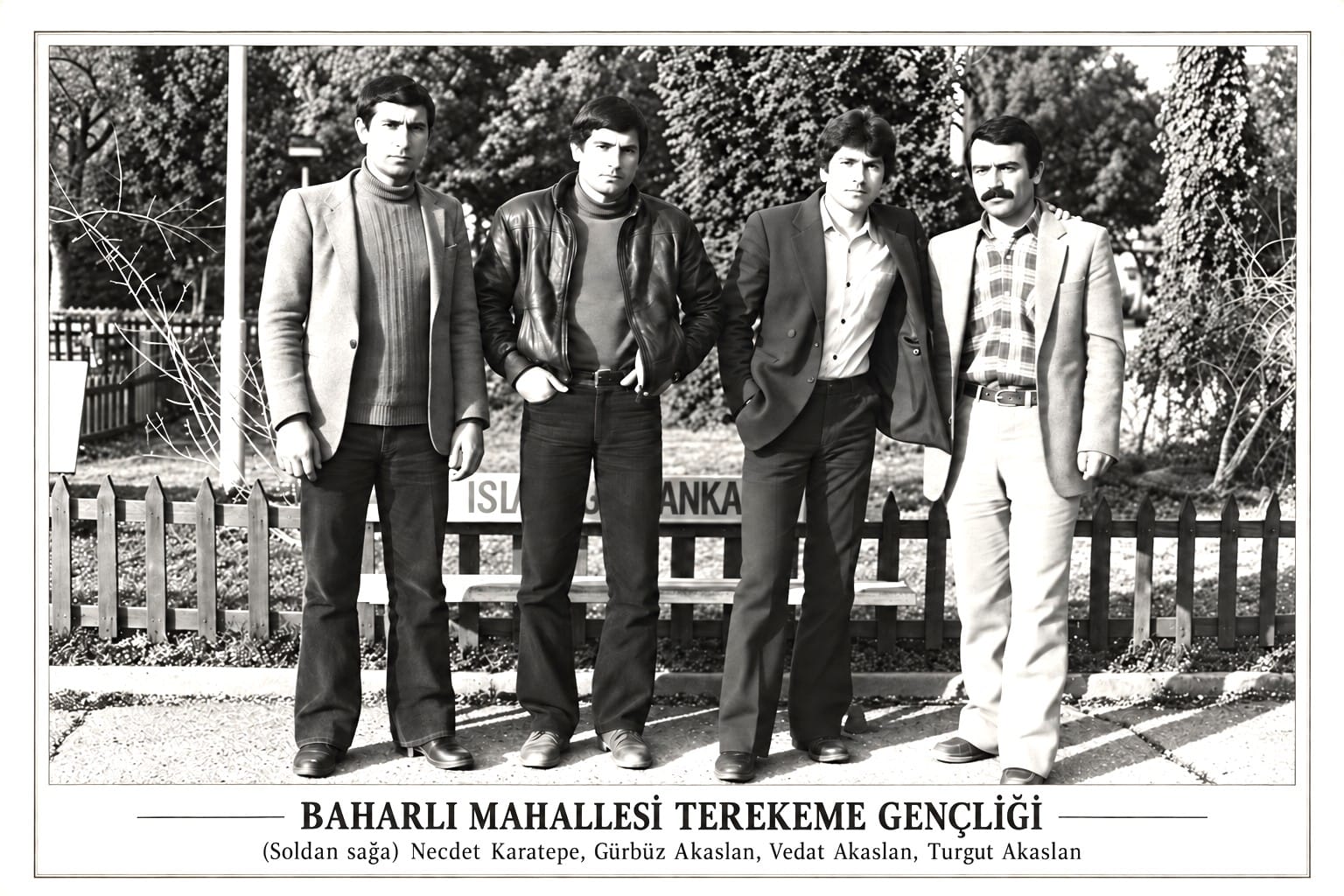
That's why I couldn't listen to what Necdet Karatepe told me on the phone merely as one person's past. He was recounting his experiences; I was learning about the unwritten pains of the neighborhood where I was born, pains that had remained untold for years. Necdet was telling me about the torture he endured for the first time. More than forty years had passed. But what he recounted were not forgotten memories of a closed chapter. They were years taken from his own youth, from his family's peace, from the life of our neighborhood.
I was not in Iğdır in those years. I was not a witness to these events. The person who told me about his experiences is Necdet. In this article, I look at those days through his memories.
As I listened to him, I asked myself: How can I write about Baharlı's past without recounting what happened to its youth?
We can write about where families came from, who lived in which houses, the old names of the streets, the neighborly relations. But if we don't tell the stories of the children taken from those homes, the mothers waiting for them, the fathers experiencing the helplessness of not being able to protect their children, the history of the neighborhood remains incomplete.
Moreover, what remains incomplete is the story of those who suffered the most but whose voices were heard the least.
After September 12, people were detained and imprisoned in many parts of the country. There were those who were tortured, and those who died in custody. The severe human rights violations of that period were also documented in reports prepared about detention centers and prisons in various cities. These events were not limited to those held inside. The lives of families waiting for them outside were also filled with fear and uncertainty.
Recounting what happened in Baharlı does not diminish the suffering endured elsewhere. The fact that a person has been tortured is already enough for their story to be heard. They do not need to prove that their pain is greater than other pains.
However, there is a point that needs to be particularly emphasized in Necdet's testimony: what is being told in Baharlı is not merely the detention of a few young people. It is the targeting of an entire neighborhood through its youth, leaving them and their families in fear.
In those years, Iğdır was a district of Kars. Baharlı, as Necdet described it, was a neighborhood known for the Terekeme youth's proximity to leftist ideology. According to him, this situation further aggravated the pressure applied to them in custody. He says that they were targeted more heavily and the torture was intensified because their neighborhood was known as leftist.
I cannot merely refer to these young people as "leftists." I must also explain what they believed in, what injustices they opposed, and what kind of life they desired.
As Necdet recounts his youth, he clearly articulates the meaning he ascribed to being a leftist: being on the side of labor, defending the rights of the poor, standing with the oppressed, and believing in the brotherhood of peoples. He does not hide his participation in protests. He states that he defended the ideas he believed in. However, he specifically emphasizes that he did not participate in any illegal activities and did not commit the crimes they tried to pin on him.
As one listens to these words, it is also necessary to see the young people behind the political identities. People who had not yet finished school, acquired a profession, or built their own lives... Children who grew up in poor homes, trying to get an education and prepare a future for themselves despite all difficulties...
For the young people Necdet described, the brotherhood of peoples was not just a phrase uttered in meetings. It was a belief in a future where no one would have to deny their identity to live together. Even Necdet's bitterness years later when speaking of this idea shows how deeply he was committed to it in his youth.
However, according to his account, these young people did not need to be involved in a crime to be considered guilty; being a leftist was enough. Before what they did, what neighborhood they came from and what they thought was considered important. Being from Baharlı, socializing in the same circles, being the sibling of someone who had been detained, became a justification for oppression.
Necdet recounts that after him, one or two young people from Terekeme families in Baharlı were taken. To his knowledge, at least fifty young people from the neighborhood were tortured. His brother Cevdet was also detained later. In Necdet's account, the pressure to make him confess to a crime extended to his brother and other young people in the neighborhood.
Fifty young people...
Let's not just read past this number.
Behind each of them was a home, and people waiting in that home. One mother was waiting for news of her son. Another father was wondering how he could get his child out. While one sibling was expected to return, the other sibling was also taken. In the same neighborhood, the same fear was being experienced again in other homes.
A young person being taken away does not just mean their absence. Every day of their family's life from then on is tied to news from them. Where are they being held? What is being done to them? Will they be able to see them? Will they be able to return home?
And another question is added to these: Who is next?
That's when fear doesn't stop at one house's door. Those waiting for news from the children who were taken, and those fearing that their own child will also be taken, begin to live in the same anxiety.
Young people are taken one by one; but the remaining neighborhood experiences these departures collectively.
Necdet's accounts require us to look at Baharlı through this lens. We are not talking about a few isolated detentions here. We are talking about young people who grew up in the same neighborhood being subjected to pressure one after another due to the same political identity. In his testimony, it is not only the lives of the tortured youth that change, but also the lives of their families who could not protect them.
The houses of a neighborhood may remain in place. The names of its streets may not change. But when the sense of security and hope for the future are taken from its youth, that neighborhood cannot remain the same.
According to what Necdet told me, among the first young people detained from Baharlı were himself and İsmail Ağbaş. Necdet was only seventeen years old. İsmail, known as "Gardaş İsmail" in the neighborhood, was a little older than him. They kept both of them in the same room, blindfolded. I also learn these details about İsmail from Necdet's account.
When we look at Necdet's life before those days, we see a child trying to get an education.
He had finished 12 Kasım Primary School. After a one-year break from education, he continued middle school and enrolled in Iğdır High School in 1980. After the incidents at school, he was first sent to Tuzluca. When there was no place there, he was then exiled to Göle High School. But he had no money to stay in Göle, rent a house, or support himself. He was able to attend school for a week or two, then had to return to Iğdır.
Sometimes a child's poverty appears before us with its full weight in a single sentence: He had no money to study in another city.
He hadn't returned because he didn't want to study. He had returned because he couldn't live where he was sent. The fact that his school was changed on paper didn't mean he could continue his education. When his family's means were insufficient, school also moved away from him.
This was the young man whose name was among those sought.
Necdet recounts that he hid for a while when he learned he was wanted. He tried to avoid capture by moving from one place to another. Finally, his family convinced him to surrender.
One must consider the fears a mother and father experienced when making this decision. Their child hiding is worrying, and so is their surrender. They don't know what will happen to him if he hides. If he surrenders, they wonder if they will ever see him again.
Apparently, there are two options. But both lead to fear.
Moreover, that winter was the one immediately following Erdal Eren's execution. Erdal Eren was executed on December 13, 1980. Necdet recounts that they protested his execution and saw him as being the same age as himself. Erdal Eren's name, therefore, does not remain in his memory as a distant news item. It stands right beside his own youth, his own fears.
A seventeen-year-old child should have been thinking about how to finish school, what profession to pursue in the future. Necdet, however, had to think about where to hide, and what would happen to him if he was caught.
In February 1981, his family convinced Necdet to go to the police station and surrender.
Perhaps this was their last hope: if their son went willingly and explained that he had committed no crime, they would listen to him. The suspicions that grew with his hiding would disappear, the misunderstanding would be cleared, and their child would return home quickly.
It's not hard to understand a mother and father clinging to such a hope. Let their children not run away, not hide, let them not fear, wondering where they are at night... Let him go, explain himself, and return home safe and sound.
What a person wants to believe when convincing their child to surrender is that their word will be heard.
As Necdet recounted his experiences to me, he did not hide his political views or his participation in protests. He had raised his voice against injustices. However, he stated that he had not committed the crimes he was forced to confess to under torture. In his account, what was expected during interrogation was not for him to explain himself, but for him to accept what he was told.
A person does not first need to prove their innocence to avoid torture. But here, we are faced with what happened to a seventeen-year-old who surrendered with the hope that he could explain himself.
Necdet surrendered in February 1981. He was released in December 1982. There were approximately twenty-two months in between. Days of detention, torture, torture, torture, and prison, extending from Iğdır to Kars, and from Kars to Erzurum... His brother, brought in after him... Repeated interrogations... The family waiting outside...
Twenty-two months cannot be measured solely by the calendar in a person's life. Especially if that person is only seventeen years old... Those months were taken from the lessons he could have studied, the days he could have spent with his family, the time he could have lived his youth.
When he is released, the prison gate opens. But the years spent inside are not given back.
Therefore, let's not read Necdet's accounts merely as a description of the places, dates, and methods of torture. Let's also consider what was left unfinished in a young person's life. Let's see his waiting family, his brother taken after him, and the other children of the neighborhood.
Only Necdet speaks to me. I cannot speak for others about their experiences. But what Necdet conveys from his own life is a starting point for us to look at those years in Baharlı. A person recounting what they have carried within for years can give courage to others who have experienced the same pain to speak out.
The experiences of Baharlı's Terekeme youth on September 12, as Necdet also stated, remained unwritten and unaddressed for years. As I write the history of the neighborhood where I was born, I do not want to continue this silence.
The names of those young people should not remain only in interrogation papers, lists of detainees, and court files. It should also be known that they were children who wanted to study. That there were mothers and fathers waiting for them. It should also be told that after their release, they tried to rebuild their lives by working, starting families, and raising children.
Writing the history of a neighborhood is not just about recording who lived there in the past. It is also about not letting what those people experienced be forgotten.
Now let's return to February 1981, to the door of the police station in Iğdır.
Necdet is only seventeen years old. With him is İsmail Ağbaş, known as "Gardaş İsmail" in the neighborhood. According to Necdet's account, after their surrender, they were blindfolded. Interrogations began. Then the torture...
Two young men enter through that door. But the pain of what followed is not limited to two people.
The young men are held inside. Their mothers, fathers, and siblings wait outside. As more young people are taken, the same fear enters other homes in Baharlı.
Now I leave the floor to Necdet. He will tell his own experiences. In his story, we will also hear the pain of a neighborhood whose voice has not been heard for years.
NECDET KARATEPE RECOUNTS: "I WAS SEVENTEEN YEARS OLD"
I heard my mother's voice from the darkness.
"My son, how are you?"
My mother was on the other side of the small window of the detention cell. I was inside, my mother outside. The cell was dark. My mother couldn't see me. But we were close enough to hear each other's voices. She wasn't allowed to come to me, to reach out and touch me. Others decided what was possible there.
Before letting me speak to my mother, the police had strictly warned me:
"When your mother asks how you are, you will say I'm fine."
My mother was waiting for an answer. Through all that darkness, fear, and the pain she carried to the police station, she was trying to hear her son's voice. Instead of telling her about myself, I said the two words they ordered me to say:
"Mother, I'm fine."
I wasn't fine that day. I was seventeen years old. In the city where I was born and raised, in a police station not far from my home, I was being tortured. Even when I spoke to my mother, I wasn't free.
To explain how I got to that tiny window, I need to go back a little, to Baharlı. To the days when I was still a high school student, when I thought I had years of schooling ahead of me...
I Was a Child of Baharlı Neighborhood
I was born and raised in Baharlı Neighborhood of Iğdır. I was a child of a poor family. My father was a civil servant in the municipality, working in land registry and cadastral affairs. My mother was a housewife. We were six siblings. In my life, there was school, there was the neighborhood, there was my family. My name, which would later appear in files and indictments, was then an innocent child's name spoken at home, on the street, at school: Necdet.
After finishing 12 Kasım Primary School, I took a one-year break from my education. I started middle school in the 1976–1977 academic year. In 1980, I enrolled in Iğdır High School. I wanted to study. I went to school with the hope that one day I could escape poverty and build a better life for myself. My family's means were limited; but I believed that as long as I could study, I could overcome these difficulties. For me, passing a grade meant not just moving up to the next class, but getting a little closer to the days when I would stand on my own feet.
There were right-left incidents in high school. After the incidents, they exiled me to Tuzluca. When there was no place there, they sent me to Göle High School. They had sent me to Göle High School. But to study there, I first needed to find a place to stay, pay my rent, and support myself. My family didn't have the means to send me to school in another city. My desire to study hadn't diminished at all; but now, before my lessons, I had to think about where I would stay and how I would make ends meet.
I went to school for a week or two. Then the impossibility prevailed. I had to return to Iğdır. The lessons would continue independently of me; but I had no money to stay in that class. I was learning at that age that being removed from school could also remove life itself from one's path.
I was a leftist. I didn't hide it. I had ideas in favor of labor, the poor, and the oppressed. I had participated in the activities of the Patriotic Revolutionary Youth Association, a legal youth organization. We went to protests against injustices. We also protested the execution of Erdal Eren. We wanted a more just life. But I had not participated in any illegal activities, nor had I committed the crimes they later tried to pin on me.
After the September 12 coup, political detentions began. My name was among those to be taken. I hid for a while to avoid capture. Finally, at the insistence and persuasion of my family, I surrendered to the Iğdır Police Department.
It was February 1981.
I entered at seventeen years old. I didn't know that the road starting there would extend from Iğdır to Kars, from Kars to Erzurum; and that the day I would be free would only come in December 1982.
When They Blindfolded Me
I was with İsmail Ağbaş, whom we called "Gardaş İsmail" in the neighborhood. He was a little older than me. We were among the first to be taken. They kept us in the same room, putting others they caught in different rooms.
They blindfolded us.
When your eyes are blindfolded, you can't see the world around you, but that world continues to touch you. You are taken somewhere; you don't know where. A voice asks you a question; you can't see their face. They decided what they would do to me; and I, blindfolded, unable to protect myself, waited for the moment they would hurt me.
"To which organization do you belong?"
"Where are you hiding the weapons?"
"Who are you friends with?"
The questions kept coming back to the same point. They wanted a name. They wanted me to tell them the location of a weapon, to confess to an incident. I had nothing like that to say. But as long as my answer didn't change, the interrogation didn't end, and the torture intensified.
We were held at the Iğdır District Police Station next to the old municipality building. In the detention cell, we only had our underwear on. Being kept in the February cold, without even a piece of clothing to cover oneself... Then being taken to unknown places again, facing the same questions, being tortured again when giving the same answer... Days passed like this.
The fact that our neighborhood was known as leftist also increased the pressure on us.
Baharlı was our home; our family, our friends, our childhood were there. But now, even having grown up in that neighborhood was enough for them to see us as criminals. Before what I did, what neighborhood I came from and what I thought was considered important.
You think that not having committed a crime will protect you. There, however, they were hurting me to make me confess to a crime I hadn't committed. First, I tried to understand what was happening to me: I was being asked about something I hadn't done, I was saying I hadn't done it, and in return, I was suffering more pain.
My detention days in Iğdır lasted approximately fifty days. I remember thirty of these days with torture.
The Evening My Father Was Struck Dumb, and My Mother Ran Barefoot
There was a pool in front of the police station. In summer, they would fill it with water to cool the surroundings. They would put me in that pool. In the middle of winter, stark naked.
Two policemen would dunk me in and out of the icy water. I would scream in pain. Whether I was in the water or pulled out of it, I couldn't escape that cold. Even the simplest things a person could do to protect their own body had been taken away from me. There, in the hands of two people, I was a seventeen-year-old child.
I later learned that my father saw me in that state.
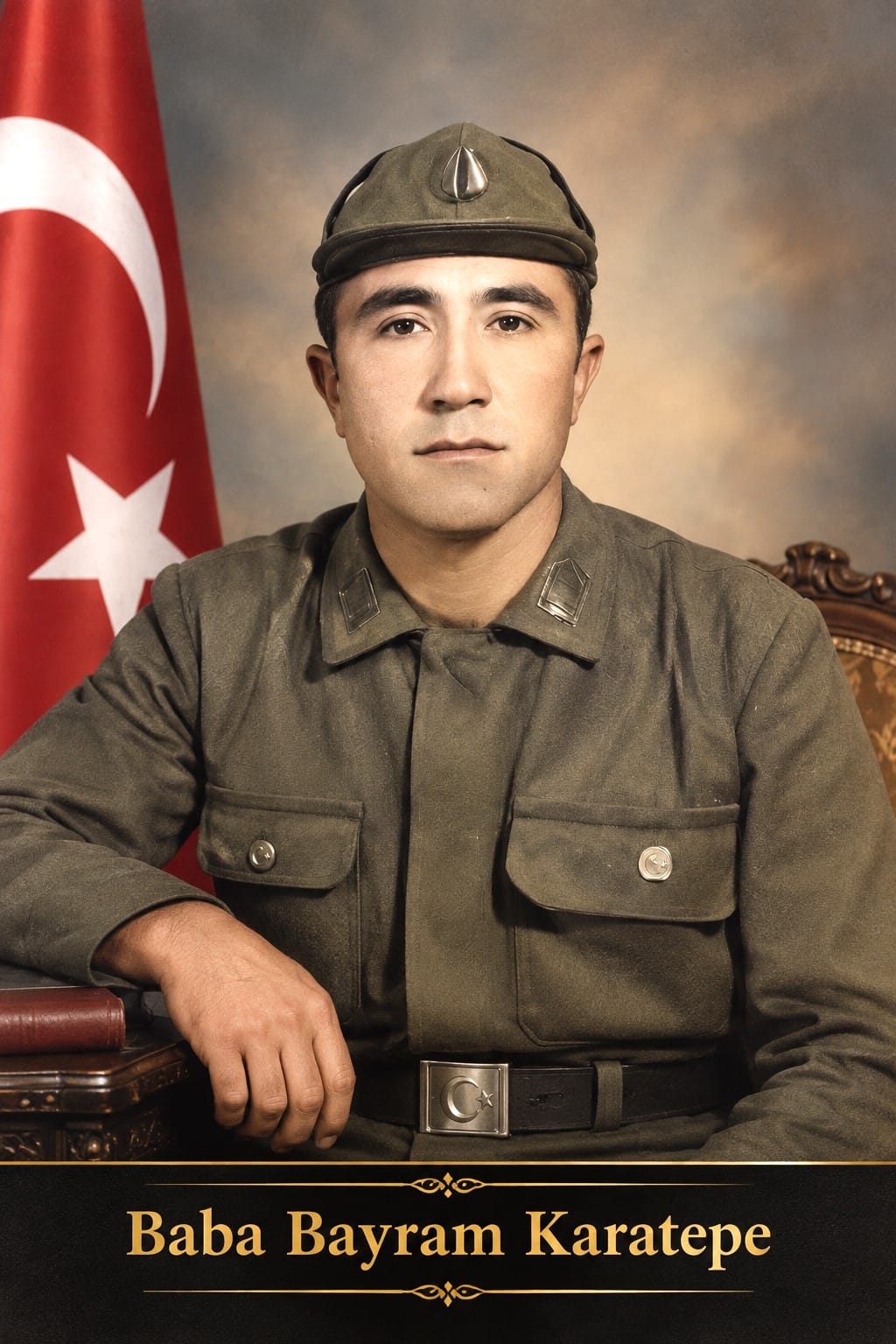
My father had left work in the evening and come to the police station. In winter, it gets dark early. He had headed there to see his son as darkness fell. When he arrived in front of the police station, he saw two policemen dunking me in and out of the pool. I was screaming.
My father stood frozen in place. He was struck dumb. He couldn't move.
When I think about that evening, the helplessness my father experienced also pains me. I was screaming in pain in the icy water; he couldn't save his son who was being tortured before his eyes. He saw his child's pain with his eyes, heard his voice, but couldn't take him home. I now understand better the despair that short walk to the police station turned into for a father.
He left there and returned home. He told my mother what he had seen.
My mother went out without even putting on her socks. She ran barefoot through the snow to the police station.
I later learned that my mother ran in the middle of winter, without even taking the time to put anything on her feet. For her, at that moment, there was only her son between home and the police station. She had heard what was being done to me; she wanted to reach me as soon as possible.
When she arrived at the door, she shouted:
"I want to see my son!"
"I want to see my son!"
They took me from where they were holding me and brought me back to the detention cell. Before allowing me to speak to my mother, they gave me that instruction. If she asked how I was, I was to say I was fine.
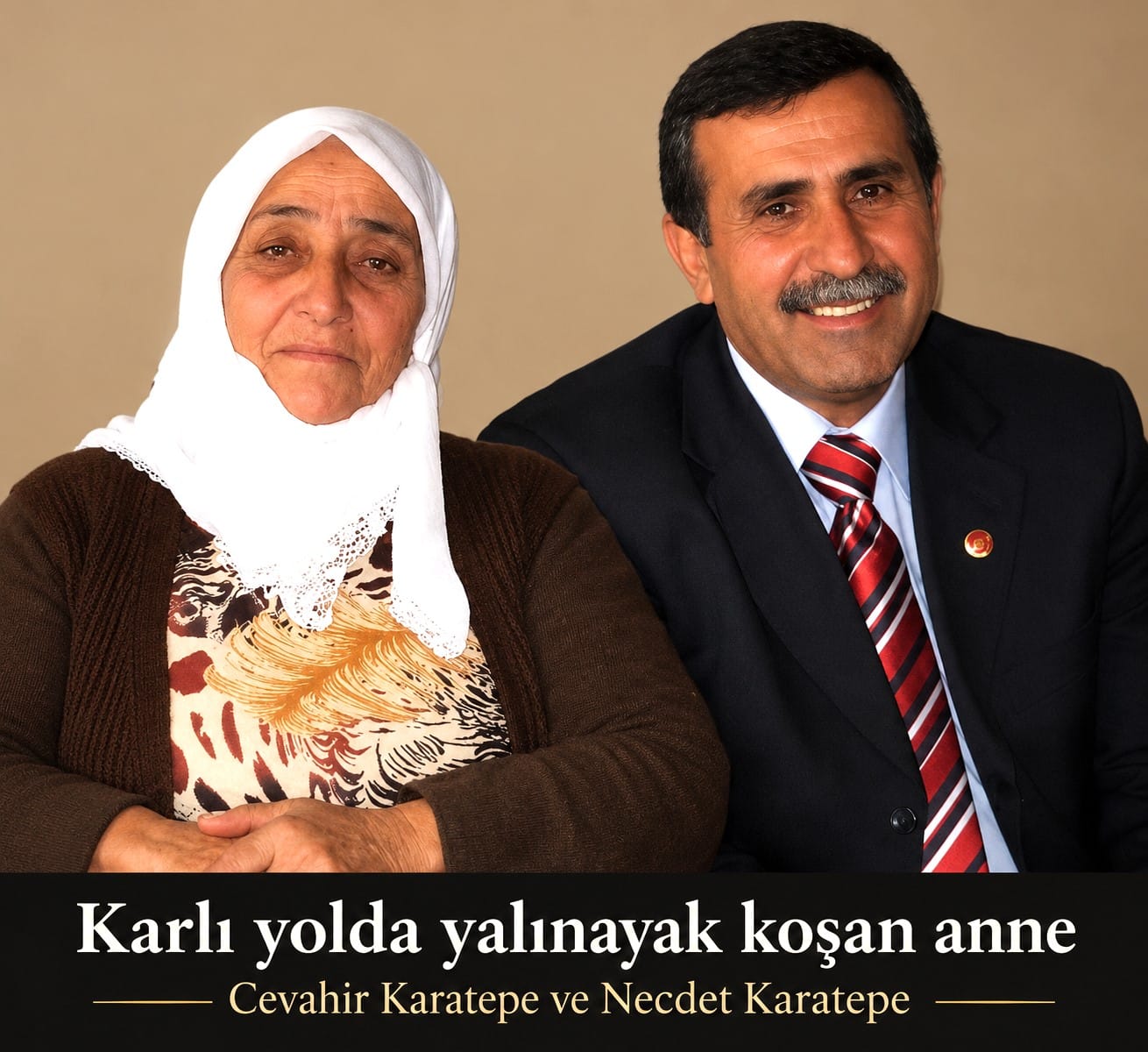
My mother looked at me through the small window. It was dark. I don't know how much of my face she could see. But I heard her voice.
"My son, how are you?"
"Mother, I'm fine."
My mother was somewhat relieved when she heard my voice. Still, she protested, saying she had heard them dunking me in and out of the cold water. Then they took her away.
I couldn't tell her about my pain inside, nor could I do anything about her helplessness outside. I couldn't even tell my own condition to my mother, who had come barefoot to see her son.
They weren't content with hurting me; they had also forced me to hide my suffering from my mother. My mother was right there; but instead of saying 'Mother, I'm hurting,' I had to say 'I'm fine' at the command of those who were torturing me.
They Threatened Me with My Family to Make Me Submit
From time to time, they would take us to unknown places. Our eyes were blindfolded. They would muzzle dogs and set them on us. The animals would jump on us, rest their front paws on our shoulders, and bark as if they were going to tear us apart.
Seeing a dog jump on you is not the same as feeling its weight on your shoulders without seeing it. When your eyes are blindfolded, you cannot discern the limits of fear. You are in the midst of a threat whose origin you cannot see, and whose proximity you cannot gauge. As the dogs jumped on us and barked, they were trying to break our resistance with this fear, to make us confess to crimes we hadn't committed.
They electrocuted my body. They hung me upside down. The form of torture changed; what was demanded did not. They wanted to hear a crime that was not mine from my own mouth.
I was seventeen years old. I was in pain. I was afraid. As I tell this, I don't want to present myself as someone who doesn't know fear. At that age, being held blindfolded, not knowing what would happen to you, was already heavy enough. And then there was the thought that after every interrogation, you would be taken back to torture.
But being afraid was not the same as having committed a crime. The fact that I was in pain did not mean I had done what they said.
This time, they brought up my mother and sisters.
"We will bring your sisters, your mother, and torture them in front of your eyes."
With those words, it was as if they were opening the door to our home. I was inside, they were outside; but knowing my family was outside was no longer enough to comfort me. Those who tortured me were threatening to bring my mother and sisters and hurt them in front of my eyes too.
To hear your mother's name in a torture threat... To think that she too could be hurt while you yourself are in pain... I was resisting my own pain; now they were forcing me to submit with the fear that my mother and sisters would also be tortured. When what they did to my body was not enough, they tried to break me through my loved ones.
My father was a civil servant. There was the fear of losing his job. The livelihood of a household was also under this pressure. Not only what I would say, but also how my family would live tomorrow, was being threatened.
"I will not take the blame for something I didn't do," I said.
Behind these words was a child who resisted lying. But the same child also had to think about his mother, sisters, and father. On one hand, I resisted the torture I endured, and on the other hand, I feared that they would bring my mother and sisters and inflict the same pain on them.
Spring Outside, the Same Fear Inside
I remember the days we were taken from Iğdır to Kars as late March. The surroundings had started to green. Winter was behind us. But what awaited us where we went did not change.
In Kars, there were large stables and tunnels dating from the Russian period, once used to house military animals, i.e., mules. They had converted these into places where detainees were held. They kept us there. From there, they would take us to a place they called "First Branch."
The torture continued in Kars. In addition to what was done to our bodies, we were constantly threatened with death.
"So-and-so was killed because he didn't talk."
They told us that other people had been killed. We didn't know if they were telling the truth or lying. Anyway, they didn't expect us to know that. They expected us to think that our turn could also come.
A person doesn't have to see death to believe they can be killed. In detention, amidst torture, a word from the mouth of the person opposite you can be enough. In every interrogation we were taken to, there was not only pain but also the fear of not being able to return.
After the torture, they would release us back to the place converted from those stables. The waiting would begin again.
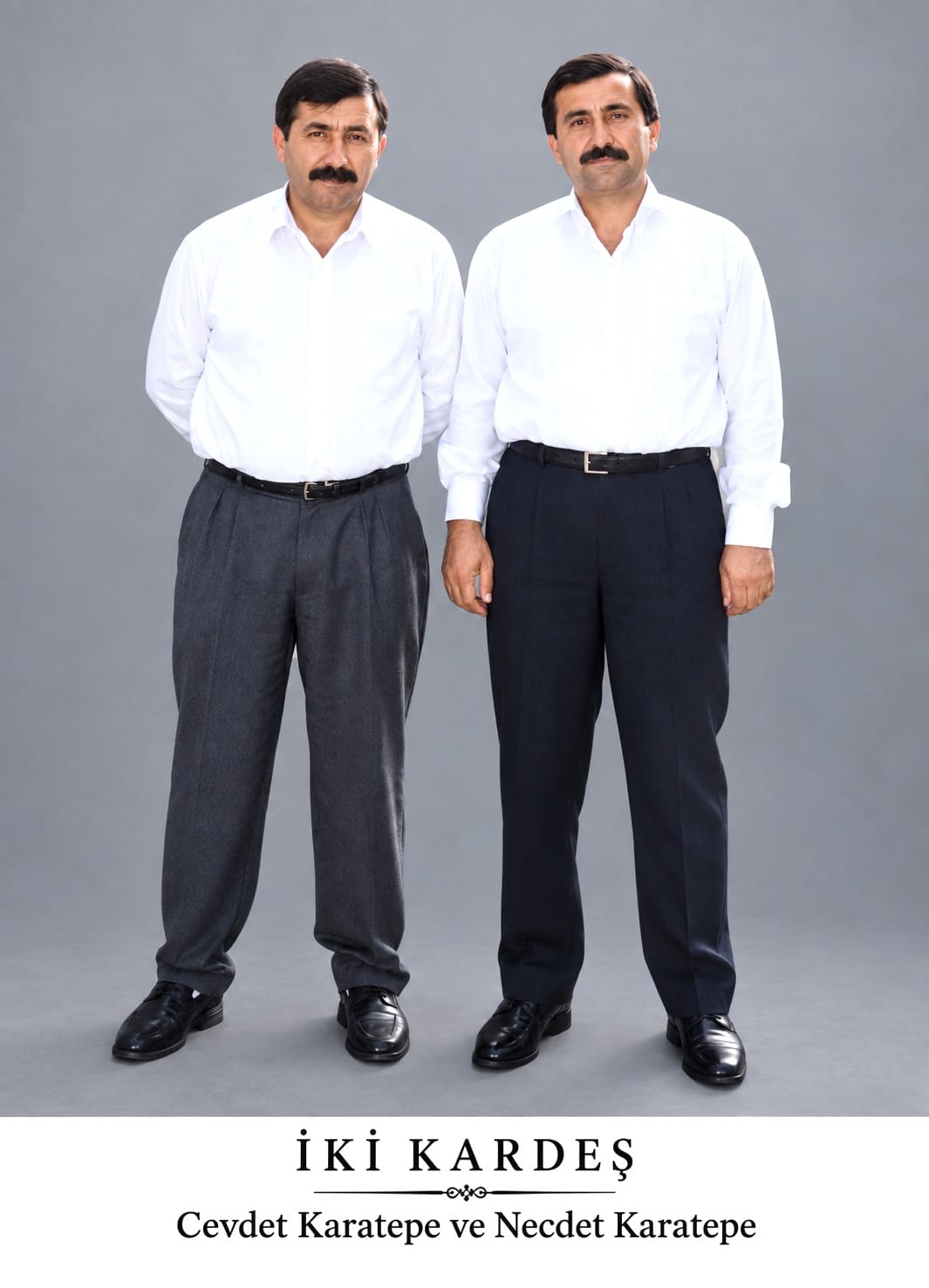
While I was in Kars, they also brought my brother Cevdet. Other young people from our neighborhood were also being brought in. My brother being taken in after I was threatened with my family showed what those threats had turned into in our home. My mother and father would now wait for two of their children to be released.
After me, one or two young people from the Terekeme families in Baharlı were taken. To my knowledge, at least fifty young people from the neighborhood were subjected to the same tortures. I saw the fear experienced in our home spreading to other homes. We were children who knew each other in the neighborhood; now we were fighting for our honor and humanity amidst the same torture.
The youth of Baharlı were known as leftists. Without investigating what each person had done, we were accused with the same charges. Being the sibling of someone who had been detained, growing up in Baharlı, or being known as a leftist was enough for them to consider us guilty. That's why they would take one of us after another.
They don't just empty a neighborhood of its houses. When they take away its youth, a void opens up there. We were inside; our families continued to live, waiting for the day we would return home.
In Erzurum, the Screams of Others Also Hurt Us
After Kars, we were sent to Erzurum, to the 9th Corps. I was held in Prison No. 3 in Erzurum. They had combined the files of young people brought from Baharlı, Melekli, and central Iğdır. We were one hundred and fifteen people being tried in the case called "Iğdır case."
We waited for months for the indictment to be prepared. Inside, time didn't flow as it did outside. We couldn't return to our schools, nor could we work and build our own lives. We no longer had a say in our future. Without knowing when we would be released, we waited for the indictment against us to be prepared. Days turned into months, our youth passed within those walls. At an age when we should have been starting our lives, we were held in a waiting period whose end we didn't know.
Being brought to prison did not mean the torture had ended.
They would subject new detainees to falaka (beating the soles of the feet). Their screams reached the wards. Even if you weren't being beaten at that moment, you had to hear someone else's pain. You couldn't go to where the sound came from, you couldn't save that person. All you could do was listen; and you didn't want to do that either.
At such times, the walls of the ward protected no one from anything. Someone else's scream would find a place within you too. Knowing what those screams meant made it even harder to endure. You heard a pain you recognized in your own body, this time in someone else's voice.
Some suffered severe depression. Some attempted suicide. They wore people down not only by beating them but also by making them wait amidst these sounds.
There were privates acting as guards. We saw that those who beat detainees more were rewarded by being made corporals or sergeants. Beating us had become not a punishable act, but a job for which one could earn rank.
Even smoking was subject to permission. We would beg repeatedly for a cigarette. When they finally said, "Cigarettes are allowed," we would rejoice and say, "Thank you, commander."
As I recount this today, that very joy pains me. You beg inside for a tiny thing you could do outside without asking anyone. You thank them when they give you permission. You find yourself rejoicing at the release of a cigarette.
I learned what fascism was at seventeen, in the days when I had to beg those who tortured me even to smoke a cigarette, and say 'Thank you, commander' when they allowed it.
My Grandmother Bahar on Erzurum's Snowy Roads
Amidst all these days, there is the arrival of my grandmother Bahar. She was my mother's mother. Since my childhood, she called me "Kara" (Dark one).
While I was in Erzurum, my uncle Hulusi, who worked as a laborer in Germany, came to Iğdır. My grandmother spoke to him firmly:
"If you don't take me to Kara, I will not grant you my mother's blessing."
My grandmother had made up her mind: she would see me no matter what. Her grandson, whom she had called 'Kara' since childhood, was now in prison. She wanted to see my face, hear my voice, and understand with her own eyes how I was. To reach me, she would endure the cold of winter and the difficulty of the road.
It was winter in Erzurum. There was more than three hundred meters between the road and the prison. The snow was above the knees. My uncle had carried my grandmother on his back. He had started to carry her towards the prison gate.
I didn't see that road. I learned later how my grandmother came. When recounting those days, I cannot speak only of my own suffering. My grandmother had crossed snow that reached her knees on her son's back to see her grandson's face. The fact that such a small wish, to see me, turned into such a difficult journey for her still pains me today. While I was inside waiting for the day I would return home, my family outside was looking for a way to reach me. The prison had separated us; but we were all suffering the pain together.
The officers looking down had seen a man carrying a woman on his back approaching the prison. They sent soldiers to them. They asked my uncle what was happening. He explained that the woman on his back was his mother, and she had come to see her grandson who was imprisoned inside.
Since they had reached the gate, they allowed us to meet. They brought my brother Cevdet and me to the tea room. My grandmother Bahar, my mother, and my uncle Hulusi were there. Guards stood beside us.
We were a family, but we were not in our home. For us to meet, they had first crossed the snow, then obtained permission. Now we were in the same place; yet we were not left alone.
My mother began to explain us to the soldiers next to us:
"My children wanted to defend your rights. That's why they are here."
She was saying that we had not committed a crime, that we were unjustly tortured. She pointed to my uncle Hulusi, explaining that he had come from abroad. If these things hadn't happened to us, my uncle would have taken us with him.
My mother was trying to explain to the soldiers in front of her that her sons were innocent. For her, we were not two detainees whose names appeared in a file, but her children whom she had raised with effort and was waiting to return home. She knew how we were raised, what we believed in. Now she was trying to convince others of these truths she knew about her own children. She couldn't take our hands and get us out of there; but she didn't remain silent in the face of the injustice done to her sons, and despite her helplessness, she did not give up defending us.
My grandmother Bahar had also come, crossing the snow. In that place where I was cut off from life outside, the name of my childhood still remained: Kara.
They Punished Us for My Mother's Answer
During another visit, my mother and I spoke through two wire fences. The wires were stretched parallel to each other. On one side, we stood, on the other side, our families. Guards walked in the empty space between. We had to speak from a distance to make our voices reach each other.
My mother spoke to me as she would at home. In the Terekeme dialect. This was a voice I had known since childhood, not foreign to me. Behind those wires, my mother was still my mother.
A guard shouted harshly:
"Don't speak Kurdish!"
He had thought my mother was speaking Kurdish. My mother replied to him:
"May your house be destroyed! I am not Kurdish!"
The guard didn't understand this either. He turned to me:
"What is this woman saying?"
"She says, 'May your house be destroyed, I am not Kurdish.'"
He was offended by the answer. After the visit ended, they hit my brother Cevdet and me on the backs of our knees, on our calves, with their boots. They hit us relentlessly. We suffered the pain of those blows for at least two months.
Seeing my mother's face, hearing her voice, was a comfort to help me endure the days inside. After she left, I wanted to remember what she said, to cling to those few words until the next meeting. But they didn't even let us experience the joy of talking to our mother. After the visit, they beat my brother and me; we suffered the pain of those blows for at least two months. When I think of my mother's visit, that beating comes to mind along with her face and voice. They had turned a meeting that could have given us some strength into pain. My mother had left; her longing remained within us, and the pain of the beating we received that day remained in our bodies.
They had punished my brother and me for my mother's answer by beating us. In Iğdır, I had been forced to say 'I'm fine' to my mother while I was in pain. In Erzurum, they had scolded my mother for speaking to me as she always did, and when she retorted, they took out their anger on us. My mother wanted to know how her son was, and I wanted to tell her my troubles. But others interfered even with what we could say to each other. They were not content with separating us; when we met, they prevented us from even offering each other a few words of comfort.
I Was Acquitted, But Continued to Be Treated as a Criminal
The trials began. We were taken back and forth for days. Finally, in December 1982, I was among the fifty people released along with my brother Cevdet.
Approximately twenty-two months had passed from February 1981 to December 1982. Iğdır, Kars, Erzurum... In those three cities, they took away not only my freedom but also my youth, during which I could have gone to school, built my future, and lived with my family.
Our trial continued while we were outside. In the following months, we were acquitted.
I was acquitted; but that decision did not give back what was taken from my life. My unfinished education, my brother's months in prison, the youth we couldn't live together, were left behind. My father had experienced the helplessness of not being able to save his son who was being tortured before his eyes. My mother had run barefoot to the police station in the middle of winter to reach me. Could my acquittal make them forget what they experienced that evening? For me, the case was over; but the pains we suffered as a family were not. We would continue our lives; but none of us could return to how we were before all this happened.
Of course, I was outside. But everything I had left behind where I came out was not waiting for me in the same state. My seventeen years had passed. I couldn't continue my life from where it left off as if these things hadn't happened to me.
Then I was drafted into the military. I served for twenty months. I started in Manisa Batı Kışla. I was exiled to Bornova, and from there to Arifiye. I was discriminated against because of my political past. I was not made a sergeant.
After military service, I wanted to work. I couldn't get a public job. I went to Kars to apply for a passport to go abroad and find work. There, they detained me again.
"You are wanted, anarchist!"
"I was acquitted," I said.
I couldn't convince them. They asked why I wanted a passport. I said I was going abroad.
"Are you going abroad to badmouth the country?"
I was explaining that I couldn't find work here, and I only wanted to go abroad to work and earn my living. All I wanted was to find a job, stand on my own feet, and rebuild my life. But those opposite me were asking if I was going to badmouth the country. While I was explaining my livelihood concerns, they still looked at me as a criminal. Even my acquittal hadn't changed that. I had to defend myself even while looking for a way to earn my bread.
In 1985, I applied for a driver's license. I couldn't get that either. The files in Erzurum had been transferred to Erzincan. I went to the Erzincan Martial Law Command and got my acquittal paper. With that document, I applied to Ağrı. Only then could I get my driver's license.
I had explained my innocence in court and was acquitted. Now, to continue my life, I had to explain the same thing again at other doors. I had escaped the crime they wanted to pin on me inside; outside, I couldn't escape the stigma they had attached to me.
I Rebuilt My Life Behind the Wheel
I started working as a taxi driver. I earned my living working behind the wheel for about twenty years. I got married, started a family, and raised my children. Working for me was not just about making a living; it was about rebuilding my interrupted life with my own labor. The pains I experienced were not erased, the lost years did not return. But my life did not remain within the walls of that prison either. There were now years when I looked after my family and saw my children grow up. I was not just a young man who had been tortured and torn from his school; I was a working father who brought bread home and raised his children. I couldn't change my past, but after all that pain, I had been able to build a life.
In 2004, I ran for headman in Baharlı Neighborhood, where I was born and raised. In the first election, where nine candidates competed, I received 65% of the votes. In the second election, I received 100%, and in the third election, 80% of the votes, being elected headman three times in a row. Years later, the people of the same neighborhood were giving me the responsibility to serve them. For me, being a headman was not just taking on a duty. I would now work for my neighbors in the place where I spent my childhood, started my family, and earned my living. I couldn't erase the pains I experienced, nor could I bring back the lost years of my youth. But there were still things I could do, people I could serve. With this duty given to me by those who knew me, space was also opening up in my life for things other than the pains of the past. I had grown up as a child of Baharlı, and now I had become its headman.
In the fourth election, I lost by twenty votes. During that process, the attitudes of some people whom I considered progressive and revolutionary, emphasizing ethnic identity, deeply hurt me. I was someone who had fought for the brotherhood of peoples. I felt that the idea I believed in was not reflected in some people who claimed to believe in it. This was not just an election defeat for me.
Finally, I distanced myself from politics. I decided to continue my life as a citizen.
Working, getting married, raising children, serving my neighborhood... These did not erase the tortures I experienced, but they also showed that my life did not entirely remain in their hands. That child taken from Baharlı, years later, built a life again in Baharlı.
Now I'm Telling My Story
More than forty years later, I told Mücahit Özden Hun about the torture I endured for the first time over the phone. He, like me, is a child of Baharlı Neighborhood. As two people from the same neighborhood spoke, we were passing through a period that had remained unwritten for so many years.
What the Terekeme youth of Baharlı experienced on September 12 was not written down. It was not brought to public attention. The mass detention of those young people, their torture due to their leftist identities, the intimidation of their families, remained within the neighborhood.
But the fact that it wasn't written doesn't mean it didn't happen.
As I speak, I think of my brother Cevdet, of Gardaş İsmail, and of the other young people who were taken after us. I cannot speak for all of us. Each has their own memory, their own pain to tell in their own words. What I tell are the parts that fell to one person from what happened in Baharlı in those days.
I was a seventeen-year-old young man who grew up in a poor neighborhood, trying to get an education. I had ideas. I wanted a more just world. They took me, blindfolded me, tortured me. They threatened to bring my mother and sisters and torture them in front of my eyes. Then I was acquitted. But the reckoning of those days cannot be made by simply subtracting the months spent in prison from my life.
In that reckoning, there is my father's tongue, frozen in front of the police station. There are my mother's bare feet. There is my grandmother Bahar's snowy journey on her son's back. There is my brother being imprisoned in the same prison as me. There is the school I couldn't attend, the jobs I couldn't get, the doors I knocked on to get an acquittal paper.
And there is my mother's voice from the darkness:
"My son, how are you?"
Years later, as I tell this story, I don't want to leave that question unanswered either. This time, there is no small detention cell window in front of me. There is no one instructing me what to say.
I wasn't fine that day, Mother. I was very cold. I was in pain. They were saying they would bring you too. I was seventeen. They didn't let me tell you. Now I'm telling you.
END
(ATTENTION: © Mücahit Özden Hun – HUN Academy / hunacademy.com. All rights reserved.)