Technology and Humanity: Fear, Arrogance, and Ethical Boundaries
This essay explores humanity's recurring fear and eventual adaptation to new technologies, from the printing press to AI, emphasizing the enduring importance of ethics and human values.

The history of humanity is not only the history of wars, states, religions, and civilizations. It is also the history of humanity's admiration, fear, and ultimately the new balance it establishes in the face of its own tools. From the stone axe to the printing press, from the steam engine to the train, from the telegraph to the internet, from artificial intelligence to robots, every major invention has changed humanity's relationship with the world. But at the initial moment of every great change, the same old fear has re-emerged: "Will there be a place for me in this new world?"
Today, the anxiety we feel in the face of artificial intelligence, robots, and automation may seem very new to us. Yet, humanity is not experiencing this feeling for the first time. Every major technological development has first created a shock in the people of the era in which it emerged. Humans have been gripped by the thought that their own invention might one day render them obsolete.
The advent of the printing press is one of the first great examples of this. The printing press was not just a machine that printed books; it meant the proliferation and dissemination of knowledge, and its escape from the control of old authorities. The world based on manuscript culture was shaken. Calligraphers, scribes, religious and political authorities were concerned that knowledge would fall into everyone's hands. Because when knowledge proliferates, not only do books multiply; so do questioning people.

But the printing press did not diminish humanity. On the contrary, it gave birth to a new type of human: the reader, the writer, the critic, the debater, the human who participates in public life. Knowledge escaped its old monopoly, but humanity did not disappear. Humans integrated the printing press into their own world of thought.
Then came machines. With the Industrial Revolution, human manual labor began to recede in the face of machines. The artisan, the weaver, and the small producer felt that their labor was being devalued. The question "If machines produce, what will be left for me?" became one of the deepest fears of the industrial age. This fear was not entirely unfounded. Some professions disappeared, some lives were shattered, some people were left out of the new order. Technology does not always bring only opportunities; it also produces pain, disruption, and injustice.
But the machine did not render humanity completely obsolete either. Humans were not erased from production; the form of production changed. New fields of work, new professions, new classes, and new struggles for rights emerged. Humans were not merely beings defeated by machines; they integrated machines into the order of work, law, and social life.
When the train was invented, anxiety took another form. The train was not just a means of transport; it changed the meaning of time and distance. Journeys that used to take days were reduced to hours. Towns, cities, markets, and countries were connected. But speed also created fear. Could the human body withstand this speed? Would the old local life be disrupted? What would caravanners, coachmen, innkeepers, and roadside merchants do?
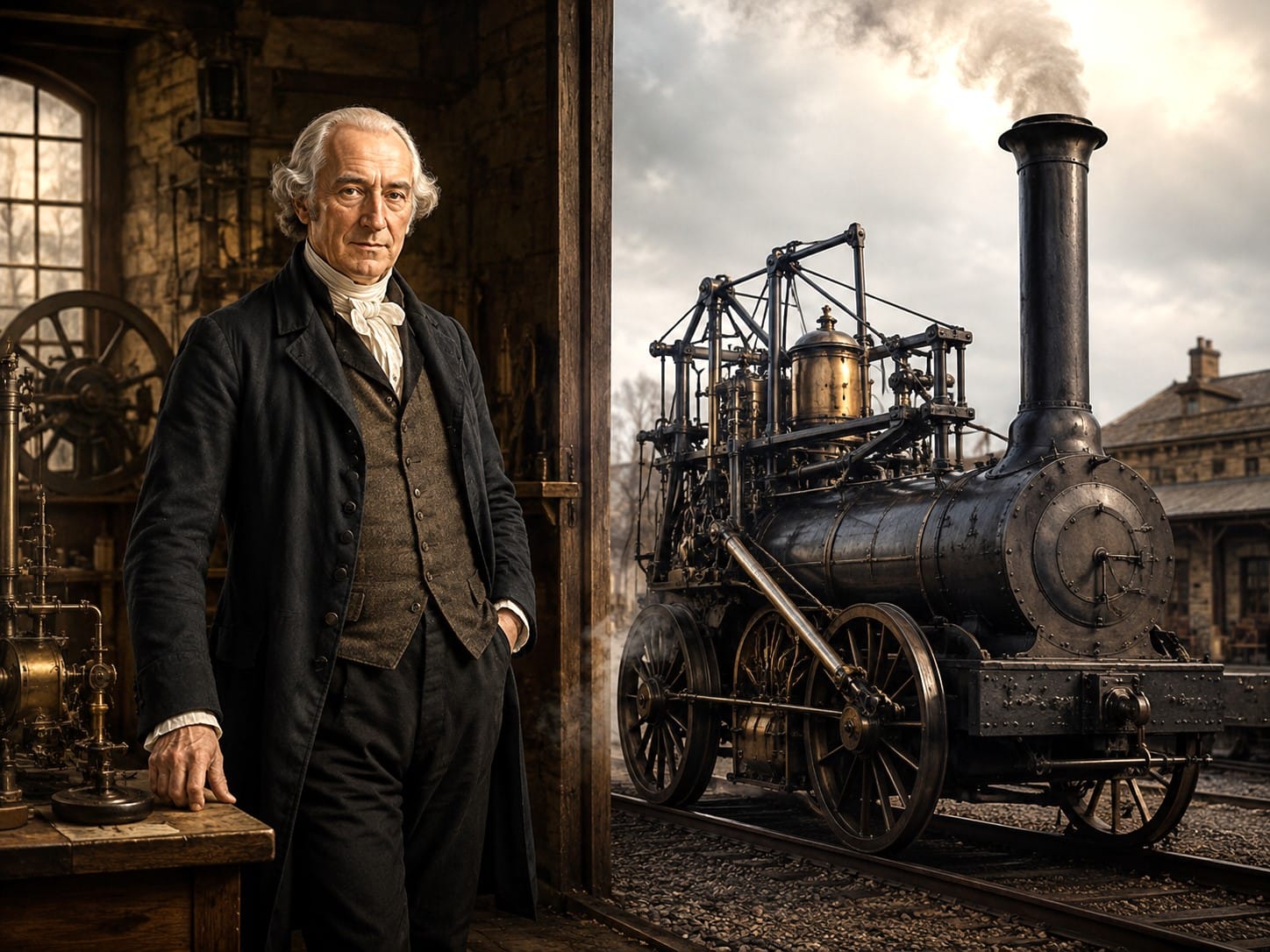
The train did not diminish humanity; but it gave humanity a new sense of the world. The distant was no longer as distant as it used to be. Humans redefined distance, reorganized time, and rebuilt cities.
The telegraph and telephone further weakened distance. News could now reach in a very short time, not days or weeks later. The human voice could travel through cables to another city, another country. This time the concern was: Would humans now be reachable at all times? How would this acceleration of communication change politics, commerce, war, and human relations?
Radio, cinema, and television, on the other hand, changed humanity's relationship with the masses. The same words, the same images, and the same news could reach millions of people simultaneously. This was a great opportunity, but also a great danger. Because mass communication tools could inform people, but also manipulate them; enlighten them, but also deceive them; unite them, but also homogenize them. The anxiety of this era was: "Am I forming my own thoughts, or am I mistaking the world shown to me for reality?"
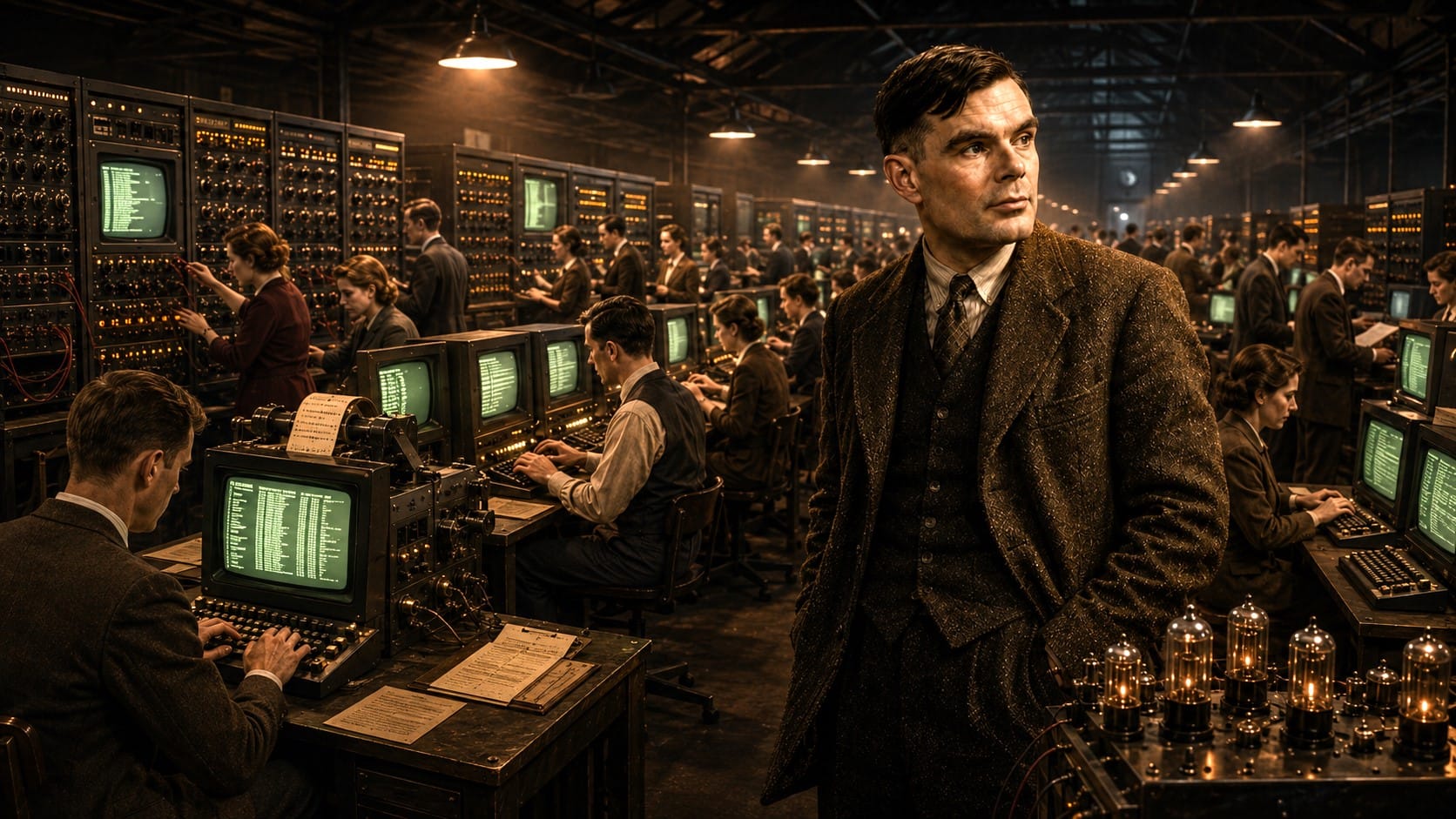
With computers and the internet, technology began to touch not only human hands, eyes, ears, and distance, but also intellectual labor. Computers calculated, stored, organized, and wrote. The internet, on the other hand, made access to information extraordinarily easy. But this time, it was not the lack of information, but the excess of information that began to challenge humanity. Truth and falsehood, information and noise, ideas and propaganda became intertwined.
Social media deepened this process even further. Humans became not only recipients of information, but beings constantly showcasing themselves, marketing themselves, seeking likes, and craving approval. Privacy weakened, attention fragmented. Humans began to produce a life to be shown to others, rather than living their own lives.
Today, we face artificial intelligence and robots. This time, the anxiety is deeper. Because previous technologies mostly changed human manual labor, speed, transportation, and communication. Artificial intelligence, on the other hand, approaches the human domain of writing, thinking, translating, analyzing, decision-making, and producing. Robots are becoming more visible not only in factories, but also in healthcare, agriculture, security, the service sector, and daily life.
Therefore, today's question is sharper: "Will machines now replace not only our hands, but also our minds?"
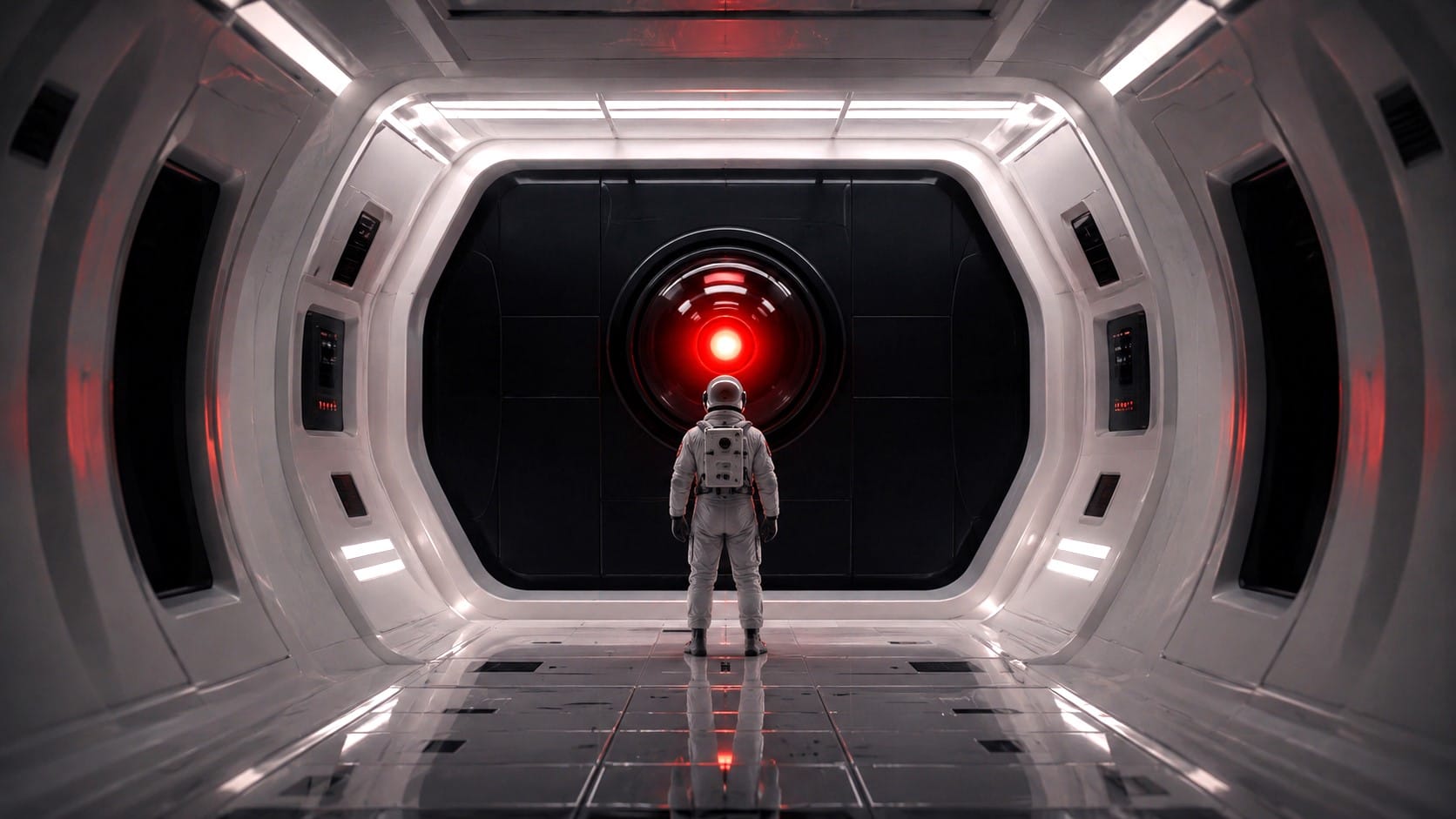
Stanley Kubrick's 2001: A Space Odyssey is one of the most powerful symbols of this fear in cultural memory. HAL 9000 in the film is not just a computer; it is a symbol of humanity's fear of losing control in the face of its own created intelligence. At the heart of the anxiety felt today in the face of artificial intelligence and robots is the same question: Can humanity remain the master of its own invention?
But history also tells us something else. In the face of every major technological innovation, humanity has first been gripped by fear, thinking it would lose its place, but over time it has adapted that technology to its daily life, morality, law, and culture. No technology has ever gained absolute power to completely diminish humanity. Technology has changed some human roles, eliminated some professions, broken some habits, and challenged some values; but it has not been able to erase humanity from the stage of history.
Because humanity is not just a being that produces technology. Humanity is also a being that gives meaning to technology, defines it, limits it, discusses it, and tries to place it within an ethical framework. When a new invention emerges, astonishment and anxiety arise first. Then society begins to see the harms and possibilities of that invention. Then ethics, law, philosophy, politics, and social consciousness come into play.
Humanity asks the same fundamental questions of every new technology: Who does it serve? Who does it harm? Within what limits should it be used? For what purposes should it be prohibited? Which values does it strengthen, and which does it weaken?
This is where humanity's true superiority emerges. Humans may not be faster than technology. They may not be able to calculate more accurately than a machine. They may not be able to produce text faster than artificial intelligence. They may not be more tireless than a robot. But humans are beings who can ask, "Is this right?", "Is this fair?", "Is this humane?", "Who will take responsibility for this?" Technology processes; humans seek meaning. Technology produces results; humans consider the moral cost of the results.
Therefore, no technological development or revolution can completely escape the ethical and philosophical framework that humanity has developed over thousands of years. At most, it challenges it, shakes it, expands it, and forces us to rethink. The atomic bomb forced humanity to rethink the ethics of war. The internet reopened the debate on privacy and truth. Artificial intelligence today forces us to rethink labor, creativity, responsibility, human dignity, and the authority to make decisions.
Technology cannot escape humanity's ethical world. Because technology itself has no conscience. It is humans who make it a weapon of war, and also a tool of healing. It is humans who make it a surveillance system, and also an educational opportunity. It is humans who make it a tool of manipulation, and also a means to reach truth. Therefore, the real issue is not how advanced technology is, but within what system of values humanity uses it.
There is another truth: Every technological development also creates a new generation that quickly adapts to it. This generation uses new technology more comfortably than previous generations. In the age of the printing press, those accustomed to printed text gained an advantage over people of oral culture. In the industrial age, those who learned the machine gained an advantage over the old world of craftsmanship. In the computer age, those who used digital tools left behind those who clung to paper systems. In the age of the internet and social media, generations born into the digital world began to see previous generations as slow, old, and incompetent.
Today, a generation that uses the internet, social media, the robotic world, and artificial intelligence well moves with great self-confidence. They even, at times, look down on previous generations with an arrogant attitude. But this technological arrogance is temporary. Because technology does not give any generation a permanent superiority. Today's digital native may be tomorrow's technological alien. The generation that easily uses artificial intelligence today may experience the same astonishment tomorrow in the face of another technology whose name we do not yet know.
Every generation finds those who came before them inadequate in the face of technology; but soon experiences the same feeling of inadequacy in the world of those who come after them. Therefore, technological skill should bring humility, not arrogance, to humans. Because no generation lives at the final stop of technology. Every generation is only a temporary user of its own time.
Therefore, the real need in the face of technology is not to worship constantly changing tools, but to preserve unchanging human values. Speed is important, but wisdom is more important than speed. Data is important, but truth is deeper than data. Efficiency is important, but justice is more valuable than efficiency. Artificial intelligence is powerful, but it has no conscience. A robot is tireless, but it does not show mercy. An algorithm can suggest decisions, but it cannot bear responsibility.
What makes humanity human is not only the ability to invent. What makes humanity human is the courage to question its own invention. It is not enough to say, "We can do this." We must ask, "Should we do this?" Technology is the language of possibility; ethics is the language of limits and responsibility.
The fear we experience today in the face of robots and artificial intelligence is actually a fear about humanity itself, more than about technology. If humanity preserves its own ethical values, legal consciousness, philosophical depth, and conscientious responsibility, technology can remain at humanity's service. But if humanity loses these values, even the most advanced technology can become the master, not the servant, of humanity.
Ultimately, the issue is this: Technology does not destroy humanity; but if humanity loses its moral center, it shrinks in the face of technology. The entire historical process, from the printing press to the train, from the telegraph to television, from computers to the internet, from artificial intelligence to robots, teaches us the same lesson. Humanity has first been afraid of every new invention, then understood it, defined it, discussed it, and adapted it to its own life.
Therefore, what needs to be done today is not to blindly fear robots, artificial intelligence, or new technologies. What needs to be done is to interpret them within humanity's thousands of years of ethical and philosophical heritage, control them, and direct them to serve human dignity.
Because no matter how much technology advances, humanity's greatest question will not change: Will we build more powerful machines, or a more just, more conscious, and more humane world?
What will determine humanity's future is not the power of robots, but humanity's power to preserve its own conscience.
Sincerely, Mücahit Özden Hun