Regarding the Last Few Weeks…
This column touches on various topics, including a server virus, the humanitarian legacy of Nağı Odoğlu in Iğdır, and a disturbing incident involving the son of Musa Anter.
Dear Readers:
Due to a "virus" afflicting our newspaper's server computer, our readers have been unable to access our articles as they wished for the past week. Humanity, with its self-created "virus," prevents the operation of computers, its own miracle. We are strange creatures, aren't we?
This time, I will adorn my column with short pieces. Perhaps this "virus" affliction will also cut its attack short, become disciplined, and leave us alone.
THE FOOTPRINT OF HUMANISM IN IĞDIR: NAKI (NAĞI) ODOĞLU
My readers know that Nağı Bey is an important figure whom I frequently feature in my articles and books.
Nağı (Naki) Bey was born in Yerevan. In those years, two-thirds of the city of Yerevan was Muslim (mostly Azeri) and one-third was Armenian. Azeris were engaged in trade and farming; Armenians in crafts.
After the Russian Revolution (1917), the balances in the region changed. First, the Transcaucasian Democratic Federative Republic was established. Its life was short. Then three Republics were founded. Yerevan was declared the capital of the Republic of Armenia.
In the elections held on June 26, 1919, the Muslim population did not vote. Armenian committees attacked to intimidate and drive away the Muslim population within the borders of the Republic of Armenia. As news of massacres arrived, the Muslim population fled outside the borders of the Republic of Armenia. Some sought refuge in the Democratic Republic of Azerbaijan and Georgia, and a significant portion in Iranian Azerbaijan. This event, remembered by the people of Iğdır as "Kaça-Kaç" (Flight), is buried in our hearts as a page full of pain and sorrow.
Nağı Bey and his family also got their share of this turmoil, this upheaval. The family scattered in all directions. Nağı Bey first settled in Istanbul, then in Iğdır. He settled in an Armenian-built house, whose ownership today belongs to the heirs of the late Hacı Ömer Şark. Here, he embarked on a new life. He established two large orchards, named Büyük Bağ (Large Vineyard) and Küçük Bağ (Small Vineyard), with his own hands.
If you wish, let us remember Nağı Bey with mercy again, from the memoirs of Mecit Hun:
"When it comes to fruit growing and orchard establishment in Iğdır in the 1930s, it would be unfair not to mention two important names. One of them is Nağı (Naki) Odoğlu Bey.
He came to Iğdır as an immigrant from Yerevan and settled here. His two sons, Bekir and Abbas, and his son-in-law Recep Odoğlu, settled in Istanbul, but his love for the land tied Nağı Bey to Iğdır. Nağı Bey, who established two large orchards between Baharlı Mahallesi Hamamyolu Street and Alikamerli-Iğdır, spent all his time in these two orchards, so he rarely appeared in public. Every morning, he would get into his single-horse phaeton and shuttle between the two orchards.
He was one of those who influenced us most in our childhood. His strong physique, elegant attire, princely demeanor, and serious conduct created great respect in us. To be regarded as a venerable person in an environment where everyone found minor faults with each other was a value bestowed upon few.
His garden had every kind of fruit. Especially many varieties of grapes that Iğdır had not grown until then came to the market as the produce of Nağı Bey's garden. I studied middle school with his daughter Süheyla. I taught his other daughter Ayten at Iğdır middle school. I understood their family's upbringing, and the value they placed on culture and human relations better after getting to know their children.
I had friendships and good relations with Abbas and Recep Bey. They left admirable impressions on me. I met Bekir Bey and got to know him at Pigal bar on İstiklal Avenue in Beyoğlu, Istanbul. Our compatriot and family friend HİDOŞ (Hidayet Ayrım), one of the bar's managers, had invited us. I learned then that this bar belonged to Bekir Bey. He lived in Büyük Ada and was involved in other commercial matters. Bar management was not his main profession. He had rented it as a hobby and entrusted it to Hidoş and his friends.
Nağı Bey passed away in his house adjacent to his beloved garden, and Abbas Bey died in a traffic accident near Alikamerli village (now Mücahit neighborhood) at the exit of Iğdır while traveling to Istanbul by bus. I remember both of them with mercy."
When writing the book "Iğdır Sevdası" (Love of Iğdır), my biggest goal was to reach Nağı Bey's family. By a stroke of luck, his daughter Süheyla Hanım had come to Ankara to visit her younger sister Ayten Hanım. I had the chance to interview both of them. The book was about to go to print, but I couldn't find a picture of Nağı Bey. This saddened me greatly. "Iğdır Sevdası" was published without Nağı Bey's picture. My heart was heavy.
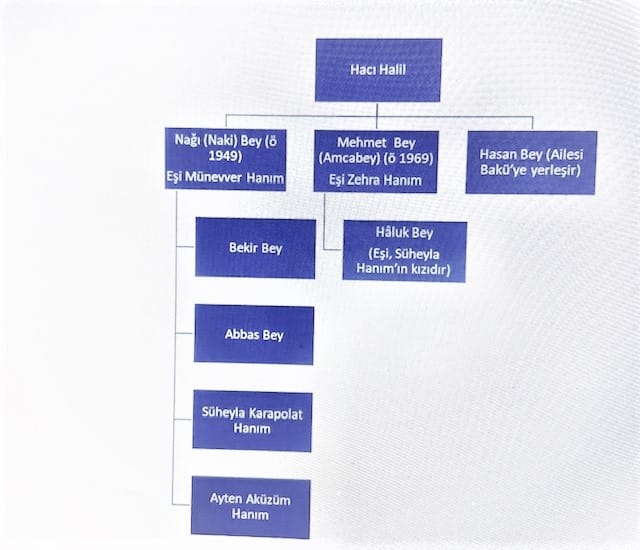
Nağı Bey Family Tree
More than 20 years passed. One day, I received a message from a reader named Burcu Odoğlu. She had read my book "ARAS ARAS Goodbye Sona" and was questioning the character "Sona." Our correspondence continued.
Then, not long after, I found myself talking to a gentleman on the other end of the phone who introduced himself as "Haluk Odoğlu"... Haluk Bey and I have something in common: we both graduated from the ITU Electrical and Electronics Department.
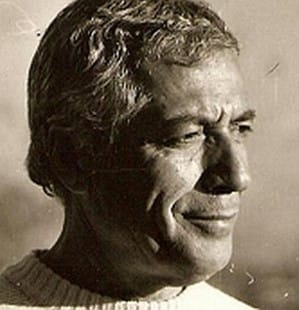
I asked Haluk Bey for a picture of Nağı Bey. A week later, I received the picture of the late Nağı Bey, which I had been curious about and tried to obtain for years. I was very happy. Haluk Bey also sent a picture of Nağı Bey's brother Mehmet Bey, known as "Amcabey" within the family, who was his own father. I am sharing these two pictures with you with honor and pride.
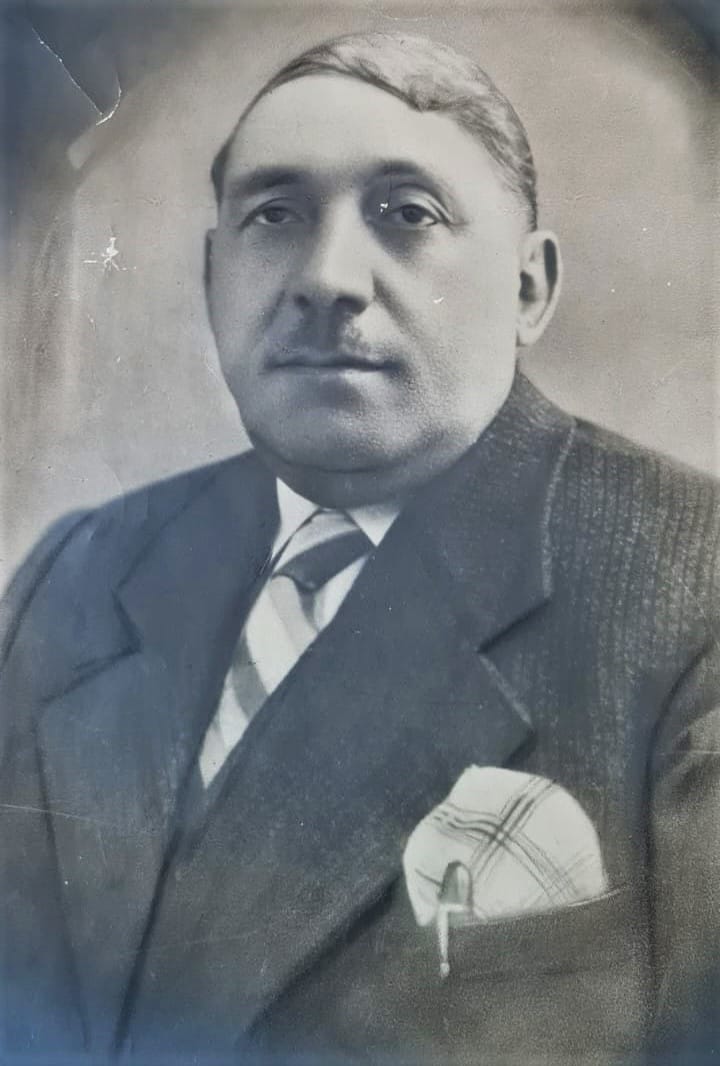
NAĞI (Naki) ODOĞLU Bey, an important figure who left his mark in our Iğdır
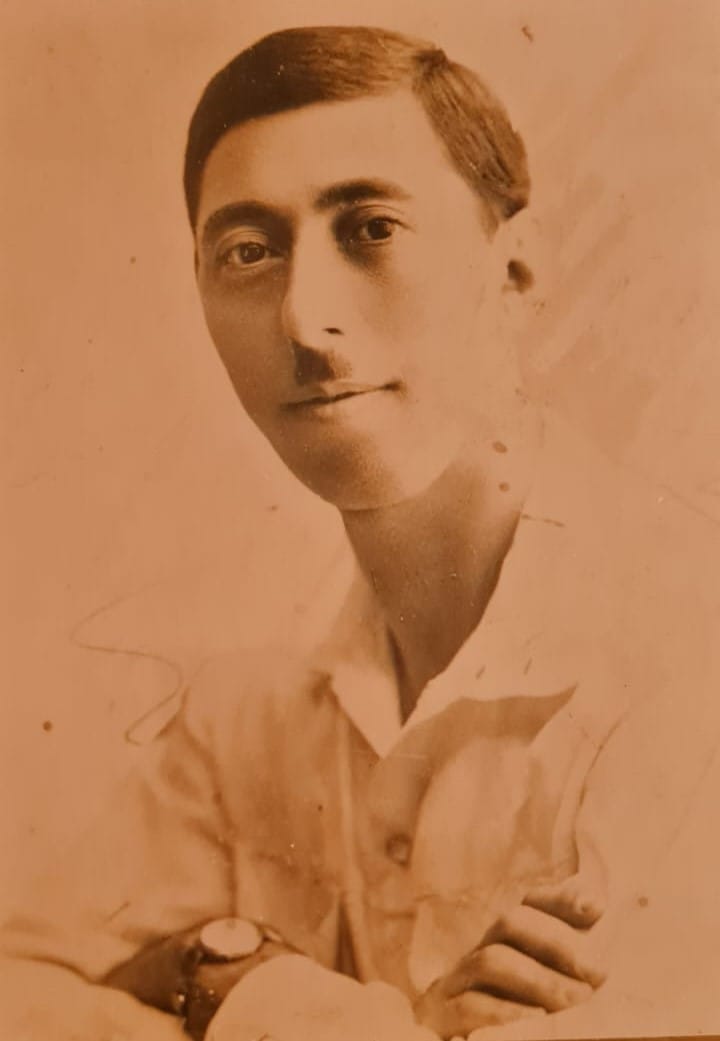
Nağı Bey's brother MEHMET ODOĞLU (AMCABEY) Bey
Amcabey met his wife Zehra Hanım while working in Ganja. They married in Iğdır in 1936. Nağı Bey's wife Münevver Hanım was also from Ganja. Nağı Bey's third brother, Hasan Bey, settled in Baku when the Soviet Union was established.

The house built in 1911 where Nağı Bey lived
(Today, its ownership belongs to the heirs of the late Hacı Ömer Şark.)
THE DEATH OF ABBAS ODOĞLU (December 14, 1959)
The EKİNCİ newspaper, owned by Cengiz Ekinci, reported the news as follows:
"According to news received from Iğdır, a bus overturned on the road while coming to Kars, resulting in one death, 4 seriously injured, and 15 lightly injured. The bus belonged to Kadir Bayat. The bus, under the direction of driver Süleyman Ertan, overturned between Alikamerli-Yaycı 20 minutes after departing for its daily journey towards Kars. Unfortunately, Iğdır resident Abbas Odoğlu, the operator of Cumhuriyet Hotel, died.
The wife of Captain Mehmet Zaman (daughter of Kazım Ötegen, one of the municipality officials) is among the seriously injured. Like all bad news, this spread very quickly. Relatives and friends of the accident victims departed for Iğdır that afternoon. Someone who heard about the accident said that Abbas Odoğlu was taken to Iğdır in serious condition but could not be saved and died in the hospital.
The deceased Odoğlu was the son of the late Naki Bey of Iğdır, the brother of Bekir Odoğlu, owner of Pigal and Feneryolu Trade Center in Istanbul, the father of Füsun Odoğlu, one of Istanbul's lawyers, and the brother-in-law of Hüseyin Odluyurt. He left this mortal life prematurely, leaving everyone who knew him in endless sorrow."
NAĞI BEY, LONGING FOR HIS HOMELAND
Nağı Bey's daughter Süheyla Hanım recounts a childhood memory as follows:
"There is a village named Dize on the banks of the Aras River. The city of Yerevan stretches across the opposite bank of this village in all its majesty. On a good day, all kinds of activities in the city center could be seen with the naked eye from the banks of the Aras.
My father would come to this village on some days and sit silently on one of the slopes of the hill facing Yerevan.
That day, we were together. My father's eyes lingered on Yerevan for a while. His face became calm. I felt unknown longings and storms raging in his heart: his ancestral home, vineyards and gardens, his childhood and youth... And one day everything was cut off like with a knife, his ancestral home was forbidden to him, the borders were closed. This incomprehensible injustice weighed heavily on his heart like a stone.
My father suddenly broke his silence. He buried his face in his elbows and, unable to bear it any longer, burst into sobs. That day, I had solved the riddle that tied my father to Iğdır: the longing for his ancestral home."
HANBABA ÖCAL
Coincidentally, at the same time, I corresponded with Figen Öcal Hanım. She also sent me a picture of Hanbaba Öcal, one of the Beys of Sultanabat. Hanbaba Öcal is the brother of Şefi Öcal.

Hanbaba Bey was a generous and open-handed person. He was wealthy. Today, the Karakuyu village meadow and the pastures belonging to Mecit Hun and Hacı Cihangir Turan were once under Hanbaba Bey's ownership.
Today, there is an idiom established in Iğdır: "Is it Hanbaba's farm?" Whenever someone uses another's property as they please without permission, this phrase is uttered to their face.
I present to you the photograph of Hanbaba Bey sent by Figen Hanım.
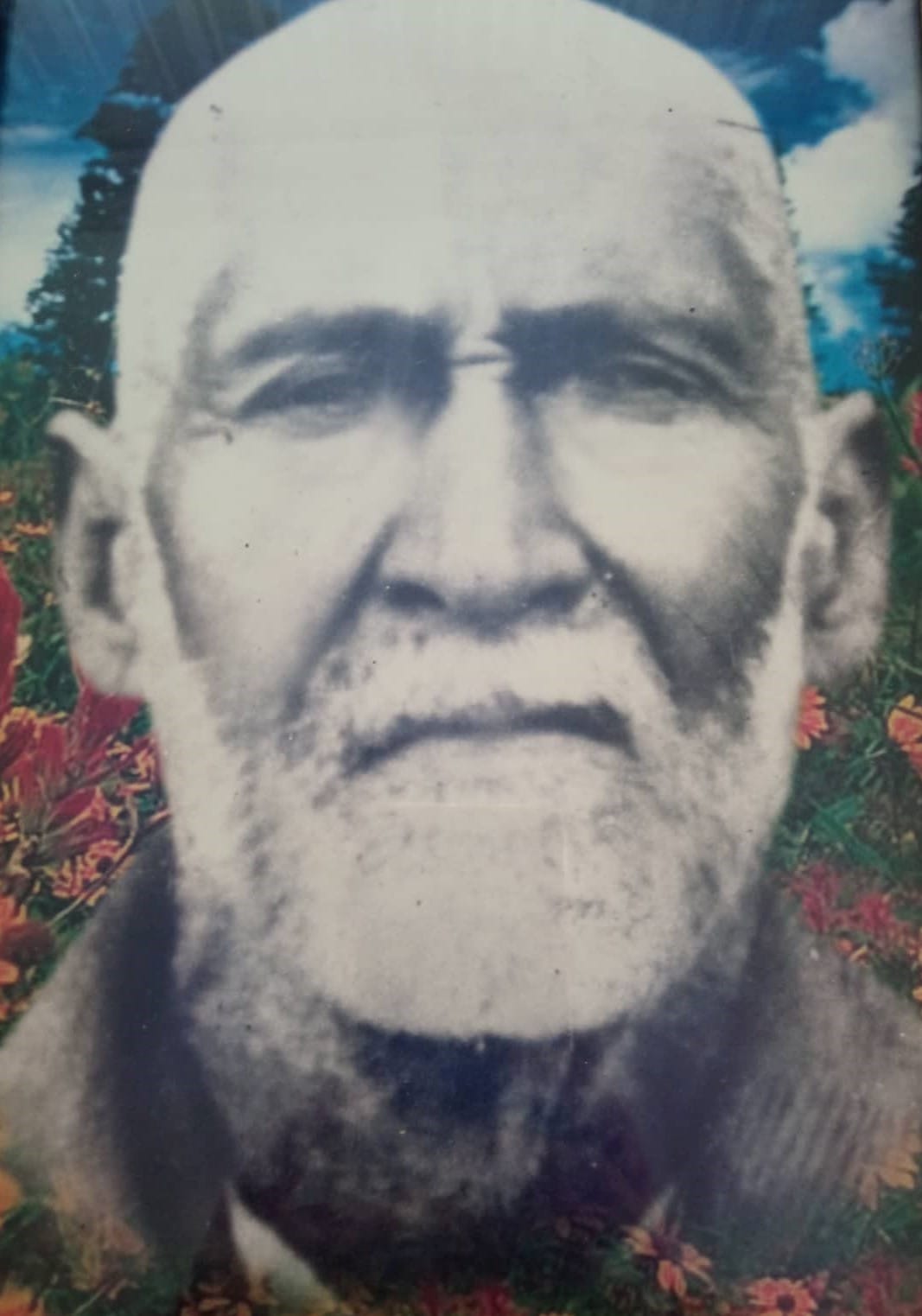
HANBABA ÖCAL Bey, one of the Beys of Sultanabat
Since we've started talking about the brothers Hanbaba and Şefi Öcal, I want to recount an incident from Şefi Öcal Bey's childhood:
ŞEFİ ÖCAL (From the narration of Fahrettin Gülseven - Iğdır Sevdası book)
Şefi Bey (Öcal), one of the Beys of Sultanabat, often visited our house in Ankara, and he and my father would sit opposite each other, engaging in pleasant conversations. I would join them whenever I had the chance, listening to their stories. One day, Şefi Bey recounted the following interesting events:
"My child, how did the fight happen?"
"During the Russian administration, we lived in Sultanabat village, a little distance from the Idirmava neighborhood. I was a child. I was attending the Russian primary school in Idirmava. I was the only Turkish student in my class. All the rest were Armenian.
Among our classmates, there were even young men of 15-16 years old, almost with fuzz on their upper lips. This situation was not considered unusual under the conditions of that day.
One day, a young and beautiful Russian girl started working as our class teacher. The young men were not idle; they harassed this young teacher in various ways. The poor girl, unable to bear the impudence of these young men, one day left the classroom crying and complained about the students to the school administration.
The principal came to the class and questioned them, but since the Armenian students acted in solidarity among themselves, they insisted that it was the teacher's fabrication (!). The principal left the class undecided and helpless. When the teacher continued her claim that she had been insulted, the principal was forced to call an inspector.
The Russian word for district governor was "Leçenik." The houses belonging to Ali Ataman, opposite the state hospital (today Iğdır University Karaağaç campus, Mücahit), were the district governor's buildings in those years. The land on which Topçular Primary School was built was known as "Leçenik bağ" (Leçenik's vineyard).
The inspector and the district governor put their heads together to figure out the best way to resolve the incident. They set aside listening to the Armenian students as witnesses. A brilliant idea came to the district governor's mind. He asked the school principal, "Is there a Turkish student in the class?" When the principal replied, "Yes, one," the district governor ordered this student to be brought to the District Governor's office in great secrecy.
One evening, a horseman stopped in front of our house. He told my father, "The district governor wants your son, there's nothing to fear!" I was disguised, a sheet was placed over my head; we set off on the horse's back towards the district governor's building.
We entered a large hall. I was trembling with fear because I didn't know why I had been brought there. The officials, seeing my anxious and fearful state, offered me sweets and chocolates to calm me down. Soon after, the district governor and the inspector entered. The district governor asked, "What is your name?" I said, "Şefi." He said, "Look, my child! There was an unpleasant incident in your class recently. Can you tell us what happened?"
I recounted the incident in as much detail as I knew. When I finished speaking, the district governor nodded his head and said, "Now it's clear. So the teacher is innocent!" They disguised me again and sent me home.
A few days later, the school administration expelled the young men who had harassed the young teacher. They also deemed it inappropriate for the young teacher to work there and transferred her elsewhere. From that day on, they never sent female teachers to Iğdır again.
My secret transfer to the district governor's office one evening, giving a statement, and being brought back, was kept a secret for years, out of fear that Armenians would harm me and my family."
OH MUSA ANTER, YOU ARE A TRAITOR!
A bad habit has taken root in the souls and minds of our country. If our state labels someone a "traitor," ordinary citizens internalize this unjust judgment as "prejudice" and act accordingly whenever they get the chance.
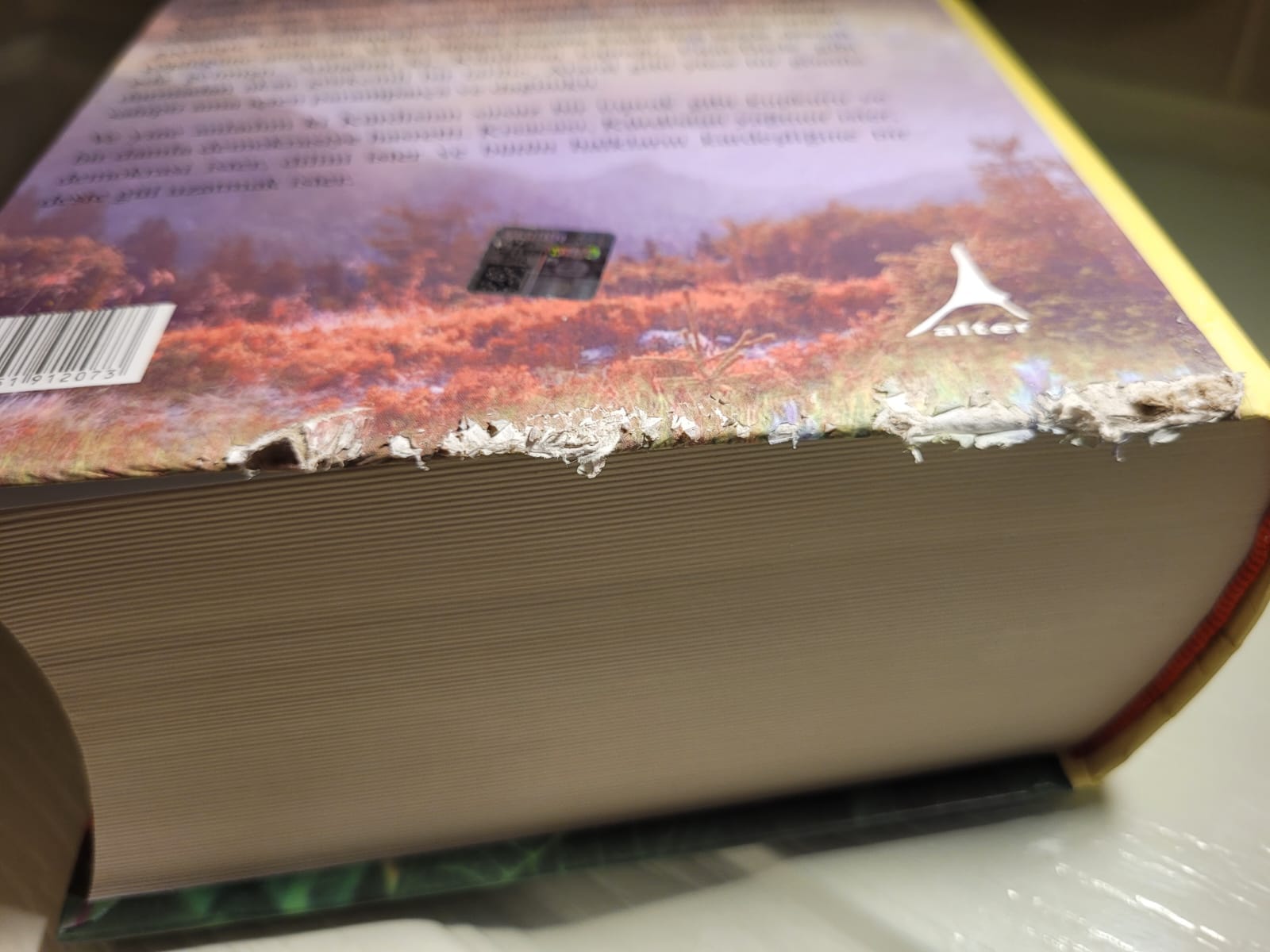
I published the second volume of my book titled Kürtler ve Güller (Kurds and Roses). Dicle Anter, the son of the late Musa Anter, whom I interviewed, was also featured in the second volume with his narrative. I sent him the book via PTT Cargo.
Dicle Anter resides in Batman. The postman delivered the package. The edges of the package were torn. It looked as if it had been dipped in water and pulled out. The edges of the cardboard cover looked as if mice had gnawed them. I wonder, perhaps the postal worker did what was fitting for him.
Dicle Bey called me. He was resentful. He couldn't make sense of what had happened.
The next day, Şeval Hanım went to Küçükesat PTT. She voiced her complaint. When the clerk heard Dicle Anter's name, he asked:
"Musa Anter's son?"
"Yes!"
"Everything is clear. Someone did this to take revenge."
The dark forces of the state execute Musa Anter, and the PTT officials of the state take revenge on Dicle Anter, because he is Musa Anter's son, by tearing and destroying his package. Revenge, revenge... Calm down, gentlemen! You can never destroy a value embedded in the memory and heart of the Kurdish people with the impulse for revenge. Please find yourselves another occupation!
The following two tabs change content below.