The Zilan Massacre: Anatomy of a Historical Turning Point
The Zilan Massacre of 1930 in Van's Erciş district was a mass killing of thousands of civilians, a pivotal event in the Republic's history that continues to spark debate about its nature, scope, and accountability.

Dear Readers,
On July 13, 1930, one of the darkest and most controversial events in the history of the Republic took place in the Zilan Valley, located in the Erciş district of Van. This event, a mass slaughter that resulted in the deaths of hundreds, and according to some sources, thousands of civilians, occurred during an all-out military operation. Today, ongoing debates about the nature, scope, and responsibilities of the Zilan Massacre highlight not only a historical but also a political and moral need for confrontation.
- HISTORICAL BACKGROUND: THE KURDISH QUESTION AND THE REPUBLIC'S SECURITY PARADIGM
In 1926, the state also took steps to break the leadership structure of the tribes by issuing the "Law on the Exile of Aghas and Beys," which exiled hundreds of aghas, beys, and sheikhs to western provinces, leaving the tribal structure leaderless.
In this context, the resistance and rebellion movement that emerged in Mount Ararat (Ağrı Dağı) between 1927 and 1930 was perceived as a much greater threat. Unlike Sheikh Said's rebellion, this uprising developed along secular and nationalist lines; with the support of the Xoybûn Organization, a "Kurdish Republic" was declared under the leadership of İhsan Nuri Pasha.
- İHSAN NURİ PASHA'S CALL AND INTERNATIONAL HOPE
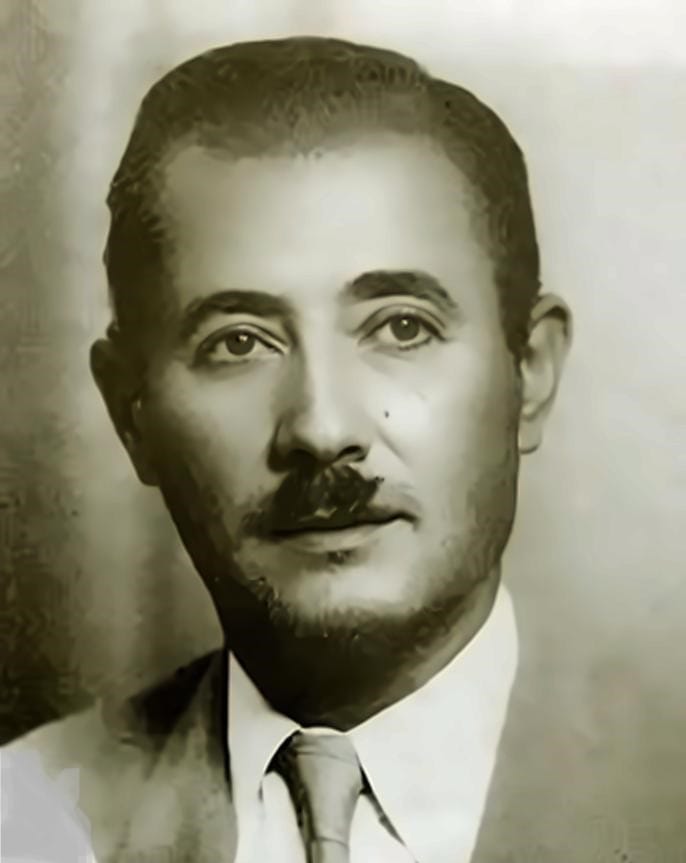
During Xoybûn's founding meetings in Lebanon, Armenian representatives decided to form a strategic alliance with the Kurds, promising financial support for the rebellion and diplomatic groundwork for the international recognition of a potential Kurdish Republic. These promises were instrumental in the Kurds leading the Ağrı rebellion; for by then, the civilian Armenian population in the region had largely disappeared, leaving the practical burden of the rebellion on the shoulders of Kurdish tribes.
It was in this context that İhsan Nuri Pasha began to prepare for a massive show of force in 1930. Trusting the international influence of the Armenian lobby, he believed that a regional mobilization, created by activating large tribes, would demonstrate the will and mass support of the Kurdish people to global public opinion. For this purpose, he sent secret messages to many prominent tribal leaders in Eastern and Southeastern Anatolia. These messages requested civilian convoys, including women, children, and the elderly, to set out towards the Mount Ararat region. In some tribes, this call generated great excitement, and preparations for mass migration began. However, the consequences of this movement were severe; civilian convoys attempting to reach Ağrı were targeted, especially in transit routes like the Zilan Valley, by aerial bombardments and attacks by ground troops, leading to a great tragedy.
- ZILAN VALLEY (GELİYA ZÎLAN): A SILENT VALLEY IN THE HEART OF GEOGRAPHY
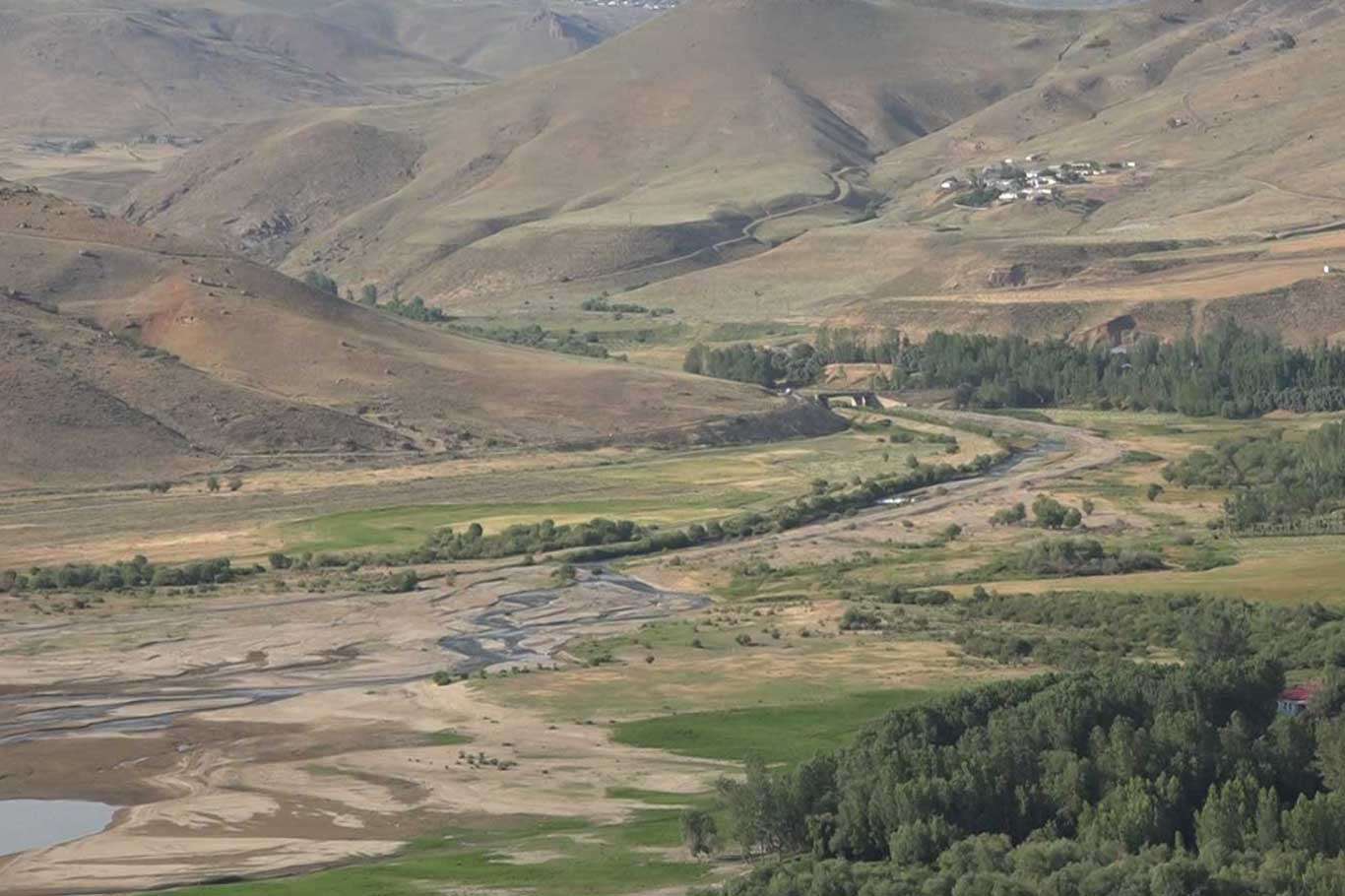
The Zilan Stream is a seasonal river that flows into the Muradiye River. Over time, this stream has deeply carved out the surrounding lands, forming a natural valley. Villages in this high-altitude valley, such as Itir, Kela Xelkan, Gundê Qerax, Zivzik, Kalêkê, Gundê Dêrî, and others, have been settlement areas for Kurdish tribes like the Brukan (Brukî) tribe for many years.
The region is a natural habitat for semi-nomadic communities that subsist on both animal husbandry and limited agriculture. In spring, the stream, swollen by melting snow, dictates the rhythm of life in the valley. The valley, being a difficult area to access and control, has historically had a social structure that lived by its own internal balances, partially distant from central authority.
However, the name Zilan Valley is associated not only with its geographical beauty but also with the deep historical pains it carries. The Zilan Massacre in 1930 transformed this geography into a place of mourning. In those days, the valley was shaken by a heavy military operation targeting civilians; hundreds of villagers – women, children, and the elderly alike – lost their lives. This tragic event was not just a military operation but also an indelible mark on the memory of a people.
Today, Geliya Zîlan lives on in the language and hearts of the local people not just as a valley, but also as a silent witness to those lost, a bitter memory of a homeland. The silence of the geography conceals the screams of the past.
- THE BRUKAN TRIBE AND KINYAS KARTAL'S DECISION
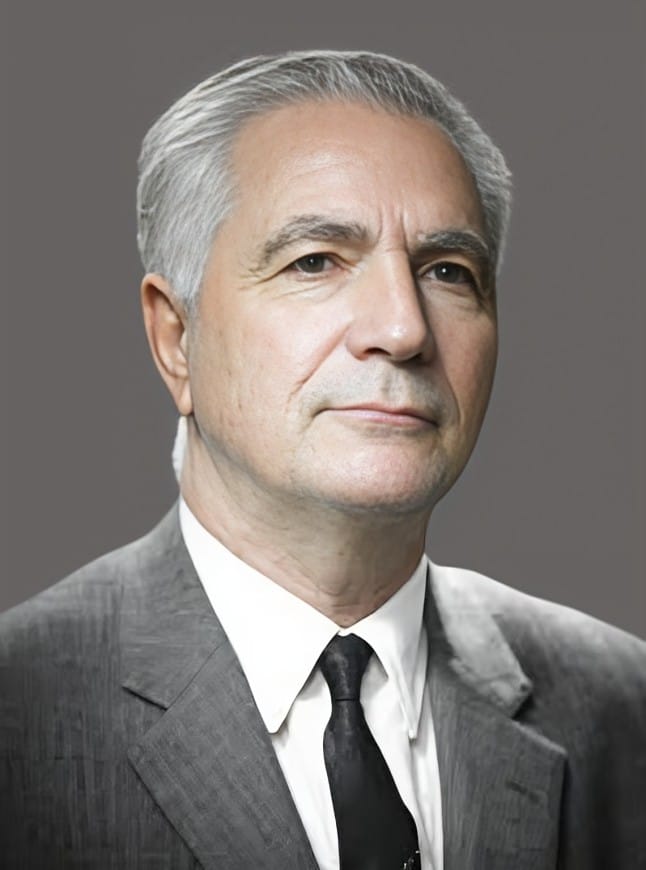
After carefully evaluating the situation, he decided that his tribe should not participate in the rebellion, believing that it was impossible for it to achieve international recognition. However, there were other groups within the Brukan who supported İhsan Nuri Pasha. Debates escalated, armed clashes broke out, and some tribal leaders were killed. Consequently, those Brukan members who heeded İhsan Nuri Pasha's call set out for Ağrı via the Zilan Valley.
In 1930, the Brukan Tribe villages around the Zilan Valley were:
Kurdish Village Name Current Turkish Name
- Şax Aşağıtarlacık
- Wargenima Yüceler
- Kanîsarkê Yukarıtarlacık
- Qûtka Ulupamir
- Qûlê Çataltepe
- Herîdan Gözütok
- Helkîs Aşağıgöze
- Mûşan Çetintaş
- Şêrab Derezorlu
- Tirej Değirmensuyu
- Kanîmasê Ziyaret
- Zozanê Şêxan Doğancı
- Tûtê Ulupamir’in kuzeyinde yayla alanı
- Mîrkan Gölağzı
- Dêrxar Yağcılar
- Gundê Lolan Gültepe
- Avyan Aşağıılıca
- Gumgim Karatavuk
The Zilan Massacre in 1930 was not merely a mass extermination but also a turning point where the region's socio-demographic structure was redesigned by the state. After the massacre, a significant population decline occurred in settlements around the Zilan Valley, especially in villages belonging to the Brukan (Brukî) tribe. A substantial portion of the surviving civilians were forced to leave the region. These emptied settlements were either repopulated by other tribes over time or settled by ethnic groups brought in from outside. Some examples:
- Ulupamir (formerly Qûtka): An Example of Kyrgyz Settlement
- Gözütok (Herîdan) and Çataltepe (Qûlê): An Example of Tribal Dispersal
- Gölağzı (Mîrkan): Name Change and Silent Erosion
- Forced Name Changes and Erasure of Memory
The Zilan Massacre was not just a toll of lives lost; it was a multi-layered process of annihilation that targeted a people's geography, memory, and culture. Today, this event, described in many academic sources merely as a "military operation" or "suppression of a rebellion," essentially transformed into an ethnic and cultural cleansing operation. Villages were emptied, names were changed, and cemeteries and memories vanished.
The traces of these demographic changes can still be seen in the Van-Erciş geography. The children of Brukan are now either in exile in other cities or trying to prove their past existence in these lands.
- MILITARY INTERVENTION AND MASSACRE IN THE ZILAN VALLEY
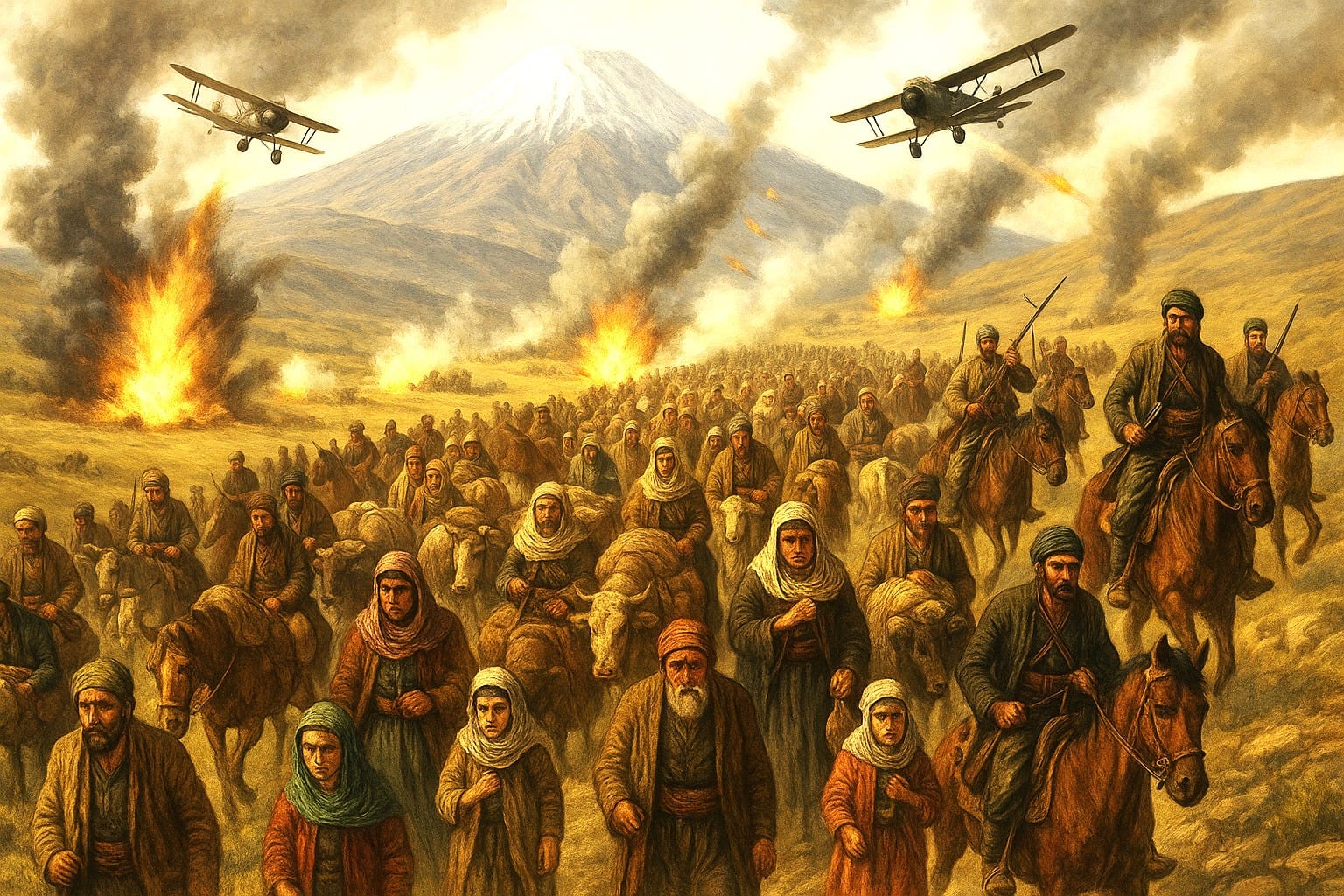
Official sources ignored the massacre for many years or classified it as a "security operation." Kurdish sources and oral testimonies, however, put the number of civilian casualties between 15,000 and 47,000. According to the most reliable estimates, at least 5,000 civilians lost their lives.
- WHAT IS CONTROVERSIAL?
Yes, civilians were massacred in Zilan. This cannot be legally or morally justified. But at the same time, a large part of this population set out by responding positively to a direct call to war. The state perceived this as a strategic move and responded with excessive violence.
Therefore, this event must be discussed both in terms of the boundless nature of state violence and the tragic consequences arising from the national movement's call to the people into the midst of war.
- COMMANDERS AND CHAIN OF COMMAND OF THE MASSACRE
- WHAT SHOULD BE DONE TODAY?
CONCLUSION: FROM HISTORY TO TODAY, THE COST OF LEADERSHIP
The Zilan Massacre is not merely a tragedy that occurred in the first half of the 20th century; it is also a striking example of how devastating the consequences of leadership decisions, which determined the political fate of the Kurdish people throughout history, can be. In 1930, İhsan Nuri Pasha's call for mass mobilization, made in search of international legitimacy, pushed an militarily and diplomatically unprepared people into the arms of death. Behind this call, there might have been a legitimate hope, perhaps a tactical calculation: if civilians were targeted, the international community could not remain indifferent to the Kurdish question. However, this idea of "strategic suffering" cost thousands of civilian lives, and international conscience did not mobilize as expected.
Such decisions reveal a leadership approach that views the lives of the people as diplomatic levers, disregarding concrete loss of life for abstract goals.
Unfortunately, a similar irresponsibility has recurred in our time. From 1984 onwards, the armed movement led by Abdullah Öcalan drew tens of thousands of Kurdish youth to the mountains. However, years later, Öcalan himself stated that "sending youth to the mountains was a mistake, it was unnecessary." This confession shows that a process resulting in the deaths of tens of thousands of people can be dismissed with political ease, without any self-criticism.
Whether in Zilan in 1930, or in Cudi, Munzur, and Zap in the 1980s and 2000s; the people always paid the price for decisions made in the name of leadership. Therefore, history exists not only to mourn but also to remember and warn. The Kurdish people must now evaluate their leaders not only by their ideals but also by the real impact of their decisions on the people.
Today, as the Zilan Valley still carries the screams of silence, this quiet valley whispers to us not only the pains of the past but also the responsibility of the future. Every national movement must regard the lives of its people as the most sacred trust. Otherwise, history will repeat itself only as tragedy.