The Syndrome of Nations Being Humiliated and Humiliating Others
This essay argues that historical humiliation inevitably leads to a reflex of humiliating others, a recurring political and social syndrome exemplified by China's history.

Dear Readers,
History teaches us many things. The HUMILIATION of nations, religions, and ethnic groups inevitably transforms into a reflex of HUMILIATING others in later years, continuing as a political and social syndrome.
Who knows; if the Turkish people had not felt HUMILIATED by the Treaties of Mudros and Sèvres, the War of Independence would not have been possible.
Who knows; if the Germans had not felt HUMILIATED by the Treaty of Versailles at the end of the First World War, Hitler would not have come to power.
I would like to draw your attention to this reality by using China as an example. To understand it better, we must first start with England.
THE BRITISH EMPIRE
Some nations are lucky. They advance step by step, transforming into a great empire. The British Empire is a good example of this.

As seen on the map, today's United Kingdom consists of four parts:
- England (inglınd): England
- Scotland (skatlınd): Scotland
- Wales (vueyls): Wales
- Northern Ireland (nordırn ayırlınd): Northern Ireland
The 16th century was, in a sense, the age of discoveries. Empires with the most ships colonized overseas territories, bringing them under their control. Two empires were in competition: England and Spain.
When the British Empire defeated Spain's naval power in 1588, the path to world domination was opened. While colonizing India, it also established colonies in the USA, Australia, and New Zealand.
The real power of the British Empire was the colossal state-owned company called the East India Company (EIC). With publicly traded shares, the EIC was perhaps the largest state-controlled and "monopolistic" company in human history.
The EIC seized control of world trade. As the trade of spices, silk, textile dyes, salt, saltpeter (used in gunpowder production, fertilizer, pharmaceutical industry, food preservation, etc.), tea, and opium was now conducted by sea, the historical Silk Road and Spice Route, which relied on land transport, lost their importance.
In the 19th century, Britain became the center of the Industrial Revolution, further increasing its power. Almost all of the world's textiles were woven in factories in England. So much so that the city of Manchester was popularly known as "Cottonopolis," or "Cotton City."
It was at such a time that the British Empire turned its attention to CHINA, which contained a quarter of humanity's population. Its aim was to colonize China, like India, under some pretext.
THE OPIUM WARS
In the early 19th century, British merchants were marketing tea, silk, and porcelain purchased from China in world markets, earning large sums of money. Since the Chinese did not want British products, there was no possibility of exchanging goods in this trade, and Britain's trade deficit increased unilaterally. China only accepted silver in exchange for the products it sold. After some time, British merchants found it difficult to find silver. The EIC and British merchants coveted the silver in China. How would they obtain it?
In those years, the EIC was cultivating opium in India. Indians used opium only for medicinal purposes. British merchants illegally smuggled opium into China. Opium addiction rapidly increased among the populace.
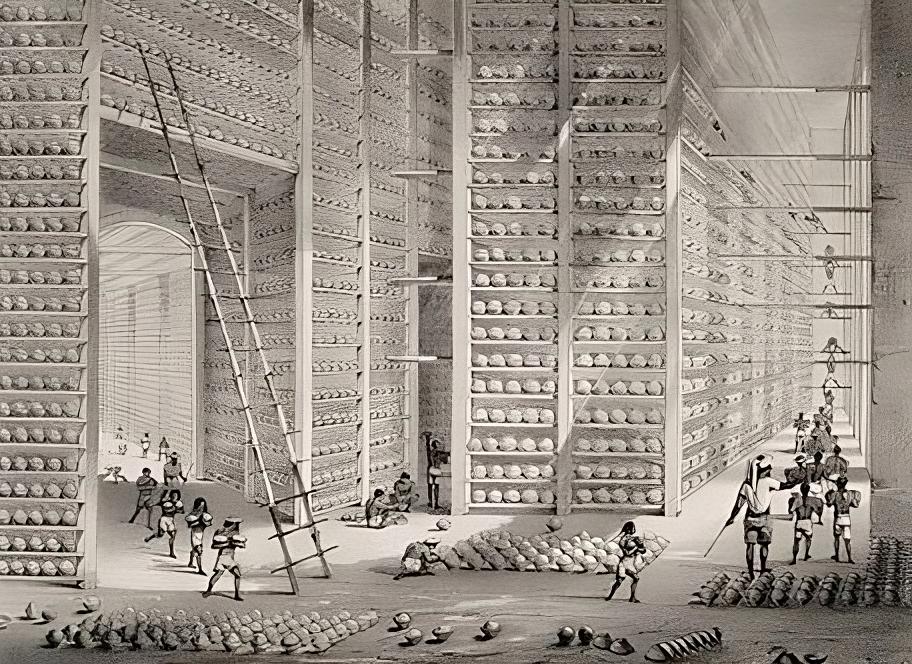
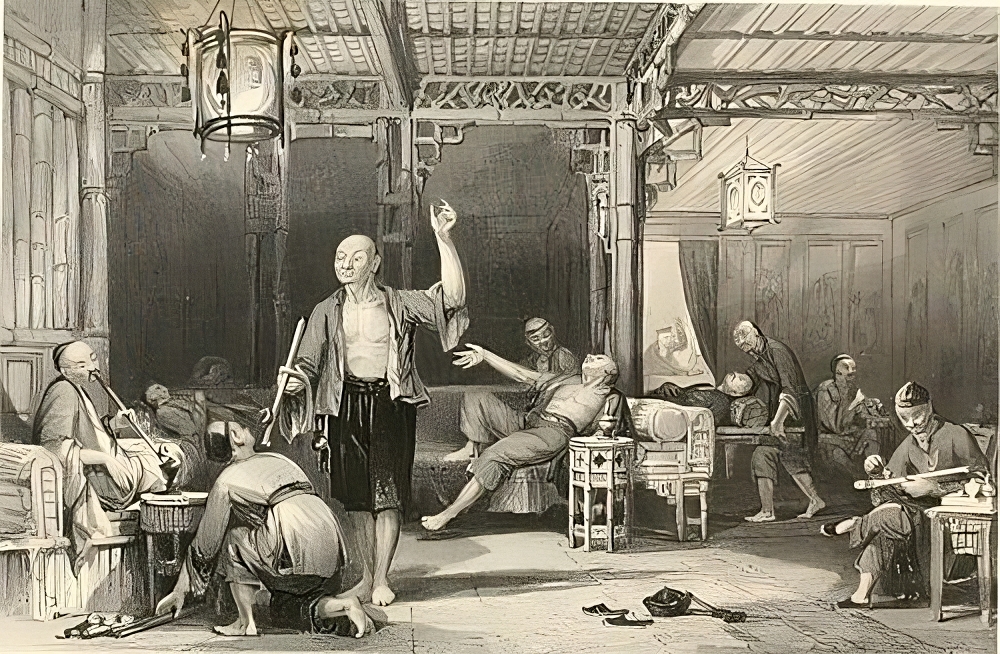
Since British merchants sold opium only for silver, this trade created a disadvantageous situation for China. The Chinese Empire banned the sale of opium and even dumped seized shipments into the sea. For this reason, Britain and China fought twice between 1839-42 and 1856-1860. British ships, equipped with the weapons of the industrial revolution, easily defeated the Chinese. China was HUMILIATED. Its people were driven to opium addiction, and its silver reserves were depleted. Moreover, Hong Kong became a British colony.
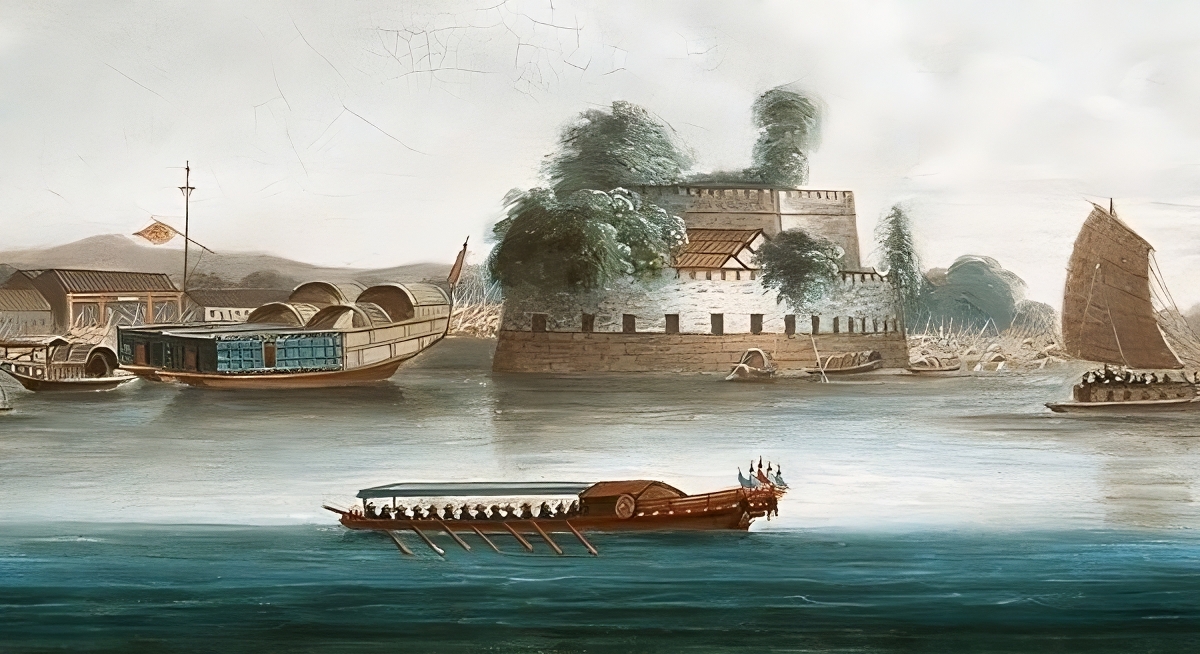
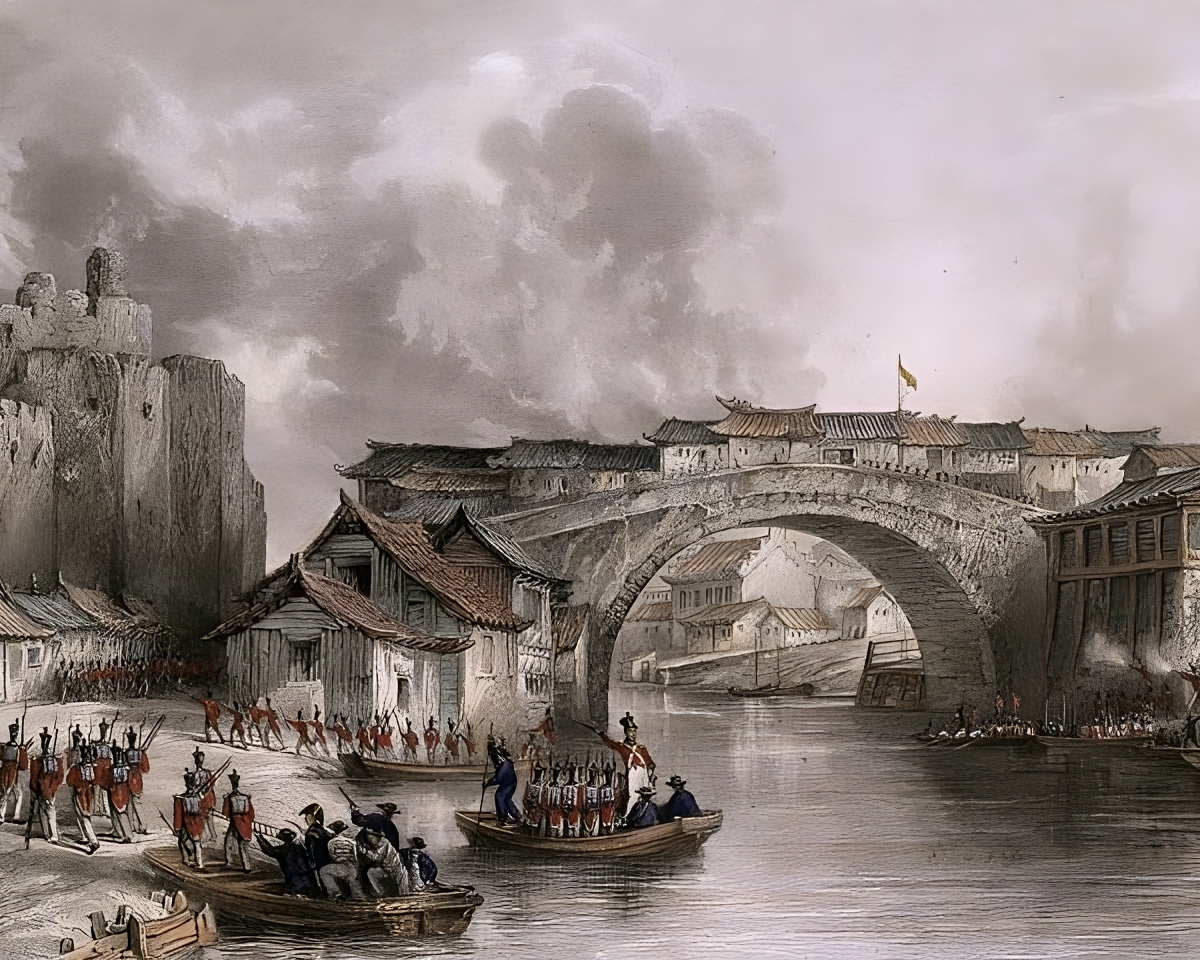
China knew it had to stop the opium trade. It was at such a time that xenophobia rose among the Chinese. A secret organization called Yihetuan (Righteous and Harmonious Fists) was founded. The dynasty secretly supported this organization. Its members underwent special training, similar to Kung Fu. They used only swords and spears. The British, likening the Kung Fu technique adopted by the organization to boxers, knew this organization as the Boxers in the West.
In 1899, the Boxers declared war on foreigners. Beheading was their most common method. Foreigners who managed to escape took refuge in the Legation Quarter in Beijing, where they organized resistance. However, as the Boxers' chances of breaking this resistance grew, an international army of 20,000 men from Russia, Japan, Britain, France, Germany, the USA, Italy, and Austria-Hungary rushed to the aid of the foreigners in Beijing. Although the dynastic army tried to prevent this force from reaching Beijing, it failed, and after heavy losses, the remaining 10,000 troops managed to reach Beijing. The Chinese, defeated by foreigners on their own soil, were HUMILIATED once again.
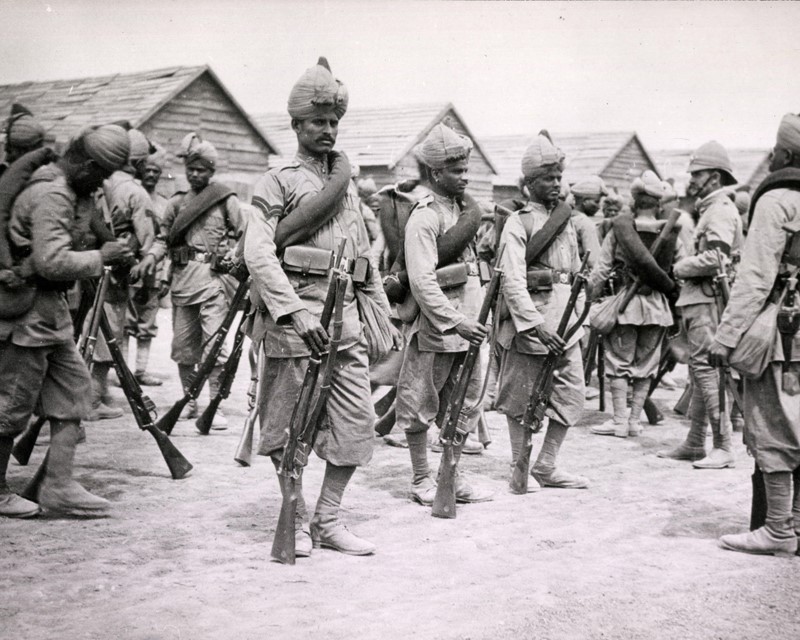
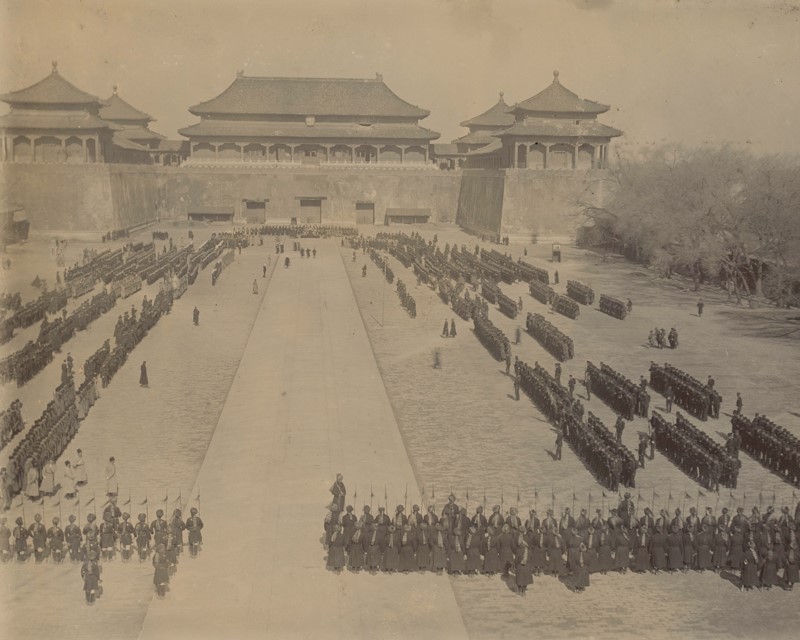
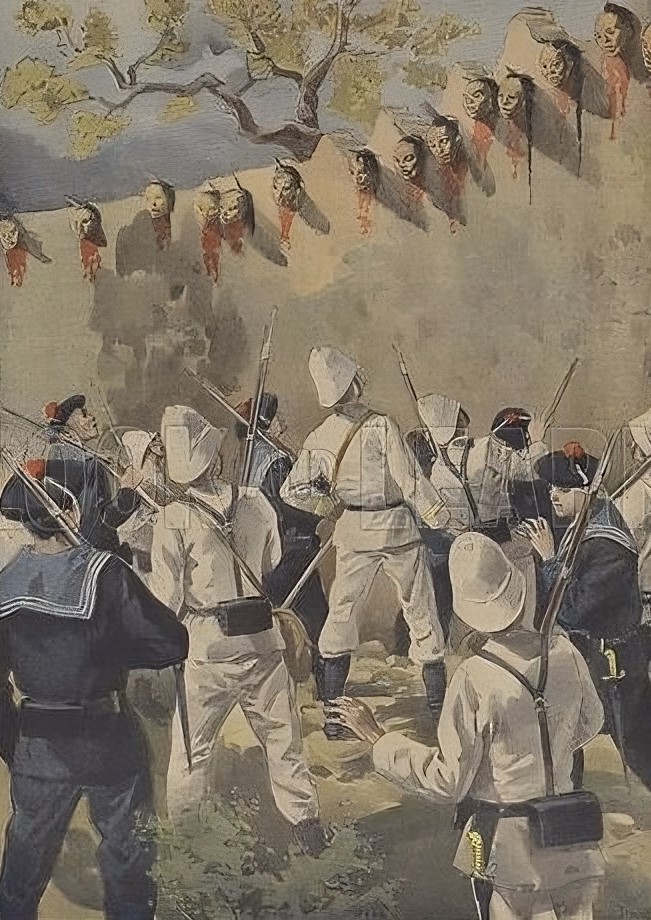
Soon after, a hunt for Boxers began throughout China. Tens of thousands of Boxer rebels were beheaded and hung on walls and trees. Foreign soldiers also plundered temples.
China had been ruled by the Qing Dynasty since 1644. Empress Cixi had despotically governed the empire since 1864.
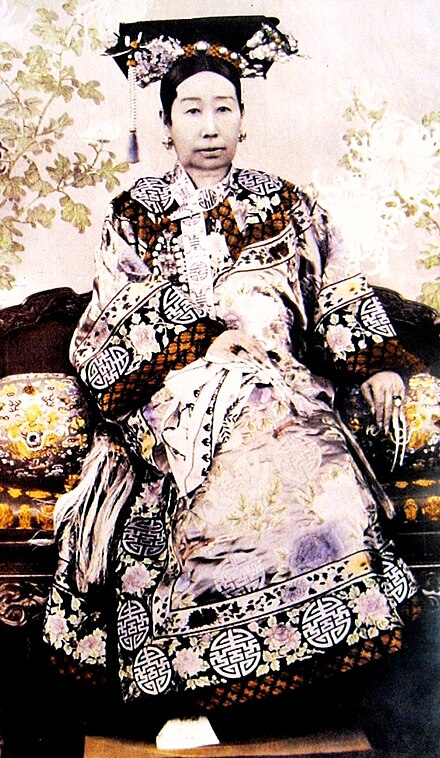
When Empress Cixi died on November 15, 1908, a bloody struggle began between monarchists and republicans. On October 10, 1911, the Republicans launched a revolutionary movement, protesting the sale of the railway project to foreigners. Sun Yat-sen ended the 2000-year-old empire and declared the Republic on January 1, 1912. To avoid civil war, he left the presidency to the powerful General Yuan Shikai. When Yuan Shikai died in March 1916, the era of Warlords began in China. China was fragmented into about thirty regions ruled by warlords. (Sun Yat-sen served as president for only two months in his lifetime.)
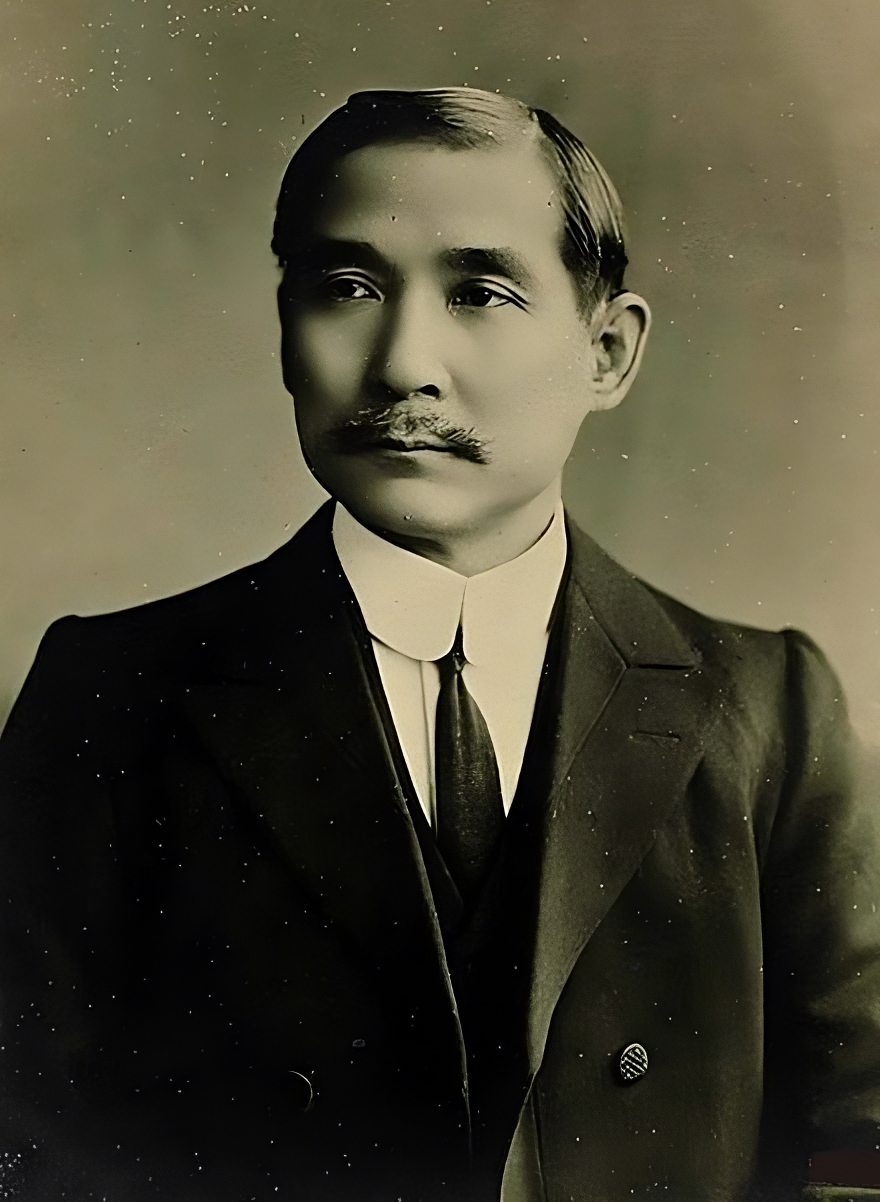

Sun Yat-sen in his youth (center)
On August 25, 1912, Sun Yat-sen founded the Kuomintang, or the Chinese Nationalist Party, based on three fundamental principles (Democracy-Nationalism-Welfare).
Each of the Warlords seized a region of China and declared himself "Emperor." Sun Yat-sen did not give up his struggle to unify China, but his efforts were cut short when he died of cancer in 1925. He was succeeded by his most beloved General, Chiang Kai-shek.
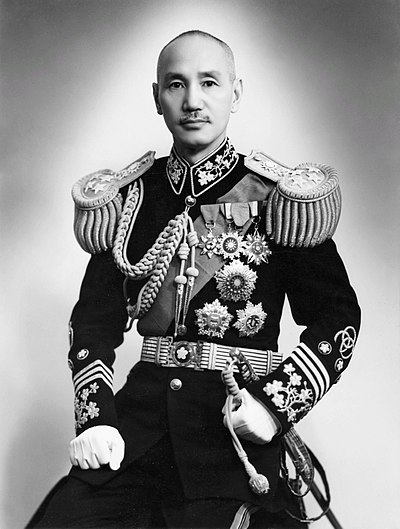

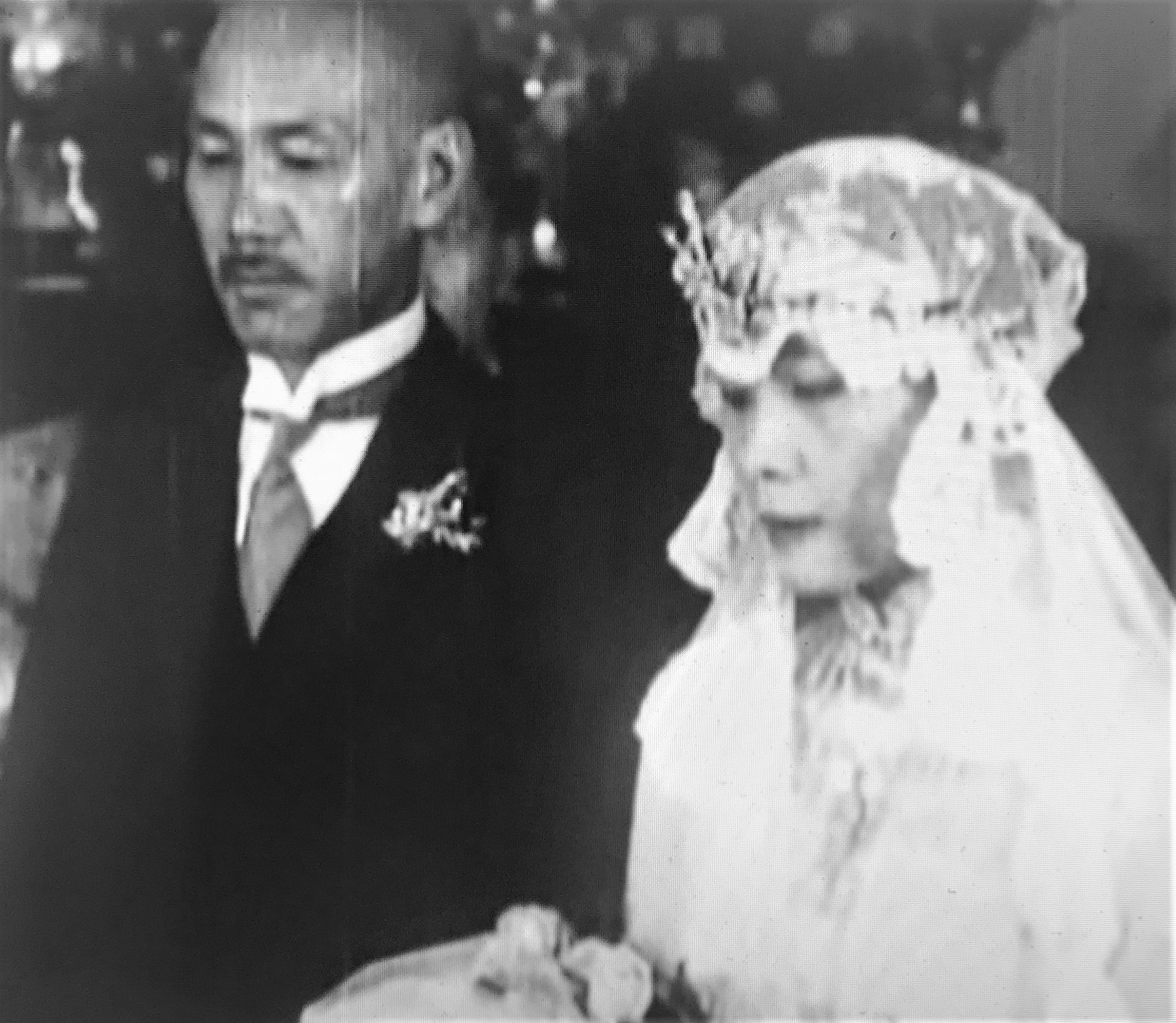
Chiang Kai-shek, who made his second marriage to Sun Yat-sen's American-educated sister-in-law Soong Mei-Ling, moved the capital from Beijing to Nanjing. Without delay, he launched a campaign against the warlords. Just as Chiang Kai-shek was about to unify China, he was confronted by the Communists, organized by Mao Zedong, supported by the Soviets, and gaining strength among workers in large cities. Chiang Kai-shek decided to preempt the Communists, carrying out a large massacre against them in Shanghai on April 12, 1927. Thus, a bloody civil war between Nationalists and Communists began in China, which would continue until 1949.
After this event, Mao Zedong changed his strategy, abandoned the big cities, and settled in small rural towns. However, when these cities were brutally bombed and Communist members were massacred, Mao Zedong retreated to the mountains, continuing his struggle among the poor peasants.

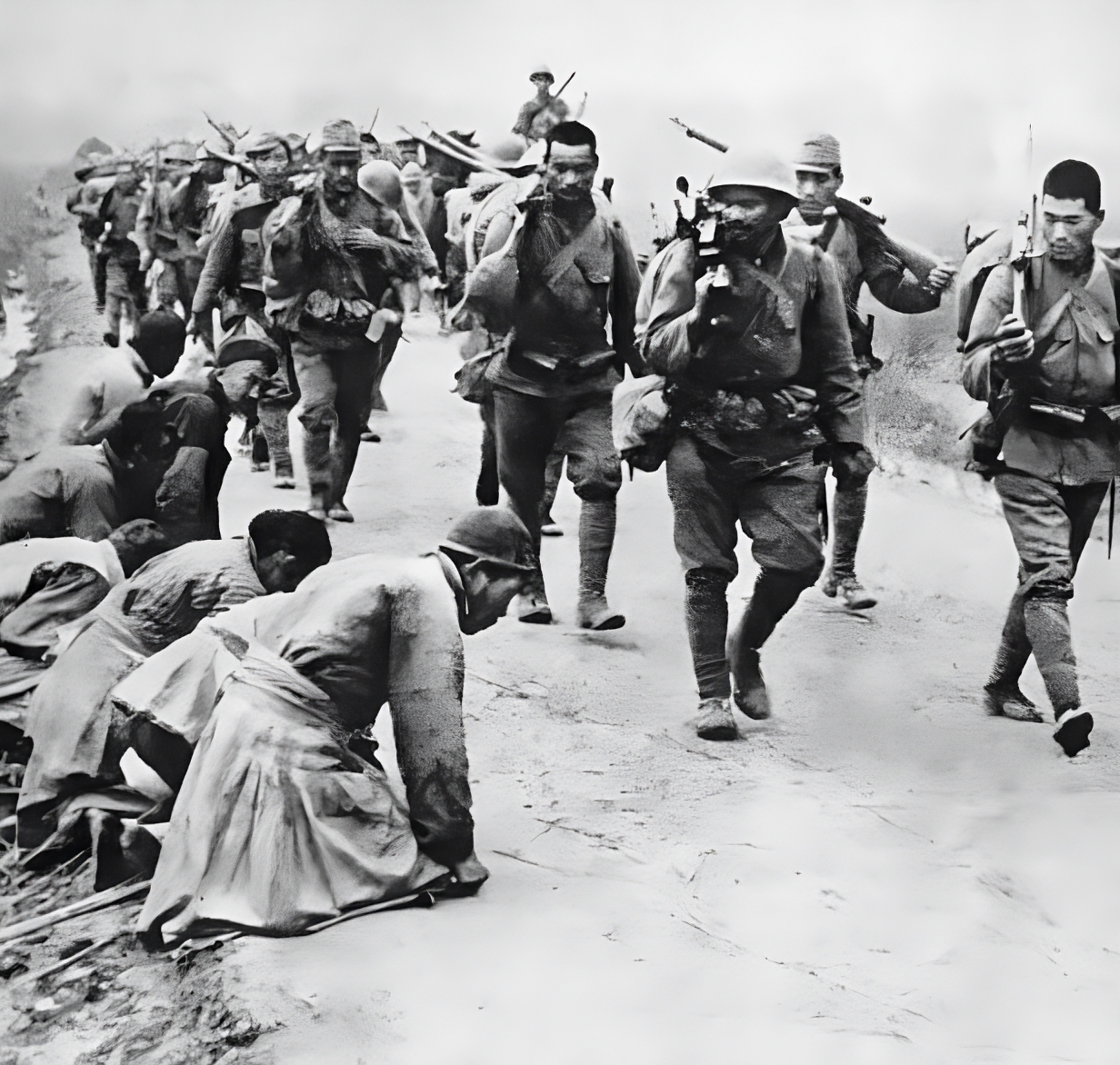
Manchuria, the northern region of China, was controlled by a warlord. He received support from the Japanese to resist Chiang Kai-shek. When the Japanese assassinated warlord Zuolin in a secret plot, his son took his place. However, the Japanese, anticipating that Chiang Kai-shek would intervene sooner or later, invaded Manchuria, which is twice the size of Turkey, on September 18, 1931. China was HUMILIATED again.
In 1937, Japan invaded Shanghai and Beijing, two of China's largest cities. China was HUMILIATED once more.
Mao Zedong won the civil war against Chiang Kai-shek and declared Communist China on October 1, 1949. Chiang Kai-shek took refuge on the island of Formosa, establishing the Republic of Taiwan.
After being humiliated for many years, the Chinese who seized power now began to HUMILIATE those who were not like them. The two main victims of this are the Uyghur and Tibetan peoples.
During the Cultural Revolution in 1966, mosques in the Uyghur country were closed, their language was banned, their religious leaders were forced into pig farming, they were prevented from going on Hajj, and Chinese people were settled in the Uyghur country. Thus, the Uyghur people were HUMILIATED.
Similarly, in the Tibetan country, the religion (Buddhism) and language of the people living there were banned, travel restrictions were imposed, and Chinese people were settled to disrupt the demographic balance. Thus, the Tibetan people were HUMILIATED.
CONCLUSION
Remember, if you ban and HUMILIATE a nation, religion, ethnic group, language, or culture, the day will inevitably come when that nation, religion, or ethnic group will take its revenge by HUMILIATING others. This is an unstoppable cycle of history.
The following two tabs change content below.