A Call for the Nobel: Chomsky and Beşikci
This article advocates for Noam Chomsky and İsmail Beşikci to be jointly nominated for the Nobel Peace Prize, highlighting their lifelong dedication to peace, justice, and human rights through their academic work and activism.

(A CALL FOR THE NOBEL PEACE PRIZE COMMITTEE)
(NOBEL BARIŞ ÖDÜLÜ KOMİTESİNE ÇAĞRI)
Dear Readers:
In today's world, I want to introduce you to two great SAGE INTELLECTUALS who have resolutely fought against the suppression, disregard, denial of individual and ethnic identities, and the obstruction of all kinds of freedoms, enduring all pressures for the dignity of the being called "human," and dedicating their lives to this cause: the American Jewish-born Noam Chomsky and the Turkish-born İsmail Beşikci. Both, through their work and messages, have extended far beyond their ethnic affiliations, becoming universal values enshrined in history.
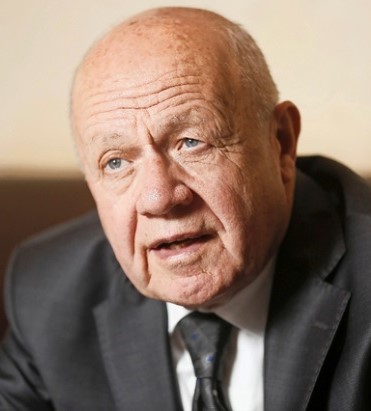
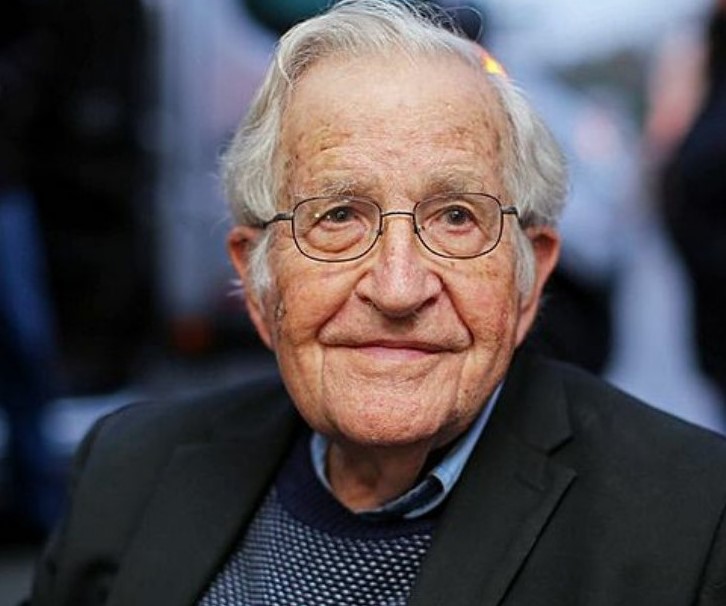
Today, the word "intellectual" is used indiscriminately; it has become a tradition to define every university graduate, academic, business person, in short, anyone who can speak well, as an "intellectual." Therefore, I want you to know that I have taken special care to distinguish Chomsky and Beşikci from this general definition by using the term "SAGE INTELLECTUAL."
“A CALL FOR MOBILIZATION FOR THE NOBEL PEACE PRIZE”
Nominating these two great, brave-hearted SAGE INTELLECTUALS simultaneously for the Nobel Peace Prize stands before us as a historical responsibility. As is known, members of parliament, academics, and certain special institutions have the right to apply to the Nobel Committee.
I especially want to call upon Kurdish members of parliament and academics: they should join hands, form a special committee, and implement a widely participatory application.
It should be the duty of all of us to nominate our esteemed professor İsmail Beşikci, who spent 17 years of his life in dark dungeons, for the Nobel Peace Prize, for his resolute struggle to defend Kurdish identity rights in particular and the free stance of scientists in general.
WHY SHOULD NOAM CHOMSKY BE NOMINATED FOR THE NOBEL PEACE PRIZE?
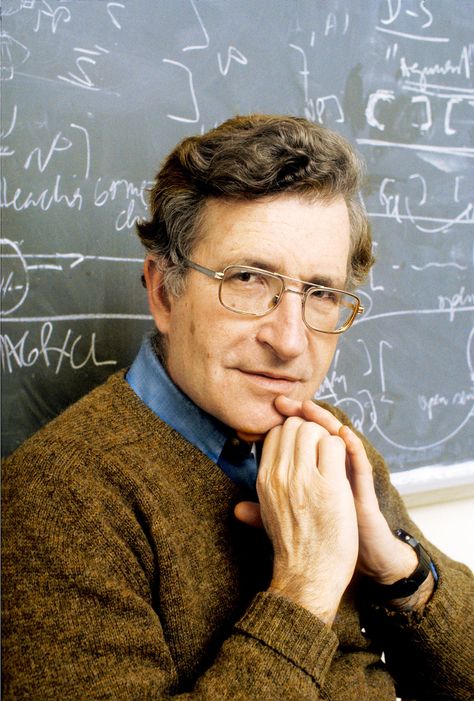
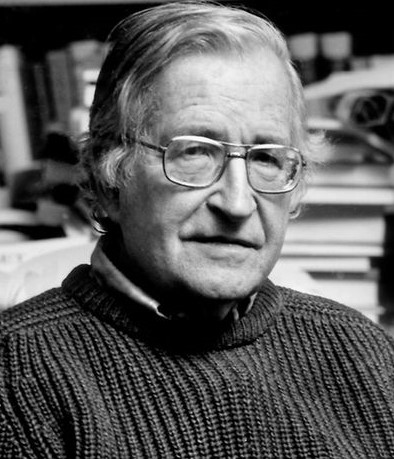
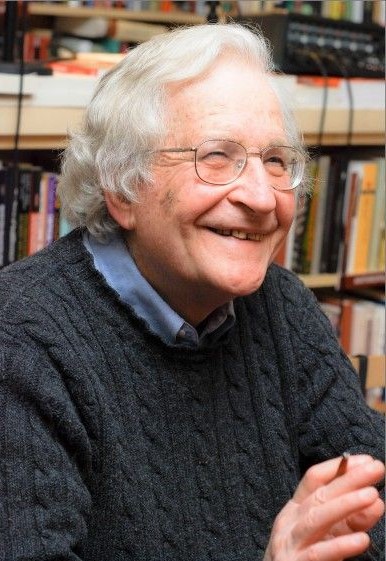
Noam Chomsky is considered one of the most influential thinkers of the 20th and 21st centuries for several reasons:
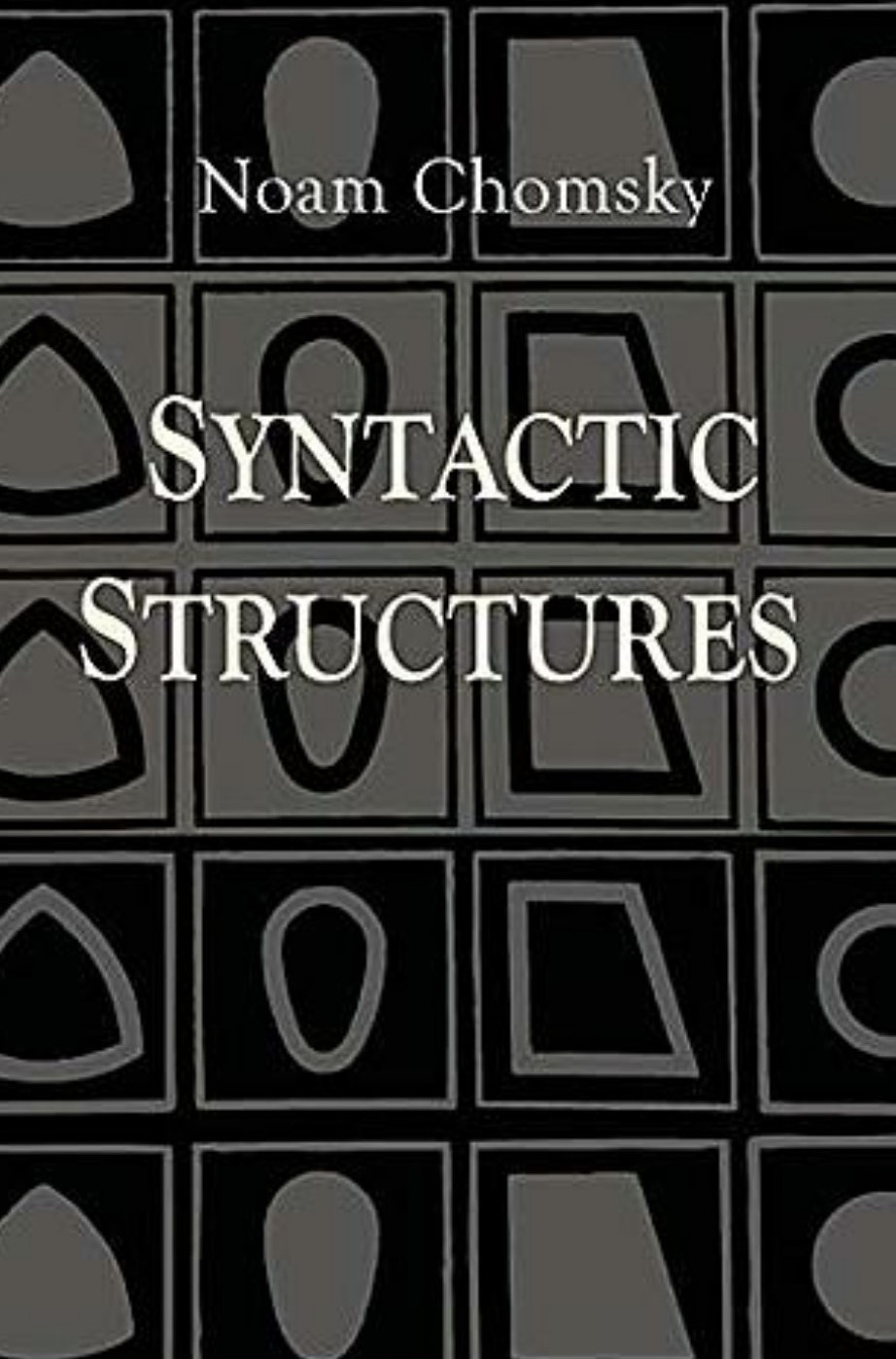
LINGUISTICS: Chomsky revolutionized the field of linguistics. Before Chomsky, behaviorism dominated linguistic theory. Chomsky challenged this view, which claimed that language acquisition was a result of habit and imitation, with his thesis of innate "universal grammar." His book "Syntactic Structures" (1957) introduced the concept of transformational-generative grammar. This approach proved that humans have an innate capacity for language acquisition. For this reason, Chomsky considered preventing children from being educated in their mother tongue to be the greatest crime against humanity.
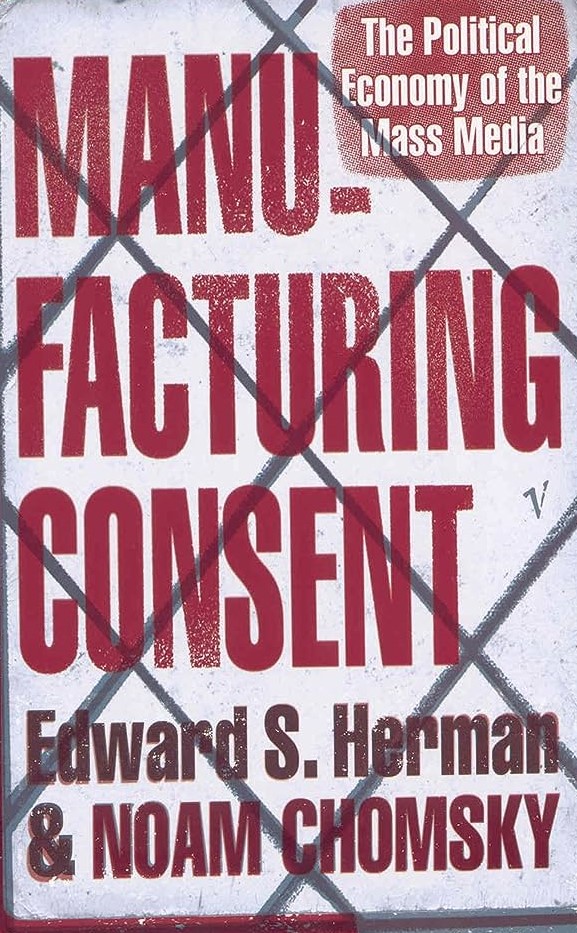
POLITICS AND ACTIVISM: Chomsky is known for his criticisms of U.S. foreign policy, the role of media, capitalism, and other socio-political issues. In his work "Manufacturing Consent," he clearly demonstrated how the media functions as a propaganda system, filtering uncomfortable truths and supporting a specific agenda.
PHILOSOPHY: Chomsky has contributed to philosophy, particularly in the areas of philosophy of mind and language. He has presented arguments against other prevalent theories in cognitive science.
CRITICISM OF BEHAVIORISM: In the 1950s, B.F. Skinner, a leading behaviorist, proposed that language was simply a product of conditioning. In his critique of Skinner's book "Verbal Behavior," Chomsky proved the inadequacy of behaviorist explanations for complex human behaviors, especially language acquisition.
ROLE IN PUBLIC DISCOURSE: Beyond academic circles, Chomsky is recognized as a public intellectual. He frequently gives speeches, writes articles, and grants a wide range of interviews.
LASTING LEGACY: Chomsky's ideas have stood the test of time and proven themselves. The theories he developed have also had a profound impact on fields such as psychology, cognitive science, philosophy, computer science, and artificial intelligence.
IN SUMMARY, Noam Chomsky's importance stems from his contributions to linguistics, his political discourse, his relentless criticisms, his active role, and his influence on various disciplines and public thought.
WHY SHOULD İSMAİL BEŞİKCI BE NOMINATED FOR THE NOBEL PEACE PRIZE?
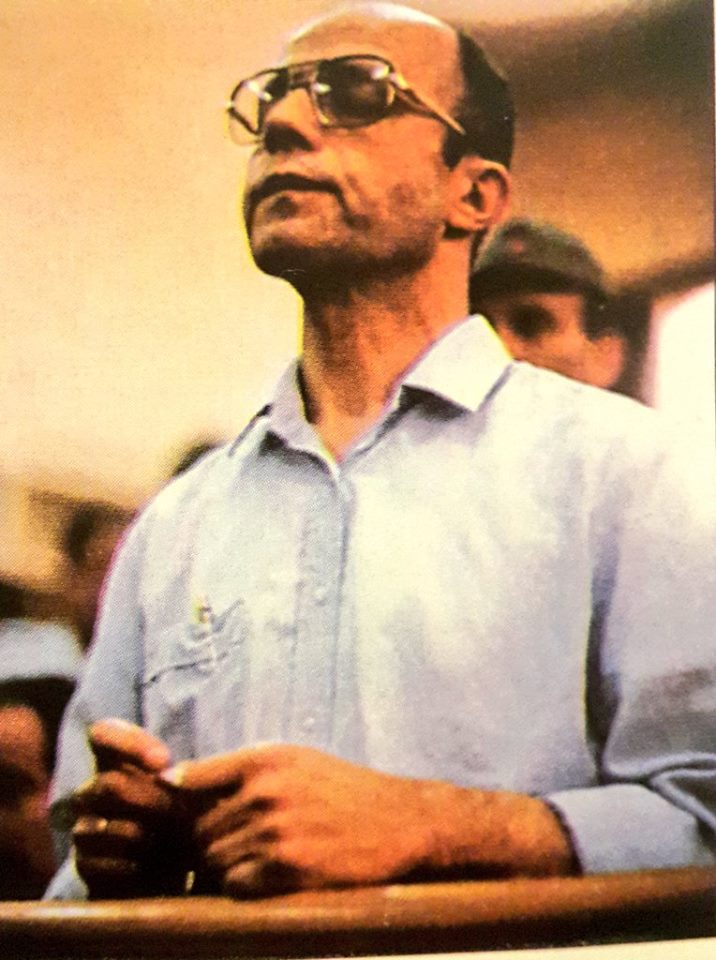
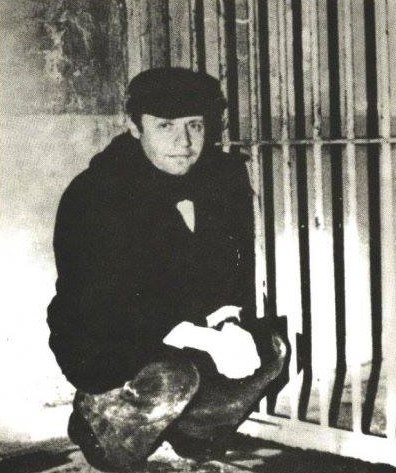

İsmail Beşikci is a Turkish sociologist, writer, and thinker. He is known for his work on the historical, social, and cultural situation of Kurds in Turkey. He is also recognized for his critical approach to the official ideology of Turkey, the Turkish-Islamic synthesis, and Kemalism.
Key turning points in Beşikci's life include:
ACADEMIC CAREER: He began his career as an assistant at Atatürk University's Faculty of Sociology in Erzurum in 1964. He was arrested and imprisoned many times due to his work on the Kurdish issue.
PRISON YEARS: İsmail Beşikci was imprisoned repeatedly for his books and articles. He spent a total of 17 years of his life in prison and faced more than 50 lawsuits.
WRITTEN WORKS: Beşikci's works primarily focus on the socio-cultural and historical situation of Kurds in Turkey. He also has many books criticizing Turkey's Kurdish policies and drawing attention to Kurdish rights.
APPROACH TO THE KURDISH ISSUE: İsmail Beşikci adopted a scientific approach to the Kurdish question. He examined the social and political problems faced by Kurds in Turkey from historical, sociological, and anthropological perspectives.
İsmail Beşikci has received numerous awards for his contributions to human rights and minority rights.
IN SUMMARY, İsmail Beşikci is an important academic and thinker known for his significant work shedding light on the Kurdish issue in Turkey and worldwide, and for his critical approach to this subject.
WHO IS NOAM CHOMSKY?
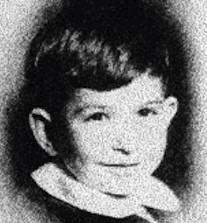
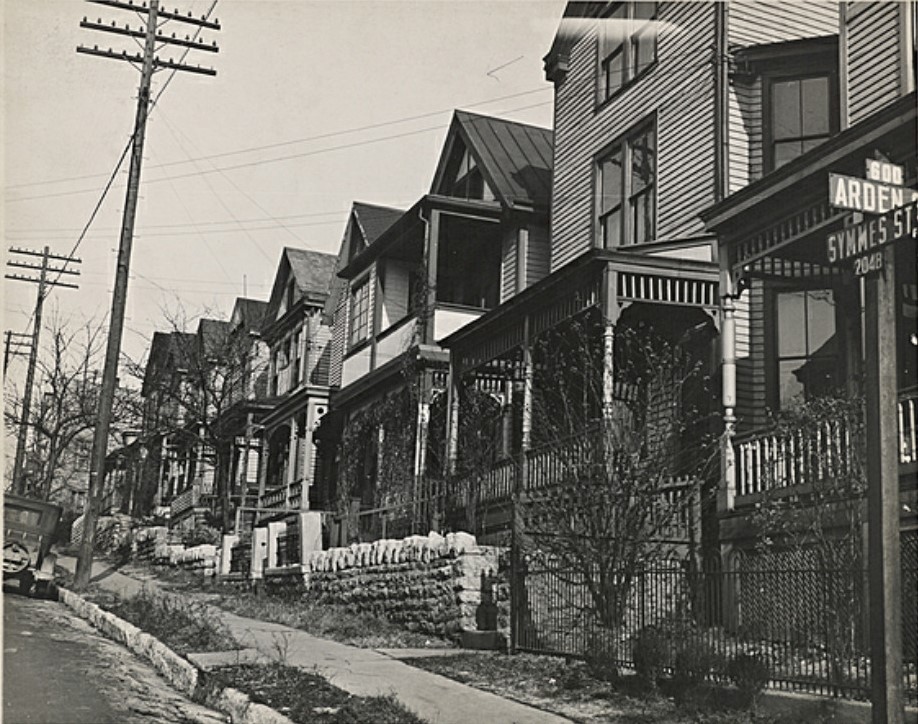
Avram Noam Chomsky, as he is officially known, was born on December 7, 1928, in Philadelphia. He is of Jewish descent on both his mother's and father's sides.
His father, Dr. William Chomsky, was born in 1897 in Kupel, present-day Ukraine, within the borders of Tsarist Russia. In 1913, to avoid military service, he immigrated from Tsarist Russia to the United States. He took on various difficult jobs in Baltimore. He found an opportunity to teach Hebrew at the Baltimore Hebrew Elementary School. It was during this time that he met Elsie Simonofsky.
Elsie Simonofsky was born in 1903 in Bobruysk, near Minsk, the capital of Belarus, within the borders of Tsarist Russia. Her family immigrated to the United States in 1906. William and Elsie met in Baltimore, married in 1927, and immediately moved to Philadelphia. Together, they taught at the Mikveh Jewish School. Dr. William became one of the world's leading researchers in Hebrew grammar.
Noam Chomsky began elementary school at the Jewish School where his father was the principal. Due to his Jewish background, he was ostracized and attacked in the neighborhood, which was densely populated by German and Irish immigrants. This situation would lead Chomsky to develop an interest in politics.
Chomsky describes his childhood as follows: "I was intensely reading 19th and 20th-century books written in Hebrew, found in my father's library. I spent most of my time at the Jewish School. In later years, I became a Hebrew teacher. My interest in politics developed, shaped by Zionist thought."
Chomsky completed high school at Central High School in Philadelphia. Between 1945 and 1950, he studied Linguistics, Mathematics, and Philosophy at the University of Pennsylvania. While continuing his university education, he also taught Hebrew at the Jewish School. As a university student, Chomsky, who had adopted socialist views, wanted to end his education and go to Palestine to establish a socialist society where Arabs and Jews could live together in peace.
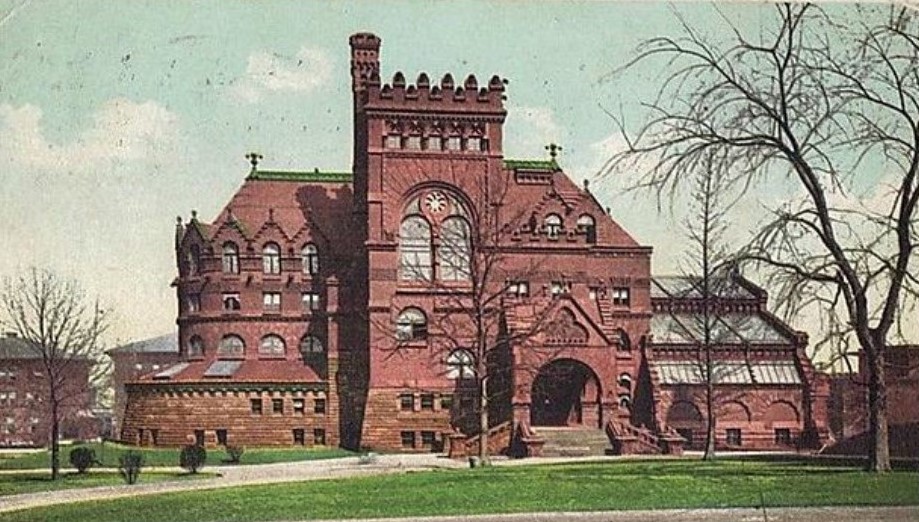
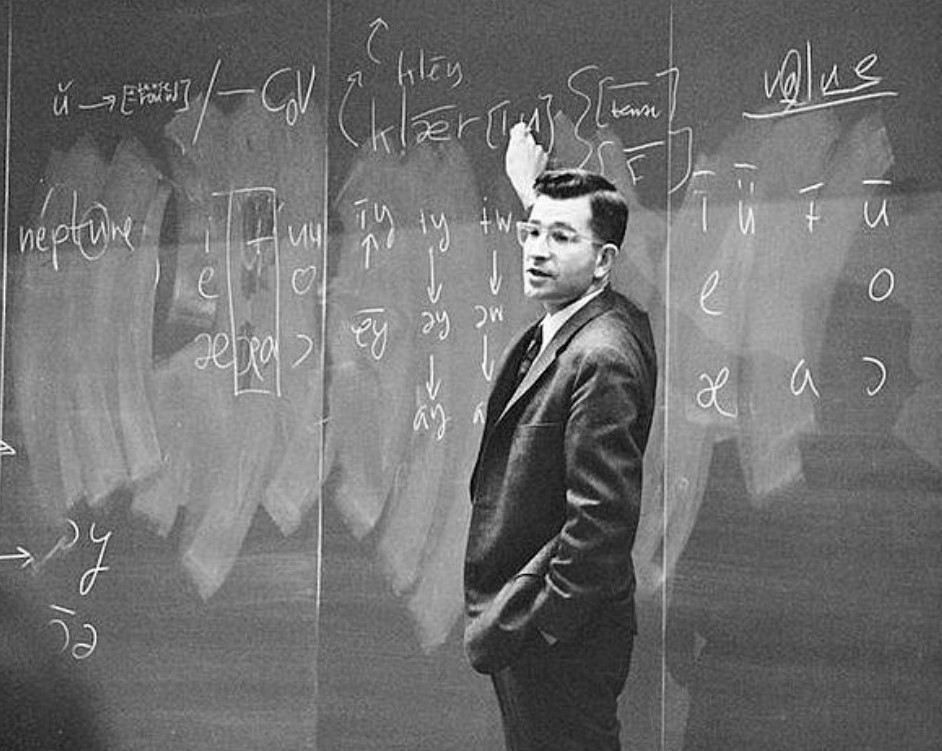
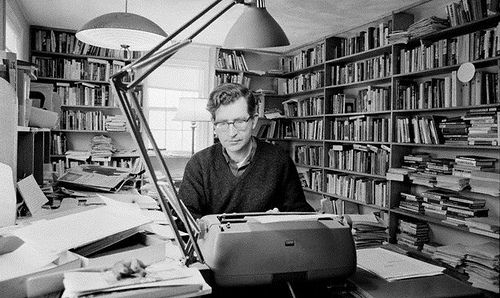
From his early years, Chomsky developed a special interest in linguistics. Between 1951 and 1955, he continued his education at Harvard University with a scholarship. He later completed his doctoral work at the University of Pennsylvania. He taught Linguistics, Cognitive Science, and Philosophy of Mind at MIT.
While continuing his linguistic research, Noam Chomsky became acquainted with the works of philosophers such as Descartes and Plato, thus developing a deep interest in philosophy.
According to Chomsky, language is an abstract and innately acquired phenomenon. Chomsky, who quickly gained international fame in the field of linguistics, stated that he owed this interest to his father, a Hebrew grammar expert.
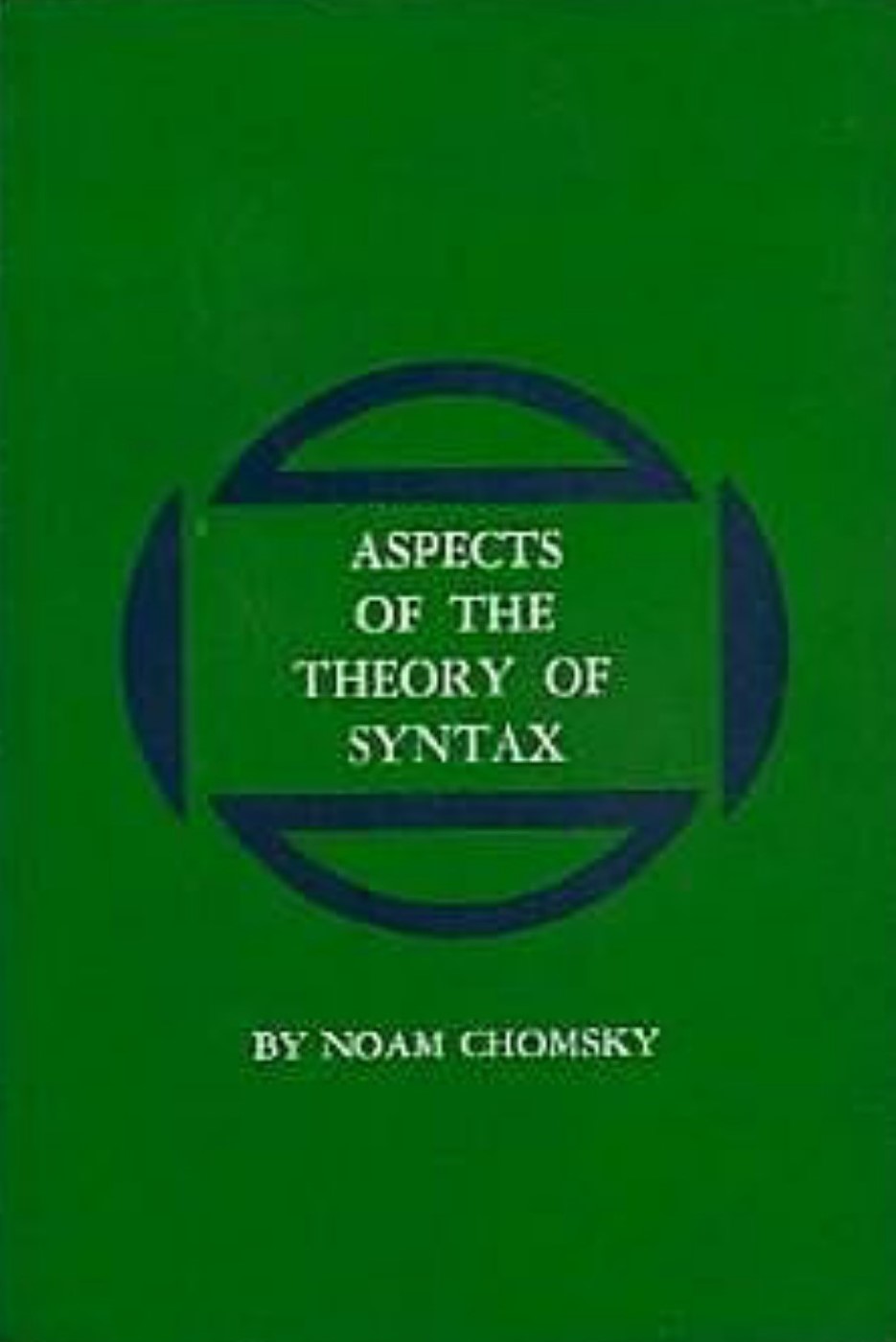
Using the method he called "generative grammar," he conducted a detailed analysis of natural languages. Chomsky successfully linked mathematics with linguistics. He expressed his views in his work "Syntactic Structures," published in 1957, and systematized them in his book "Aspects of The Theory of Syntax," published in 1965.
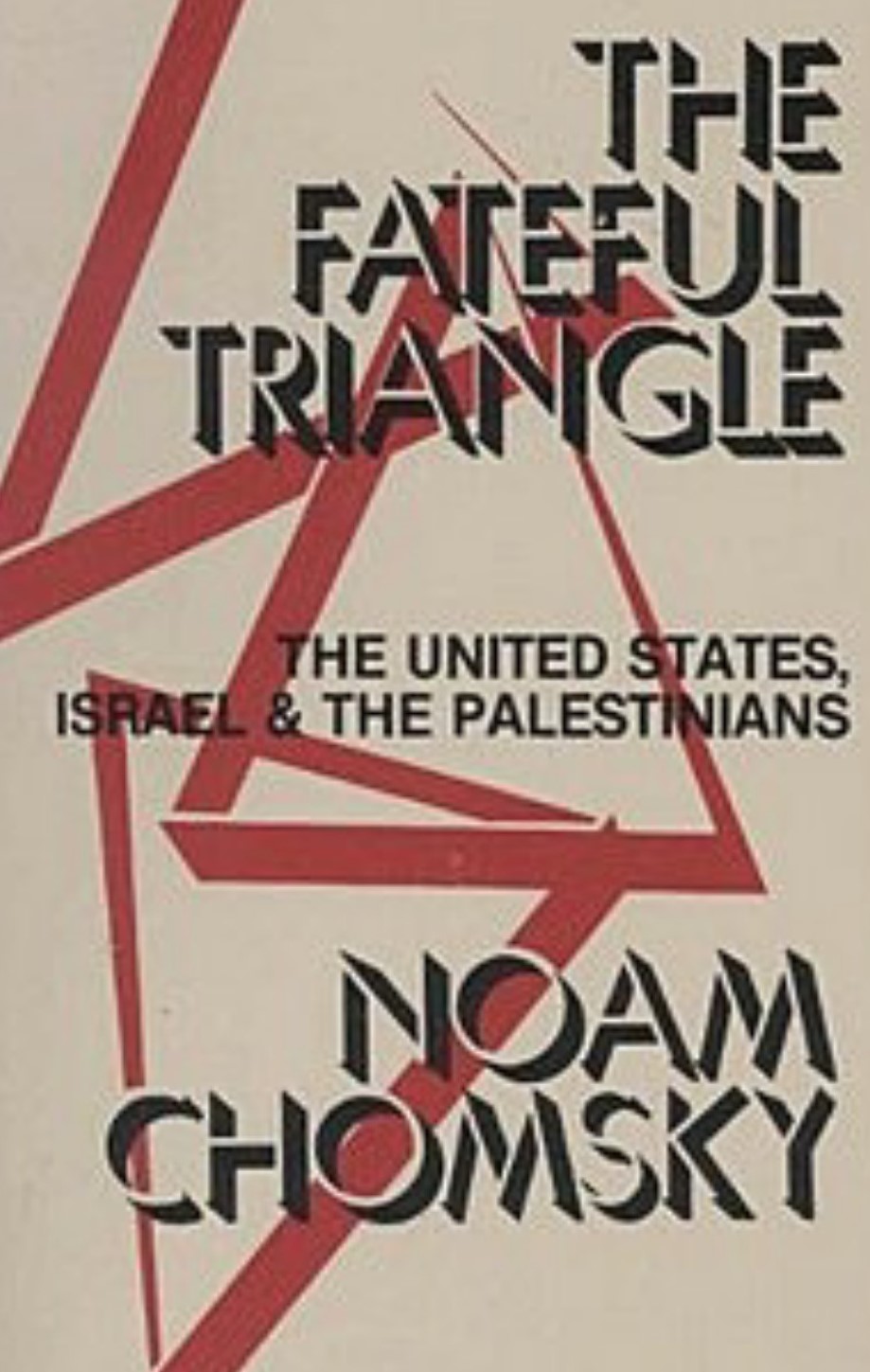
In addition to his work in linguistics and philosophy, Noam Chomsky has been involved in politics, gaining worldwide fame for his criticisms of U.S. foreign policy and economic policies since the Vietnam War. Chomsky, who sympathizes with the anarcho-syndicalist movement, holds the title of the most cited living person in the world.
In 1967, Chomsky published an essay titled "The Responsibility of Intellectuals." He called upon the media and academics to resist the government's pressures. Soon after, Chomsky succeeded in becoming the foremost critic of U.S. imperialism and the conscience of the people.
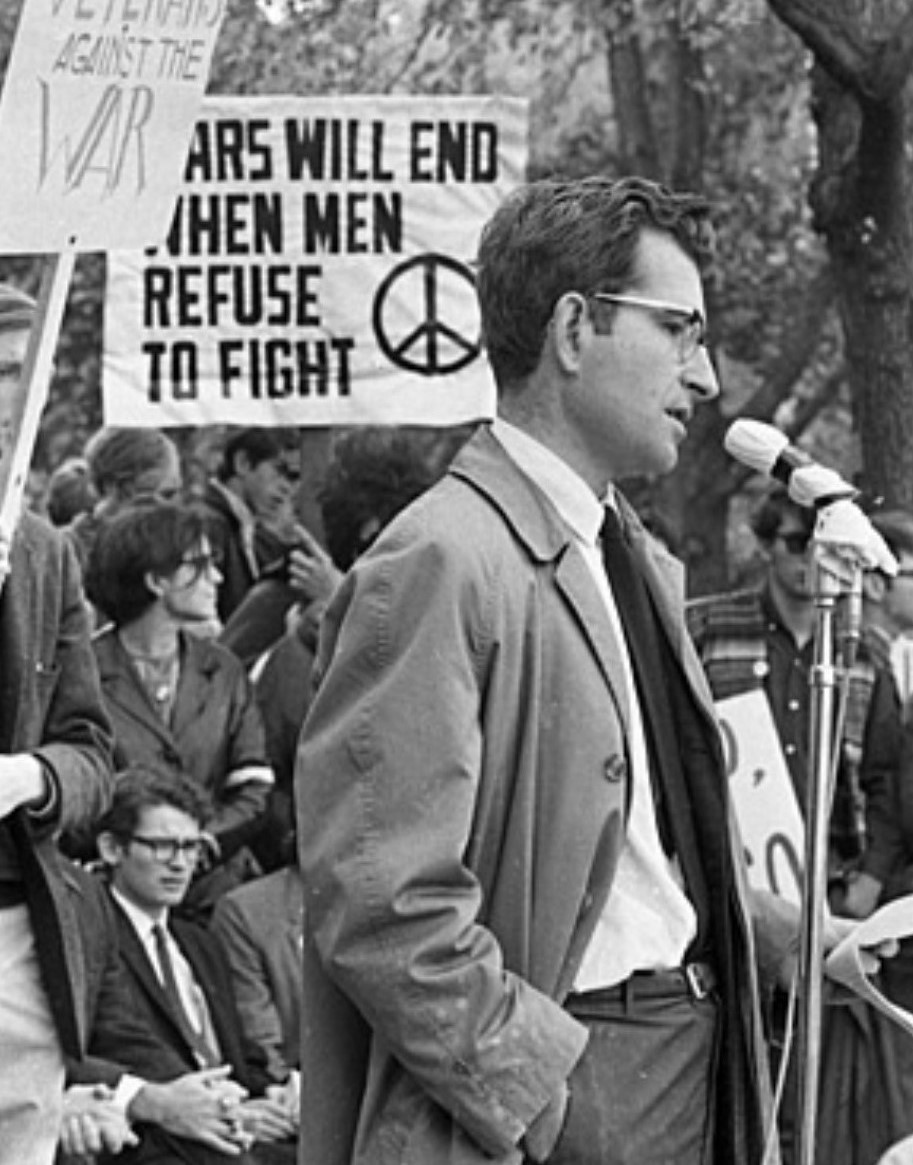
Chomsky states, "Every human being has the capacity to be either a religious saint or a ruthless monster; everything depends on us," expressing that human will forms the basis of both good and evil.
Invited to the United Nations General Assembly to comment on the Palestine and Israel issue, Chomsky said in his speech:
"Many problems in the world are so complex and intractable that they leave one with no desire to take even a small step to end them."
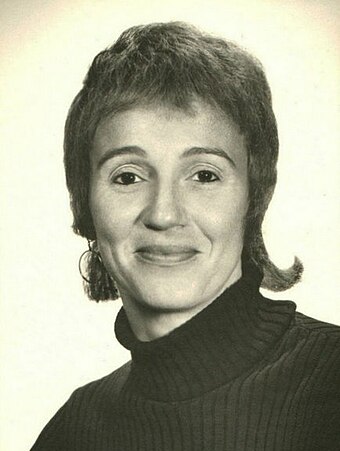
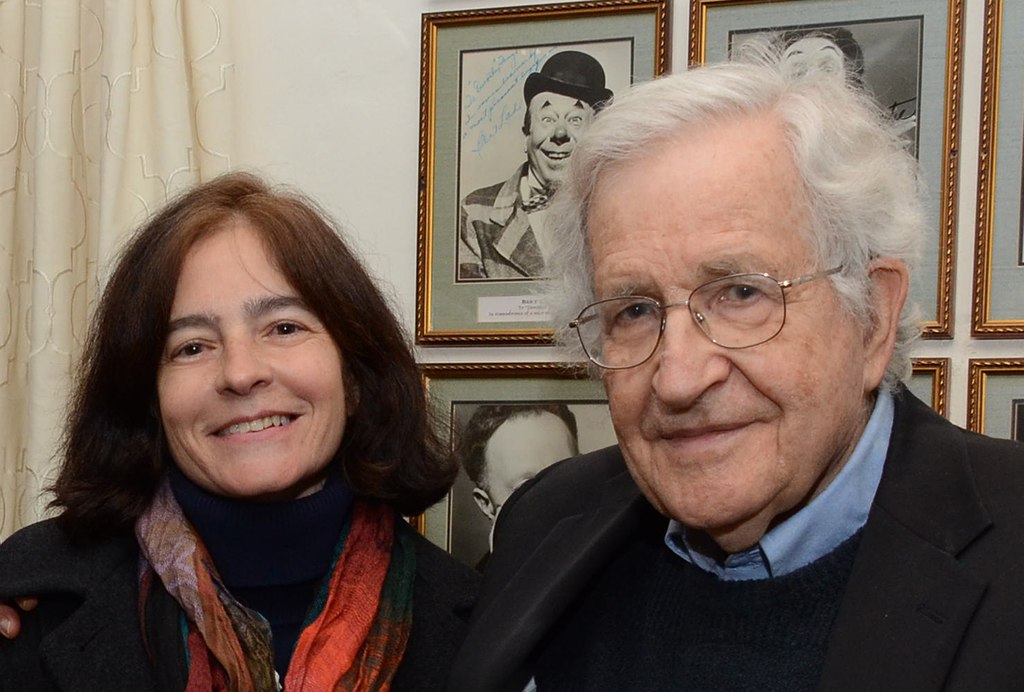
Following in his father's footsteps, Chomsky defines the individual's duty as follows:
"Ideal individuals are those who strive to remain free and independent in their thoughts, are interested in improving and developing the world, and try to make life more meaningful and valuable for everyone."
WHO IS İSMAİL BEŞİKCI?
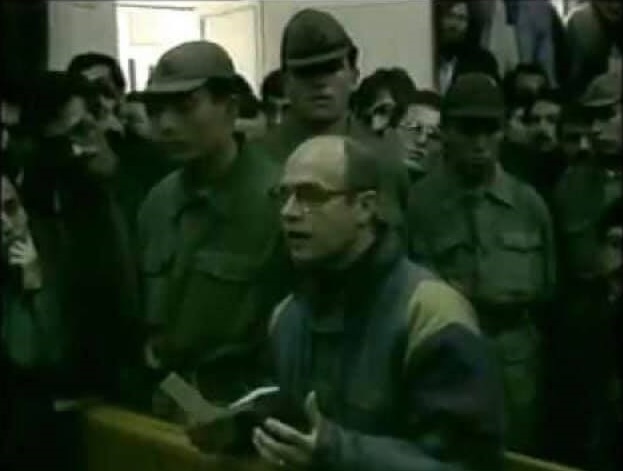
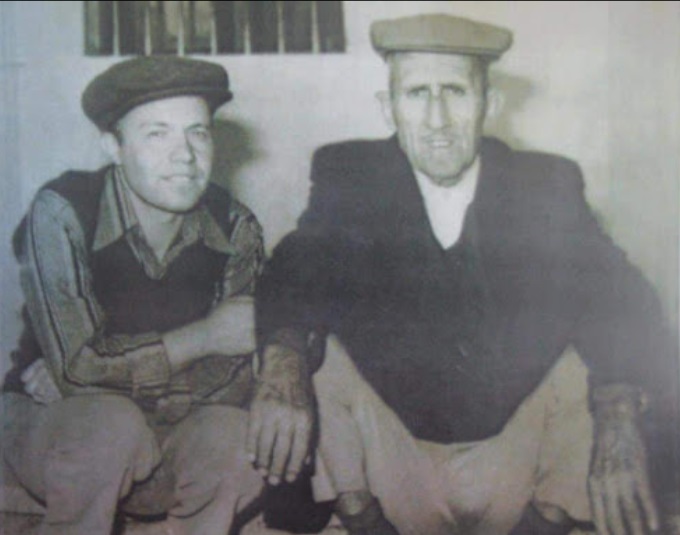

If there is an adage that says, "A pen is worth a world," Mr. İsmail Beşikci is the finest example of it.
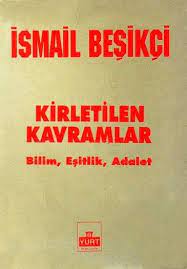
İsmail Beşikci grew up in a family of Turkish origin. He took his first small step while working as an assistant at Erzurum Atatürk University. He applied the objective methods of sociology to one of the nomadic Kurdish tribes in Eastern Anatolia and published his impactful doctoral thesis titled "A Sociological Study on the Alikan Tribe." Soon after, he realized he was facing a colossal problem. The intricate nature of the Kurdish Question, which no one had dared to voice or write about for years, piqued his interest, and he began to analyze the problem in all its dimensions through deep analyses.
Undeterred by the academic prejudices and obstacles surrounding him, he published his books one after another. The Kurdish Question had now acquired an understandable essence. With the courage, determination, and persistence of a scientist, he continued his work.
Of course, the official view and established values had no tolerance for Mr. Beşikci. He was dismissed from the university. Prison then became İsmail Beşikci's natural habitat. He entered and exited prison repeatedly. He spent 17 years of his life in prison.
Beşikci did not tire within four walls. He did not give up. He did not remain idle. He continued to put his thoughts on paper. Despite all prohibitions, his 36 books, like snowdrop flowers, broke through the snowdrifts covering them and reached his readers.
He is now an institution in himself and the most authoritative figure in his field. He crowned his struggle by establishing the İsmail Beşikçi Foundation, thereby leaving a spiritual legacy to students and scientists working on the Kurdish issue. Kurds nicknamed this fearless, unyielding, brave man "Sarı Hoca" (Yellow Teacher). Today, the Kurdish Question has largely matured and become known worldwide, thanks to Sarı Hoca's determined stance, which, with immense effort, illuminated the surrounding pessimism within the cold walls of prisons with the light of science.
Brief Biography
İsmail Beşikci was born on January 7, 1939, in Çorum. His mother's name is Zahide; his father's name is Hüseyin. He belongs to a family with four children, one of whom is a girl.
His father attended Rüştiye (junior high school) in İskilip in 1918. In 1922, he went to the front, but the war had ended. Hüseyin Bey worked as a teacher in İskilip center and villages in 1923 and 1924. He continued this profession until 1928. When the alphabet reform occurred, he could not adapt to the new script and left teaching in 1930. He continued to earn a living by opening a grocery store.
Beşikci completed primary and secondary school in İskilip. He went to Çorum to attend high school. In the 1954/55 academic year, he stayed in an inn known as "İskilip Hanı," where merchants lodged, to attend high school in Çorum. In later years, he completed his high school education by renting a house with friends. In 1958, he was admitted to Ankara University's Faculty of Political Sciences.
Beşikci first met Kurds in 1961 in Elazığ, where he went for an internship as a third-year student at the Faculty of Political Sciences.
He graduated from the Faculty in 1962. He worked as a civil servant in Çorum for three months. He began his military service at the Tuzla Infantry School in Istanbul. He went to Bitlis in March 1963 for his unit service. In April, he had the chance to meet Kurdish nomads in Bitlis, who would later become the subject of his doctoral thesis.
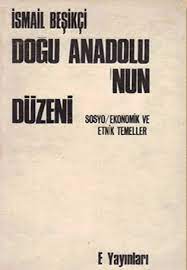
After military service, he was appointed as a civil servant to Hozat. He passed the entrance exams and started working as an assistant at Erzurum Atatürk University in 1964. His employment was terminated in July 1970 due to his book "The Order of Eastern Anatolia" and other writings. The Council of State issued a stay of execution, but it was not implemented. He began working as a lecturer at Ankara University's Faculty of Political Sciences.
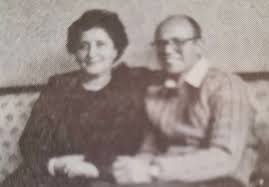
Beşikci was arrested on June 19, 1971, due to the case in Erzurum and imprisoned in Diyarbakır Prison. He was released with the General Amnesty of 1974.
He participated in the establishment of Komal Publishing House. In 1975/76, he published his books "Scientific Method" and "Beşikci File." In 1979, he was arrested again for his book "The Forced Resettlement of Kurds" and imprisoned in Istanbul Toptaşı Prison. In late August 1980, he was exiled to Sakarya. Beatings and torture followed one another. The torturers were shouting, "Break his fingers, so he can't write again." On the night of September 4, Beşikci's condition worsened.
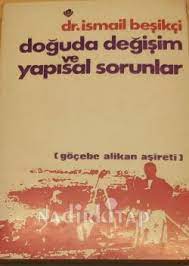
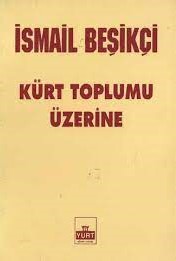
He was released on April 12, 1981, but was arrested again shortly after on May 13, 1981. This time, the reason was an article he had written while in Sakarya prison. The article had been prepared but not published. He was imprisoned in Gölcük prison. When the sentence became final, he was transferred to Çanakkale. He also spent some time in Gaziantep prison. In May 1987, he was released from Gaziantep. Beşikci could not escape arrests. This time, he was arrested again in 1989 for an article published in the magazine "Özgür Gelecek" (Free Future). In 1990, he was imprisoned in Istanbul Sağmalcılar prison for his books. In 1991, he was in Ankara Ulucanlar. He was released three months later. In 1993, he was arrested in his birthplace, İskilip.
İsmail Beşikci was arrested countless times, spending 17 years of his life in Turkish prisons.
İsmail Beşikci's prison record:
Istanbul 09.1979 / 19.03.1990 /08.1996
Sakarya 09.1980 / 02.1981 / 22.06.1981
Gölcük 08.1981
İzmit 09.1982
İskilip 11.1993
Ankara 19.06.1971 /19.06.1981 /03.1991 /08.1991 /10.1991 /03.1992 /09.1992/02.1993
Çanakkale 10.1982
Bursa 10.1996 / 15.09.1999
Adana 07.1973
Gaziantep 11.1984
Diyarbakır 06.1971 /03.1973
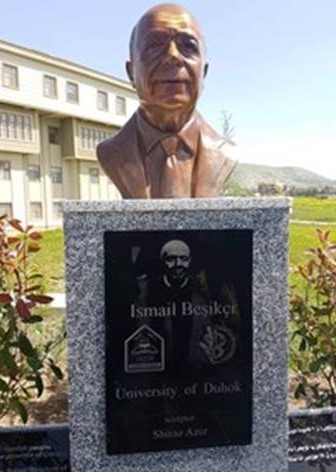

Statue of İsmail Beşikci at Duhok University / Mesut Barzani pinning an honorary badge on İsmail Beşikci
(Note: Our professor's surname in the population registry is "BEŞİKCİ".)
WHO CAN NOMINATE FOR THE NOBEL PEACE PRIZE?
- Members of national assemblies (parliamentarians) and national governments (cabinet members / ministers) of sovereign states, as well as current heads of state.
- Professors of history, social sciences, law, philosophy, theology, and religion; university rectors and university directors (or equivalents); directors of peace research institutes and foreign policy institutes.
- Members of the International Court of Justice in The Hague and the Permanent Court of Arbitration in The Hague.
- Members of the Institute of International Law.
- Members of the International Board of the Women's International League for Peace and Freedom.
- Individuals who have been awarded the Nobel Peace Prize.
- Members of the main boards or equivalent organizations of institutions that have been awarded the Nobel Peace Prize.
- Current and former members of the Norwegian Nobel Committee (proposals to be submitted by current members at the first Committee meeting after February 1st at the latest).
- Former advisors to the Norwegian Nobel Committee.
https://www.nobelpeaceprize.org/nobel-peace-prize/nomination/nomination-form
The Nobel Committee is obliged to keep the identities of nominators confidential for 50 years. The application deadline is midnight on January 31, 2024.
MY SAMPLE LETTER
The Nobel Peace Committee
The Norwegian Nobel Institute
Henrik Ibsens Gate 51
0255 Oslo, Norway
Dear Members of the Nobel Peace Committee,
I hope this letter finds you well. I am writing to introduce two remarkable individuals who, in my belief and that of many around the world, encapsulate the spirit of the Nobel Peace Prize: Professor Noam Chomsky (USA) and Dr. İsmail Beşikci (Turkey).
PROFESSOR NOAM CHOMSKY
Noam Chomsky, a prominent linguist, philosopher, and political activist, has been at the forefront of various socio-political movements and critiques of U.S. foreign policy, media, and corporate power. I believe that he deserves the Nobel Peace Prize for various reasons:
Lifelong Commitment to Peace and Social Justice: Over the years, Chomsky has been a consistent voice advocating for peace, challenging the establishment, and pointing out instances where power and control mechanisms have led to war, conflict, and social injustice.
Critique of Media: Chomsky, along with Edward S. Herman, co-authored “Manufacturing Consent: The Political Economy of the Mass Media,” which outlines how media serves the agendas of the elite, particularly in the context of war propaganda.
Critique of U.S. Foreign Policy: Chomsky has been a vocal critic of U.S. foreign policy, highlighting its role in instigating conflicts, overthrowing democratically elected governments, and supporting dictatorships.
Promotion of Human Rights: Throughout his career, Chomsky has been a staunch defender of human rights, highlighting abuses around the world, including those perpetrated by powerful nations or institutions.
Influence and Reach: Chomsky’s books, lectures, and interviews have influenced generations. His work has been translated into multiple languages, expanding his reach and impact globally.
Contribution to Linguistics: Although the Nobel Peace Prize specifically rewards efforts towards peace, it’s worth noting Chomsky’s revolutionary contributions to the field of linguistics. His theory of transformational-generative grammar has reshaped our understanding of language, cognition, and the human mind.
Public Intellectualism: Chomsky’s role as a public intellectual has helped bring complex issues of politics, power, and control to a broader audience. He is known for his ability to break down complex issues and present them in an understandable manner.
Activism: Beyond writing and speaking, Chomsky has been involved in numerous activist causes, lending his voice and influence to efforts aimed at social justice, environmental sustainability, and global peace.
Therefore, his lifetime of work in promoting peace, justice, and a deeper understanding of power dynamics in the world makes him a significant candidate in the eyes of many.
DR. İSMAİL BEŞİKCI
İsmail Beşikci, a prominent Turkish sociologist, writer, and intellectual, has dedicated much of his life to the Kurdish issue in Turkey. His work has led to significant attention both nationally and internationally. Here are some reasons that I think that İsmail Beşikci deserves the Nobel Peace Prize:
Championing Kurdish Rights: Beşikci has been a steadfast advocate for the rights of Kurds in Turkey. He has consistently challenged the official state narrative that denies the existence of a distinct Kurdish identity in Turkey.
Scholarly Work on the Kurds: Beşikci’s sociological research and writings have shed light on the conditions and struggles of the Kurdish people. His work is considered some of the most comprehensive scholarly research on the Kurds.
Personal Sacrifice: Beşikci has faced severe personal consequences for his work. He has been imprisoned for a significant portion of his life (over 17 years in total) because of his writings and his advocacy for Kurdish rights. Despite this, he has remained committed to his beliefs and has continued to write and advocate for the Kurdish cause.
Critique of Turkish State Policies: He has been a critic of assimilationist policies of the Turkish state towards the Kurds. He has highlighted systemic repression, cultural erasure, and denial of the Kurdish identity.
Promotion of Peace and Reconciliation: Beşikci’s work isn’t just about highlighting the issues. He also promotes peaceful coexistence, dialogue, and understanding between Turks and Kurds.
Influence: Despite state suppression, Beşikci’s work has been influential both inside Turkey and internationally. He has become a symbolic figure representing peaceful resistance, intellectual courage, and the fight for minority rights.
Commitment to Intellectual Honesty: İsmail Beşikci has been lauded for his commitment to intellectual honesty and rigor. Even when his conclusions were not popular or led to his imprisonment, he never wavered in his dedication to truth and justice.
İsmail Beşikci’s persistent efforts to shine a light on Kurdish issues in Turkey and promote peace and dialogue make him a deserving candidate for The Nobel Peace Prize.
THEREFORE;
It is my belief that Professor Chomsky’s and Dr. İsmail Beşikci’s consistent and brave commitments to truth, peace, and justice aligns profoundly with the ethos of the Nobel Peace Prize. I humbly ask the committee to consider both scholars’ lifelong contributions in your deliberations for the esteemed award in 2024.
Thank you for your time and consideration.
Warm regards,