Revolution and Love at ITU
The author reflects on his student days at Istanbul Technical University (ITU) in the 1970s, a period marked by political turmoil, revolutionary fervor, and unrequited love.
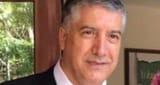
Dear Readers,
The other day, as I was quietly working, my wife Şeval interrupted me: "Today is February 28th. It's Deniz Gezmiş's birthday."
To capture the spirit of the time, my mind delved deep. I tried to bring my university days, lost in the mists, into the light with great effort, like drawing water from a well. Memories were buried deep. Pains, hardships, lost years, resilient hopes, and innocent loves trapped in our minds…
***
History would know us as the '78 Generation, but no one would know the excitement within us, the flickering hopes, the loves that pursued us in our dreams.
Sometimes we were like a roaring lion, flowing like a flood into the streets, shouting revolution; sometimes we were waiting in our beds for the task that the revolution, which we believed was approaching step by step, would give us, with endless dreams that kept us awake; sometimes we were crushed and writhing under the weight of our loves, buried in our hearts and turned into a mystery…
History knew us as the '78 Generation and then forgot us.
***
The year is 1976. How can I forget my first day at ITU? Three friends and I were staying together in a small room belonging to a Greek aunt in Erenköy. It was the day university education was to begin. We boarded the train from Erenköy. We crossed the Bosphorus and arrived at the Gümüşsuyu Campus by bus. The friend who had been accepted into the Faculty of Civil Engineering left us, taking the side paths towards the Taşkışla Campus. İhsan was a second-year student at the Faculty of Naval Architecture. We entered the main gate of ITU together. İhsan's friends came up to us: "We got news. The fascists are coming in a large group. They want to occupy the faculty. Don't leave our side."
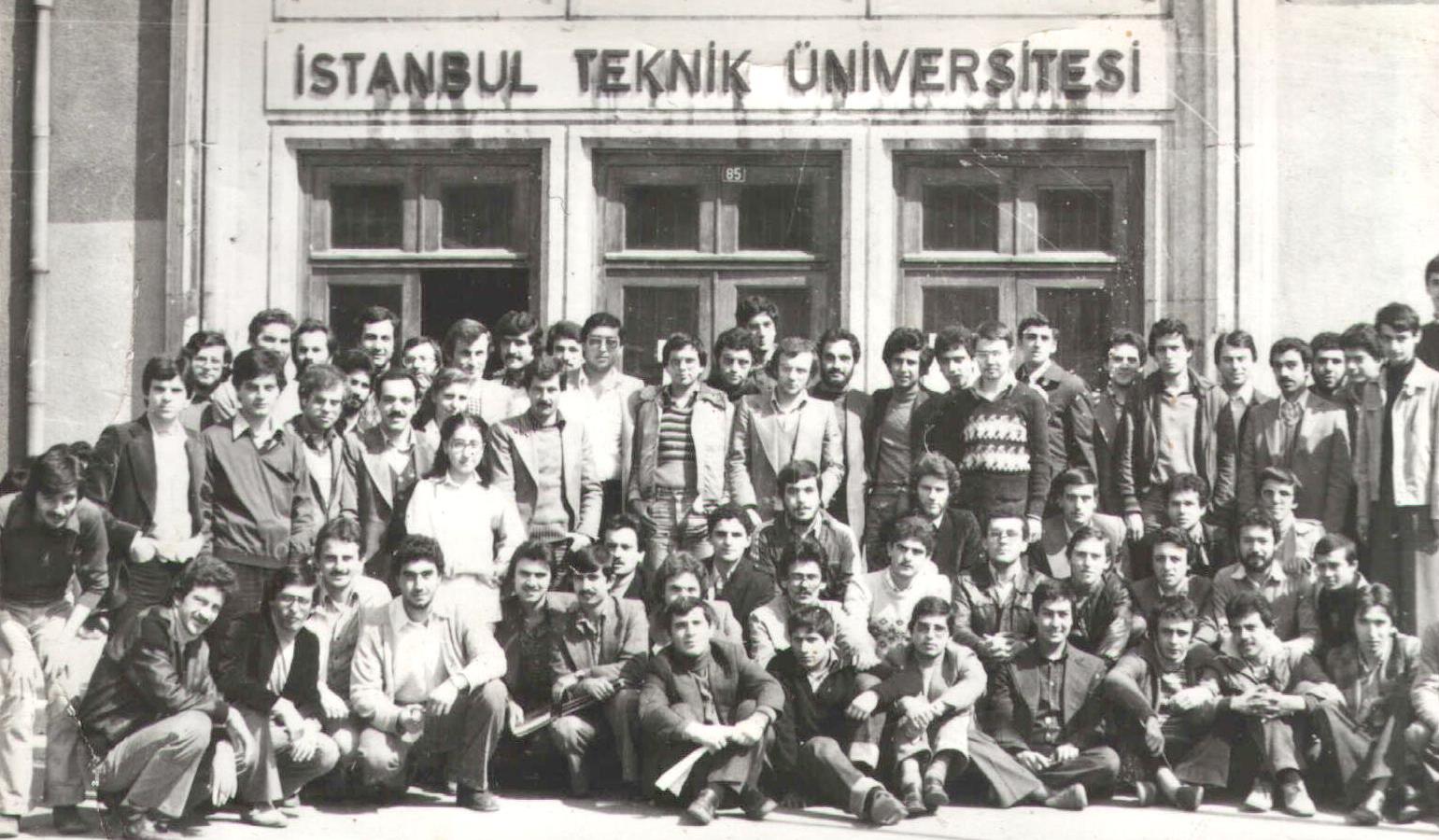
With my classmates in front of the entrance gate of ITU's Gümüşsuyu Campus (I am at the very back)
I have a small bag in my hand. A notebook and a pen in the bag. I can't go to class. I'm waiting next to İhsan. The newly enrolled students are passing by us, excitedly flocking to their classes, but we, a group of 20-30 people, are standing guard at the end of the corridor. We won't let the Ülkücüs (Nationalist Action Party supporters) in. Someone shouted from afar: "Comrades, the fascists are coming!"
The increasingly loud slogans of "Down with the Communists" fill my heart with dread… The three or four police officers at the door can't do much. The Ülkücüs quickly enter. We lock arms, shouting "Down with Fascism." The Ülkücüs came prepared. They pull out their hidden sticks, chains, and weapons. While the mutual shouting continues, the Ülkücüs attack with slogans. As a revolutionary group, we retreat in panic along the long corridor.
At that moment, the bag in my hand fell to the ground. İhsan looks around, searching for something like a stick he can get his hands on, but in vain… A brave Ülkücü lunged forward with a pistol in one hand and a stick in the other, cursing and moving towards us. We hesitate between resisting and not resisting.
The end of the corridor opens like a "T" to the right and left. The corridor to the left leads to the cafeteria, the Faculty of Basic Sciences, and Naval Architecture; the corridor to the right leads to the classrooms of the Faculty of Electrical Engineering…. As the Ülkücüs' attack intensifies, İhsan and I go up the stairs to the second floor. In a desperate rush, we burst into an amphitheater. A huge amphitheater (classroom)… The rows are arranged in a semicircle, like in ancient Greek theaters, with seating descending towards the center… It's packed with students…
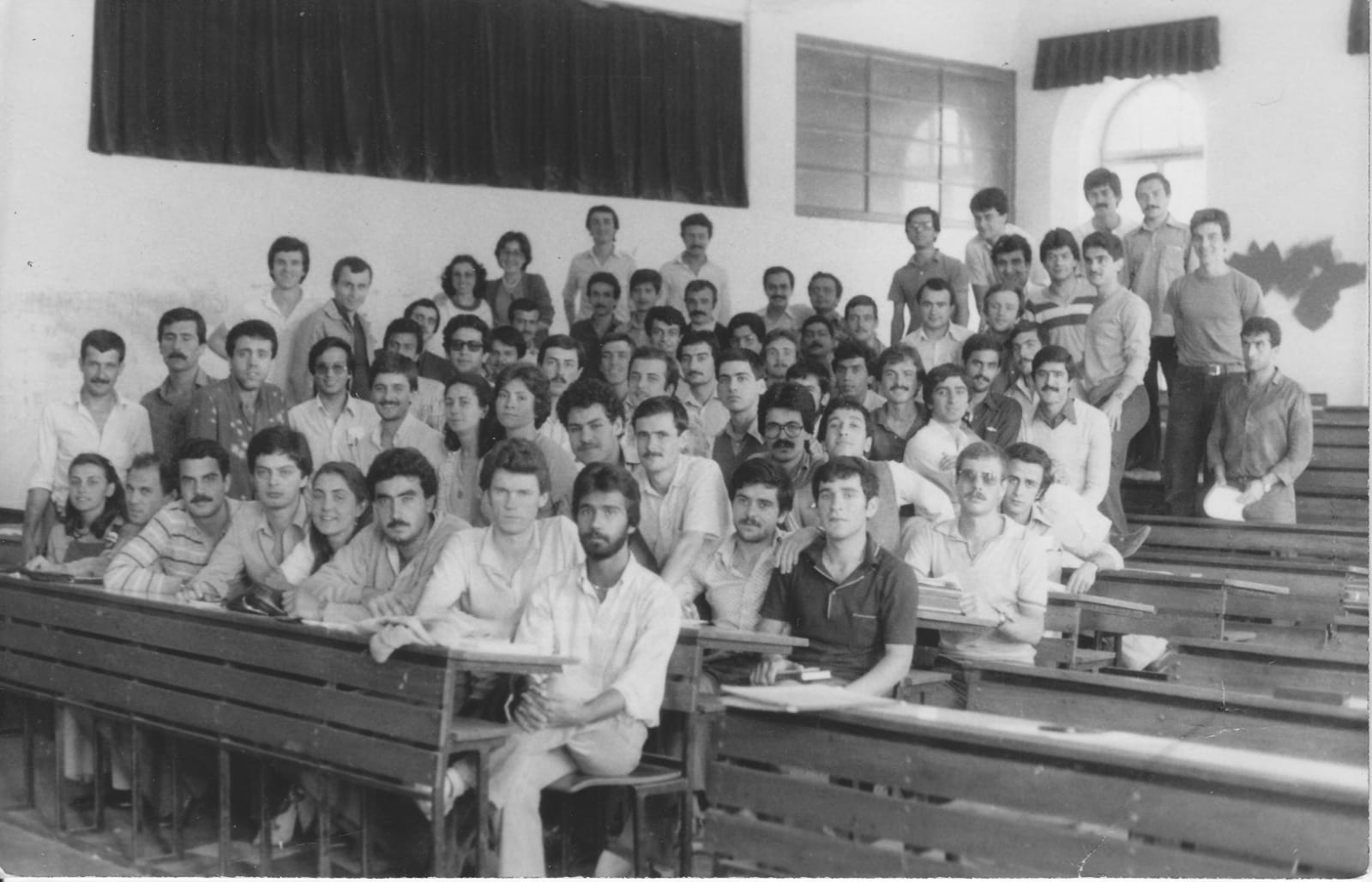
In the amphitheater (classroom) with my classmates
We find a place in the back rows and sit down. Both of us are out of breath. After calming down a bit, İhsan asks the person next to him:
"What class is this?"
"Analysis I"
"Electrical-Electronics?"
"Yes!"
"Which year?"
"First year"
İhsan turns to me, with a mocking smile, and says, "Your class." Although the amphitheater is very large, it has good visibility and acoustics… The white-bearded professor in a white uniform at the podium keeps writing mathematical formulas on the blackboard with his back to the students… My classmates are taking notes attentively and silently. I have neither a notebook nor a pen…
Outside, there are shouts and screams. The students look at each other.
The door opened quickly. Then, a short, stocky but self-assured elder, whom I would later learn was named Talip, from Kars and a member of Halkın Yolu (People's Way), enters. Ignoring the professor, he addresses the class:
"Comrades, the fascists are forcibly occupying the university. We will empty the class and resist."
The revolutionary youth empty the classrooms, gather the crowds, and attack from all sides. The newly enrolled students are bewildered… They obey orders. When the Ülkücüs see the waves of people coming towards them, they are forced to flee.
This was my first day at ITU.
***
The revolutionaries establish a guard system. I even learn that they will spend the night on campus. Weapons hidden in a secret compartment at the back of the amphitheater are distributed hand to hand.
After the disciplined boarding school days of Kabataş Erkek Lisesi, I suddenly find myself in a chaotic life. As days and months pass, I bond with my classmates. My soul wavers in the dilemma of "Studies or Revolution." Left-wing organizations appear one after another. Publications circulate from hand to hand. Soon, the fragmented structure of the revolutionaries—Maoist, Enver Hoxhaist, Soviet-aligned—turns my mind upside down.
The Revolutionary People's Liberation Party/Front (DHKP/C), the Communist Party of Turkey / Marxist-Leninist (TKP/ML) and its military wing the Workers' and Peasants' Liberation Army of Turkey (TİKKO), the People's Liberation Army of Turkey (THKO), the youth organization of the Communist Party of Turkey (TKP) the Progressive Youth Association (İGD), Kurtuluş (Liberation), Devrimci Sol (Revolutionary Left), Özgürlük Yolu (Path of Freedom) and countless other organizations… Halkın Sesi (Voice of the People), Halkın Kurtuluşu (People's Liberation), Halkın Birliği (People's Unity), İlerici Gençlik (Progressive Youth), Rızgari, Özgürlük Yolu and countless other publications…
***
My classmates fell into three different categories: First, those who devoted themselves to their studies despite all the commotion; second, those who were both committed to the revolutionary struggle and tried to keep up with their studies; and finally, those who dedicated themselves entirely to the revolution… I belonged to the second group.
The vast majority of the class were male. When the Evening Sections, which had been in practice at ITU before 1976, were closed and merged with day students, the number of students in the class exceeded 200. The number of girls was just a handful…
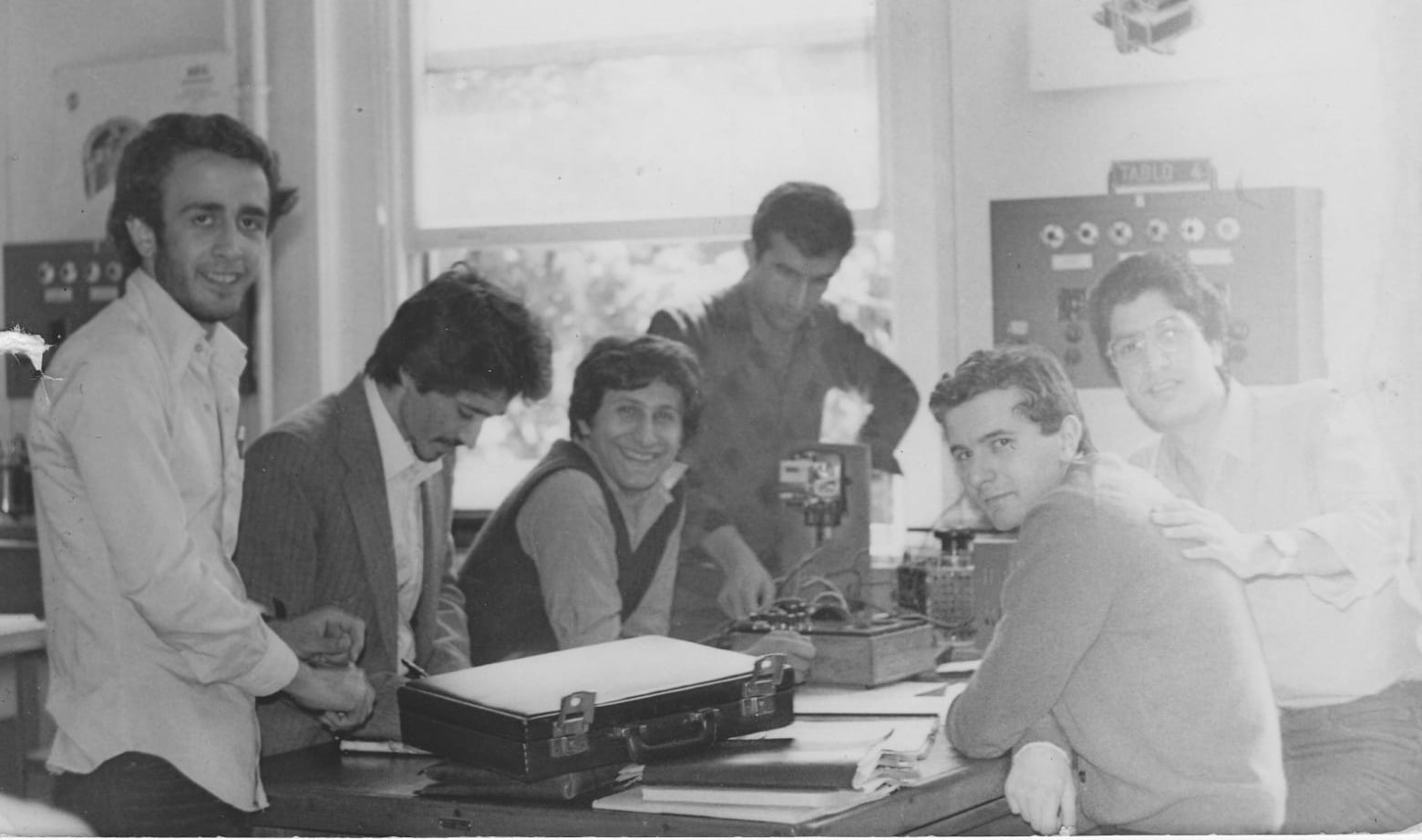
Experimenting in the laboratory (Mücahit Özden Hun in the back right)
***
Why does my soul suffocate me, why does my heart rebel whenever I think of my ITU days, and why do the flickering traces of a melancholic love still pierce my mind, stubbornly refusing to leave me…
Everything remained trapped within the cold walls of ITU: the hopes of revolution, souls devoted to science, and lost loves…
I wonder, does anyone still remember the '78 Generation?
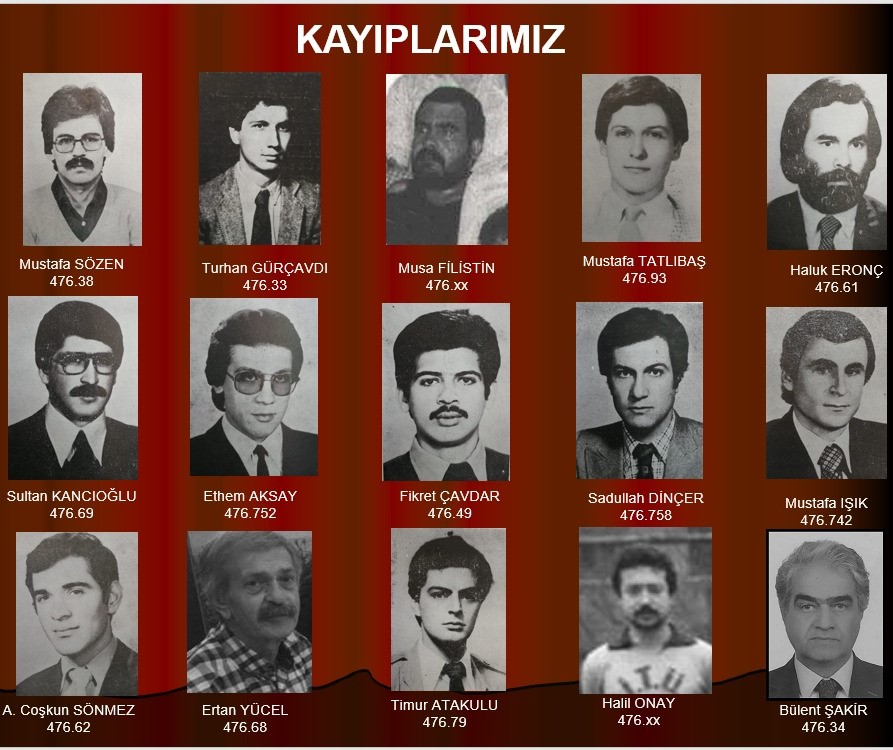
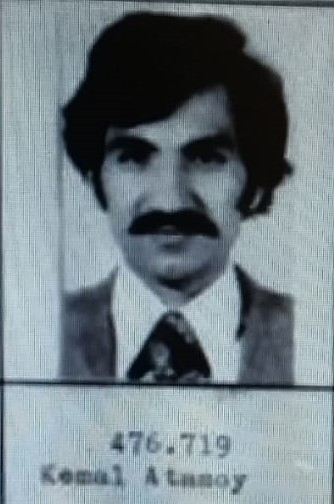
My classmates, whom I remember with mercy, who are no longer with us