The Celali Tribal Confederation
This article clarifies the historical definition and structure of the Celali Tribal Confederation, particularly its role during the Mount Ararat Rebellion.

Dear Readers,
First, I would like to explain the reason for writing this article: We are currently witnessing the establishment of many Civil Society Organizations (CSOs) and groups that use the name "Celali" as a "prefix." Incomplete and incorrect information about the "Celali Tribe" is also circulating. Therefore, it has become necessary to provide a historical definition of the "Celali Tribe."
When historical data is examined and evaluated, we observe that many researchers adopt an "eclectic" approach, meaning they "believe what they see" in historical documents and compile information by simply listing it without questioning its validity.
For example, let's assume a researcher traces the "Geloylu / Gêloî" tribe, to which I belong, in historical documents. When they see this name extending back to pre-Christian (BC) dates in various sources, they conclude that the current Geloylu Tribe also existed in pre-Christian times and has continued to the present day. This is, of course, an incorrect inference.
Some researchers also place the Geloylu Tribe in the time of Saladin Ayyubi, writing that they were cavalry units loyal to Sultan Saladin. This, too, is incorrect information.
Similarly, some researchers, taking into account Iranian, Arab, Ottoman, and even Western sources, observe that the name "Celali Tribe" existed in a wide geographical area and at different times. Acting with a "shallow" and "eclectic" mindset, they put forth interesting claims about the origins of the Celali Tribe, which is settled around Mount Ararat and its vicinity today.
Researchers examining Ottoman Cadastral Registers (defterler recording population, land, and property) establish a connection between every "Celali" name they encounter and the "Celali Tribal Confederation" settled in the Mount Ararat region, presenting this information as an important document (!).
In this article, I want to clarify the structure of the Celali Tribe in the Mount Ararat region and discuss its situation during the "Mount Ararat Rebellion," which made its presence strongly felt between 1926 and 1930.
Before moving on to the section about the "Mount Ararat Rebellion," I believe it would be beneficial to briefly inform my esteemed readers about the Celali Tribal Confederation.
THE CELALI TRIBAL CONFEDERATION
The Celali Tribe is a confederation. This means that there is no single central administration or leadership within the Celali Tribe. In other words, the tribes within the Celali Tribal Confederation do not unite under a single patriarch.
Unfortunately, this reality has always been overlooked. Furthermore, a large majority of the information provided on social media platforms like Google is unfortunately incorrect, fabricated, or distorted. Some place the Celali Tribe in a pre-Christian era, which is not true. Some try to establish a connection with the Celali Rebellions in the Ottoman Empire; this is also not true. Some also claim that a tribal group under the name "Celali" came from a certain place to the vicinity of Mount Ararat. This is also not true. The Celali Tribal Confederation formed spontaneously in the Mount Ararat region over time and remained confined to this geographical area.
I would like to elaborate on this view:
After the Battle of Chaldiran in 1514 between the Sunni Ottoman Empire and the Shiite Iranian State, Sultan Selim I took action to create a Sunni (Shafi'i) buffer and resistance zone against Shiite Iran (Shah Ismail). He gradually shifted the warrior or rebellious Sunni Kurdish tribes within the Ottoman Empire's borders to the most sensitive area between the two states. These groups, especially those coming from the Hakkari and Zagros Mountains region, were settled around Mount Ararat and the city of Maku, and over time, a confederal structure formed among them.
You might ask where the name "Celali" comes from. After the Battle of Chaldiran, when Sultan Selim I decided to create a predominantly Shafi'i/Sunni buffer zone on the Shiite Iranian border, he sent "angry, furious, rebellious" Kurdish tribes who caused problems in their own regions there as a "punishment." Since the word "Celal or Celali" was used in those years to mean "angry, furious, rebellious," these tribes in the Mount Ararat region were collectively called "Celali."
When the Shaddadid Kurds (951-1174) established a large state with the city of Dvin, 30-40 km from Mount Ararat, as its capital, there was no Celali tribe in this region. Similarly, when the Rawadid Kurdish State was established in the region during the same period, the name of the Celali tribe is not mentioned. Furthermore, the Celali Tribe is not found in the Mount Ararat region during the time of the Akkoyunlu and Karakoyunlu states, which held sway in the region in the 14th and 15th centuries.
Another meaning of the confederal structure is this: any tribe can leave the confederation, and any tribe can join the confederation. In this case, the following questions need to be answered:
"Why would other tribes want to join or leave the Celali Tribal Confederation for no reason? What are the common value/values that bind the tribes in the Celali Tribal Confederation?"
There are two fundamental elements that define the Celali Tribal Confederation:
- Its historical mission
- The geographical region where it is settled
- THE HISTORICAL MISSION OF THE CELALI TRIBAL CONFEDERATION
The Celali Tribal Confederation could not demonstrate this unity and solidarity against the attacks of Tsarist Russia. This means that the raison d'être of the Celali Tribal Confederation was, first and foremost, to prevent the spread of Shiite Iran into Anatolia; that is, it was sectarian. The main reason for the existence of the Celali Tribal Confederation is this historical mission it undertook.
When the Shiite Iranian threat weakened, the tribes belonging to the confederation clustered around their own leaders and adopted an independent style of governance; they even harbored animosity towards each other when necessary.
Whenever there was a Shiite Iranian attack, the Celali Tribal Confederation turned into an impenetrable fortress. For this reason, from the 1600s onwards, the Iranian Shahs removed members of the Celali Tribe who remained within Iranian borders from the region, exiled them to distant lands like Khorasan, and also forcibly converted them to the Shiite faith. Today, there is a significant Shiite-Celali Tribe population in Khorasan. However, because they were removed from the Mount Ararat region, they no longer consider themselves "Celali." Even if they wanted to return to the Mount Ararat region, sectarian differences prevent this.
- THE GEOGRAPHICAL REGION WHERE THE CELALI TRIBAL CONFEDERATION IS SETTLED
For example, the Gêloî (Geloylu) tribe originally broke away from the Pinyanişi Tribe in Hakkari. For an unknown reason, a group of tribal members separated from the Pinyanişi Tribe and settled in the Geylan / Gilan province, on the southwest coast of the Caspian Sea, an area densely populated by Azeris (The tribe's namesake, Gêlo, was named after the Geylan province). In later years, this group grew and became a tribe. A tribe emerged from each of three brothers: Gêloî / Geloylular, Karaçöllüler, and Elamıholar.
The founders of today's Geloylu tribe left Geylan Province due to Iranian pressure, crossed the Aras River, and settled in the Sürmeli (Iğdır) region, which was under Tsarist Russian rule. They became part of the Celali Tribal Confederation as a sub-branch of the Helikan tribe, with whom they formed close ties through marriage. I would like to state that even today, there are members of the Geloylu Tribe in Iran and Eastern Anatolia who do not see themselves as part of the Celali Tribal Confederation due to geographical distance.
Similarly, there is the Helikan (Xelkî) tribe settled in Central Anatolia today. Although the Helikan tribe in the Mount Ararat region and the Helikan Tribe in Central Anatolia share the same root (Erbil) in Northern Iraq, the Helikan people in Central Anatolia do not consider themselves members of the Celali Tribal Confederation. They form their own "Helikan Federation." They continue their existence as the "Reşwan/Rişvan Confederation" by uniting with other tribes.
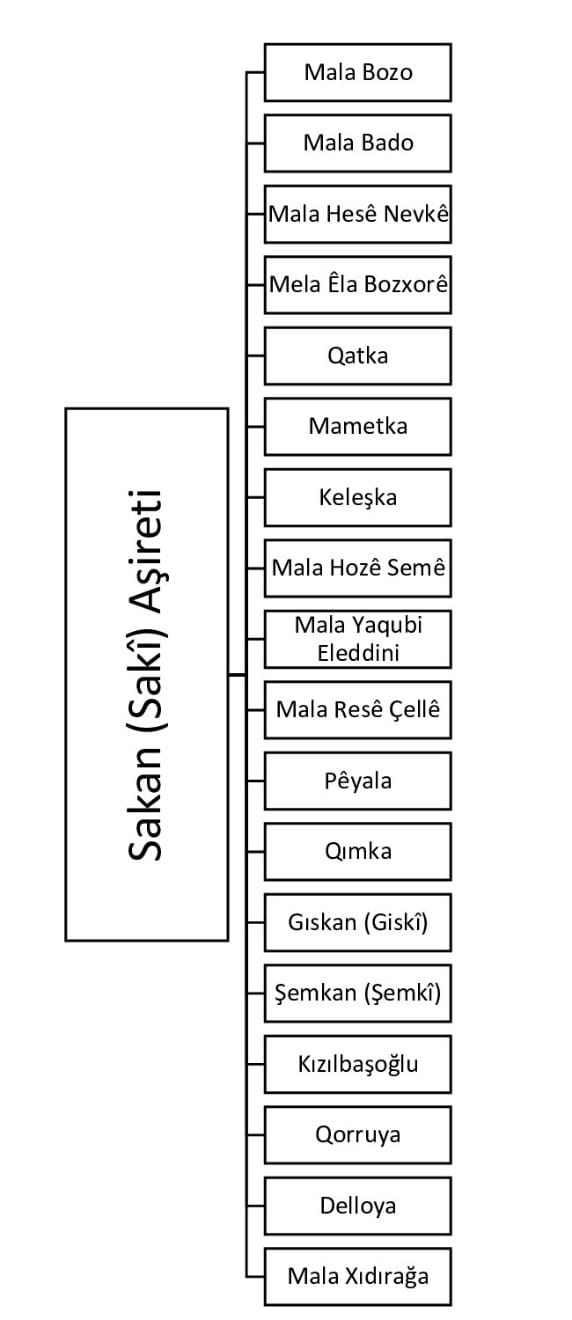
Another example is the Şemikan (Şemkî) tribe. The Şemkan tribe in the Mount Ararat region is a sub-branch of the Sakan (Sakî) tribe and considers itself part of the Celali Tribal Confederation. Today, there is a very large Şemikan tribe in the Midyat and Zakho regions. However, they do not see themselves within the "Celali Tribe" classification.
Finally, I would like to give the example of the "Beyazıt and Eryılmaz" families in Doğubayazıt. In the 17th century, a branch of this family broke away and settled in Kahramanmaraş and its vicinity. Today, there is a large family community with the surname "Beyazıt" in this region, but they do not see themselves as part of the "Celali Tribal Confederation."
In short, every tribe that came to the geographical region I defined above had to find a place for itself under the umbrella of the "Celali Confederation," and those who moved away from this region lost their "Celali" identity.
GENERAL SCHEME OF THE CELALI TRIBAL CONFEDERATION
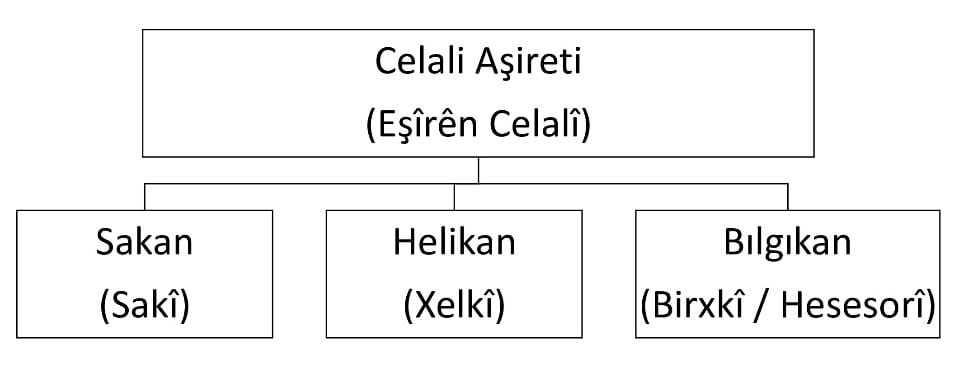
SCHEME OF THE HELIKAN (XELKÎ) TRIBE SUB-BRANCH
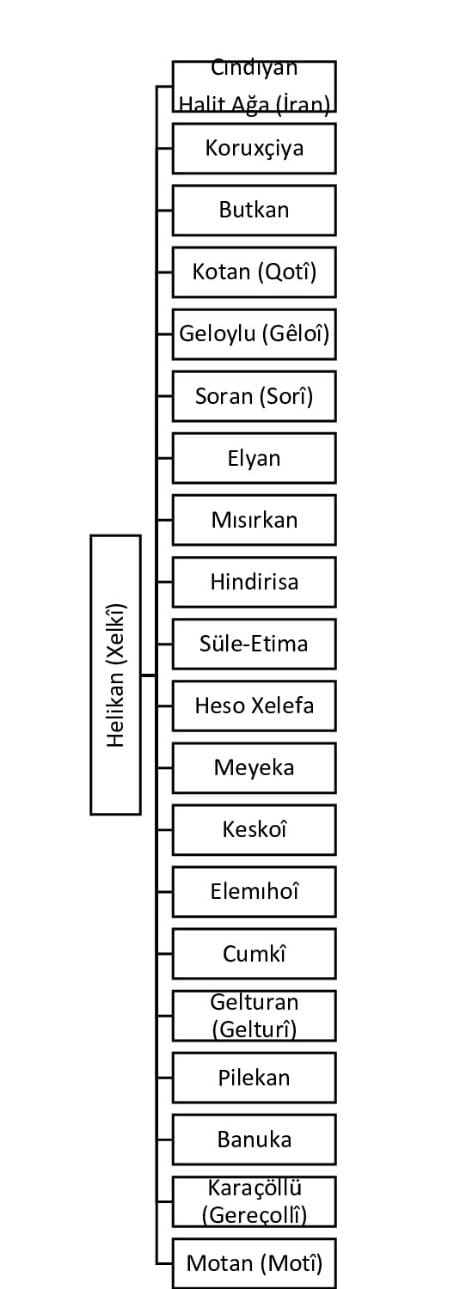
Here, I would like to draw my readers' attention to some important information.
For example, in the diagram above, the Karaçöllü, Elamıho, and Geloylu tribes, which are under the Helikan Subgroup, unite under the same patriarch. However, over time, each has adopted an independent tribal identity.
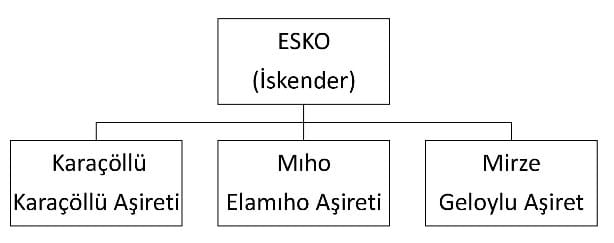
A similar situation can be observed in the Gelturan Tribe:
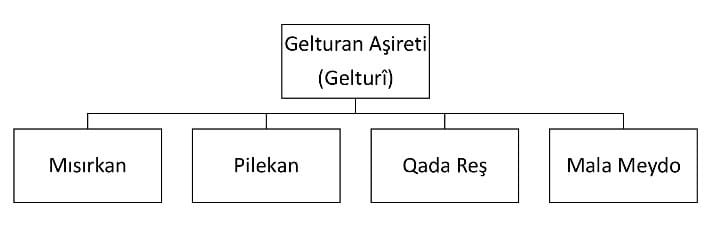
SAKAN (SAKÎ) TRIBE SCHEME
BILGIKAN (BIRXKÎ) TRIBE SCHEME
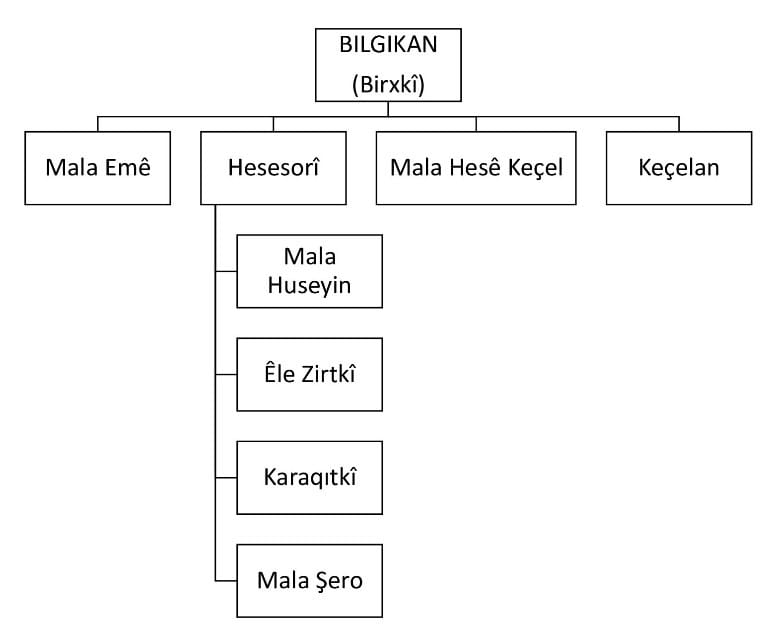
Since the Hesesorî group constitutes the majority of the Bılgıkan (Birxkî) tribe, the name "Hesesorî" is more commonly preferred in daily conversations instead of "Birxkî."
LEADERSHIP DIFFERENCES IN THE THREE MAIN BRANCHES FORMING THE CELALI TRIBAL CONFEDERATION
As I mentioned earlier, there is no single central authority in the Celali Tribal Confederation. If there were "a single leader," we could not speak of a "confederation" structure.
The leadership titles in the three main branches forming the Celali Tribal Confederation are as follows:
- Helikan (Xelkî) Beys
- Sakan (Sakî) Sheikhs
- Bılgıkan (Birxkî) Aghas
The Sakan (Sakî) group was led by Sheikhs.
Those who led the Bılgıkan (Birxkî) group were honored with the title of "Agha."
THE CELALI TRIBAL CONFEDERATION AND THREE EMPIRES
The Celali Tribe ruled at a point where three empires met. For this reason, some members of the Celali Tribal Confederation remained within Tsarist Russia (Şemkan, Gıskan, Geloylu, Gelturan, etc.); some members remained within the borders of the Iranian State (Mala Bozo, Cındiyan, Kızılbaşoğlu, etc.); and some members (Kotan, Motan, Soran, etc.) remained within the borders of the Ottoman Empire.
As a result, the feeling of unity among the confederation members weakened, and each subgroup preferred to act independently. Those who remained within the Ottoman Empire spoke Turkish; those who remained within Iran spoke Persian; and those who remained within Tsarist Russia used Russian extensively in their daily lives.
When the Mount Ararat Rebellion and the Celali Tribal Confederation are discussed together, this diversity of the Celali Tribe is always overlooked. This is a big mistake.
THE CELALI TRIBAL CONFEDERATION AND THE MOUNT ARARAT REBELLION
- TWO IMPORTANT RIVALRIES IN THE REGION BEFORE THE REBELLION
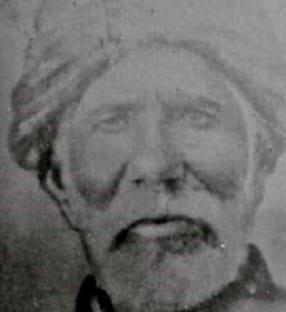
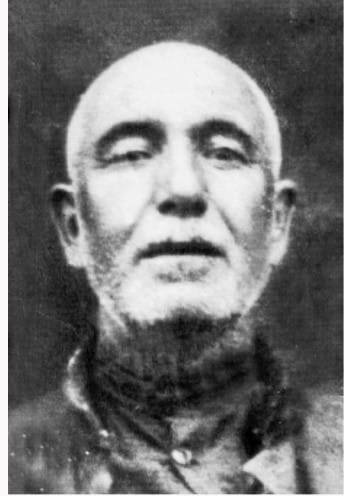
- In Doğubayazıt, a serious rivalry continued between Sheikh Abdulkadir, the leader of the Sakan Tribe, and the Kotan (Qotî) tribe, a sub-branch of the Helikan tribe. The main reason for this rivalry was Sheikh Abdulkadir's desire to establish his authority over the Helikan subgroup. Since the Sakan subgroup was governed by Sheikhs, while the Helikan tribe was governed by "Beys," i.e., non-religiously oriented leaders, they had an attitude against the Sheikhs. This rivalry continued when the Mount Ararat Rebellion began. When the rebellion started, this rivalry also changed its essence and form. When the Kotan tribe, with the support of the state, defeated Sheikh Abdulkadir (Autumn 1929), Sheikh Abdulkadir joined the rebel forces.
- In the Iğdır region, a rivalry emerged between the Geloylu tribe and the Kızılbaşoğlu tribe, settled on the Iranian side, in 1923-24. The son of Mıhe Kazak, a prominent Geloylu, killed a shepherd belonging to the Kızılbaşoğlu tribe. In retaliation, the Kızılbaşoğlu members first took 500-600 wild horses belonging to Mıhe Kazak, grazing in the wilderness, to Iran. Not content with this, they killed the shepherds and took the Geloylu sheep flocks to Iran. As the Mount Ararat Rebellion continued, the rivalry between the Geloylu and Kızılbaşoğlu also flared up. When peace talks failed, in August 1929, a 400-strong Kızılbaşoğlu armed force raided a 20-30-person Geloylu zoma (nomadic camp), but they were repelled. The Geloylu resisted in this conflict with their own forces, without any military or weapons (ammunition) aid from the state.
HAMIDIYE REGIMENTS
As you know, the Hamidiye Regiments were established in 1891. Sultan Abdul Hamid II, inspired by the Russian Cossack army, formed Kurdish tribal units, and these regiments were named "Hamidiye" after the Sultan. Although the main purpose of establishing the Hamidiye Regiments was stated to be the protection of Eastern Anatolia during a Russian attack, it was later seen that Sultan Abdul Hamid used the Hamidiye Regiments to control the rebellions that the Armenian Nationalist Dashnak and Socialist Hunchak parties would instigate in Eastern Anatolia.
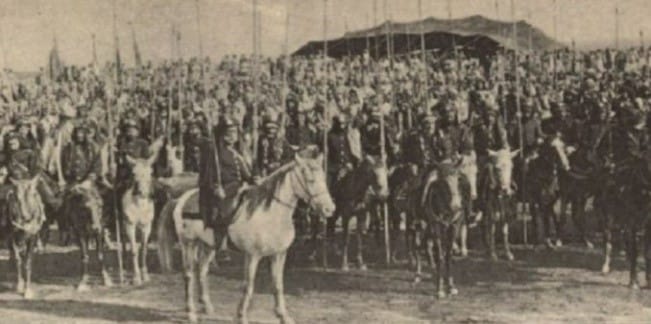
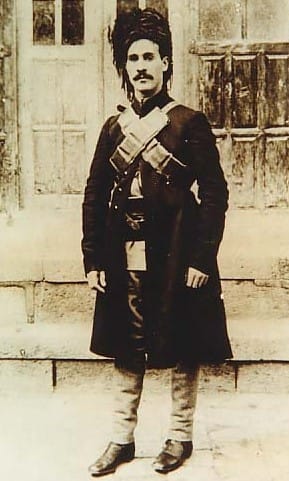
The Hamidiye Regiments' name was changed to Tribal Cavalry Units in 1910, but their essence remained the same. Finally, in 1919, Kazım Karabekir Pasha reorganized the Kurds within the Ottoman Empire as Hamidiye Regiments, established regular mounted units, gave them official uniforms and ranks, and also put the members of the Hamidiye Regiments on a regular salary.
In 1919, three Celali Hamidiye Regiments were established within the Ottoman Empire:
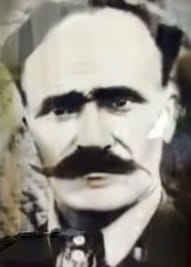
1. Bılgıkan (Bırxki) / Hesesorî Celali Regiment under the leadership of Sheikh İbrahim Bey
Regiment Center: Doğubeyazıt
(Sheikh İbrahim Bey is the father of the late Mehmet Bayazıt. From this family, it is possible to name individuals such as Istanbul businessmen Selahattin Bayazıt, Ağrı Deputy Assoc. Prof. Dr. Yaşar Eryılmaz, and Istanbul businessmen Şeref Eryılmaz.)
- Sakan (Sakî) Celali Regiment under the leadership of Sheikh Abdülkadir
Regiment Center:
(Grandfathers of Doğubeyazıt's former mayor Mahmut Kotan, the late Finance Director Ömer Kotan, and Engineer Emin Kotan)
- Kotan (Qotî) /Xelkî Celali Regiment under the leadership of Ahmet Ağa (Ahmet Hesso) and his son İsa Bey
Regiment Center:
(Grandfathers of Doğubayazıt mayor Ali Konyar, businessmen Hüsrev Konyar, and Ahmet Rahim Konyar)
Since the Hamidiye Regiments were established within the borders of the Ottoman Empire, members of the Celali Tribal Confederation within the borders of Iran and Tsarist Russia did not take part in the Hamidiye Regiments.
As can be seen above, there was no single central administration in the Celali Tribal Confederation. Each of the three main branches forming the Celali Tribal Confederation established its own Hamidiye Regiment. The important point I want to draw your attention to is that these Hamidiye Regiments had no activity within the borders of Iran and Tsarist Russia, remaining limited only to the Ottoman Empire.
THE YEARS OF THE MOUNT ARARAT REBELLION
Some writers prefer to use a plural expression like "Mount Ararat Rebellions." This is incorrect because the Mount Ararat Rebellion was first initiated as a "Resistance" movement by Bıro Heski Telli (Biro Heskî Tellî), the leader of the Hesesorî tribe, that is, İbrahim Ağa, and from October 1927 onwards, with the participation of İhsan Nuri Pasha, it turned into a planned Rebellion. Although the Rebellion movement was suppressed in 1930, the militia forces loyal to İbrahim Ağa continued guerrilla warfare for some time. In short, there is a continuity between these structures that continued as a "Resistance-Rebellion-Guerrilla Movement." Since Bıro Heski Telli existed in all three periods, it is a more accurate approach to evaluate these three periods as a single whole.
As we stated, the Mount Ararat Rebellion first began as a small resistance movement.
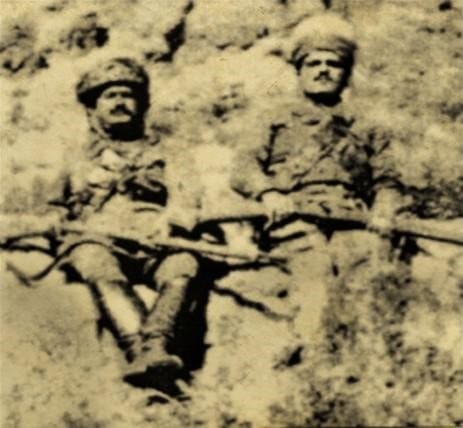
İbrahim Ağa, who served in the Celali Hamidiye Regiment led by Sheikh İbrahim Bey between 1919-20, played a major role in the inclusion of Iğdır within the borders of the Grand National Assembly (BMM). In August 1919, with the Hamidiye cavalry unit he took with him, he went to help the village of Melekli, which was within the borders of Tsarist Russia (and the newly established Republic of Armenia) in those years, broke the siege of Armenian militia forces, rescued 3000 Azerbaijani civilians from massacre, and helped them go to Iranian Azerbaijan.
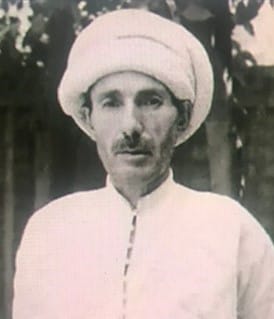
İbrahim Ağa's loyalty to the Ottoman Empire first and then to the Republic of Turkey was complete. In fact, when the Sheikh Said rebellion was defeated in 1925, important cadres of the rebellion wanted to flee to Iran. İbrahim Ağa, with his loyal Hamidiye cavalry unit, held the Iranian border and handed over the captured rebel Zaza leaders to the central government.
After the suppression of the 1925 Sheikh Said Rebellion, everything changed. The state made a high-level decision. Influential aghas and beys in Eastern Anatolia would be exiled to Western Anatolia. Their aim was to separate the leaders from their tribes and accelerate assimilation.
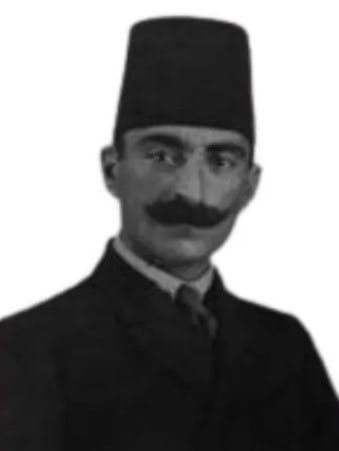
The decision for exile was implemented in 1926. In those years, İbrahim Ağa had a shop in the Bayazıt sanjak. It was lunchtime. As he closed the shop and headed home, Şevket (Bayazıt) Bey, the Bayazıt Deputy of the First Parliament, met İbrahim Ağa on the road:
"İbrahim Ağa, the state has issued an exile list for Aghas and Beys. Your name is on the list. It's best if you disappear for a short while!"
İbrahim Ağa goes to Çiftlik village and hides. Meanwhile, he sends a 4-5 person armed unit to the bridge leading to Çiftlik village to see if any gendarmes are coming to look for him. 4-5 gendarmes are coming to Çiftlik village to catch İbrahim Ağa. A clash breaks out at the bridge, and a soldier is wounded. After the 1925 Sheikh Said Rebellion, the wounding of a soldier was a situation that would require execution.
İbrahim Ağa realizes there is no turning back and takes refuge in Mount Ararat with the forces he gathered. In these years, Mount Ararat is full of army deserters, outlaws, and bandits. İbrahim Ağa gathers these forces around him and successfully repels the first attack. His reputation quickly spreads beyond the Bayazıt sanjak.
On the one hand, important figures who were hiding here and there after the defeat of the Sheikh Said Rebellion take refuge with İbrahim Ağa. Soon after, a significant number of aghas and beys who were exiled also escape from their places of exile and come to Mount Ararat. Thus, a RESISTANCE movement forms spontaneously, but this is not a planned rebellion. İbrahim Ağa continues his negotiations with the state but continues his resistance because he is not convinced.
Meanwhile, in the city of Bihamdun, Lebanon, far away, Kurdish intellectuals and the Armenian Dashnak Organization together founded the Xoybûn Society on October 5, 1927. Their aim was to start a rebellion in Eastern Anatolia. In the agreement mediated by the British, the Kurds would join the rebellion as an armed force, and the Armenians would provide material and diplomatic support to the rebellion.
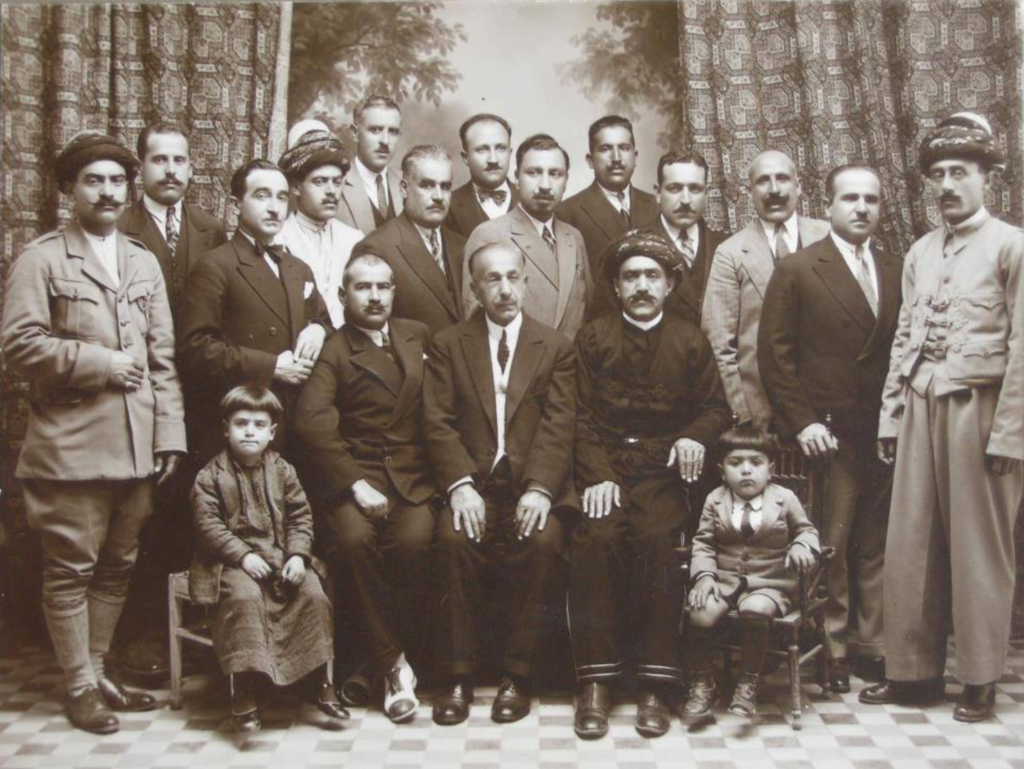
The Xoybûn Society wanted to turn the RESISTANCE movement started by İbrahim Ağa in Mount Ararat into a rebellion. For this, they honored Captain İhsan Nuri with the rank of GENERAL and appointed him as the commander-in-chief of the Mount Ararat Rebellion. İhsan Nuri Pasha reached Mount Ararat in October 1927. On October 28, 1927, he declared the Kurdish Republic of Ararat. From this moment on, leadership passed to İhsan Nuri Pasha. Meanwhile, important leaders such as Kör Hüseyin Pasha's two sons, Halis (Öztürk) Bey, and Ferzende Beg also took office in the Republic.
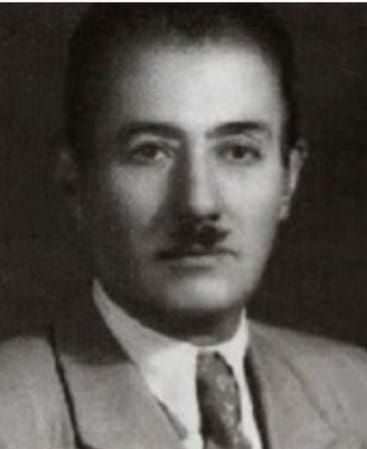
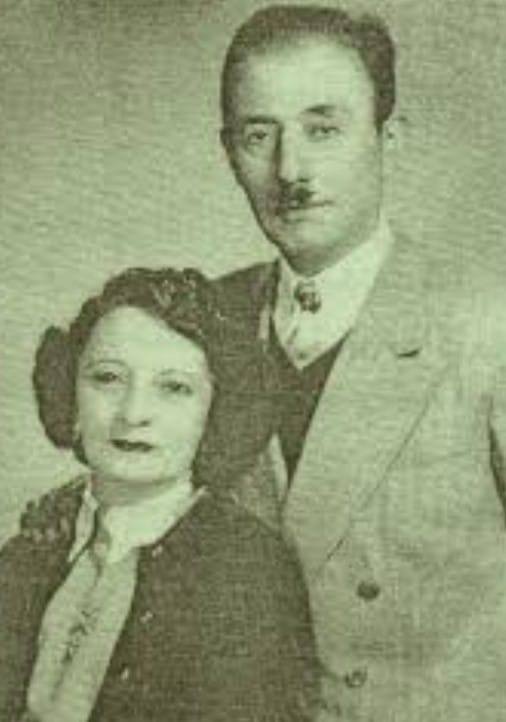
Yaşar Hanım and İhsan Nuri Pasha
MOUNT ARARAT REBELLION AND THREE RINGS
Place Mount Ararat at the center and draw three circles. Let the first circle be 30-40 km wide. All the inhabitants of this circle, which includes Doğubayazıt, Iğdır, and Maku, are members of the Celali Tribal Confederation. Participation from tribes such as Haydaran, Hasenan, Ademan, Zilan, Sıpkan, etc., was only by high-level leaders. They had a support force of 20-30 people. In the early days, the main force of the rebellion was the Hesesori tribe clustered around İbrahim Ağa. For example, a detachment under the command of Emerê Besê from the Gelturan (Gelturî) tribe joined the Mount Ararat Rebellion, but the majority of the tribe left their villages at the foot of Mount Ararat and settled in the deserted villages of Hoşhaber and Halfeli, which were vacated by Armenians.
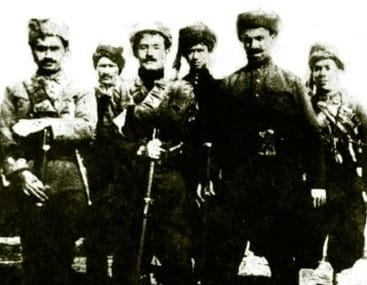
(From left to right) Halis (Öztürk) Bey, İhsan Nuri Pasha, and Ferzende Beg (Days of the Mount Ararat Rebellion)
After the Tendürek defeat in September 1929, Sheikh Abdulkadir arrived at Mount Ararat with 2000-3000 fighters, and thus the leadership de facto passed into the hands of Sheikh Abdulkadir. When Sheikh Abdulkadir, the leader of the Sakan Tribe, asserted his influence, other branches of the Sakan tribe, such as the Kızılbaşoğulları and Mala Bozo, participated extensively in the rebellion. However, other tribes belonging to the Celali Tribal Confederation, such as Kotan, Geloylu, Gelturan, Gıskî, etc., did not join the rebellion.
TSARIST RUSSIAN KURDS AND THE MOUNT ARARAT REBELLION
An important observation is that the Kurdish Tribes and their leaders under Tsarist Russian rule, such as Ali Mirze (Yiğit) Bey (Gıskan), Ahmed Şemo (Hun) (Geloylu), Kerem (Güneş) Bey (Torun), Fettah (Güneş) Bey (Torun), İsa (Turan) Bey (Gelturan), İsa (Yoş/Serhat) Bey (Redkan Heciyan), Emere Sımo (Redkan Suleymanî /Hesepêxas), etc., although sympathetic to the rebellion, did not actively participate in it. (However, for some reason, among these names, only Ahmed Şemo's name is deliberately highlighted by some circles and branded as a 'traitor' for not participating in the Mount Ararat Rebellion.)
Furthermore, the leaders of the Redkan (Bekiran) and Brukan Tribes (Kinyas Kartal), who left the Sürmeli, i.e., Iğdır region, and took refuge with the Ottomans due to the Civil War in the region in 1919, largely stayed away from the rebellion.
In short, the main backbone of the Mount Ararat Rebellion was formed by some tribes belonging to the Celali Tribal Confederation in Iran and the Ottoman State. The Helikan tribe, led by Halit Ağa on the Iranian side, also provided logistical support to the rebellion, and the wounded were treated in camps set up on the Iranian side.
NOTE: From the Iğdır region, individuals, not tribes, participated in the rebellion. (For example, Emere Besê from the Gelturan Tribe, Feto, Çelxe, and Temur Aghas from the Şemikan Tribe)
When you draw a 200-300 km circle centered on Mount Ararat, the second ring appears. The Haydaran, Sıpkan, Ademan, Hasenan, Zilan, etc., tribal forces living in this ring clashed with the Turkish army advancing towards Mount Ararat. On July 13, 1930, the Zilan massacre occurred. Reşoyê Sılo and his fighters resisted, but they could not stop the advance of the Turkish army.
The Turkish army under the command of Salih Pasha defeated the second ring and besieged Mount Ararat. In the general attack in September 1930, the Mount Ararat Rebellion was suppressed. The leaders of the rebellion took refuge in Iran. Thousands of civilians left behind were bayoneted.
It is also possible to draw a third circle, centered on Mount Ararat, encompassing all of Kurdistan. The Kurmanji-speaking and Shafi'i Kurds in this circle moved to help the Mount Ararat Rebellion, which was a Kurmanji-Shafi'i Kurdish uprising, but their efforts were insufficient. Barzani came with 500 men from Mosul, and other Kurdish groups, such as Haco Agha from Syria and Sımko Agha from Iran, also came to help.
Here I would like to draw my readers' attention to an important issue. Kurds in Turkey fall into four main groups:
- Kurmanji-Alevi Koçgiri Rebellion/Resistance (1920)
- Zaza-Sunni Sheikh Said Rebellion/Resistance (1925)
- Kurmanji-Sunni Mount Ararat Rebellion/Resistance (1930)
- Zaza-Alevi Dersim Rebellion/Resistance (1938)
During the Mount Ararat Rebellion, İhsan Nuri Pasha was not the leader from beginning to end, as is often thought. The chain of leadership continued as follows:
- İbrahim Ağa (Bıro Heski Telli) late 1926-1927
- İhsan Nuri Pasha (late 1927-late 1929)
- Sheikh Abdulkadir (late 1929-late 1930)
- İbrahim Ağa (Bıro Heski Tellli) late 1930-until his martyrdom in guerrilla warfare in 1932
Sincerely,
Mücahit Özden Hun