Baharlı Neighborhood Pictures - Part Two
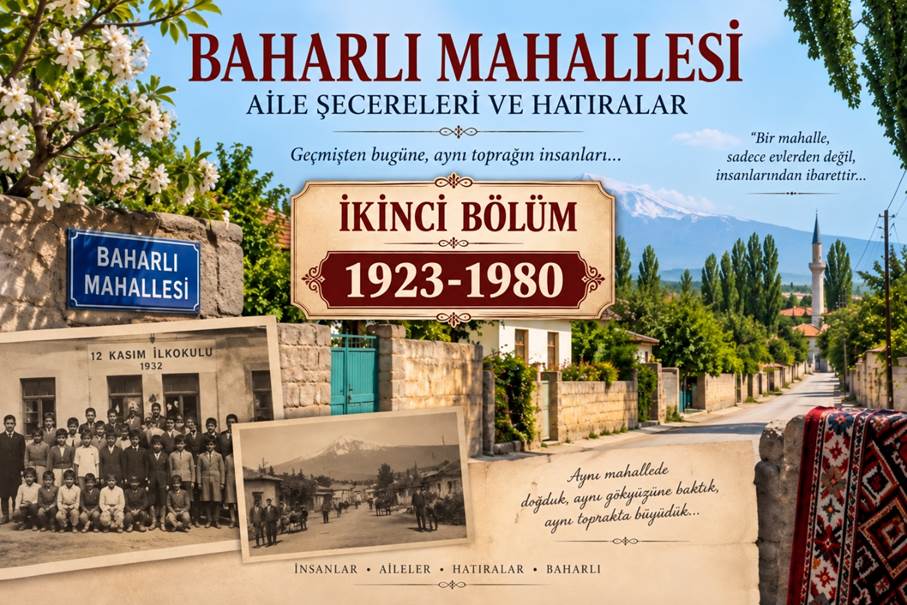
This article presents a collection of images from Baharlı Neighborhood, accompanied by personal narratives and historical context from its residents.

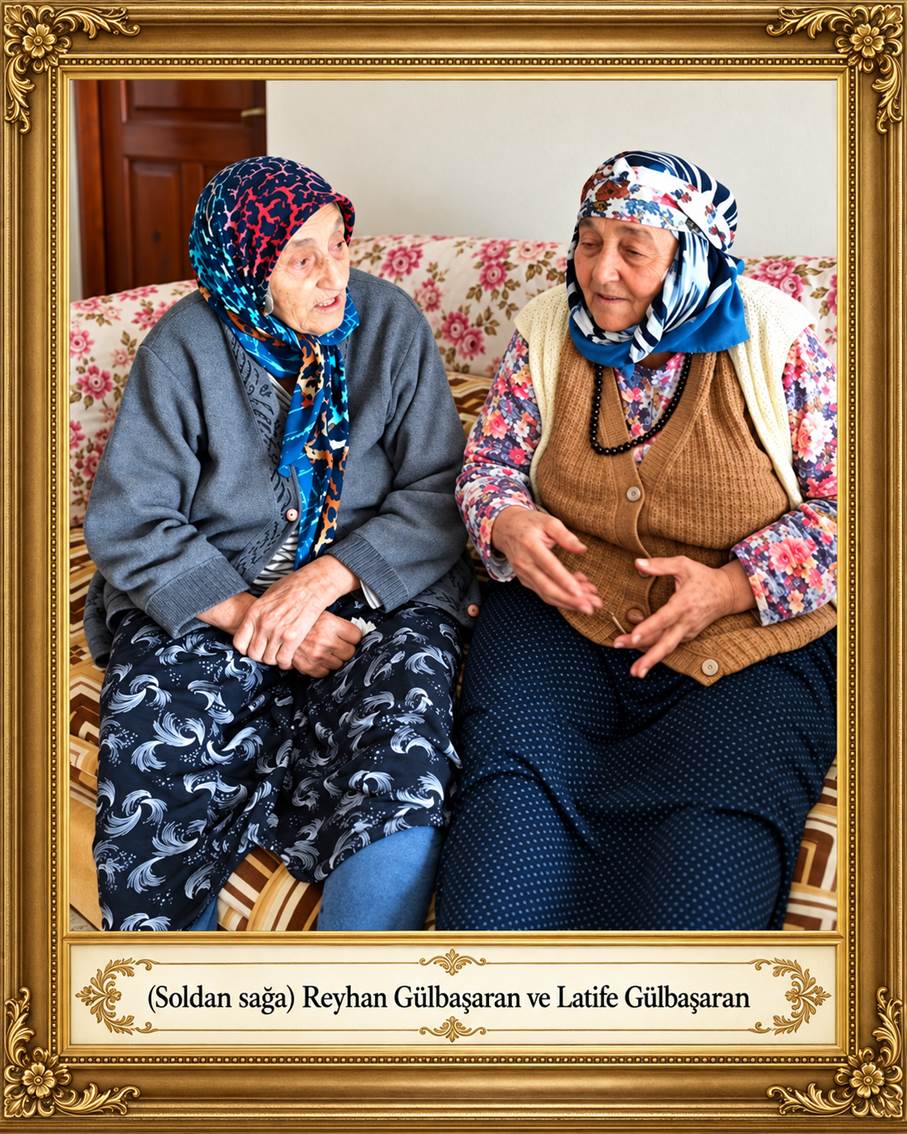
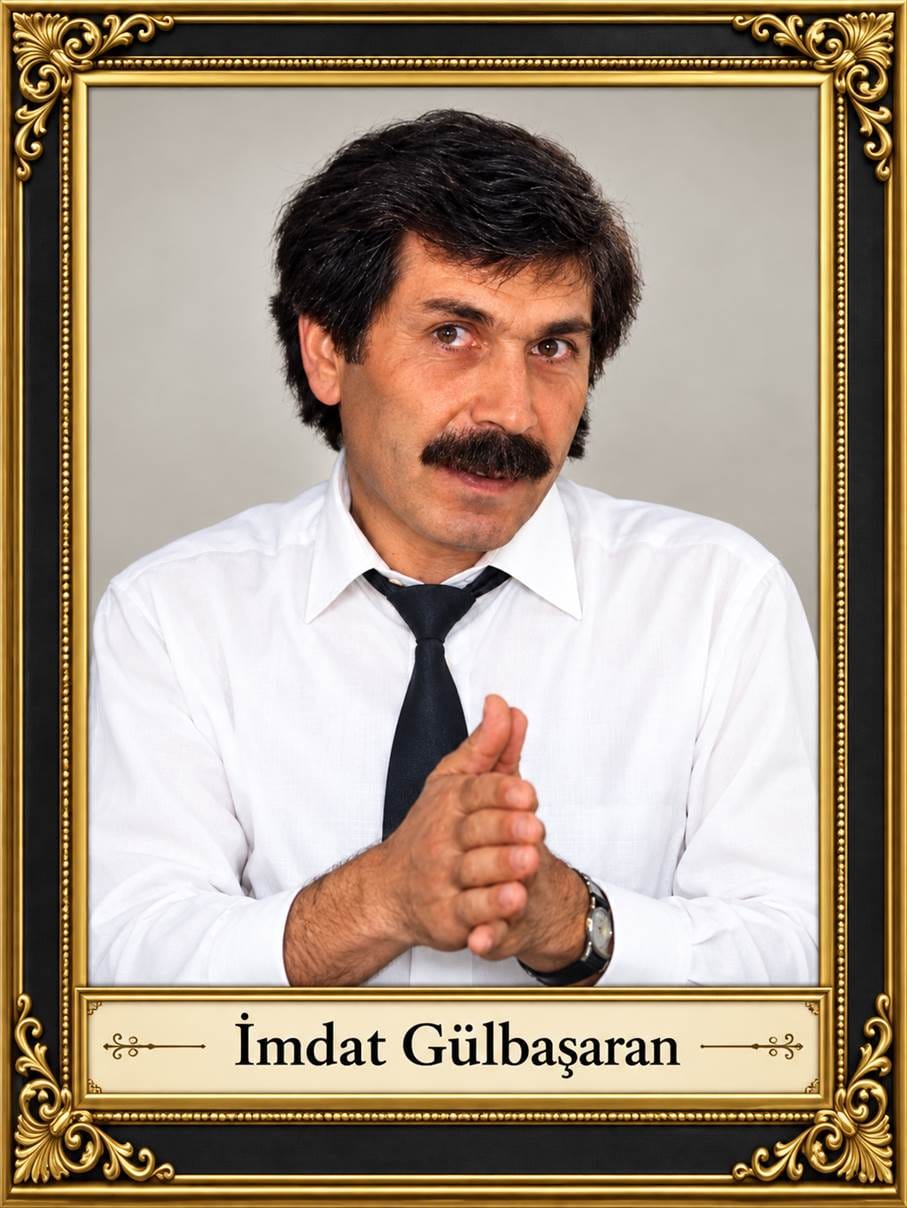
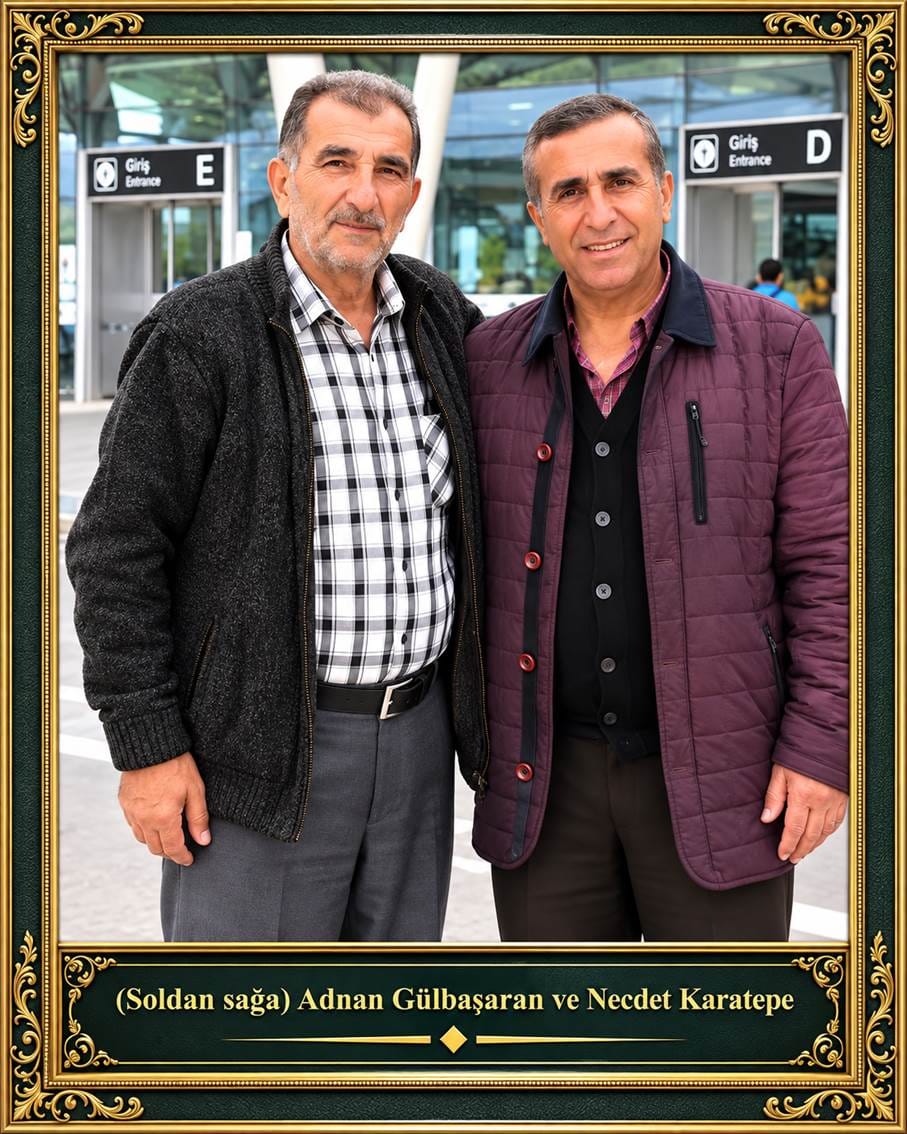
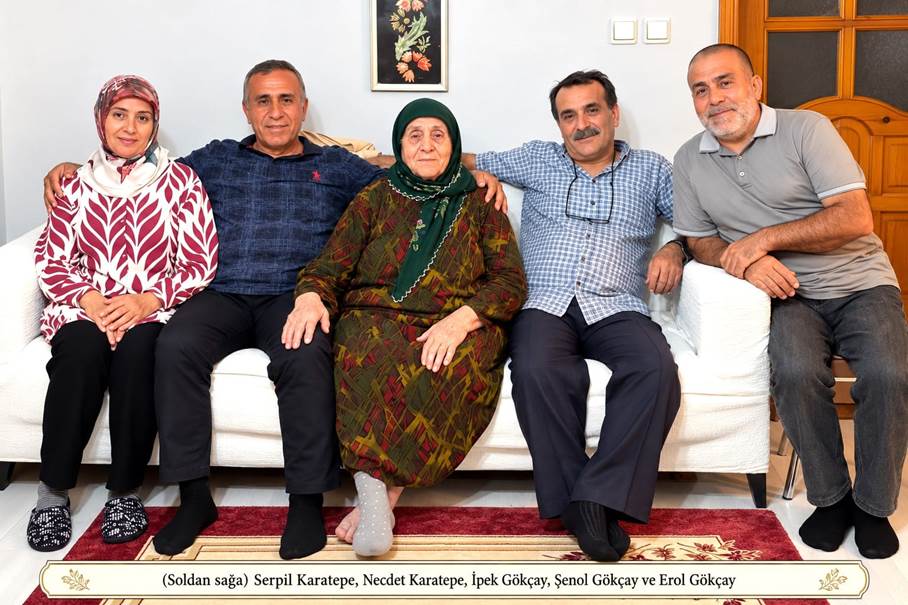
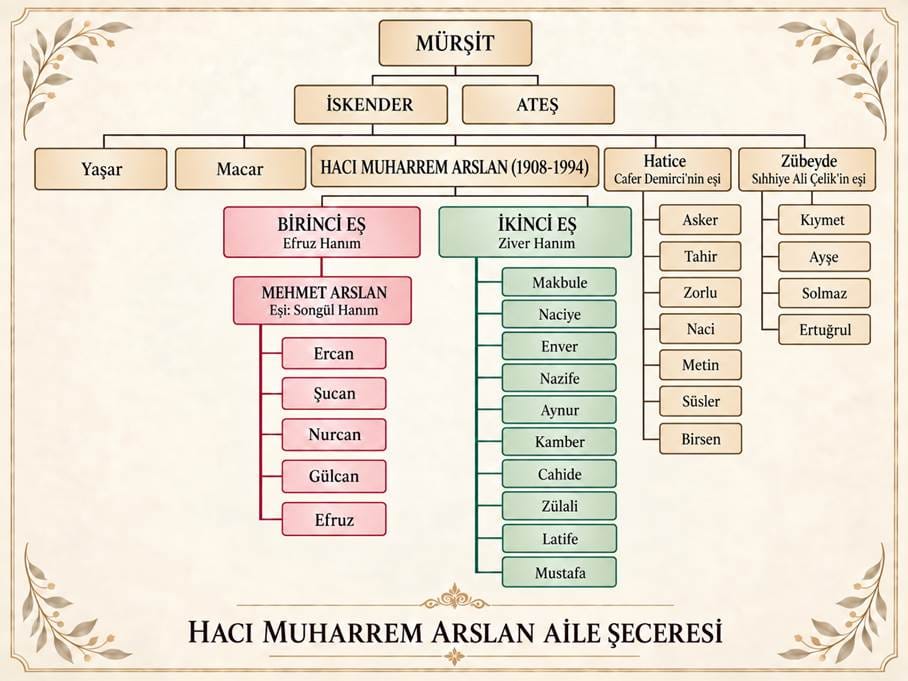
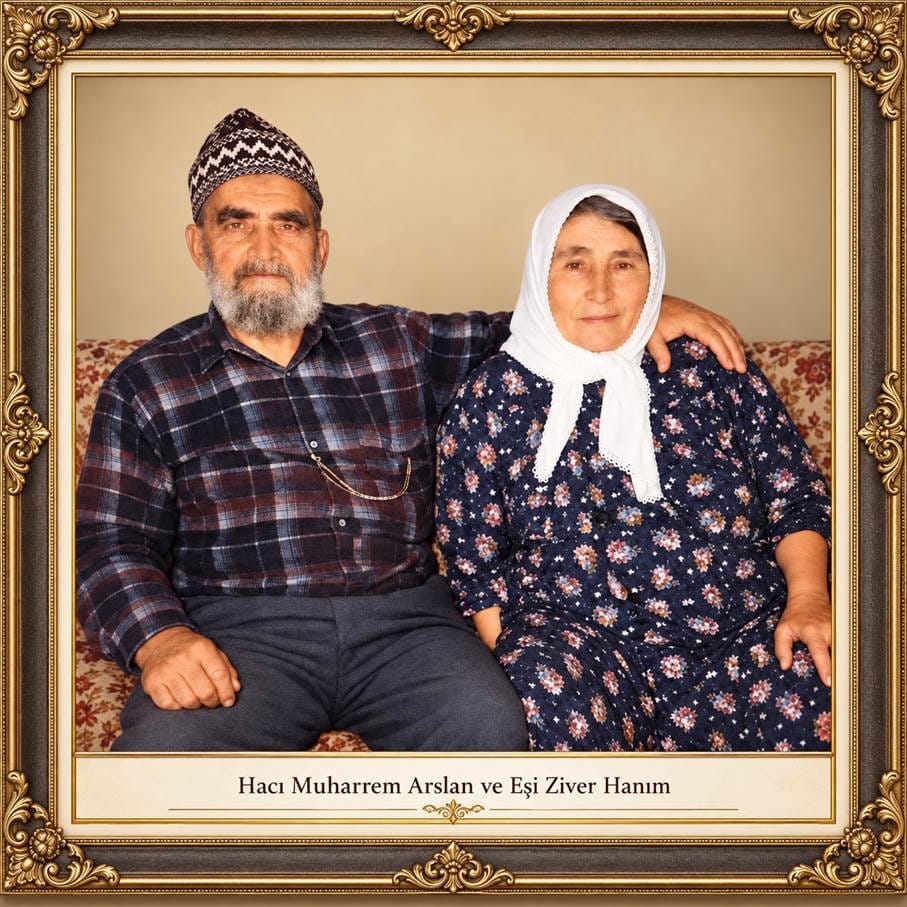
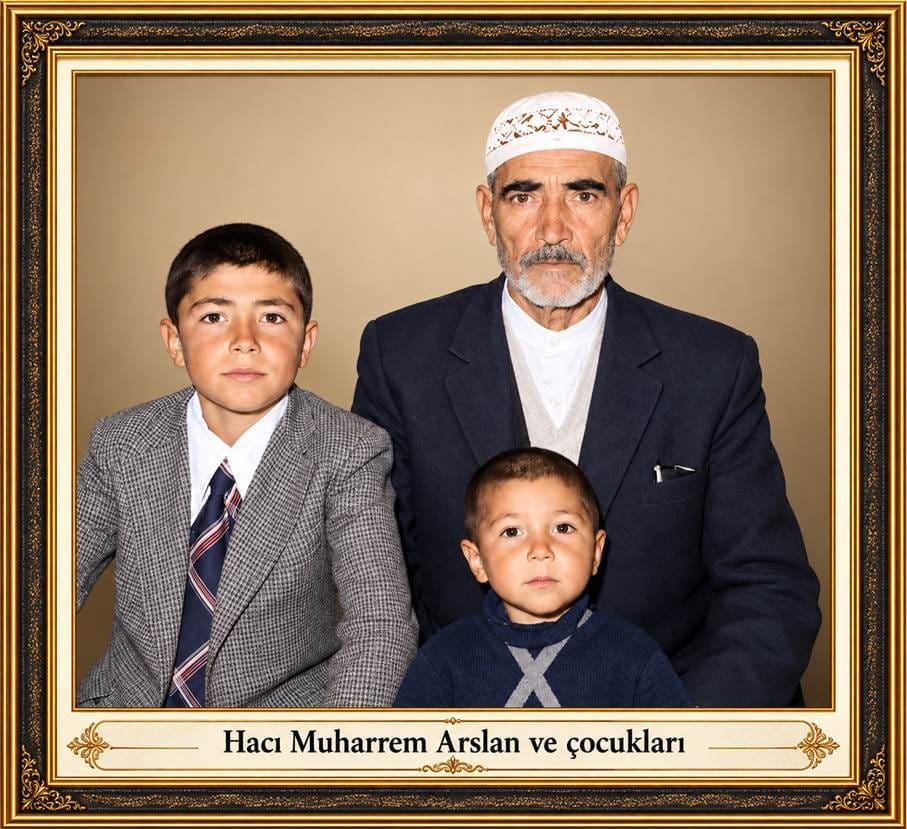
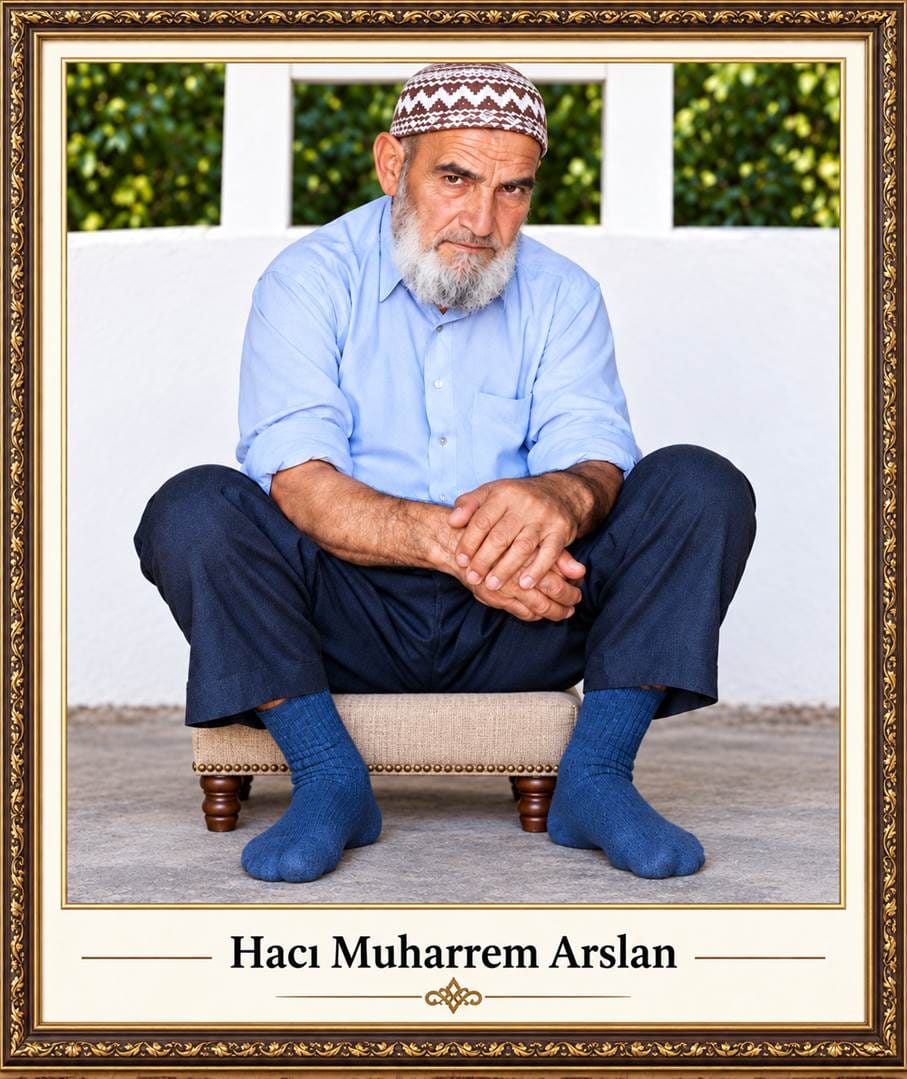
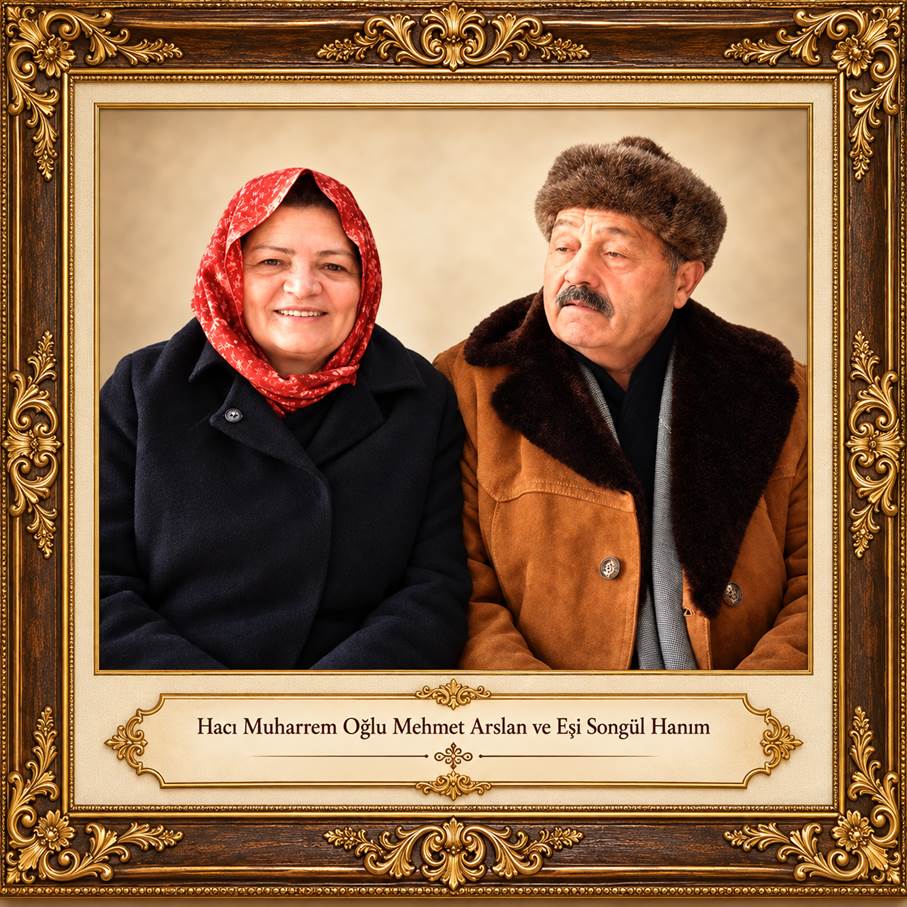
HACI MUHARREM OĞLU MEHMET ARSLAN NARRATES
I was born in 1944 in the Baharlı Neighborhood of Iğdır. My father's name was Hacı Muharrem. I had two mothers: my mother Efruz and my mother Ziver. My mother Efruz passed away when I was just three or four months old. My father later married Ziver Hanım. They had ten children from this marriage.
Our family roots extend to the village of Hacıağa. Both my father and my grandfather were born there. During the "Kaça-Kaç" (flight/escape), the villagers took refuge in villages like Mengeser, Yoncalı, and Gılesor on the Ağrı side. Later, some of these families returned to Hacıağa, while others settled in Baharlı Neighborhood.
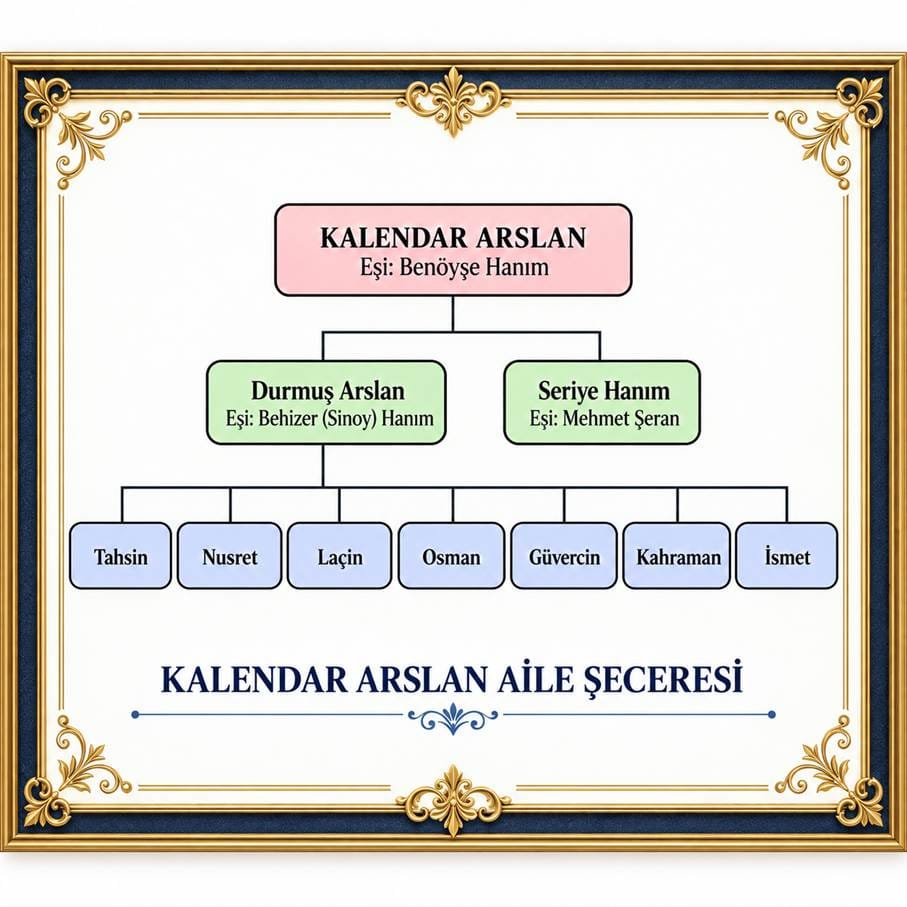
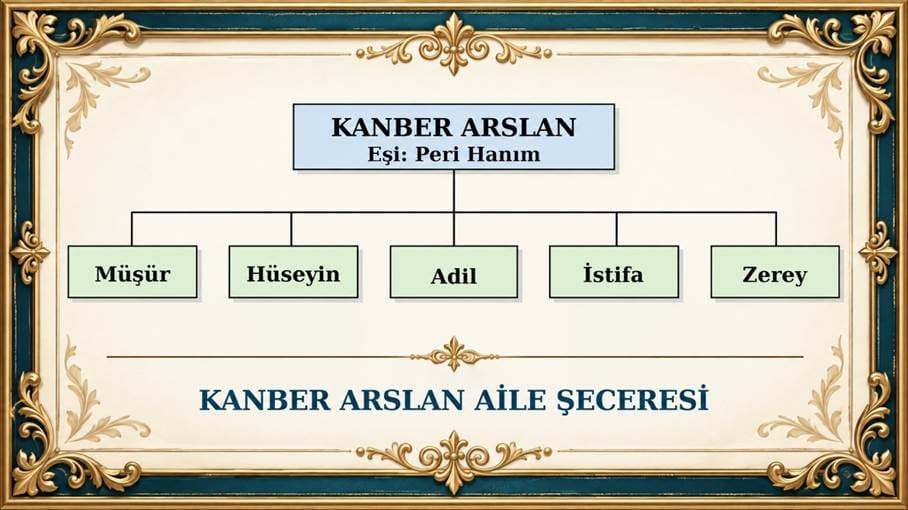
In Baharlı, all families bearing the surnames Arslan, Akaslan, and Akarkan were once cousins living in Hacıağa. With the Surname Law, each took a different surname. Although our surnames are different, our family roots are one.
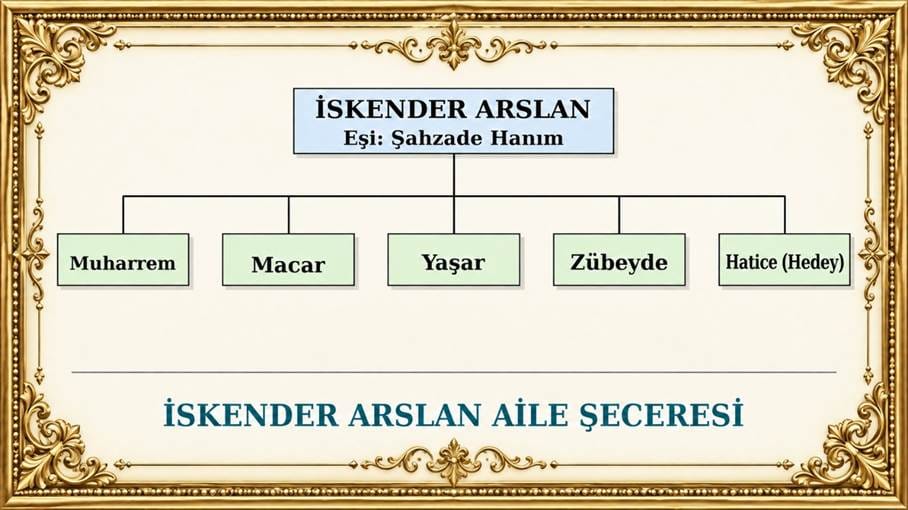
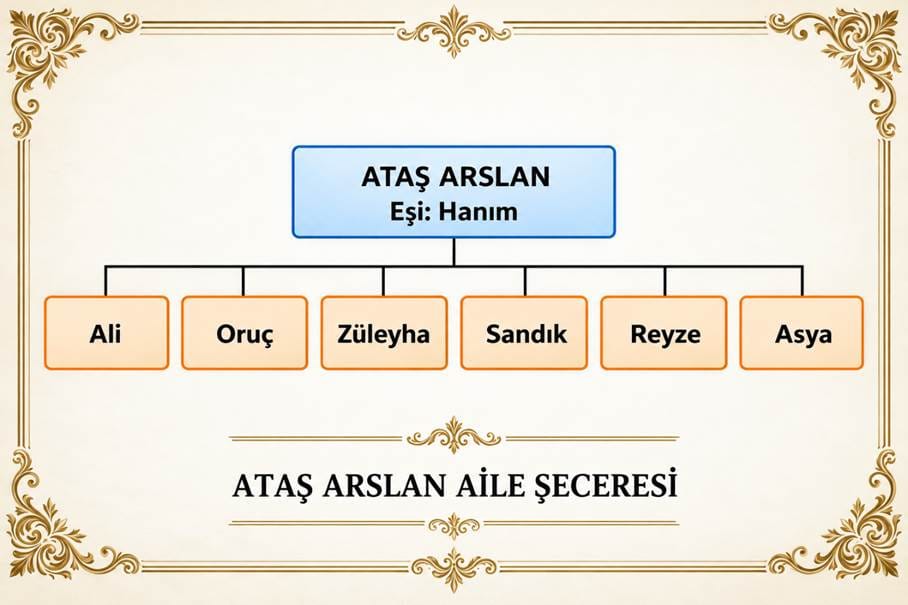
My grandfather, İskender Bey, was a folk minstrel who played the saz. That's why he was known as Âşık İskender. His brother, Ateş Arslan, was married to Hanım, the sister of Ali Eşref Başaran.
My father, Hacı Muharrem, was born in 1908. In his youth, he was involved in camel herding and sheep breeding. We had four or five shepherds. In those years, camel transport was an important business. My father passed away in Antalya in 1994 and was buried there.
One of the memories from my life in Baharlı that I never forget is the days I worked at the Civil Servants' Club. It must have been 1969 or 1970. Mecit Hun and Aziz Güney had jointly opened a Civil Servants' Club. Bayram Karatepe from Baharlı Neighborhood and I worked at this club. It was a popular spot for Iğdır's prominent people and bureaucrats serving in the district.
However, the club had one shortcoming: it had no garden. In winter, this wasn't much of a problem. But when the weather warmed up and summer arrived, the situation changed. Sitting indoors in the summer heat of Iğdır was not easy. Without air conditioning, people preferred places with gardens. Our club's regulars gradually dwindled. Eventually, the club closed.
I also have unforgettable memories of our night walks from those days. When we closed the club around midnight, Mecit Hun would walk ahead, and Bayram Karatepe and I would follow about ten paces behind him. The streets were dark; it wasn't safe at night. That's why we would accompany Mecit Hun to his home.
The club closed, and those days are long gone. But I never forgot those nights when Mecit Hun walked ahead, and Bayram and I followed ten paces behind.
Families in Baharlı Neighborhood
In Baharlı Neighborhood, neighborliness and kinship are intertwined. Families not only share the same streets; they are also connected to each other's lives through blood ties and marriages. Behind different surnames lie common roots, and within separate houses are intertwined family stories.
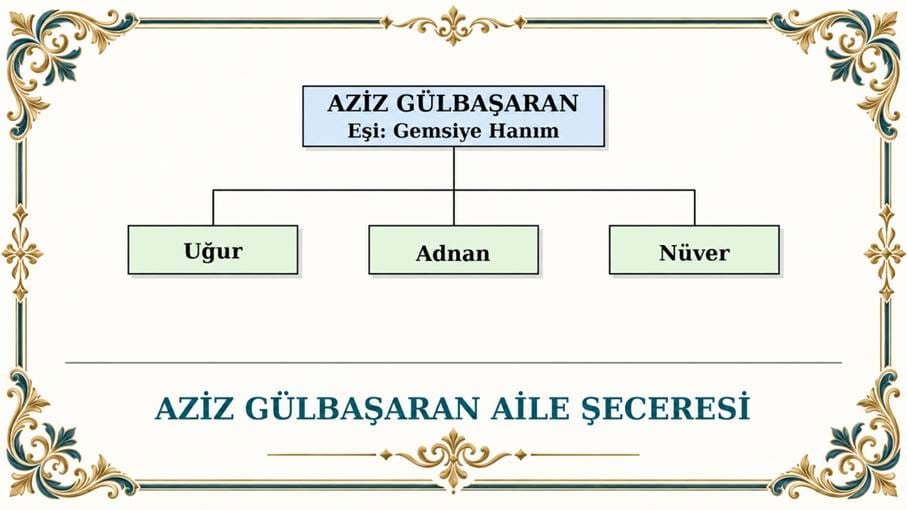
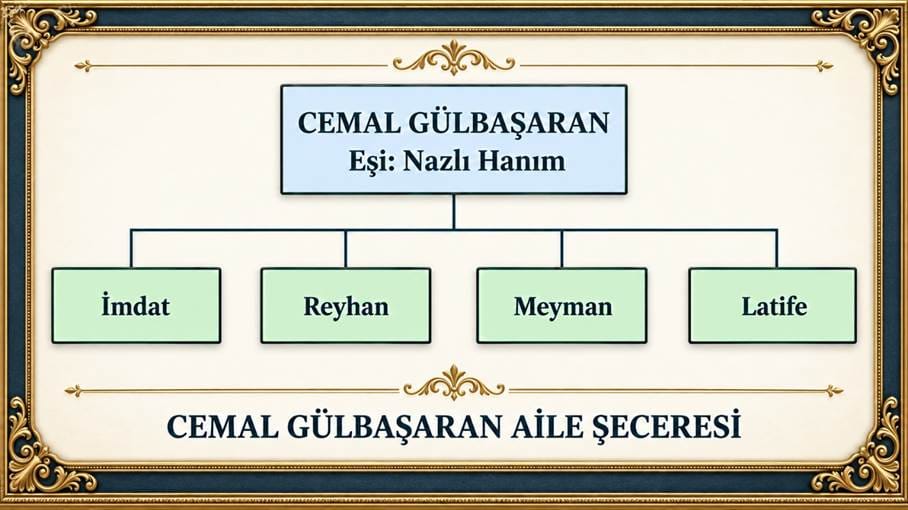
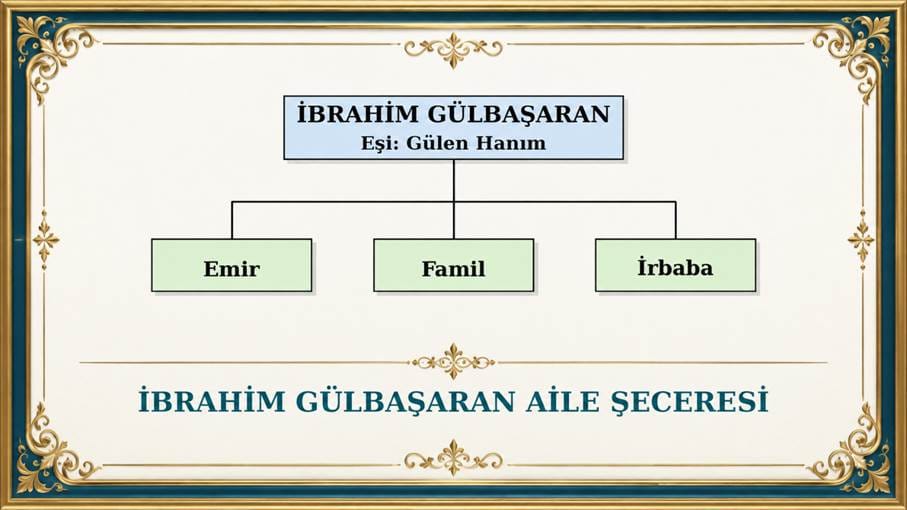
Ali Eşref Başaran's father, Sarı Bey, and Rüstem and Lazım's father, Sefer Başaran, were cousins. Some cousins within the same family circle had taken the surname Gülbaşaran. The families of İmdat and Emir Gülbaşaran are examples of this kinship that continued despite different surnames. Emir Gülbaşaran's wife, Sandık Hanım, was also my paternal aunt's daughter. Therefore, the history of these families I've mentioned also merges with the history of my own family.
When you start telling the story of one family in Baharlı, your path leads to the past of another family. Following one surname, you reach the door of another house, and from there, your own relatives. For this reason, it is possible to list the families of Baharlı separately; however, it is not easy to separate their stories from each other.
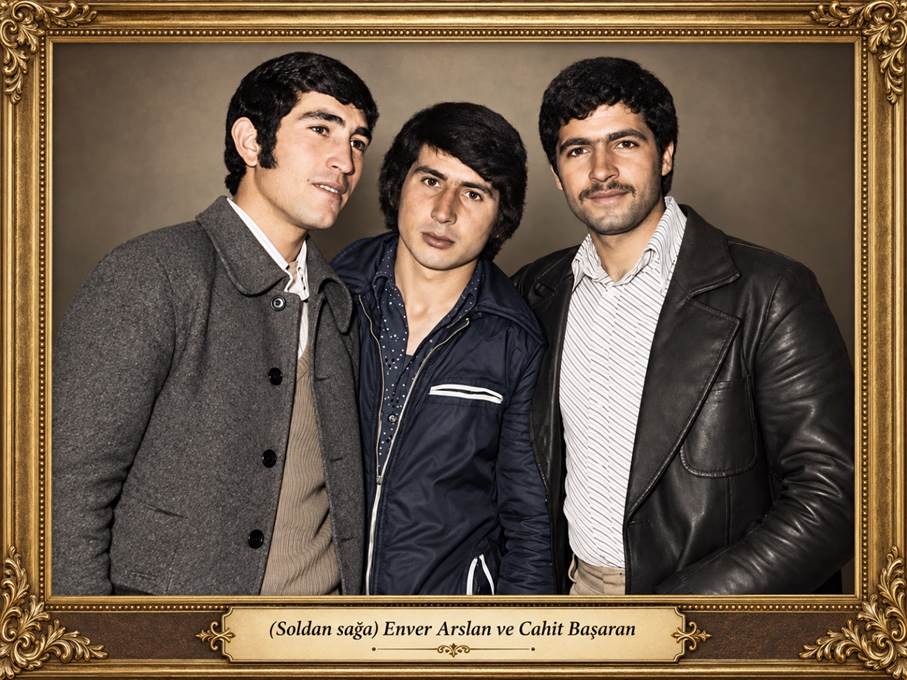
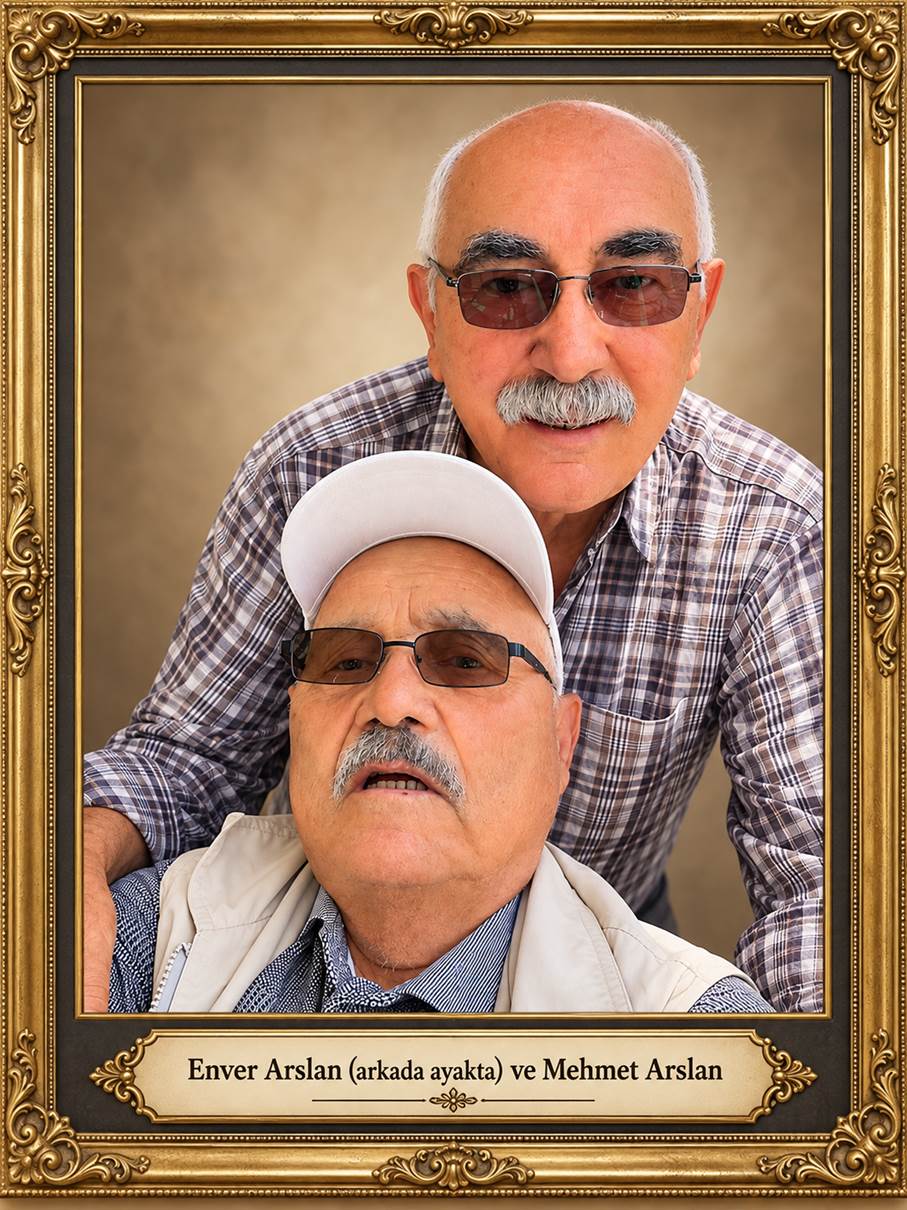
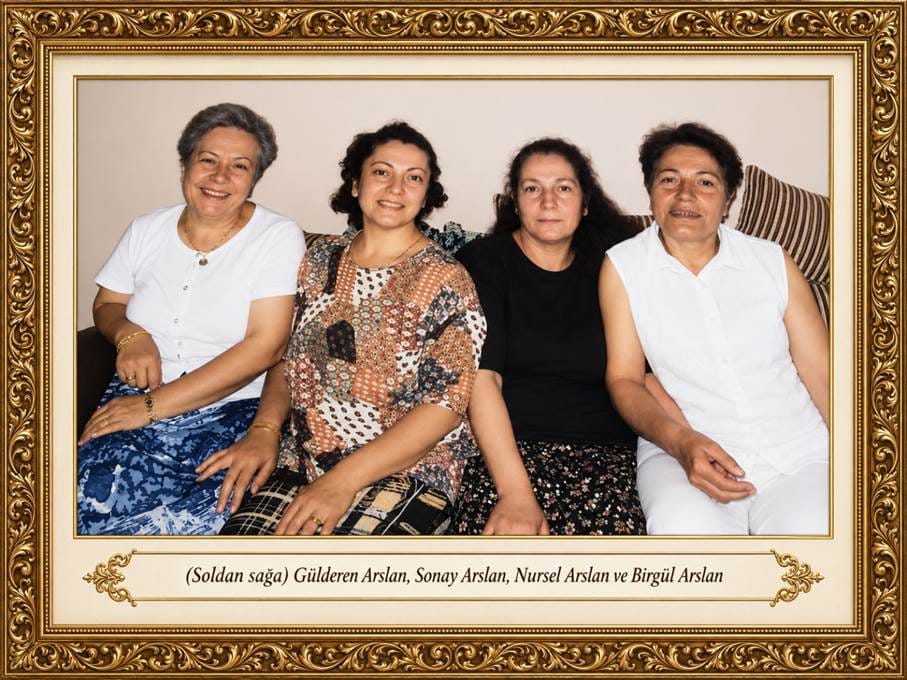
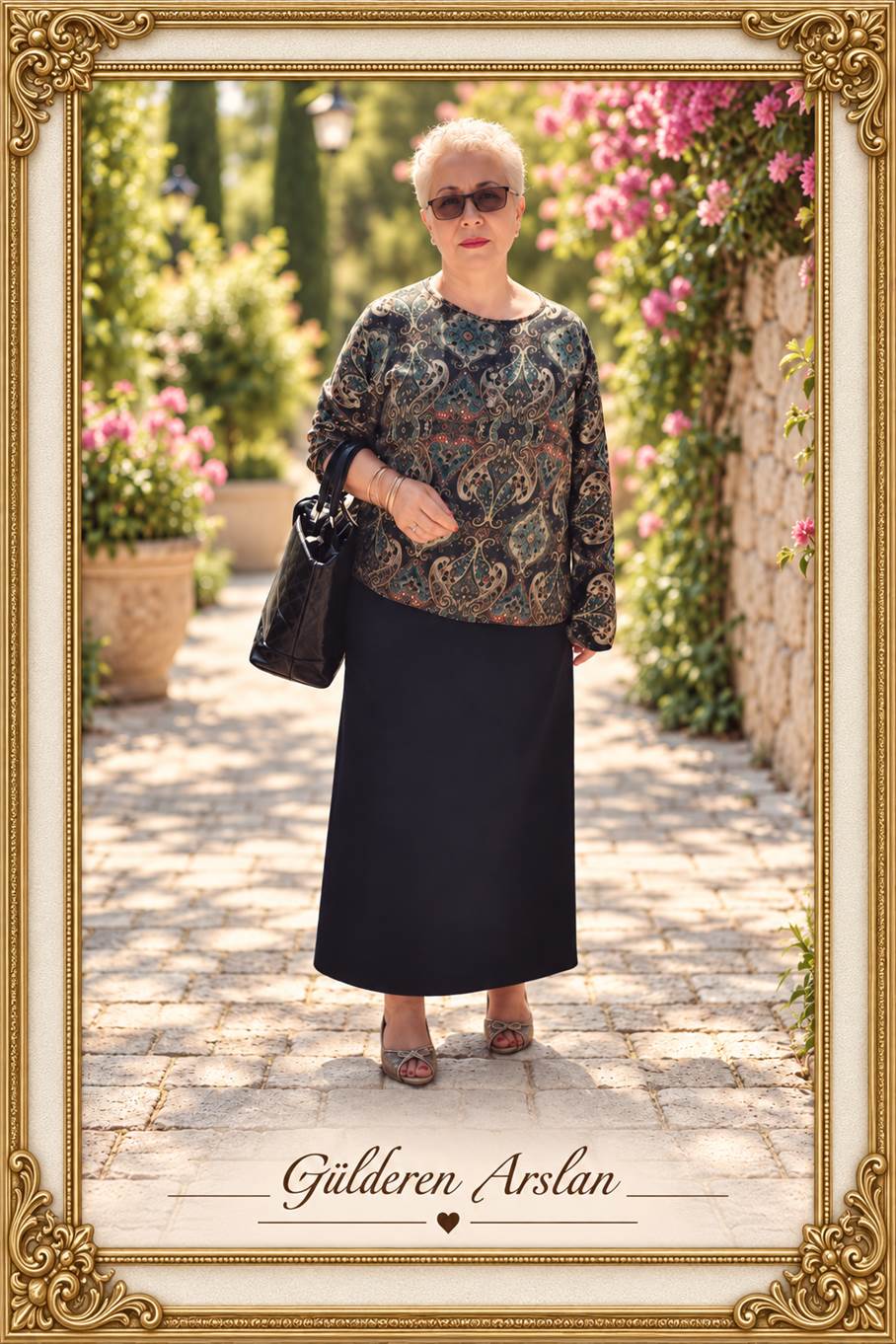
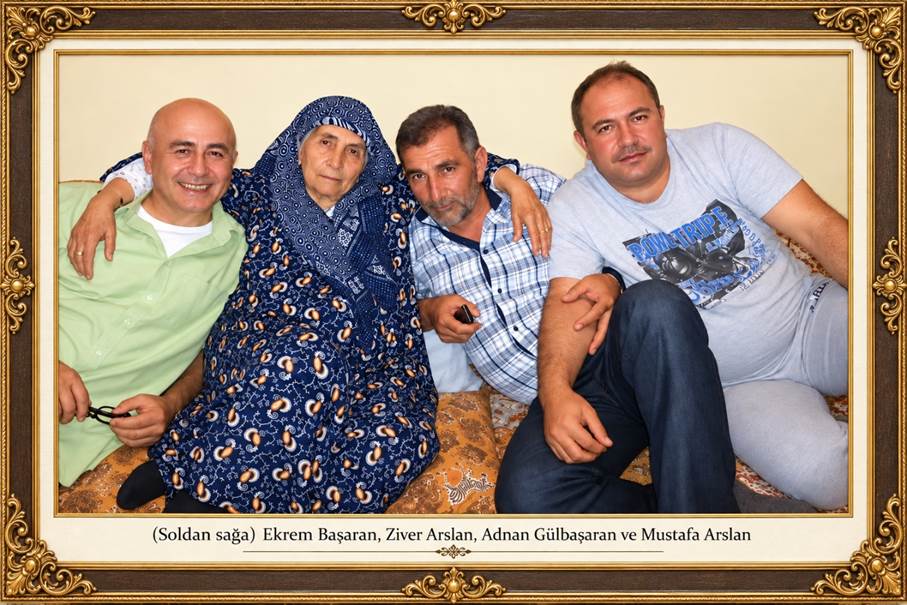
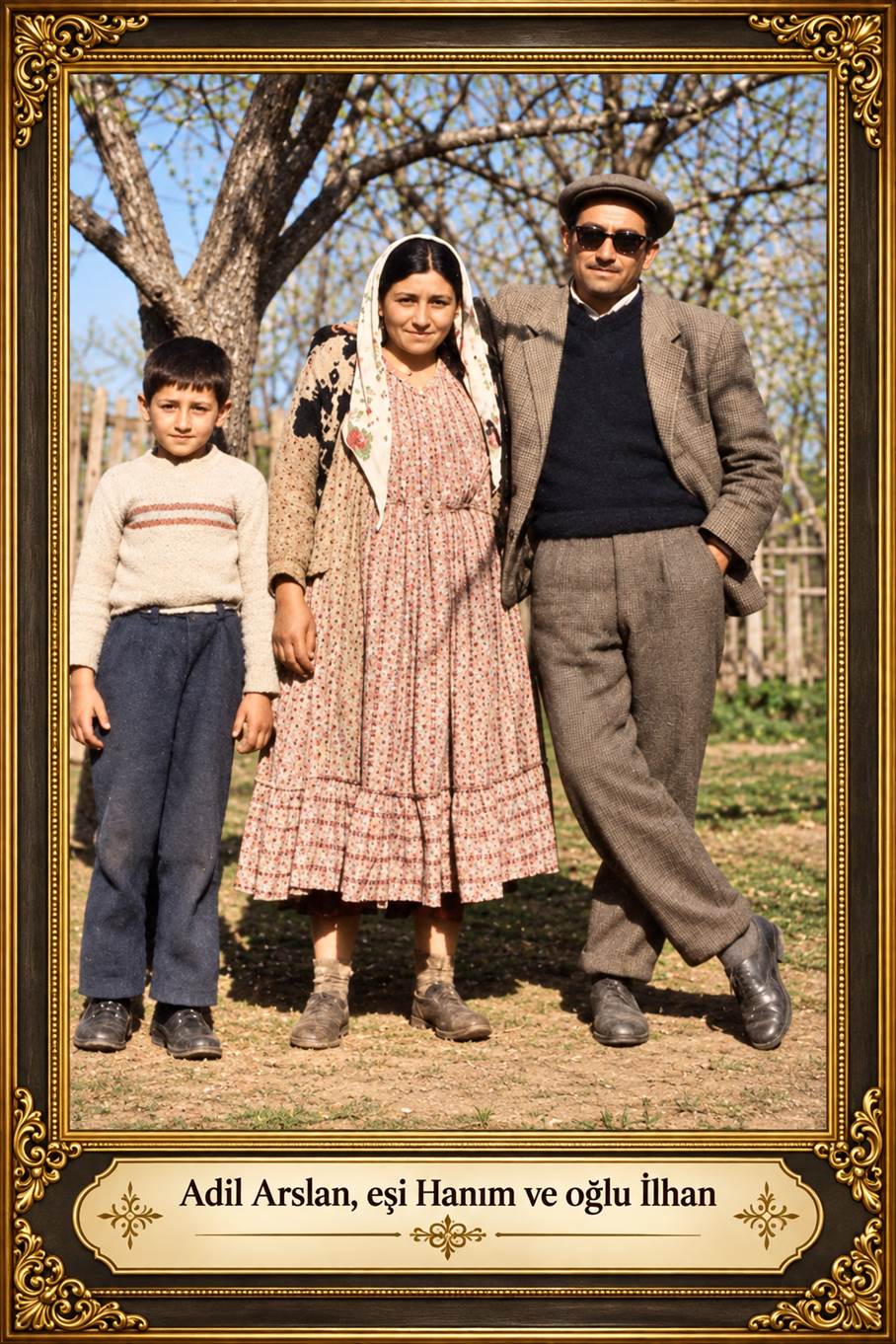
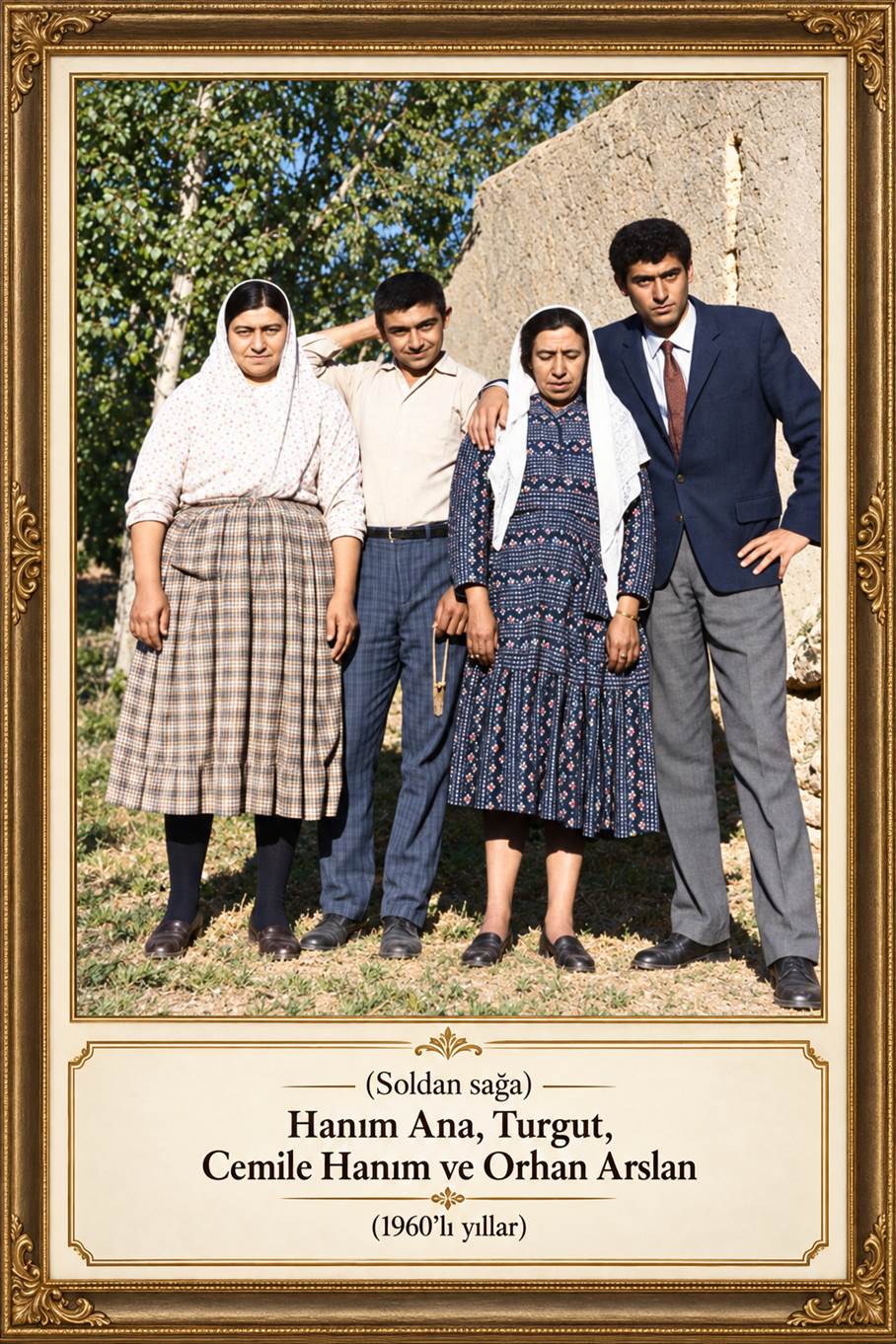
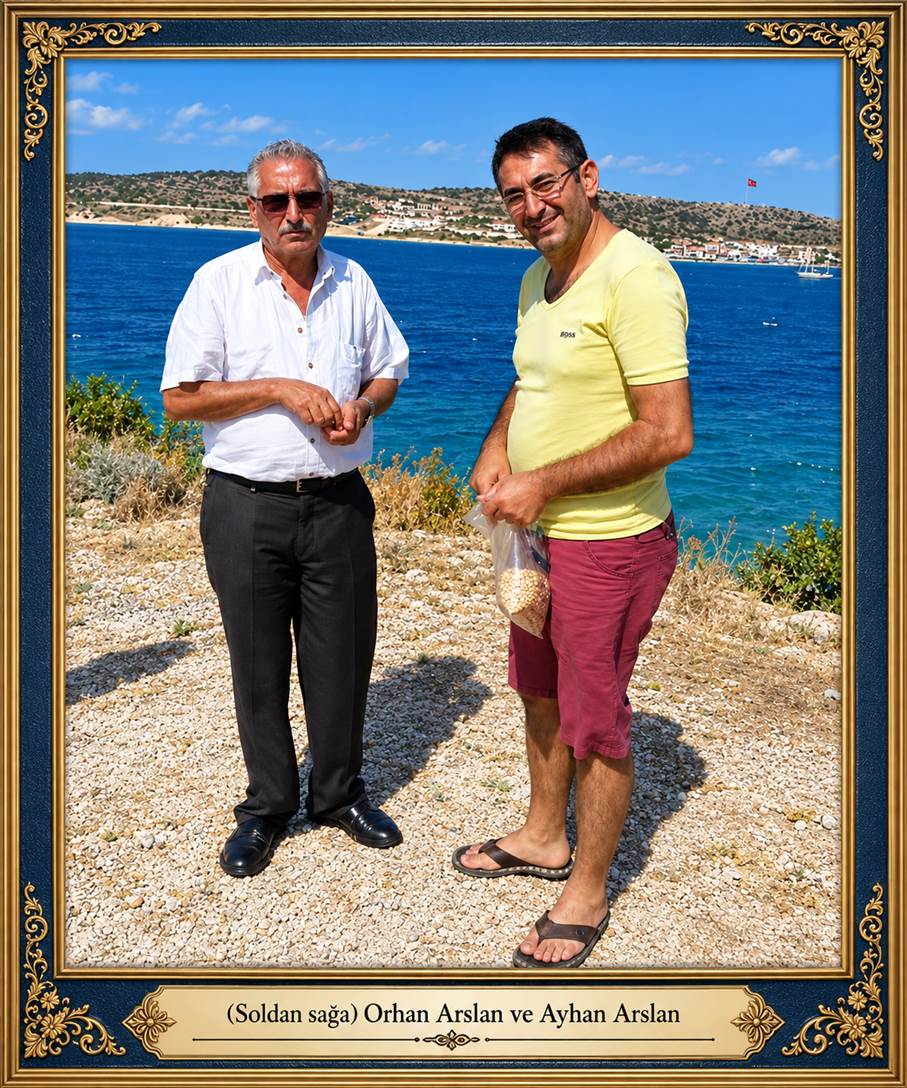
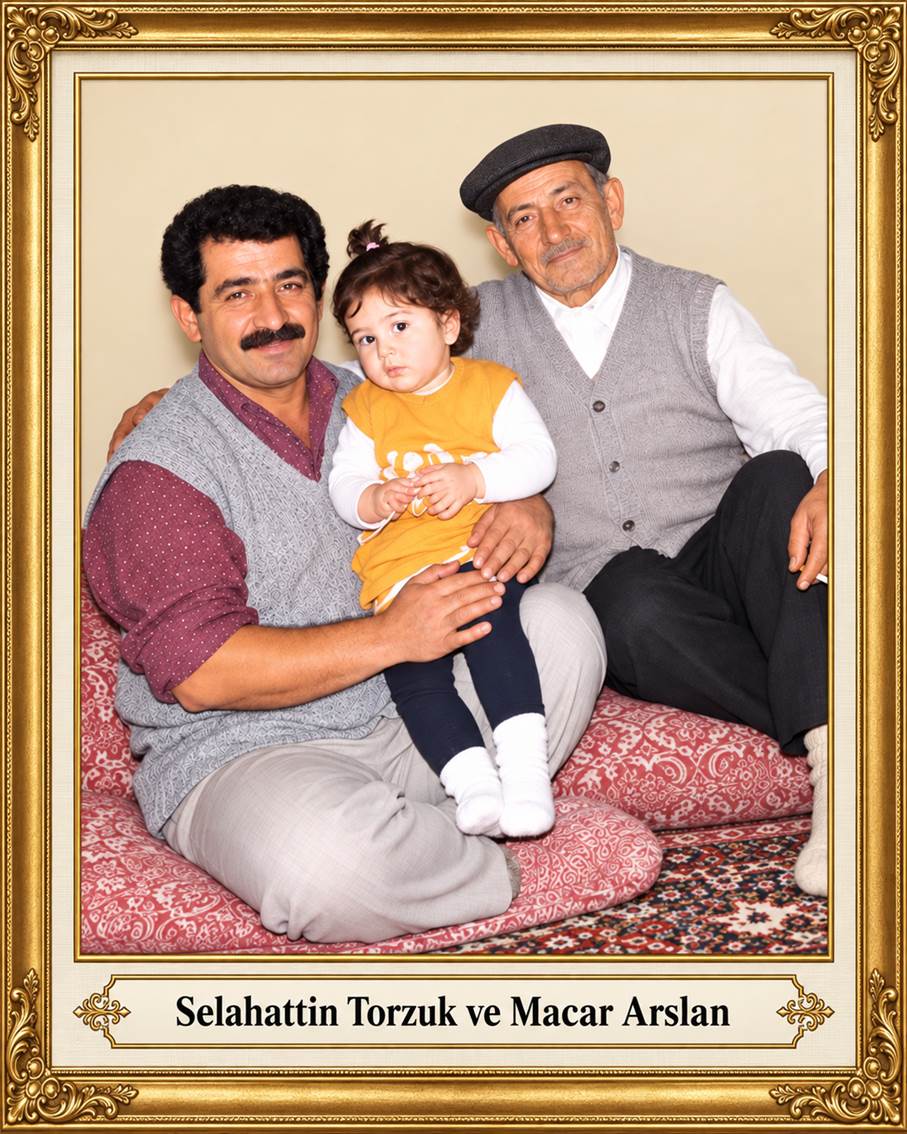
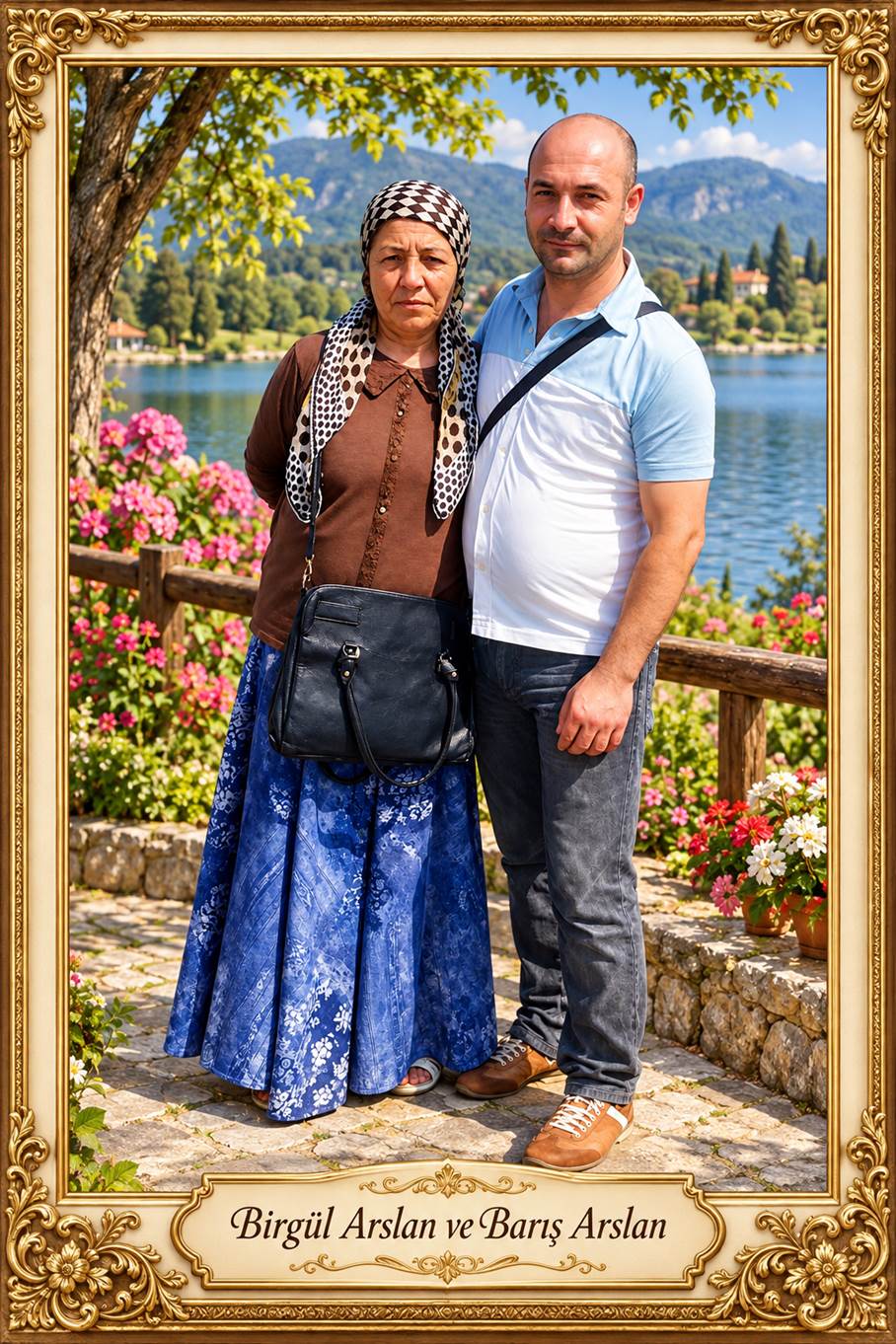
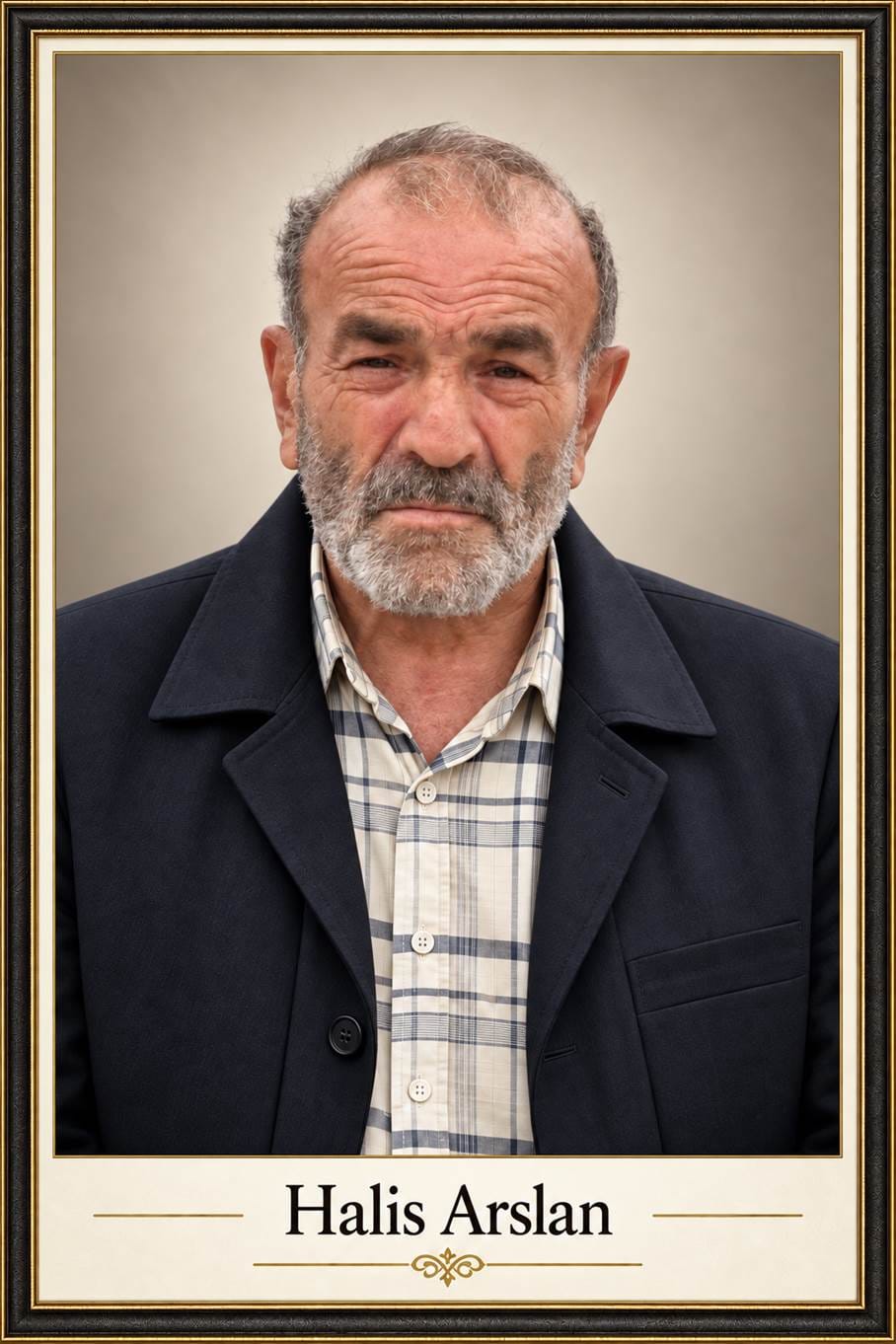
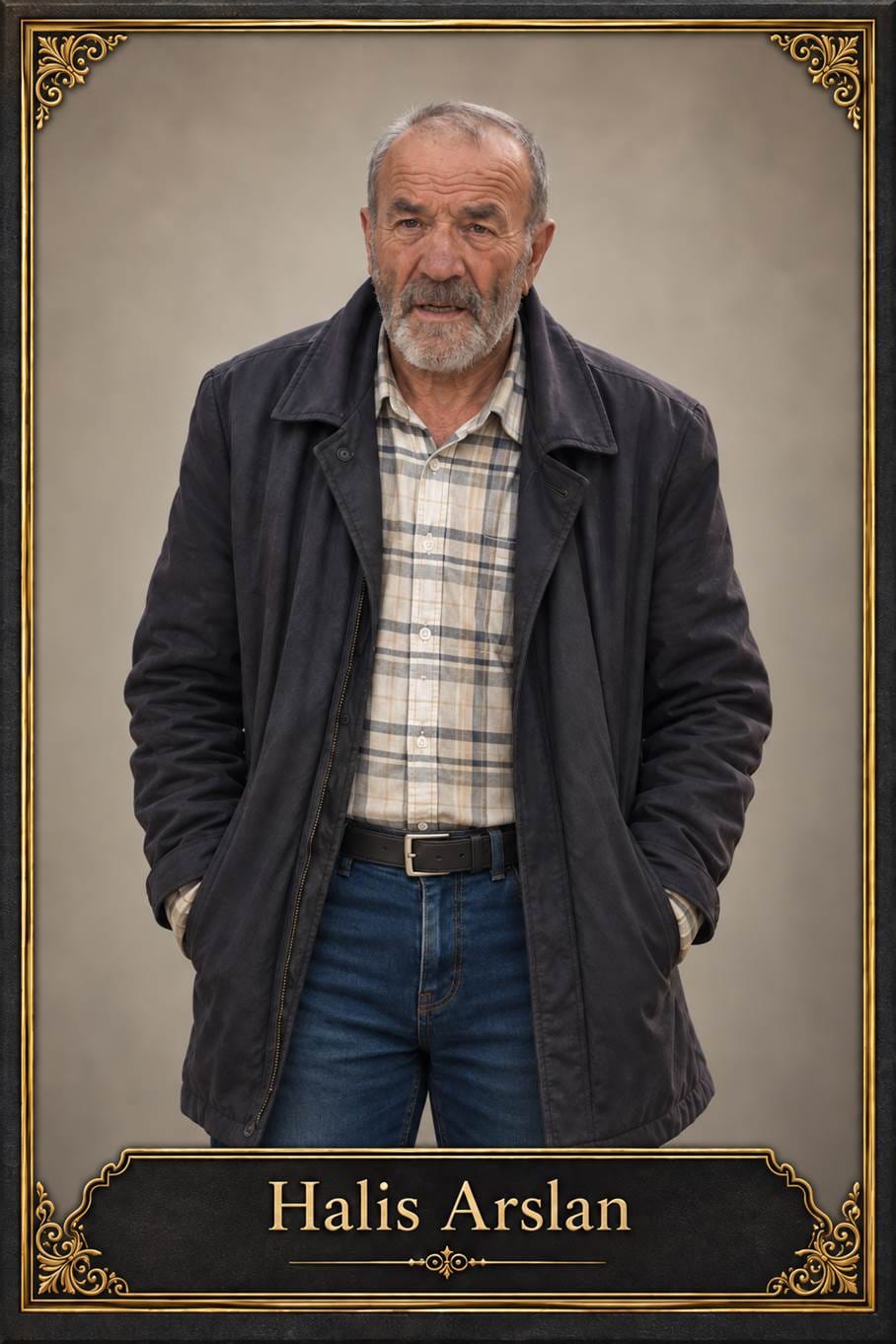
HALİS ARSLAN: THE BROKEN HOPE OF A NEIGHBORHOOD
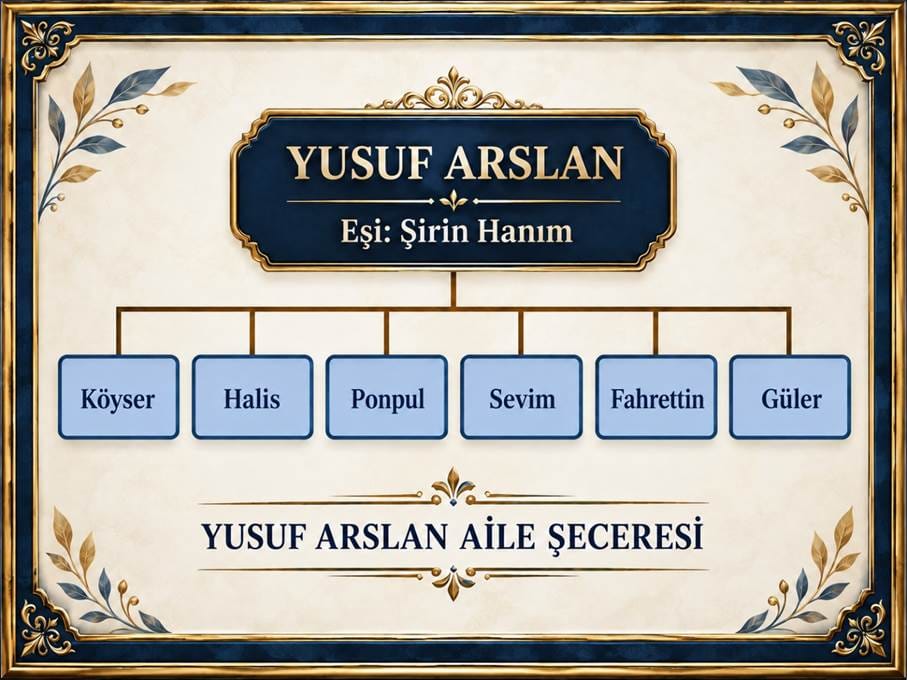
Halis Arslan was born in 1950 in the Baharlı Neighborhood of Iğdır, into a very poor family. His father educated him by growing and selling vegetables. Despite all difficulties, Halis graduated from Hacettepe University and became a French teacher. He was the first university graduate from his neighborhood. A father's labor and a son's years of effort had finally paid off.
However, his life was turned upside down while serving as a reserve officer in Bursa. At the invitation of a relative, he attended a meeting of the Aydınlık movement in his military uniform. According to reports, after the situation was reported to military authorities, he was interrogated. During these interrogations, it is said that he was subjected to "cold torture" aimed at shattering his mental structure, breaking his will, and disturbing his psychological balance. Halis's military service ended, but the fear of what he experienced did not.
He continued teaching for a while. Later, in a village in Diyarbakır where he was assigned, he reportedly faced threats and pressure from PKK members. His psychological problems worsened. Eventually, he could no longer continue teaching and returned to Iğdır. The young man who once went to Ankara to study could no longer leave his neighborhood.