Baharlı Neighborhood Pictures - PART ONE
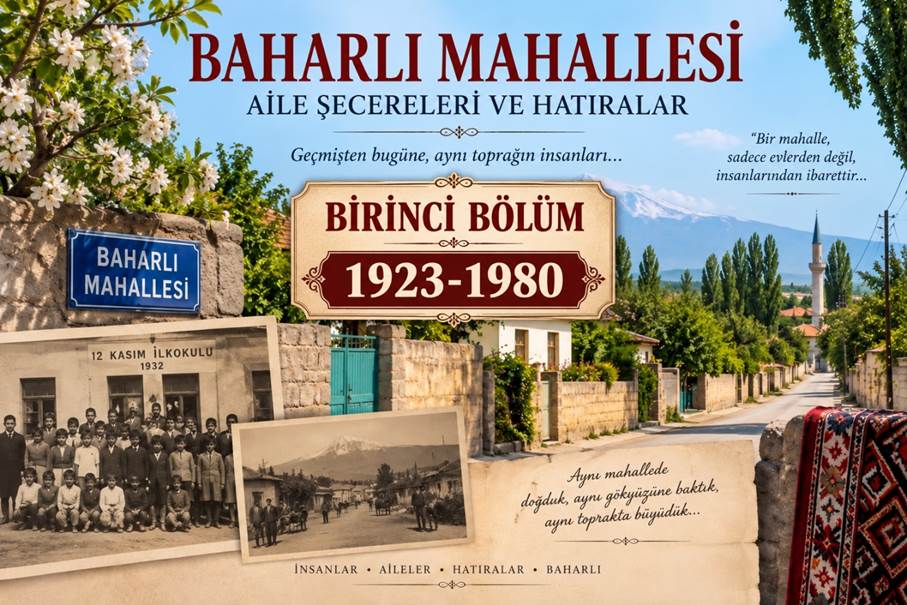
This article presents a collection of old photographs and family genealogies from Baharlı Neighborhood, aiming to preserve its collective memory and the interwoven lives of its diverse communities.
Dear readers,
In this section, I will not only present some family genealogies and old photographs. In fact, on these pages, I will try to bring together the human memory, family ties, and shared history of Baharlı Neighborhood, carried from generation to generation. Because the history of a neighborhood is not just about its streets, houses, and official records. The real history is hidden in the stories of the people who grew up on those streets, in the interconnected branches of families, and in the names on the back of an old photograph that are on the verge of being forgotten.
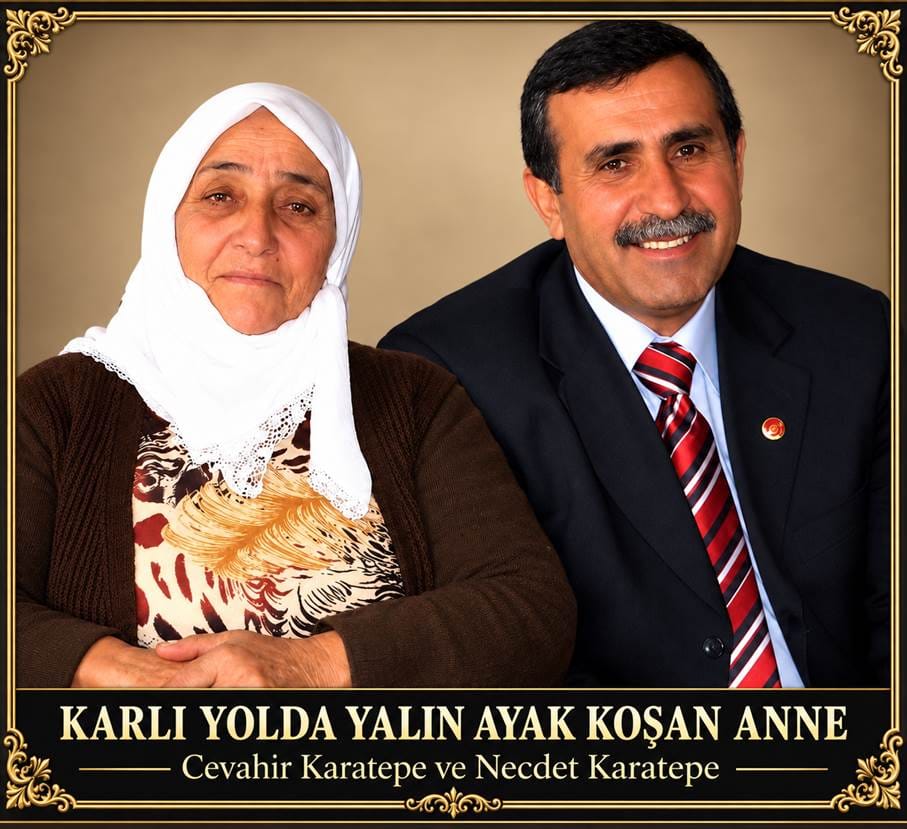
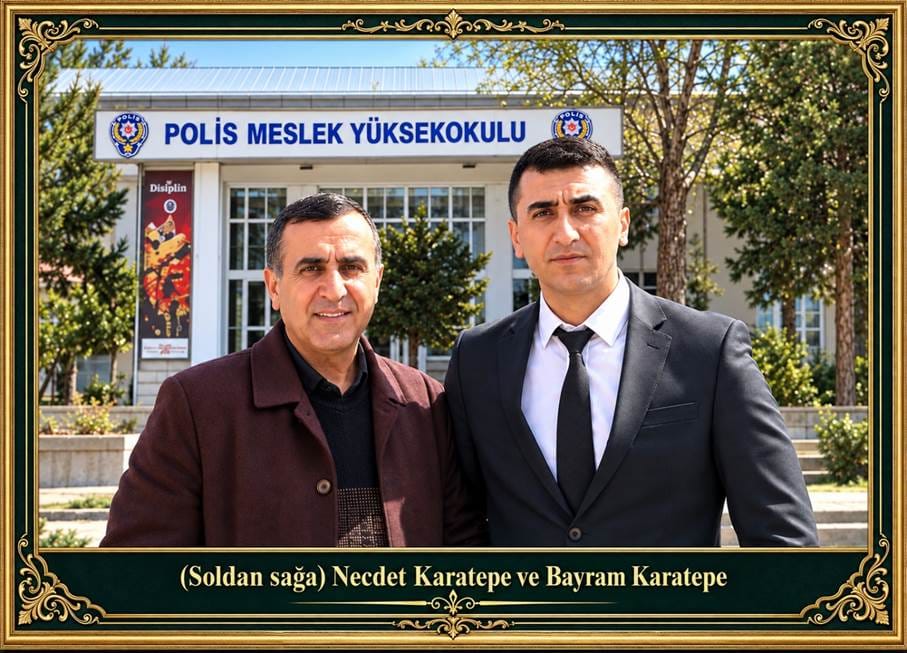
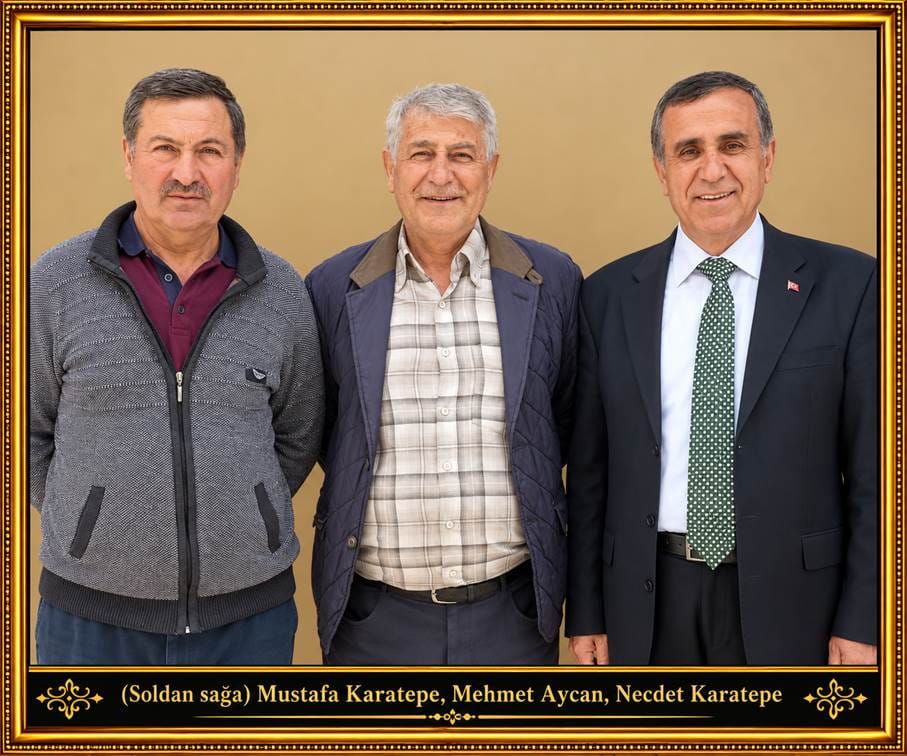
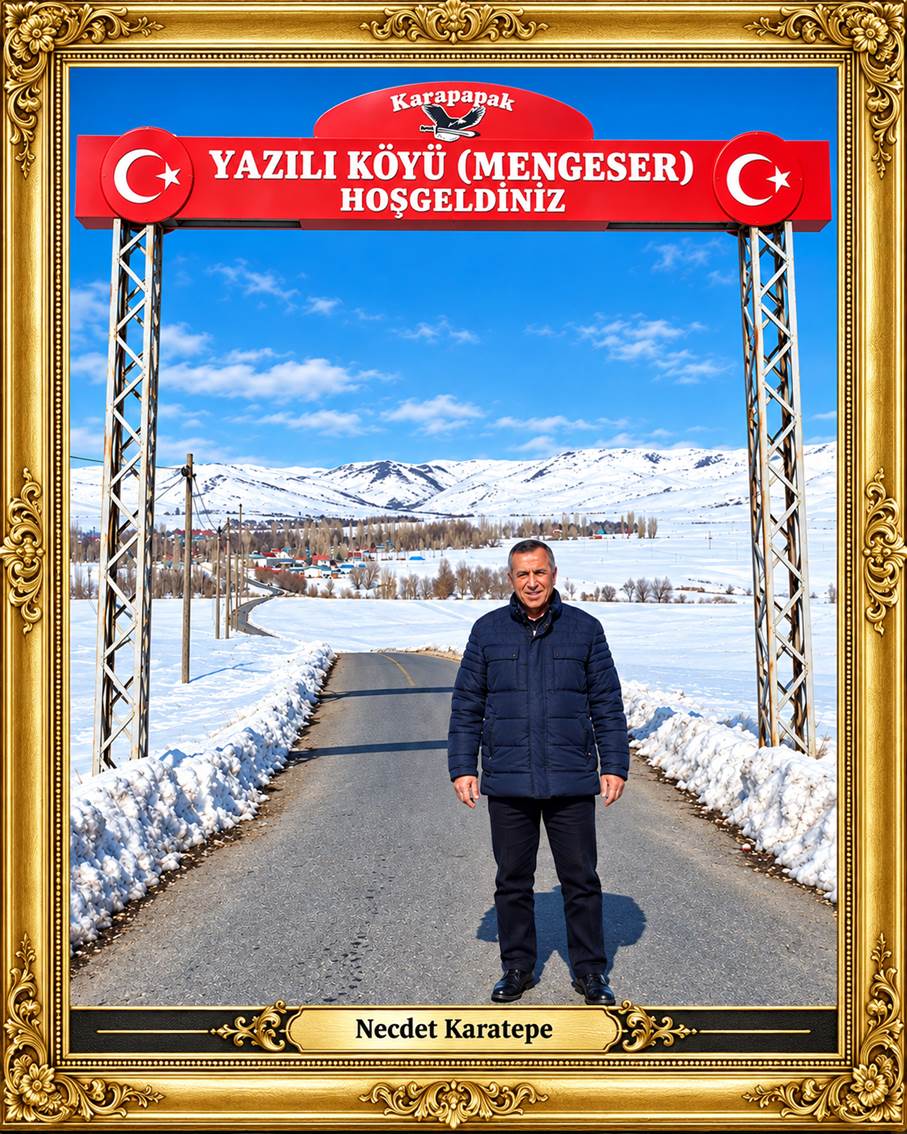
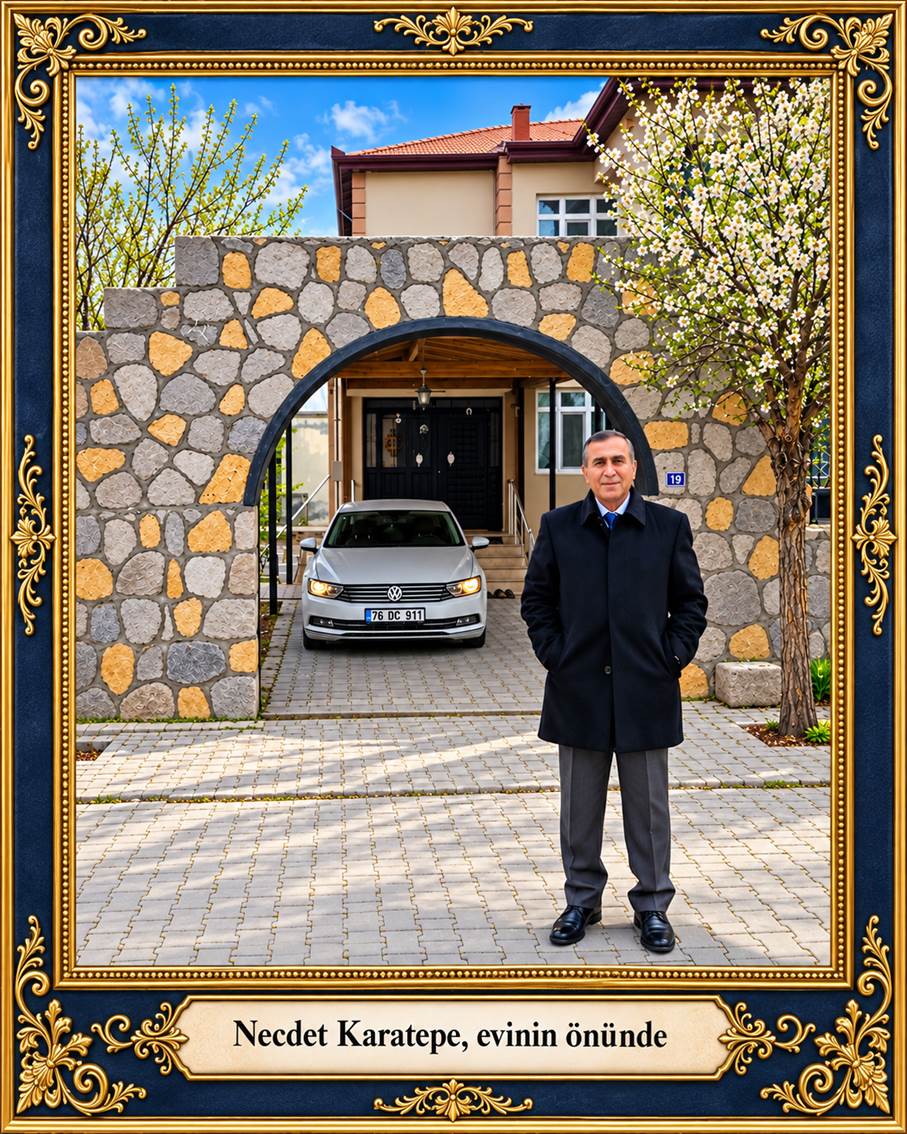
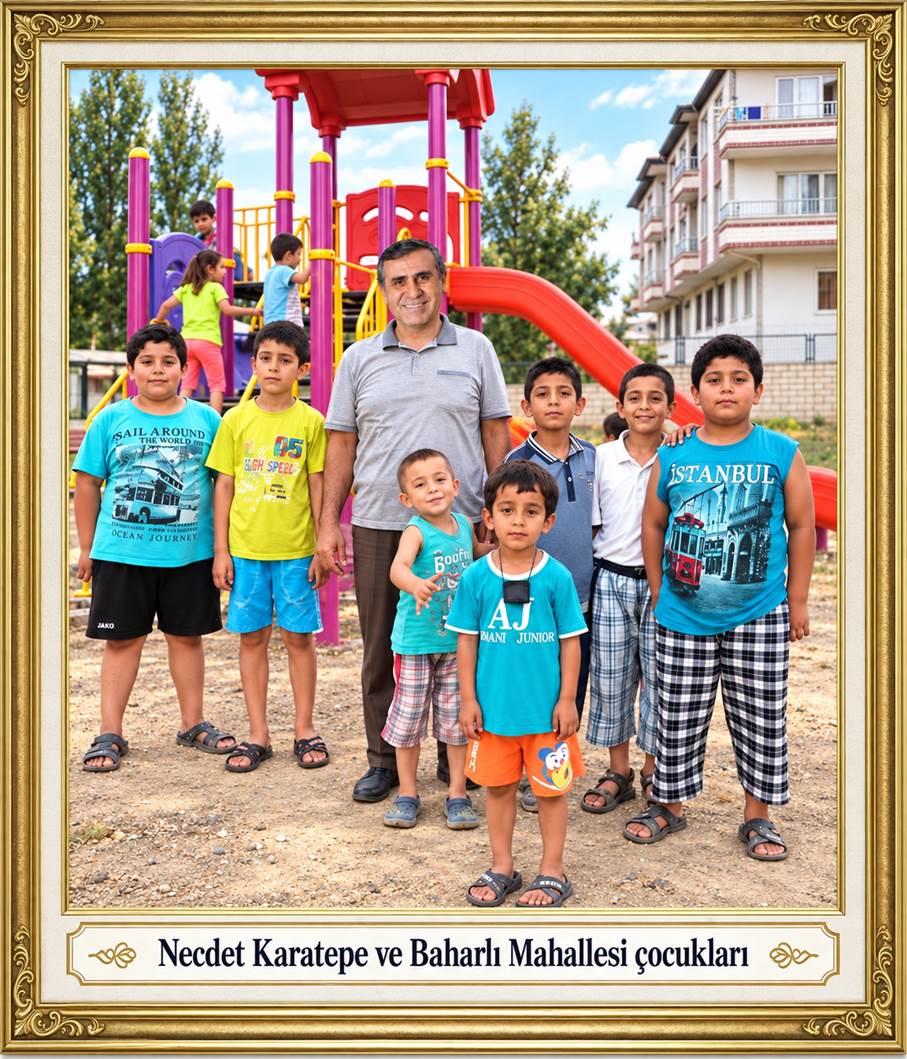
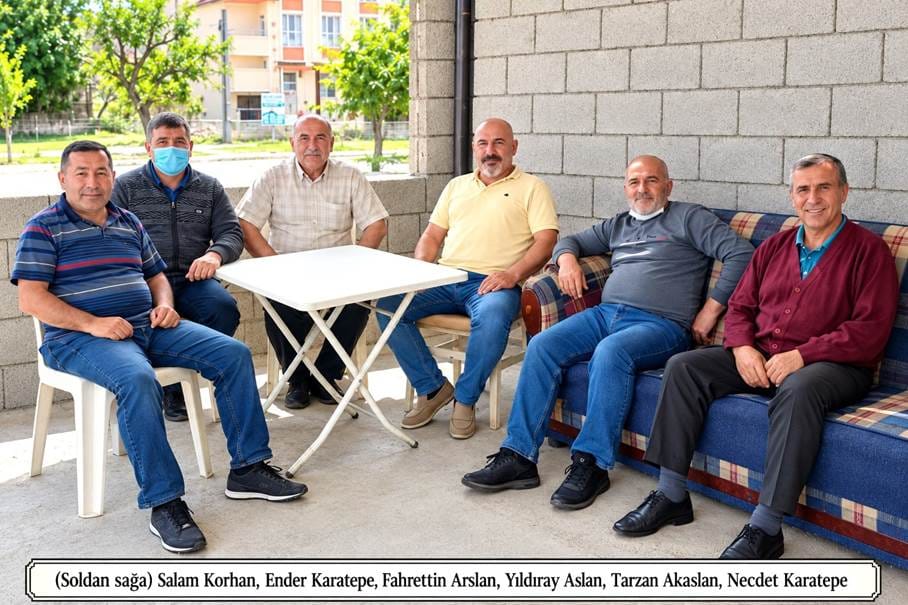
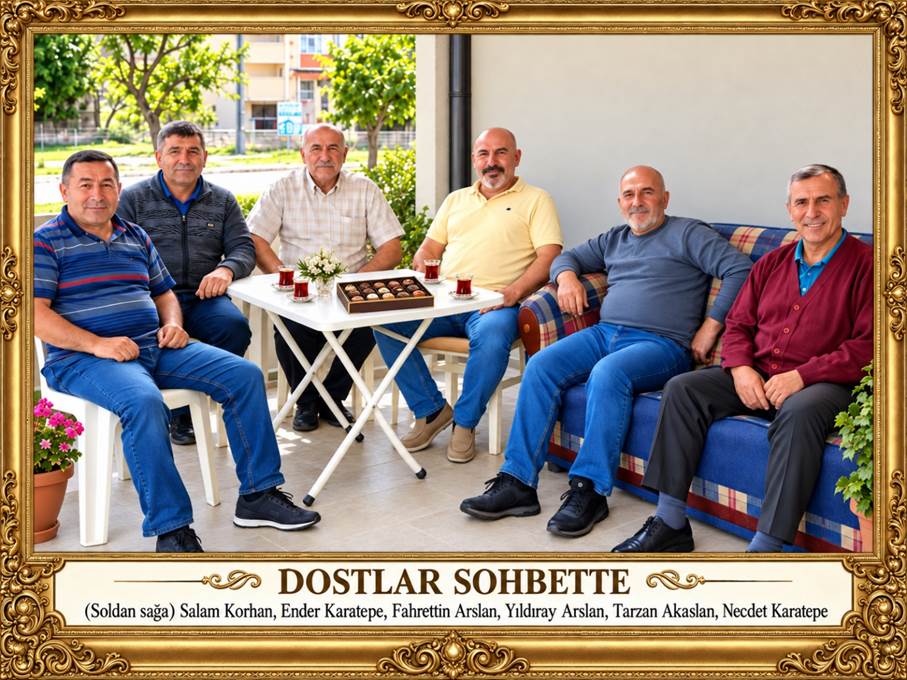
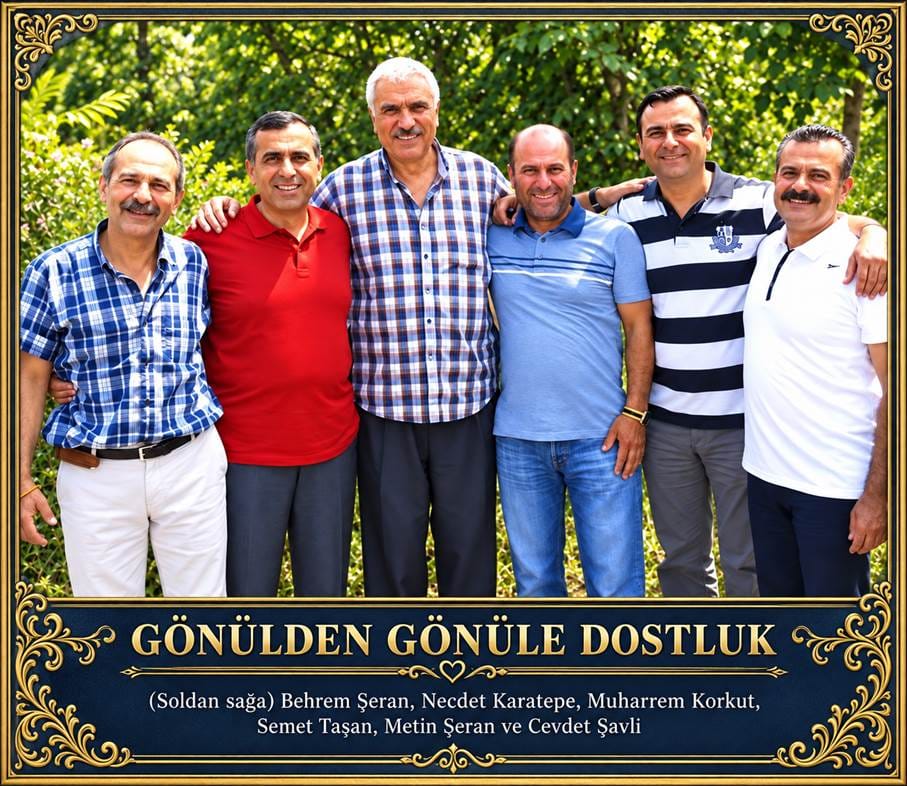
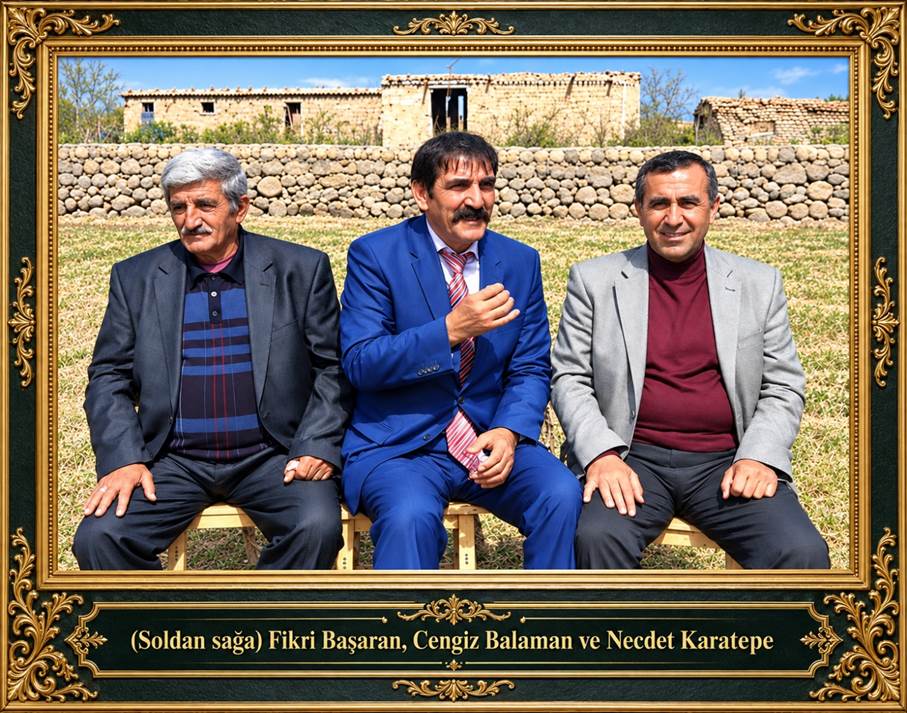
In this comprehensive and quite arduous work, I feel it my duty to thank our former headman, Necdet Karatepe, in front of all of you, for never leaving me alone, and for his great efforts in bringing this work to fruition with his knowledge, patience, and continuous support.
To love a neighborhood is not merely to carry its headman's seal. To truly love a neighborhood is to know its people, to understand its past, to share its joys and sorrows, and to embrace everyone with the same sincerity, without any discrimination. Necdet Karatepe, with his interest, helpfulness, and self-sacrifice, is today one of the finest representatives of this understanding and the spirit of Baharlı Neighborhood.
The formation of Baharlı Neighborhood's population structure during the Republican era began in the 1920s. The first community to settle in the neighborhood was the Terekemes. In this sense, they can be considered the first founding families of today's Baharlı Neighborhood in the Republican era.
Terekeme families were sometimes referred to by the names of the tribes they belonged to, and sometimes by the names of the villages they came from. One of the first and most important branches of the neighborhood was the community known as "Çığın Karakoyunlu." In later years, Saraçlı (Pırçoy), Hacıağa, and other family groups also took their places in the neighborhood.
Over time, marriages occurred between these families; kinship ties multiplied, and a strong social integration quickly took place. Despite coming from the same root or closely related family circles, the fact that these families adopted different surnames after the 1934 Surname Law led to people from the same root being seen under different family names today. For this reason, it is often not possible to understand family ties by looking solely at surnames. This is precisely where the importance of genealogies emerges.
The second significant change in the social structure of Baharlı Neighborhood occurred in the autumn of 1930. Following the suppression of the Ağrı Dağı Rebellion in September 1930, some Kurdish villages around Ağrı Dağı — such as Adetli, Karahacılı, Kolukent, Karagüney, and other surrounding settlements — were included in the Prohibited Zone, leading some Kurdish families living there to seek new settlements.
During this process, Ahmed Şemo and Ali Mirze Bey settled in Baharlı Neighborhood with their families in the autumn of 1930. Other Kurdish families followed them. In later years, with the settlement of Azerbaijani Turkish families in the neighborhood, Baharlı gained a vibrant neighborhood identity where people from different origins shared the same streets, the same neighborly relations, the same joys, and the same sorrows.
However, Terekeme families have a decisive place in the formation of Baharlı Neighborhood's historical fabric and cultural character. The families who settled in the neighborhood later also became a natural part of this cultural environment over time; lives intertwined through neighborly relations, friendships, and marriages. Today, it is no longer possible to separate this past with clear lines. The true story of Baharlı is precisely the story of these intertwined lives.
For this reason, in this work, I first included the Terekeme families, who were the first settled families of the neighborhood, their genealogies, and their photographs. Then, I included the Kurdish and Azerbaijani Turkish families who settled in the neighborhood in later years, with the same understanding. My aim is not to highlight any one family over another, but to meticulously record the collective memory of Baharlı Neighborhood as completely as possible.
One of the most challenging aspects of this work was finding old photographs, accurately identifying the people in them, and constructing family genealogies as error-free as possible across generations. Sometimes, to identify a name in a photograph, it was necessary to speak with many people, and sometimes to compare different pieces of information about the same family. Therefore, the resulting work is based not on the memory of a single person, but on the contributions and collective remembrance of many people.
Nevertheless, it is, of course, possible for errors to be found in genealogies, names, or photo captions. If such an error exists, the responsibility for it primarily lies with me. I specifically ask that no one attribute any malicious intent to this. Every correction brought to my attention will be carefully evaluated, and the necessary changes will be made without delay.
Similarly, my friends from Baharlı Neighborhood who believe that their family's genealogy or photographs have not been included in this work can also provide me with the information and documents they possess. Because this work is not a closed file, but the living memory of Baharlı Neighborhood. It will continue to grow with new information, new photographs, and new testimonies.
And what a beautiful coincidence it is that, precisely while I was preparing this work, Mecit Taşan, one of the esteemed children of our neighborhood and a valuable elder, sent me a poem.
When I read the poem, I thought that it expressed not only one person's feelings but also spoke of friends from the past, our elders whom we have lost, old weddings, neighborhood conversations, and an era that is gradually fading away. It was as if it summarized in a few lines why this genealogical work was being done.
Because people pass away, houses change, the appearance of streets changes; but if names are recorded, faces are preserved in photographs, and memories are written down, the past is not entirely lost.
Therefore, before I begin to tell the stories of the families, faces, and memories of Baharlı Neighborhood, I want to give the floor to Mecit Taşan.
FORGOTTEN HEART
O mad heart, out of sight,
How quickly it forgot me, friends and kin.
This state brings pain to the loving heart,
How quickly it forgot me, friends and kin.
Once you roamed the peaks,
With a handkerchief in hand, you danced at weddings.
You had your saz, your words, sometimes you wrote poetry,
How quickly it forgot me, friends and kin.
Those who knew value have passed away,
Father, mother, uncle, one by one.
We remembered, the Creator knows you,
How quickly it forgot me, friends and kin.
My age is seventy, my work is done, you say?
Let sorrow and grief not engulf me from all sides.
May time's wheel not reach its destination,
How quickly it forgot me, friends and kin.
Mecit, you too were born in Baharlı,
Sometimes emotional, sometimes exuberant.
You looked back at your youth,
How quickly it forgot me, friends and kin.
Mecit Taşan
October 15, 2023 — Bursa
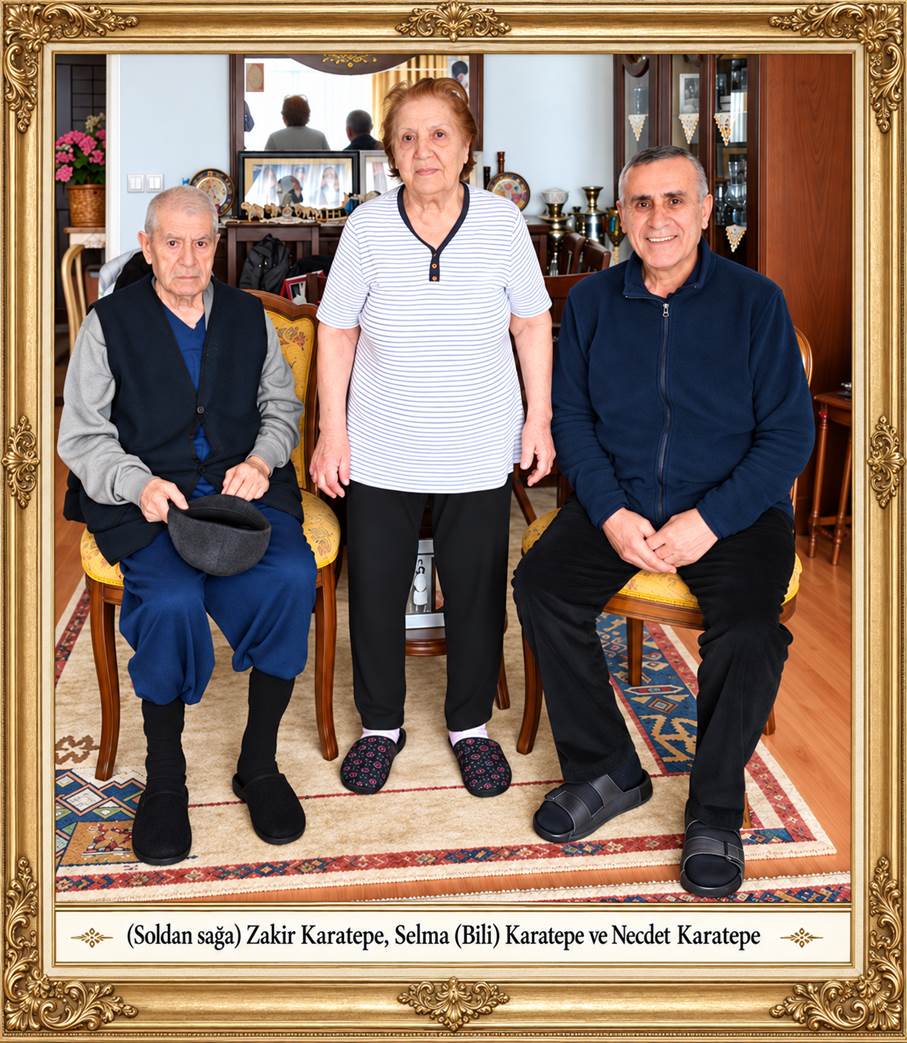
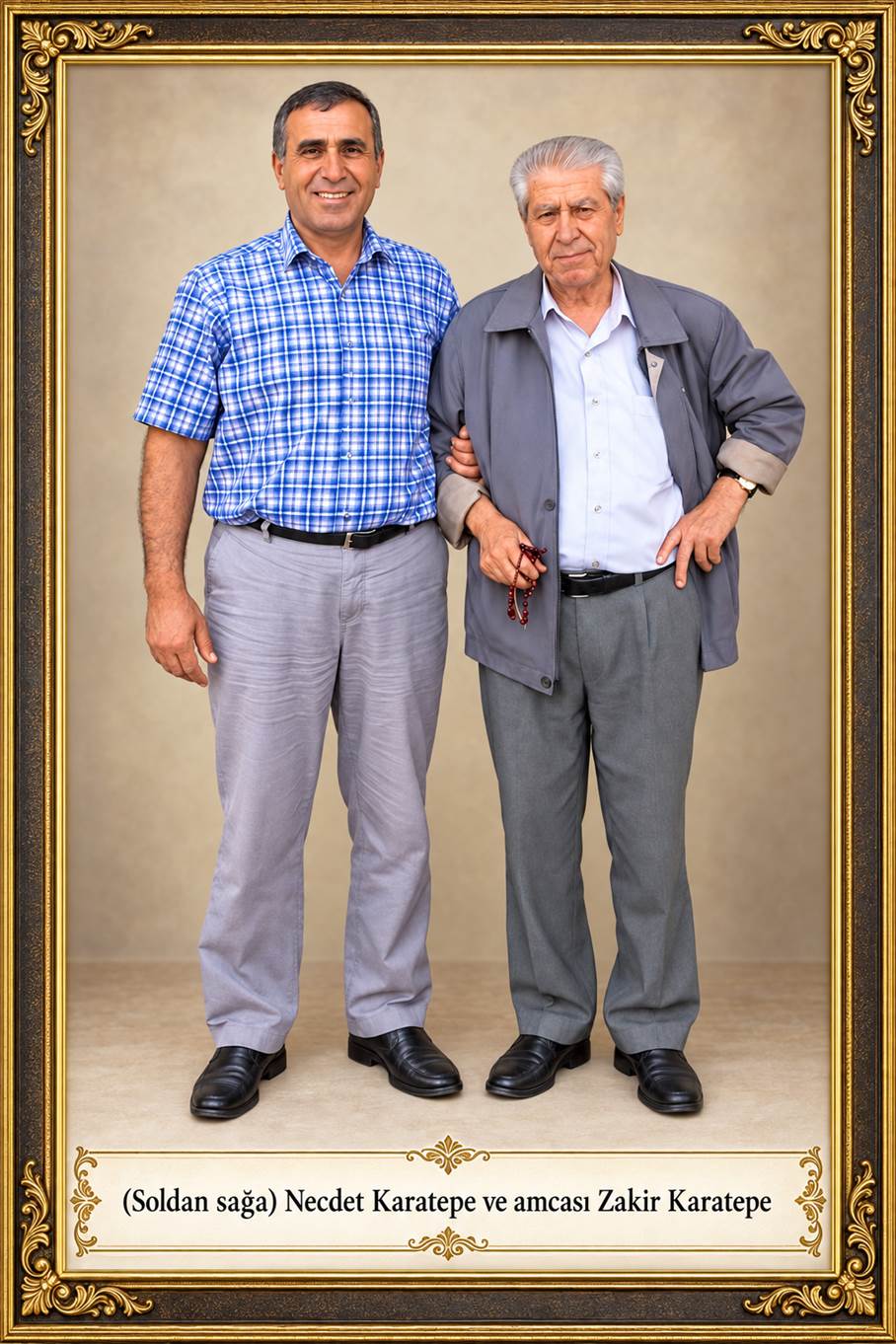
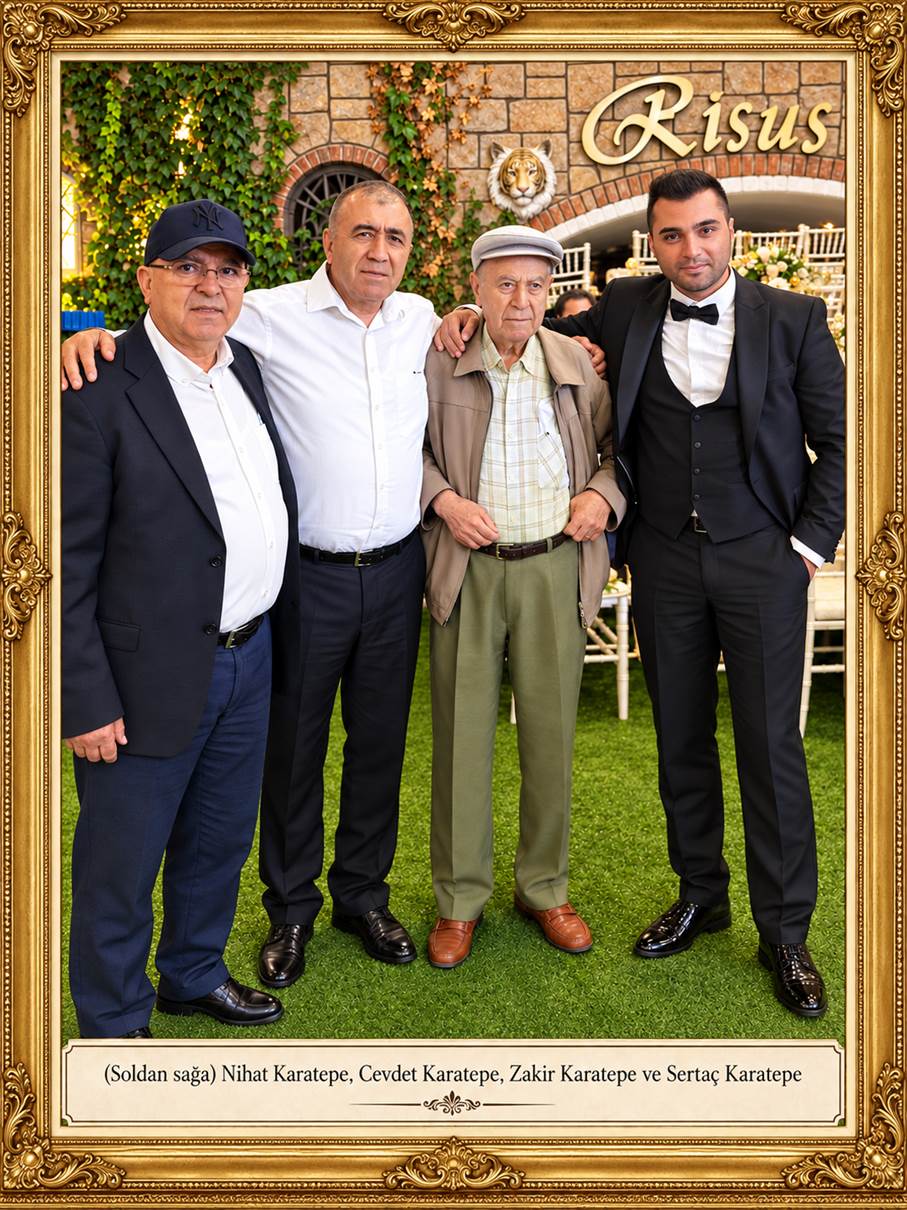
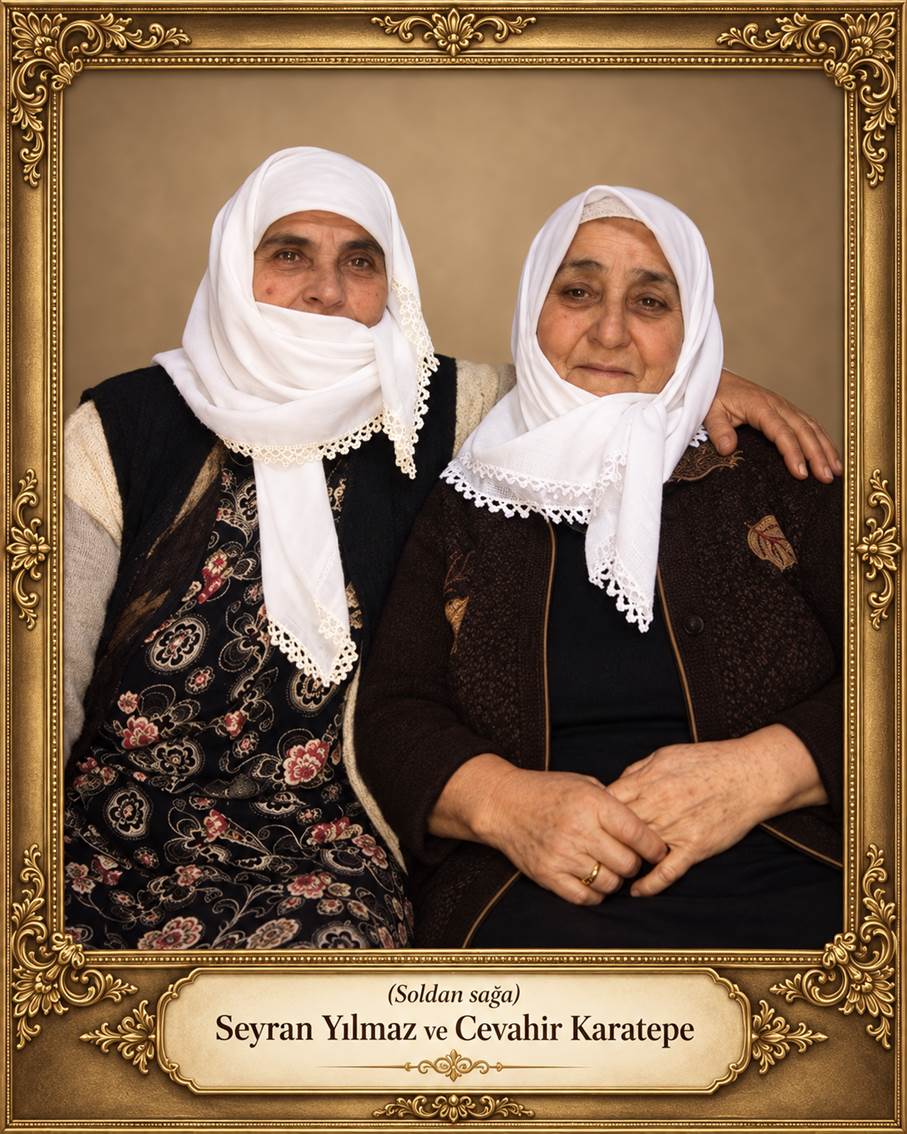
TEREKEME POPULATION FAMILY GENEALOGIES AND PICTURES
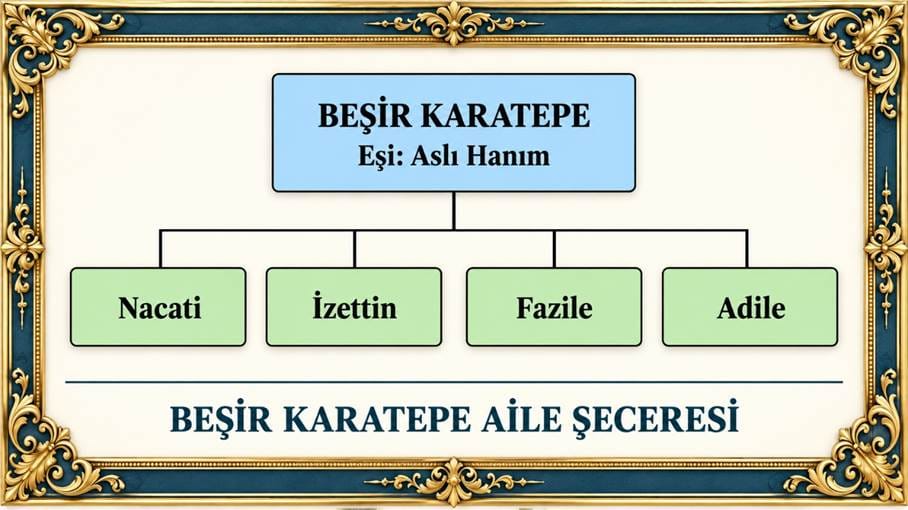
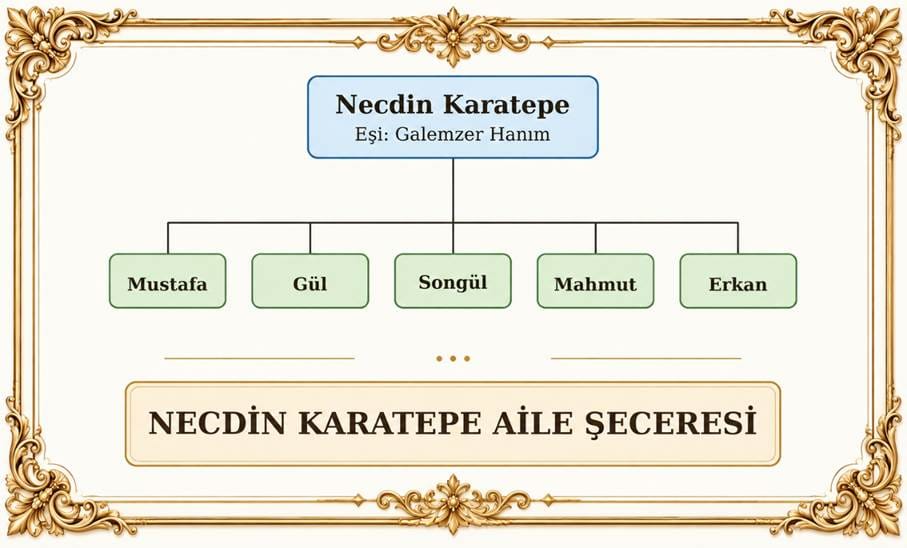
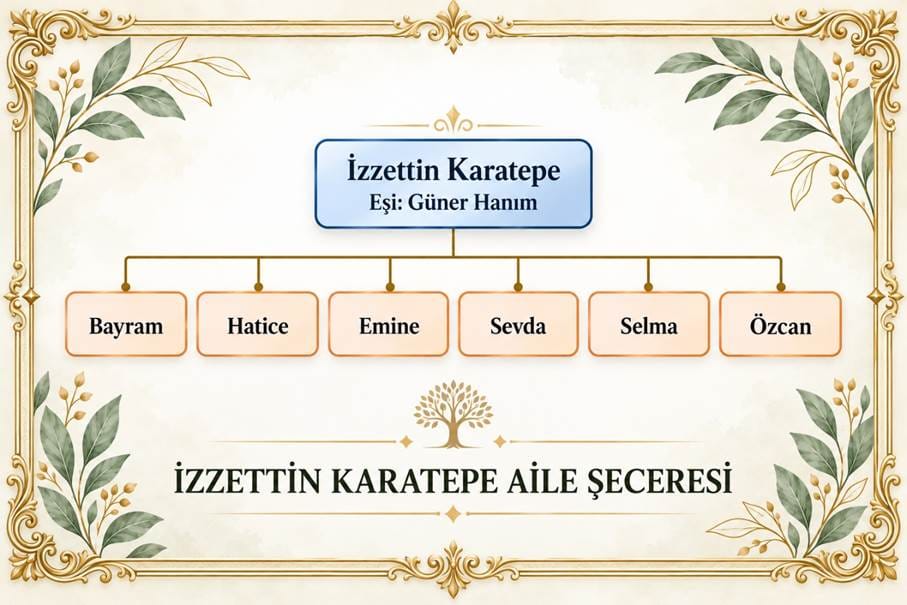
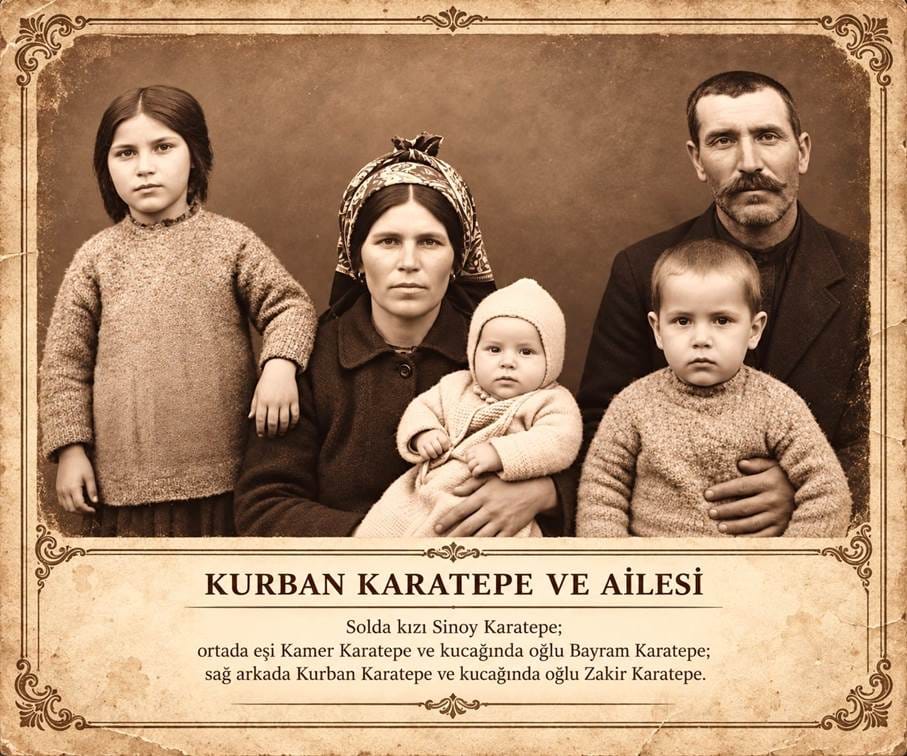
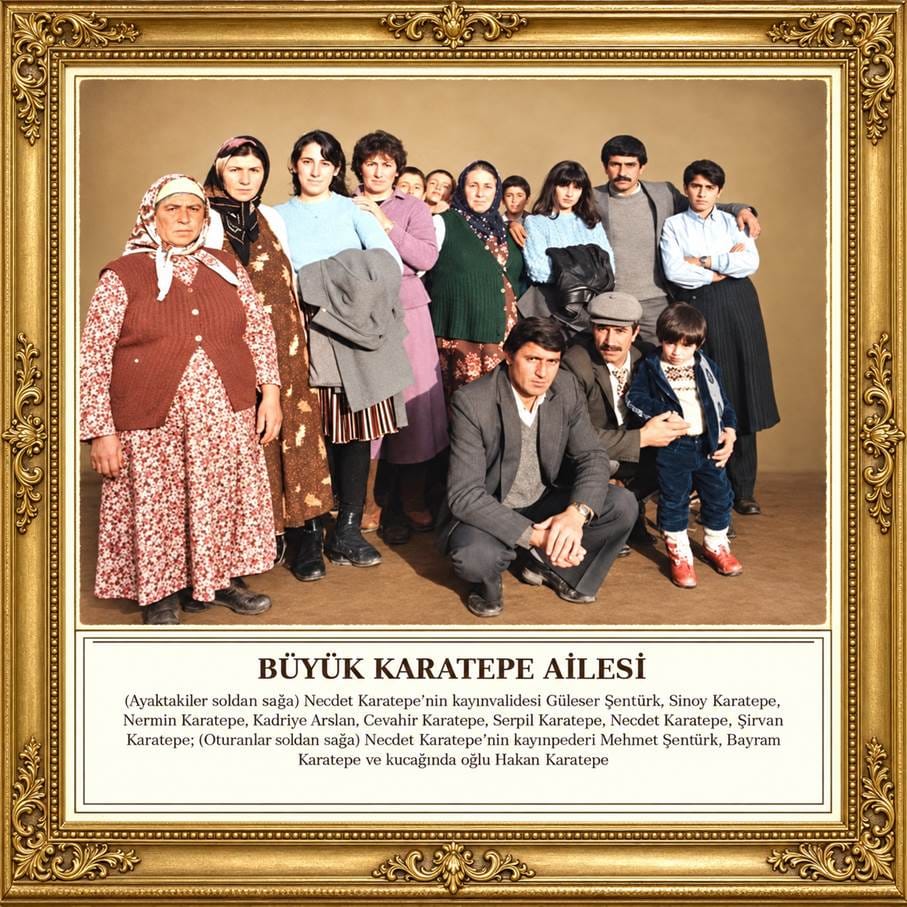
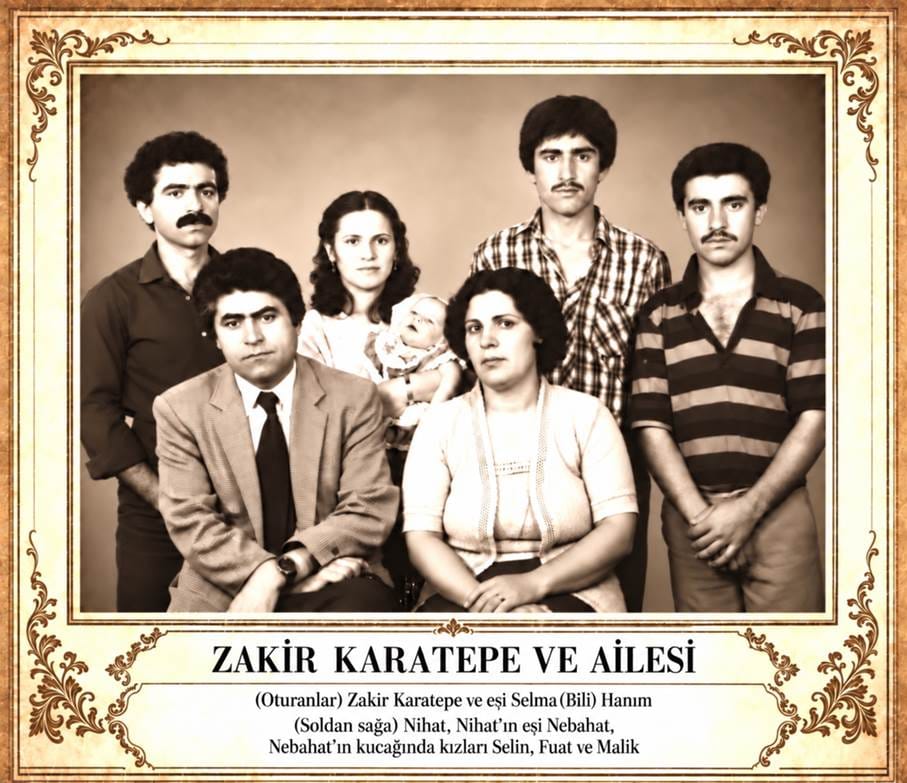
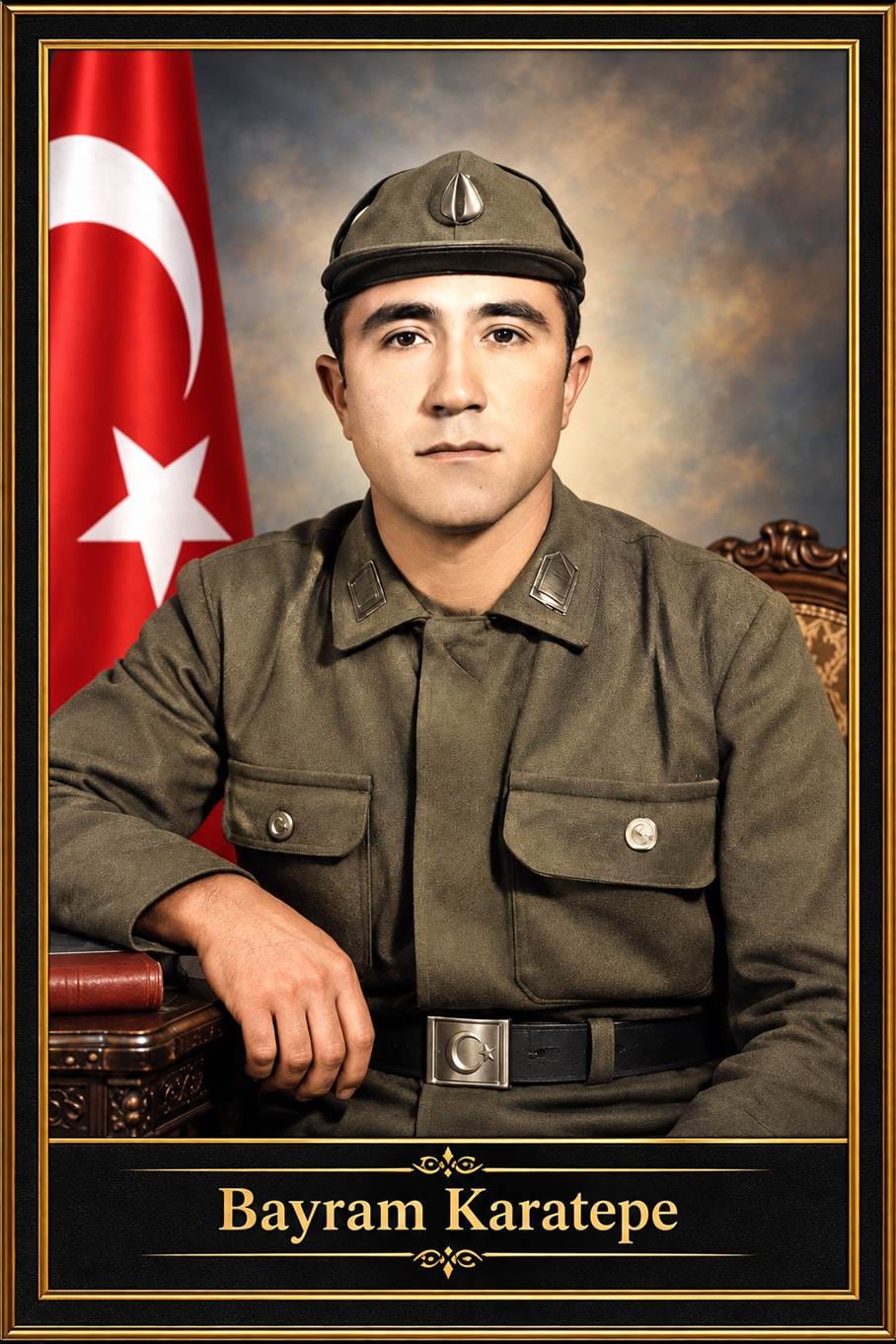
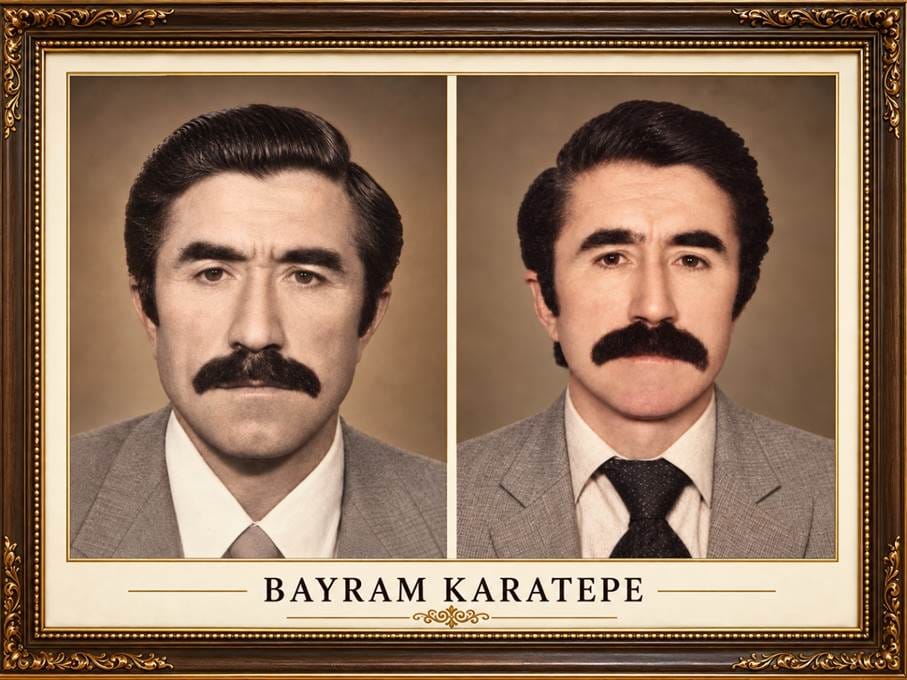
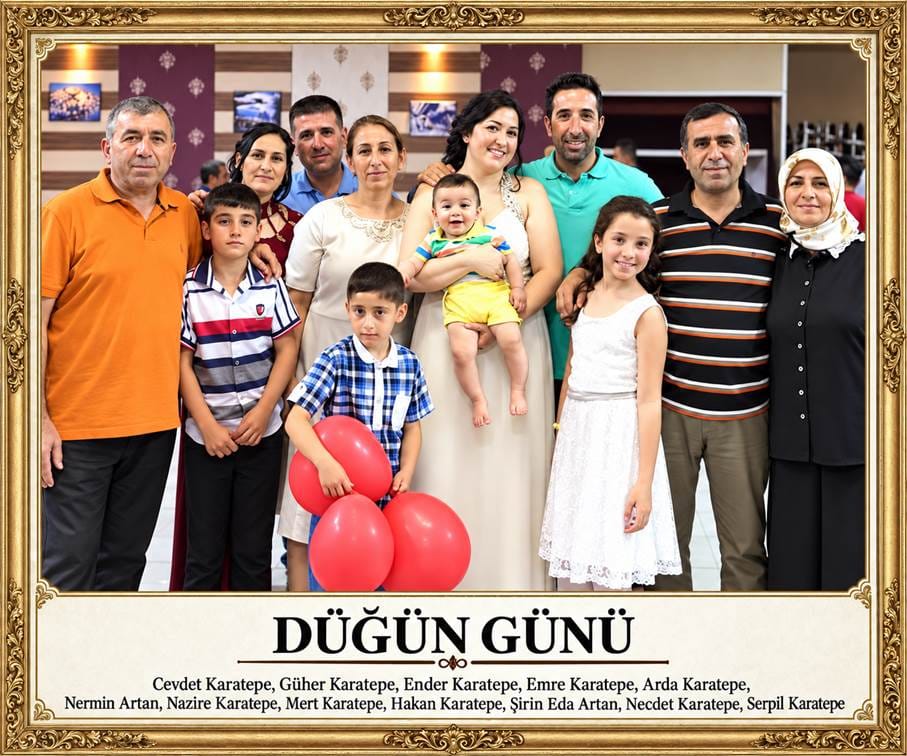
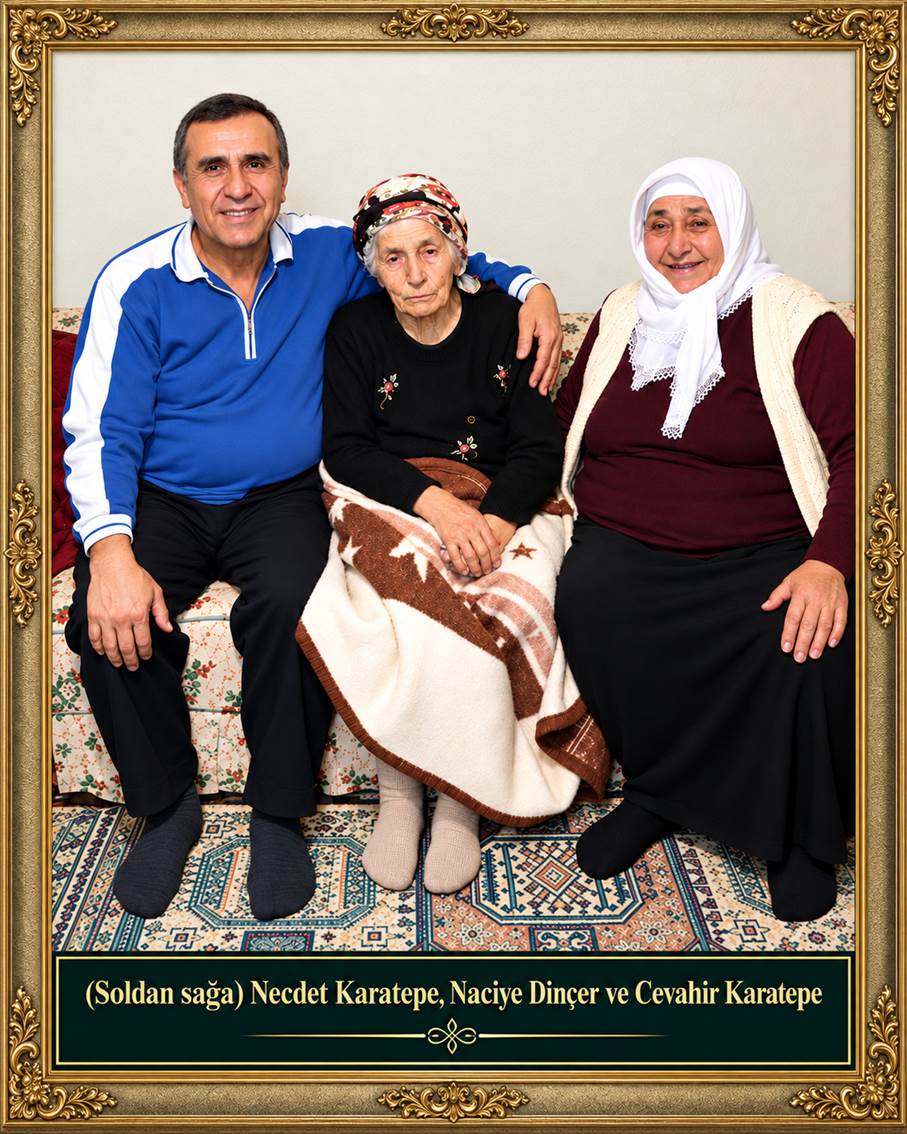
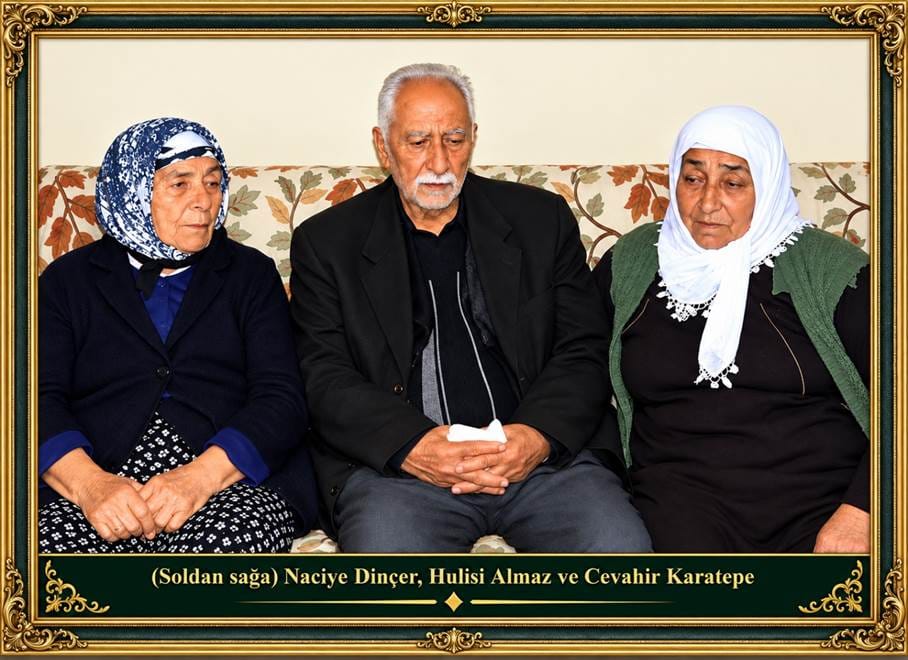
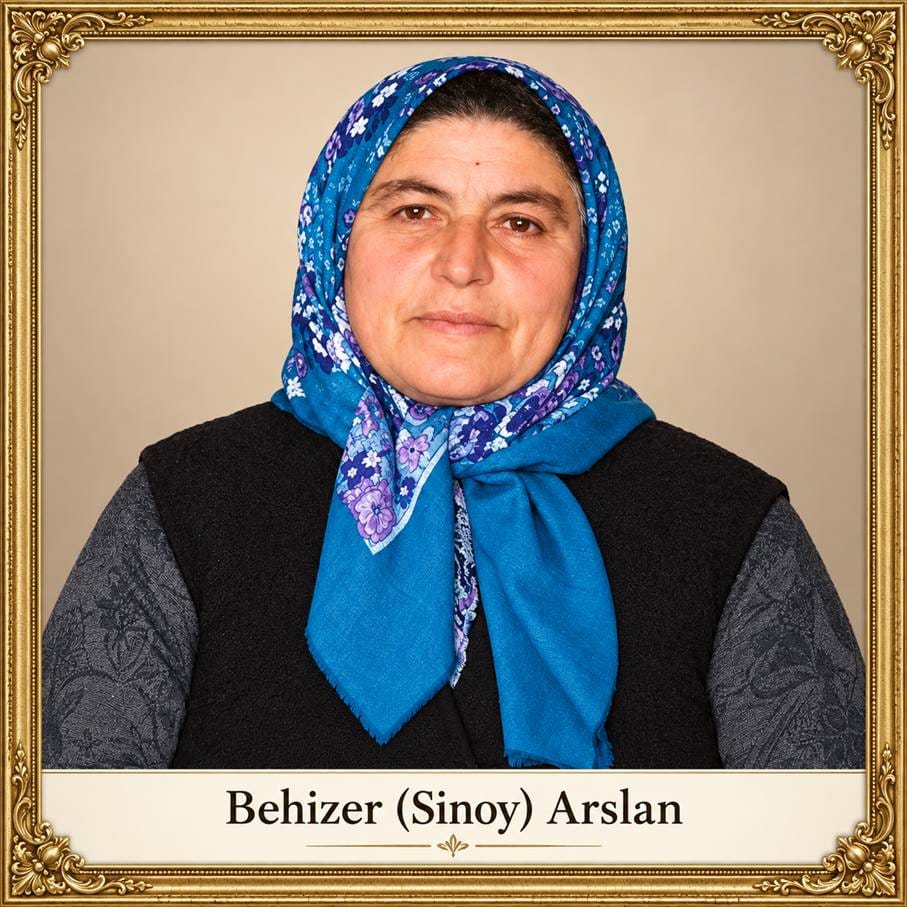
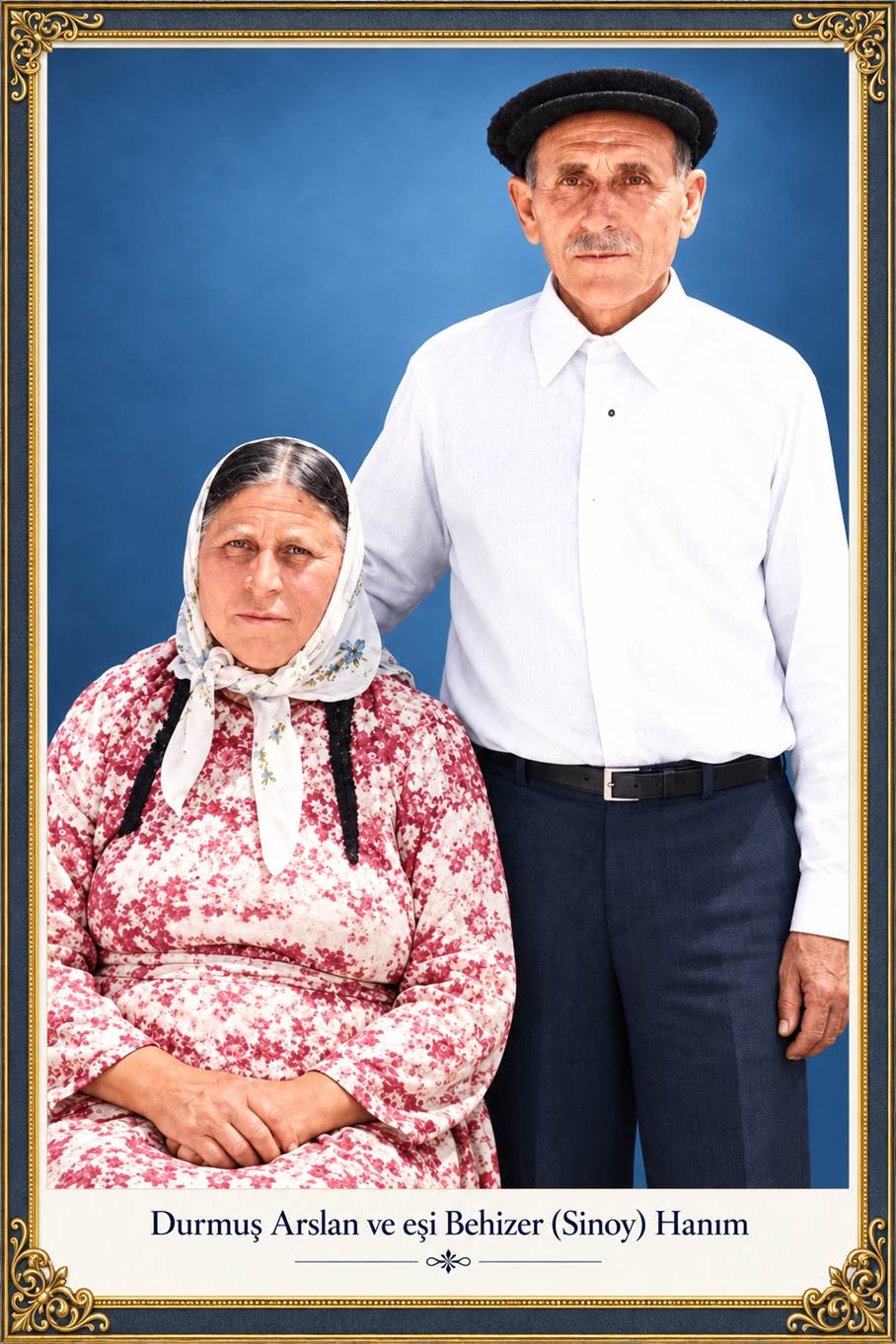
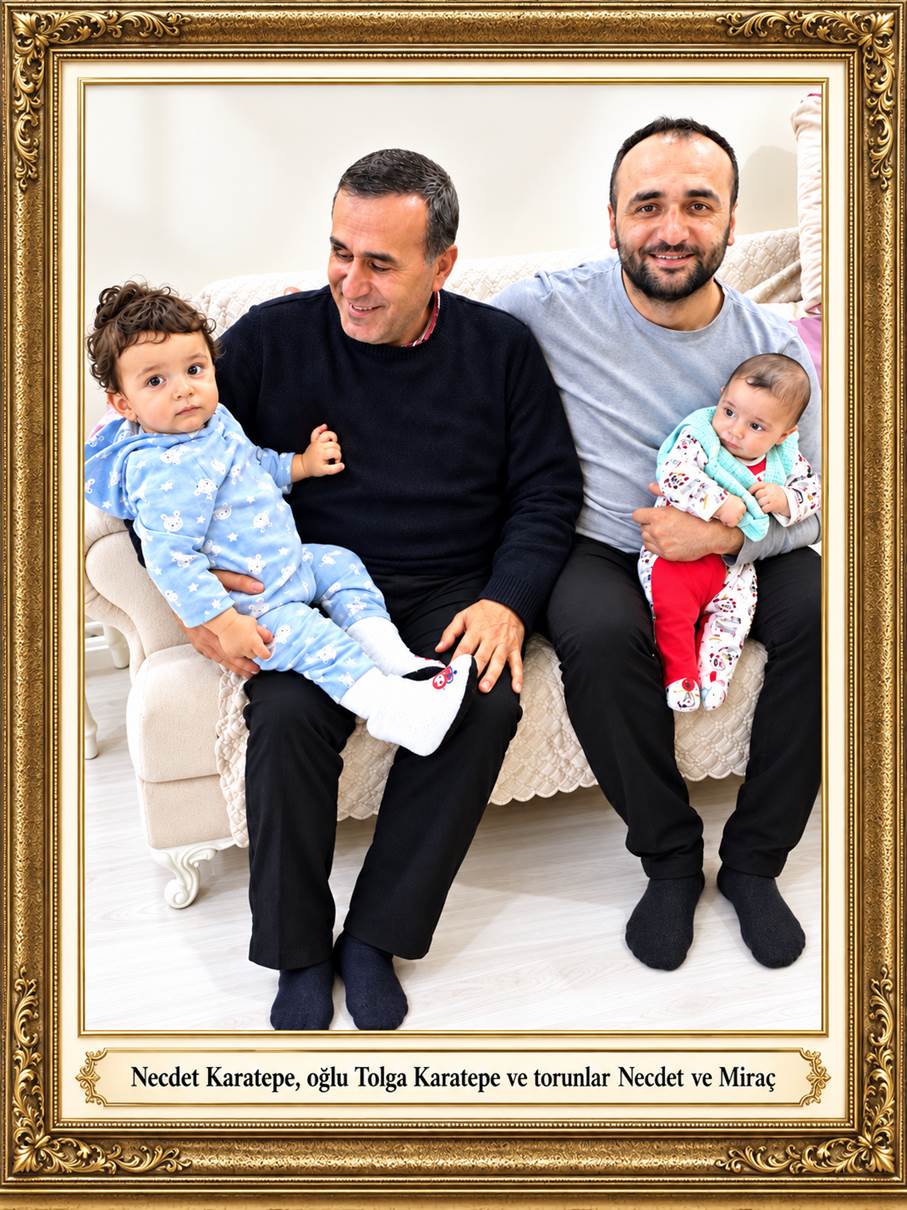
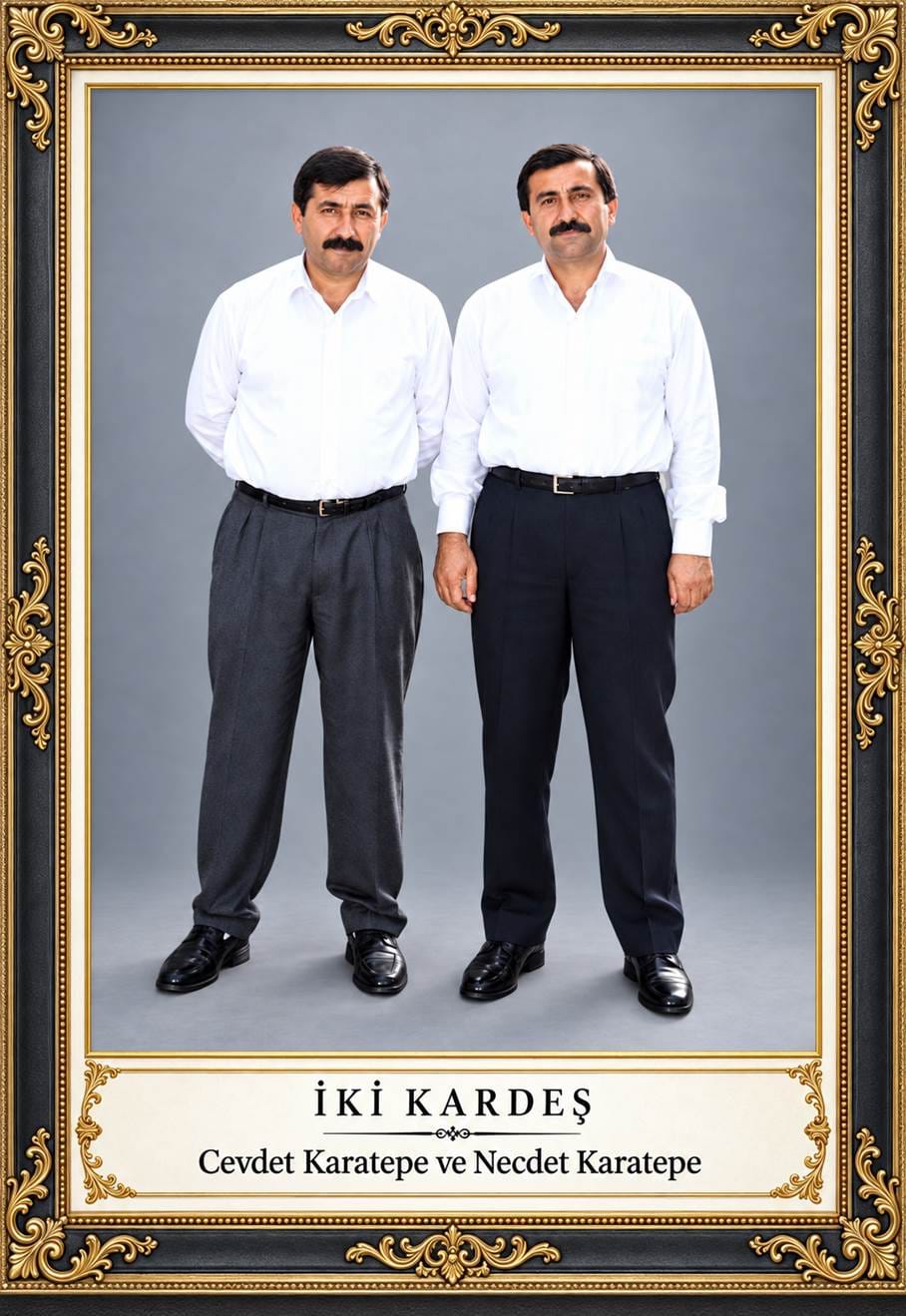
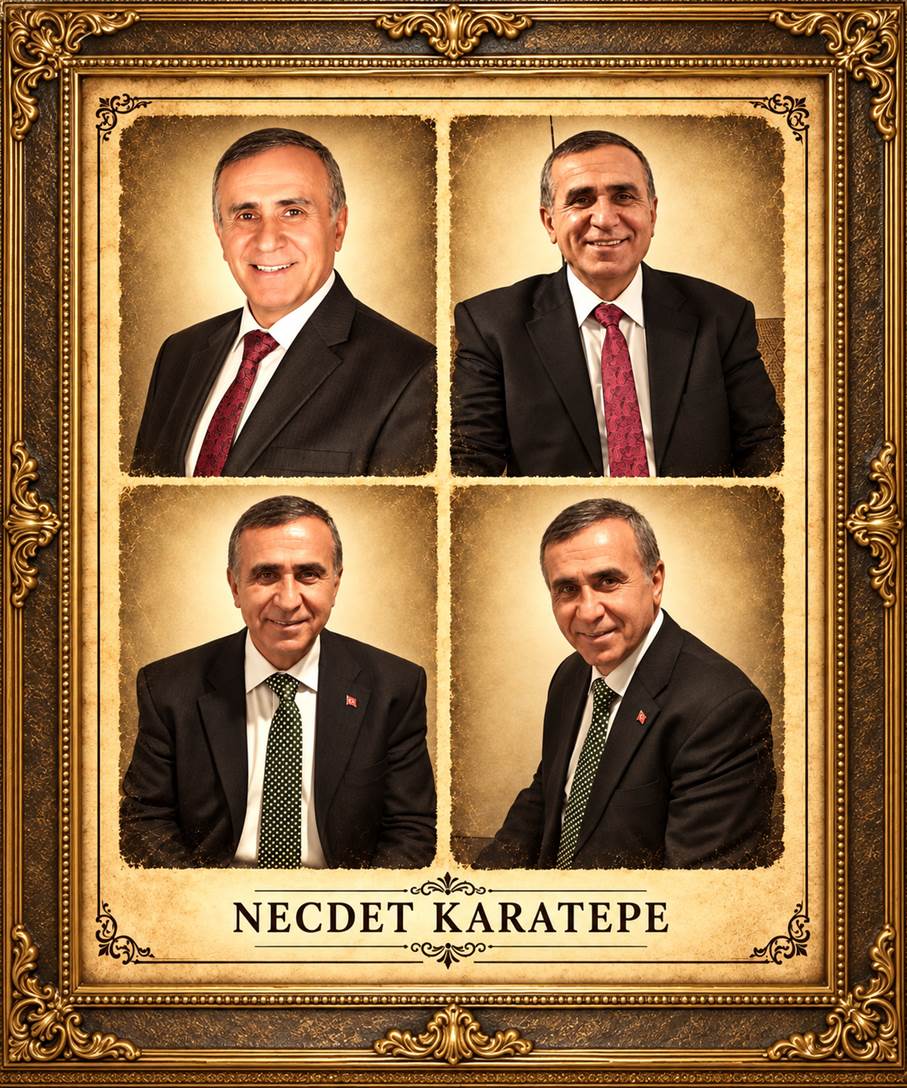
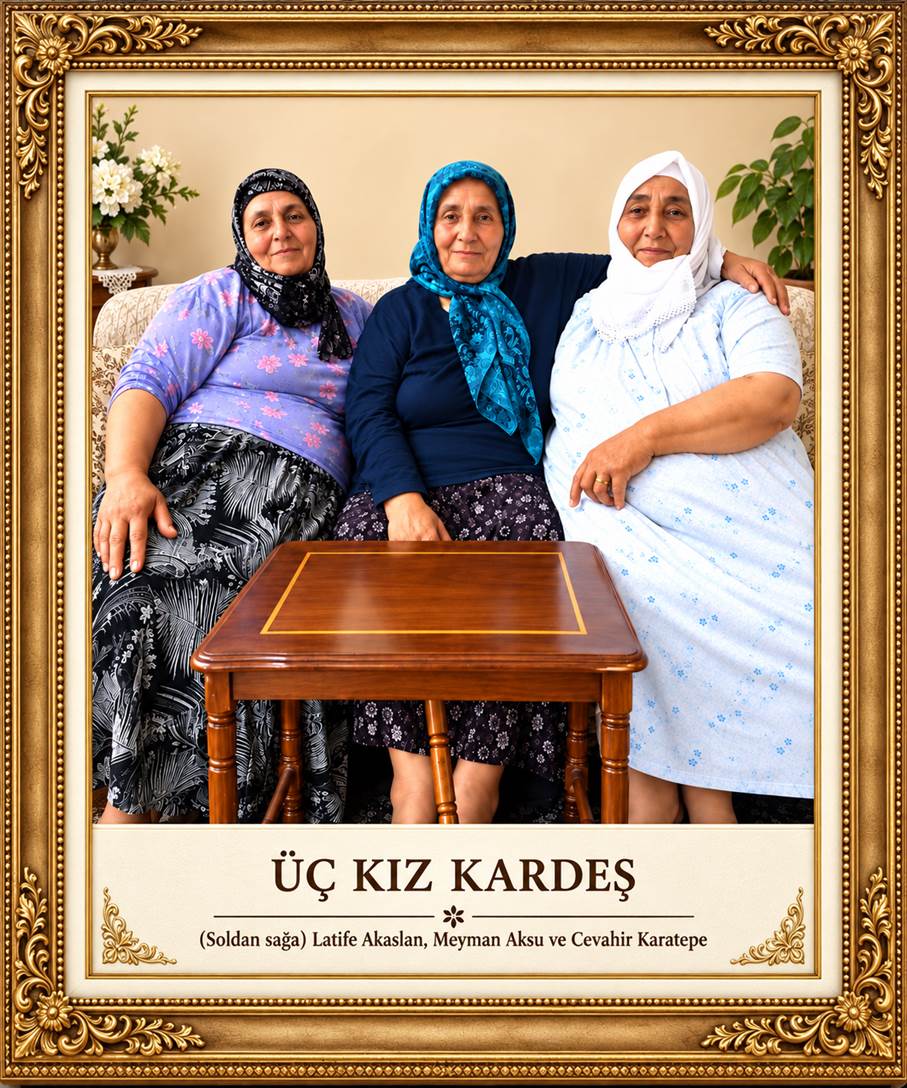
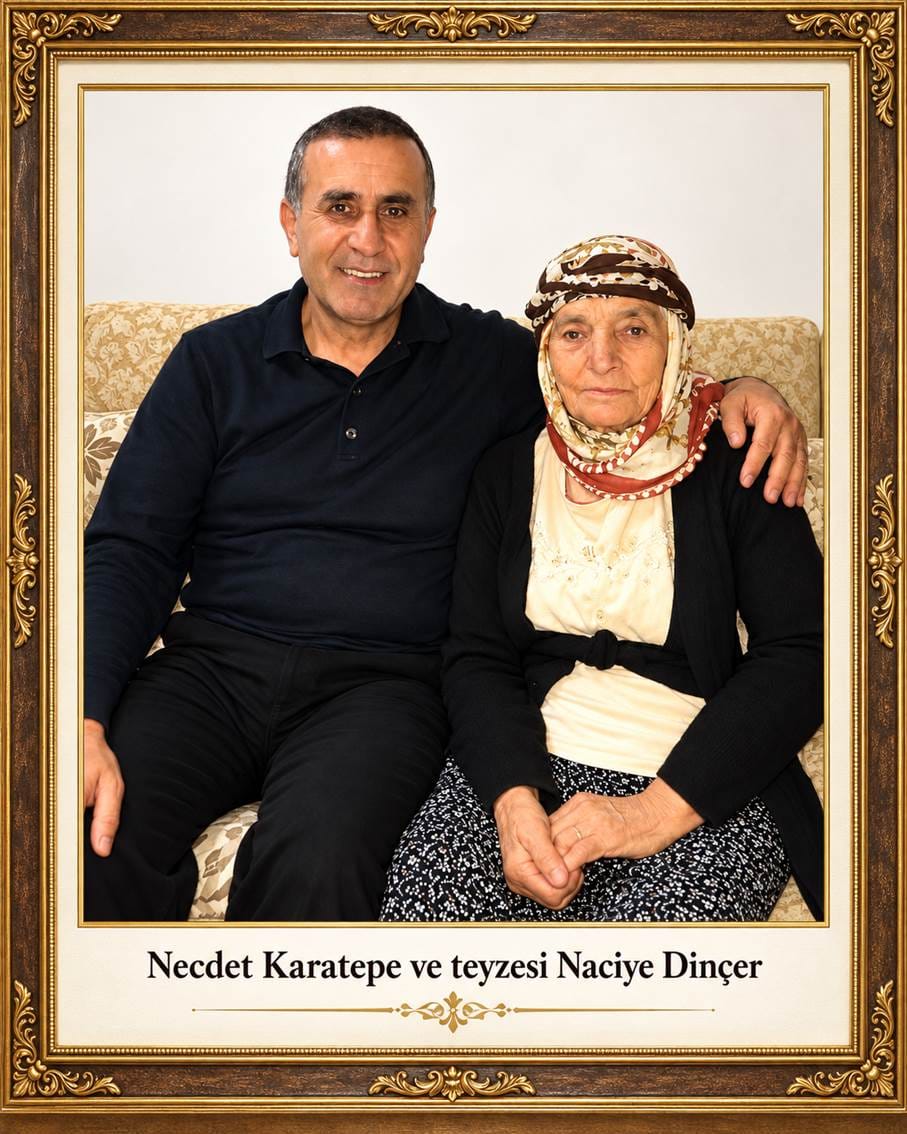
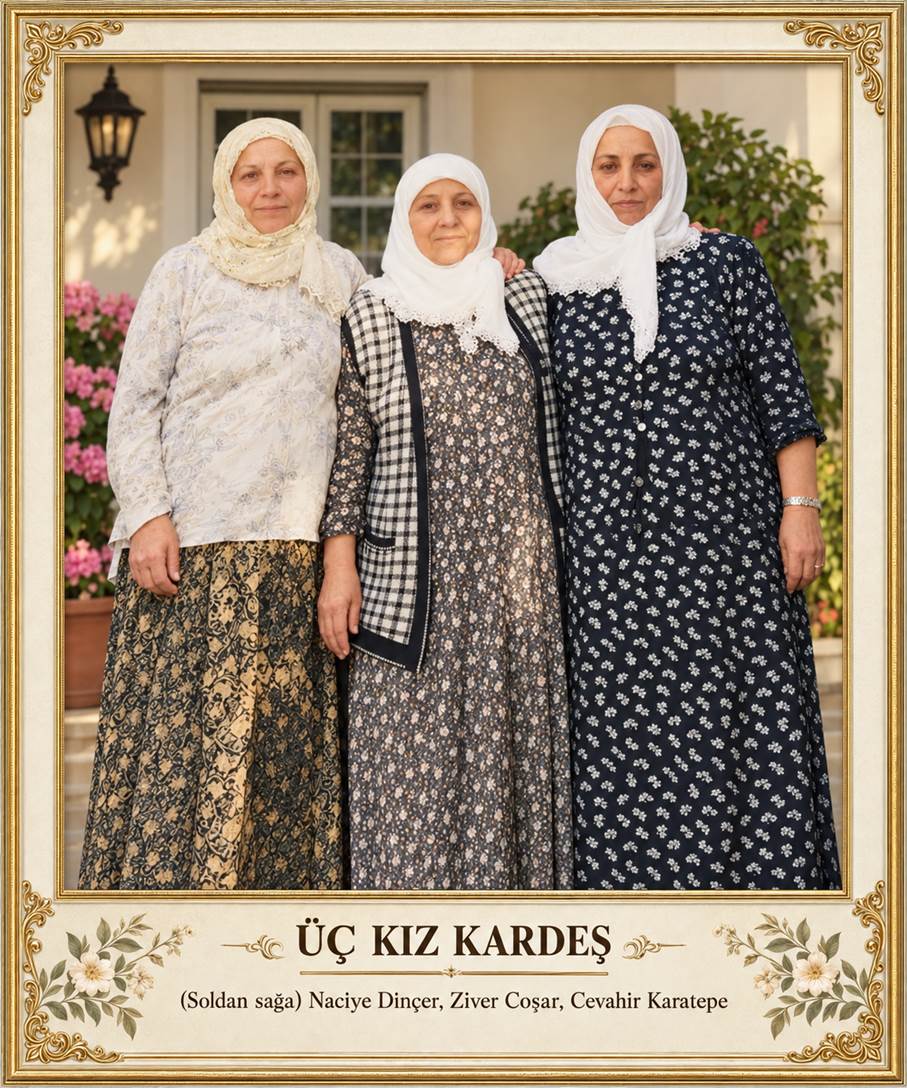
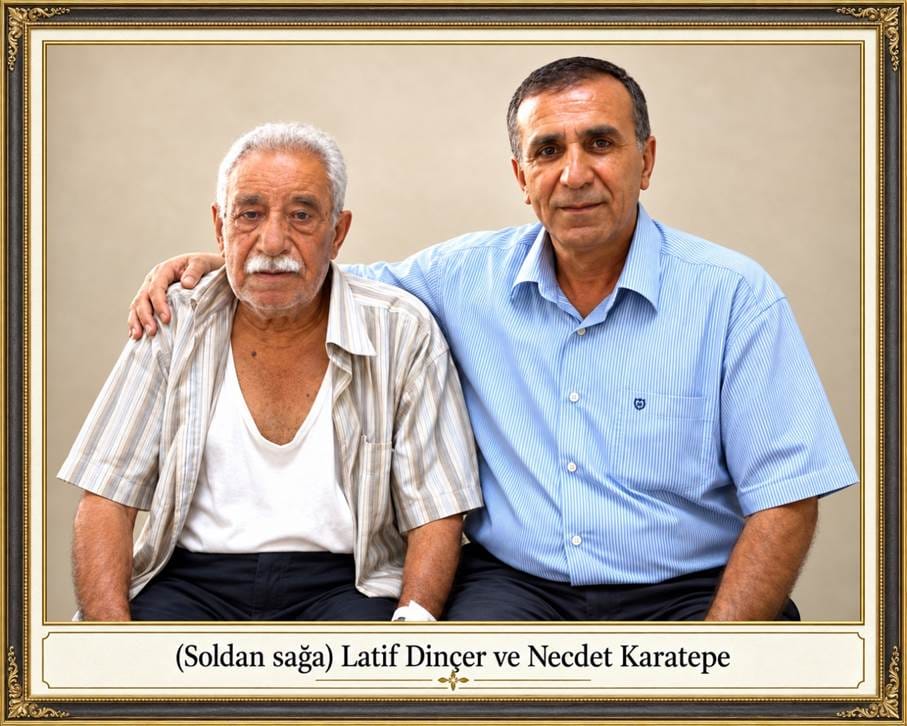
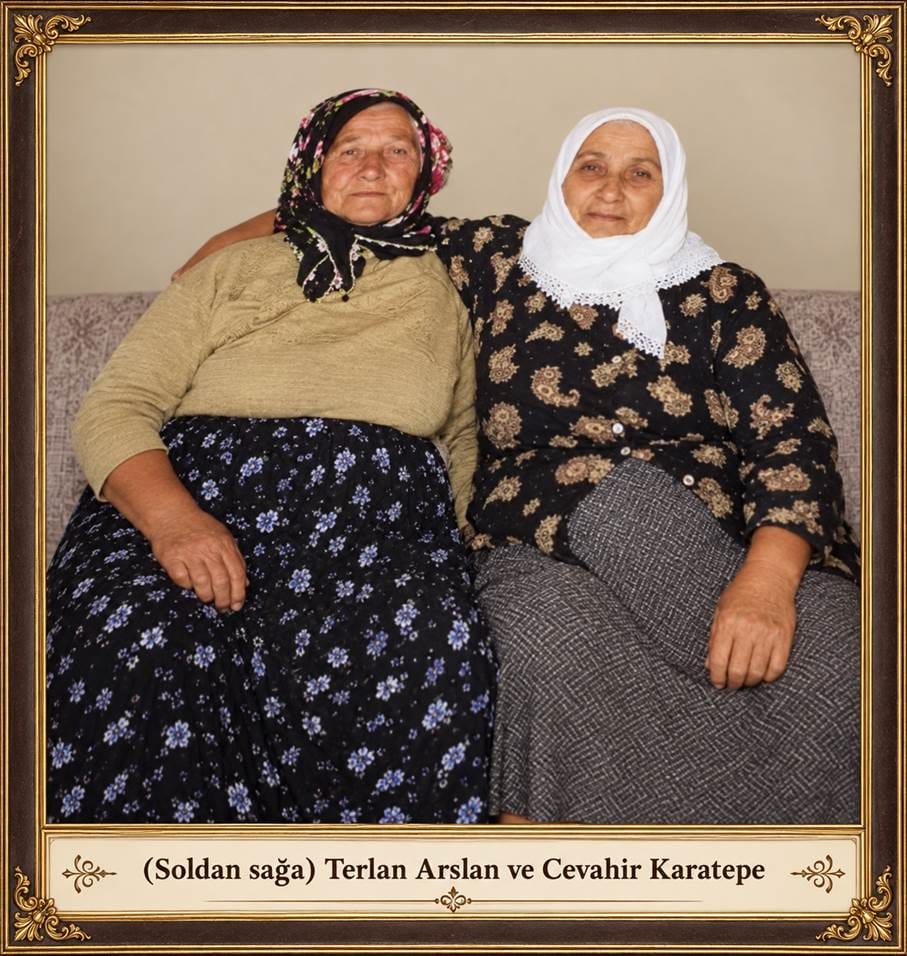
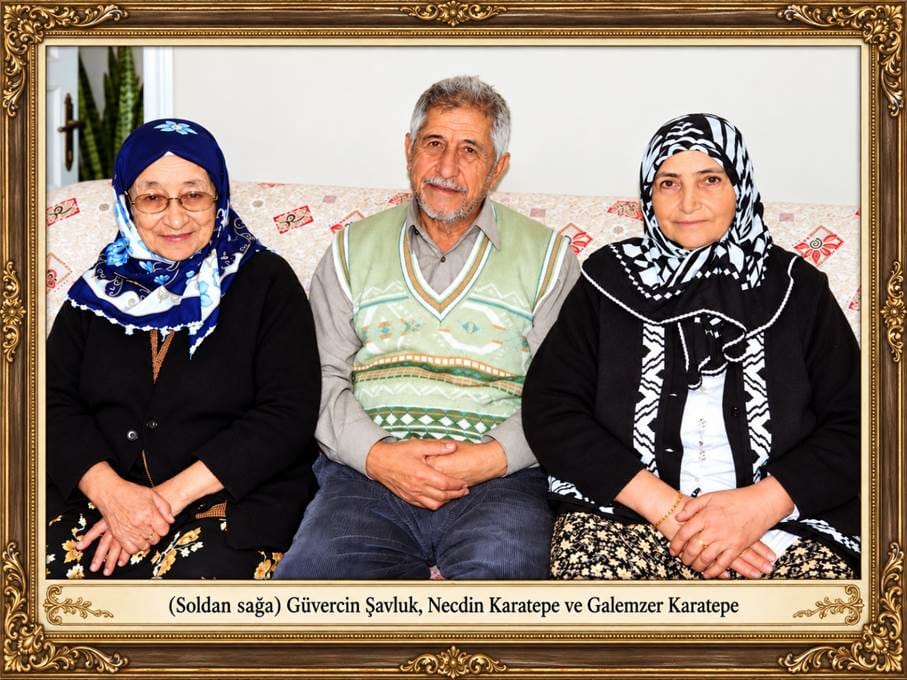
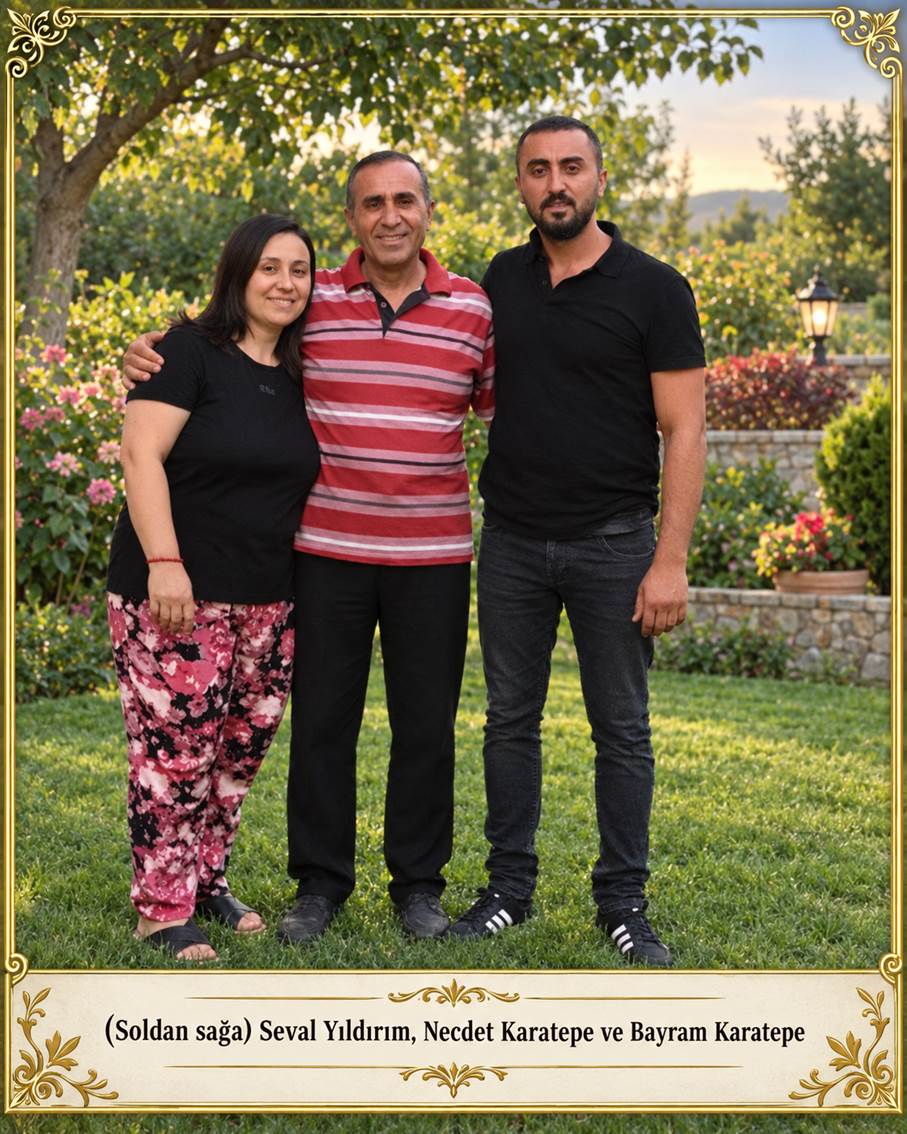
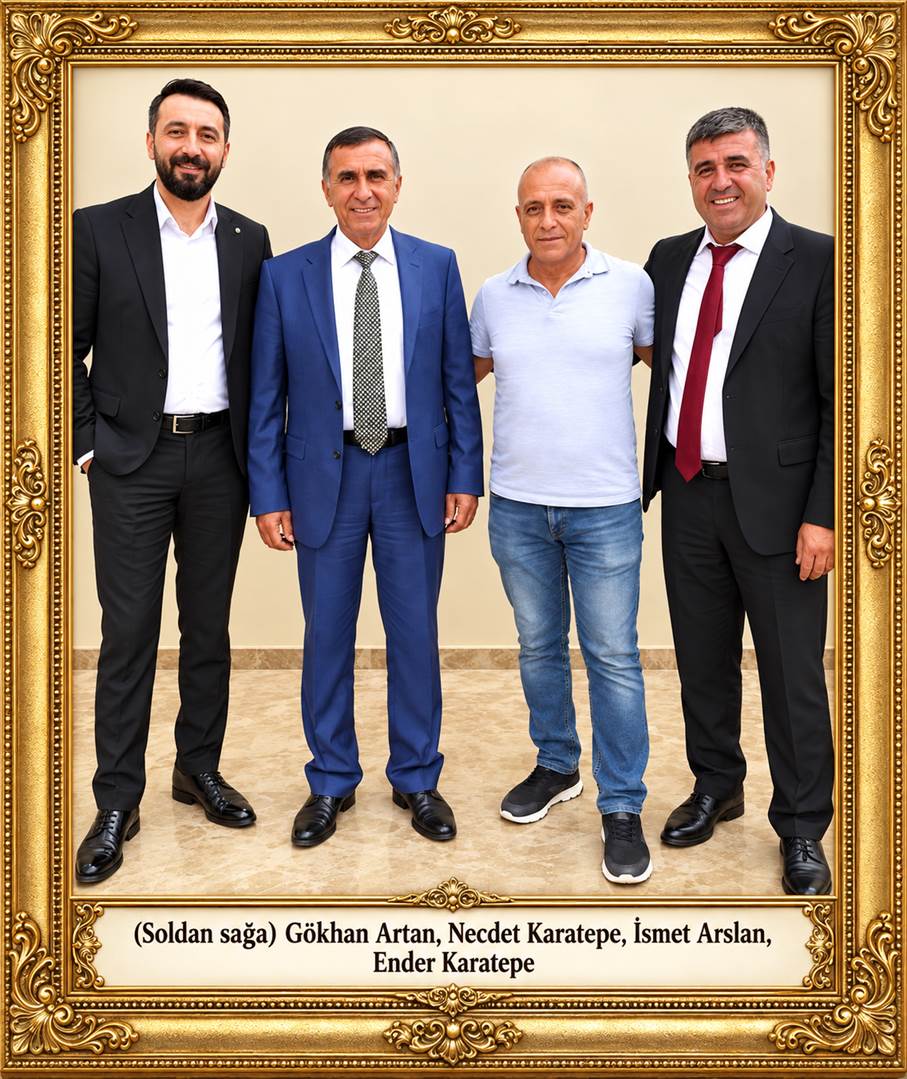
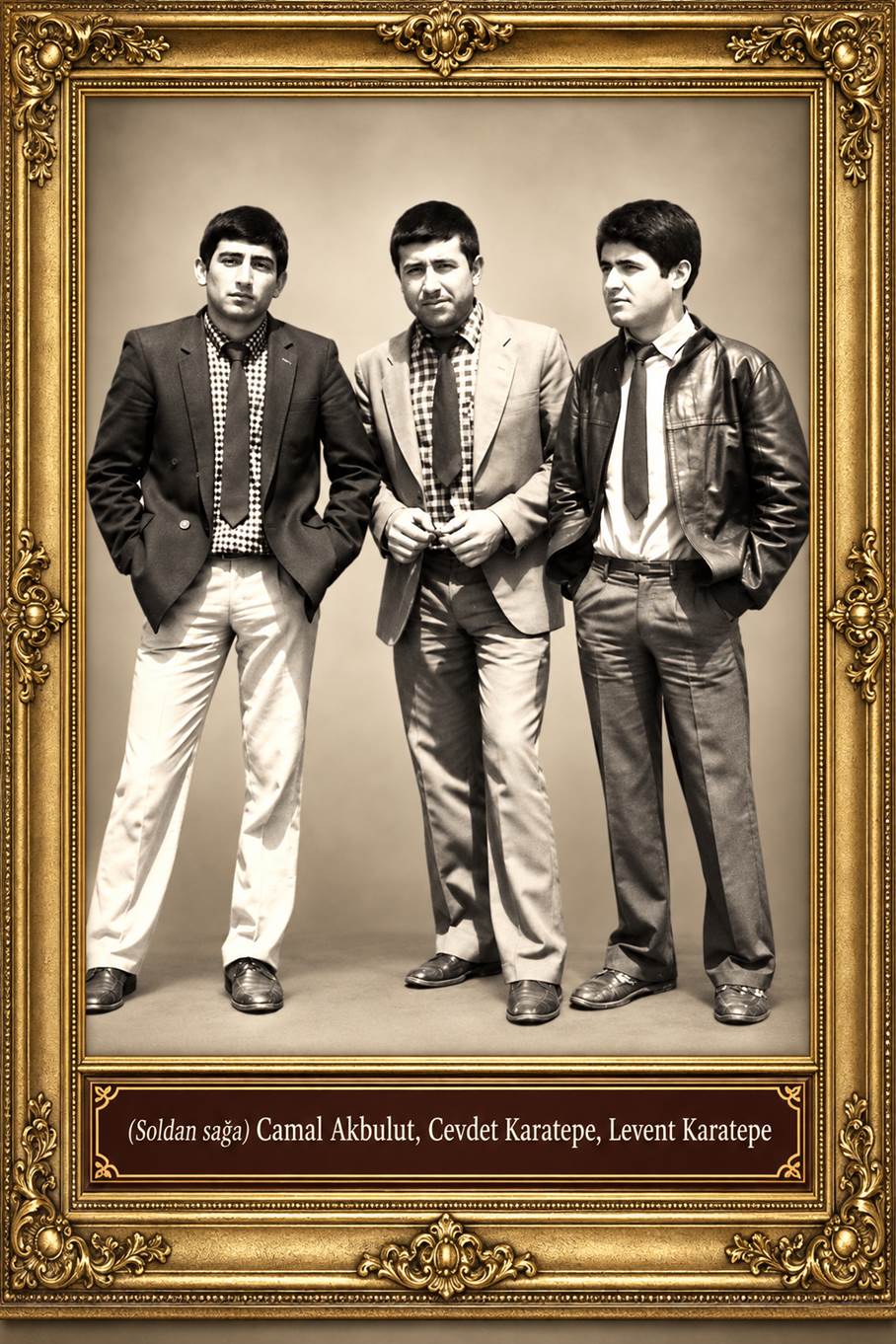
VALUABLE RELIGIOUS SCHOLARS OF BAHARLI NEIGHBORHOOD
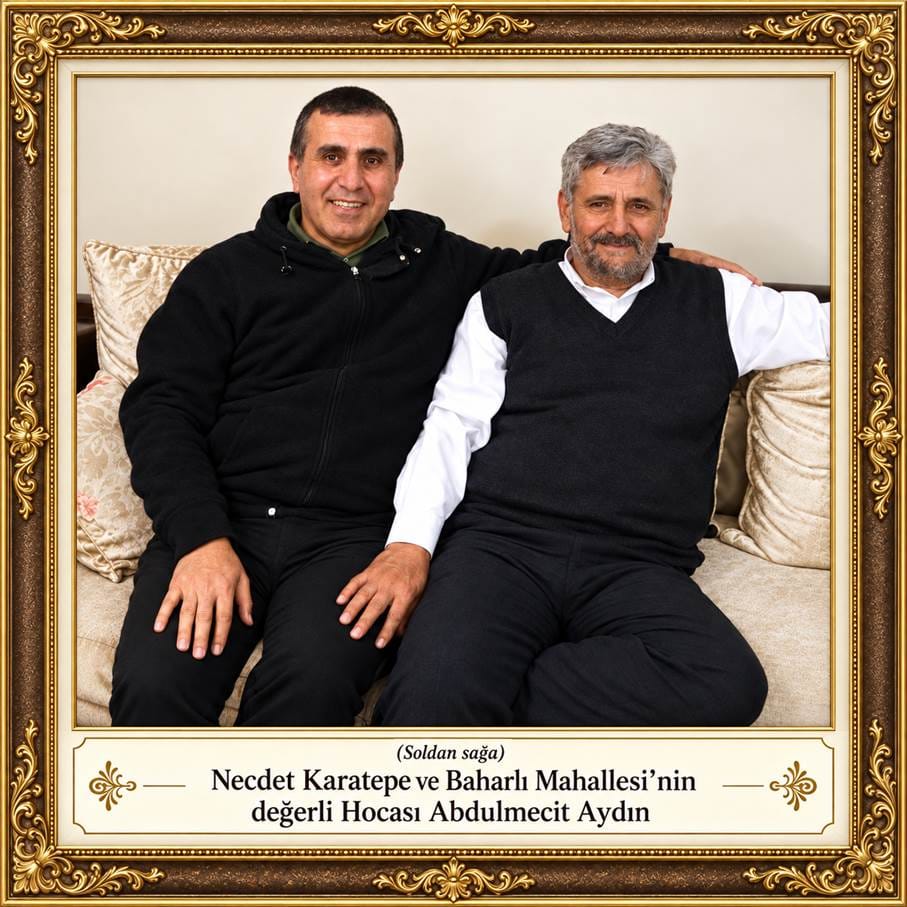
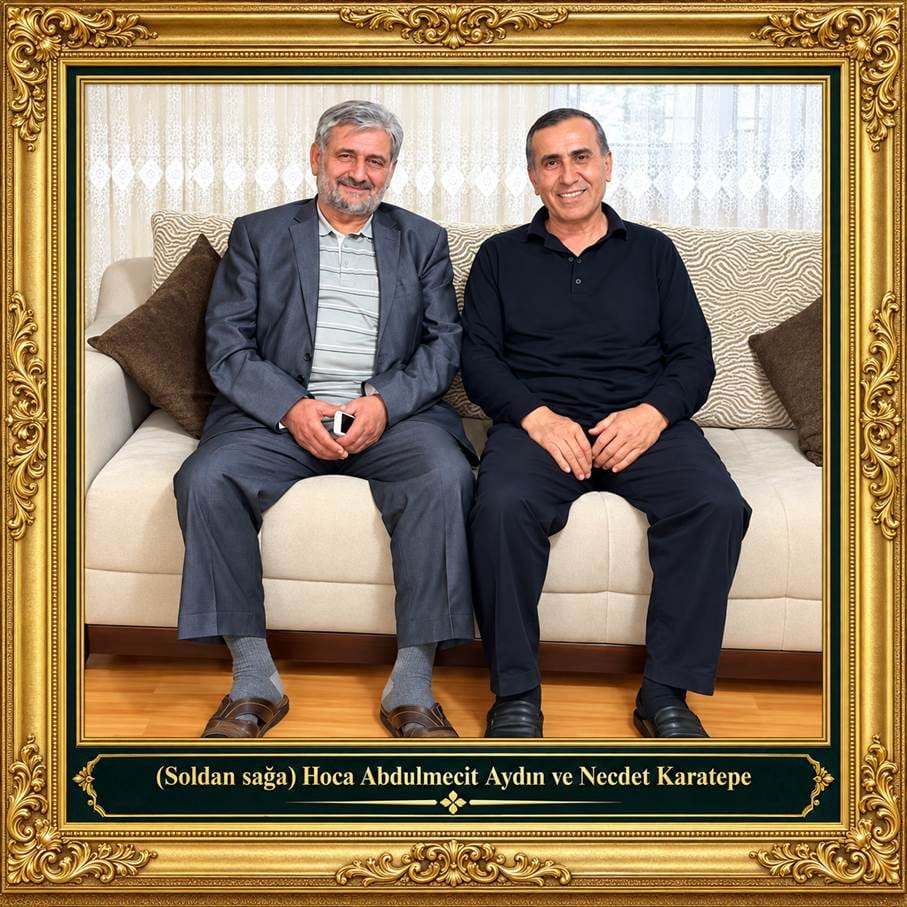
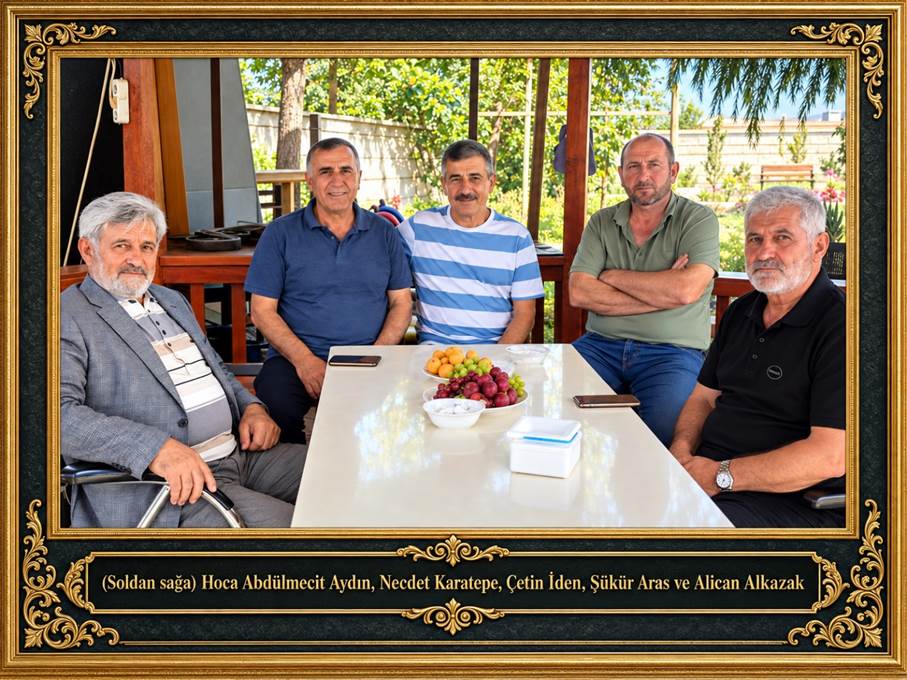
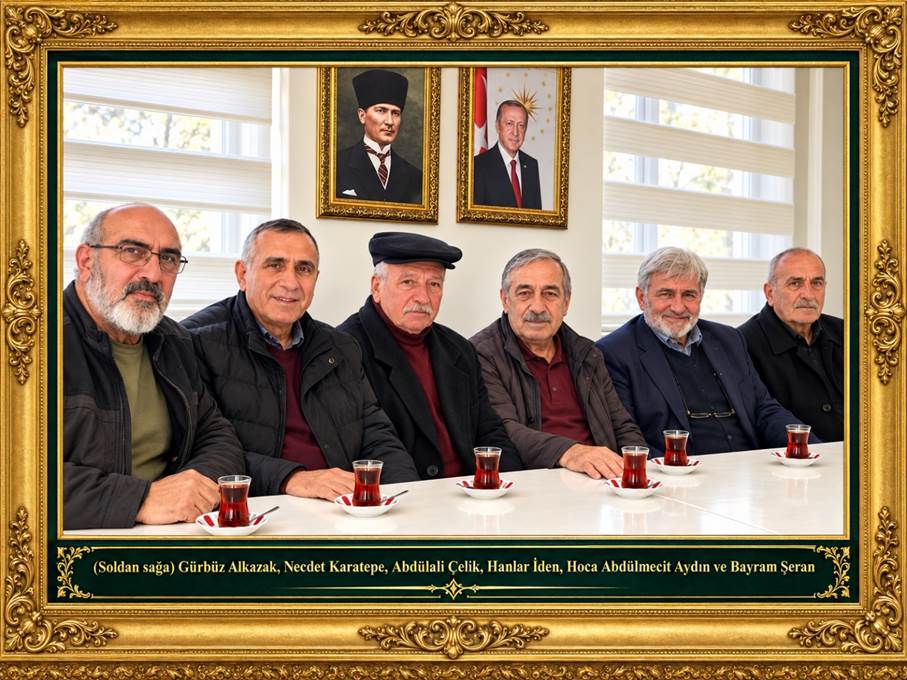
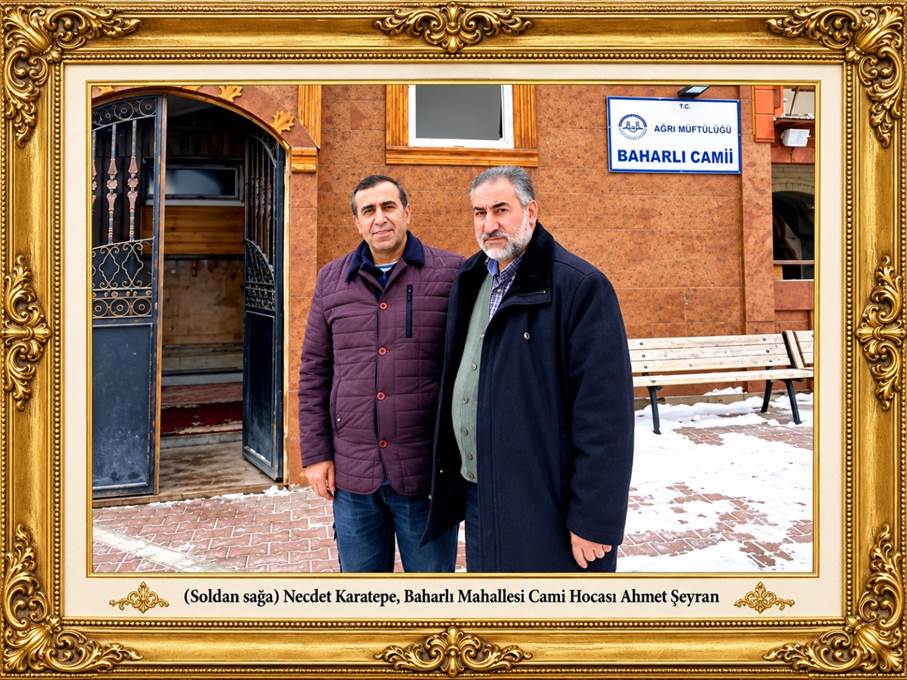
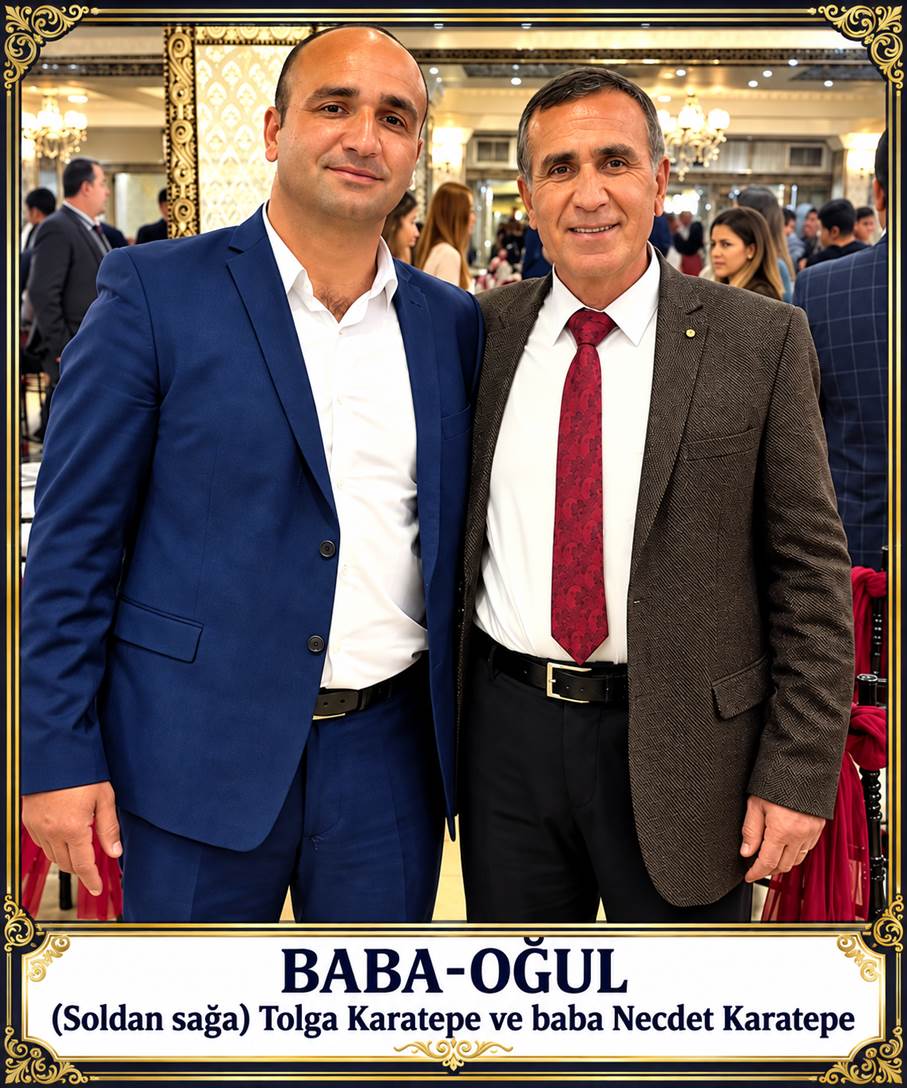
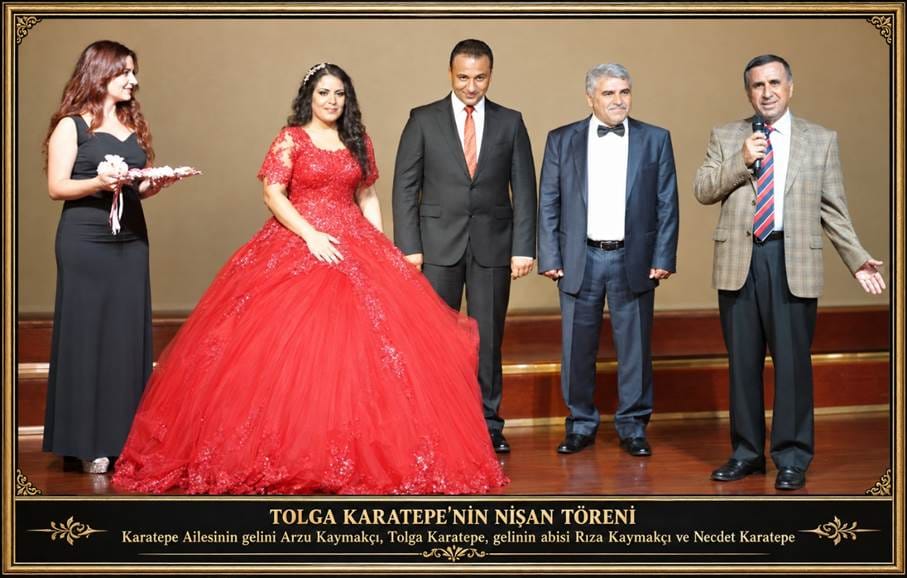
THE PRIDE OF BAHARLI NEIGHBORHOOD: NECDET KARATEPE
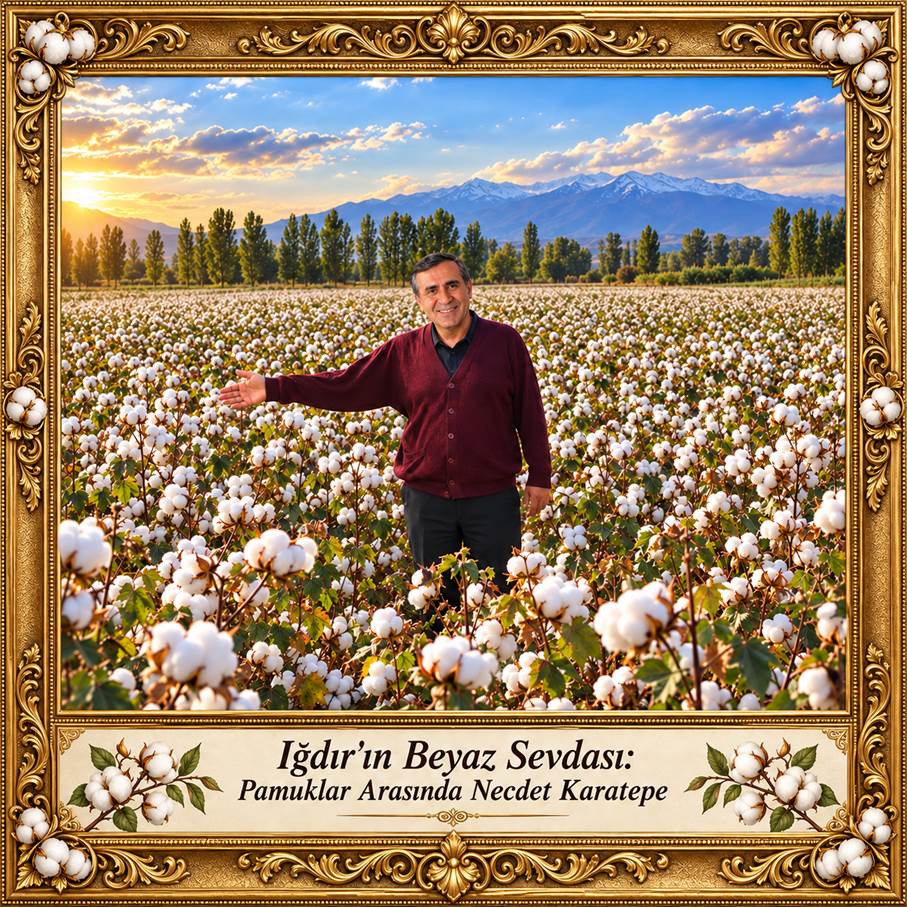
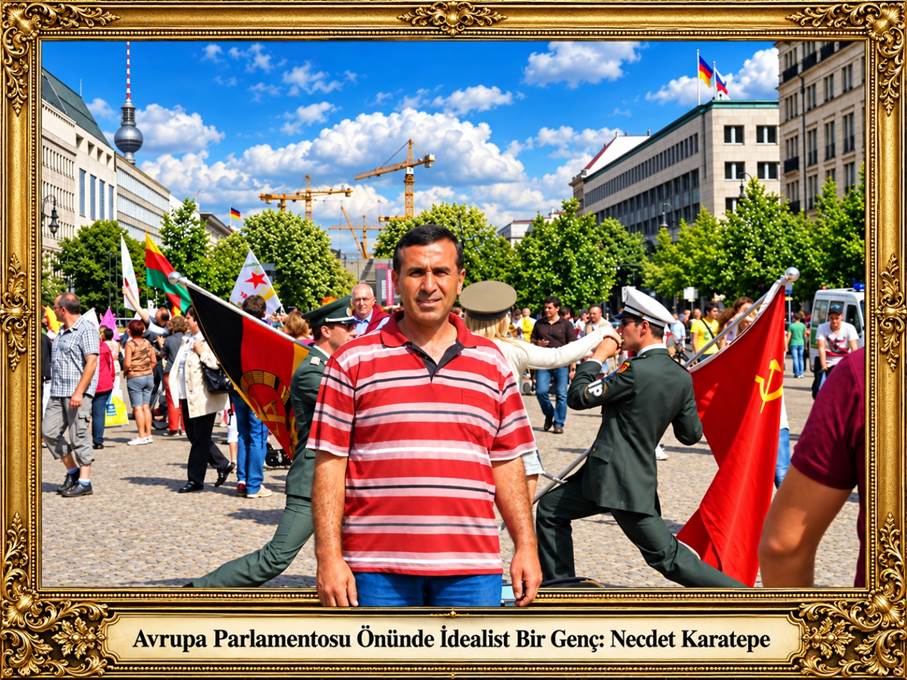
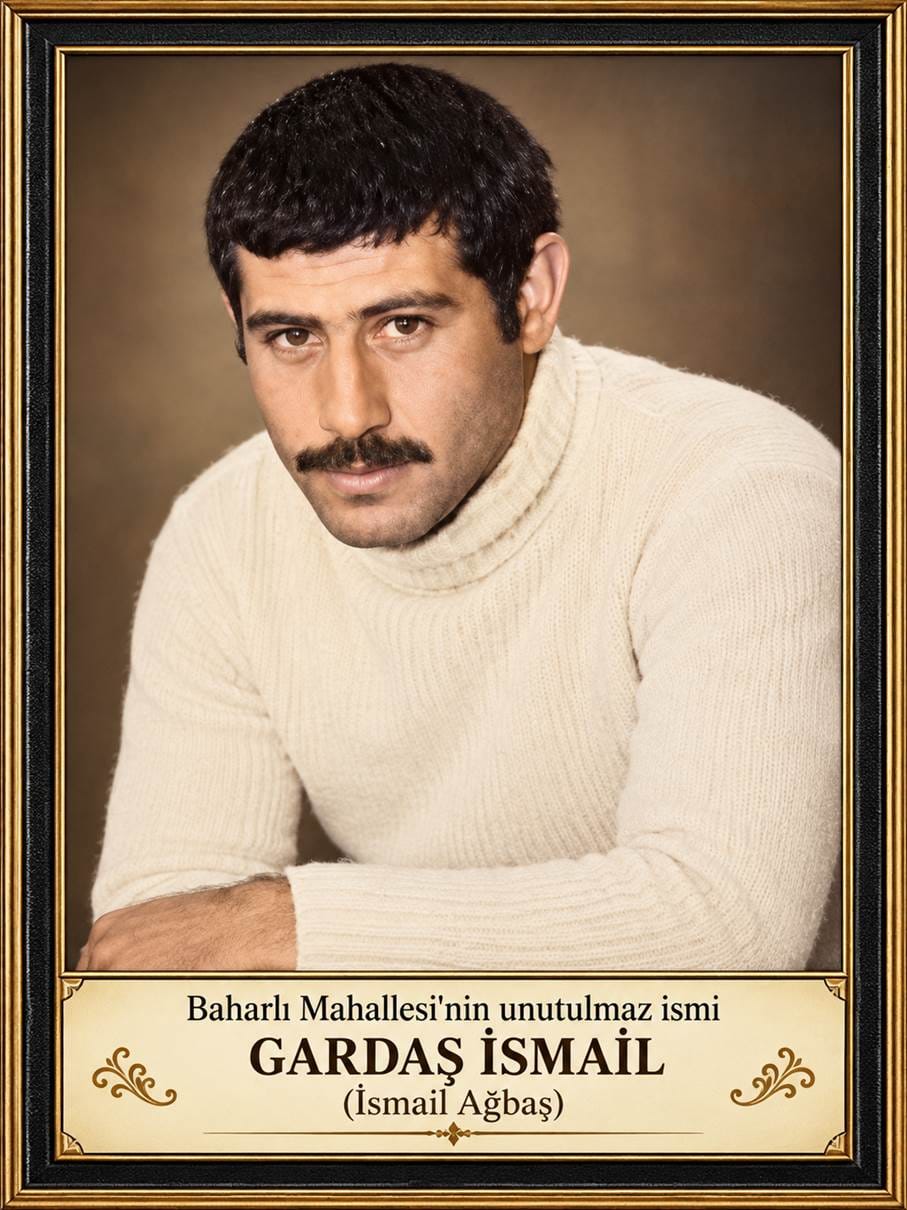
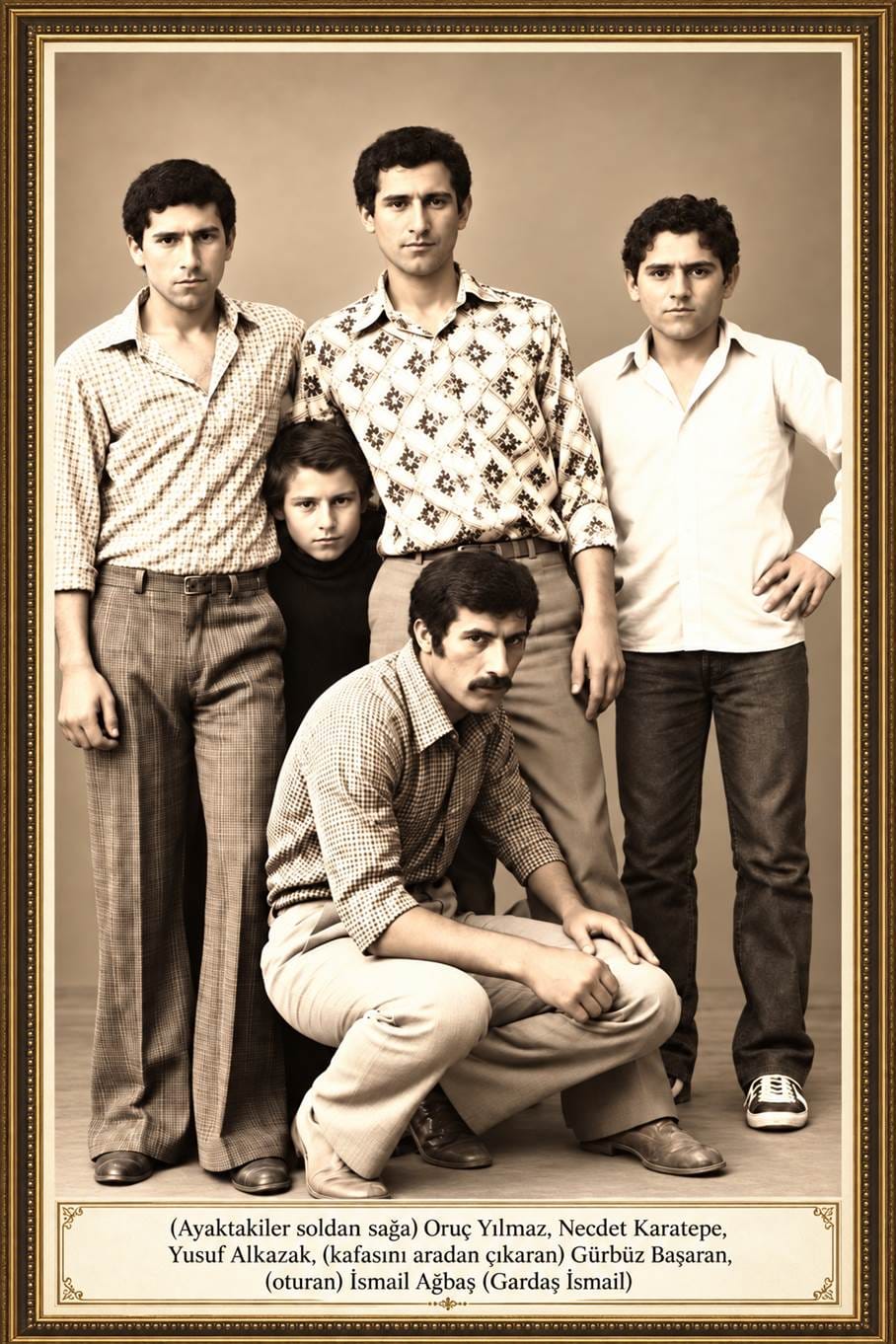
WE EMBRACED YOU: GARDAŞ İSMAİL
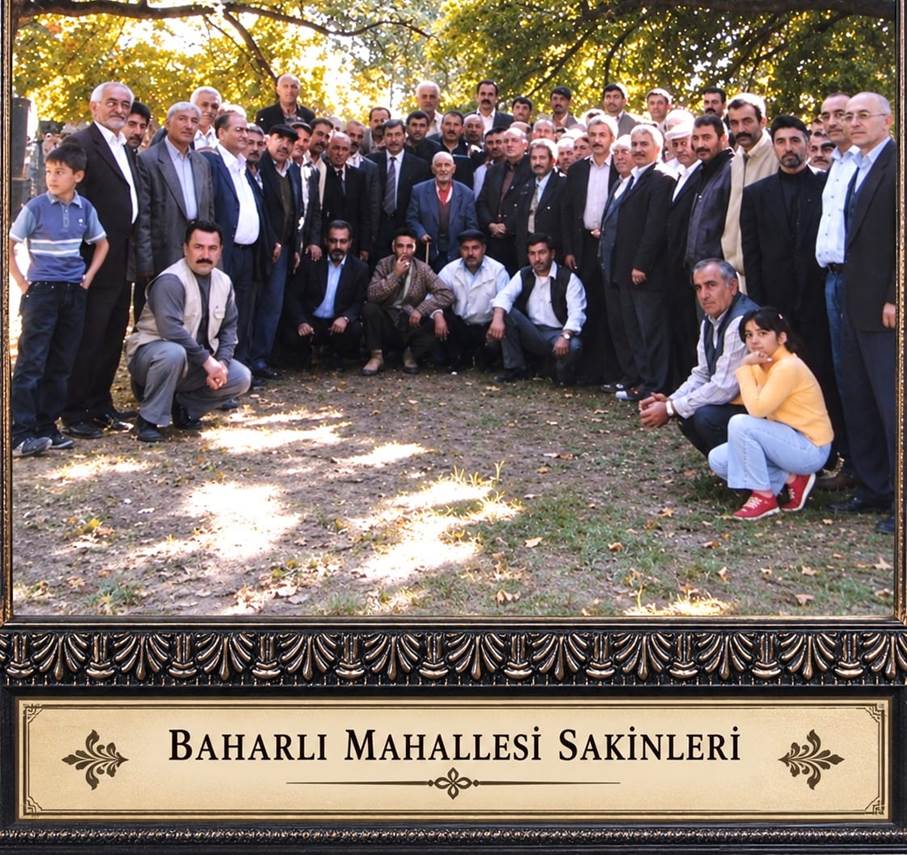
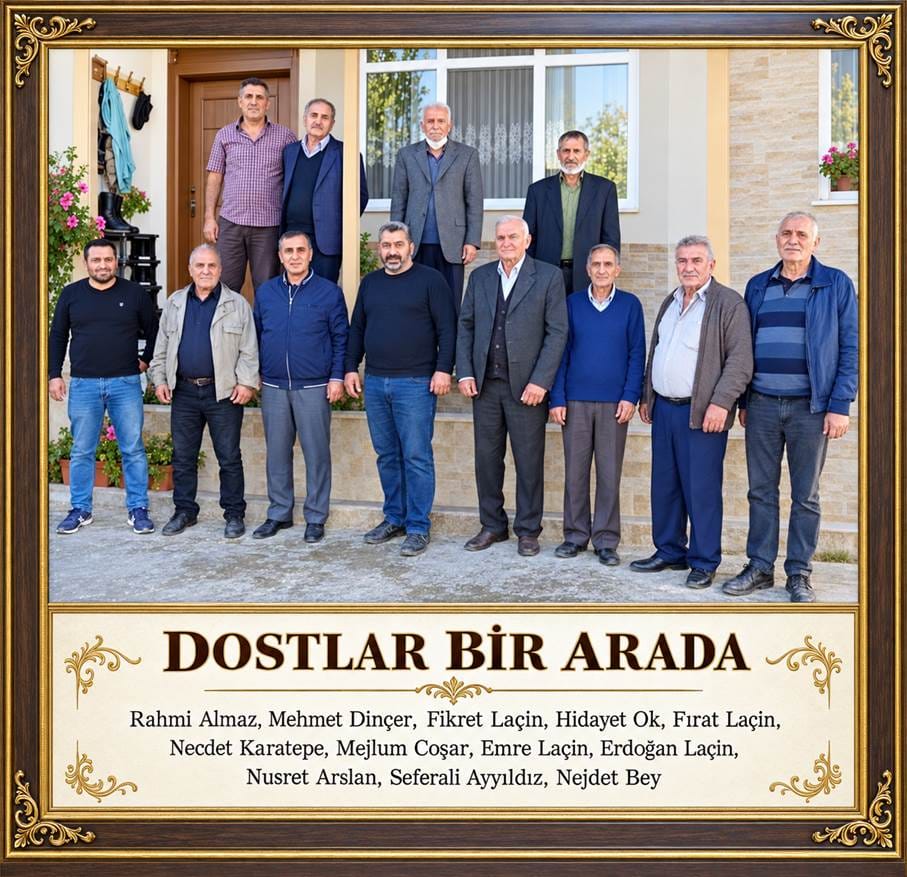
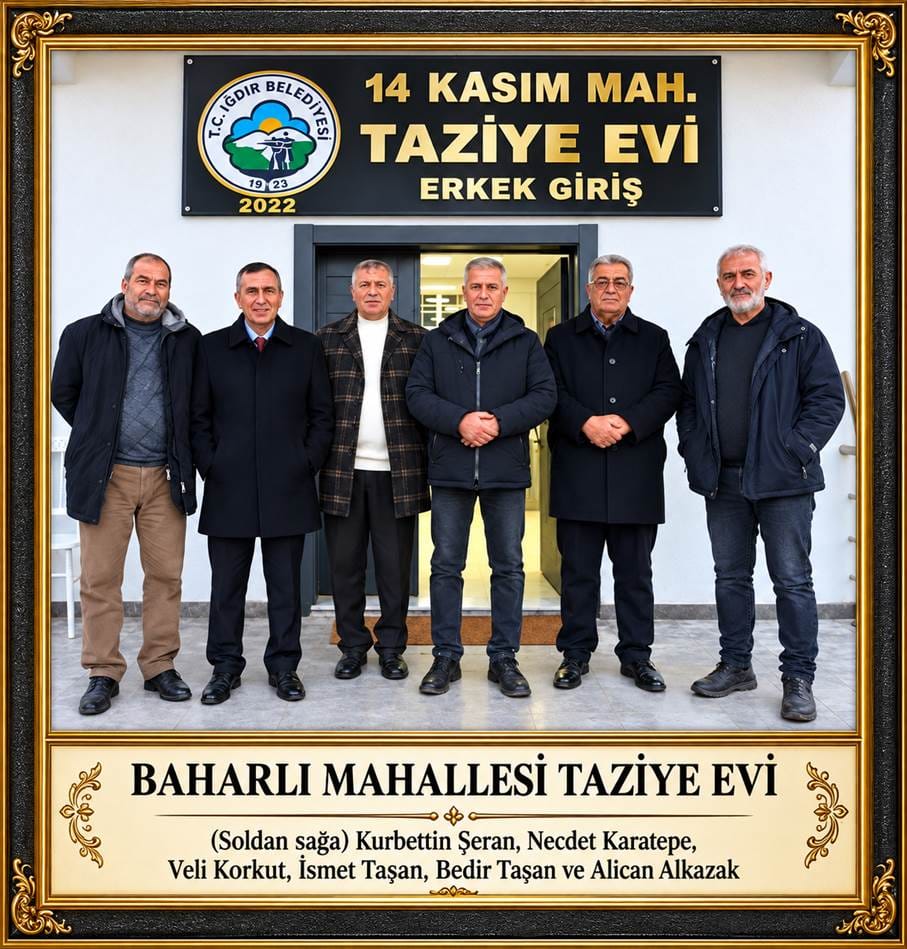
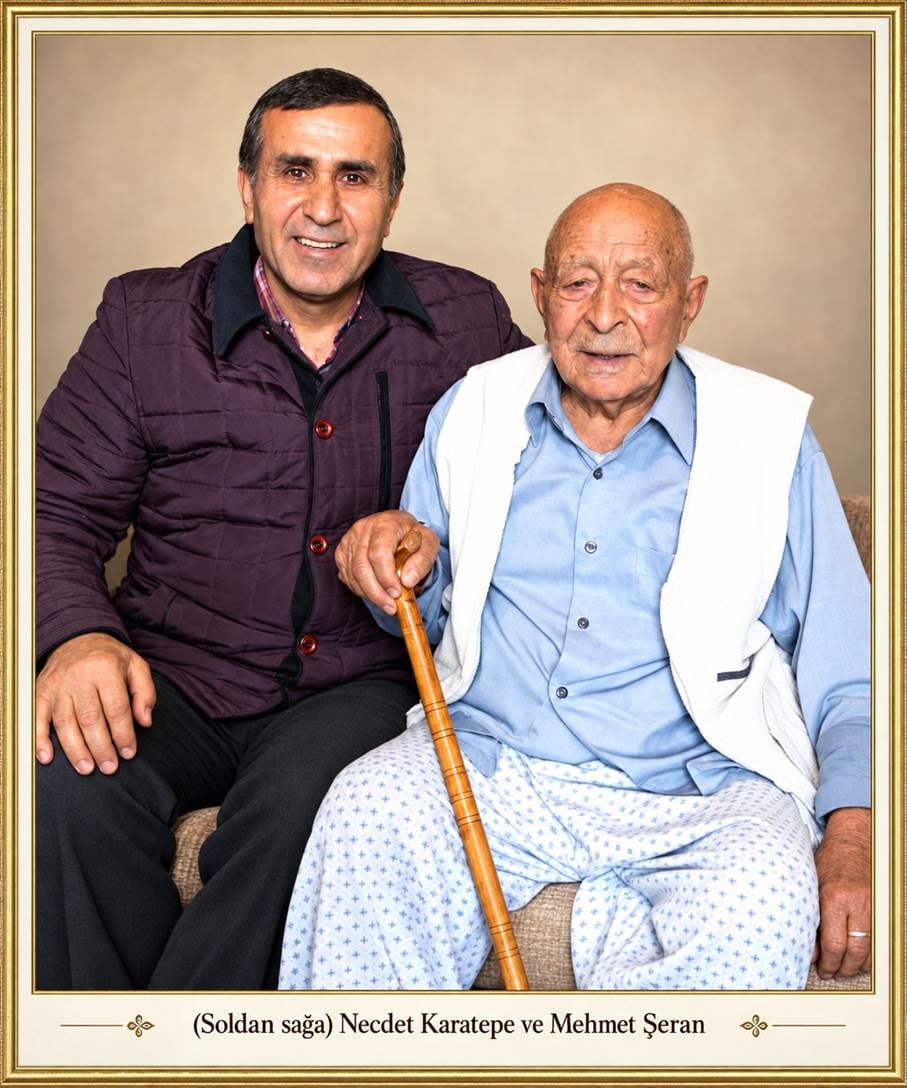
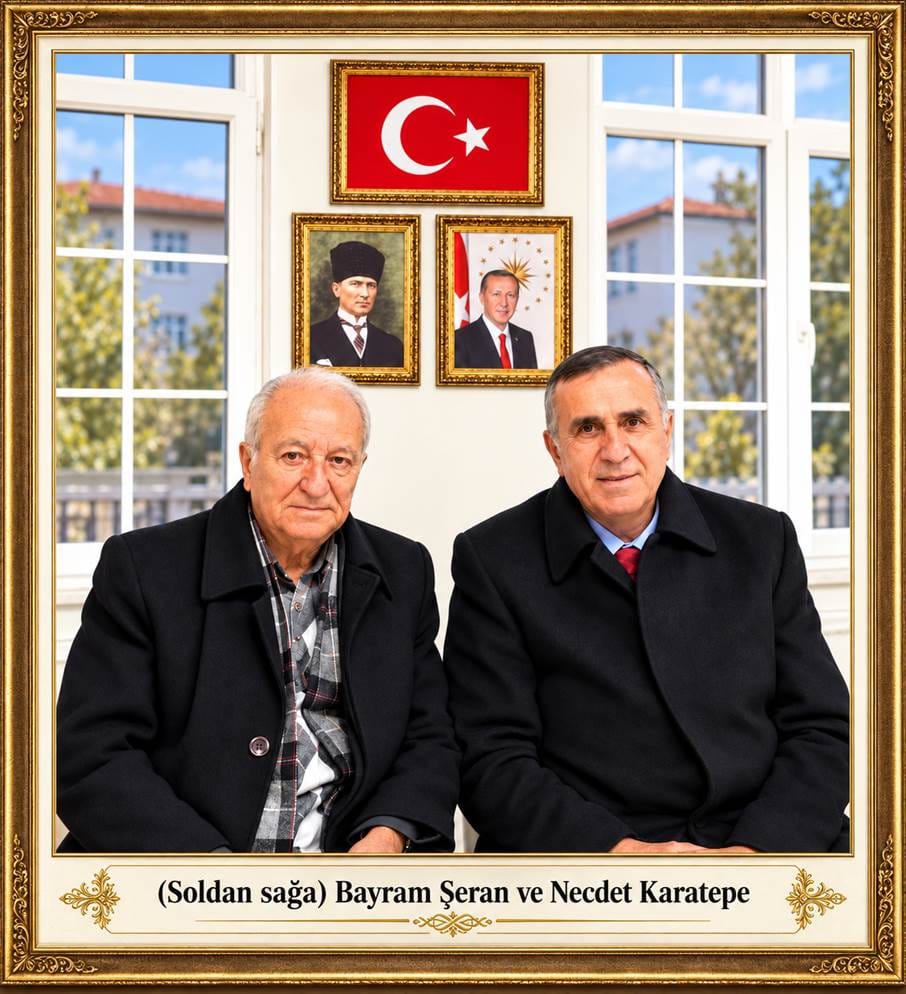
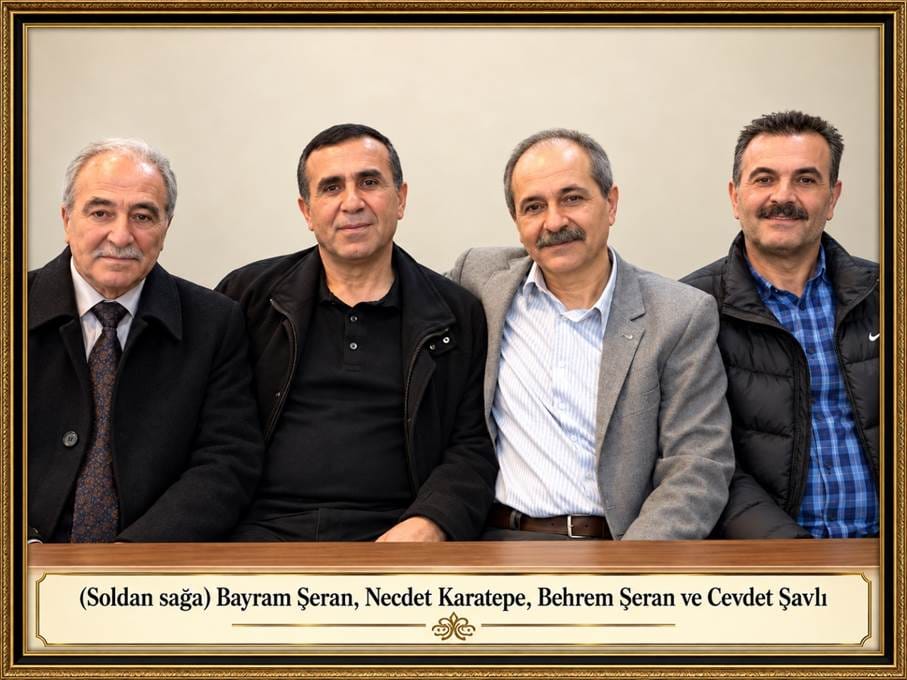
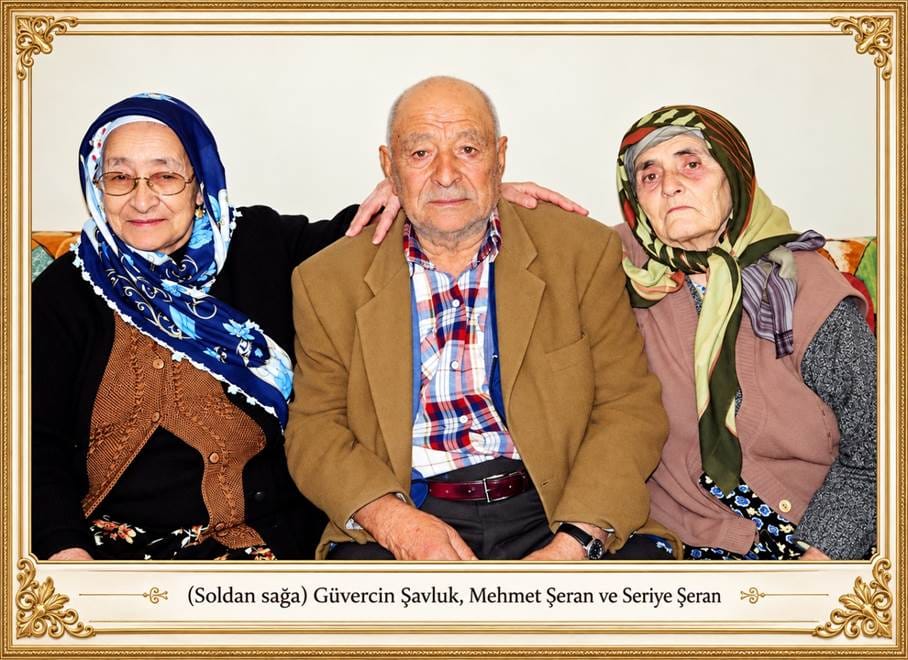
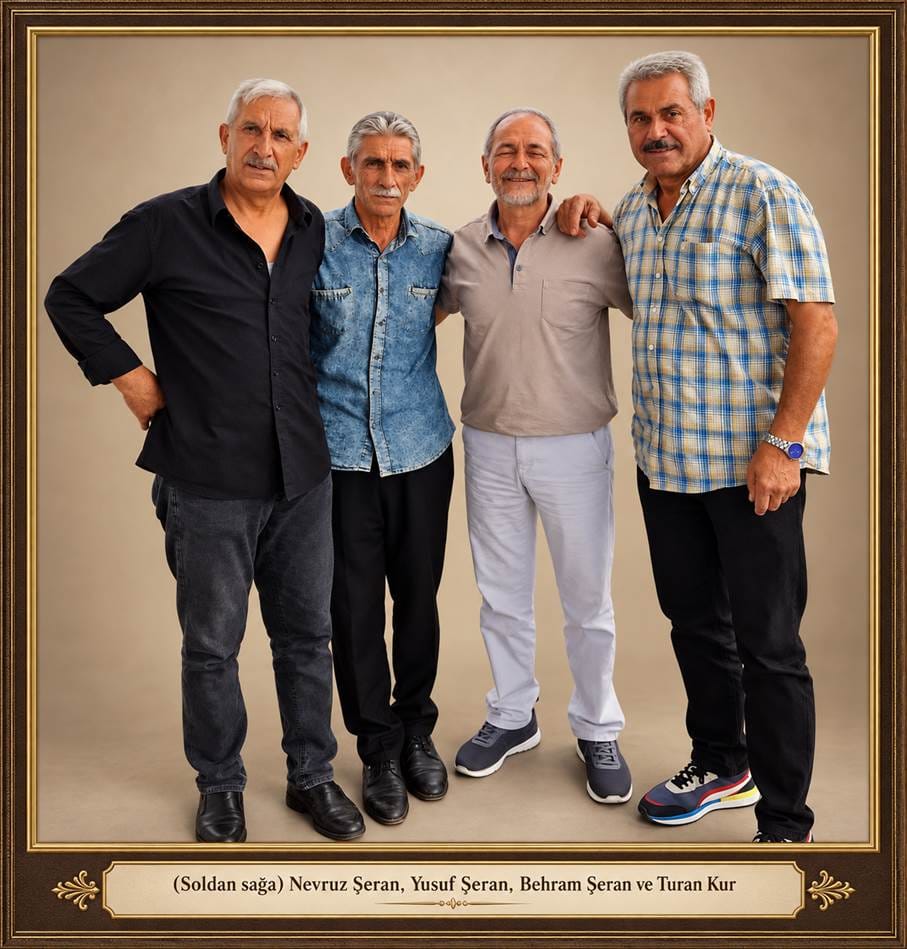
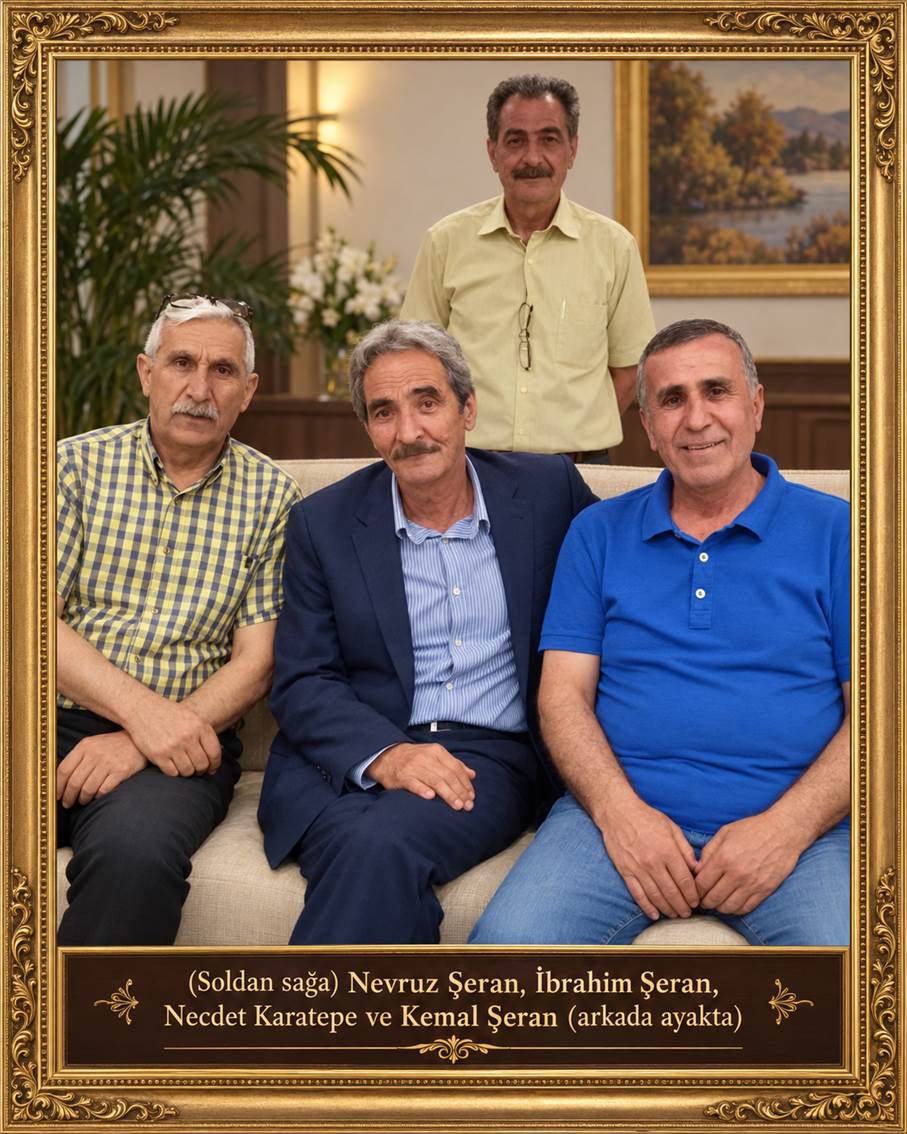
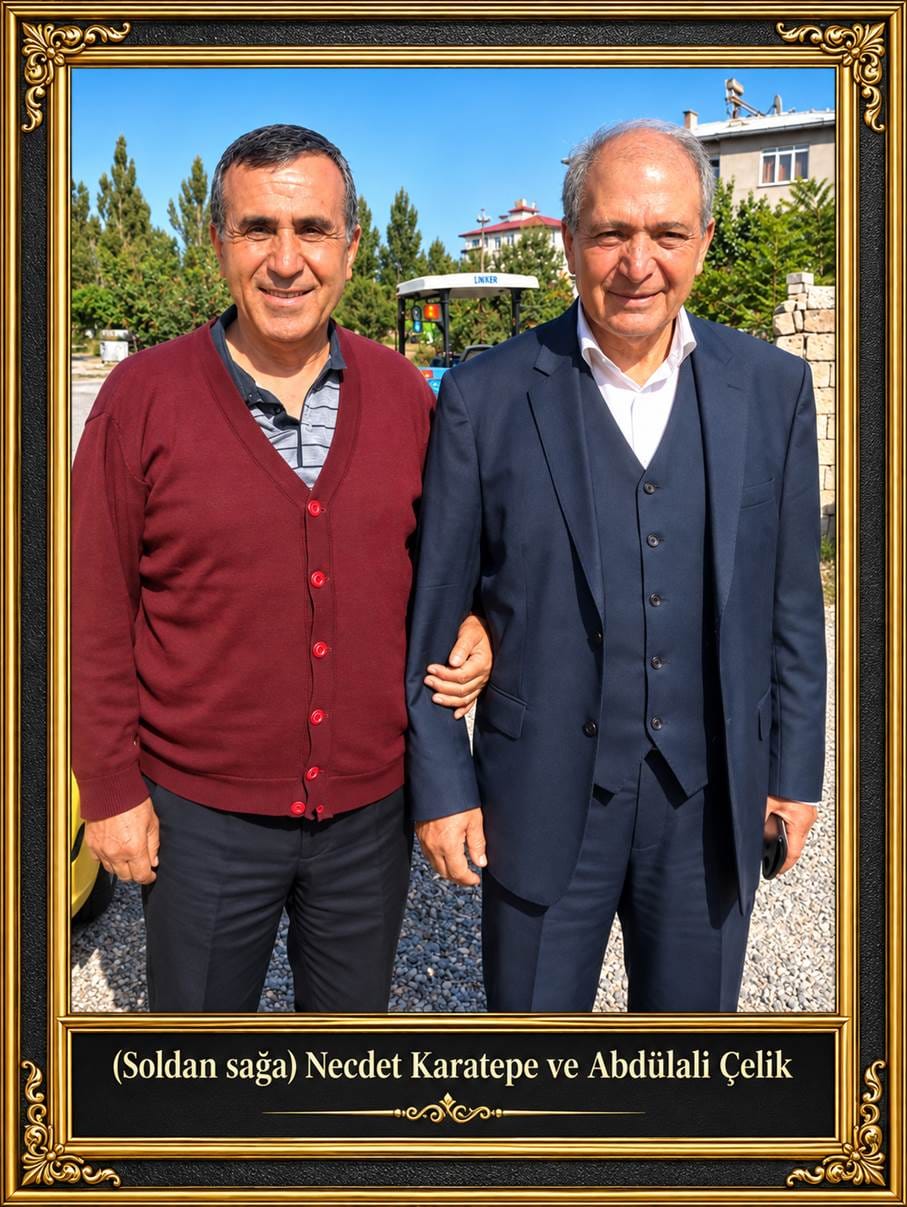
NECDET KARATEPE NARRATES
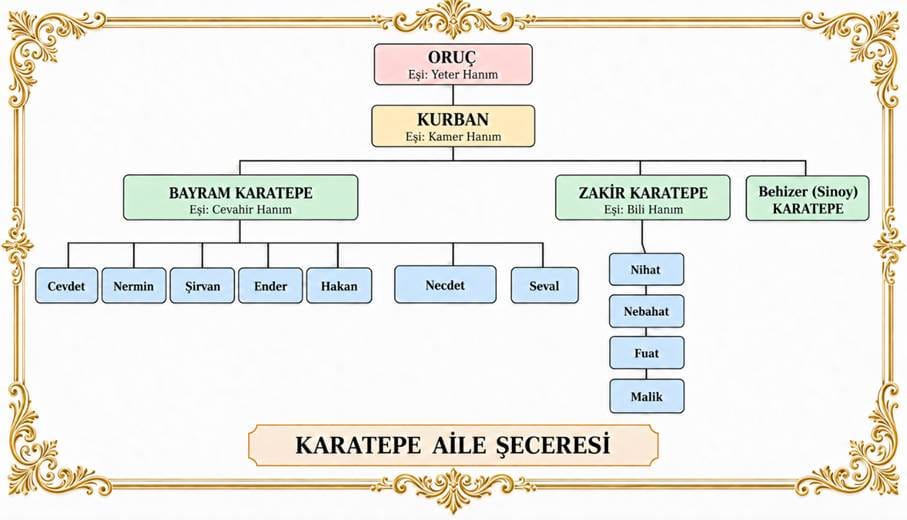
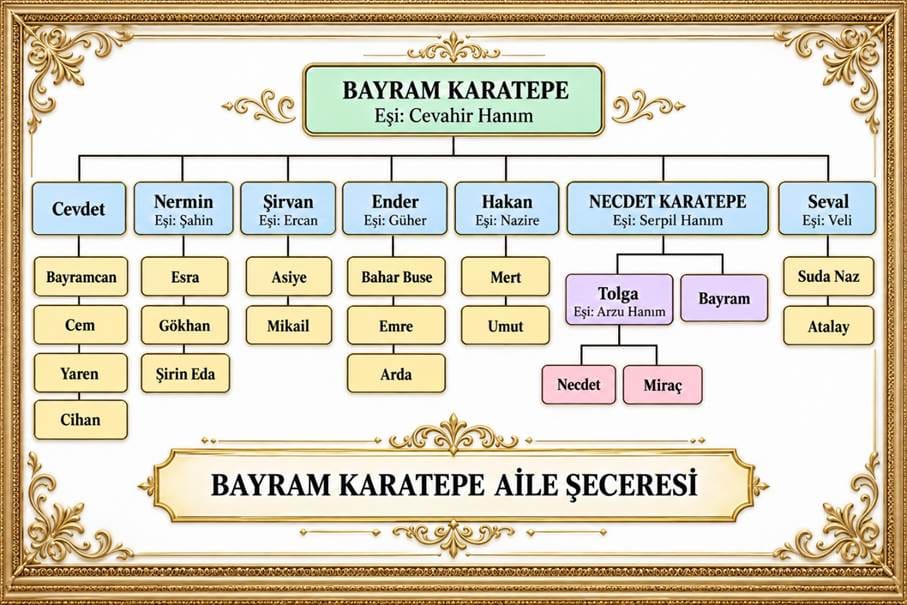
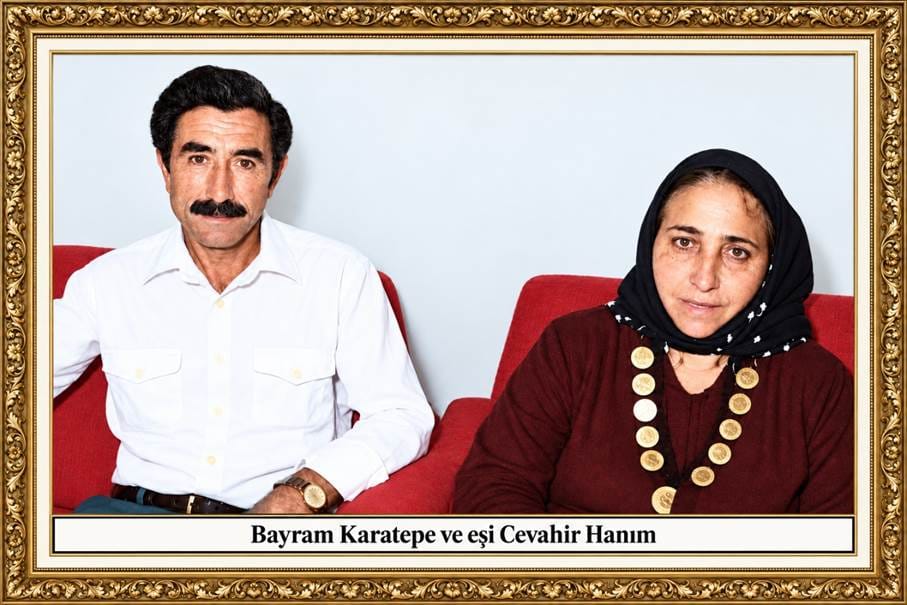
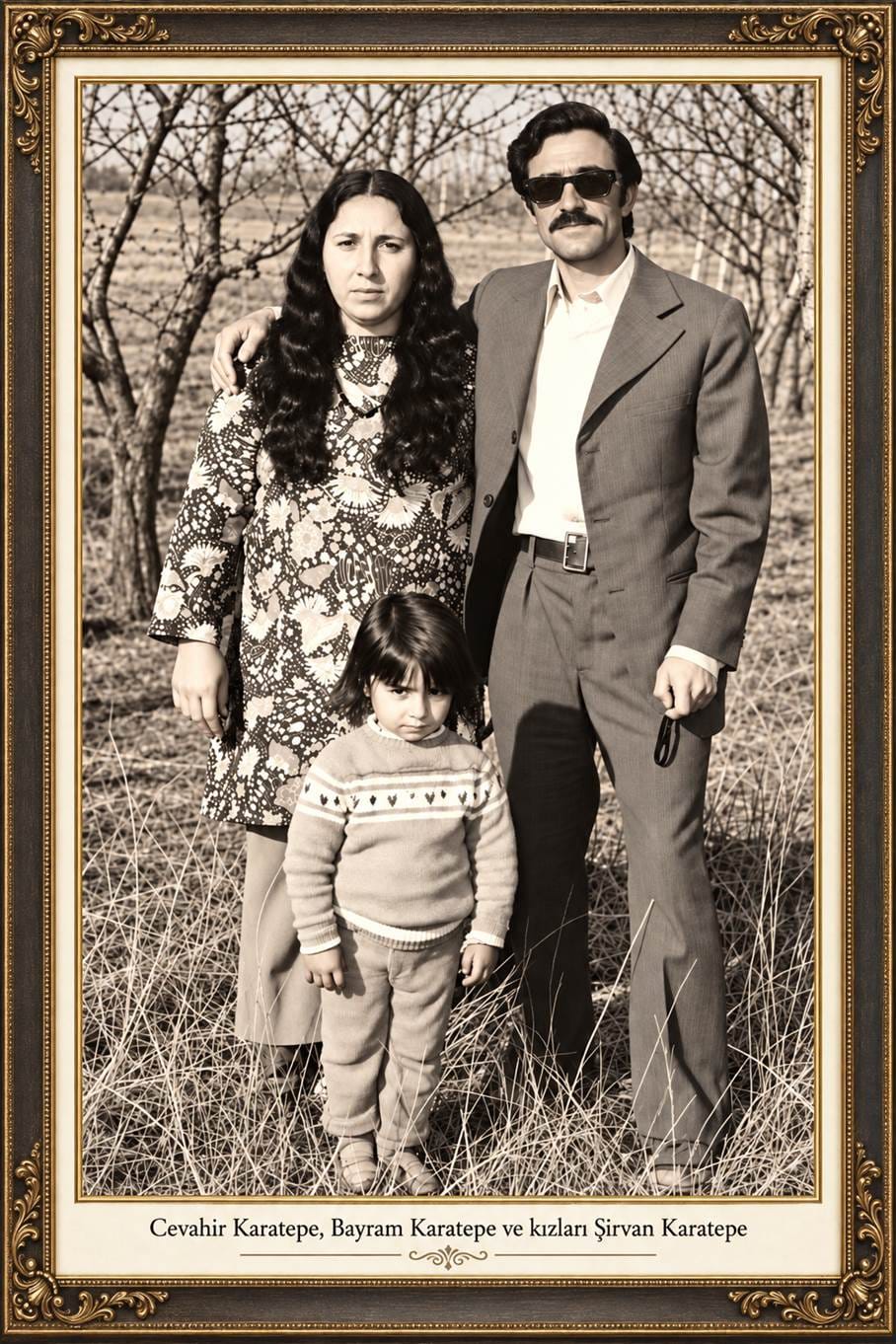
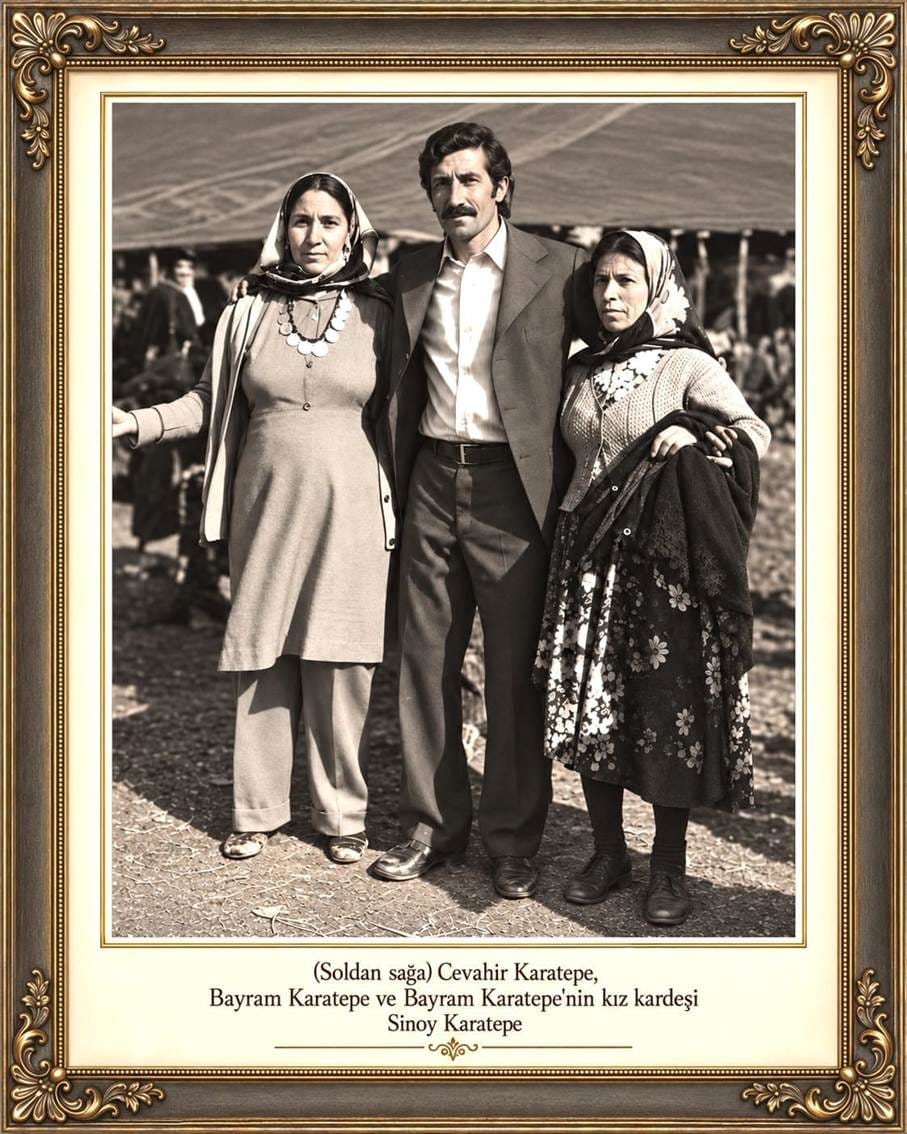
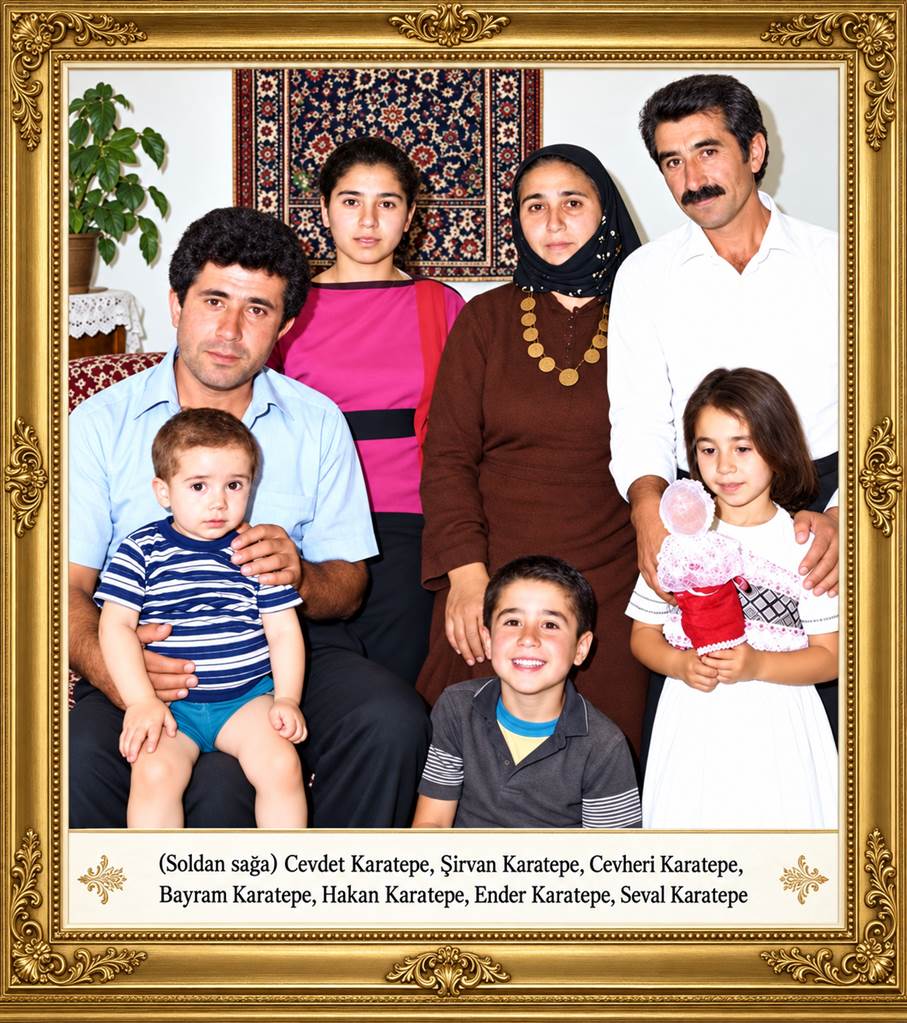
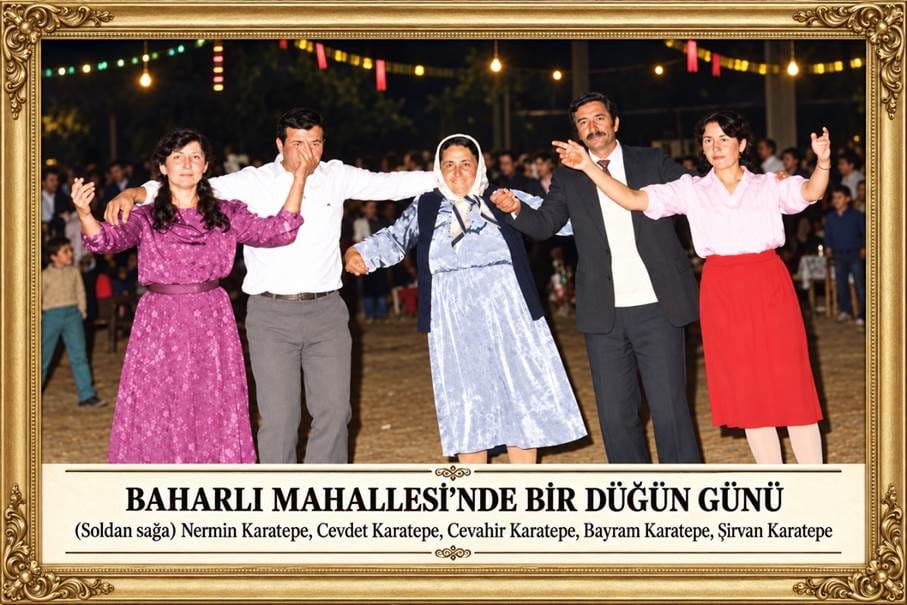
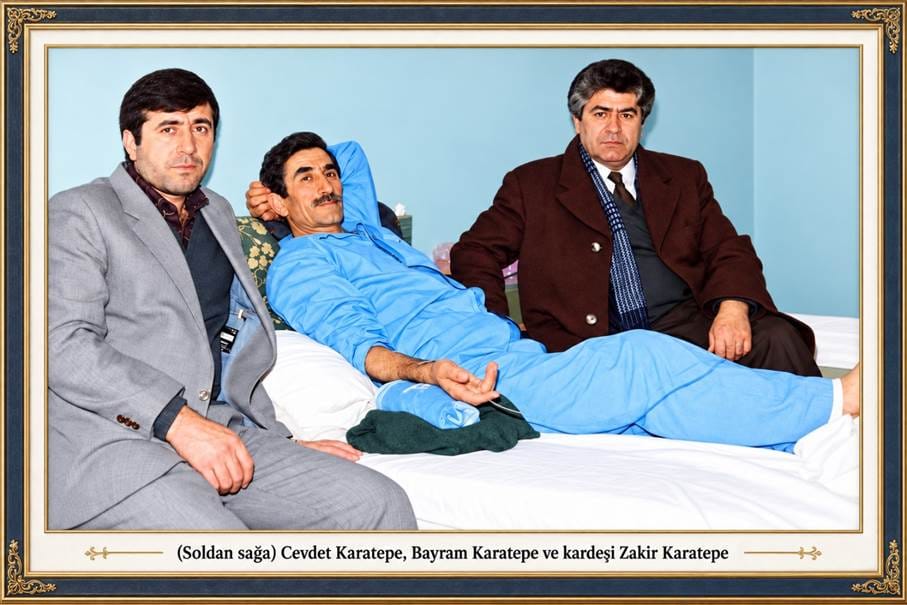
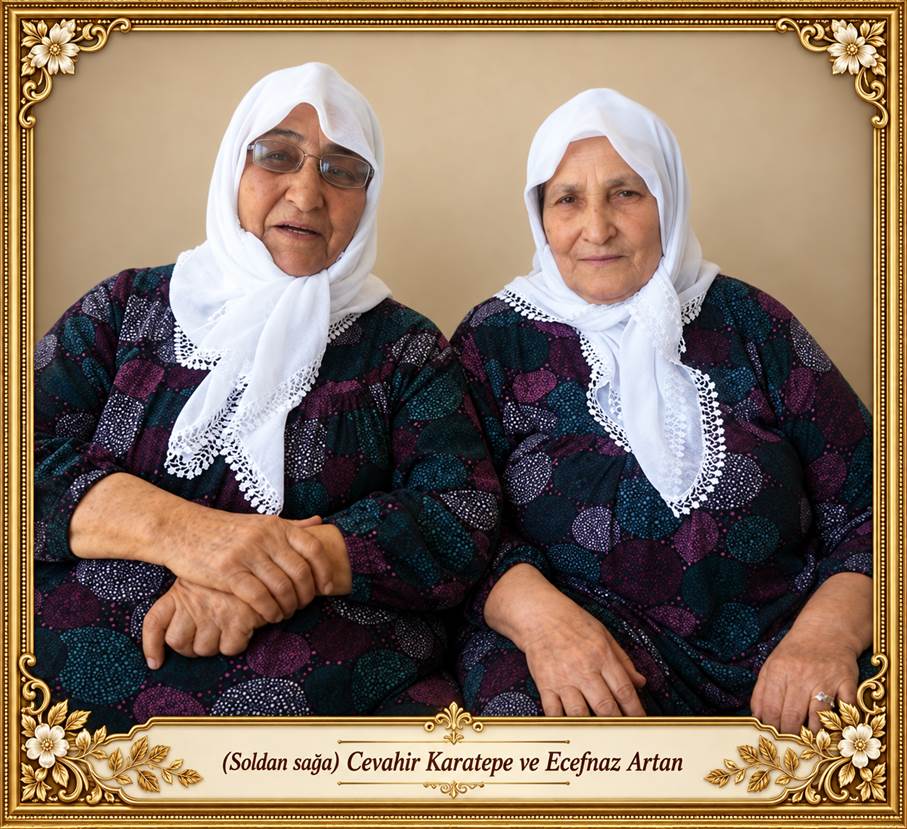
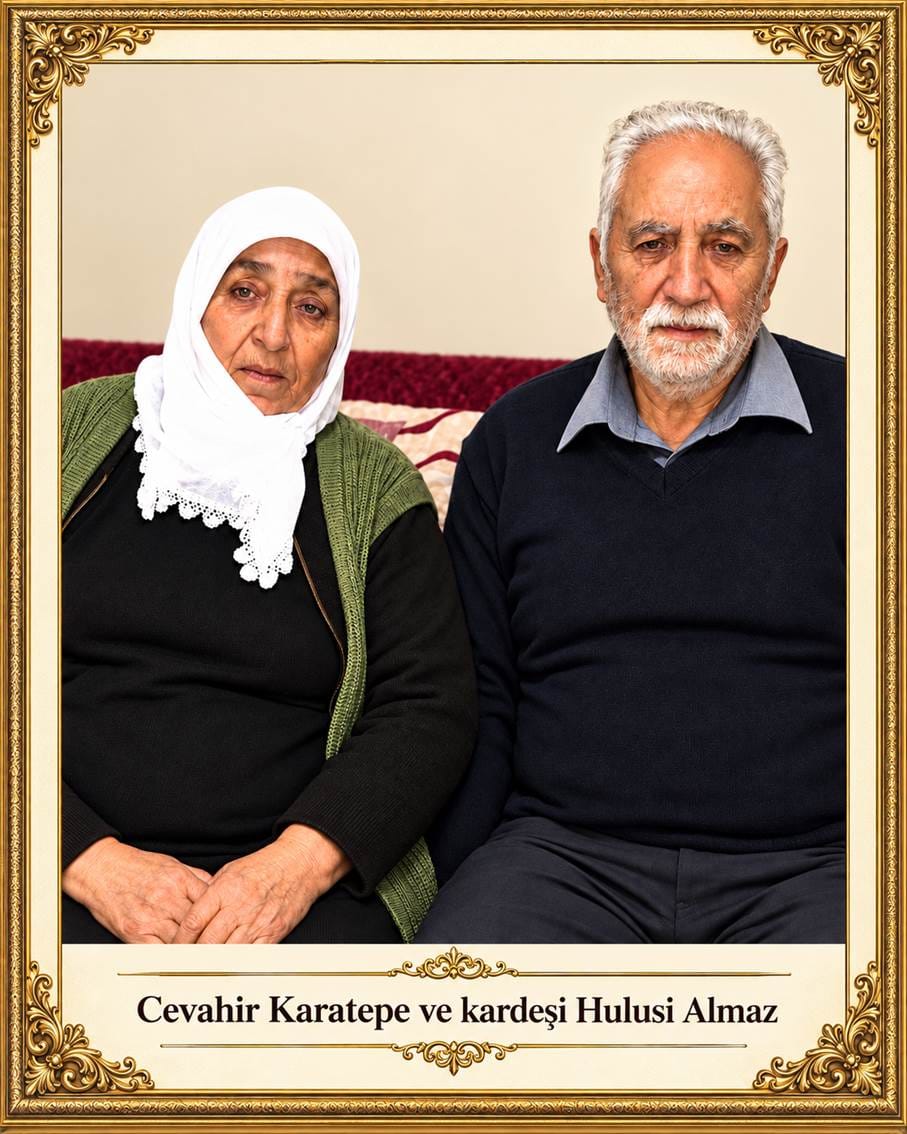
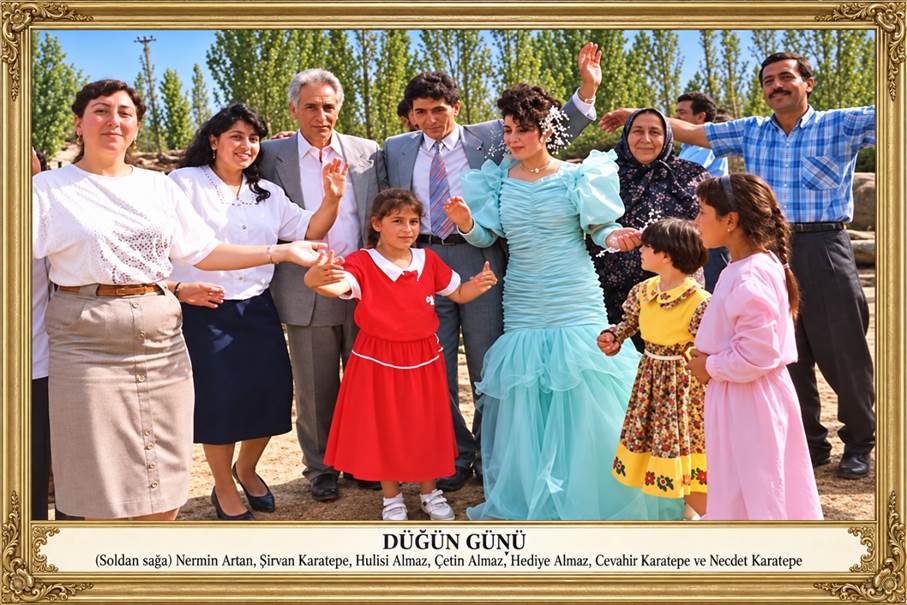
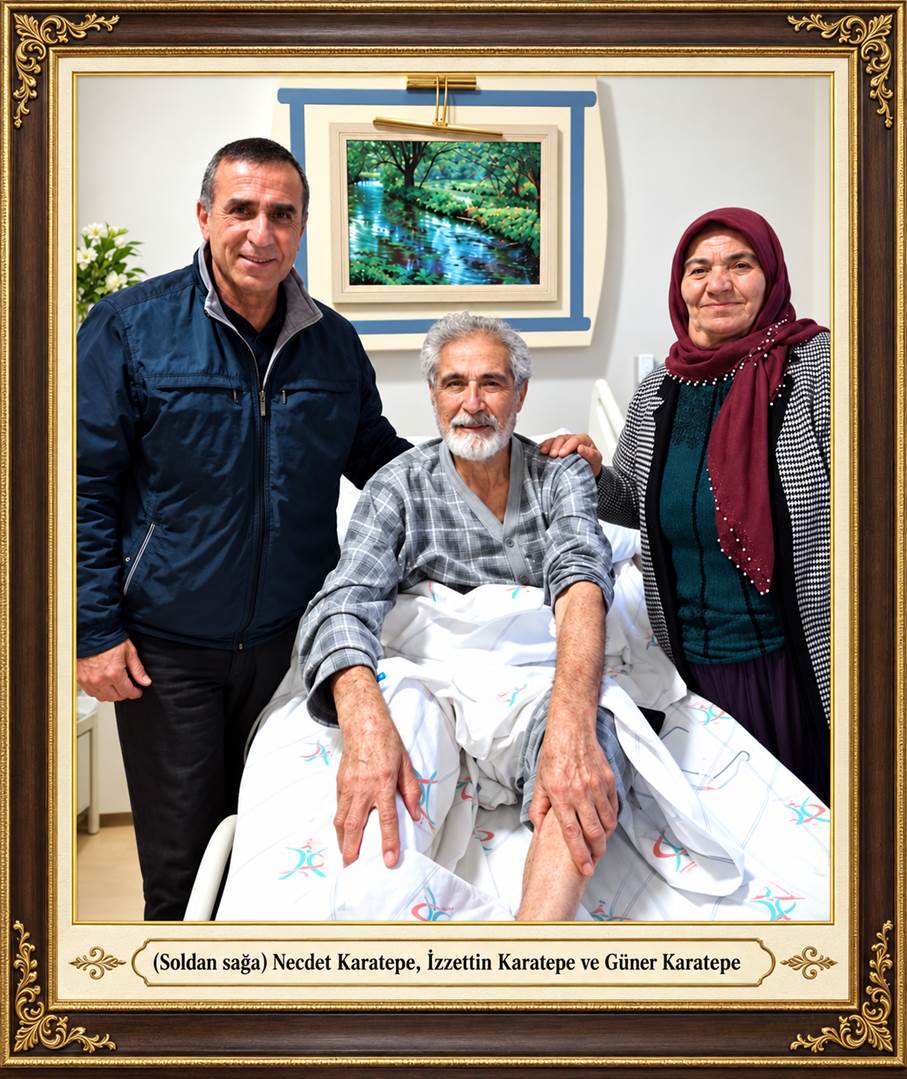
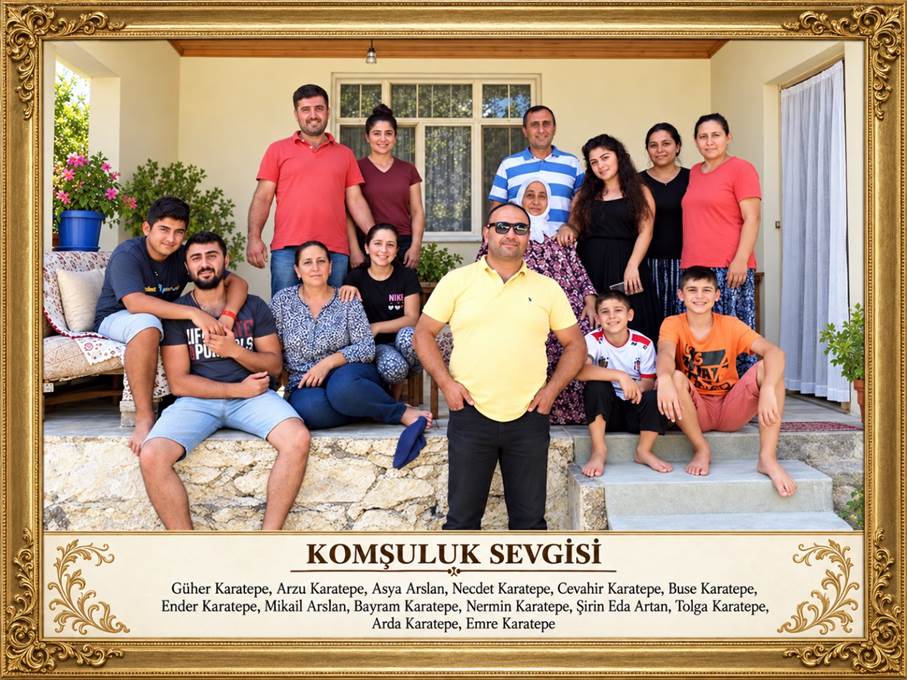
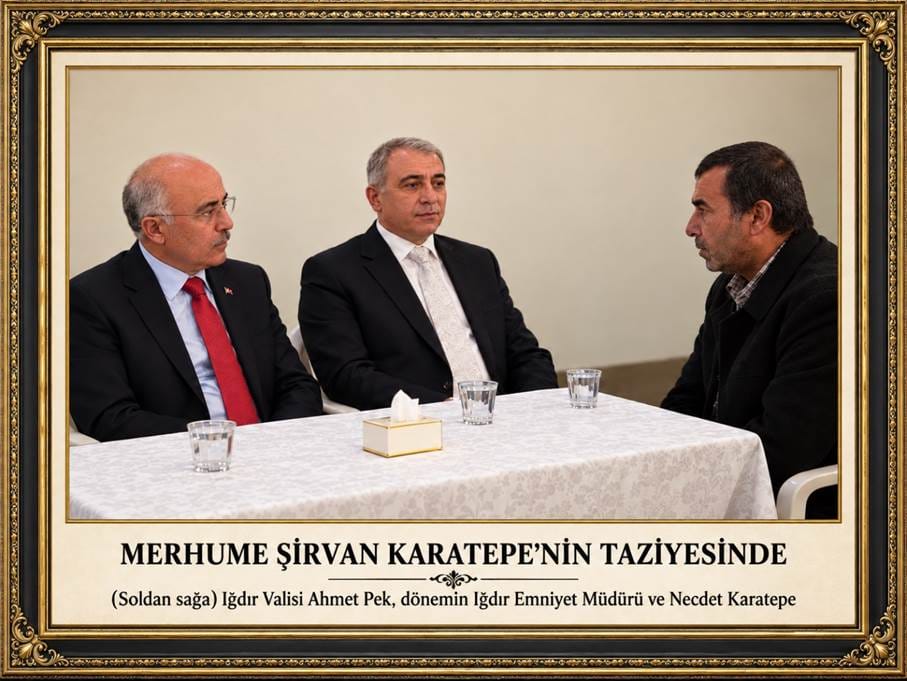
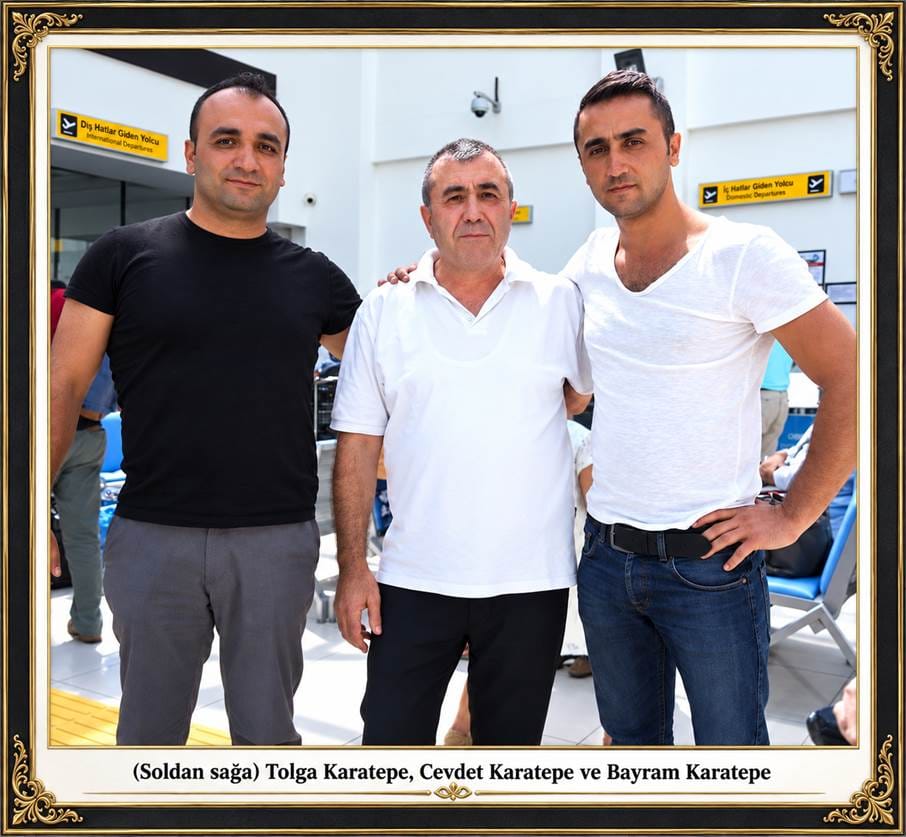
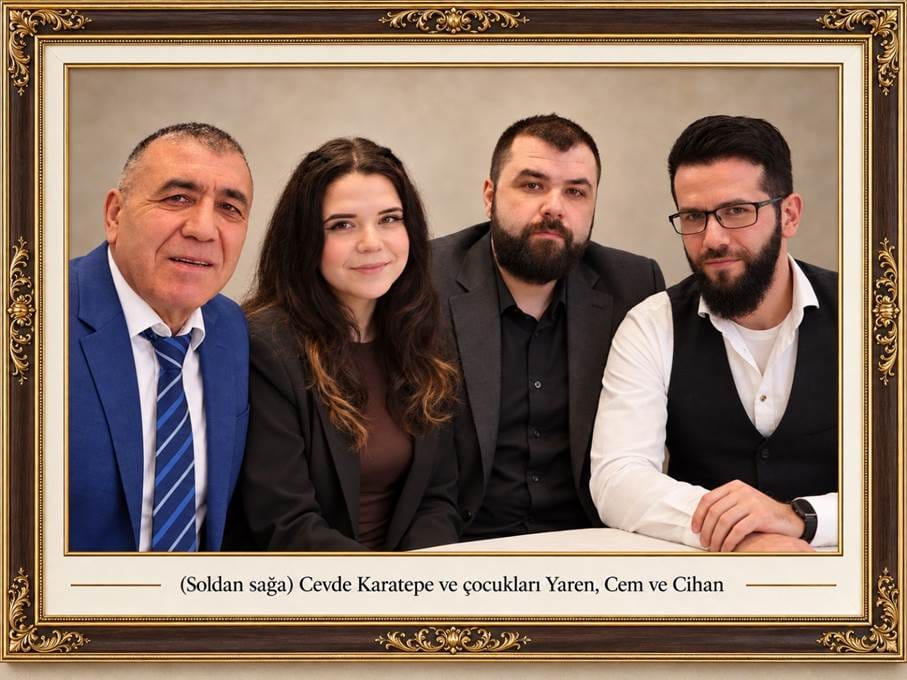
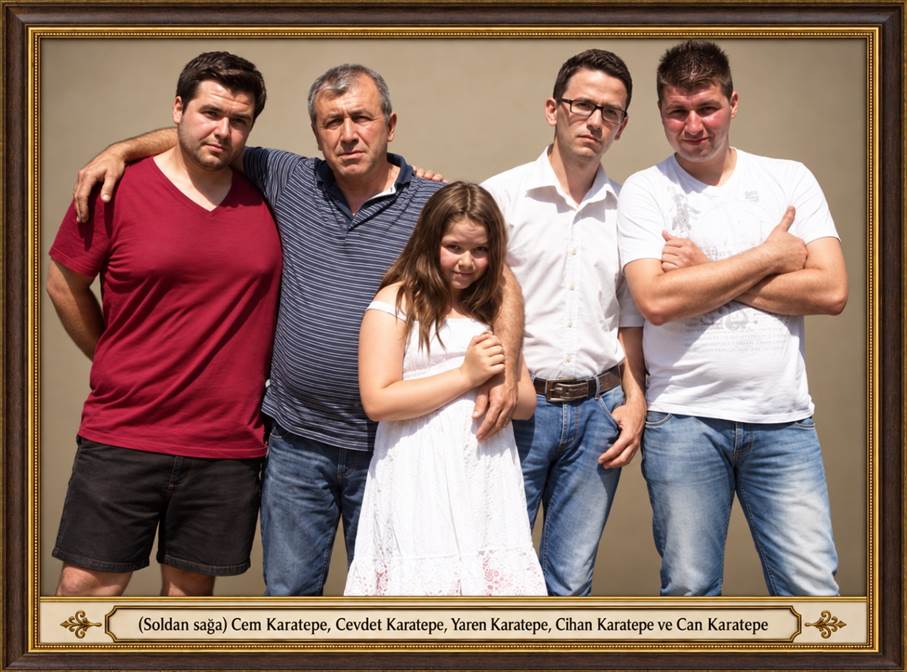
I was born in Baharlı Neighborhood, Iğdır, in 1963, meaning I have carried the spirit of this city and neighborhood within me for 63 years. My father's name is Bayram, and my mother's is Cevahir. I belong to a family of seven siblings. My siblings are Cevdet, Nermin, Şirvan, Ender, Hakan, and Seval. I am married to Serpil Hanım. I am a father of two children named Tolga and Bayram.
I served as the headman of Baharlı Neighborhood for 15 years. To my knowledge, among those who served as headmen in Baharlı Neighborhood are Nesir Taşan, Rüstem Başaran, Topal Kadir, Zorba Coşar, Ali Bilen, Alahan Bey, and Hanım Başaran.
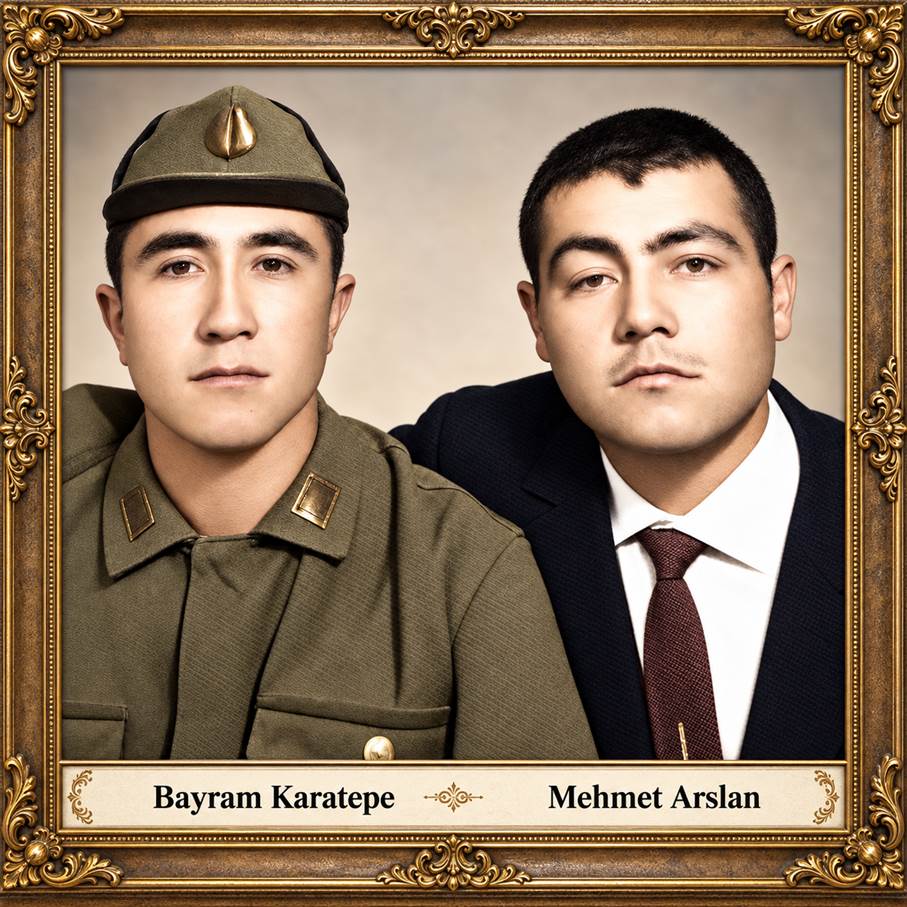
After my father returned from military service, he managed the club run by Mecit Hun. Bureaucrats and well-known figures from the district frequented this place. Thus, my father developed a wide social circle. I believe the club closed in 1968. With Mecit Hun's reference, my father became an office boy at the courthouse. Later, he worked at the land registry office and the finance department. My mother is a housewife.
The Terekemes in Baharlı Neighborhood adopted names among themselves based on the place they came from. However, all Terekeme families in Baharlı Neighborhood today have come from Yerevan and Vedibasar. In Vedibasar, they lived in a village known as Çığın Karakoyunlu. I believe there were other Terekeme villages named Baharlı around Vedibasar and Zengezur. During the Kaça-Kaç period (a period of forced migration), they stayed in the Marand region of Western Azerbaijan for a few years. From 1920 onwards, they gradually moved towards Iğdır. Our large family, known as Çığın Karakoyunlu, settled entirely in Baharlı Neighborhood. Later, those who came from Saraçlı (Pırço) and Hacıağa also settled in this neighborhood. Some families went to Mengeser village on the Ağrı side due to malaria. Some of them returned, while others remained there. Close ties were established between families through marriage.
ÇETİN İDEN NARRATES
I was born in Baharlı Neighborhood, Iğdır, in 1962. My father's name is Bilal, and my mother's is Nazlı. I belong to a family of eight siblings. My siblings are Saniye, Altay, Hanlar, Beyler, Nazmiye, Gülsen, Senem, and Çetin. I am married to Fatma Hanım. I am a father of three children. My children are Teoman, Tülay, and Kadir.
My father had a brother named Mehmet (his wife was Kudret Hanım). My grandfather's name was Mustafa, and his wife's name was Senem. The Terekemes in Baharlı Neighborhood are known in branches. We belong to the Saraçlı group.
WHO IS ÇETİN İDEN?
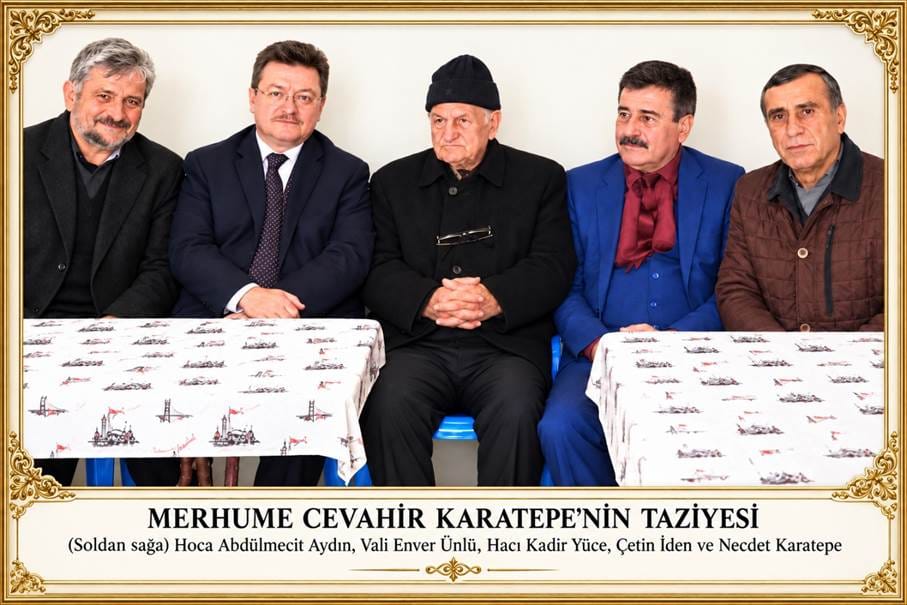
Serving in a city for many years and earning the trust of its people are not the same thing. The former is possible with time, the latter with the relationships built with people. Çetin İden is an administrator who combined approximately forty years of public service with close ties to the people of Iğdır, known as much for his conciliatory personality as for his experience.
Born in Iğdır in 1962, İden belongs to one of the city's established families. After completing his primary and secondary education in Iğdır, he graduated from the School of Social Sciences. Combining the values he received from his family with the responsibility and discipline required by public service, he embarked on a long professional career in public administration.
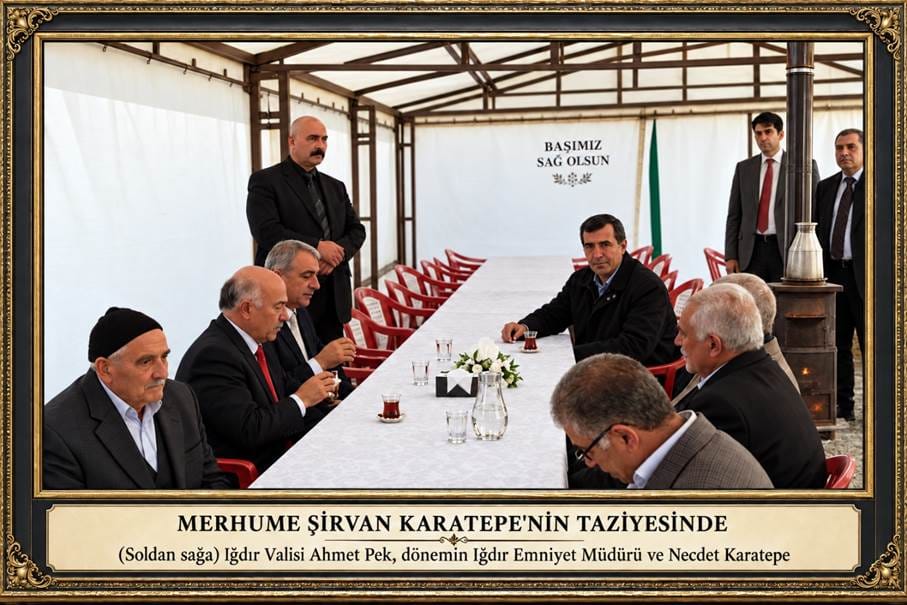
Iğdır becoming a province in 1992 was a significant turning point in his career. In the same year, he started his duty as the Provincial Director of Local Administrations. He worked with different governors throughout his service, which spans from the years when the province's new administrative structure was formed to the present day. His current position, now called the Directorate of Administration and Inspection, has made him one of the individuals who closely knows Iğdır's administrative history and local issues.
The certificates of outstanding achievement he received throughout his professional life demonstrate that his work was appreciated by his superiors. However, İden's standing in Iğdır is not limited to official documents alone. His close relationships with citizens, his conciliatory approach in disputes, and his constructive personality are important pillars of the respect he commands. Maintaining his connection with people while observing the rules of public duty is one of the distinguishing features of his administrative philosophy.
His candidacy for the Iğdır Municipality Mayoralty in 2019 was also a step in his service life extending into politics. Thus, he aspired to take on a different responsibility in the administration of the city where he was born and raised.
What makes Çetin İden stand out among Iğdır's experienced administrators is not merely the number of years he has served. It is his knowledge of his city, his preserved connection with its people, and his ability to combine the experience gained in public service with this closeness. His service life is also a part of Iğdır's story from its provincialization to the present day.
WHO IS MEHMET EFENDİ?
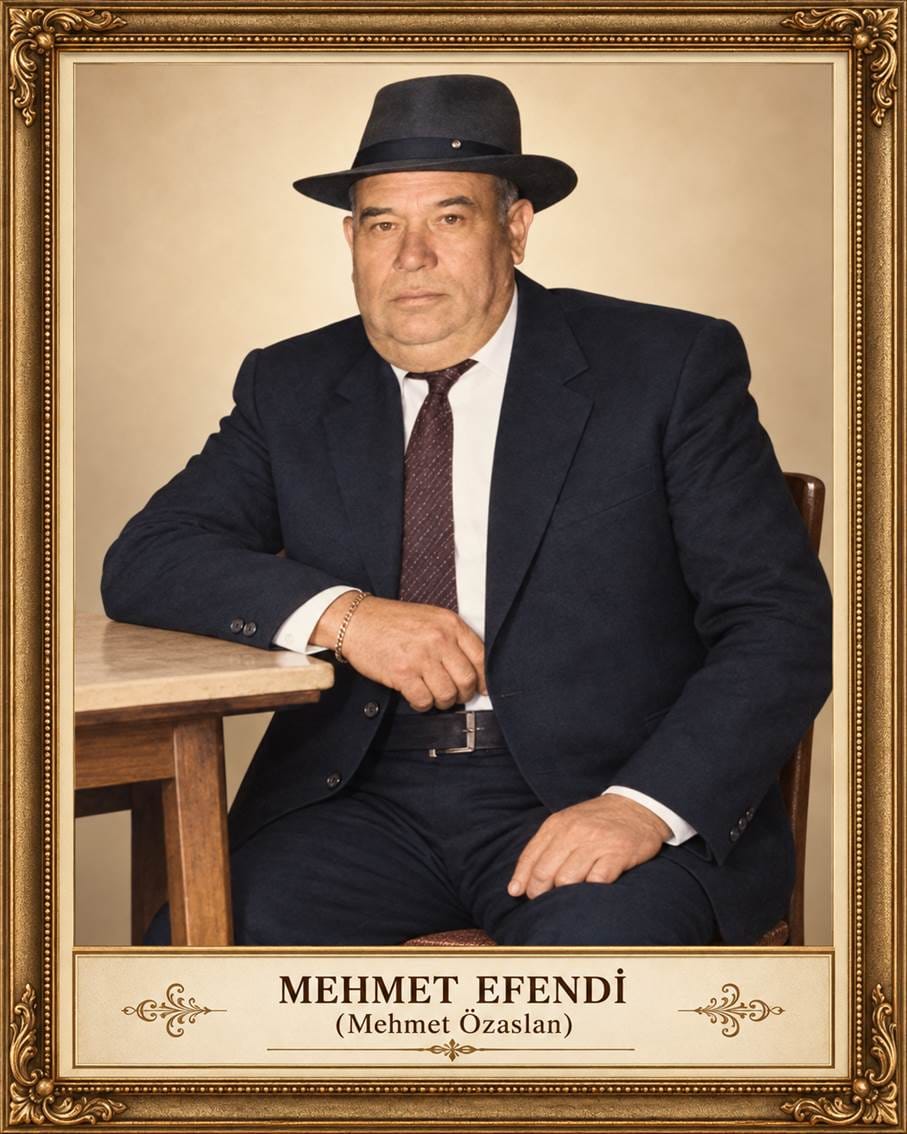
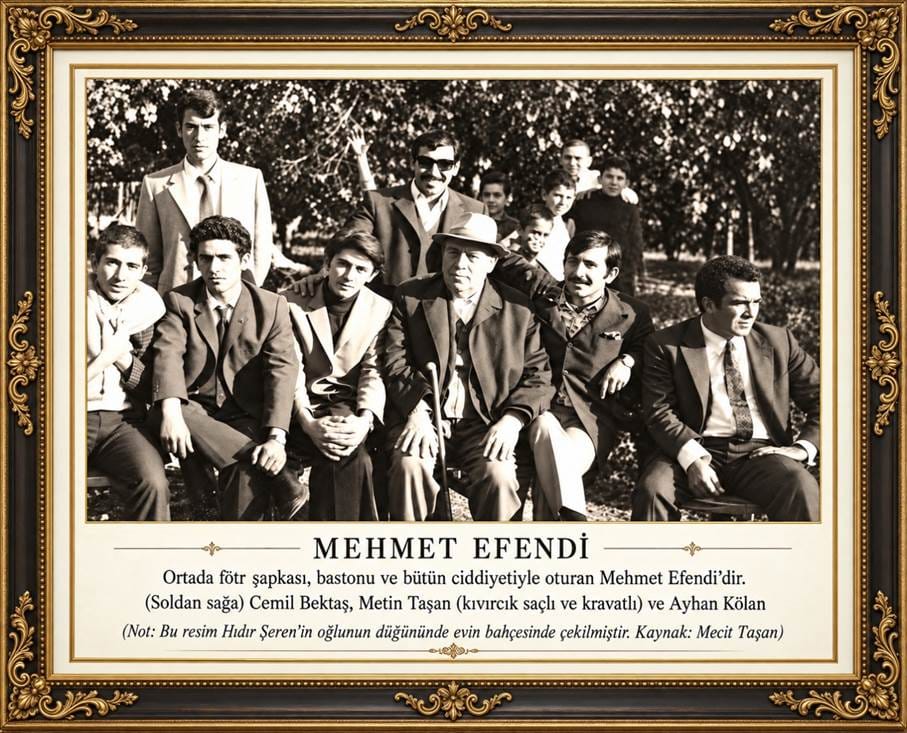
(Note: This information was provided by Metin Taşan) This picture was taken in the garden of Hıdır Şeren's son's wedding. In the middle, Mehmet Efendi sits with his fedora, cane, and all his seriousness. From left to right are Cemil Bektaş, Metin Taşan (with curly hair and a tie), and Ayhan Kölan.
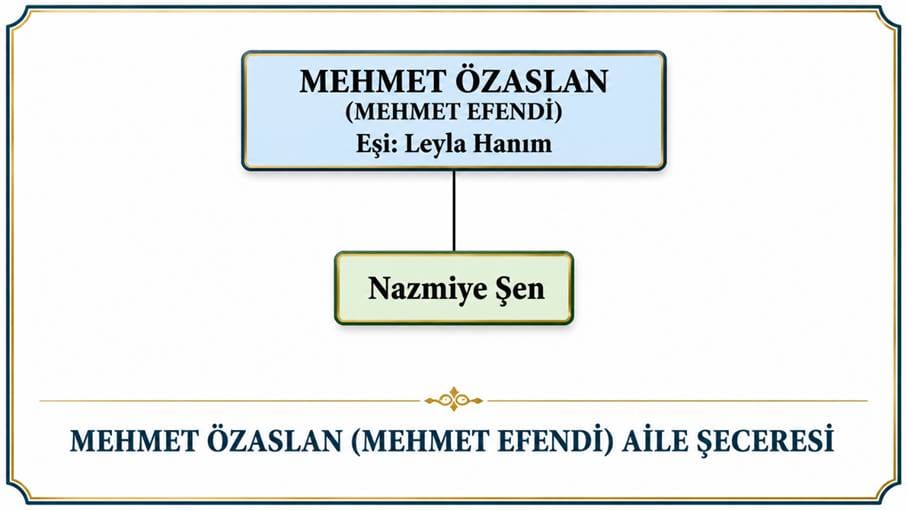
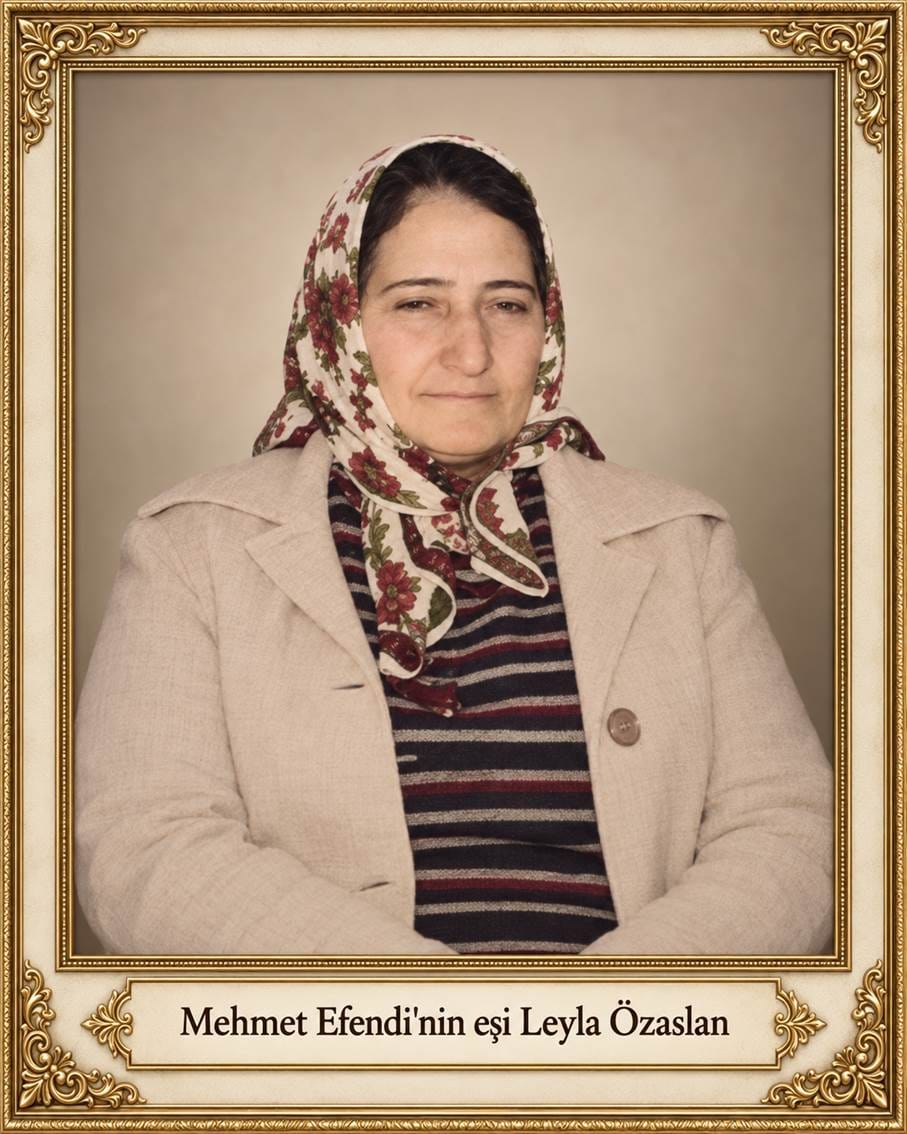
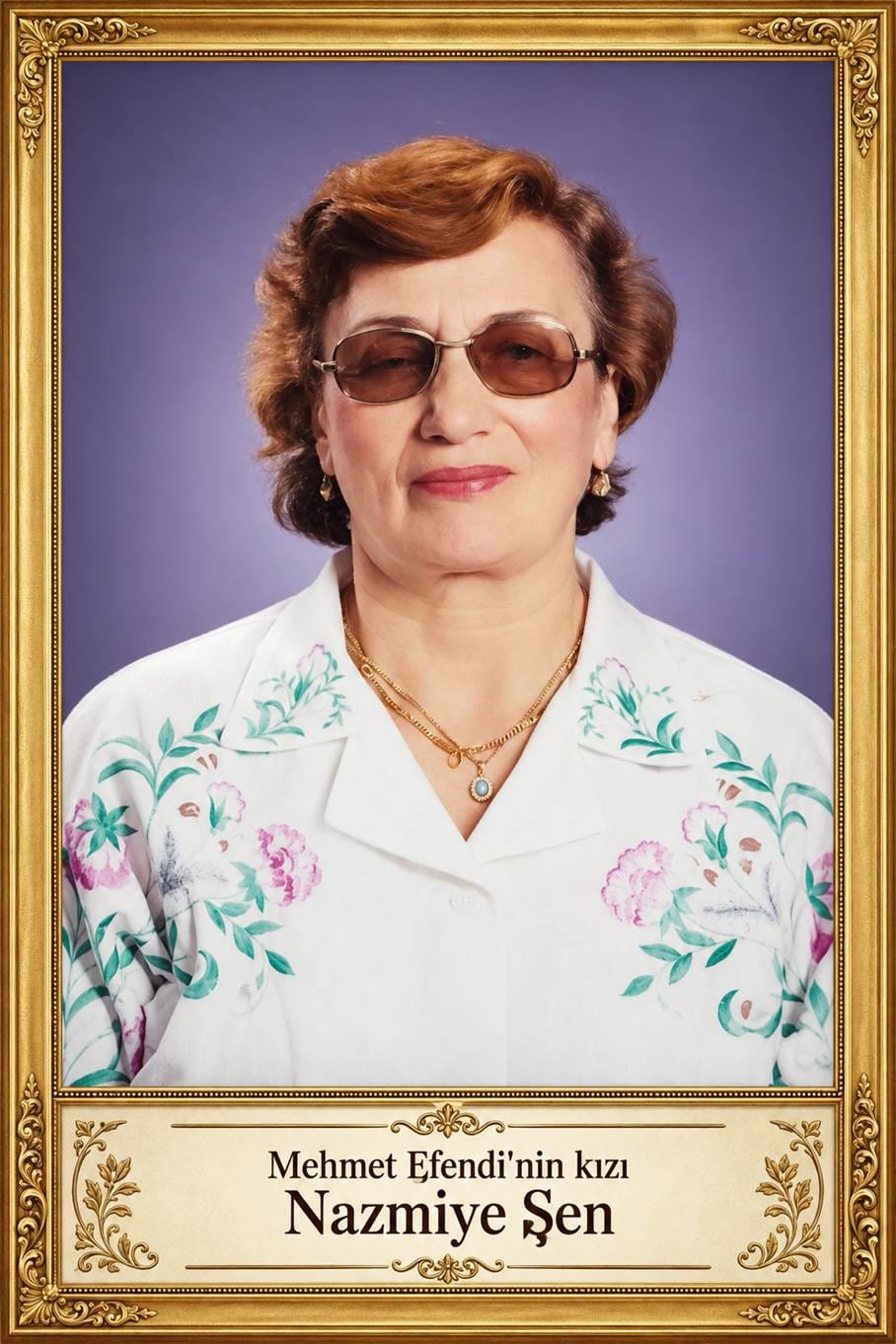
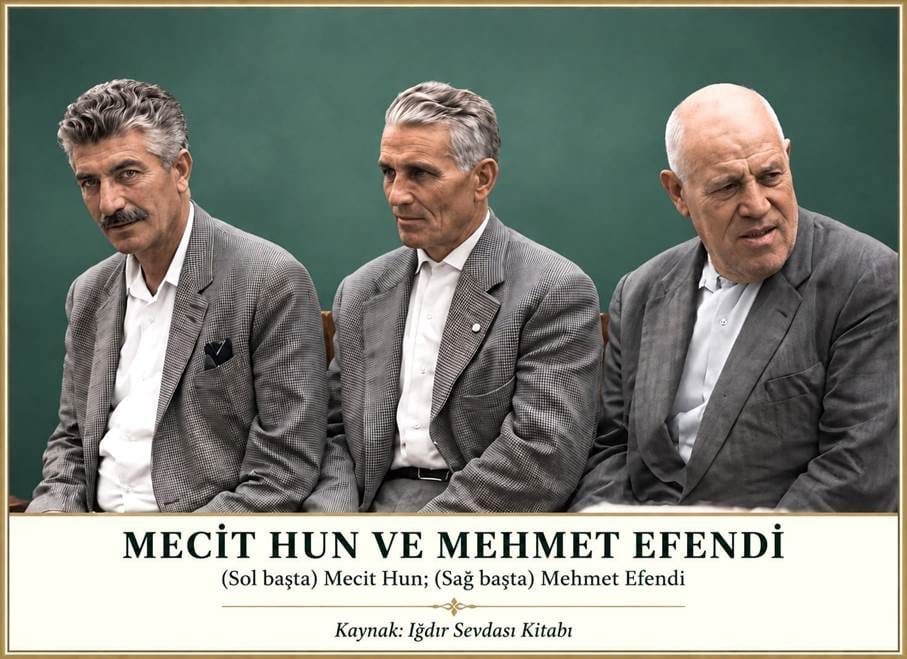
Mehmet Efendi, with his attire and demeanor, was one of the most respected figures in our neighborhood. He was never without his fedora. His posture and confident walk showed that he was a man of society. He was the President of the Farmers' Protection Association. He spent most of his day in the city center with his friends, becoming an indispensable figure at conversation tables. Mehmet Efendi lived in a two-story house in Ali Eşref Başaran's garden. It had a specially embroidered and ornate balcony on its front facade. He had a daughter named Nazmiye. In later years, he married his daughter to Şeref Şen's son.
An important characteristic of Mehmet Efendi was his role as a "toy baba" (wedding father). At weddings, after the meal, money, known as "nemer" among the people, would be collected for the newlywed couple. Mehmet Efendi would announce the names of those who donated money, saying, "So-and-so gave this much money. May it be a blessing for their son and daughter!" thus both enlivening and managing the wedding atmosphere.