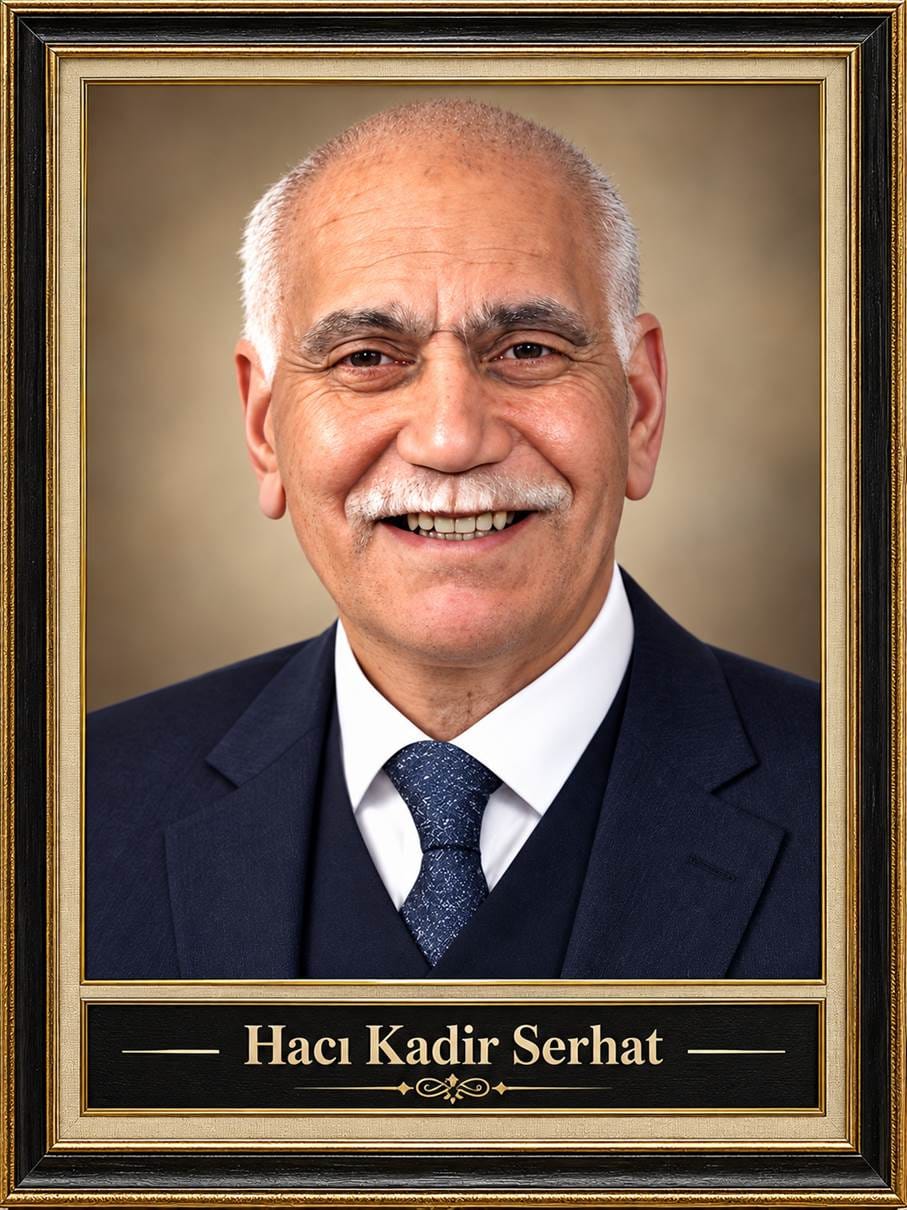
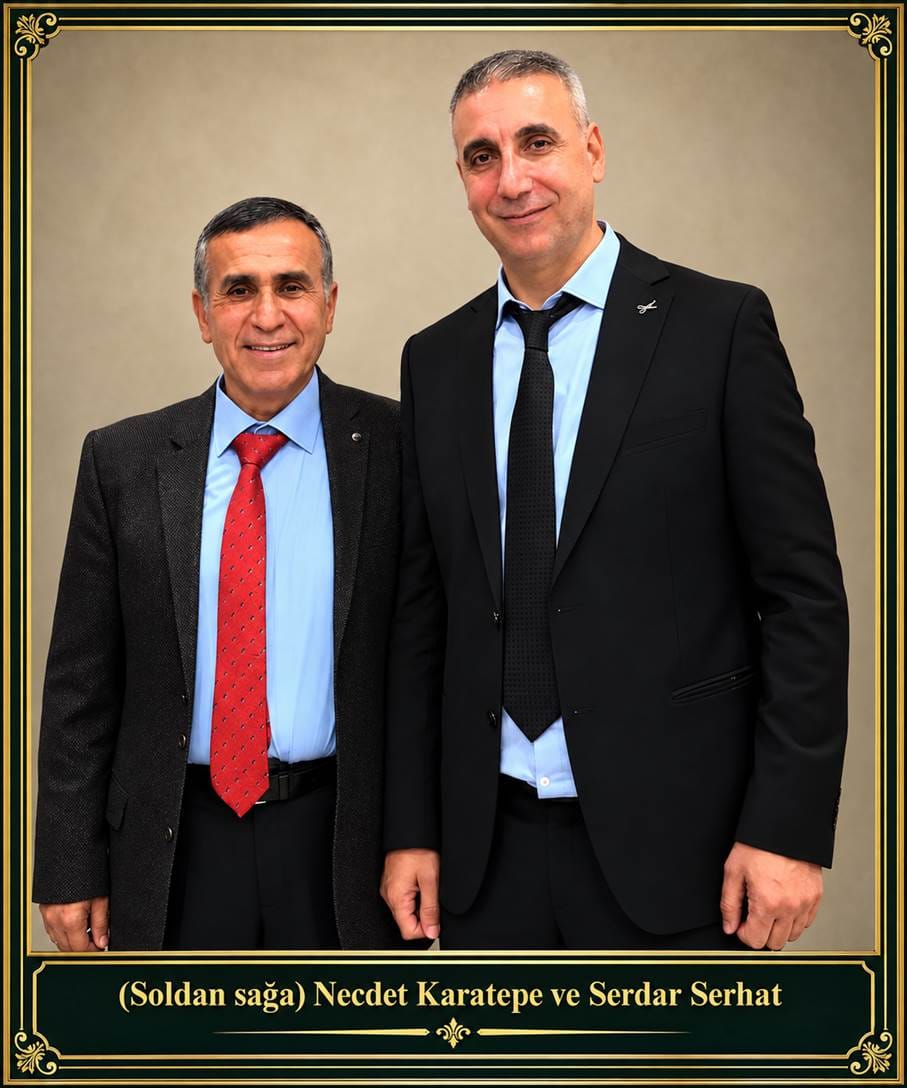
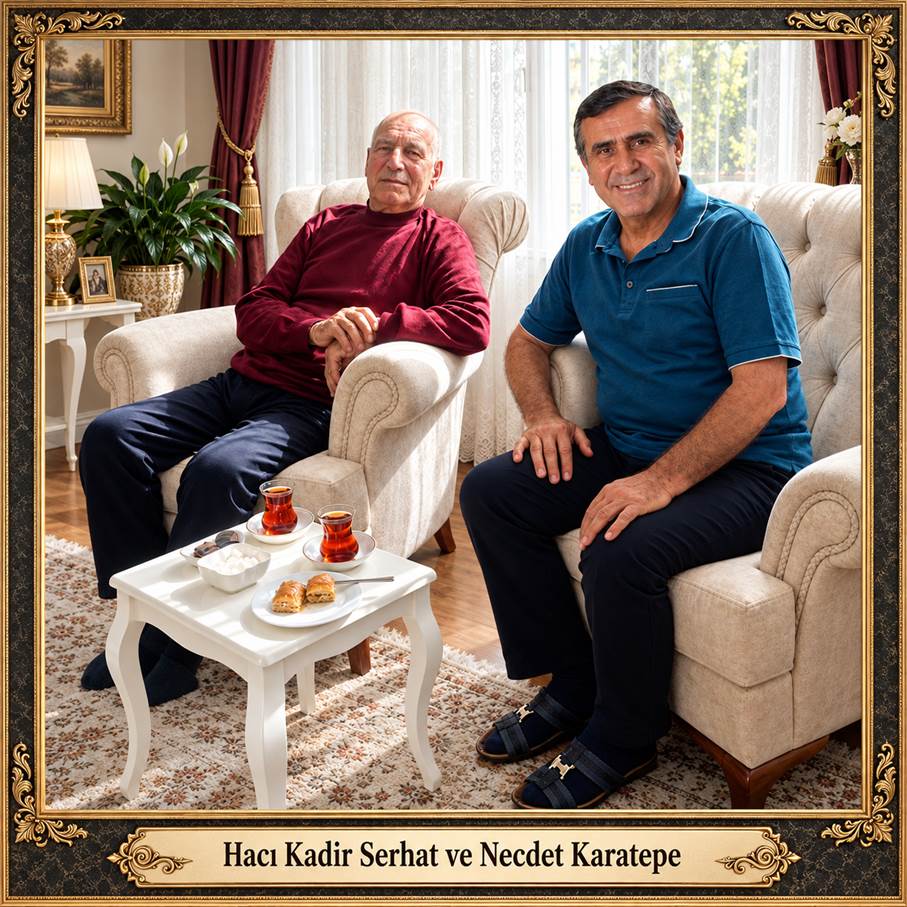
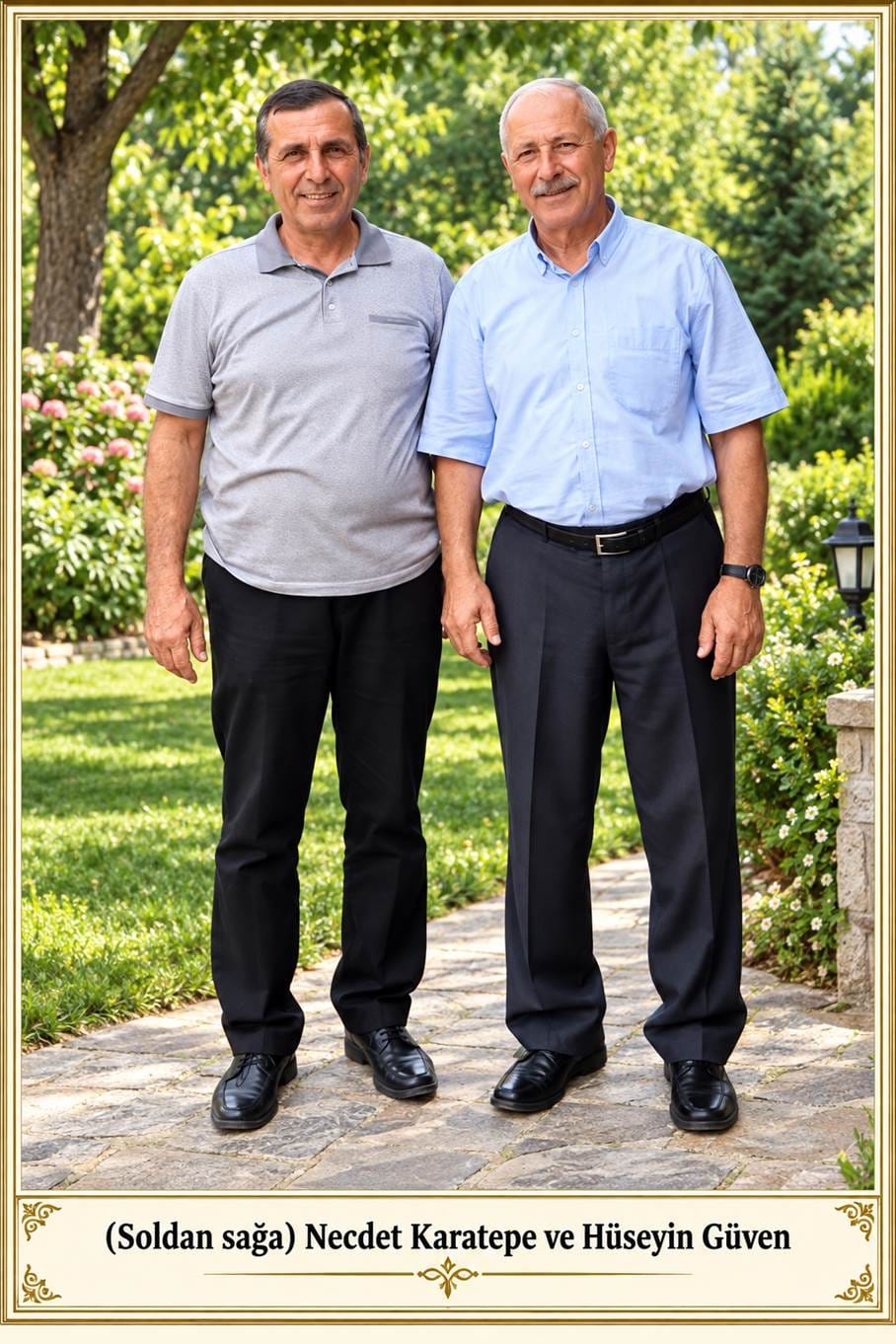
Baharlı Neighborhood Pictures: PART ELEVEN
Seyran Yılmaz recounts her childhood memories of Baharlı Neighborhood, where her family settled after the Mount Ararat Rebellion, detailing their home, garden, and daily life.


KURDISH POPULATION FAMILY GENEALOGIES AND PICTURES
SEYRAN YILMAZ RECOUNTS
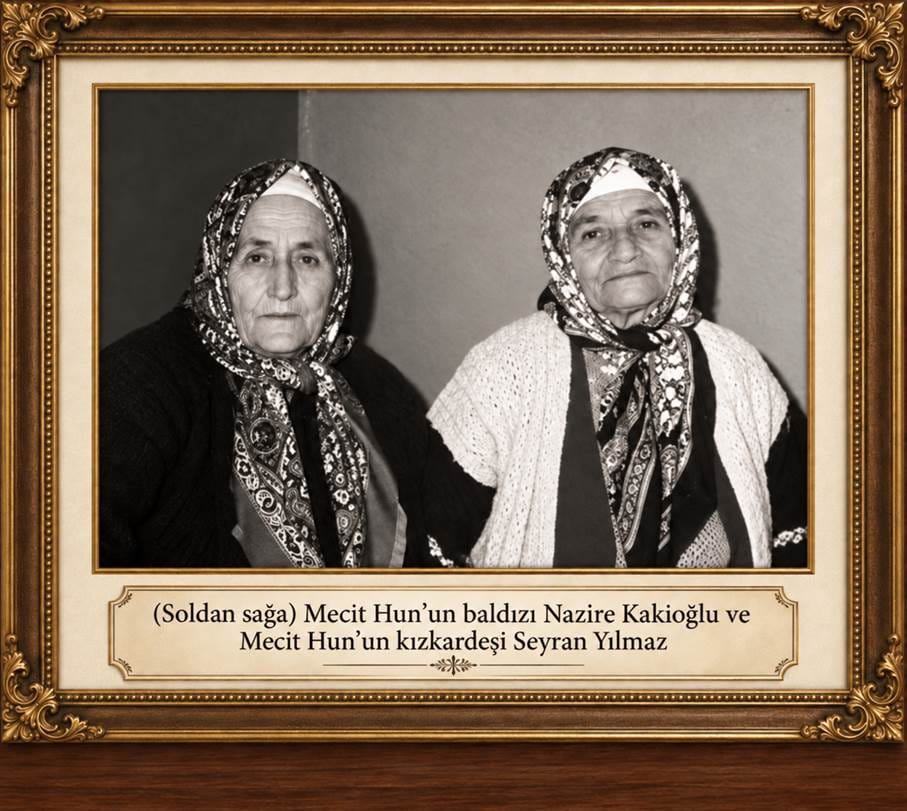
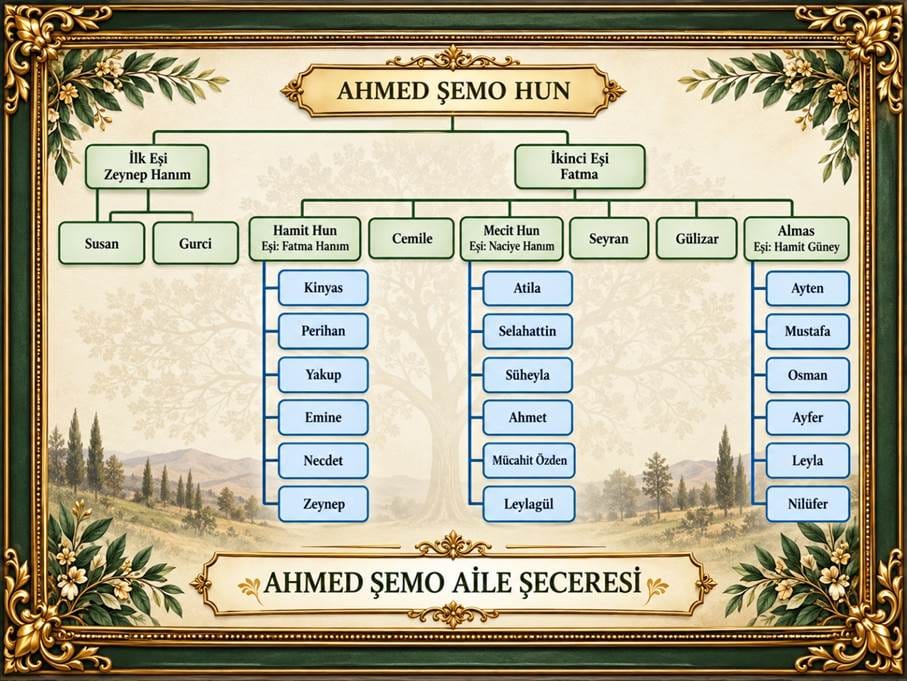
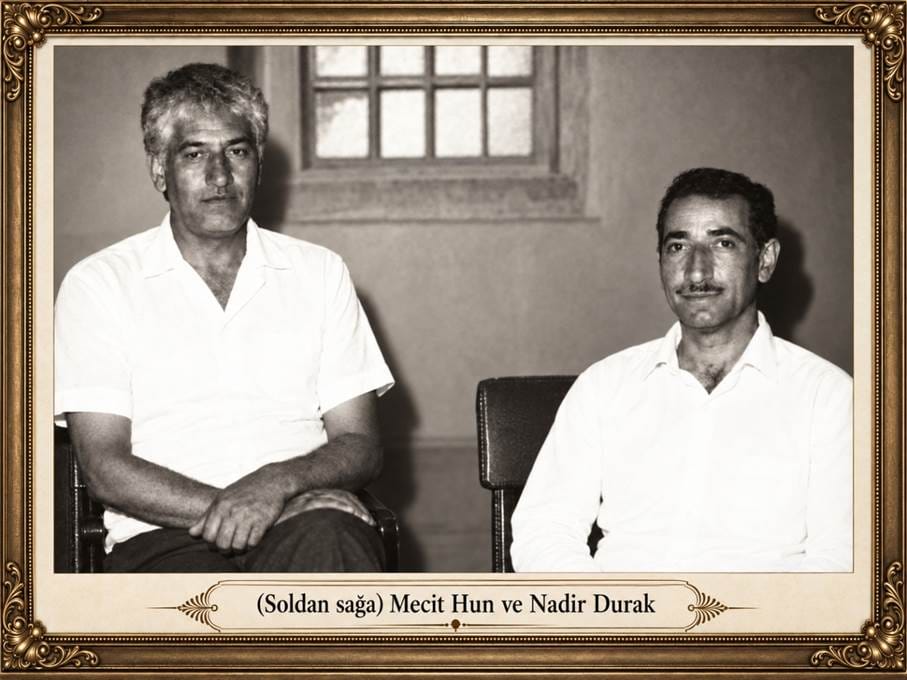
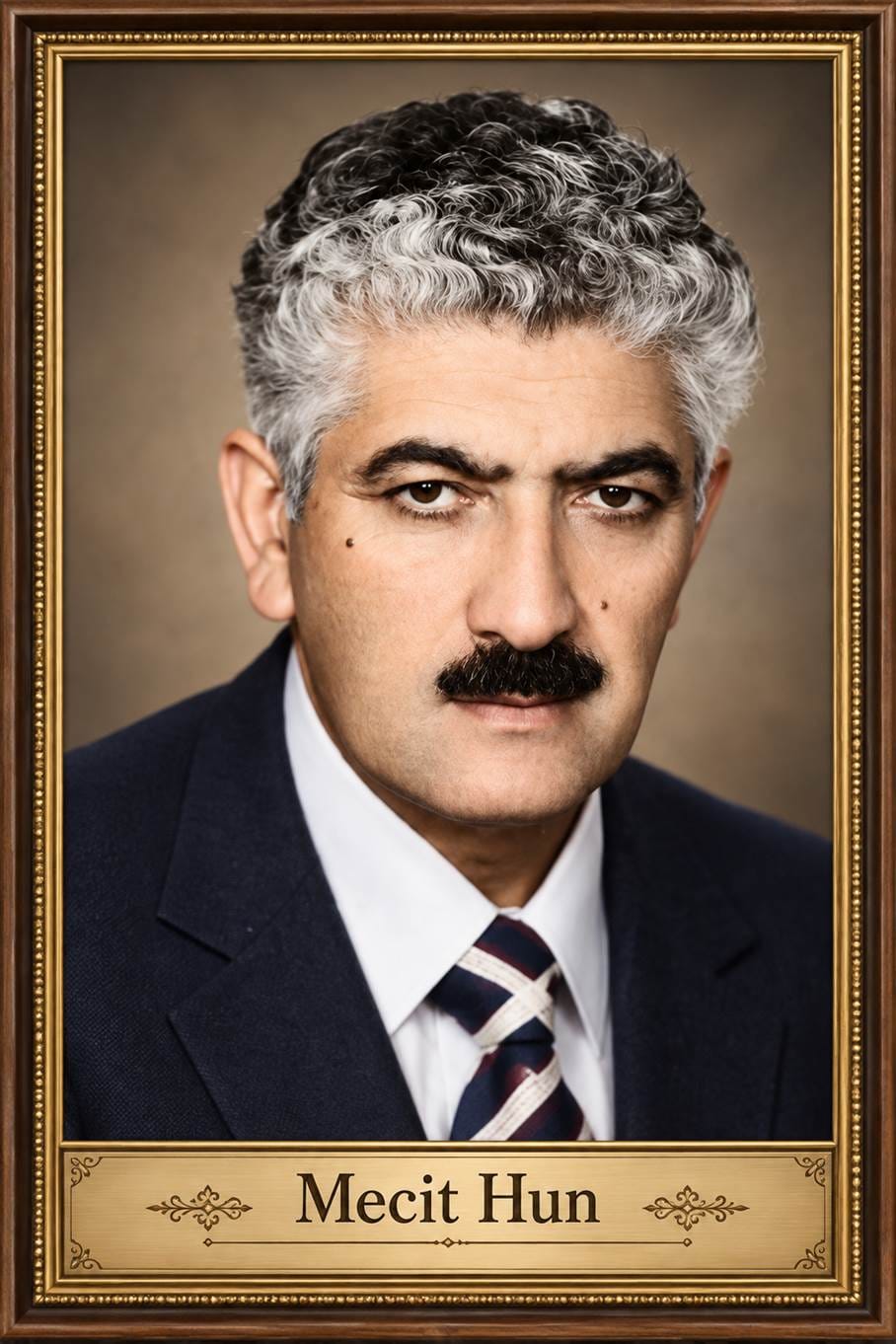
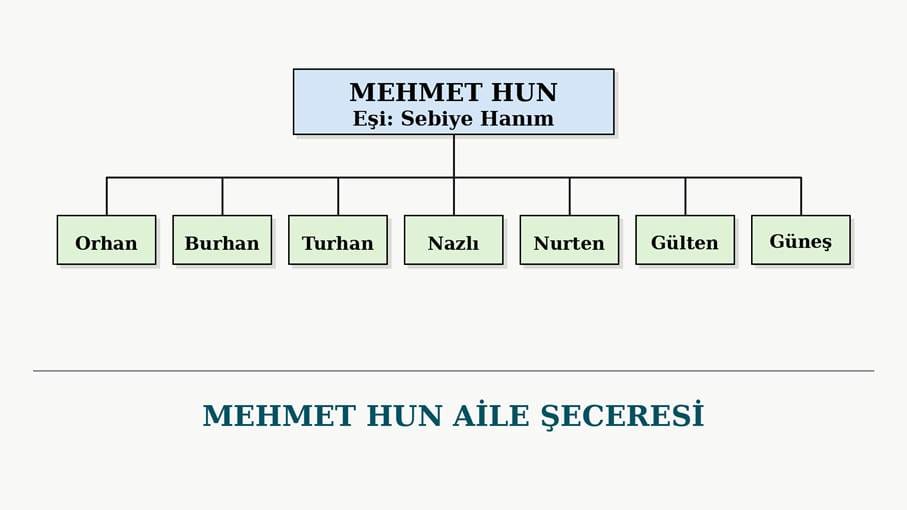
Seyran Yılmaz, daughter of Ahmed Şemo and sister of Mecit Hun, moved with her family to Baharlı Neighborhood when she was just one year old. Her childhood was spent in this neighborhood. She recounts her memories of her parental home and her childhood years in Baharlı as follows:
“For my older siblings, when 'parental home' was mentioned, it meant our house in Adetli village. Because they were born and raised there. But for me, 'parental home' meant our house in Baharlı Neighborhood. My family had left Adetli village and settled in Baharlı Neighborhood when I was just one year old, due to the Mount Ararat Rebellion.
My father had bought the plot of land from a Terekeme friend. The walls of the house were made of mud brick and were quite thick. My father later added two rooms to this building, which was left over from the Armenians. The general layout of the house was quite simple. The entrance door opened into a large hall. This hall, which was always very busy, had two large rooms on its right and left. One of these was a pantry and food storage, and the other was my father's private room. The door at the other end of the hall opened into a large room we called 'xanî'. In one corner of this room, our beds and mattresses would be stacked during the day, and in the evening, the household would sleep side by side in this room.
In front of our house, there was a huge, black stone that we used to filter water. Since there was no fountain or artesian well, we would pass the water we carried from the stream through this stone to get tea and drinking water.
We had a large garden surrounded by a wall. We had planted four rows of poplar trees along the wall. Alfalfa was sown in the middle of the garden during the summer months. In autumn and winter, our 21 camels and horses stayed outdoors in the garden. Our small livestock were taken into the barns.”