Independent Kurdish Languages / The Rise of Racism in Iğdır
This article discusses the misrepresentation of Kurdish languages and the resurgence of racism in Iğdır, drawing parallels to historical events.
Dear Readers:
I would like to organize today's article under two main headings:
In the past, I published a book on "What is Kurdish, and what is it not?" From time to time, I wrote columns about the misuse of the term "Kurdish." However, I see that, especially with the development and branching out of social media, this concept is unfortunately becoming inextricably confused. I wanted to bring this issue to my readers' attention again.
***
On the other hand, unfortunately, in our beloved Iğdır, the Turkist-Turanist and anti-Kurdish Azerbaijani Lobby, with the power of the Civil Administration behind them, has escalated the syndrome of racism to an extreme level. A deep dagger blow is being struck into the heart of our Iğdır, which has repeatedly passed the test of racism and political conflict throughout the history of the Republic.
INDEPENDENT KURDISH LANGUAGES
I closely follow Kurdish social, visual, and print media. I also eagerly watch interview programs. A situation I observe and witness deeply saddens me: Kurds are not aware of their own languages. They mix everything up, getting bogged down in meaningless definitions. It is impossible for me to convey to you one by one the grave situations I encounter. Perhaps if I exemplify just one of them, I will have summarized my point better.
RÛDAW (Event) newspaper is currently the most serious Kurdish newspaper in publication. I would like to summarize the ridiculous situation Kurds find themselves in regarding language by taking RÛDAW newspaper as an example:
On the masthead of RÛDAW newspaper, there is the following expression:
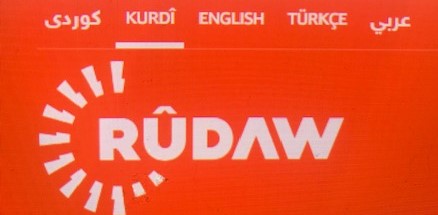
The newspaper serves its readers in five languages. Read from left to right, these languages are:
- كردي (Kurdî): Kurdish
- Kurdî: Kurdish
- English: English
- Türkçe Turkish
- عربي (Erabiyun): Arabic
- Kurdî: Kurdish
- كردي (Kurdî): Kurdish
The word "RÛDAW" is not Kurmanji. A Kurmanj cannot know the meaning of the word RÛDAW. RÛDAW means "Event" in Sorani. The equivalent of this word in Kurmanji is "BÛYER."
To convey the grave situation RÛDAW has fallen into, I will ask my readers to click on the link below:
https://www.rudaw.net/kurmanci/culture/03112023-amp
In the very first sentence of this article, published on November 3rd, RÛDAW provides contradictory information. The statement is as follows:
“Çar pirtûkên nivîskar û civaknasê navdar Îsmaîl Beşîkçî ku ji aliyê çar wergêrên Kurd ve ji Tirkî ji bo Kurdiya Soranî (Kurmanciya Jêr) hatin wergerandin.”
I would like to translate this sentence for my readers who do not know Kurmanji:
"Four books by the famous writer and sociologist İsmail Beşikçi were translated from Turkish into Sorani Kurdish (Lower Kurmanji) by four Kurdish translators."
RÛDAW divides the Kurmanji and Sorani languages into "Upper Kurmanji-Lower Kurmanji." Then it states that four books by İsmail Beşikçi were translated from Turkish into Sorani.
If a book is translated from one language to another, that language cannot be a DIALECT. It is an independent language.
Let's assume that RÛDAW uses the word "Kurdî" for both Sorani and Kurmanji. My question will be: What expression does RÛDAW use for the Zazaki, Gorani, Kelhuri, and Luri languages?
***
In the diagram below, I provide a schematic representation of the six Kurdish languages with "Independent Language" status. I regret to say that many Kurdish intellectuals, Kurdish Institutes, Kurdish media, etc., still define languages such as "Kurmanji, Sorani, Zazaki, etc." as "dialects of Kurdish."
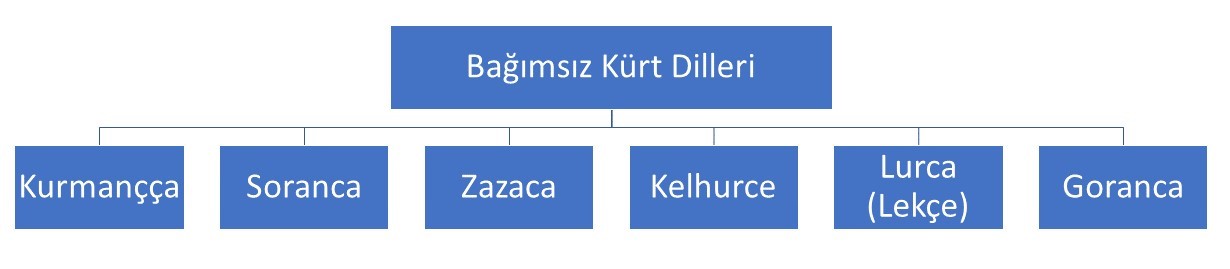
I want to ask this question: Let's assume that languages like Kurmanji, Sorani, and Zazaki are sub-dialects of a super-language called "Kurdish." Which language, then, is meant by this language called "Kurdish"? Which language is Kurdish?
Is there another "Kurdish" language other than the independent Kurdish languages shown in the diagram above?
When I wrote, "There is no such language as Kurdish," there were many reactions. I still say: There is no single language called "Kurdish," but there are Independent Kurdish Languages. It is a fact that there are significant grammatical, morphological, and phonetic differences among these independent languages.
Of course, there are dialects. For example, well-known dialects or accents like Serhedi and Behdinani are sub-dialects of the Independent Kurmanji Language. Similarly, the Erdelanî, Silêmanî, Mukiryanî, Germiyanî accents are dialects of the Independent Sorani Language. The Şeyhbızın accent, widely spoken by Kurds in Central Anatolia, is a dialect of Kelhuri; the Bahtiyari, Mamasani accents are dialects of Luri.
Another serious problem is the errors that occur in the Turkish spelling of words like Kurmanji and Sorani.
Turkish: "Ben Kurmançça biliyorum." (I know Kurmanji.)
Kurmanji: "Ez Kurmancî dizanim."
Many Kurdish writers, when combining these two sentences and writing in Turkish, write "Kurmanci" instead of "Kurmançça." This is a mistake! Similarly, they prefer to write "Soranice" instead of "Soranca." This is also a mistake! Writing "Goranice" instead of "Goranca" is also a mistake.
Examples:
"I am a German. I speak German."
"I am a French. I speak French."
"I am a Turk. I speak Turkish."
"I am a Kurd. I speak Kurdish." (Note: Due to vowel harmony, the letter T became D)
"I am a Zaza. I speak Zazaki."
"I am a Kurmanj. I speak Kurmanji." (Due to vowel harmony, the letter "ç" becomes "c")
"I am a Soran. I speak Sorani." (Wrong: I am a Sorani)
"I am a Goran. I speak Gorani." (Wrong: I am a Gorani)
"I am a Lur. I speak Luri."
Another big mistake is writing "Kürd" or "Kurd" instead of "Kürt." For example, when one wants to write "the future of Kurds," sentences like "Kürdlerin geleceği" or "Kurdlerin geleceği" are written, which go against Turkish phonetic harmony. If the letter "D" is intended to declare Kurdish identity or to defy assimilation, this is a sign of wretchedness and an inferiority complex.
As you know, an elective course program has been implemented in Turkey. In this list, "Kurmancca" is written instead of "Kurmançça." This is also a mistake! It is not I, but the rules of Turkish phonetics that do not accept these mistakes.
Some readers also think: "Imperialists created different Kurdish dialects to divide the Kurds."
This claim is also completely invalid. The 11th-century poet Ali Hariri wrote his book "Divan" in Kurmanji. Ahmed Hani (Ehmedê Xanî) wrote his books in Kurmanji in the 16th century; he even dedicated his book Nûbihara Biçûkan to children by writing "ji bo zarokên Kurmanca," meaning "for Kurmanj children." The first Kurdish novel written by the famous Soviet Kurdish writer Ereb Şemo (Erebê Şemo) is titled "Şivanê Kurmanca." Please forget imperialist conspiracy theories!
In conclusion, I want to state this: There is no general language called "Kurdish"; there are Independent Kurdish languages. Each independent language should be written and referred to by its own name.
RACISM IN IĞDIR AND THE SLAP OF ŞIH HÜSEYİN BALAMİR
Poor Iğdır! Even after years, it experiences the same scenario over and over again. Apparently, more time needs to pass to break this unfortunate fate.
Looking at what is happening in Iğdır now, my memory took me back to an interesting and instructive event that occurred in 1952. Before recounting this, a brief explanation is necessary:
In the elections of May 14, 1950, the Democratic Party came to power. Samet Ağaoğlu, born in Baku (son of Ahmet Ağaoğlu, an important theorist of Turkist thought), served first as Minister of Labor and then as Minister of Enterprises on November 10, 1952, in the cabinet formed under Prime Minister Adnan Menderes. Samet Ağaoğlu also served as Deputy Prime Minister between 1950 and 1954.
In those years, Iğdır was a district of Kars. In the 1950 elections, the CHP won all parliamentary seats in Kars (in those years, under the majority system, the party that received the most votes in a province was considered to have won all parliamentary seats). Among the ten CHP deputies who won the election were Samet Ağaoğlu's sister Tezer Taşkıran, Abbas Çetin, Latif Aküzüm, and Veyis Koçulu.
Soon after, a Turkist-Turanist lobby formed around Samet Ağaoğlu. As you know, it is a tradition: "Turkist-Turanist" means the same as anti-Kurdish sentiment.
Abbas Çetin, Latif Aküzüm, and Veyis Koçulu resigned from the CHP and joined the DP (1951). Thus, factionalism and racism gained momentum in Iğdır. Especially in the 1954 elections, when Abdürrezzak Güneş, a beloved and respected figure in Iğdır, was vetoed by the Azerbaijani Lobby that had taken over the DP Kars administration, Iğdır faced its first serious ethnic conflict. In later years, the rivalry between Sırrı Atalay, of Kurdish origin, and Abbas Çetin, of Azerbaijani origin, would unfortunately deepen the ethnic tension in Iğdır.
Since the DP was in power, the Turkist-Turanist Azerbaijani Lobby rapidly gained strength. They seized important positions in the bureaucracy. After all, they had the open support of Deputy Prime Minister Samet Ağaoğlu. To further consolidate their power in Iğdır, the Turkist-Turanist Azerbaijani Lobby deliberately appointed Hakkı Albayrakoğlu, the District Governor of Ayancık, Sinop, as the District Governor of Iğdır in 1951. The mission given to Hakkı Albayrakoğlu, who came to Iğdır with an anti-Kurdish prejudice, was clear: to fulfill the wishes of the Azerbaijani Lobby, to neutralize Hüsnü Bingöl if he had enough power, and to pursue an anti-Kurdish policy. Hakkı Albayrakoğlu successfully carried out this mission, desperately defending the interests of the Turkist-Turanist Azerbaijani Lobby.
In those years, there was a handful of Kurds in the district center of Iğdır. Hakkı Albayrakoğlu targeted them. The Kurds, whose villages were evacuated in 1930 due to the Ağrı Mountain Rebellion, could not return to their villages despite the enactment of the Settlement Law in 1950, due to the obstruction of the District Governor. Mecit Hun, the owner of DİL Newspaper, who brought this issue to the agenda, and the District Governor went to court many times.
It was at such a time that Şıh Hüseyin Balamir, one of the leading figures of the Kurdish gentry, outspoken, brave, and someone who valued promises, was experiencing a water shortage for his lands in Alikamer village. He applied to the District Governorship many times to find a solution to his problem, and each time the District Governor dismissed Şıh Hüseyin Balamir by saying, "Of course! Very soon!"
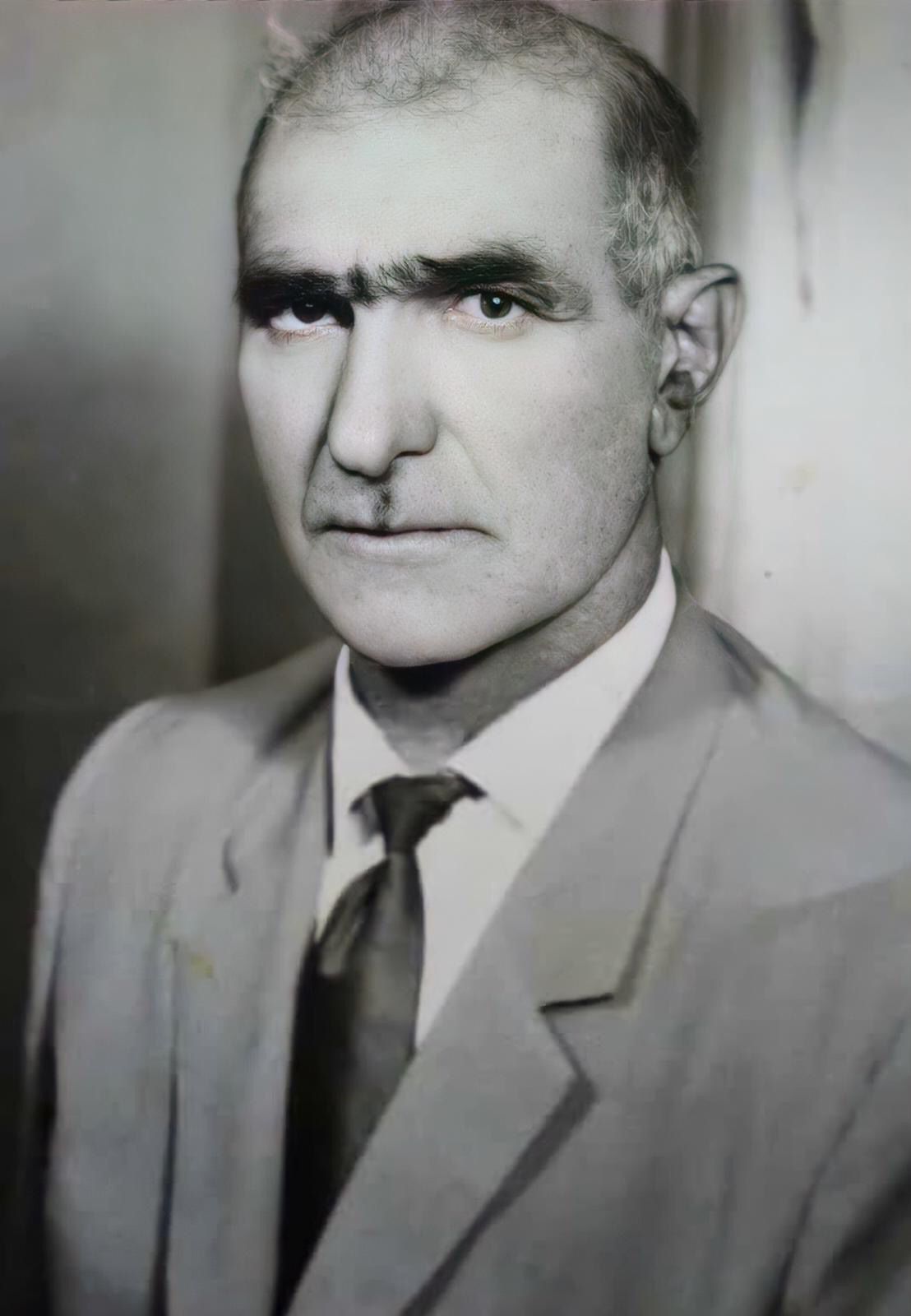
Şıh Hüseyin Balamir, whose crops and fields were drying up from lack of water, decided that it was time to confront the District Governor who had not kept his word. As he walked with firm steps towards the District Governorship, he saw the District Governor in a car in the district center. He stopped the car, pulled the District Governor out by his collar, said, "What about your promise? My crops are burnt!" and then delivered several hard slaps to the District Governor's face.
The crowd gathered and with difficulty rescued the District Governor from Şıh Hüseyin Balamir's hands. Şıh Hüseyin Balamir was imprisoned for this incident.
Mecit Hun, the owner of DİL newspaper, reported the news in the September 1, 1952 issue as follows:
“WATER GIVEN TO SHEIKH HÜSEYİN”
According to a notification made to Hüseyin Balamir by the district governorship two days ago, his request for water made in front of Hafız's shop a few days before his imprisonment was examined by the authorities, and it was concluded that his cotton and wheat fields were without water, so he was granted permission to irrigate his crops from the desired canal until spring.
***
As can be understood from the news, Şıh Hüseyin Balamir's slap was effective. The irony is that immediately after this incident, he was given water, but he could not escape spending three months in prison.
Who is Şıh (Şêx) Hüseyin Balamir?
Şıh Hüseyin Balamir was born in 1321 (1905). He first married Hatun Hanım, of Kurdish origin. In later years, he married Sonabeyim Hanım, of Azerbaijani origin.
Şıh Hüseyin Balamir owned large lands in Alikamer village (now a neighborhood). He primarily cultivated cotton and wheat.
Şıh Hüseyin Balamir's personality and character are best described by his friends and relatives:
Mehmet Balamir: "Among the Sheikh family, an unforgettable figure was my uncle Sheikh Hüseyin Balamir. He had a special place with his personality, speech, and outspokenness. He did his best for young people to be well-educated and worthy members of society, he monitored our behavior, and he even carried this passion so far that it would be fair to say we young people couldn't breathe."
Aziz Güney: "Şıh Hüseyin Balamir was one of the most beloved people in Iğdır. I loved him very much. He was brave. He was a man of his word. He spoke frankly. He was an extraordinary party member. He was among those who kept the CHP alive. He was also a very good Kurdish nationalist. He named his children after İhsan Nuri Pasha and Veterinarian Sadi, leaders of the Ağrı Mountain rebellion.
Şıh Hüseyin will always live in our memories for his pure heart and loyalty to his friends."
His son-in-law Nusret Yazar: "In Iğdır, very few people with their personalities and behaviors have attracted my special love and interest. One of them is my beloved father-in-law, Şıh Hüseyin Balamir. He had an excellent human character. Although he was a tribal leader, he did not discriminate between Azerbaijanis and Kurds, he protected the poor, and he rushed to everyone's aid. His door was always open to all kinds of people and all kinds of requests for help. I remember him with mercy because he loved and raised me like his own son. When I heard the news of his death in 1991, my sorrow was immense. I stopped going to Iğdır because I wouldn't be able to see him."
Şıh Hüseyin Bey passed away on March 23, 1991, at the age of 86.
District Governor Who is Hakkı Albayrakoğlu?
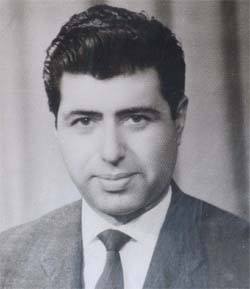
Hakkı Albayrakoğlu, born in Erzincan Kemaliye (Eğin) in 1921, was serving as District Governor in Sinop Ayancık when he was appointed to Iğdır (1951). After serving as District Governor in Iğdır for three years, he took on the roles of Ankara Police 1st Branch Manager and İskenderun District Governor. In 1960, he became the Governor of Tokat. He later served as Governor of Aydın and Hatay. In 1968, he was elected as an independent mayor from Tokat.
CONCLUSION
Today, a situation similar to the 1950s is being experienced in Iğdır. Again, the Turkist-Turanist and anti-Kurdish Azerbaijani Lobby is at work with its money, partisanship, and social media network... In a race to conquer all strongholds with the support it receives from the civil administration...
Overnight, by sleight of hand, by presenting a fait accompli, by playing with the hopes and honor of the youth of Iğdır, three or four racist minds put their heads together and prepare a list of 260 people, who are then hired by the Municipality. While Yaşar Akkuş, the Mayor elected by the will of the people, wastes his life in Erzurum prison, those who take over as trustees are racing against time to turn the power in their hands into "booty" with an understanding no different from vultures.
What can we say! Enjoy, ladies and gentlemen! But don't get too excited: These days too will pass; the wheel of fortune will turn.
It is at such times that I can't help but sigh, "Where is Uncle Şıh Hüseyin's slap?"
I remember Uncle Şıh Hüseyin Balamir with mercy.
ANECDOTES… ANECDOTES… ANECDOTES…
APIS BULL
Hamit Hun is sitting in the coffeehouse, sipping his tea. A relative comes and sits at his table. He looks sad. What do I mean sad, he looks like he's about to cry. Hamit Hun gets curious and asks:
"What happened? Why are you sad?"
"How can I not be sad, Mr. Hamit! I had a black bull. Its horns were like the moon. There was a star-like white spot in the middle of its forehead. I've never seen such a beautiful bull! I gave it the best grass, and I did everything I could to make it comfortable. I went to bed thinking of it and woke up thinking of it. The other day, Mısto, with whom we've had enmity for years, entered the barn and killed my bull. I've been miserable for days from grief. I am all alone, but Mısto's family is large. They are ten brothers. It's impossible for me to deal with them. I'm even sadder because I can't avenge my bull."
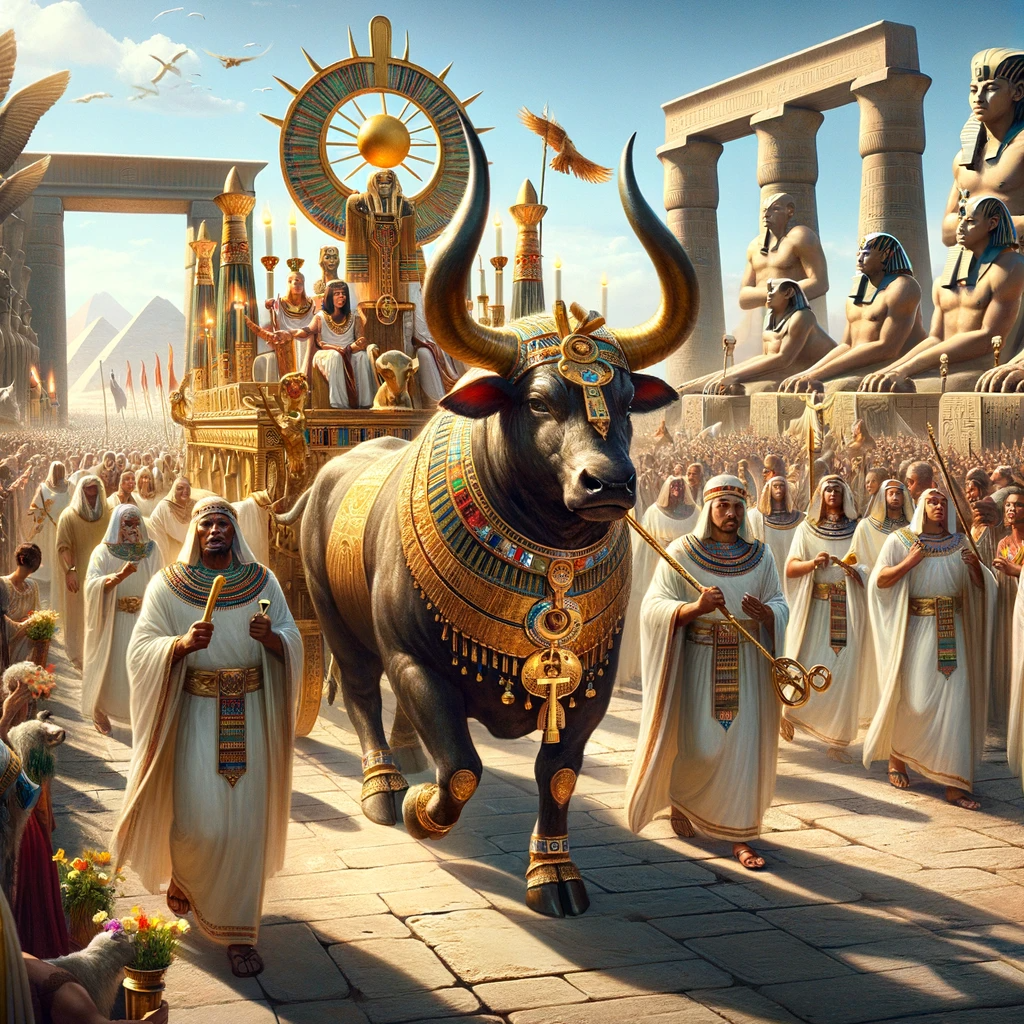
Hamit Hun listens carefully to his sad relative and comforts him.
"Let me tell you a story: Once upon a time in Ancient Egypt, the people, priests, and kings worshipped a bull named 'Apis.' Apis was black like your bull. There was a star-shaped white spot in the middle of its forehead, a mark resembling an eagle on its back, and a strange shape resembling a corn beetle under its tongue. Its tail also had double feathers. Its breath healed the sick, and people even believed that those who touched the bull would go to heaven. One day, Cambyses, the son of the Persian King Cyrus the Great, invaded Egypt. His first act was to personally kill the Apis bull, which the Egyptians valued and worshipped. The priests said that this was an ill omen, that God would punish him, but Cambyses laughed at all of this. Soon after, signs of madness began in Cambyses. He had his brothers killed one by one. In the end, he himself went mad and committed suicide."
His relative, listening carefully to Hamit Hun, asks in astonishment:
"Mr. Hamit, will the same disaster befall Mısto?"
"Of course! He will also go mad, he will kill his brothers one by one, and then he will commit suicide."
His relative's eyes sparkle, and he slaps his knee hard:
"Ah, Mr. Hamit! If I had known this, I wish they had killed my bull sooner."
ERİMİN GÖRUNA (To my husband's grave..)
An oath beginning with "Erimin göruna..." is a serious oath. It briefly means: May my beloved living husband die and go to his grave, so that what I say is true.
Hamit Hun has a large apricot orchard surrounded by poplar trees.
One day, when he gets up for morning prayer, he sees his neighbor's goats in his garden, damaging the apricot trees. On his way to the market, he warns the neighbor woman. However, the woman not only denies it but also swears:
"By my husband's grave, it's not true!"
Another day, when Hamit Hun gets up for morning prayer, this time he sees the neighbor's children climbing the apricot trees and stealing apricots. On his way to the market, he warns the neighbor woman. However, the woman not only denies it but also swears:
"By my husband's grave, it's not true!"
Another day, when Hamit Hun gets up for morning prayer, he sees the neighbor's children this time pruning the branches of the poplar trees and carrying them away in bundles. On his way to the market, he warns the neighbor woman. However, the woman not only denies it but also swears emphatically:
"Oh, Mr. Hamit! Axırıncı (last) time I'm telling you! By my husband's grave, and your wife's, it's not true!"
Hamit Hun can't take it anymore:
"When you swore by your own husband's grave, I had a little hope. But since you swore by both of their graves, I now know that neither I will have hair nor will there be trees in the garden!"
BORROWED MONEY
Hamit Hun receives a telegram from his son, who is studying at university in Ankara. He opens it curiously and reads: "Urgently need 1000 TL. STOP. Your son. STOP"
Hamit Hun doesn't have that much money. He visits his wealthy friends hoping to borrow money. Each one makes an excuse:
"Mr. Hamit, if you had come yesterday, I could have lent you as much as you wanted."
"Mr. Hamit, I sold the sheep, I will get the money in 3 months."
"Mr. Hamit, our son is getting married tomorrow."
Hamit Hun, disheartened, heads home.
As he walks absentmindedly on the dirt road, he encounters a middle-class neighbor. He decides to try his luck:
"Cafer, can you lend me 1000 TL?"
"Mr. Hamit, you know my situation, I have 50 TL on me. And that's yours!"
Hamit Hun doesn't take the money, thanks him, and continues on his way. He mutters to himself:
"My God, if you had taken the money from the rich and distributed it to the poor like Cafer, I wouldn't have a problem finding borrowed money."
“EŞİTMİREM. BERK DANIŞ!”
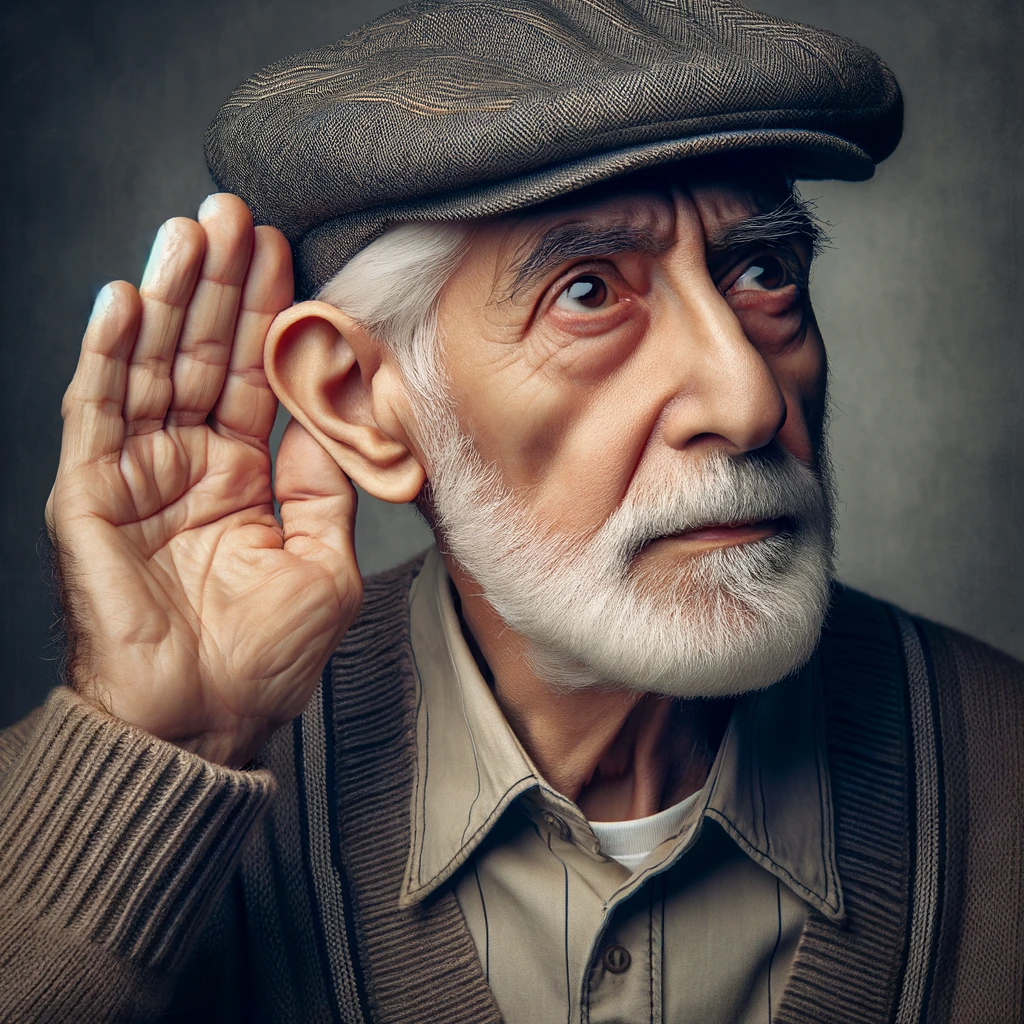
One day, an Azerbaijani compatriot borrows money from Hamit Hun. A long time passes, but he doesn't pay back the debt. When Hamit Hun sees his compatriot, he asks for his borrowed money back, saying he is in a tight spot. His compatriot, as if hearing with difficulty, puts his hand to his ear and says:
"Eşitmirem. Berk danış!" (I don't hear you. Speak louder!)
Hamit Hun raises his voice, but the answer he gets is always the same:
"Eşitmirem. Berk danış!"
After a few repetitions, Hamit Hun gives up and returns home disheartened. He has forgotten to buy rice and meat. His wife calls out as if to question him:
"Did you buy rice and meat?"
Hamit Hun, as if hearing with difficulty, puts his hand to his ear and speaks in Kurdish:
"Nabihîsim, bi dengekî bilind bipeyive!" (I don't hear you! Speak louder!)
His wife raises her voice, but the answer she gets is always the same:
"Nabihîsim, bi dengekî bilind bipeyive!"
After a few repetitions, his wife gives up. Hamit Hun mutters to himself:
"I couldn't get my borrowed money back, but at least I learned how to save myself in difficult situations."
THE SAVIOR “IDI AMIN”
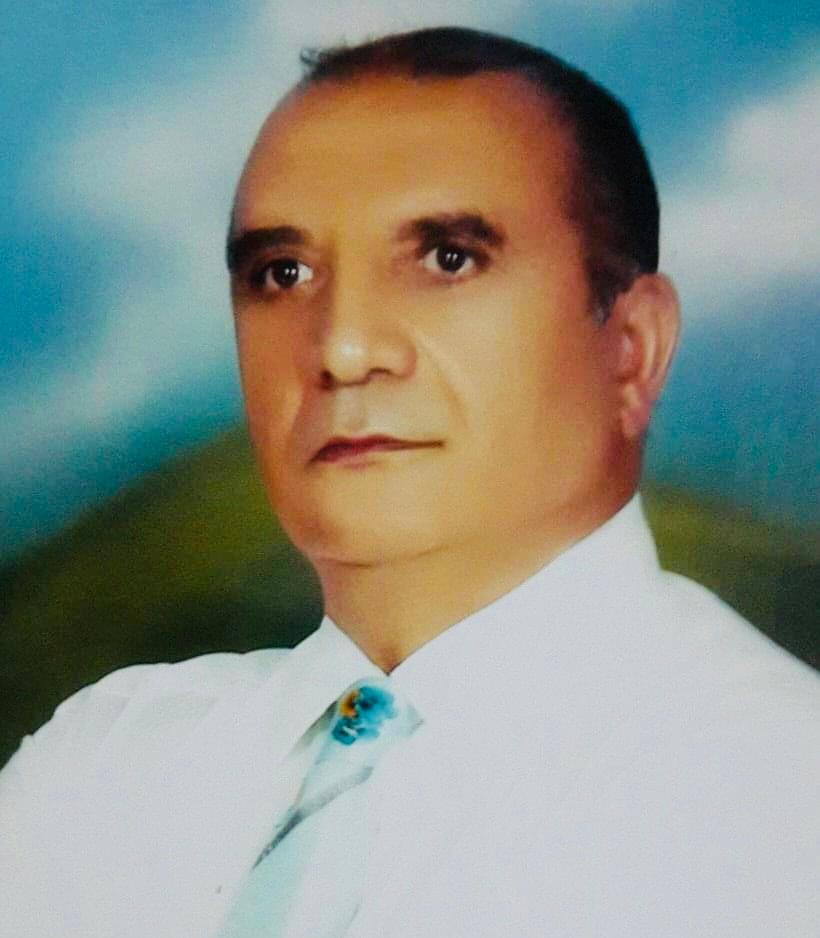
Kinyas Hun, with his stylish clothes, slicked-back brilliantined hair, shiny patent leather shoes, sunglasses he never took off on sunny or cloudy days, and his demeanor and speech, gave most Iğdır residents the impression of a stranger from afar. Especially with a bundle of newspapers he placed on his table in the coffeehouse, which he carefully read and reviewed one by one, he looked like a complete "foreigner."
It was July 1976. One day, an Azerbaijani villager approached Kinyas Hun's table, whom he thought was a foreigner, asked for permission, pulled up a chair, and sat down. Newspaper headlines were full of news about a plane hijacking by militants of the Palestine Liberation Organization, carrying over 100 Israelis. The militants had landed the plane at Entebbe airport in Uganda's capital. Idi Amin, who was rumored to eat human flesh, was the President of Uganda.

The Azerbaijani villager asked curiously:
"Oh brother! What will be the end of this business?"
"Don't worry! Idi Amin will eat the Israelis one by one. He will suck the marrow from their bones. Then he will make flutes by drilling holes in the hollow bones and play and dance with pleasure."
The Azerbaijani villager got excited:
"Oh brother! If you have the power, bring Idi Amin to Iğdır and let him loose among the Kurds here..."
Kinyas Hun took off his glasses and gave a stern look:
"Leave my table immediately! Don't let me see you again!"