Anschluss Syndrome
This article examines the historical and contemporary manifestations of "Anschluss syndrome," exploring how expansionist policies, whether nationalistic or sectarian, have historically led to conflict and continue to destabilize regions like the Middle East, particularly impacting Kurdish

Dear Readers,
Recent events in the region and the world have reminded us once again of the concept of "Anschluss." On one hand, Trump's messages regarding Canada and Greenland, China's "you are mine" rhetoric towards Taiwan, and Russia's ambition to annex Crimea and Ukraine; on the other hand, the endless sectarian conflicts, especially in the Middle East, which have now turned into a syndrome, have compelled us to scrutinize the concept of "Anschluss."
“ANSCHLUSS”
Anschluss is a German word meaning "connection" or "annexation." It is typically used in relation to Nazi Germany's annexation of Austria in 1938. However, throughout history, various nation-states and ideological groups have pursued similar expansionist and annexationist policies.
In this article, I will address the reflections of the historical Anschluss concept in the modern world and review the expansionist policies of nation-states today. At the same time, I will try to draw your attention to the effects of the sectarian Anschluss syndrome in the Middle East, that is, the states' sect-based expansionist policies and strategies to expand their spheres of influence.
ANSCHLUSS SYNDROME AND WORLD WARS
Throughout history, Anschluss-like expansionist movements have been harbingers of major wars. Attempts by states to expand their borders on ethnic, cultural, or strategic grounds have inevitably disrupted international balances and triggered large-scale conflicts. The most striking example of this is the outbreak of World War II as a direct result of an Anschluss policy.
When Germany annexed Austria in 1938, the Western world pursued a policy of appeasement instead of stopping this expansionist move.
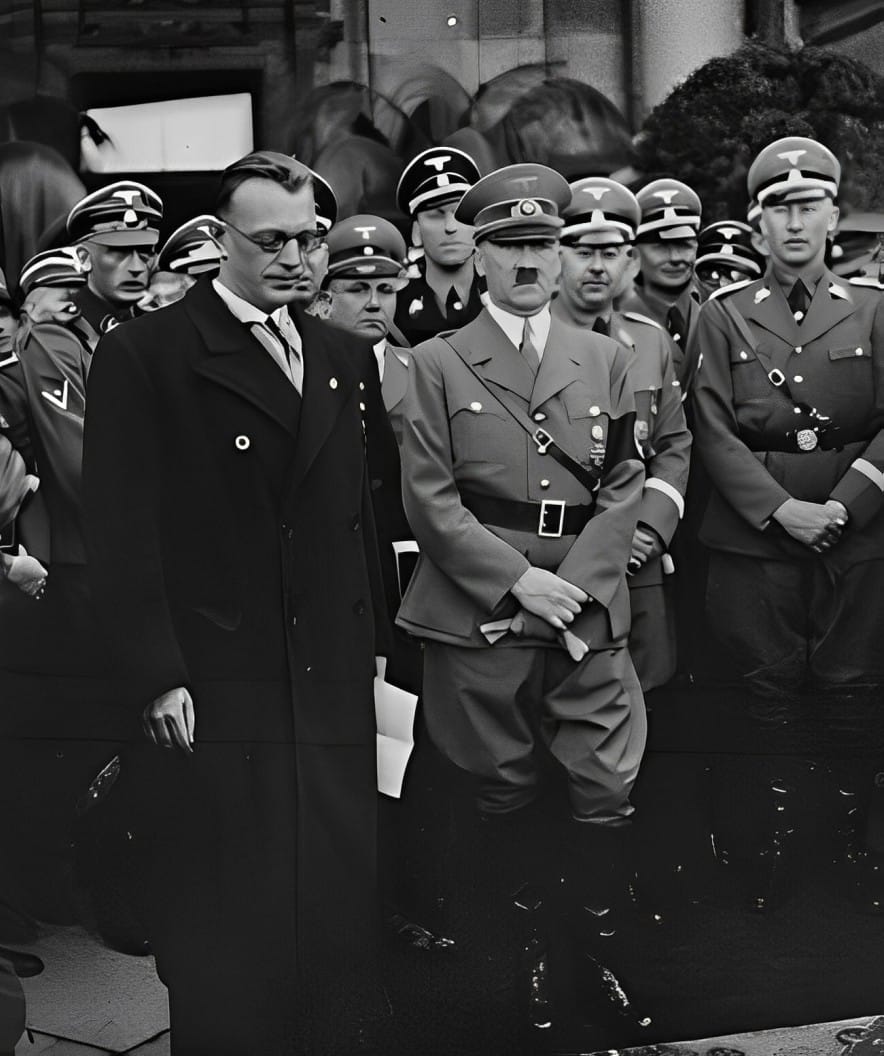
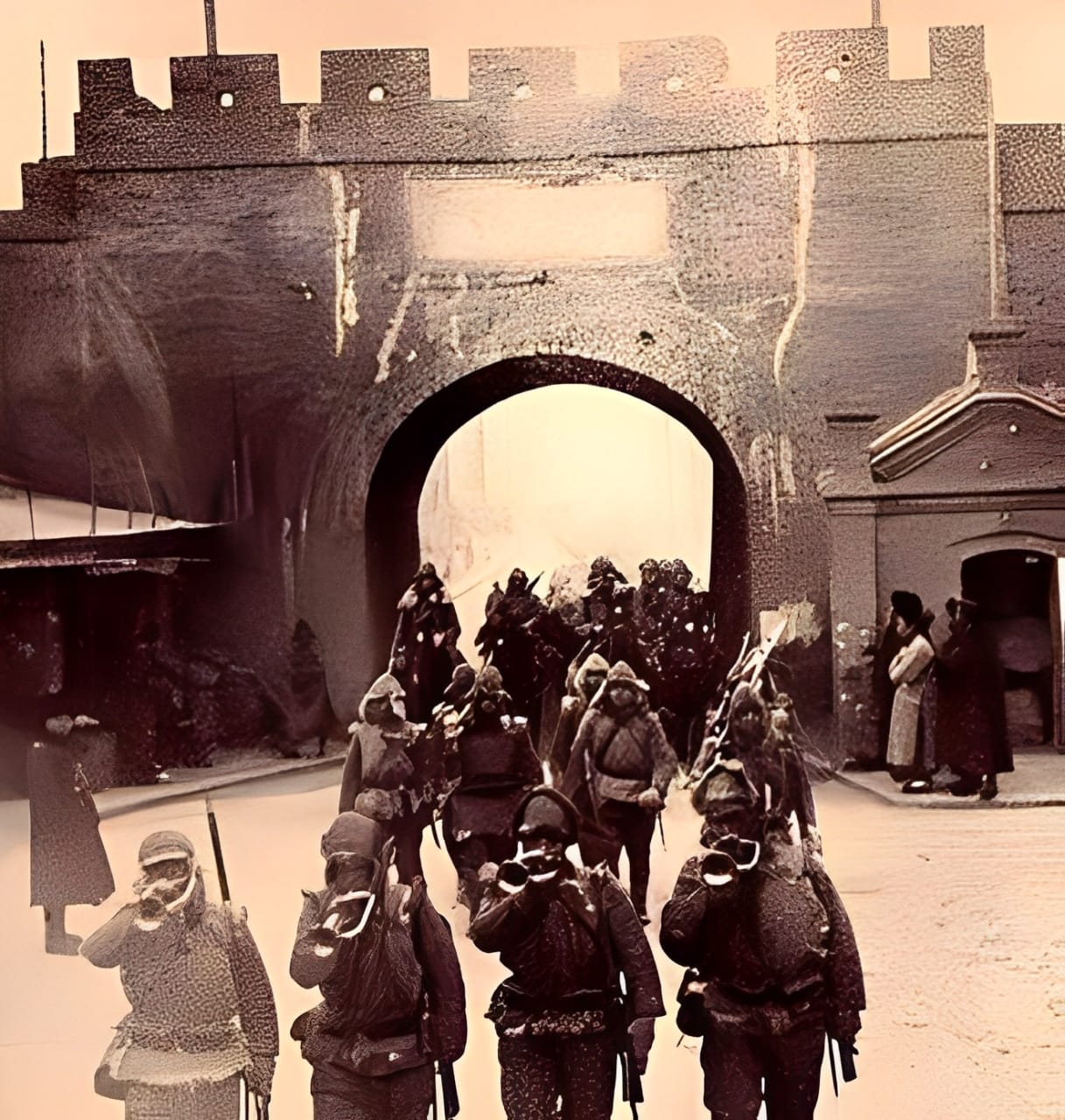
This situation led Hitler to pursue larger goals and to seize all of Czechoslovakia in 1939. This expansion culminated in the invasion of Poland, leading to the outbreak of World War II. Similarly, Japan's annexation of Manchuria in 1931 and Korea in 1910 increased tensions in the Asia-Pacific region and accelerated Japan's aggressive policies. Consequently, Japan's expansionist ambition drew the United States into the war with the attack on Pearl Harbor in 1941, expanding the scope of the global conflict.
Today, the effects of the Anschluss syndrome are being felt again. Russia's annexation of Crimea in 2014 bears great resemblance to Hitler's process of seizing Austria and the Sudetenland. The weak response from the West encouraged Moscow to take further steps, ultimately leading to the large-scale invasion of Ukraine in 2022. A similar situation is observed in China's claims over Taiwan. China continues its policy of connecting Taiwan to the mainland, even by force, and this situation increases the possibility of a conflict in the Asia-Pacific. If the pressure on Taiwan turns into military intervention, it could be the beginning of a new global war.
COMMUNIST ANSCHLUSS: THE SOVIET UNION'S ANNEXATION OF EASTERN EUROPE
Although the concept of Anschluss is generally identified with Nazi Germany's expansionist policies, the Soviet Union's expansion strategy in Eastern Europe after World War II can also be considered a type of "Communist Anschluss." Under Stalin's leadership, the Soviet Union rapidly expanded its influence in Eastern Europe after the collapse of Nazi Germany, turning many countries into satellite states loyal to its ideology.
From 1945 onwards, Soviet-backed communist regimes were established in countries such as Poland, East Germany, Czechoslovakia, Hungary, Romania, and Bulgaria. Opposition movements in these states were suppressed, and pro-Soviet administrations were forcibly brought to power. The Hungarian Uprising in 1956 and the Prague Spring in Czechoslovakia in 1968 are examples where popular movements against the Soviet Union's efforts to consolidate its influence in the region were directly crushed. Soviet tanks crushed independence attempts in these countries, pursuing an Anschluss-like policy of annexation and control.

The Communist Anschluss can be seen as an ideological expansion, and this process became one of the most prominent elements of the Cold War. The Soviet Union viewed Eastern Europe as its security zone and aimed to create a buffer zone against the Western world. However, this expansionist policy increased tensions between the West and the Soviet Union, leading to the strengthening of NATO and ultimately the intensification of the Cold War.
In this context, it is possible to see that Anschluss was not limited to military annexations but could also occur through ideological and political expansion strategies. With the collapse of the Soviet Union, Eastern European countries regained their independence, but most of these countries still bear the lasting effects of the historical "Communist Anschluss" process.
In the US, Trump's expansionist rhetoric has attracted attention in recent months, with Trump occasionally advocating for Canada to "become the 51st state of the US" and for the purchase of Greenland. While these statements are not direct annexation attempts, they show that major powers may still harbor ideas of expanding their borders. Although Trump's rhetoric is more connected to economic and geopolitical concerns, it can be said to reflect an expansionist mindset similar to historical Anschluss examples.
SECTARIAN ANSCHLUSS
In the Middle East, sectarian expansionism and Anschluss are manifesting themselves. Iran, with its strategy dubbed the "Shiite Crescent," is expanding its de facto control areas by supporting Shiite groups in Lebanon, Syria, Iraq, and Yemen. Hezbollah, the Houthis, and Shiite militias are the main actors in this strategy. On the other hand, Saudi Arabia seeks to increase its influence in the Middle East by supporting Salafist groups, while Turkey tries to expand its sphere of influence by supporting the Ottoman legacy and Sunni powers. During Hafez al-Assad's era, thousands of Sunni rebels were killed in the 1982 Hama Massacre. As if in revenge for this, an Alawite Massacre occurred in Latakia a few days ago. The ISIS genocide of the Yazidis has taken its place in the history books as new examples of sectarian Anschluss.
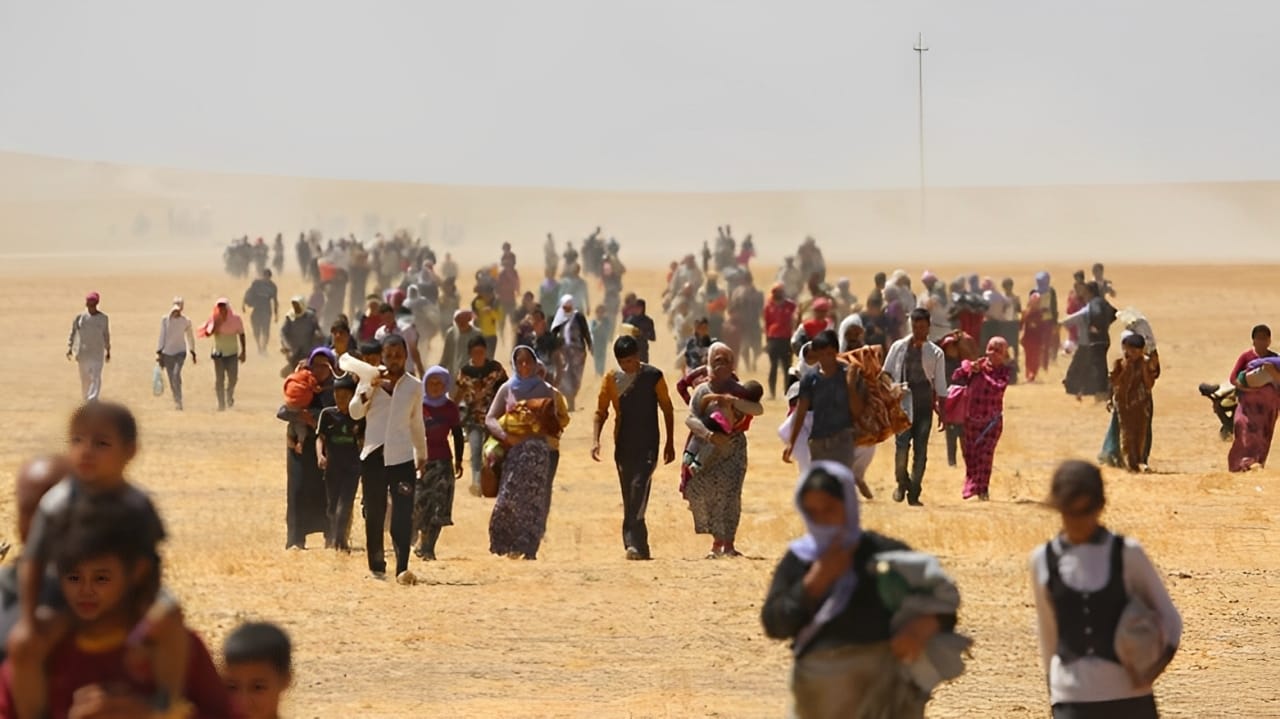
Sectarian Anschluss: Yazidi genocide (Iraq)
ALAWITE-SUNNI ALIENATION IN ANATOLIA
Throughout history, pressures against Alevis in Anatolia have been part of a process extending from the Ottoman period to the present day. During the reign of Yavuz Sultan Selim, in the context of the Ottoman-Safavid struggle, Alevis were perceived as a political and sectarian threat and subjected to widespread massacres. The killing of thousands of Alevis in Anatolia in the 16th century was recorded as one of the earliest examples of this systematic oppression.
The traces of this historical oppression continued into the Republican era, manifesting itself in events such as the Çorum and Maraş massacres, particularly in the 1970s. These massacres, carried out in Maraş in 1978 and Çorum in 1980, went down in history as painful events where Alevi communities were directly targeted. These attacks were planned and executed by provocative elements with the aim of fueling sectarian tensions and ethnic divisions.
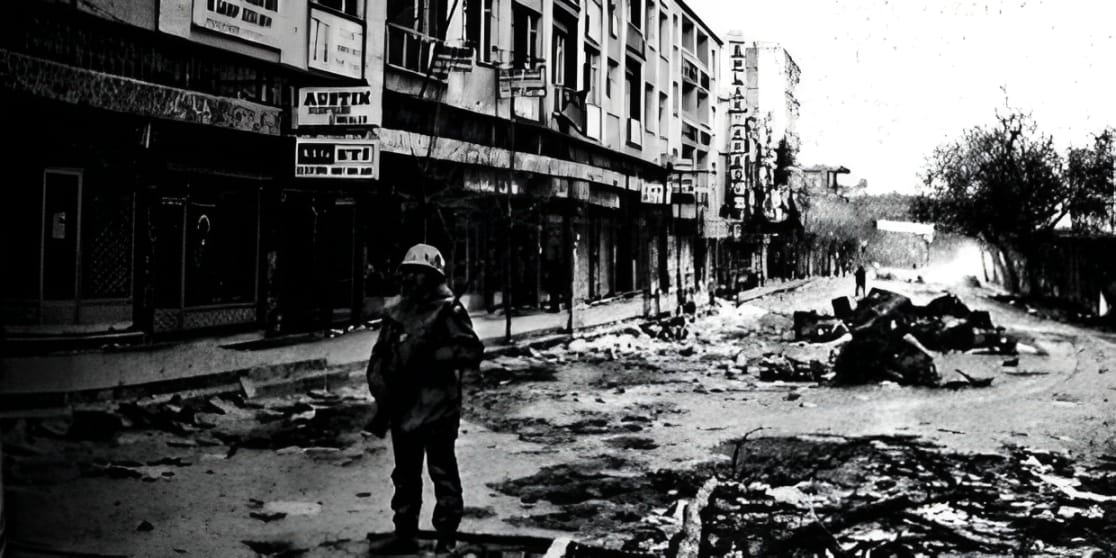
Today, Sunni-Alevi alienation continues in Turkey. In addition to historical tensions, Sunni-Shiite and Sunni-Alevi conflicts in regional countries are reflected in Turkey, increasing social polarization. Especially the civil war in Syria and the sectarian division in the region have directly affected Alevi communities in Turkey, fueling political and social tensions. Similarly, the reflections of the Iran-Saudi Arabia rivalry also shape perceptions between Sunni and Alevi groups in Turkey.
This situation makes it difficult to achieve social peace and deepens the chasm between different faith groups. To prevent sectarian and ethnic divisions in Turkey and the region, lessons must be learned from these past events. Social peace can only be achieved by ending discrimination against different faith groups and adopting an inclusive understanding. In this context, education and awareness activities, the fight against hate speech, and ensuring the rule of law are of great importance.
REGIONAL REPERCUSSIONS OF THE ALAWITE MASSACRE IN SYRIA
The Alawite massacre that took place in Syria last week was not limited to that country but resonated widely across the region. The Alevi community in Turkey views these attacks not merely as a sectarian conflict but as a threat to their very existence. Alevis in Turkey, in particular, harbor concerns that such sect-based attacks in Syria could pose a potential threat to their own communities.
Furthermore, Shiite-aligned countries like Iran are also following this attack with great concern. Iran, acting under the pretext of protecting the Shiite population in the region, views the targeting of Alawites in Syria as a threat to its sphere of influence. This situation could lead Iran to increase its support for Shiite groups in the region and plan new military interventions. At the same time, it is uncertain how groups like Hezbollah in Lebanon will respond to these attacks, which could further escalate regional tensions.
Attacks against Alevis once again demonstrate how destructive a force sectarian Anschluss can be. Such events can destabilize not only a specific community but the entire region and ignite new conflicts. How countries like Turkey and Iran respond to these developments will be one of the most important factors determining the future dynamics of the region.
KURDS CAUGHT IN THE GRIP OF SECTARIAN AND NATION-STATE ANSCHLUSS SYNDROME
As sectarian and nation-state Anschluss syndrome deepens in the Middle East, Kurds find themselves in a multi-dimensional predicament within this chaotic equation. Although the Kurdish population is largely Sunni, Alevi, Shiite, and Yazidi Kurds also constitute a significant demographic component. In a geography where sectarian fault lines are becoming more pronounced, it becomes difficult for Kurds to present a homogeneous political will, while states' policies towards Kurds also differ.
Kurds, with a dispersed population in Turkey, Iraq, Iran, and Syria, are often subjected to the centralizing policies of nation-states and regional sectarian struggles. One of the biggest dilemmas for Kurds is being caught between the ideal of establishing a nation-state and the sectarian balances in the region. Sunni Kurds sometimes establish close relations with Sunni-aligned states like Saudi Arabia and Turkey, while Shiite Kurds remain under Iran's regional influence. This situation makes it difficult for Kurds to form a common national consciousness and causes them to become a bargaining chip among regional powers.
HISTORICAL EXAMPLES: KOÇGİRİ AND DERSIM
Throughout history, Kurds have been a people caught in the grip of both sectarian and nation-state policies. Two significant rebellions in Turkey offer important examples for understanding how Kurds experienced this dual pressure: the Koçgiri Rebellion in 1921 and the Dersim Rebellion in 1938.
KOÇGİRİ REBELLION (1921)
The Koçgiri Rebellion was one of the first major rebellions carried out by Kurmanji Alevis in the Koçgiri region during the establishment of the Republic of Turkey, following the collapse of the Ottoman Empire. This rebellion was a reaction against the newly established central authority's exclusion and oppression of the Kurmanji Alevis living in the Koçgiri region. The rebels' main demands included the recognition of Kurdish and Alevi rights, autonomy, and an end to oppressive practices.

However, the Ankara government viewed this rebellion as both an ethnic and sectarian threat. The rebellion was brutally suppressed by the central authority of the time. The Kurds had to fight against both the homogenizing policies of the nation-state and the Sunni-centric state structure. This event became a turning point that determined how Kurdish Alevis would be perceived by the state in the years to come.
DERSIM REBELLION (1938)
The Dersim Rebellion went down in history as one of the harshest interventions against Zaza Alevis during the Republican period. The Dersim region challenged the centralizing policies of the Republic of Turkey with both its Zaza identity and Alevi faith. The state, aiming to bring the region under strict control with the "Tunceli Law" enacted in 1935, accelerated its assimilation policies in Dersim. In response, the rebellion that began in 1937-1938 under the leadership of Seyit Rıza met with a harsh intervention from the state.
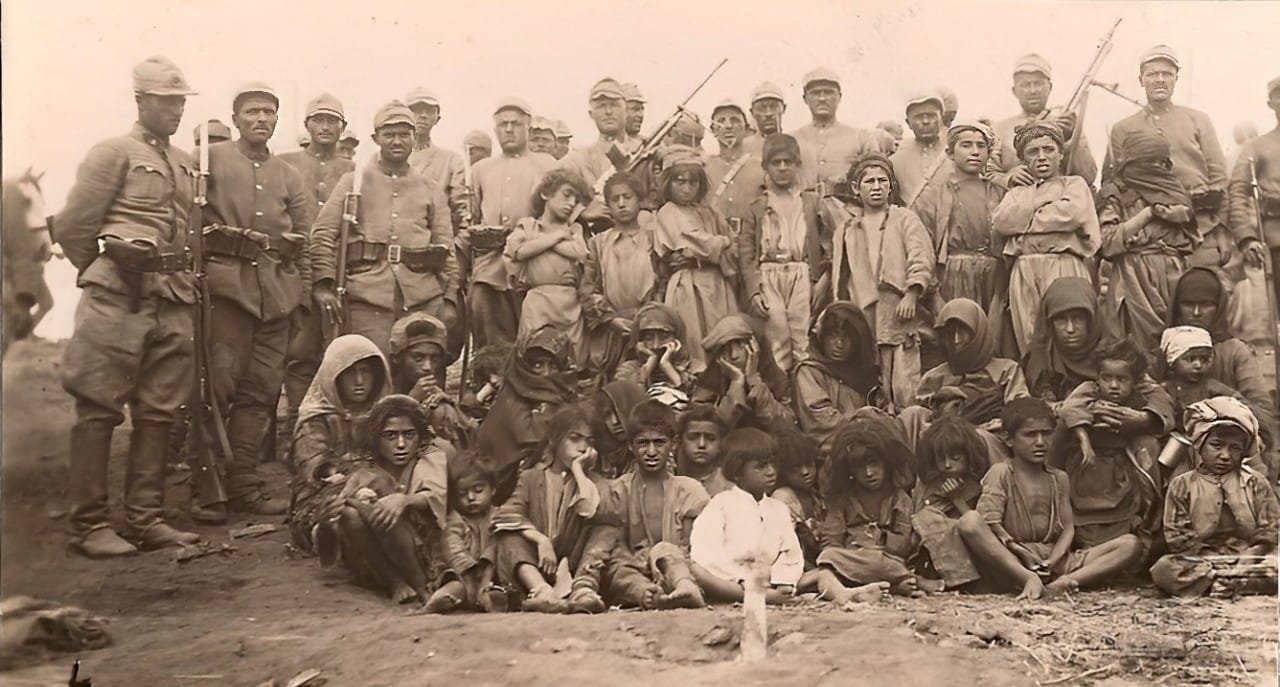
During the Dersim operation, thousands of people were killed, villages were burned, and hundreds were exiled to western provinces. This event revealed how Kurds faced resistance against nation-state policies and how they were subjected to double oppression due to their Alevi identity. Dersim was seen by the state as both a Kurdish rebellion and an Alevi rebellion, which is why its suppression was even harsher.
These two rebellions demonstrate how Kurds were caught in a bind not only because of their ethnic identity but also because of their sectarian affiliation. In the process of nation-state building in Turkey, Kurds and Alevis paid a heavy price for resisting the central authority's homogenizing policies. The Sunni-Alevi division and the Kurdish issue, which continue today, cannot be understood without considering this historical background.
In this context, for the democratization process in Turkey to be successful, both ethnic and sectarian identities must be recognized, past traumas must be confronted, and all segments of society must be accepted on the basis of equal citizenship.
ANTIDOTE TO ANSCHLUSS POLICIES: ALTERNATIVE STRATEGIES
To develop an effective antidote against sectarian and nation-state Anschluss syndrome, the following strategies can be adopted:
- Strengthening International Law: International law must be strengthened against the expansionist policies of states. The UN and other international organizations should impose more deterrent sanctions against annexations and border violations.
- Regional Cooperation and Diplomacy: Diplomatic relations between neighboring countries should be increased to resolve disputes peacefully. Diplomatic platforms can contribute to maintaining regional peace.
- Awareness Through Education and Media: The spread of sectarian and ultra-nationalist rhetoric through media and educational institutions should be prevented. Promoting dialogue among different communities will contribute to long-term peace.
- Economic Integration: Regional economic cooperation can make states interdependent, reducing the risks of war. The integration model of the European Union can be considered an example that contributes to different nations living together in peace.
- Reforms to Reduce Ethnic and Sectarian Conflicts: States must eliminate discrimination against ethnic and sectarian groups within their own borders and develop inclusive governance policies. More egalitarian approaches should be adopted, especially regarding minority rights.
To prevent the instability and wars caused by Anschluss policies, comprehensive solutions must be developed at regional and global scales. Turkey, Iran, and other regional actors should adopt inclusive policies instead of fueling sectarian and ethnic divisions. At the same time, dialogue between communities should be strengthened by combating hate speech through education and media.
History shows that Anschluss policies have always led to major conflicts and wars. To prevent the recurrence of such policies in the future, the international community must promote peaceful and diplomatic solutions. Only in this way can lasting peace be achieved in the Middle East and the world.