Anecdote Time
This collection of anecdotes offers a lighthearted escape from daily stresses, featuring tales of Vladimir Putin's grandfather, a defiant WWII POW, and Hamit Hun's witty observations on life, politics, and family.

Dear Readers,
As we approach Eid al-Adha, I come before you with a few anecdotes, hoping to free your spirit a little from the stressful election days and the high cost of living we've left behind, and wishing you a joyful Eid. I wish you a blessed Eid in advance.
A STRANGE CHEF: SPIRIDON PUTIN
Spiridon Putin, the grandfather of today's Russian President Vladimir Putin, was born on December 19, 1879, in the village of Pominovo, part of the Tverskoy district in the Tver Governorate of Tsarist Russia. (Tver Governorate is 300 km northwest of Moscow.)
At the age of 12, Spiridon worked with his cousin in an inn in Tverskoy. He decided to become a chef. At 15, he went to the capital, St. Petersburg, to train as a chef.
He developed an exceptional talent for cooking. Soon after, he started working as a chef at the city's most important hotel (Astoria Hotel). Coincidentally, Rasputin, who had Empress Alexandra under his spell, was also staying at this hotel. Spiridon became Rasputin's private chef. Rasputin was extremely pleased with Spiridon's cooking. He rewarded Spiridon with a golden Ruble. At one point, Rasputin even joked:
"My surname is Ras-Putin, and your surname is Putin! It feels like we're relatives because of our surnames."
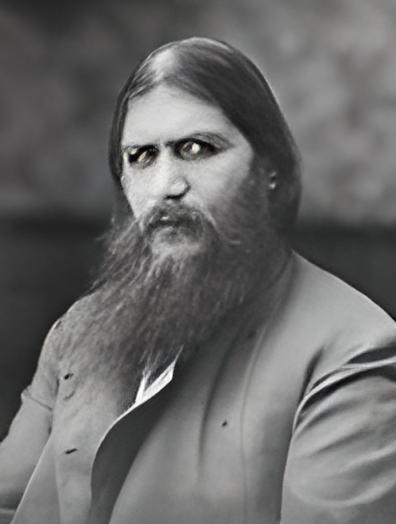
Rasputin
Spiridon also worked as a chef in other restaurants in St. Petersburg. During this time, he had the chance to meet Nadia Krupskaya, who would later become Lenin's wife, and Maria Ulyanova, Lenin's sister.
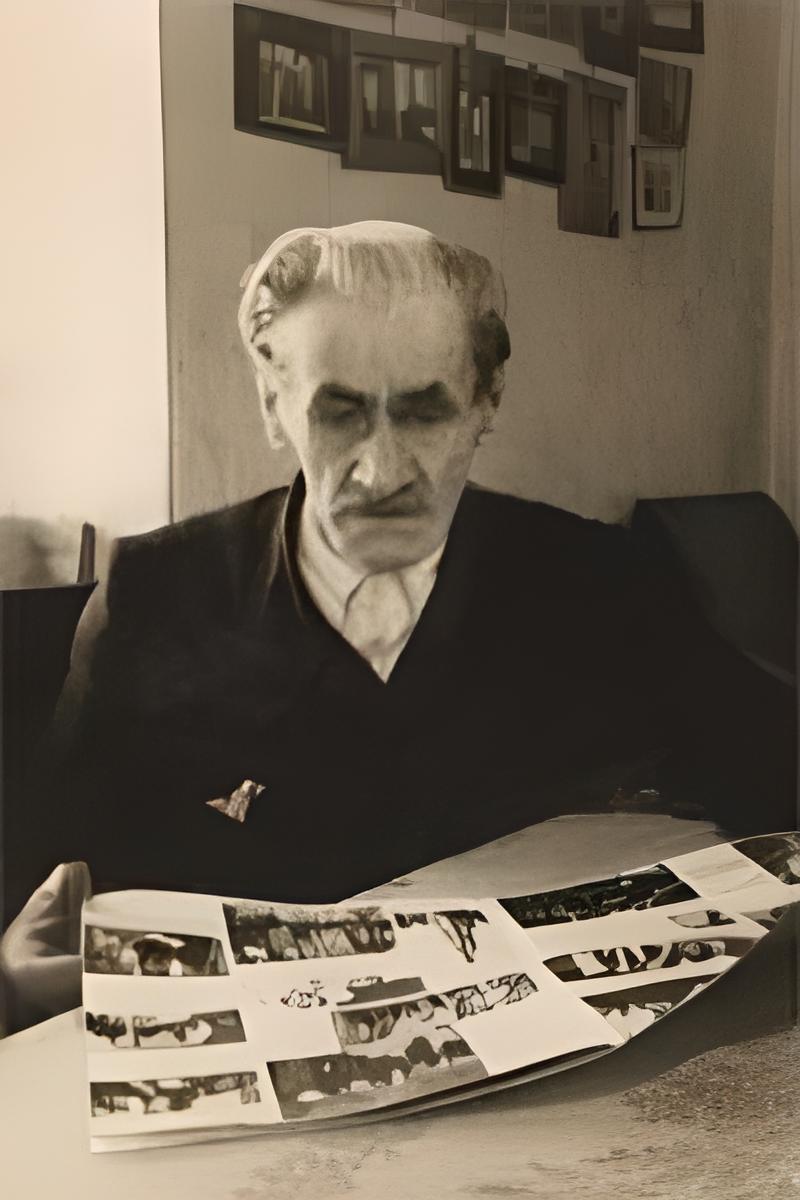
Vladimir Putin's grandfather, chef Spiridon Putin
During World War I, he served as a soldier in the Tsarist army. While the war was ongoing, the Russian Bolshevik Revolution broke out in 1917. The Rasputin era ended, and the Lenin era began. When hunger became widespread during the revolution and chaos, Spiridon took his family and briefly returned to his native village. After things calmed down, he went to Moscow, which had been declared the capital of the Soviet Republic. This time, he became Lenin's private chef. Lenin admired Spiridon's talent for cooking. Seeing this talent in Spiridon, Lenin once said: "I believe a good chef can easily govern a country." It was as if Lenin had foreseen that Spiridon's grandson would one day become the President of Russia.
After Lenin was wounded in an assassination attempt, he spent most of his time at his country house (Dacha) in the village of Gorki, 7 km from Moscow.
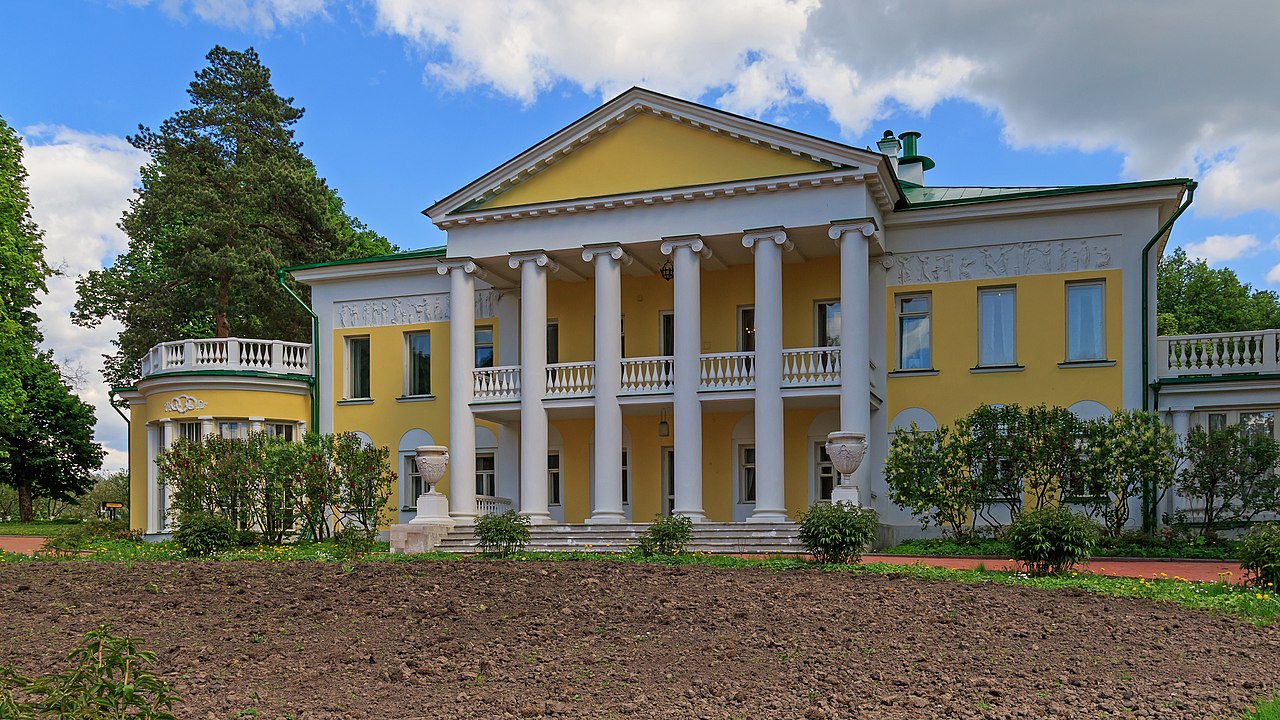
Lenin's mansion in the Gorki suburb of Moscow, where he spent his last years and died
Spiridon continued to be Lenin's private chef. When Lenin died on January 21, 1924, Spiridon then became the private chef for Lenin's wife, Nadia Krupskaya, and his sister, Maria Ulyanova. In later years, when Stalin seized power, Spiridon also served as Stalin's private chef. While Lenin preferred fish soup, Stalin loved lamb, potatoes, and onions the most.
Because Spiridon cooked for high-ranking Soviet and Communist Party officials, he also worked for the intelligence agency KGB. (Thanks to his closeness with the KGB, his grandson Vladimir Putin would later build a career in the KGB.)
One of Spiridon Putin's sons was named Vladimir Spiridon. Vladimir Spiridon was born in 1911 in the village of Pominovo. From 1933-34, he served in the submarine fleet. He married a girl named Maria from the Tver Governorate. They had a son. Vladimir Spiridon participated in World War II. He received the War Hero award. One of Vladimir Spiridon's sons died as a baby, and the other died during the Siege of Leningrad.
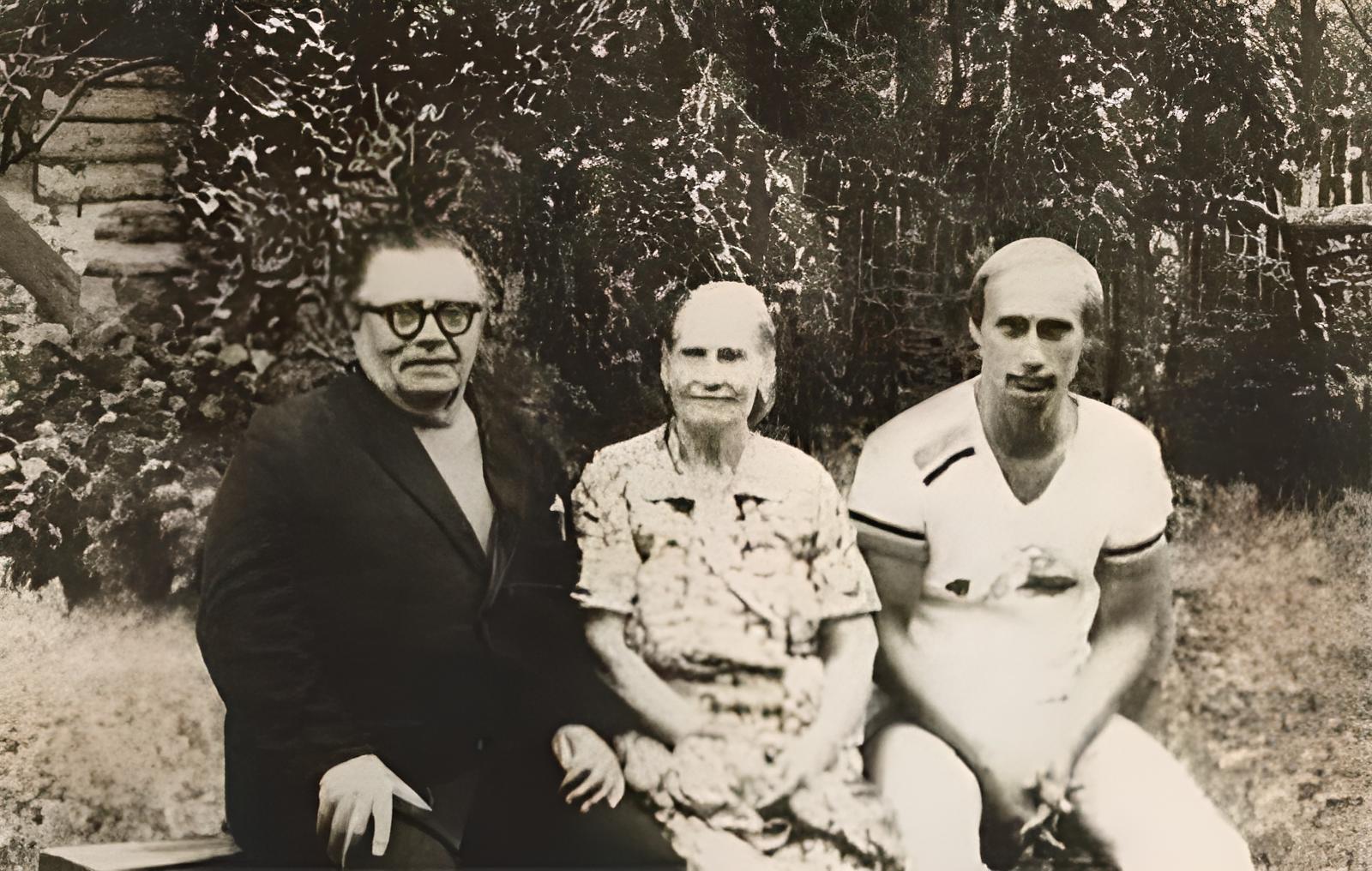
Vladimir Putin with his father and mother (1985)
After the war, Vladimir Spiridon started working as a foreman in a factory. In 1952, he had a son, whom he named Vladimir. Vladimir Putin, who graduated from Leningrad University's Faculty of Law, joined the KGB in 1977. In 2000, he became the President of Russia.

Vladimir Putin on his wedding day (1983)
A STRANGE PRISONER OF WAR: ALEXIS CASDAGLI (eleksis kazdayi)
Alexis Casdagli was a British soldier of Greek descent. When World War II began, he was serving as a Major in the intelligence section of the British Royal Army. Because he knew Greek, his duty station was the island of Crete. The Germans captured Major Alexis Casdagli in Crete in June 1941. Alexis Casdagli was transferred from one prisoner-of-war camp to another for four years.
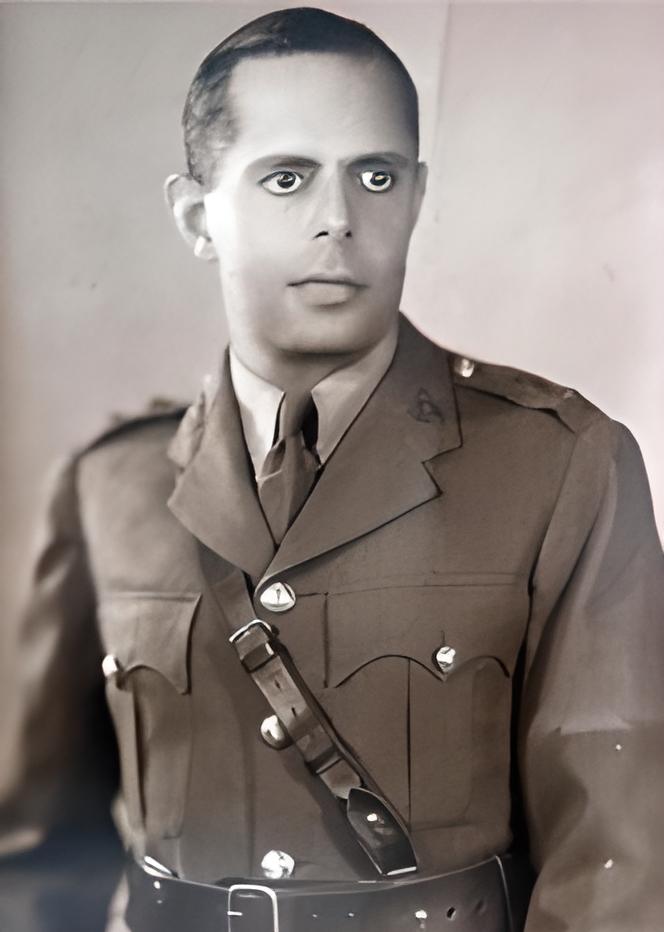
Major Alexis Casdagli
Alexis Casdagli had no intention of being idle. He decided to organize a personal resistance. He became interested in needlework. With great difficulty, he obtained linen cloth and made a canvas. He began to embroider the canvas with threads pulled from unused sweaters and pajamas. The result was a rug of magnificent beauty. High-ranking Nazi officers confiscated the rug. They hung it in their offices in turn.
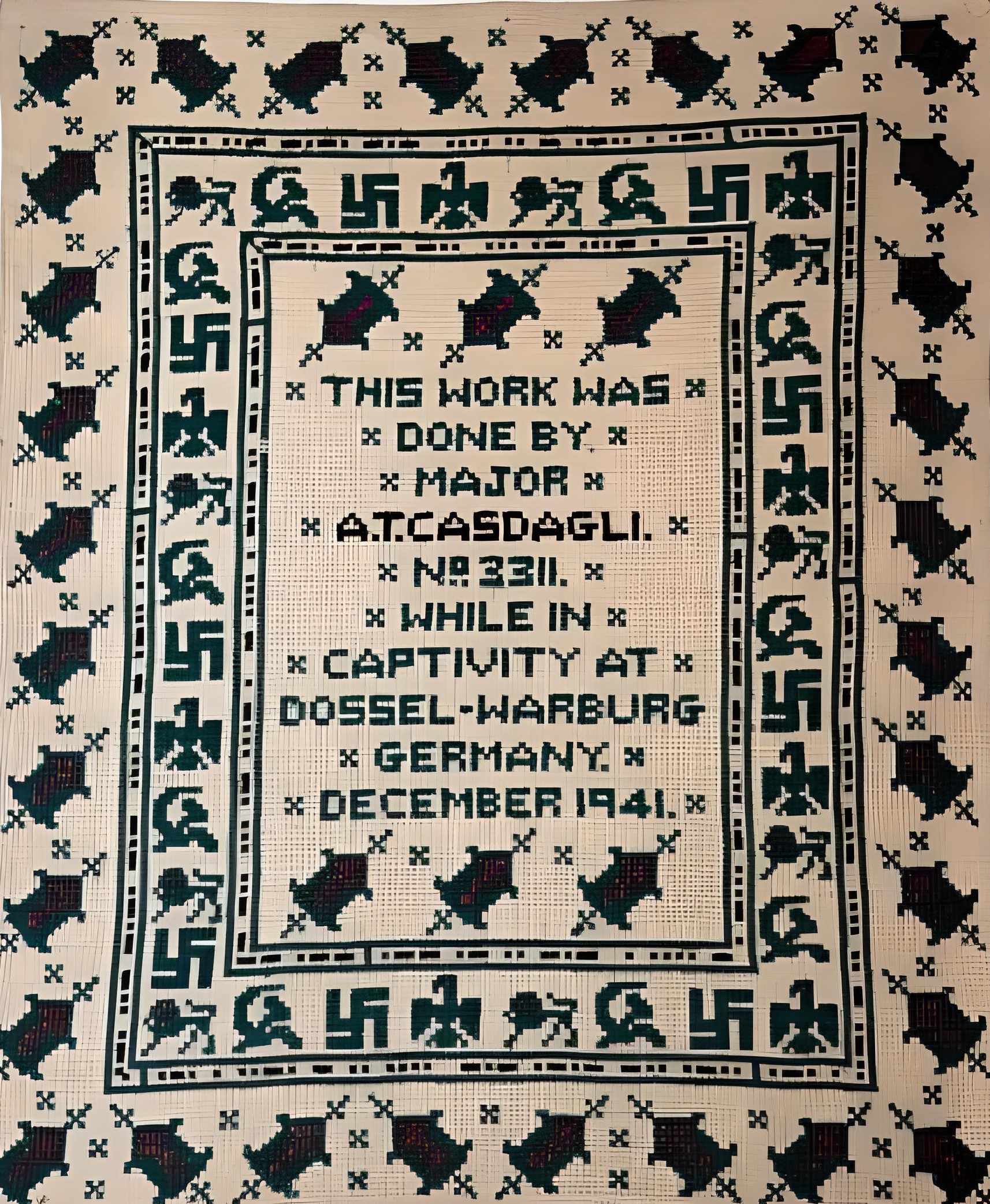
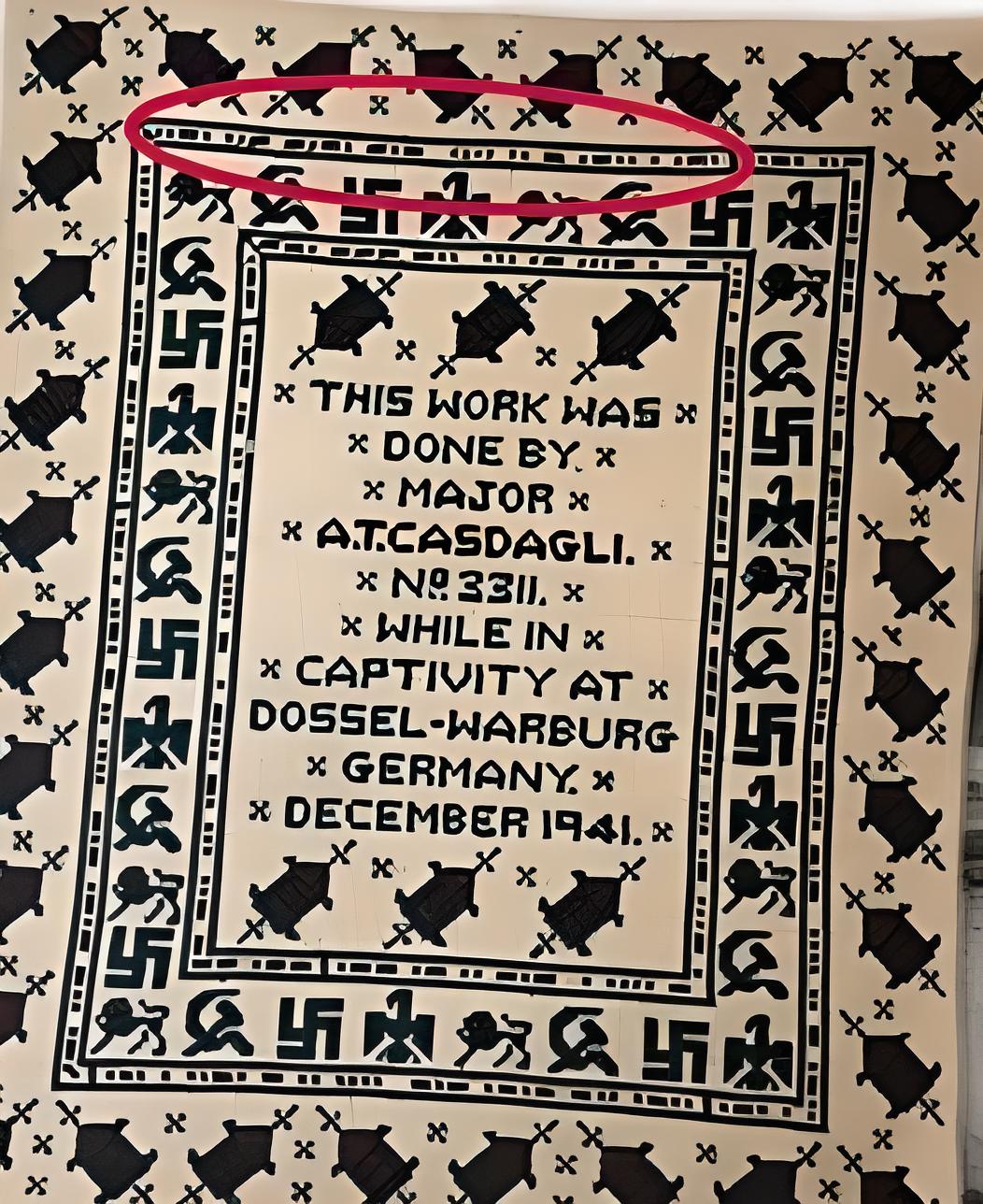
(Left) The original rug; (right, in the red-circled section) "Long Live the King! Down with Hitler" written in Morse code
The Nazi officers were unaware of something. Major Alexis Casdagli had embroidered a message on the upper part of the rug using Morse code (dots and dashes): "Long Live the King! Fuck Hitler!" Moreover, he had also placed the Soviet hammer and sickle symbol, the British war ally, among the rug's patterns. In a sense, he continued his silent resistance even in German prisoner-of-war camps.
A HEAD FOR EVERY CHILD
It is a sunny and beautiful spring day in Iğdır. Hamit Hun is sitting in a coffeehouse under the shade of a huge willow tree in the town center, drinking tea and chatting with his friends. Birds were chirping joyfully, some trying to mate on the large branches of the tree. One of his friends, known for his flirtatiousness, sighed as he looked at the birds:
"Oh, if only I were in their place!"
Hamit Hun remained silent. His friend asked curiously:
"Mr. Hamit, I have ten children, but I want more. One woman is not enough. Should I marry again?"
Hamit Hun interjected:
"God forbid! Right now, you are a harmless person minding your own business. If the number of children increases, you might turn into a ruthless killer."
"Why would I become a killer if my number of children increases?"
"Let me tell you a story: Once upon a time, there was a sultan named Ismail Mulay in Morocco.

Sultan Ismail Mulay of Morocco
He also wanted to have many children, just like you. He established a harem. The number of children began to increase rapidly. He constantly increased the number of women in his harem. He had 500 wives. The number of children exceeded 500. As the number of children increased, Ismail Mulay also became ruthless. Every time a child was born, he would cut off the head of one of his slaves. The slaves would gather every evening and say, 'Oh Allah, help us. May the Sultan have no more children. For every child, he cuts off the head of one of us.'
Time passed, and this time Ismail Mulay found himself nearly 1500 lovers, and the number of children increased even more. He continued his old habit, cutting off the head of one of his slaves every time a child was born. He wanted his own children to rule the world when he died. When he died, he had 1171 children.
Now you come and tell me you want to increase the number of your children. There are no slaves around, so I fear that for every child born, you might cut off the head of one of us!"
WE WILL WAIT A LITTLE
While Hamit Hun was chatting with his friends, a relative, overwhelmed by economic difficulties, complained:
"Mr. Hamit, when will this situation improve, when will Allah make us smile? I can't even bring home money for bread."
Hamit Hun replied in a calm tone:
"One must be patient! Have you ever seen a woman baking bread on a griddle?"

A woman baking bread on a griddle
"Of course! At our house, bread is still baked this way."
"When one side of the bread on the griddle is cooked, the woman flips it over and cooks the other side."
"That's right!"
"There are so many nations in the world. Allah Almighty also flips nations over, one by one, just like bread on a griddle. When Saudi Arabia was in a miserable state, Allah flipped the country over, the oil underground came to the surface, and now they are enjoying themselves. When we were enjoying ourselves, He flipped our country over, and now we are suffocating, breathless underground. Be patient for a while! Soon everything will turn around again."
"Then I'll go home and give the good news to my wife."

Saudi Arabia's miserable years before being "flipped over" (Riyadh, 1937)
IT'S NOT LIKE THIS
As Hamit Hun walked home in the evening, he came across an old man lying on the ground by a garden, sleeping with his head resting on his bundle.
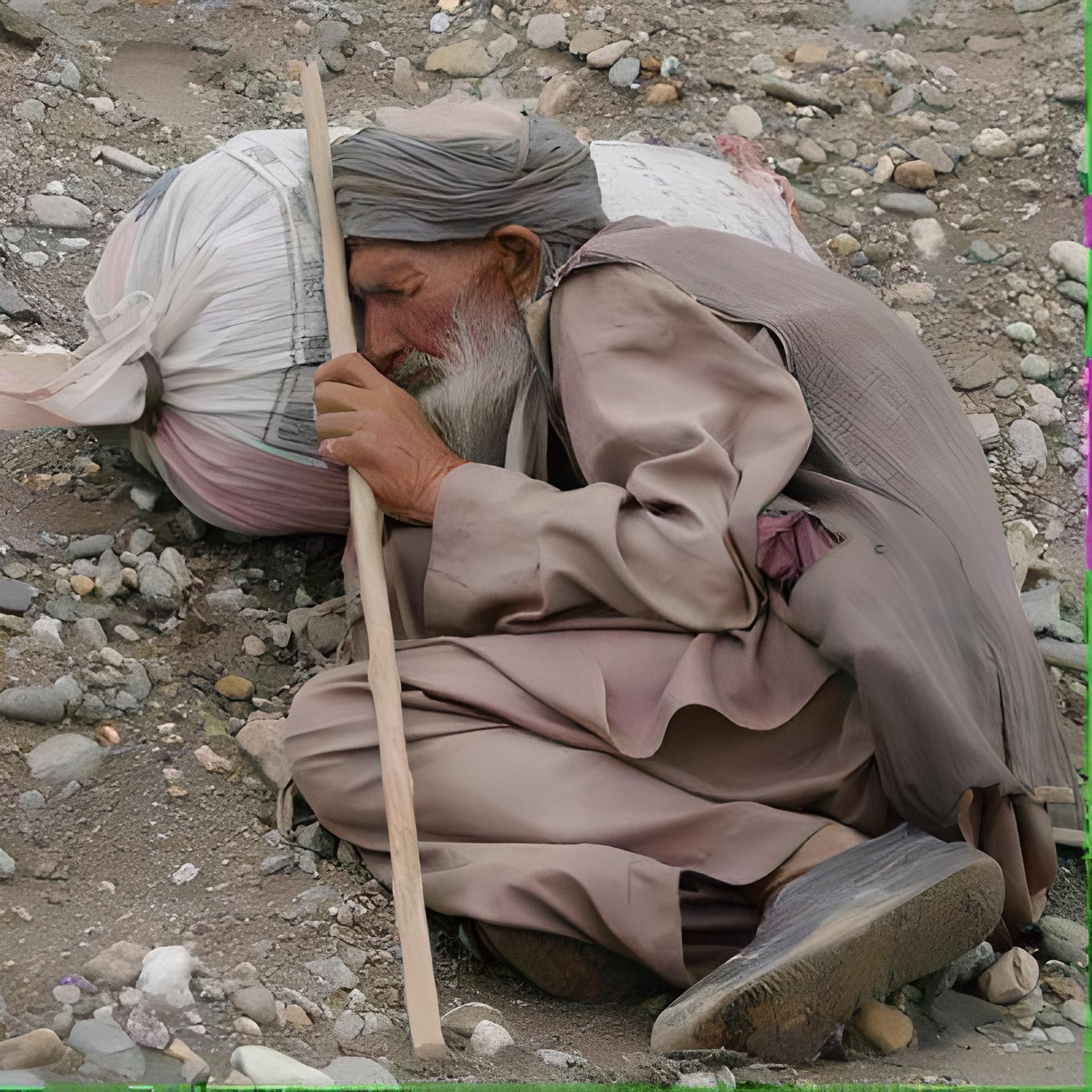
His heart ached, and he continued walking, but with every step, his anger grew, questioning humanity's heartlessness and cruelty. Hamit Hun's conscience was troubled; he was angry at humanity. He neither greeted passersby nor returned their greetings. With a heavy heart, a darkened spirit, and a grim face, he arrived home. He scolded his dog, which ran to him joyfully wagging its tail, for no reason. He ignored his wife and children. He went to bed early without eating dinner. He slept restlessly.
The next day, as Hamit Hun returned home in the evening, he saw the old man in the same spot again. The man was again lying on the ground, sleeping, clutching his cane tightly. Hamit Hun again succumbed to a painful flood of emotions. He lost his joy for life once more. He relived what he had experienced the previous day. He lay in his bed. "Oh Allah, take the wealth from me and give it to the old man!" he prayed. He slept restlessly.
On the third day, when Hamit Hun saw the same man, in the same place, in the same position, sleeping, he couldn't bear it. He approached, squatted down, and woke the man by touching his shoulder:
"Uncle, uncle!"
"What is it, son!"
"As long as you lie here, neither will I have peace, nor will you be comfortable. It's better if you go to my house in my place and rest, and I'll lie here in your place as a punishment, at least I'll sleep peacefully."
"Son, what are you saying! I left my palace-like home and ended up in the deserts because of a woman, and now you want to hand me over to a woman again? Oh, no, no!"
I ABSOLUTELY DO NOT ACCEPT
An Azerbaijani woman had two daughters. For her 14-year-old elder daughter, she would say to her neighbors:
"I hope my daughter doesn't marry a Kurd in the future!"
When her daughter turned 15, her mother would say to her neighbors:
"I absolutely do not want my daughter to marry a Kurd."
As the daughter grew older, the mother's words became sharper and more resolute. When her daughter turned 16, she would say to her neighbors:
"If my daughter marries a Kurd, I will never forgive her."
When her daughter turned 17, the mother this time said to her neighbors:
"If my daughter marries a Kurd, I will disown her."
At the end of that year, the daughter eloped with her Kurdish boyfriend. The mother was both deeply disappointed and angry. The man who eloped with her daughter was a distant relative of Hamit Hun.
One day, the woman stood in front of Hamit Hun, who was walking minding his own business in the middle of the bazaar:
"I am very uncomfortable with my daughter marrying a Kurd. I do not accept this situation."
Hamit Hun interjected:
"Madam, it is true, the young man who eloped with your daughter is my distant relative. When your son-in-law was 14, I called him to me and warned him, 'I hope he doesn't marry an Azerbaijani girl in the future!' When your son-in-law turned 15, I called him again and warned him, 'I absolutely do not want you to marry an Azerbaijani girl.' When your son-in-law turned 16, I called him again and warned him, 'If you marry an Azerbaijani girl, I will never forgive you.' When your son-in-law turned 17, I called him again and warned him, 'If you marry an Azerbaijani girl, I will disown you.' Unfortunately, he didn't listen to me and eloped with your daughter. I am also very uncomfortable with my relative marrying an Azerbaijani girl. I do not accept this situation."
The woman spoke in a sweet tone:
"Mr. Hamit, our wedding will be next week. Please come!"
"I will come! And please, start warning your younger daughter strictly now, so she doesn't marry a Kurd."
REVOLUTION AT HOME
NOTE: In February 1917, a revolution occurred in Russia. Kerensky overtook the Bolsheviks and assumed the premiership in June. A dual power reigned in the country. Lenin overthrew Kerensky in November and seized power. Kerensky fled abroad.
While Hamit Hun was sifting through his son's socialist books, he came across Lenin's work titled "1917". He randomly opened a page. He read a sentence: "A highly remarkable feature of our revolution is that it has produced a dual power."
The next morning, as he walked towards the bazaar, a Terekeme neighbor accompanied him. They walked in silence for quite some time. The neighbor spoke of the recent right-left incidents and expressed his concern:
"If things continue like this, it seems a revolution will happen!"
"A revolution? Is that all! A revolution has already happened in our house! There is currently a dual power: me and my wife. What I wonder is, at the end of this, which one of us will be Kerensky and which one will be Lenin!"
HORSES IN FRONT
One day, a friend posed a difficult question to Hamit Hun:
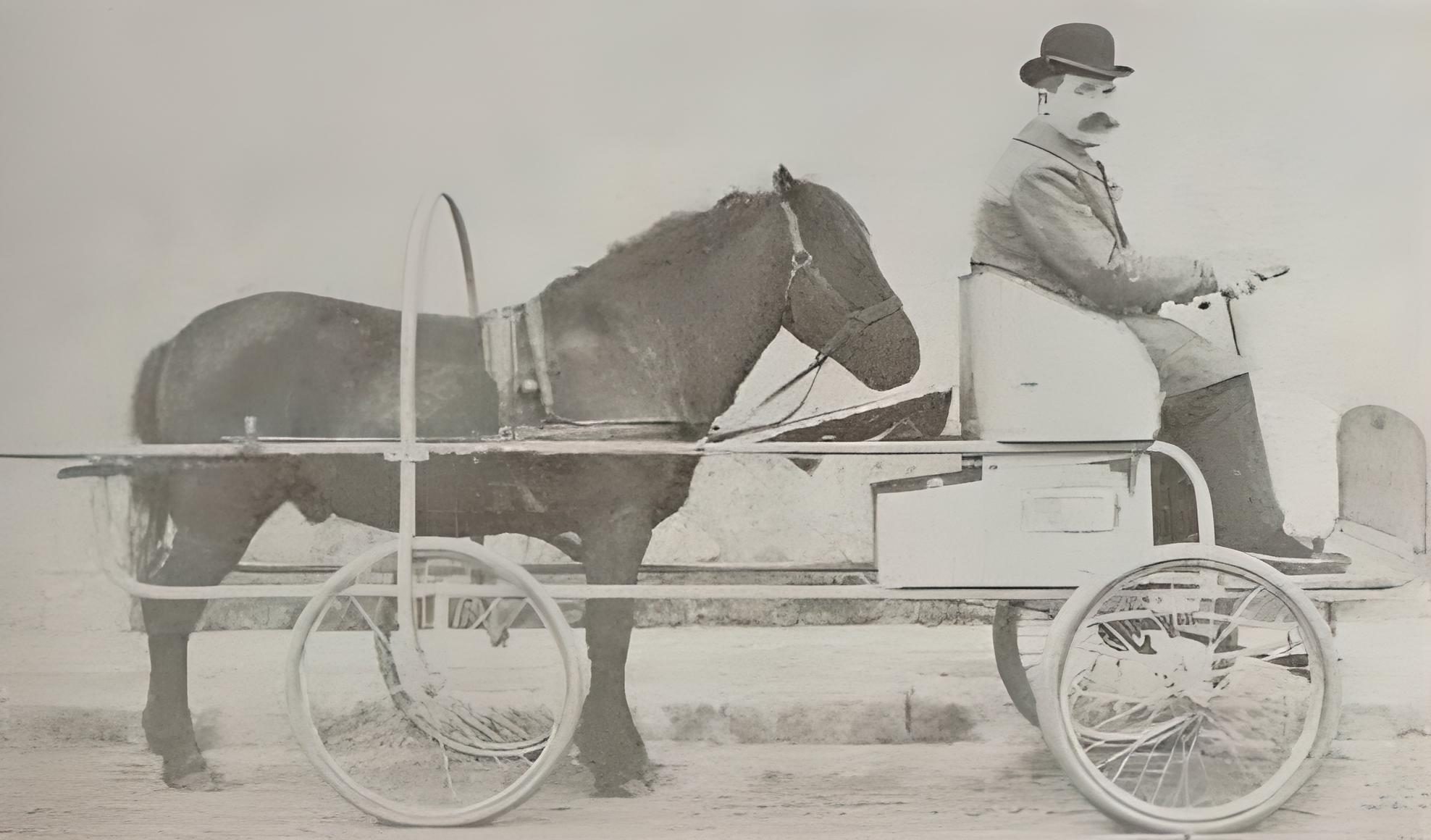
"Why do they tie horses in front of cars and phaetons? The poor coachmen have to smell the horses' droppings. Wouldn't it be better to tie them at the back?"
"At one time, an American thought like you. He tied the horse to the back of the carriage. Do you know what happened?"
"What happened, Mr. Hamit?"
"Since the horse couldn't see in front, the carriage rolled down a cliff."
"Did anything happen to the coachman?"
"No! He was lucky. There was a village at the bottom of the cliff. The coachman fell into a pit where the villagers collected horse droppings, and his life was saved. As you can see, no matter what coachmen do, they can't escape horse droppings."
The following two tabs change content below.